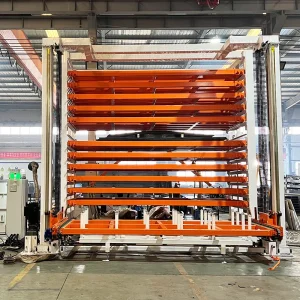
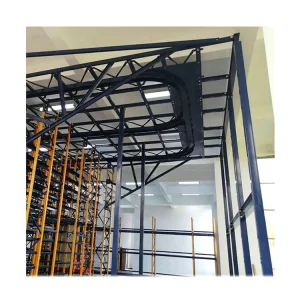
Explore heavy-duty infrastructure systems, precision metal containers, and advanced autonomous robotics designed to optimize sub-zero storage footprints.
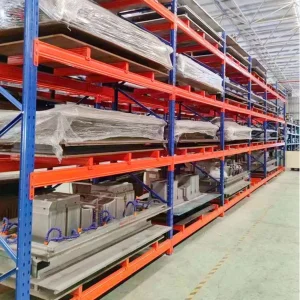
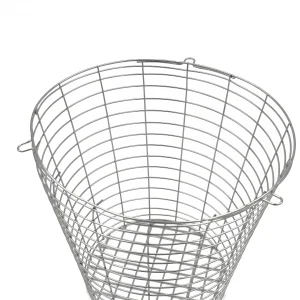
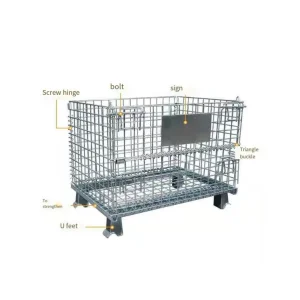

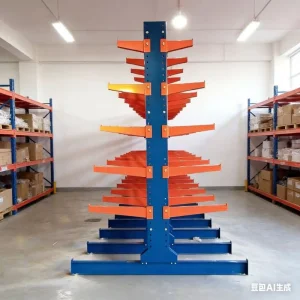
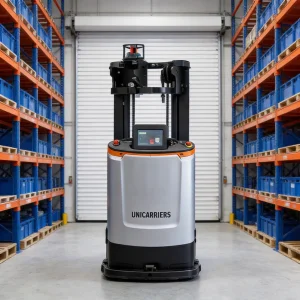
In an increasingly globalized economy, the stability, efficiency, and reliability of cold chain infrastructures have become fundamental drivers of market growth. From preserving temperature-sensitive pharmaceutical agents to stabilizing international food trade networks, industrial cold storage systems must sustain thermal consistency under demanding structural loads. In China, cold storage solutions factories have evolved from simple steel racking fabricators into highly integrated, tech-driven partners capable of engineering advanced, automation-ready thermal logistics solutions.
The paradigm shift in global sourcing places the emphasis on end-to-end reliability. China-based cold storage factories maintain their market dominance by integrating high-quality raw material sourcing, automated precision fabrication, and cutting-edge logistics software. Key advantages include:
Top-tier engineering ensures that all floor anchors, racking upright base plates, and guide rails are separated from the main structural slab through non-conductive isolation pads, preventing cold loss and avoiding frost heave beneath the concrete foundation.
Hangzhou RAB Logistics Co., Ltd. is a professional provider of intelligent warehousing and modern logistics solutions. Built on years of industry experience and continuous technological innovation, RAB Logistics is committed to helping enterprises transform traditional warehouse operations into highly automated, data-driven, and efficient supply chain systems.
Since its establishment, the company has focused on integrating advanced logistics technologies such as Warehouse Management Systems (WMS), Automated Storage and Retrieval Systems (AS/RS), AGV/AMR robotics, intelligent sorting systems, and real-time data visualization platforms. These solutions enable clients to achieve higher operational accuracy, faster fulfillment speed, and significantly reduced logistics costs.
We work closely with structural and logistics engineers to map cold chain bottlenecks, optimizing high-density warehouse storage footprints from the ground up.
Our mechanical hardware integrates with heavy-duty robotic shuttles, pallet stackers, and navigation software, designed to perform optimally in freezing subzero spaces.
Serving pharmaceutical companies, FMCG logistics, cross-border e-commerce, and high-precision cold warehouses with strict compliance standards.
With strong capabilities in system consulting, solution design, equipment integration, software development, and project implementation, Hangzhou RAB Logistics Co., Ltd. delivers end-to-end intelligent logistics solutions tailored to diverse industry needs. Our expertise ensures seamless coordination between hardware and software, creating scalable and future-ready warehouse infrastructures.
RAB Logistics serves a wide range of industries including manufacturing, cross-border e-commerce, fast-moving consumer goods (FMCG), pharmaceuticals, and automotive parts. Our solutions are trusted for their stability, innovation, and proven performance in complex, high-demand environments. By choosing Hangzhou RAB Logistics Co., Ltd., you are selecting a long-term strategic partner dedicated to building smarter warehouses, optimizing supply chains, and empowering businesses with sustainable competitive advantages in the era of intelligent logistics.
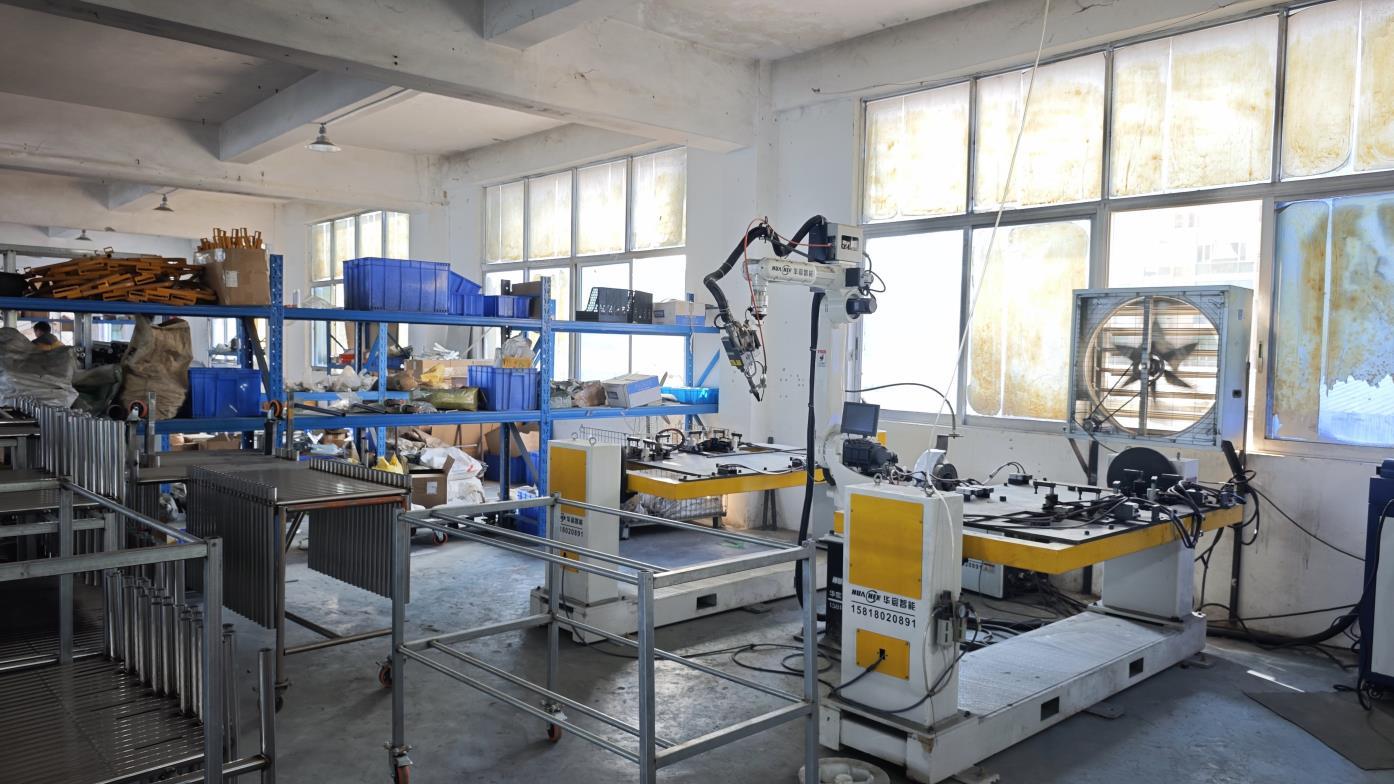
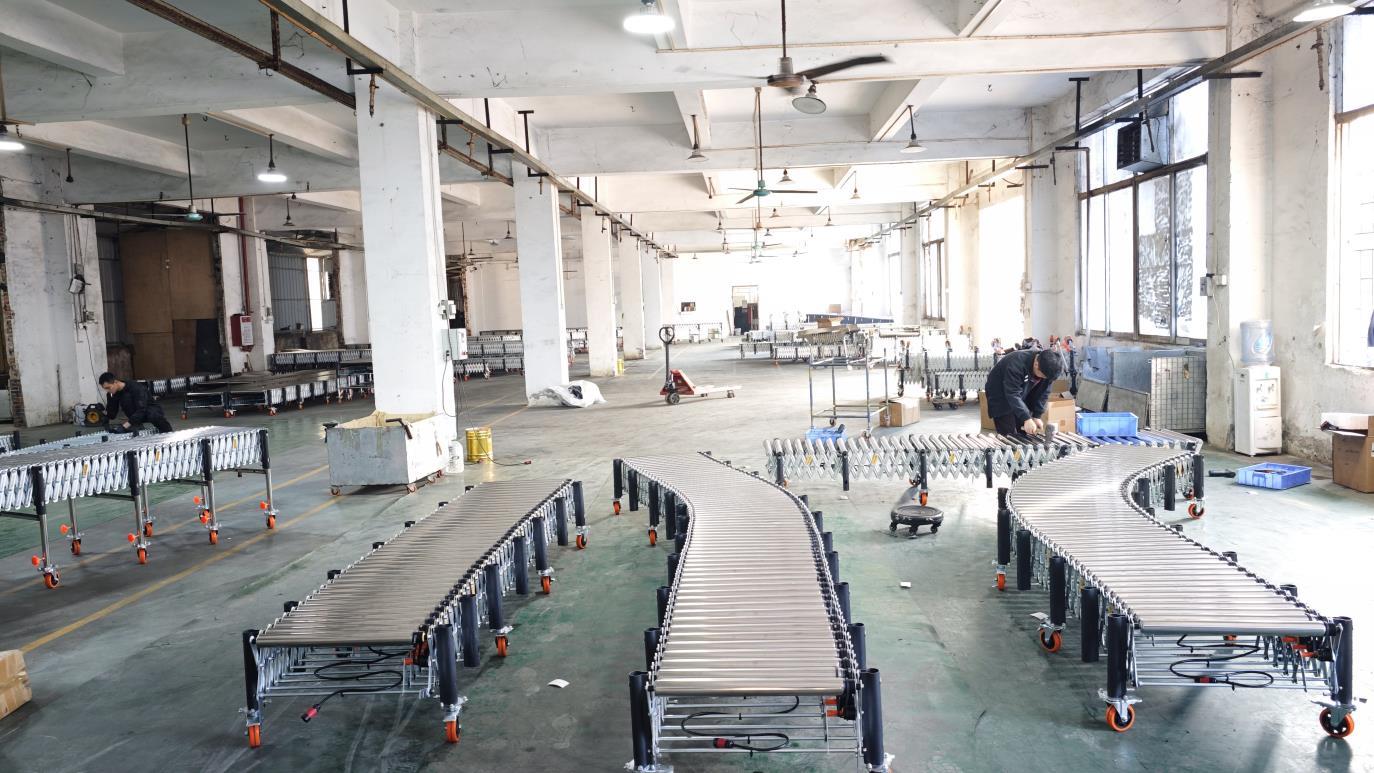
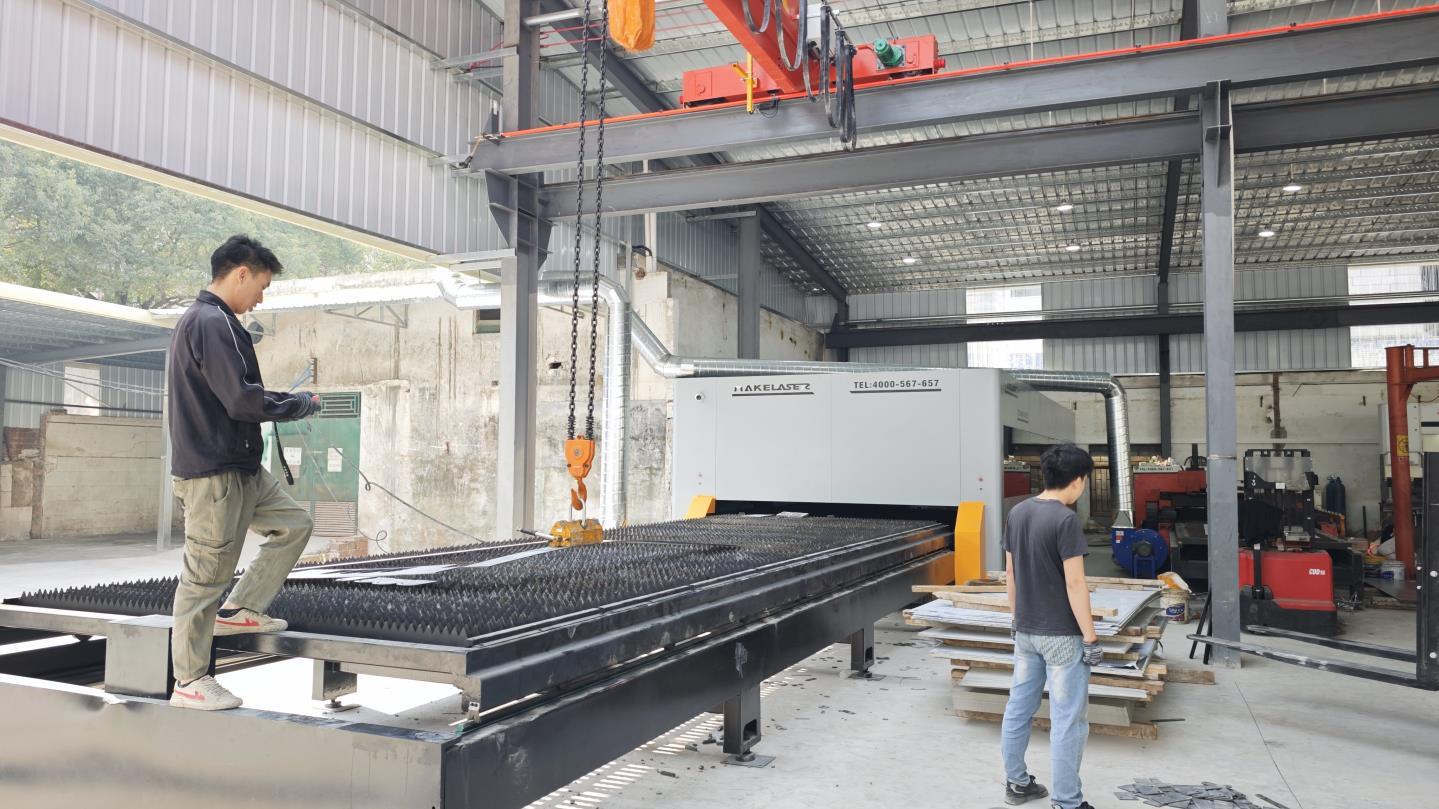
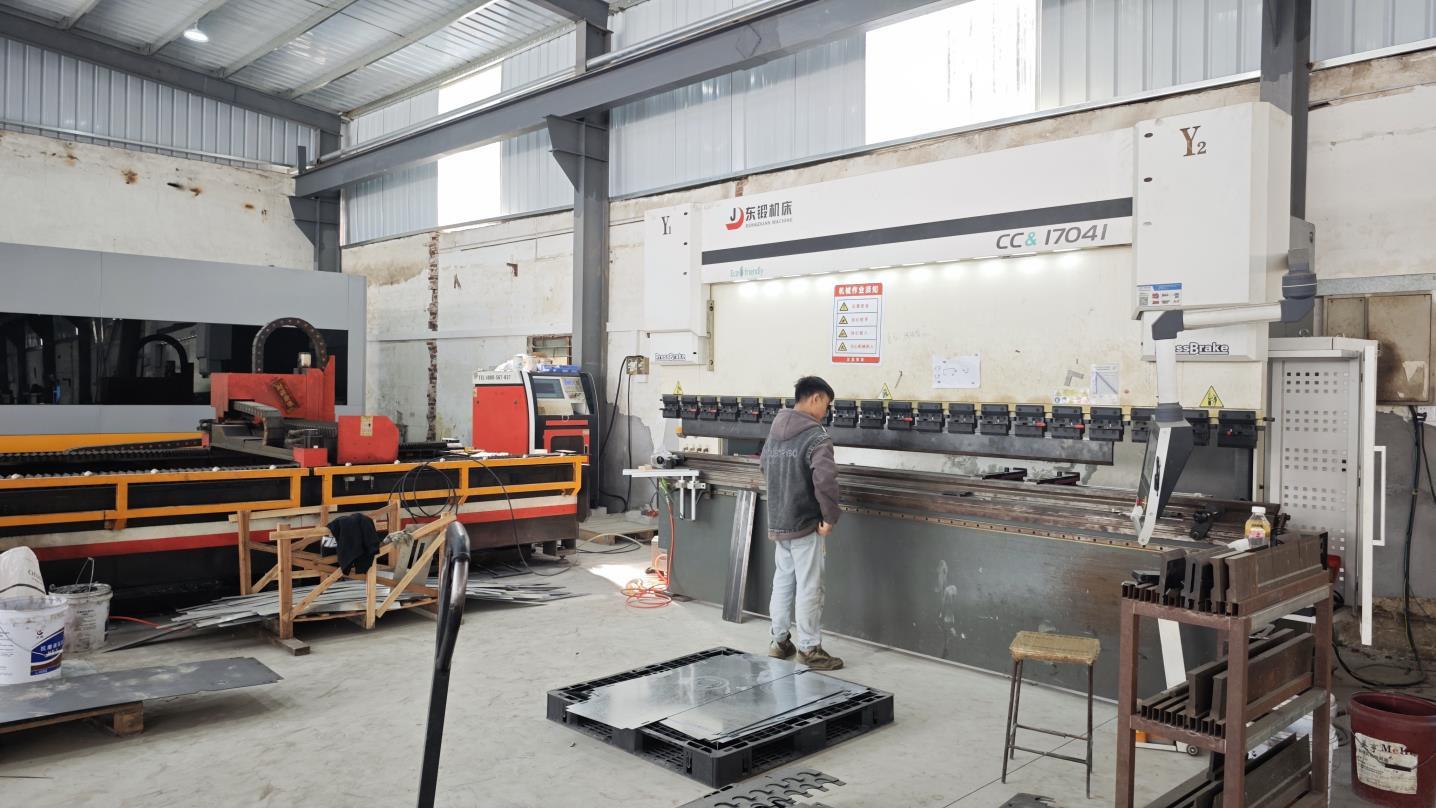
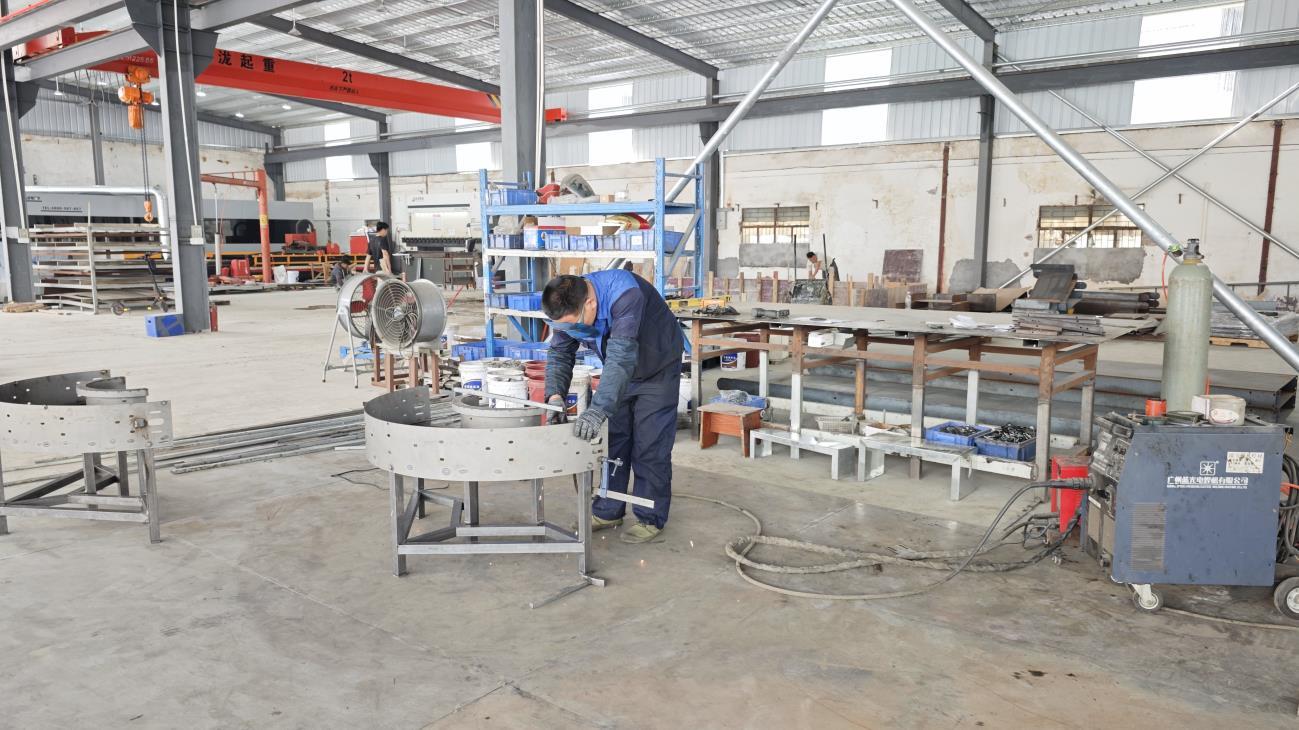
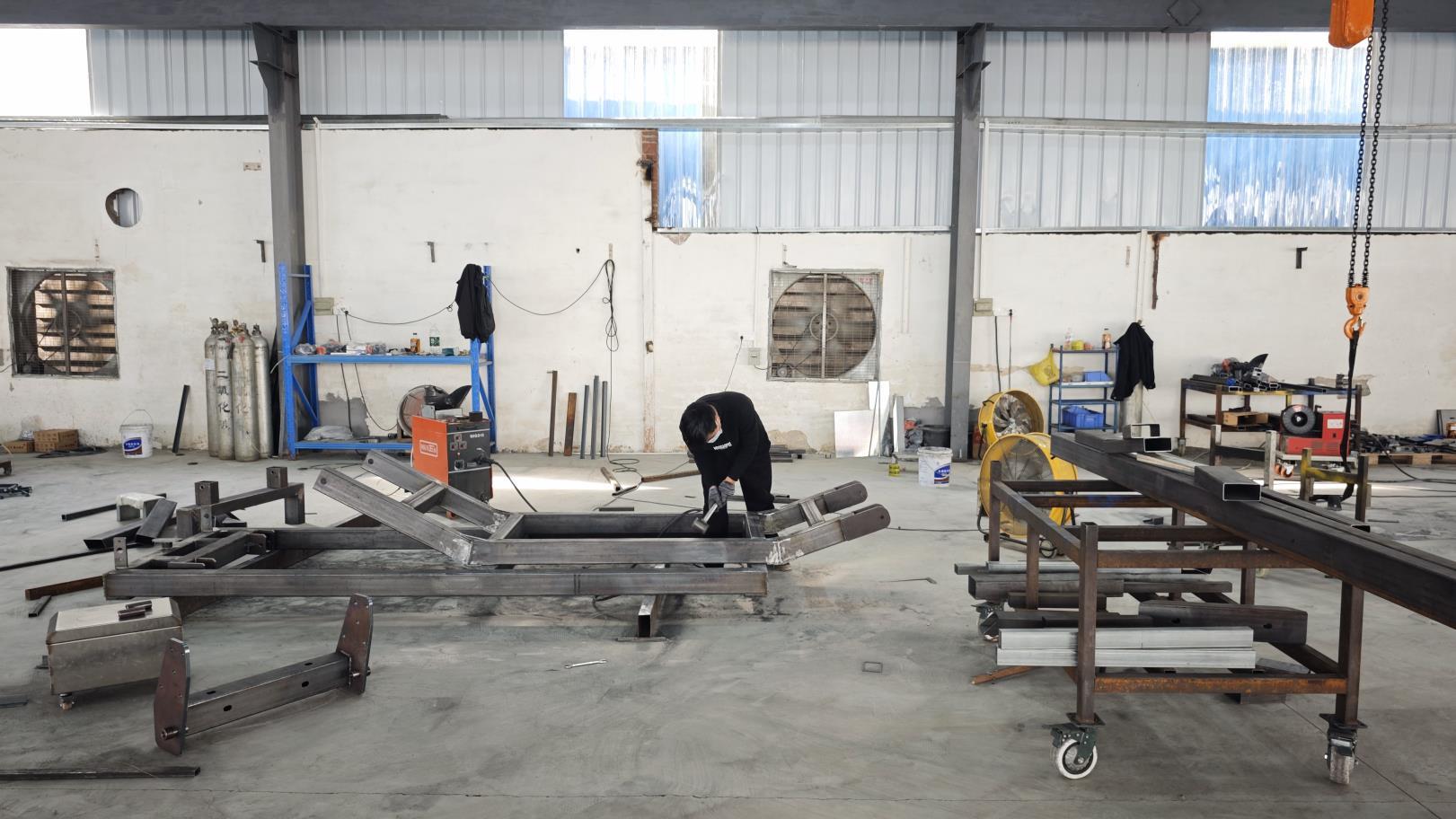
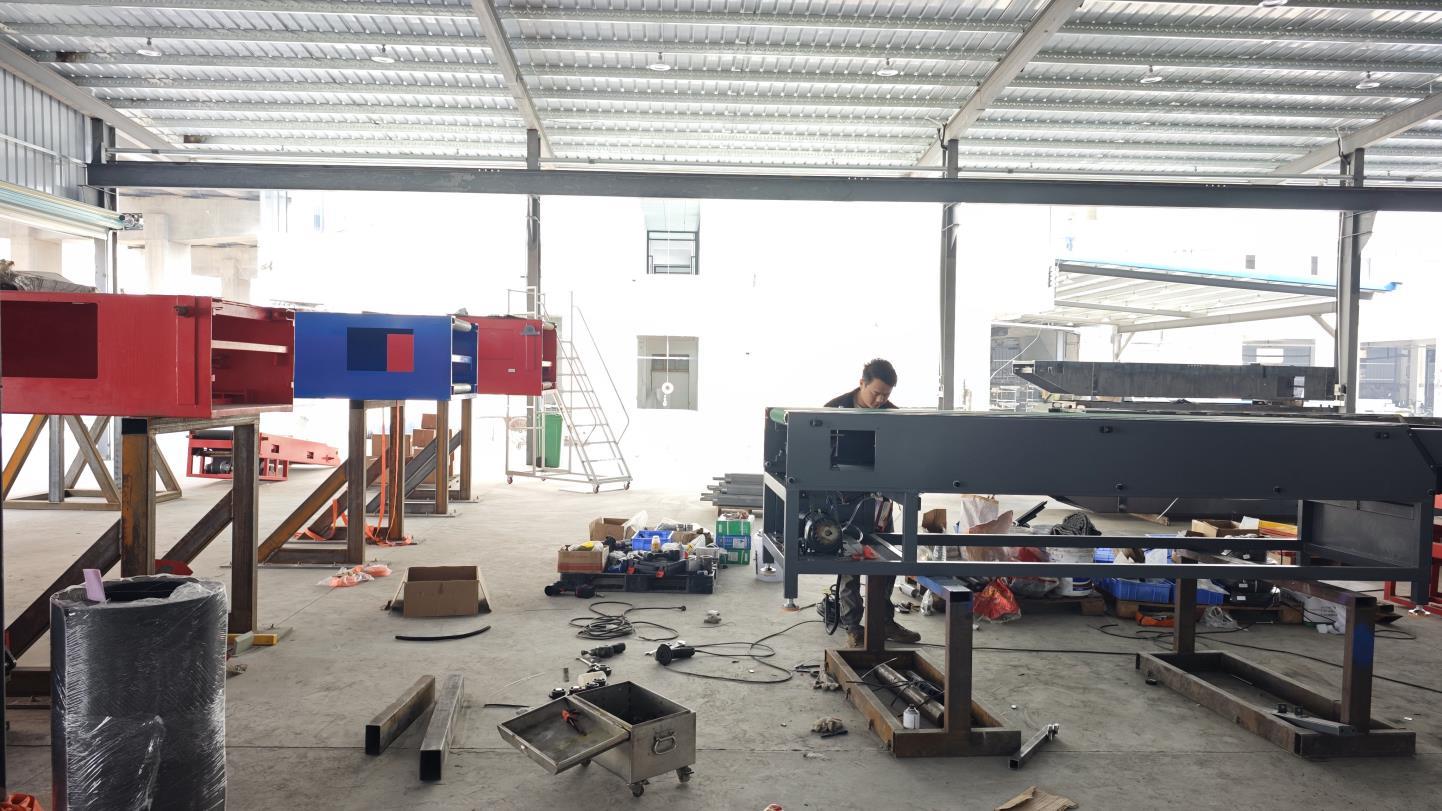
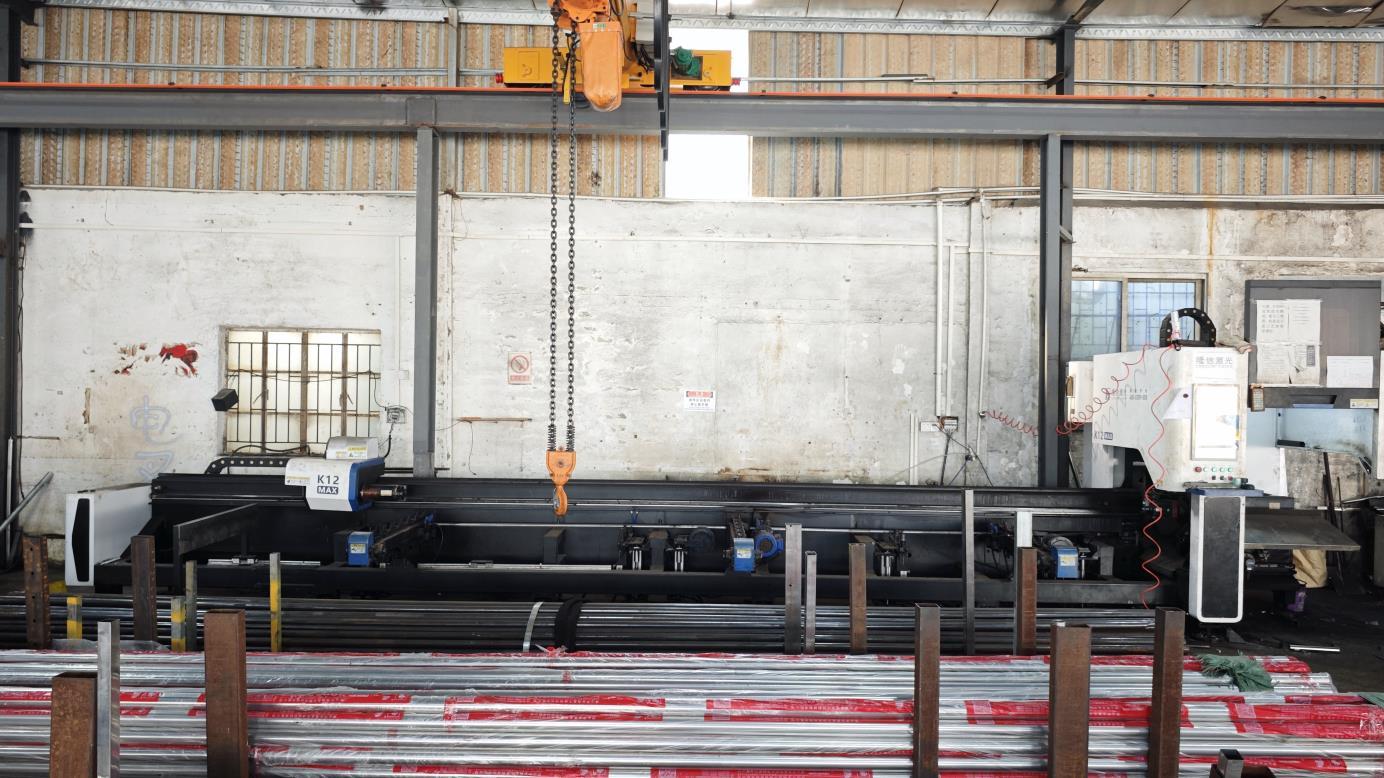
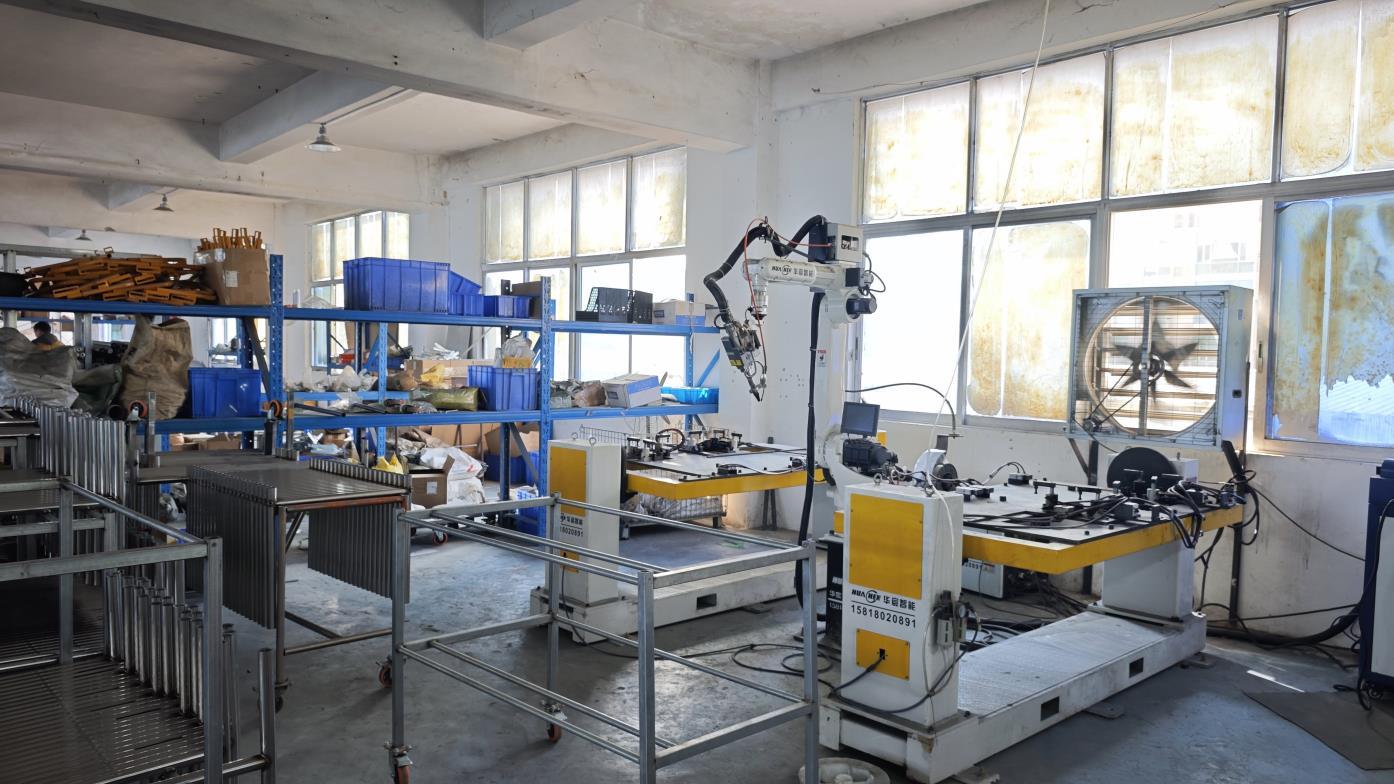
Our factory floor incorporates high-end CNC lines, automated welding robots, and precise cold forming equipment to achieve industrial reliability.
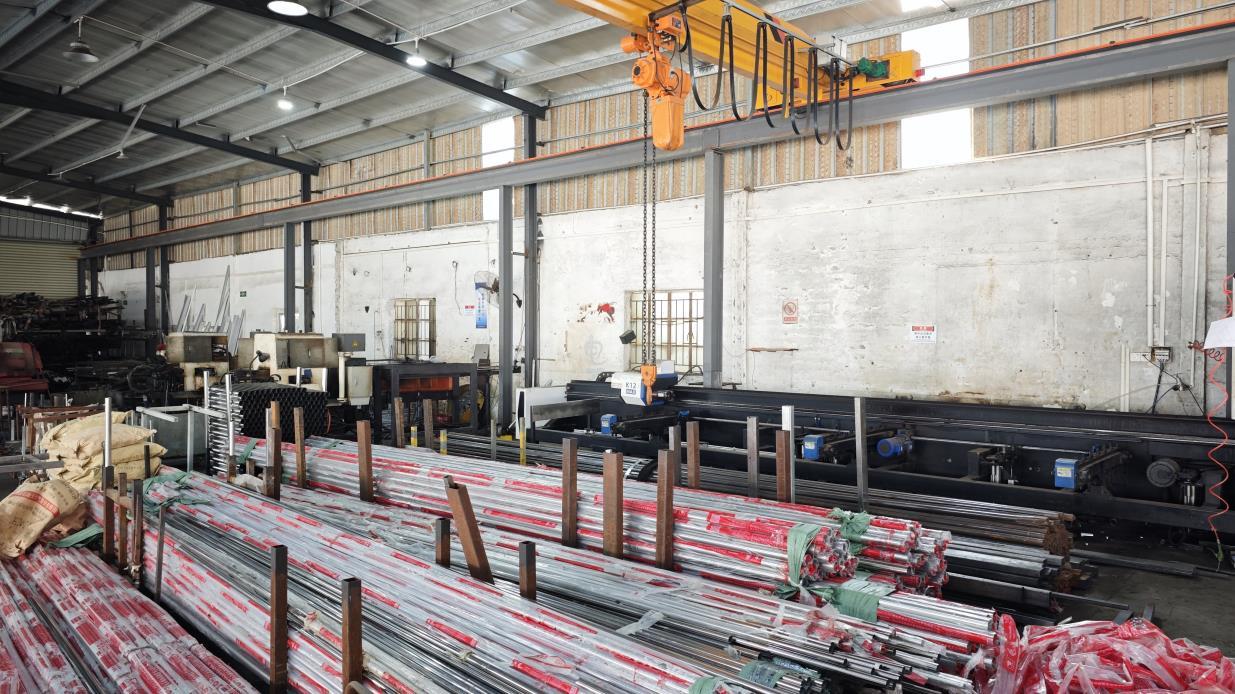
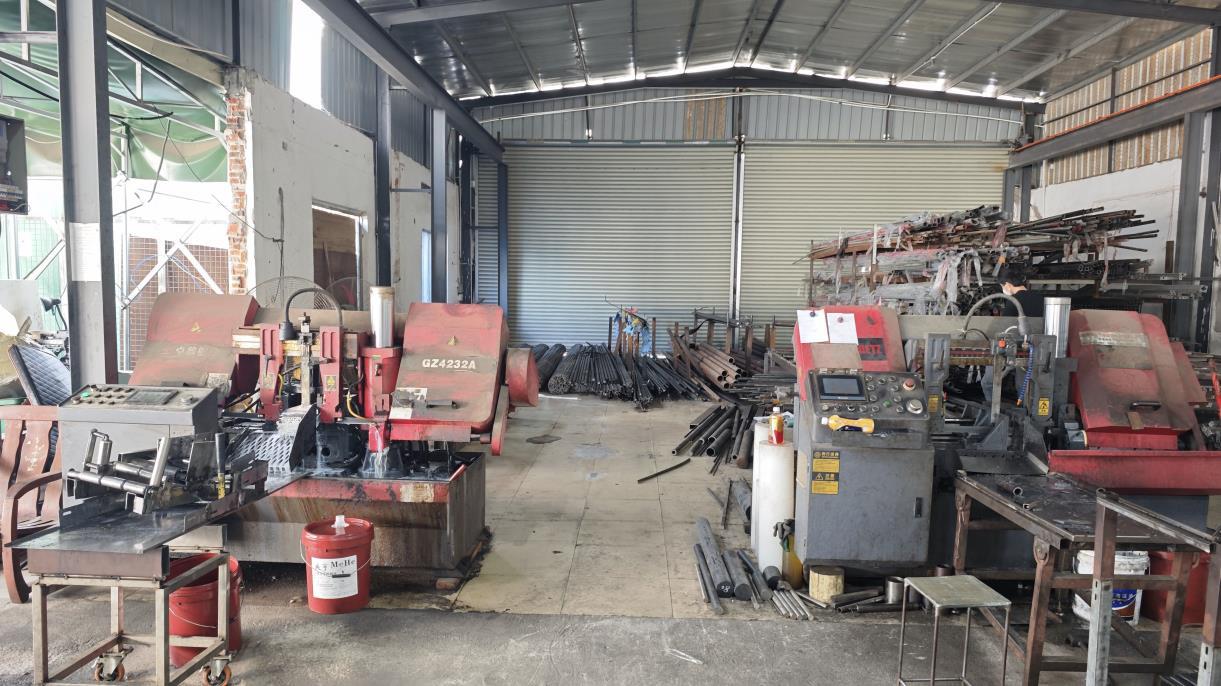
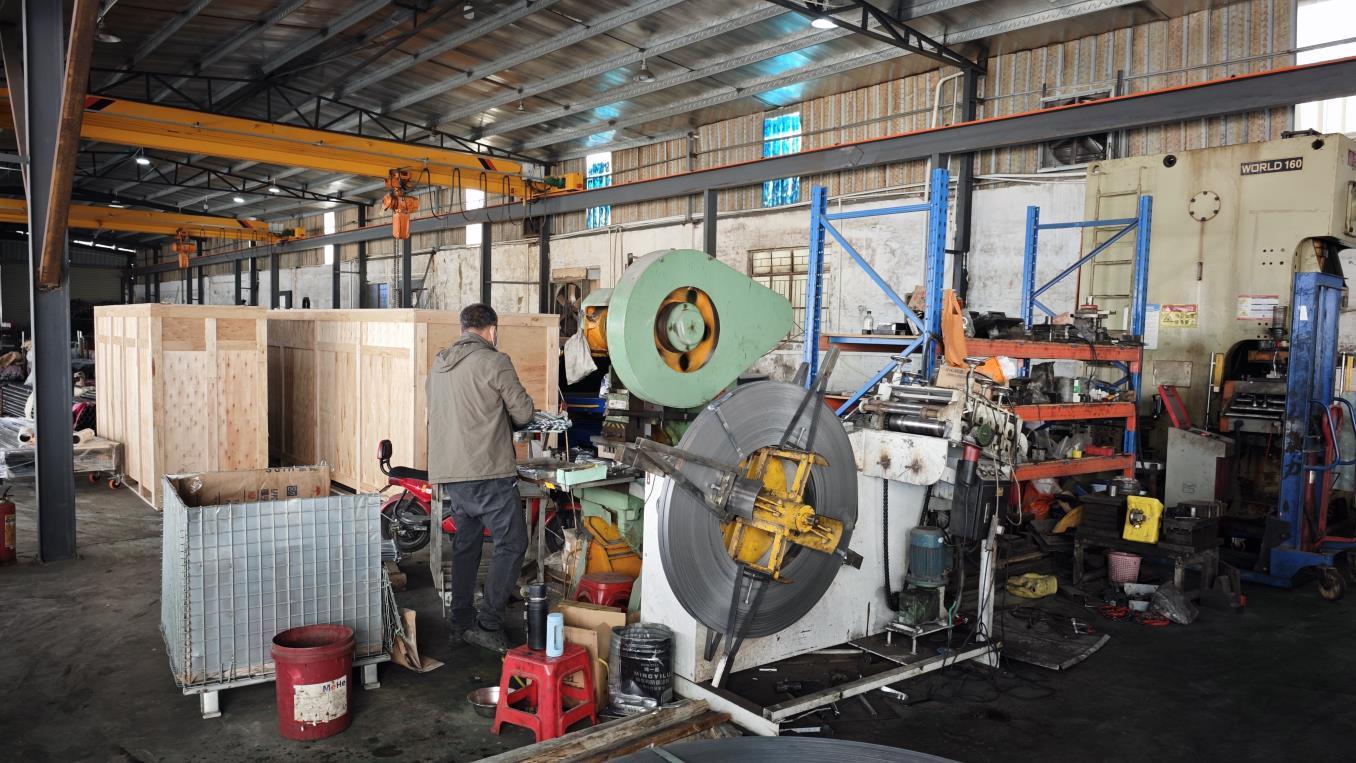
The industrial cold chain sector is transitioning rapidly from static racking units toward smart storage ecosystems. Global logistics operators are demanding higher floor area utilization to combat the rising cost of cooling energy. The leading innovations driving the industry forward include:
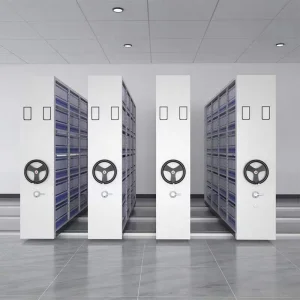
Static storage configurations like drive-in racks are increasingly replaced by high-density mobile racking systems. Engineered with structural rails embedded in the floor, these setups allow shelves to slide close to one another, leaving only one operational aisle open at a time. The result is a space savings of up to 85% compared to conventional layouts, which translates directly to decreased utility and energy spending.
Minimizing cold-room air leaks caused by loading docks requires unmanned operational cycles. Integrated automated storage and retrieval systems (AS/RS), including double-deep crane runners and mini-load stackers, operate at continuous speeds in -30°C zones. These robot platforms interact seamlessly with centralized warehouse management systems (WMS) to track inventory down to the specific SKU with zero room for manual handling error.
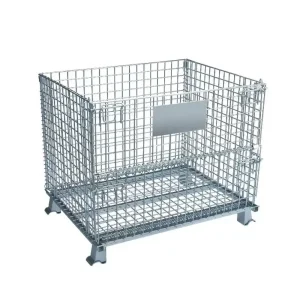
Cold chain logistics operations rely heavily on compliance verification. Racks and heavy steel stillage units equipped with integrated, freeze-resistant RFID tags allow automated portals to read pallet details instantly as they move through temperature zones. This creates real-time visibility, protecting cargo from accidental spoilage.
International procurement agents face distinct structural, regulatory, and mechanical parameters depending on their operating regions:
Get professional, engineering-focused insights about custom structures, automated machinery, and safety criteria for cold chain networks.
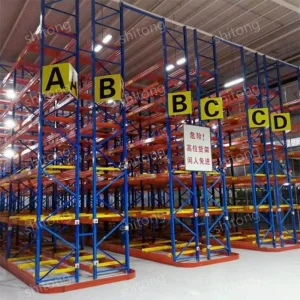
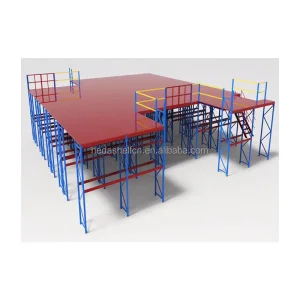
Advanced shelving arrays, structural racking panels, and high-load automated machinery configured for cold chain and warehousing spaces.


 RAB Logistics