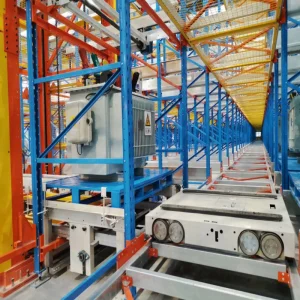
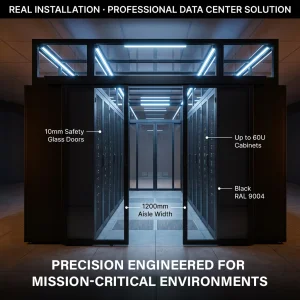
Explore our core engineering hardware and software interfaces designed to build highly scalable automated storage environments.
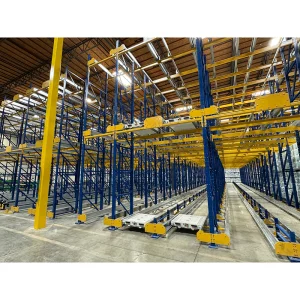
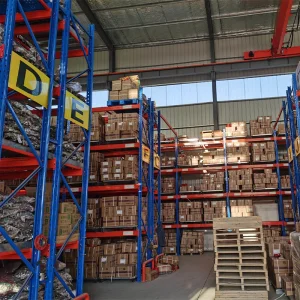
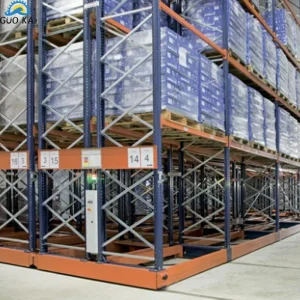
In modern logistics ecosystems, the separation between administrative inventory databases and physical sorting mechanisms has historically caused bottlenecks. The emergence of next-generation Warehouse Control Systems (WCS) bridges this gap. A WCS acts as the critical orchestration layer, translating high-level business logic from Warehouse Management Systems (WMS) and Enterprise Resource Planning (ERP) engines into execution commands for physical hardware.
By receiving real-time data flows, a WCS optimizes the routing of totes, cartons, and pallets across complex conveyors, autonomous mobile robots (AMRs), automatic guided vehicles (AGVs), and stacker cranes. As factories transition to fully automated paradigms, the WCS no longer simply relays instructions; it actively resolves bottlenecks, load-balances machinery, and dynamically calculates alternative routing pathways when physical sensors detect unexpected congestion or mechanical failure.
Strategic analysis of why multinational firms are rapidly adopting integrated WCS solutions.
Global supply chain managers are shifting away from vendor-locked, proprietary hardware systems. Modern procurement mandates that WCS layers be fully compatible with open communication standards like OPC UA, Modbus, and Profinet, facilitating seamless multi-brand equipment integration.
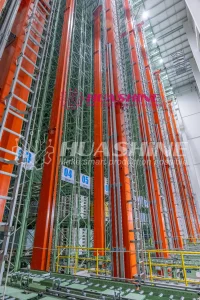
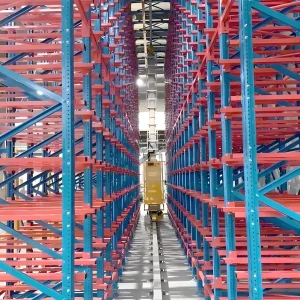
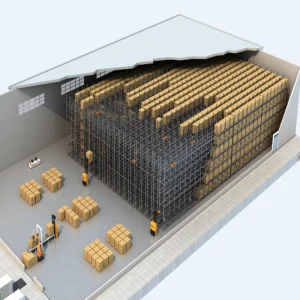
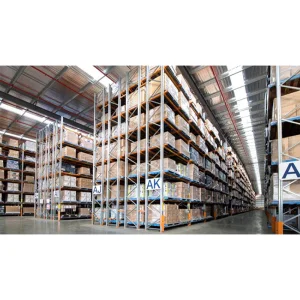
With warehouse space premiums rising globally, facilities are investing heavily in deep-lane shuttle racks, ASRS racking, and multi-tier mezzanine modules. Systems must run on lightweight edge-computing environments directly on the floor to reduce processing overheads.
As operating technology (OT) converges with information technology (IT), WCS frameworks are subjected to strict cybersecurity audits. End-users require end-to-end encryption, local fallback fail-safes, and granular roll-based access controls to prevent system exploitation.
E-commerce expansion forces warehouses to process smaller, high-frequency order profiles. WCS optimization models facilitate batch-picking dynamic sortation and rapid pack-out routines with absolute minimal cycle times.
Escalating global labor rates drive the business case for complete automation. An efficient control software layer ensures automated systems achieve peak mechanical efficiency, minimizing manual intervention requirements.
Modern WCS software acts as an energy optimizer, sequencing motor starts, minimizing acceleration bursts on long conveyors, and utilizing regenerative braking mechanics on vertical lift ASRS systems.
Hangzhou RAB Logistics Co., Ltd. integrates software intelligence with robust manufacturing capabilities.
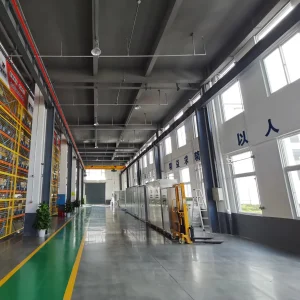
To deliver highly reliable, structural warehouse components capable of supporting multi-ton, high-density loads, Hangzhou RAB Logistics Co., Ltd. operates state-of-the-art metalworking and assembly facilities. Below is an overview of our raw fabrication stages, demonstrating our commitment to industrial-grade quality control, certified tolerances, and systemic production workflows.
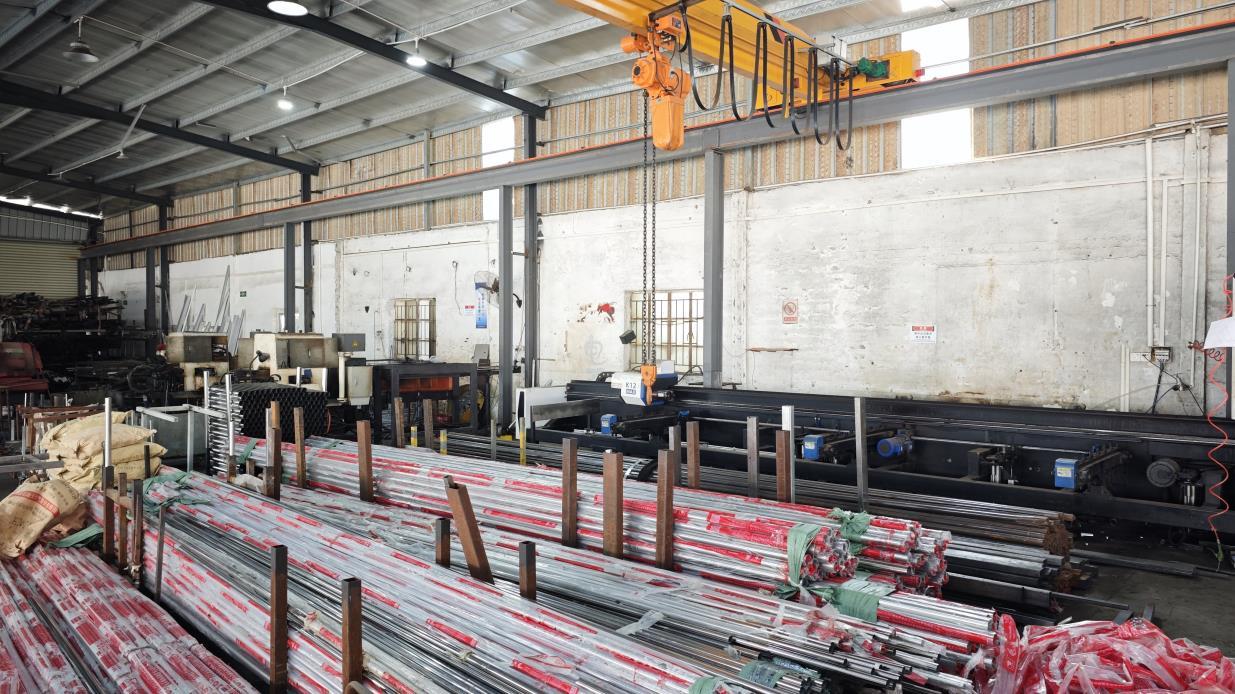
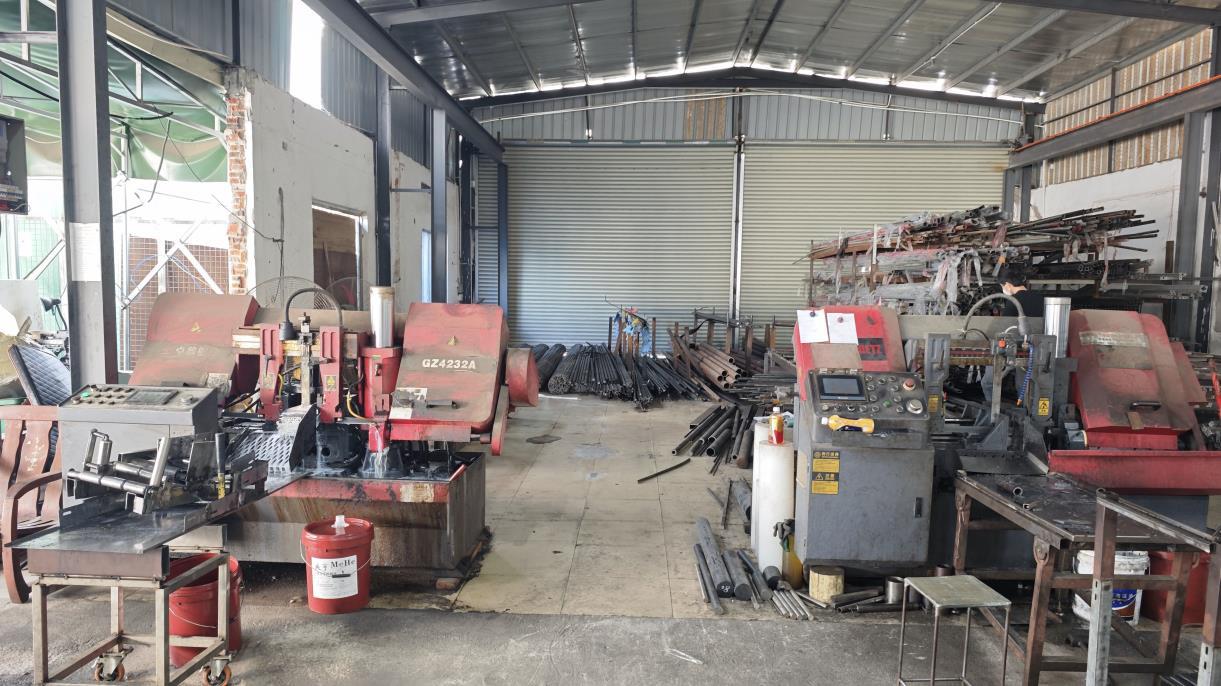
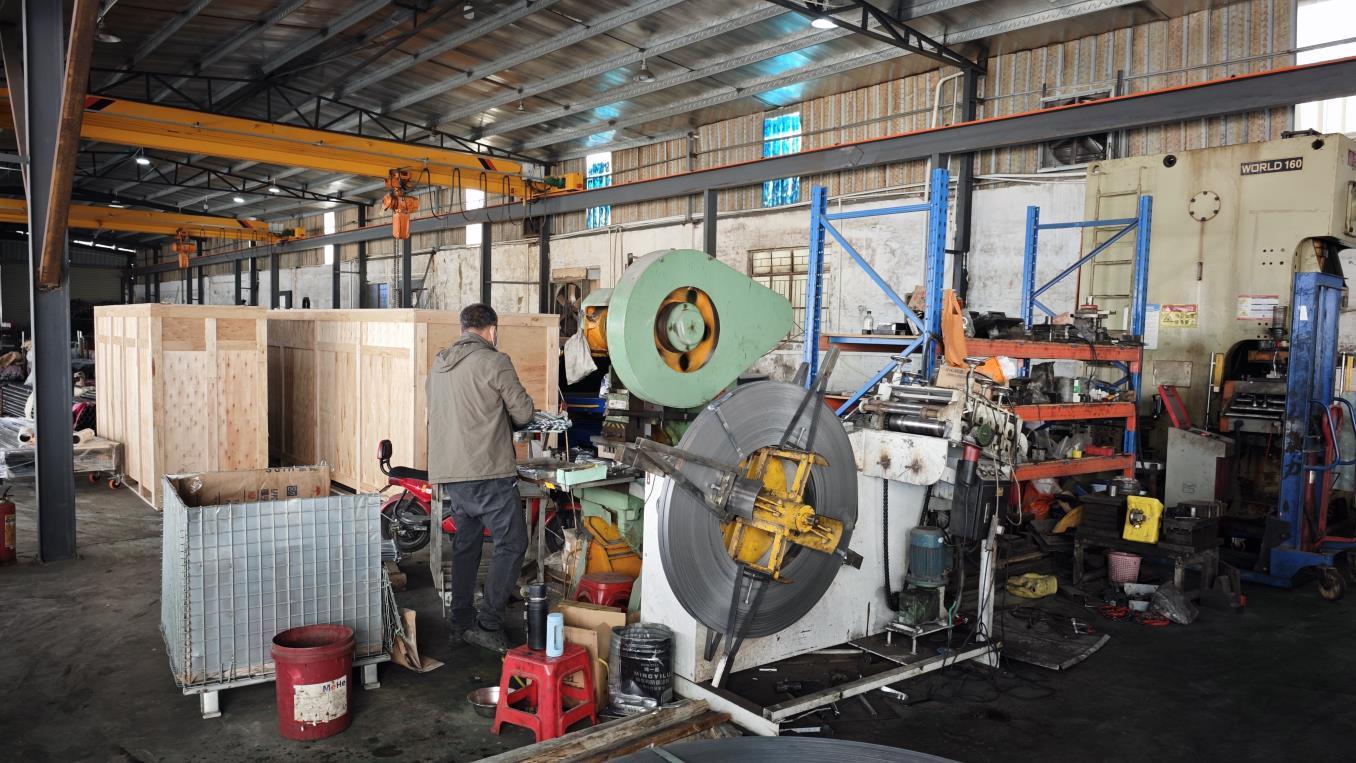
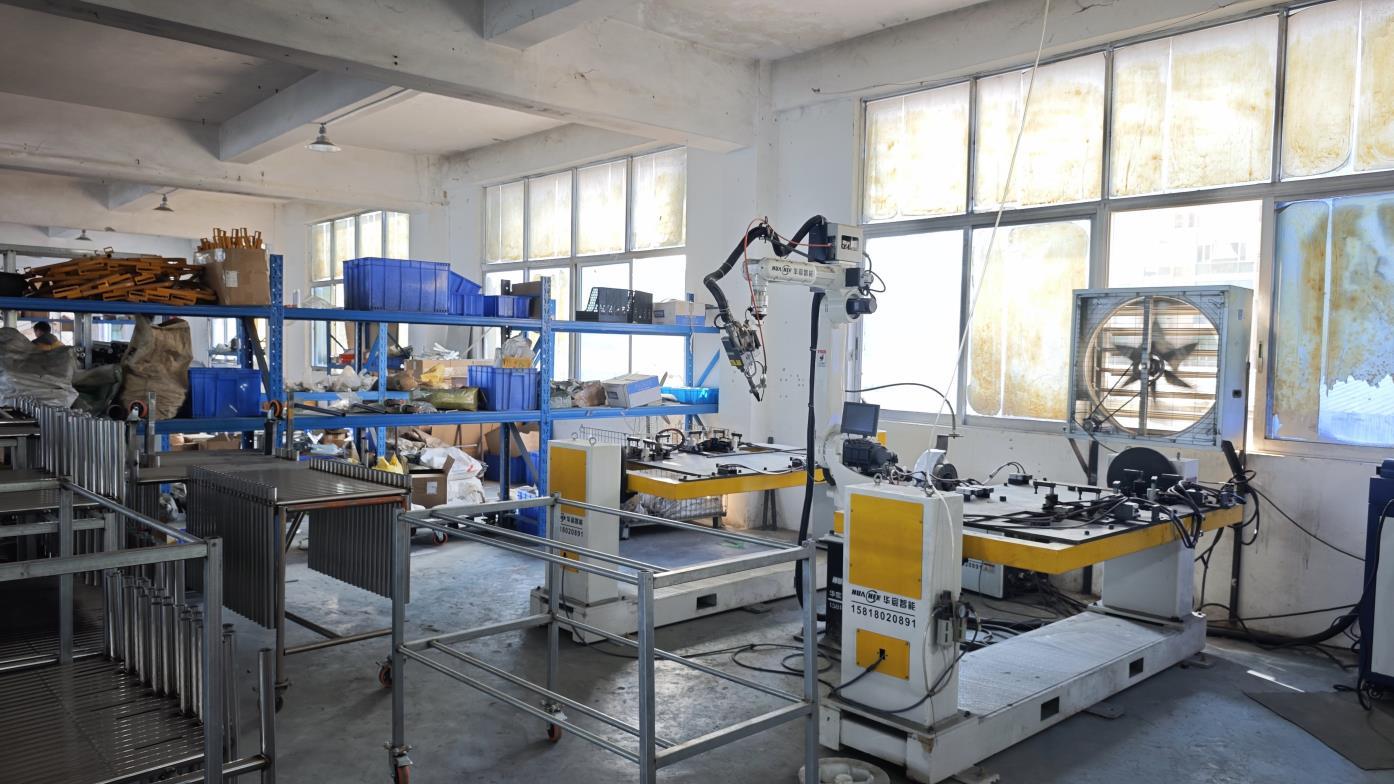
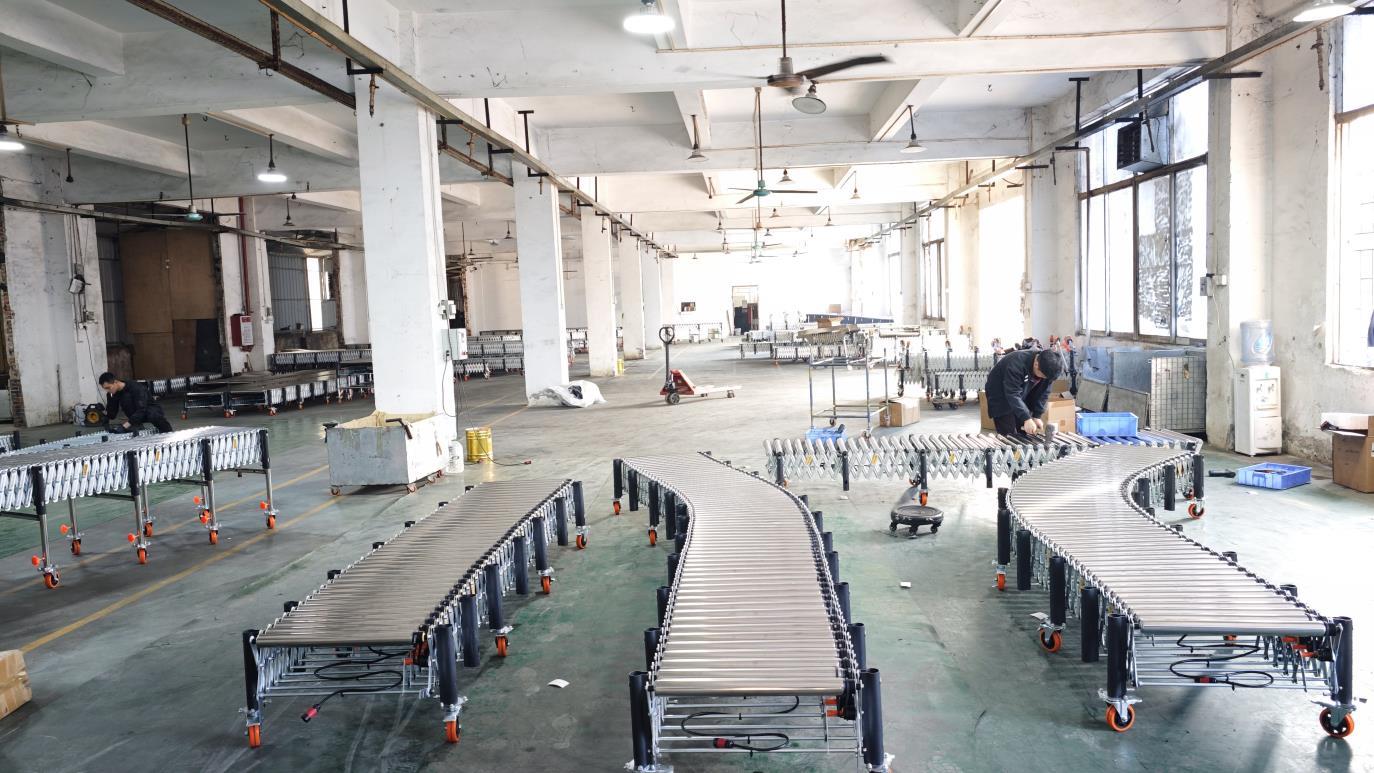
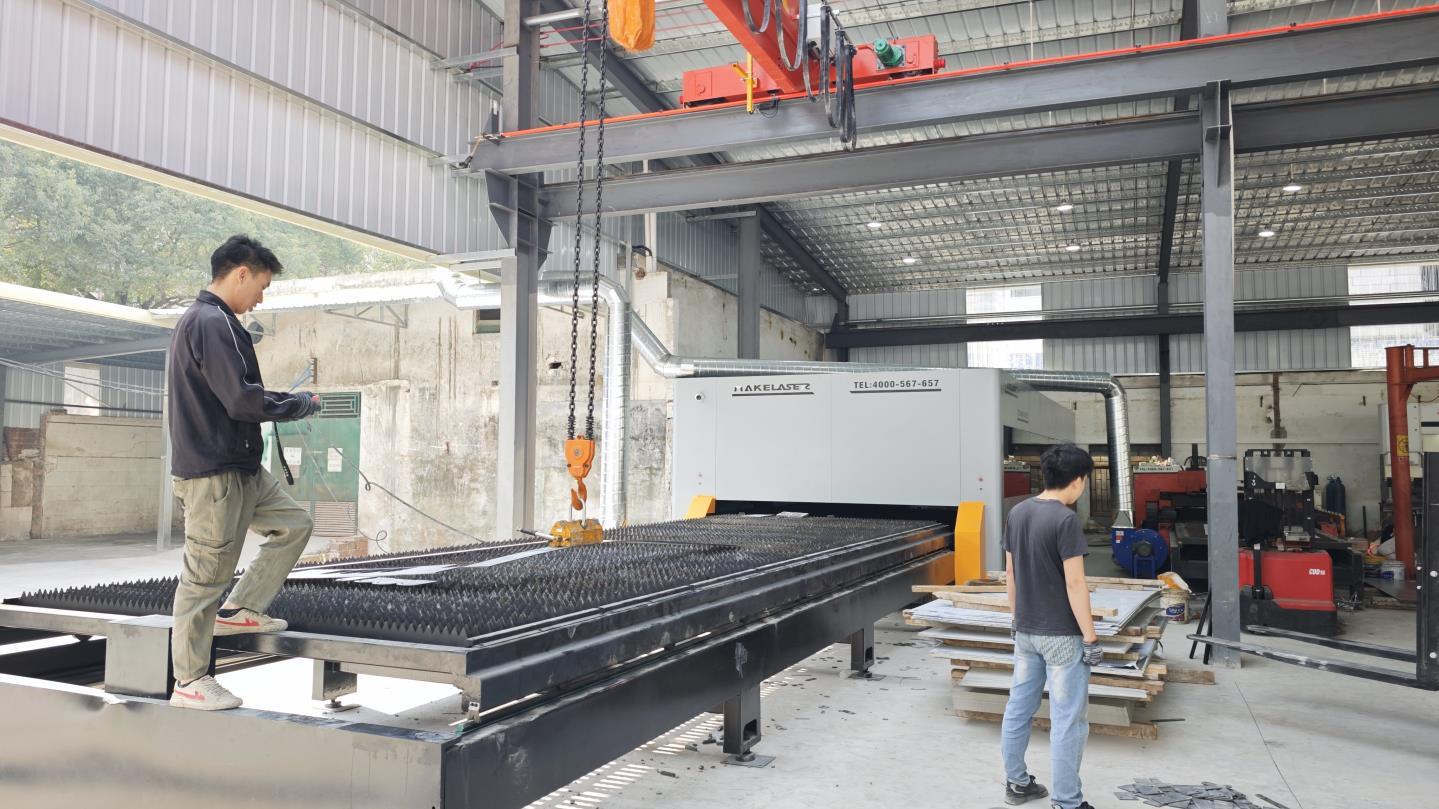


Hangzhou RAB Logistics Co., Ltd. is a leading provider of intelligent warehousing and modern logistics solutions. Leveraging years of industrial experience and continuous technological innovation, we help enterprises transform traditional manual processes into highly automated, data-driven, and highly resilient supply chain operations.
We focus on integrating advanced logistics technologies including Warehouse Management Systems (WMS), Automated Storage and Retrieval Systems (AS/RS), AGV/AMR robotics, intelligent sorting mechanisms, and real-time dashboard visualization. Our expertise ensures seamless coordination between structural racking hardware and dynamic WCS/WMS control layers.
Understanding how WCS software adapts to specialized industrial and commercial operating contexts.
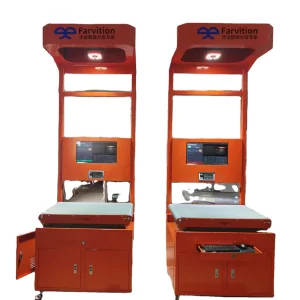
Under e-commerce pressure, high-speed automated carton sorting systems require instant barcode scans and inline weight checks. Integrated WCS layers communicate with desktop DWS systems to instantly dynamically route packages based on carrier-assigned criteria.
Sub-zero food storage requires automated shuttles and pallet-handling crane structures. A WCS operating in these environments manages strict FIFO (First-In, First-Out) protocols, batch tracking, and intelligent refrigeration-saving route planning to limit exposure times.
Heavy parts and metal components require heavy-duty storage racks with high-capacity radio shuttles. WCS orchestrates Siemens PLC controllers to manage movements for loads exceeding 2000kg, ensuring safe deceleration and precision positioning within structural tolerances.
In-depth technical clarifications for automation engineers and warehouse procurement leads.
Browse our supplementary automation machinery and integrated warehouse systems.
 RAB Logistics