Explore our state-of-the-art material handling equipment engineered for maximum structural density and robotic automation.
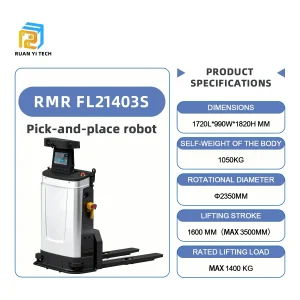
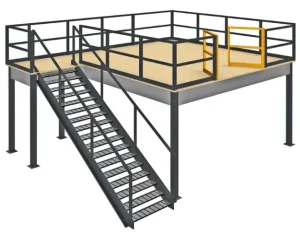
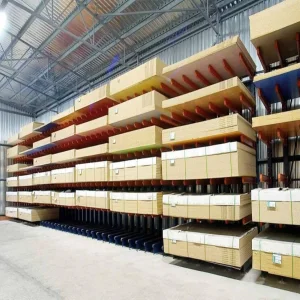
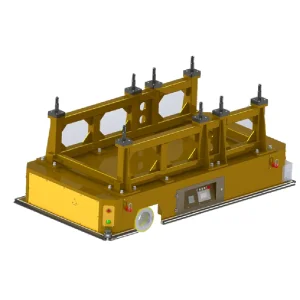
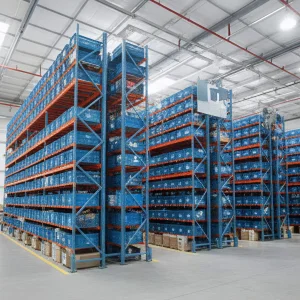
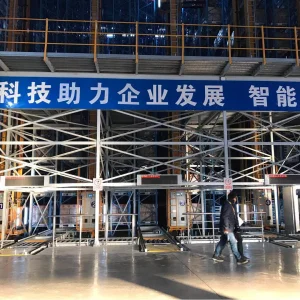
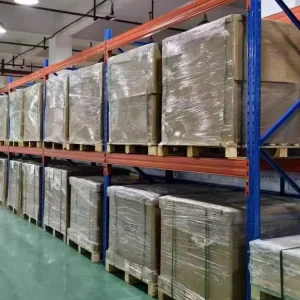
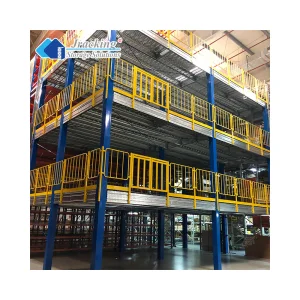
Hangzhou RAB Logistics Co., Ltd. is a professional provider of intelligent warehousing and modern logistics solutions. Built on years of industry experience and continuous technological innovation, RAB Logistics is committed to helping enterprises transform traditional warehouse operations into highly automated, data-driven, and efficient supply chain systems.
Since its establishment, the company has focused on integrating advanced logistics technologies such as Warehouse Management Systems (WMS), Automated Storage and Retrieval Systems (AS/RS), AGV/AMR robotics, intelligent sorting systems, and real-time data visualization platforms. These solutions enable clients to achieve higher operational accuracy, faster fulfillment speed, and significantly reduced logistics costs.
With strong capabilities in system consulting, solution design, equipment integration, software development, and project implementation, Hangzhou RAB Logistics Co., Ltd. delivers end-to-end intelligent logistics solutions tailored to diverse industry needs. Our expertise ensures seamless coordination between hardware and software, creating scalable and future-ready warehouse infrastructures.
RAB Logistics serves a wide range of industries including manufacturing, cross-border e-commerce, fast-moving consumer goods (FMCG), pharmaceuticals, and automotive parts. Our solutions are trusted for their stability, innovation, and proven performance in complex, high-demand environments. By choosing Hangzhou RAB Logistics Co., Ltd., you are selecting a long-term strategic partner dedicated to building smarter warehouses, optimizing supply chains, and empowering businesses with sustainable competitive advantages in the era of intelligent logistics.
In the contemporary landscape of global logistics, multi-national enterprises and industrial conglomerates are no longer seeking piecemeal material handling units. Instead, procurement strategies have shifted decisively towards turn-key, fully-customized OEM (Original Equipment Manufacturer) solutions. This structural pivot is driven by several key macro-environmental vectors:
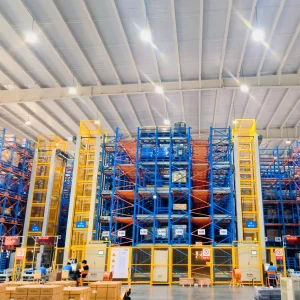
Industrial real estate costs have escalated globally, prompting procurement teams to prioritize vertical storage capacity. Standard racking formats often fail to match unique building envelopes. OEM custom-designed mezzanine structures and automated high-bay racking systems utilize every cubic meter, increasing density by up to 60% compared to traditional layouts.
Procuring entities are selecting systems that seamlessly align AGVs, AMRs, and shuttle systems with static structures. This requires high tolerances in racking fabrication, where a variation of just 1-2mm can interrupt Laser SLAM guidance or automated stacker crane paths. A integrated hardware-software framework prevents integration friction.
Firms need modular logistics installations that scale alongside shifting SKU profiles. Modular, demountable mezzanine configurations, adjustable-beam racking systems, and re-programmable AGV paths permit organizations to pivot operations from distribution-centric to manufacturing-adjacent staging without complete teardowns.
Furthermore, procurement officers must balance structural compliance with financial viability (TCO - Total Cost of Ownership). Working with a direct OEM manufacturer eliminates intermediary markups while ensuring direct control over raw material specifications (such as premium Q235B steel, outdoor galvanization standards, and high-frequency automated welding), resulting in highly-resilient material handling infrastructure.
Modern supply chains demand unified warehouse architectures where hardware and software operate in unison. Implementing macro industry solutions involves establishing a unified, multi-layered digital-physical layout:
Enterprise Resource Planning (ERP): Top-tier business planning, demand forecasting, and inventory valuation.
Warehouse Management & Control (WMS/WCS): Real-time inventory routing, fleet dispatching, and dynamic rack utilization rules.
Cyber-Physical Layer (AGV/ASRS): Laser-guided forklift execution, robotic pallet retrieval, and high-density material buffering.
By positioning the physical racking structures—such as heavy-duty cantilever racks for linear profiles, or high-bay AS/RS structures for steel coils—as the physical motherboard, the integration of autonomous hardware becomes straightforward. Below is an engineering overview of how key material handling assets integrate with digital systems:
Under the hood of Hangzhou RAB Logistics Co., Ltd.'s automated production lines, showcasing our vertical manufacturing capabilities.
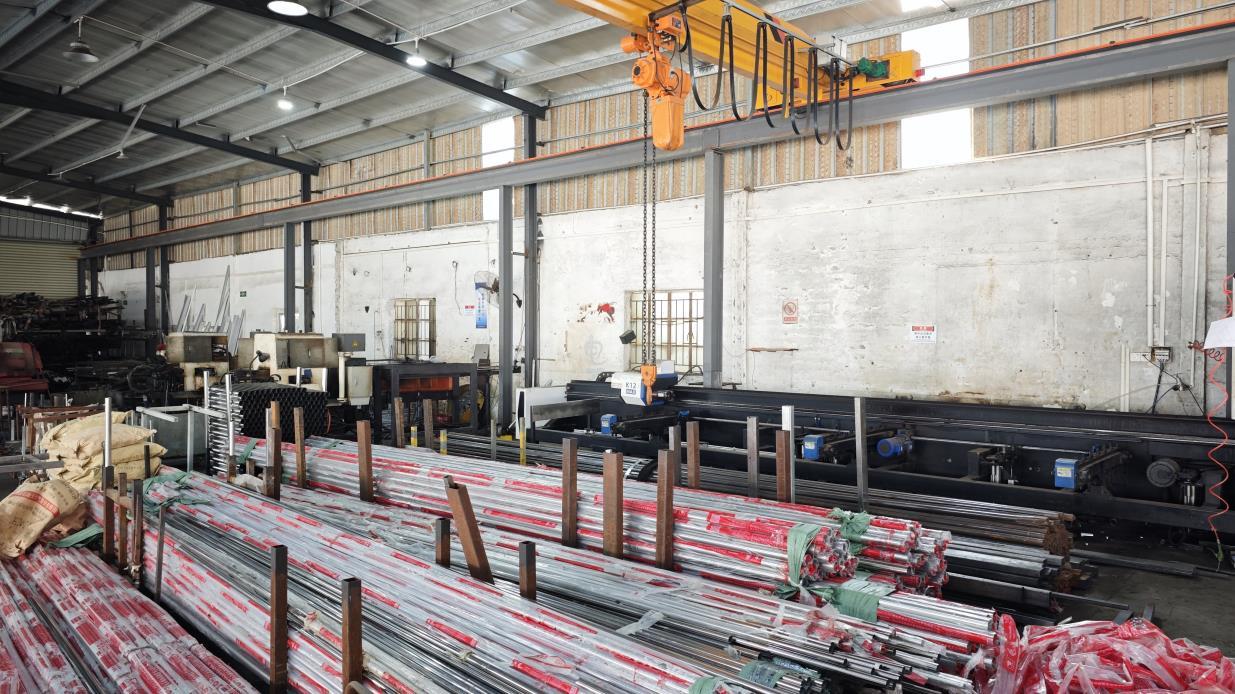
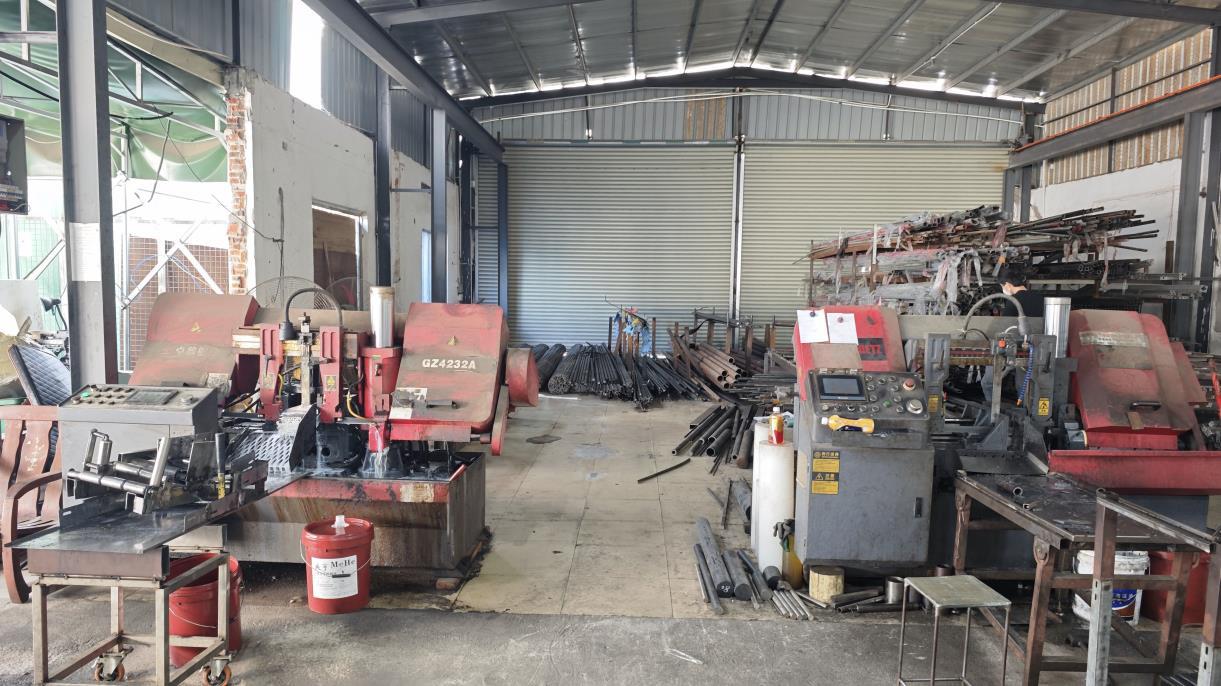
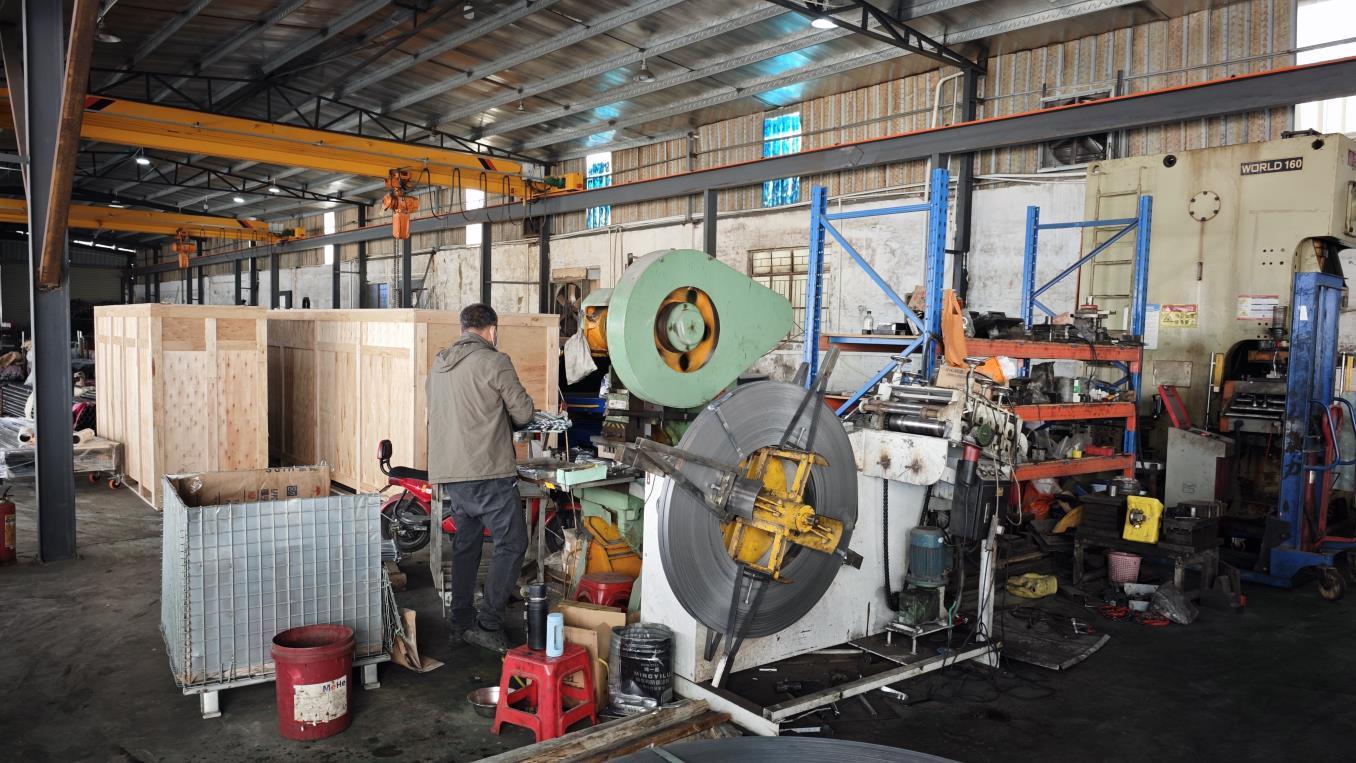
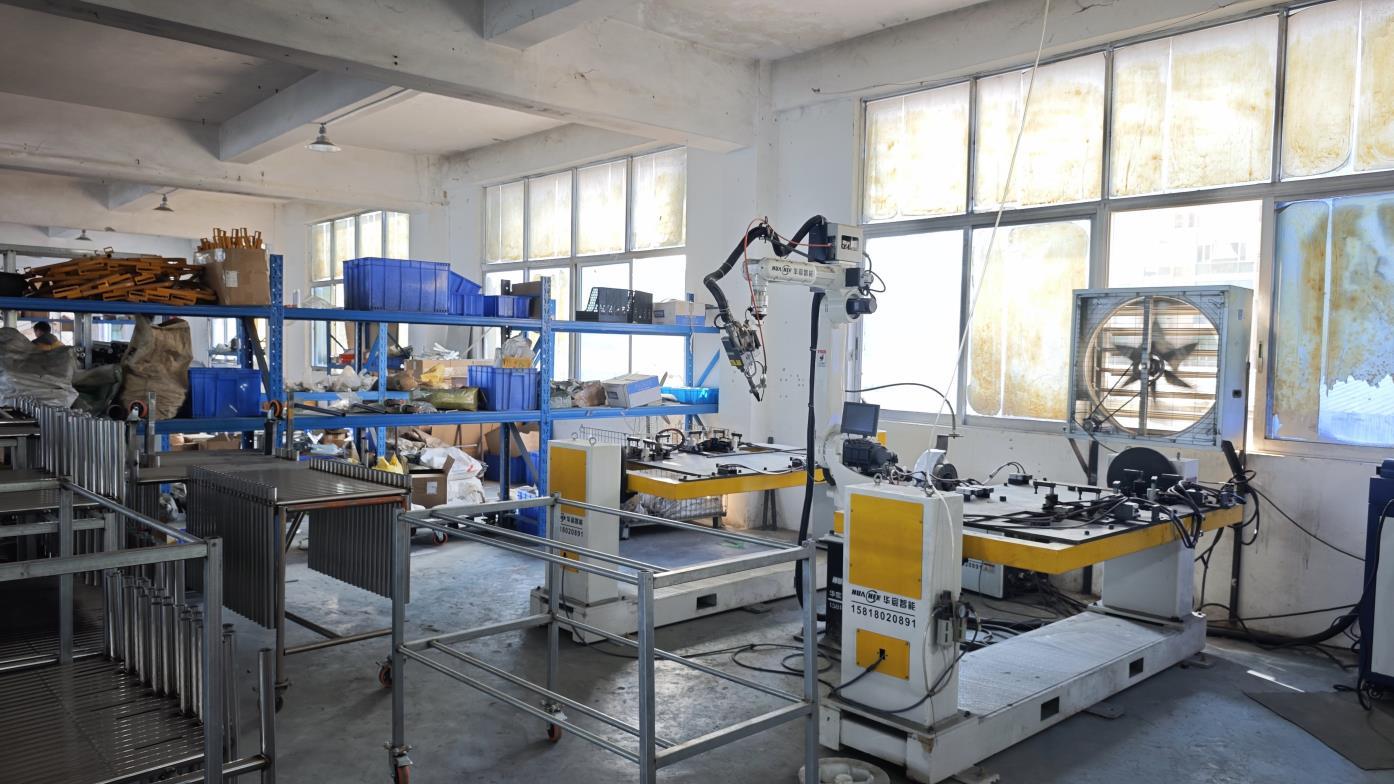
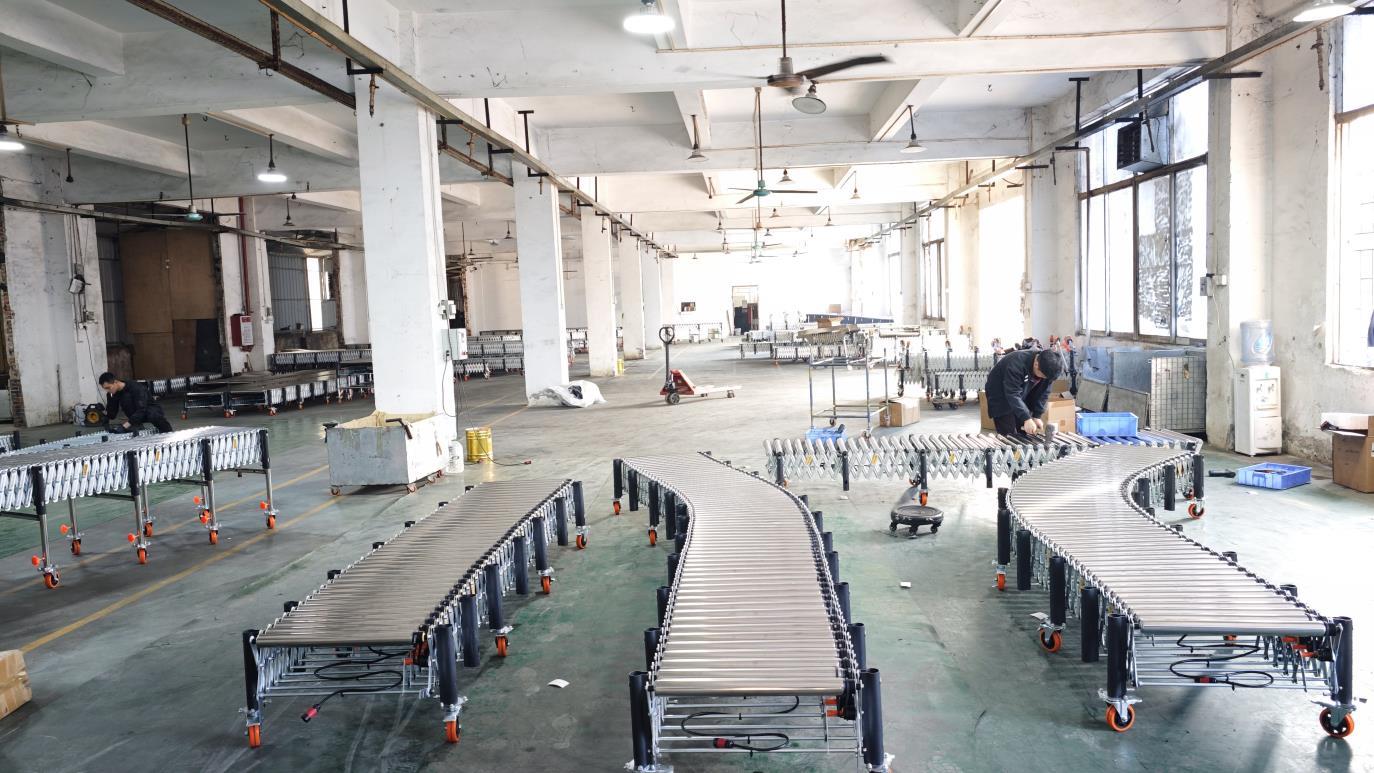
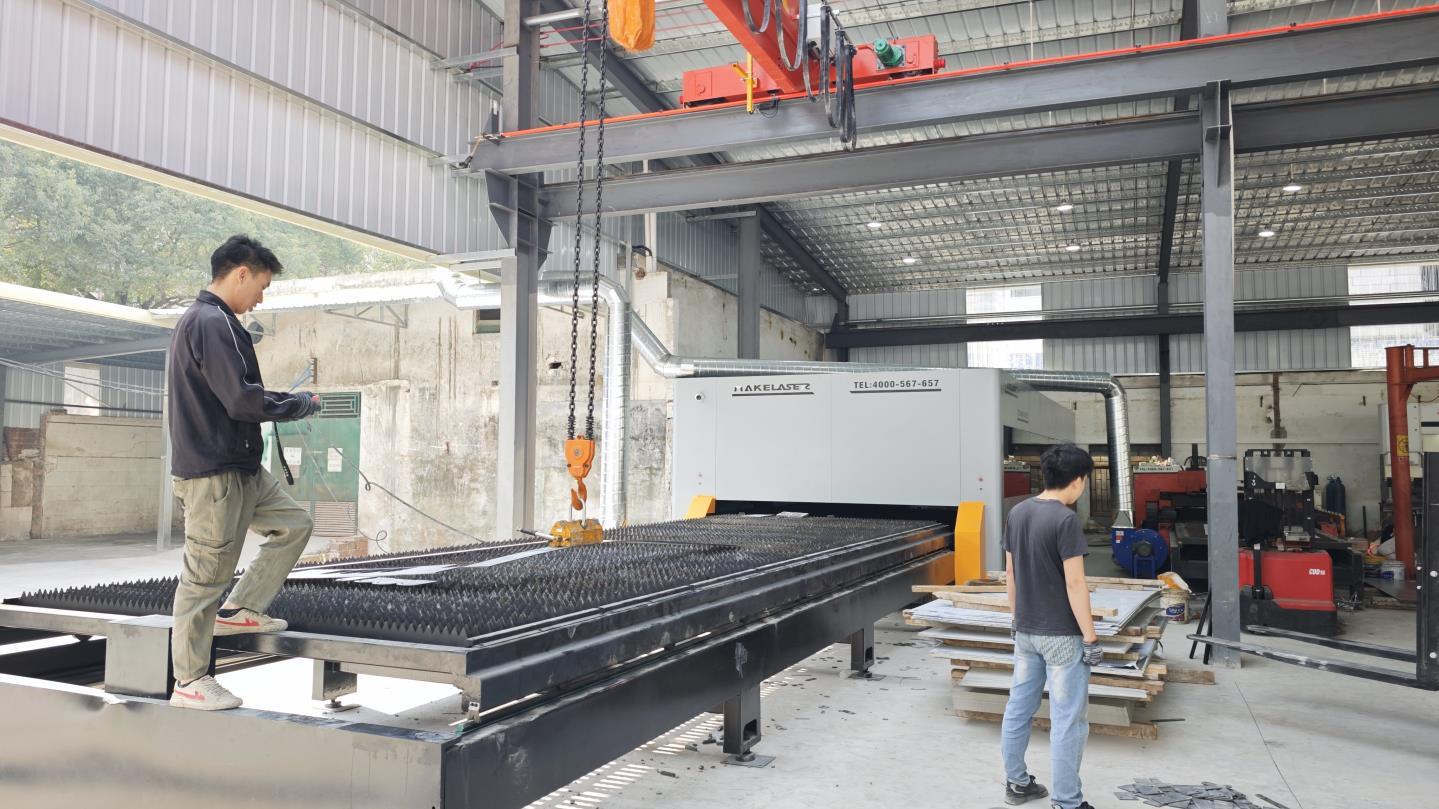
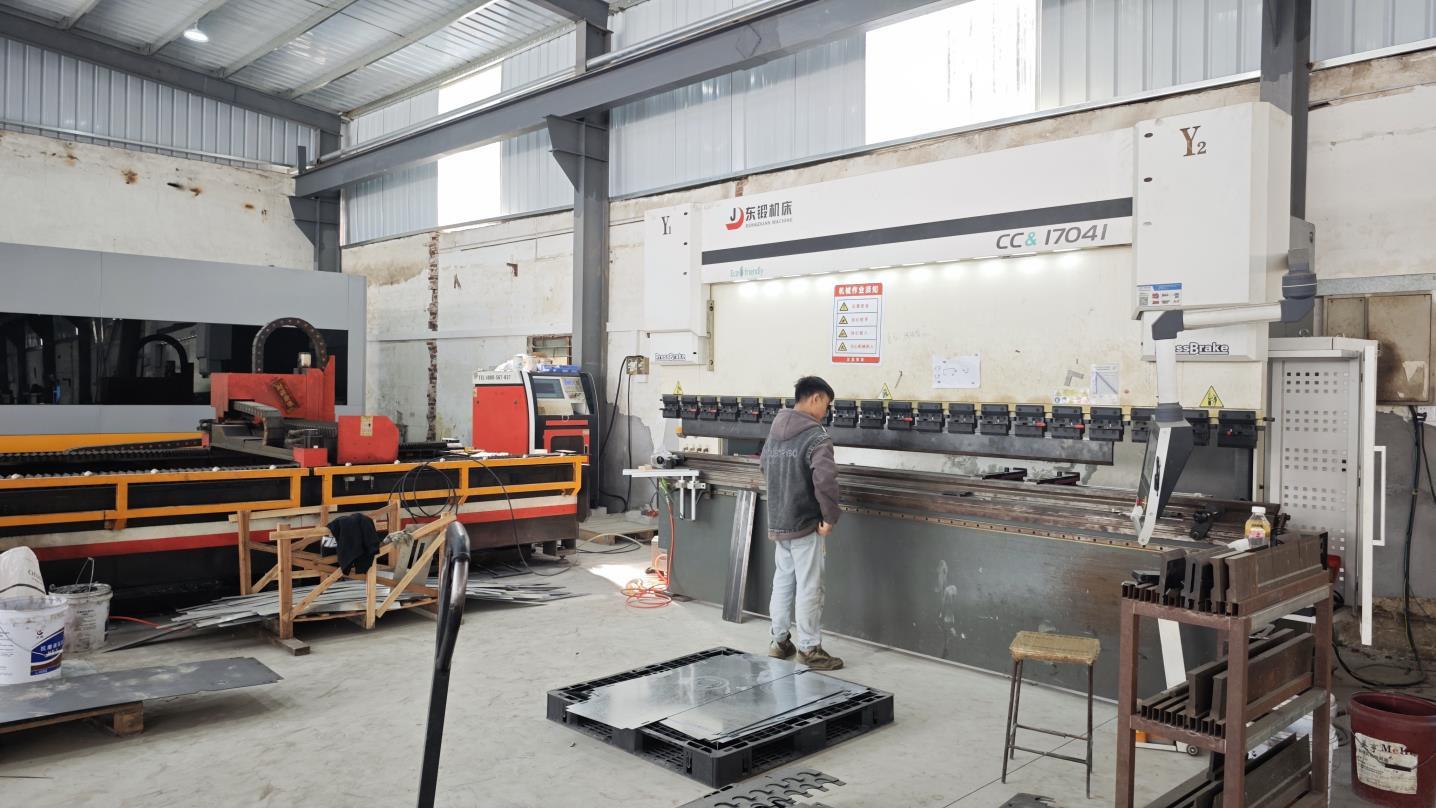
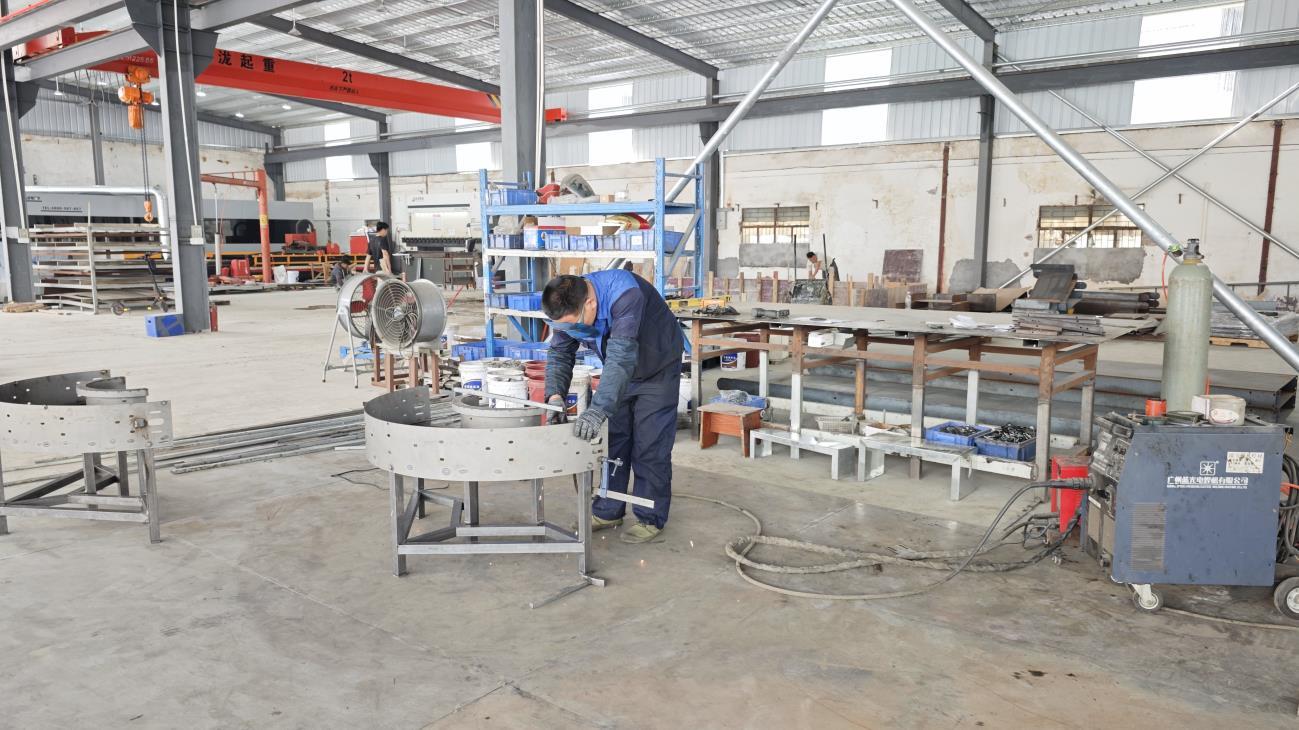
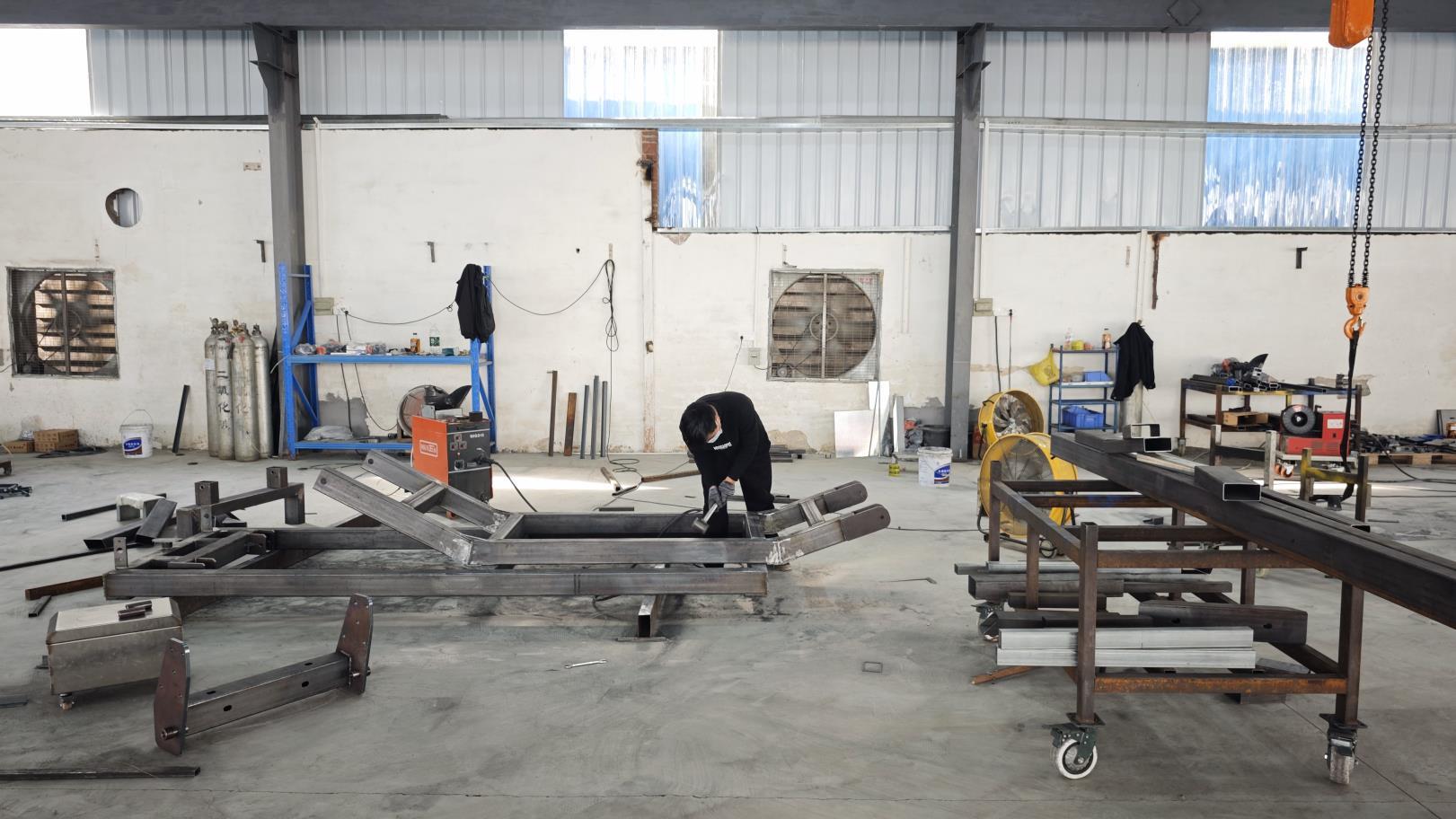
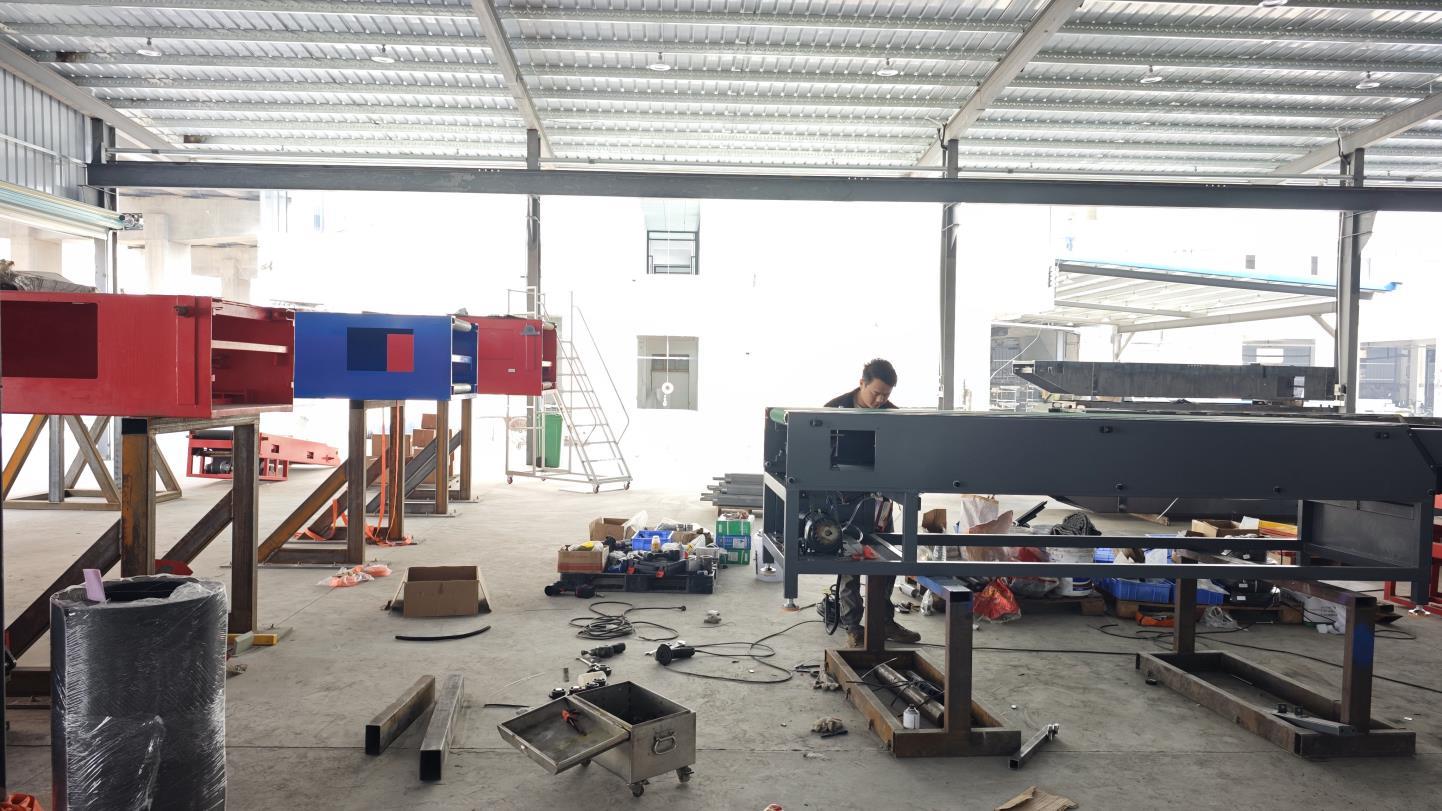
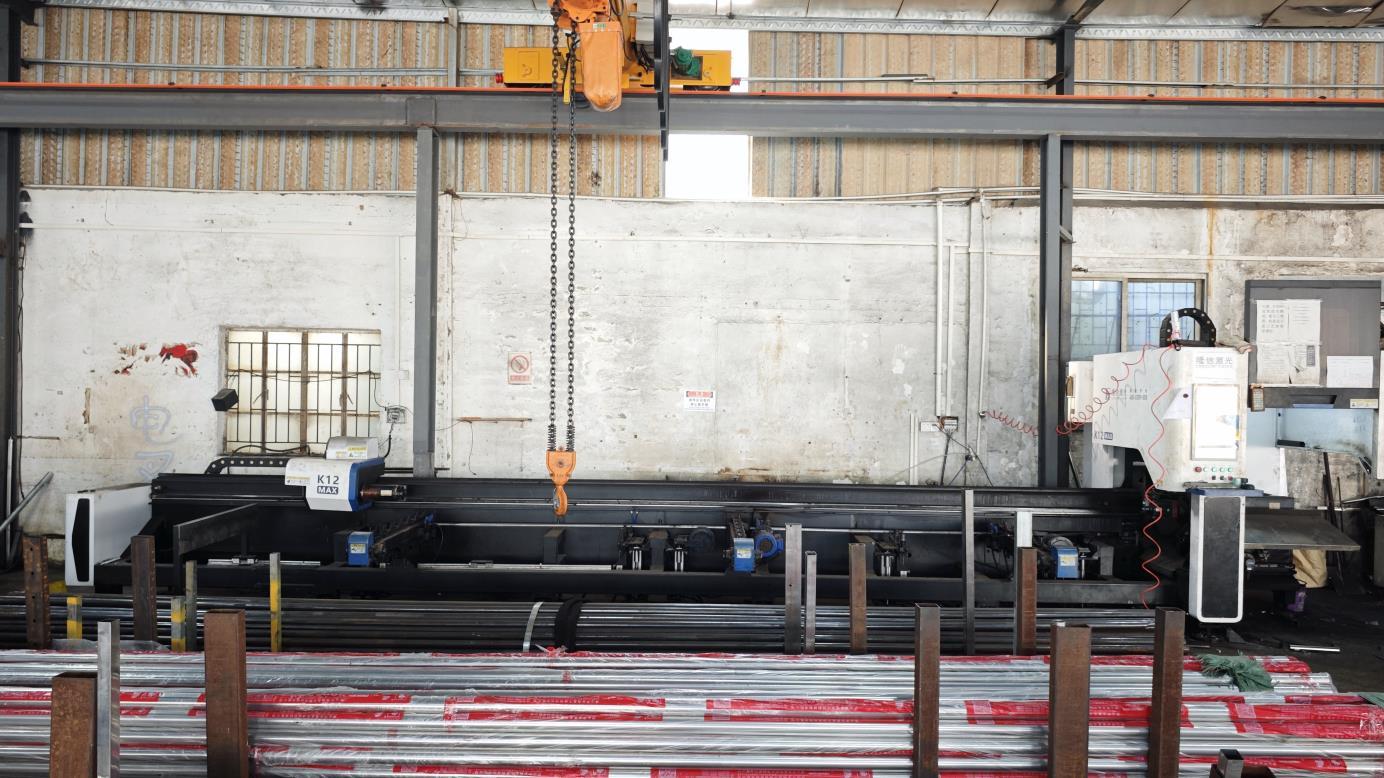
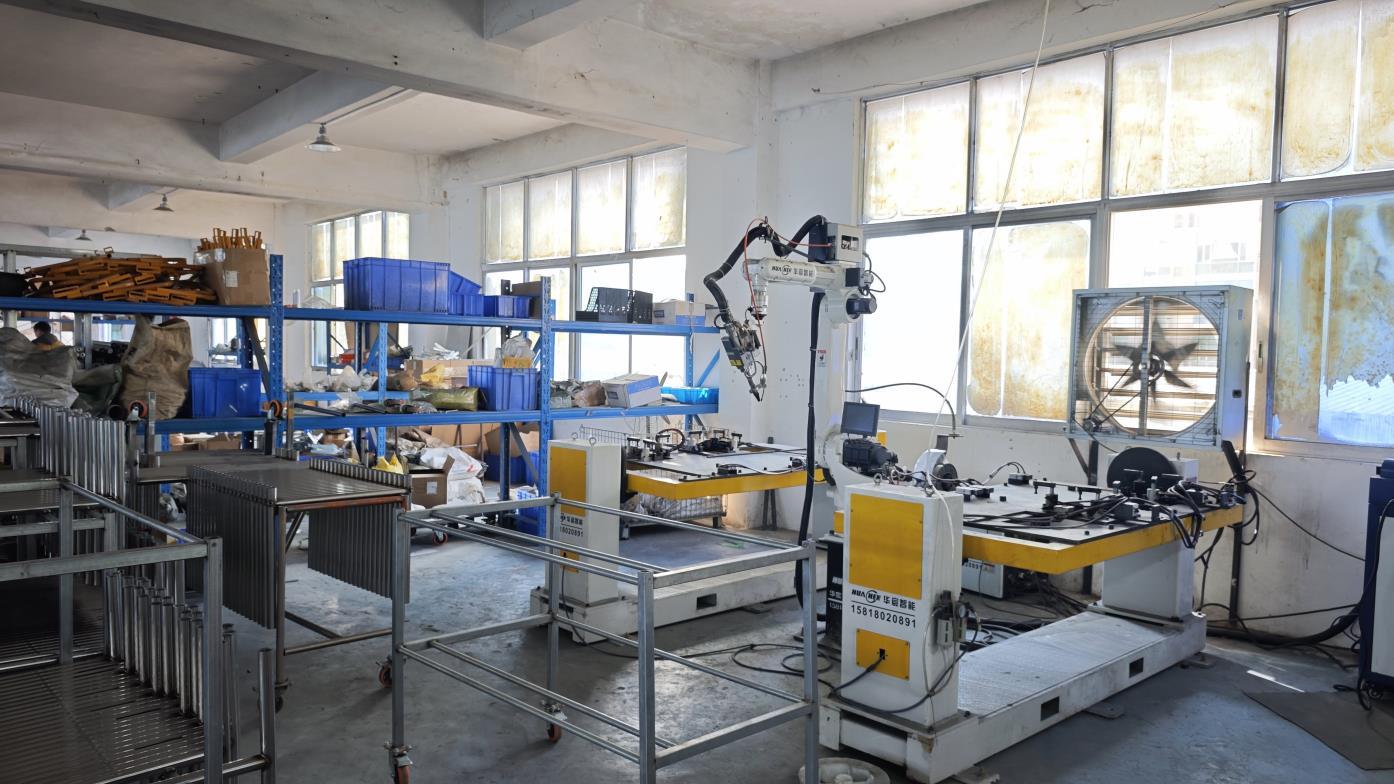
The convergence of artificial intelligence, high-payload robotics, and sensor networks is driving the evolution of logistics hardware. Our technological development focuses on three primary areas designed to optimize throughput and lower operations cost:
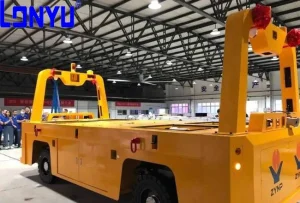
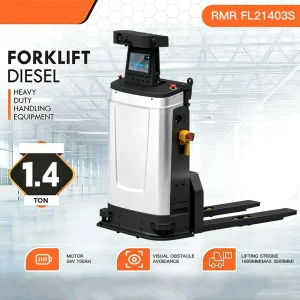
Historically, AGVs depended on physical floor markers, magnetic tape, or basic reflector-based laser systems. Modern industrial environments require dynamic path planning. Integrating LiDAR, optical cameras, and Inertial Measurement Units (IMUs) through SLAM (Simultaneous Localization and Mapping) technology allows heavy AGVs to safely navigate active warehouse floors, dynamically bypassing obstacles.
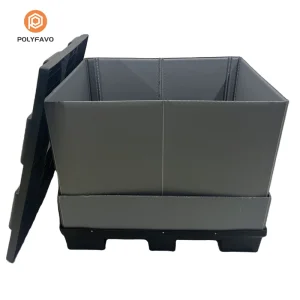
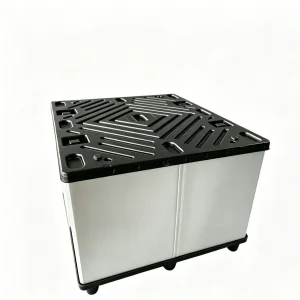
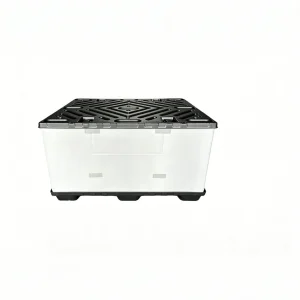
Decarbonizing supply chains is a growing focus for corporate operations. Single-use packaging is being replaced by heavy-duty, reusable PP collapsible collar pallet boxes. These boxes protect sensitive parts, such as automotive components, during transit and collapse to 20% of their volume on return journeys. This dramatically improves transport efficiency and reduces shipping costs.
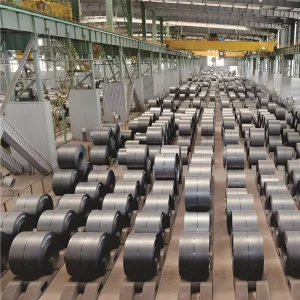
Standard racking assumes static, uniform load distributions. Modern systems incorporate load sensors and real-time stress monitoring within structural bays. When storing high-weight, high-risk loads like steel coils or chemical totes, the AS/RS communicates weight distribution directly to the WCS. This dynamic feedback helps optimize crane acceleration speeds and adjust system layout to ensure safe, stable operations.
Warehouse structures are load-bearing, high-risk installations that must adhere to local building codes and seismic regulations. Hangzhou RAB Logistics Co., Ltd. ensures that every layout is designed and engineered to meet global compliance criteria:
| Region / Jurisdiction | Primary Regulatory Standard | RAB Logistics Engineering Implementation |
|---|---|---|
| Europe (EU) | FEM 10.2.02 (Racking) & EN 15620 / CE Certification | System components are certified to CE standards, with steel structures verified for European seismic micro-zones. |
| North America | ANSI/RMI MH16.1 (Specification for Steel Racks) | Structural steel designs use cold-formed and hot-rolled shapes that conform to ASTM standard ratings. |
| Global (General) | ISO 9001 (Quality), ISO 3834 (Welding), ISO 14001 | Weld integrity is verified through non-destructive testing (NDT), and raw materials are traceably documented from foundry to fabrication. |
Beyond structural design, local support is critical for successful long-term operations. Our engineering teams provide comprehensive, on-site commissioning services, remote WMS/WCS troubleshooting, and rapid parts replacement programs to minimize facility downtime.
Answers to complex questions regarding OEM manufacturing, material science, and system integration.
Discover our custom industrial storage solutions and heavy-duty automated guided vehicles.

 RAB Logistics