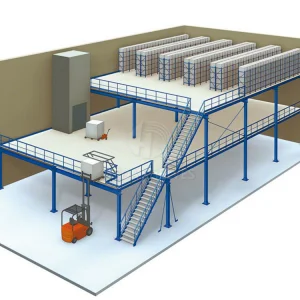
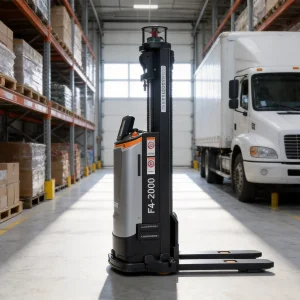
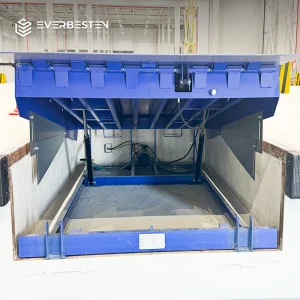
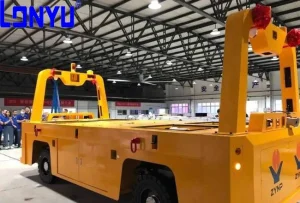
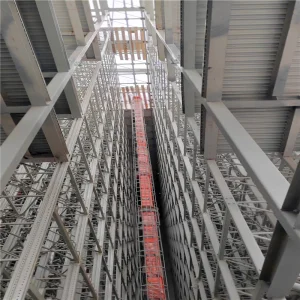
Key hardware nodes engineered to integrate seamlessly with intelligent Transportation Management Systems (TMS) and Warehouse Control Systems (WCS).

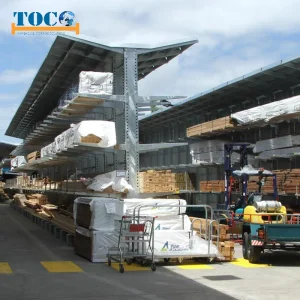

The modern supply chain ecosystem is shifting from segmented operational tools to integrated digital twin networks. Today's Transport Management Software Factories and Exporters do not simply construct isolated code packages. They engineer complete software-hardware architectures. The connection between physical movement (trucking, rail, maritime, and air cargo) and transactional databases represents a massive multi-billion-dollar global industry.
Key drivers include SaaS scalability, real-time fleet telematics, dynamic routing APIs, and multi-modal integration. By deploying localized cloud frameworks, manufacturers and global logistics operators establish high-performance distribution corridors. They balance capacity requirements, curb carbon footprints, and minimize Total Cost of Ownership (TCO) across complex enterprise operations.
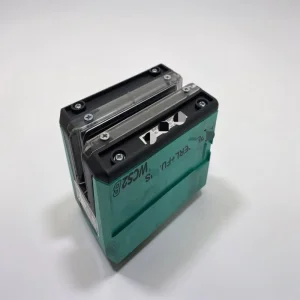
Transportation Management systems can no longer exist solely as cloud databases. They must actively interact with physical endpoints to verify deliveries, control storage parameters, and orchestrate distribution assets:
Strategic engineering shifts driving efficiency, scalability, and transparency across cross-border freight routes.
Eliminating bloated monolith frameworks. Modern exporters design TMS architecture on containerized, highly modular microservices (Docker/Kubernetes). This structure guarantees 99.99% uptime, localized system updates without downtime, and zero data collisions.
Real-time updates are no longer optional. Edge-based onboard systems continuously collect GPS signals, cabin temperatures (for cold-chain compliance), g-force impact events, and fuel analytics, immediately feeding them back to the dispatch core.
Algorithms process historical traffic, weather forecasts, infrastructure constraints, and driver fatigue profiles to configure dynamic, multi-stop routes. This eliminates dry run distance and cuts fuel usage by up to 22%.
Hangzhou RAB Logistics Co., Ltd. is a professional provider of intelligent warehousing and modern logistics solutions. Built on years of industry experience and continuous technological innovation, RAB Logistics is committed to helping enterprises transform traditional warehouse operations into highly automated, data-driven, and efficient supply chain systems.
Since its establishment, the company has focused on integrating advanced logistics technologies such as Warehouse Management Systems (WMS), Automated Storage and Retrieval Systems (AS/RS), AGV/AMR robotics, intelligent sorting systems, and real-time data visualization platforms. These solutions enable clients to achieve higher operational accuracy, faster fulfillment speed, and significantly reduced logistics costs.
With strong capabilities in system consulting, solution design, equipment integration, software development, and project implementation, Hangzhou RAB Logistics Co., Ltd. delivers end-to-end intelligent logistics solutions tailored to diverse industry needs. Our expertise ensures seamless coordination between hardware and software, creating scalable and future-ready warehouse infrastructures.
RAB Logistics serves a wide range of industries including manufacturing, cross-border e-commerce, fast-moving consumer goods (FMCG), pharmaceuticals, and automotive parts. Our solutions are trusted for their stability, innovation, and proven performance in complex, high-demand environments.
By choosing Hangzhou RAB Logistics Co., Ltd., you are selecting a long-term strategic partner dedicated to building smarter warehouses, optimizing supply chains, and empowering businesses with sustainable competitive advantages in the era of intelligent logistics.
Analyzing localized demands and regional compliance demands faced by global TMS software developers and exporters.
In the USA and Canada, TMS software must integrate directly with Electronic Logging Devices (ELDs) to record Hours of Service (HOS) automatically. Advanced exporters build dedicated modules to prevent regulatory fines while balancing driver utilization.
European clients demand high data privacy mechanisms under GDPR. Additionally, with the EU Green Deal, TMS systems exported to the continent must feature verified carbon emission calculators compliant with EN 16258 standards.
Addressing multi-currency billing, custom customs brokerage APIs, and fragmented infrastructure settings. Robust TMS architectures in this sector prioritize offline storage sync capabilities and mobile-first, low-bandwidth optimization.
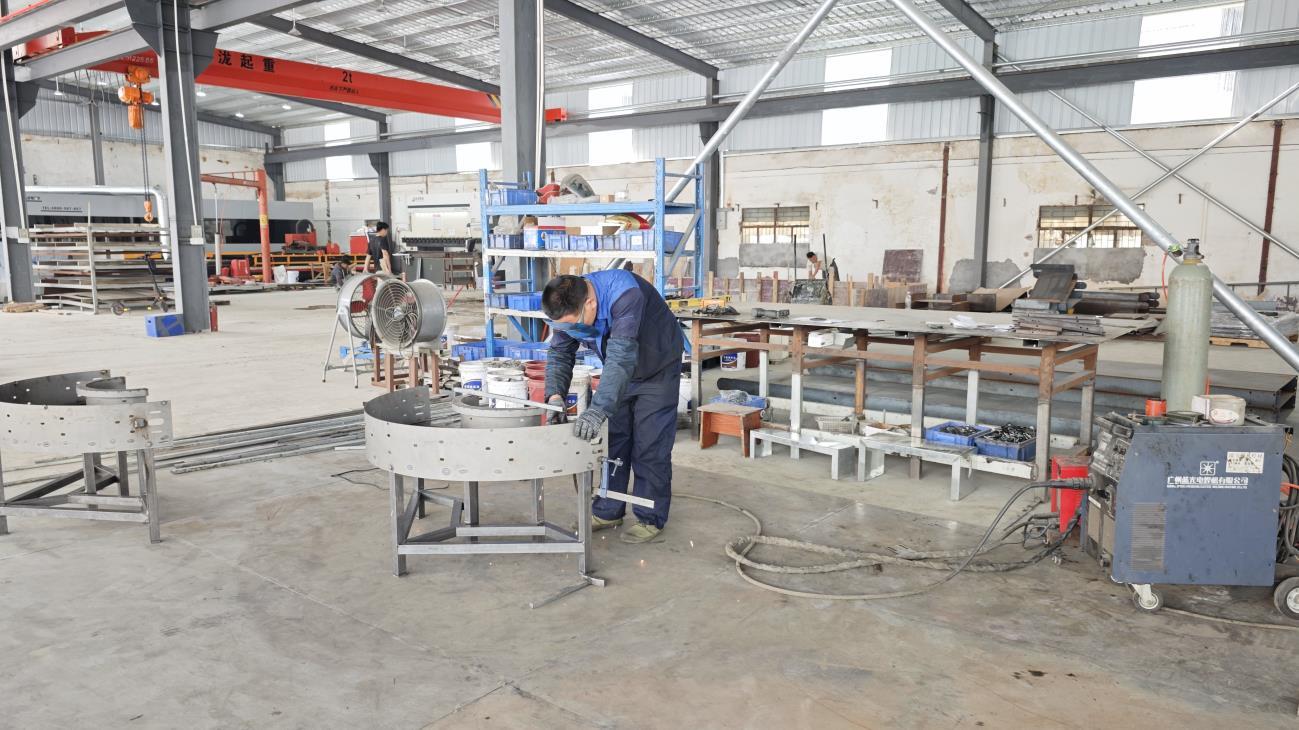
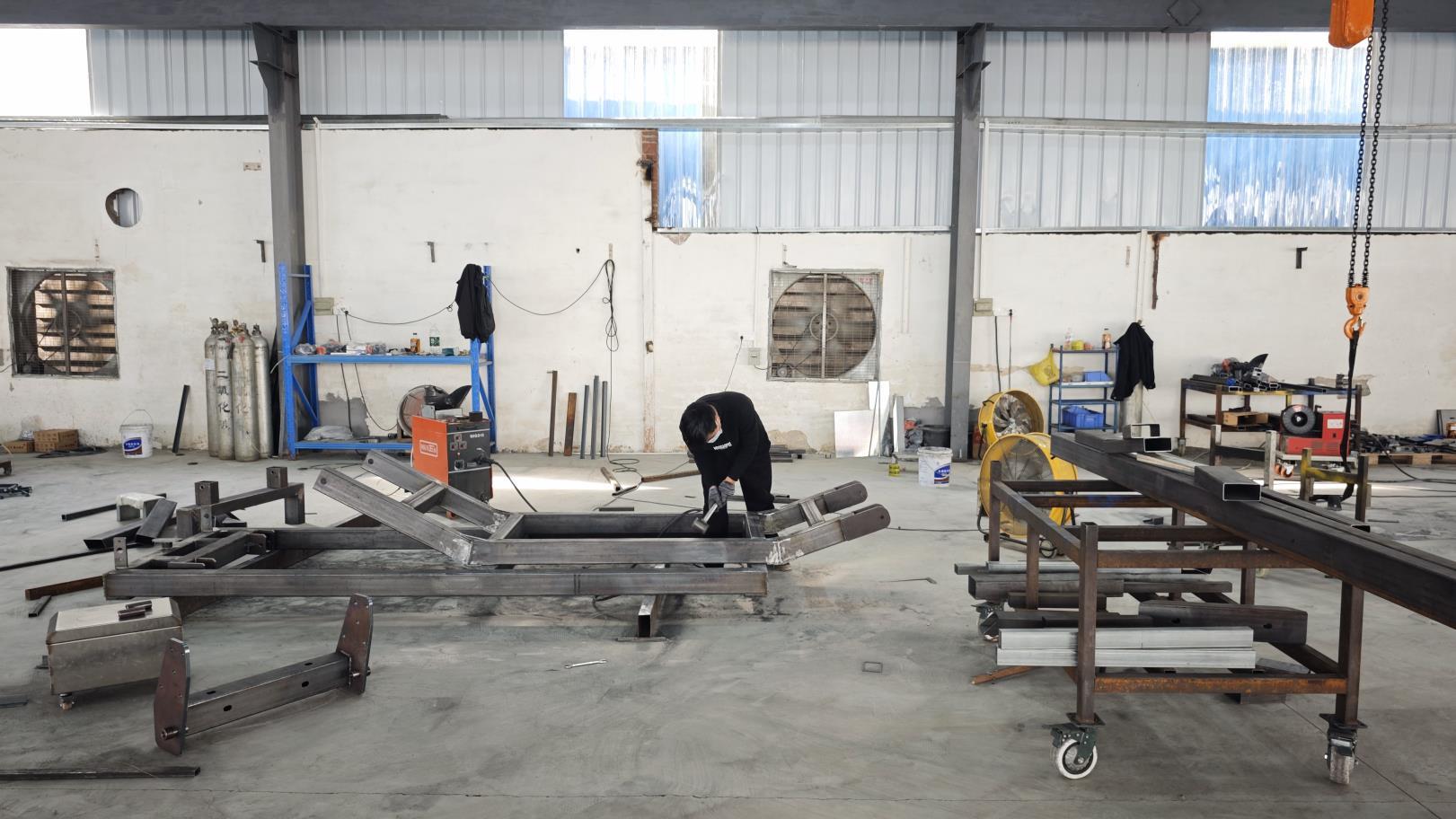
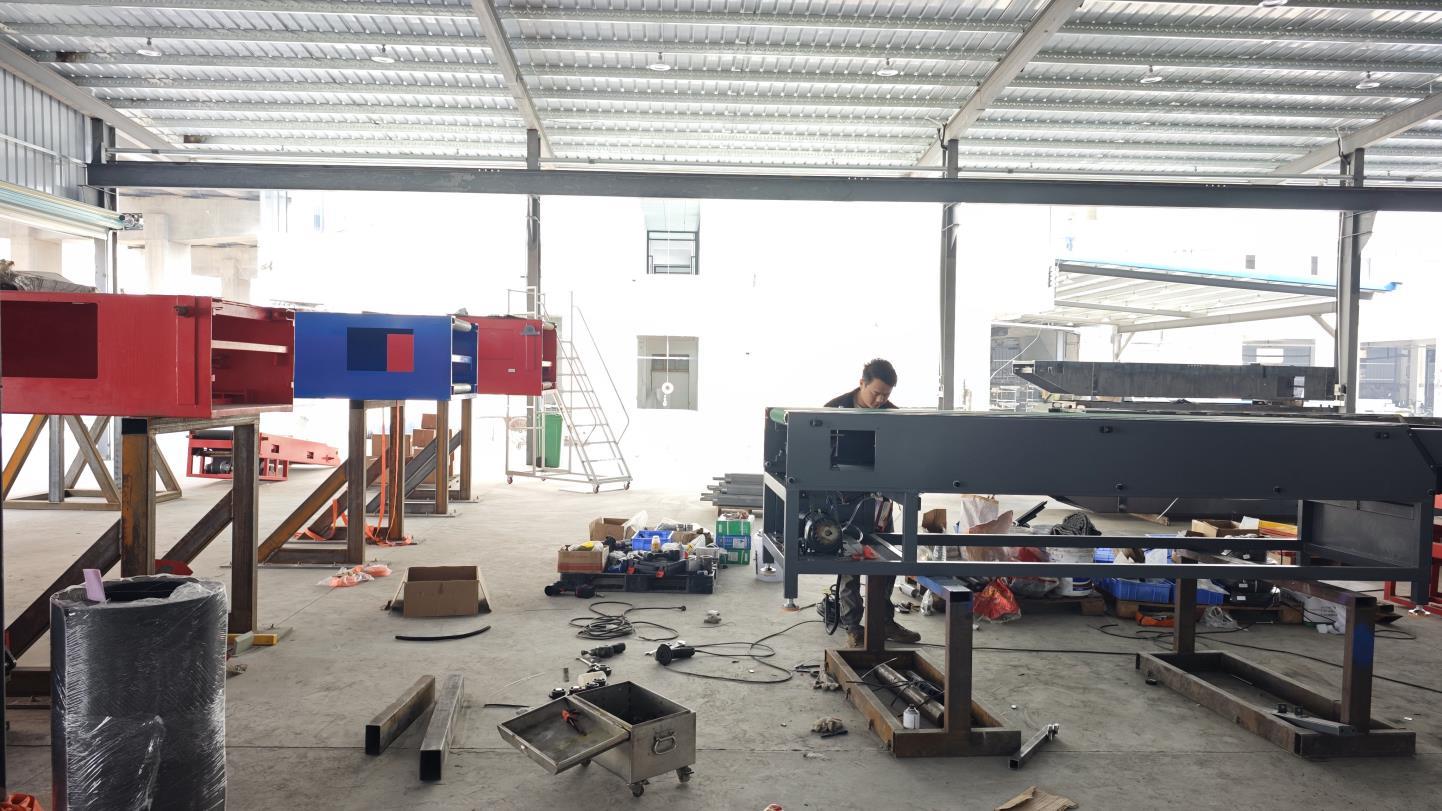
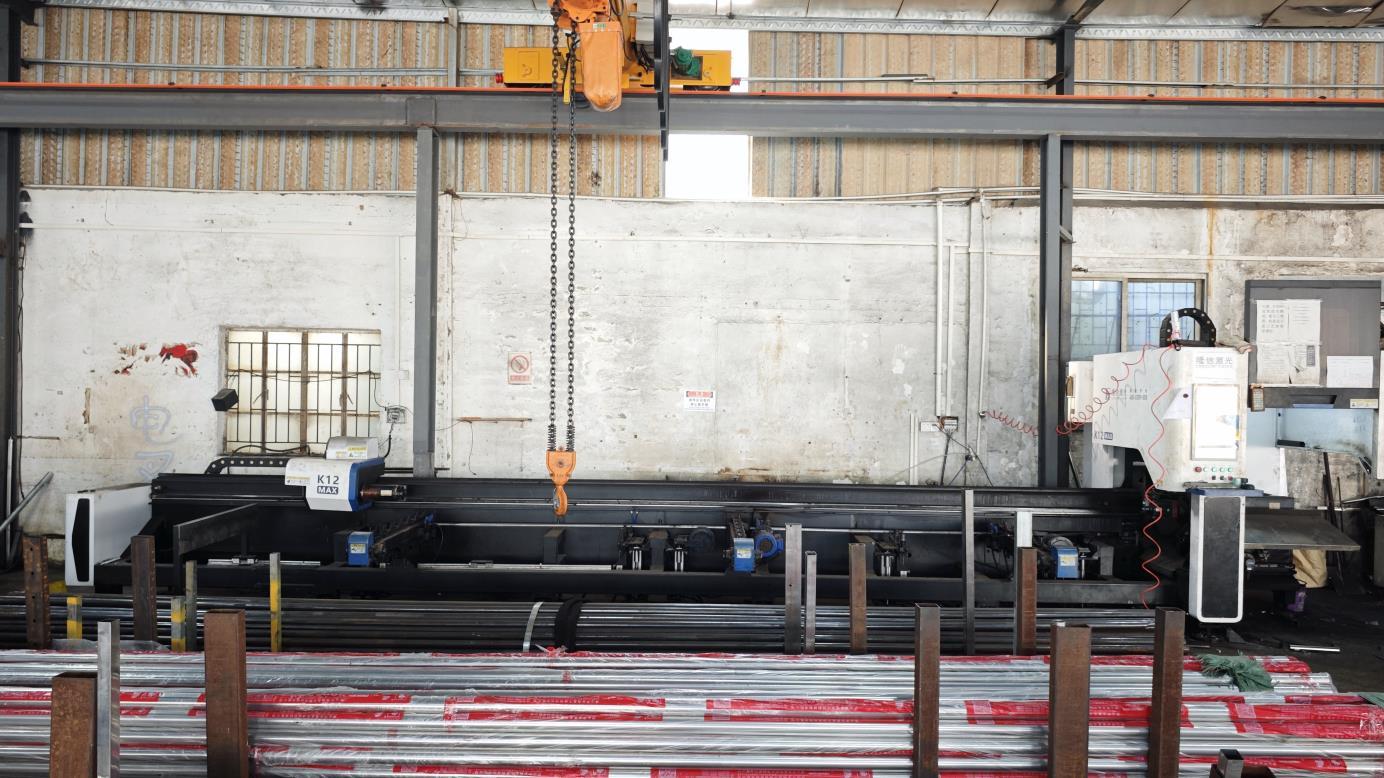
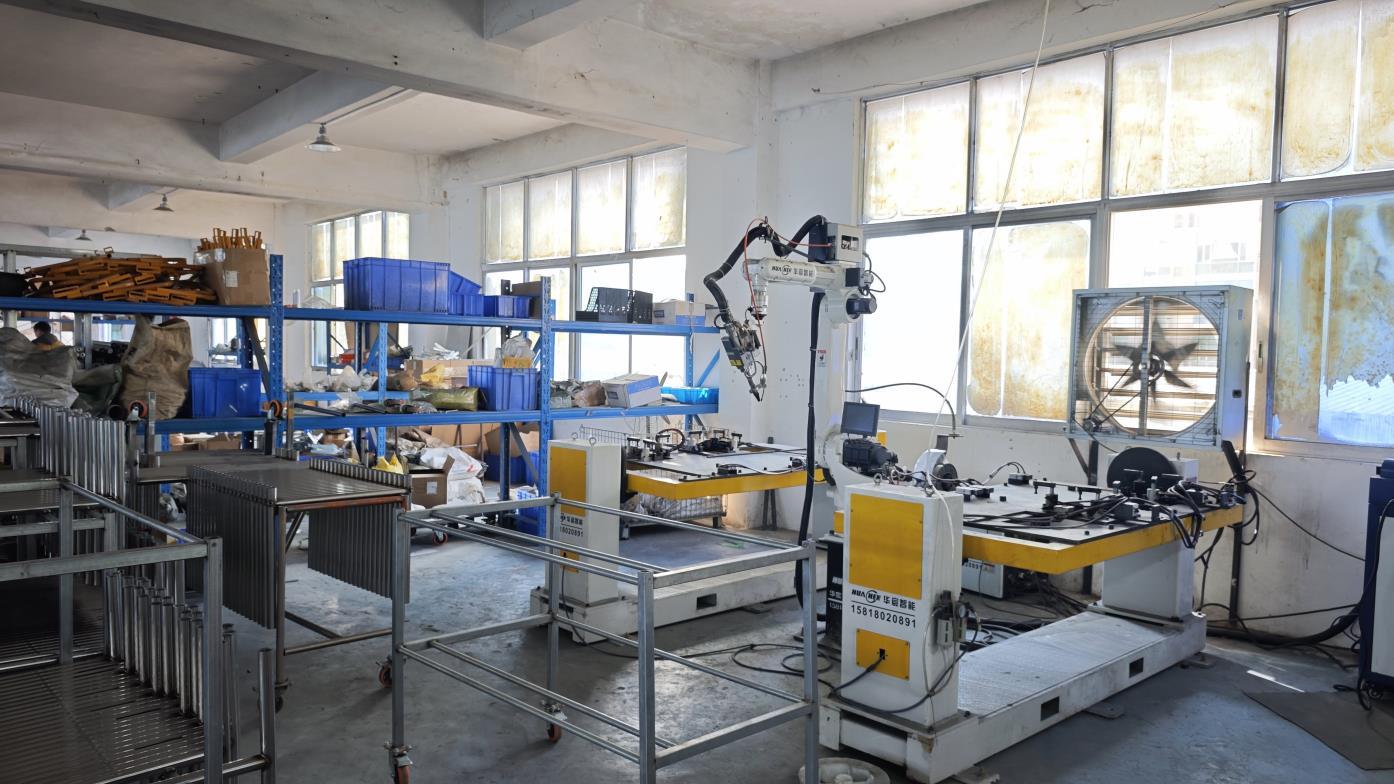
Behind every digital logistics layout lies high-durability infrastructure. Here is a view of our physical fabrication processes, showing how we construct heavy-duty racks, AS/RS structures, and smart logistics equipment.
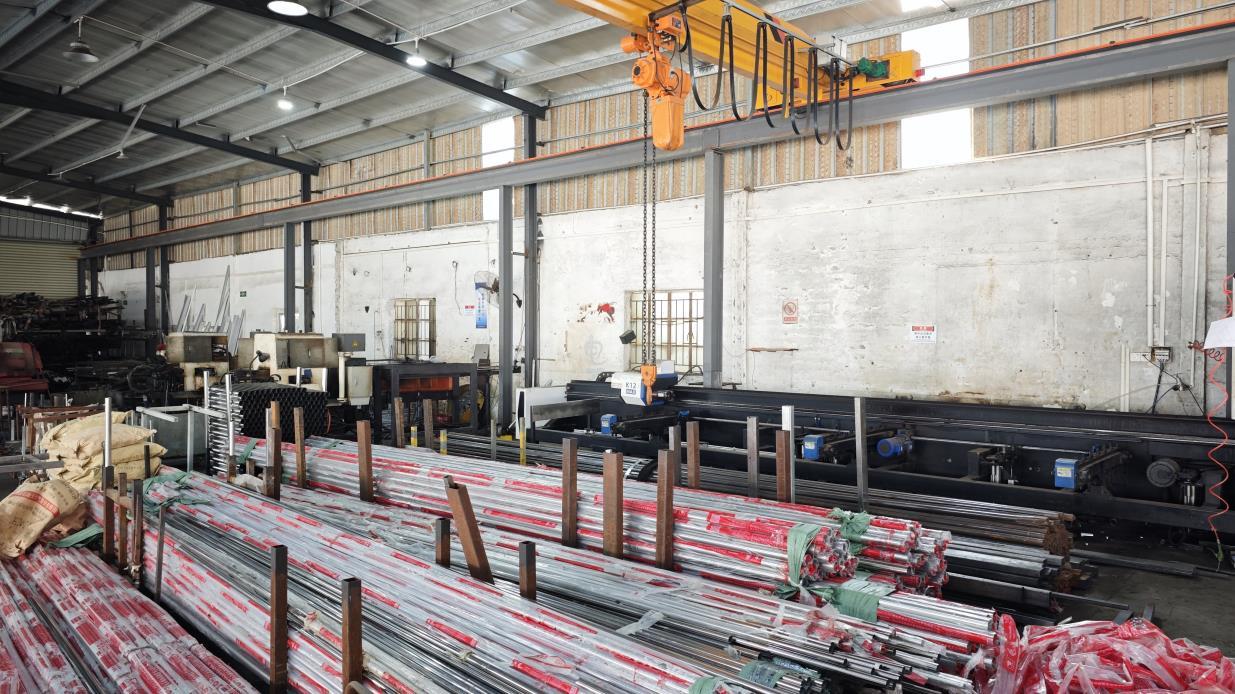
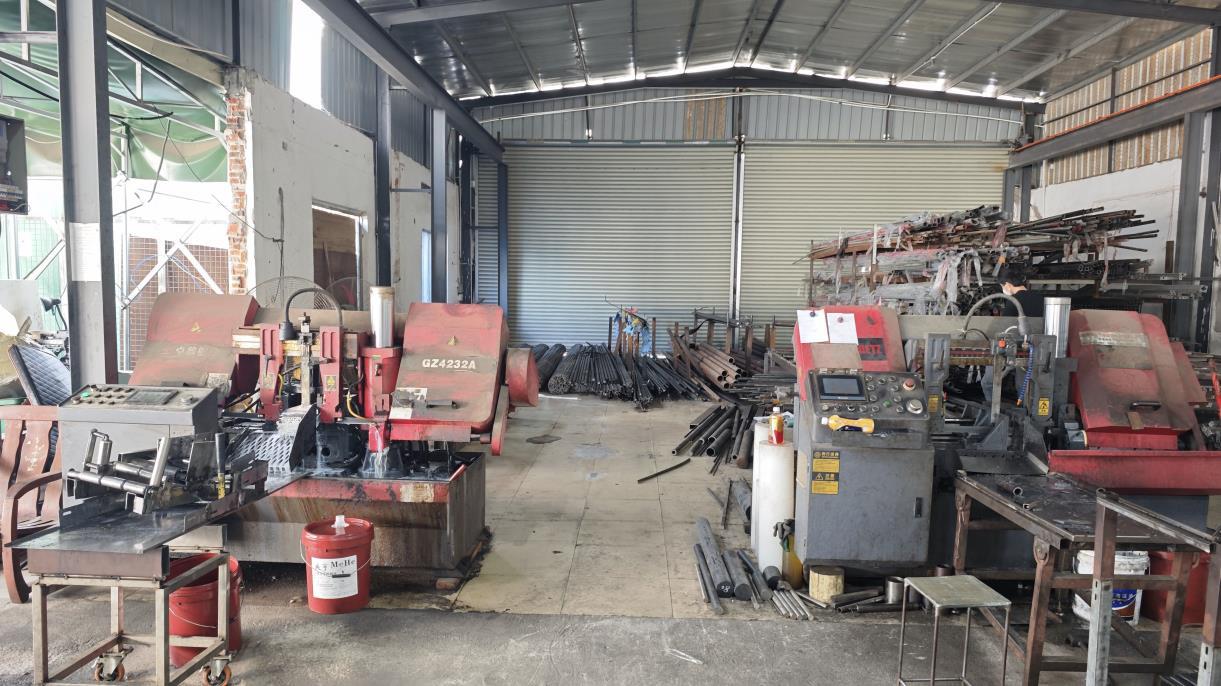
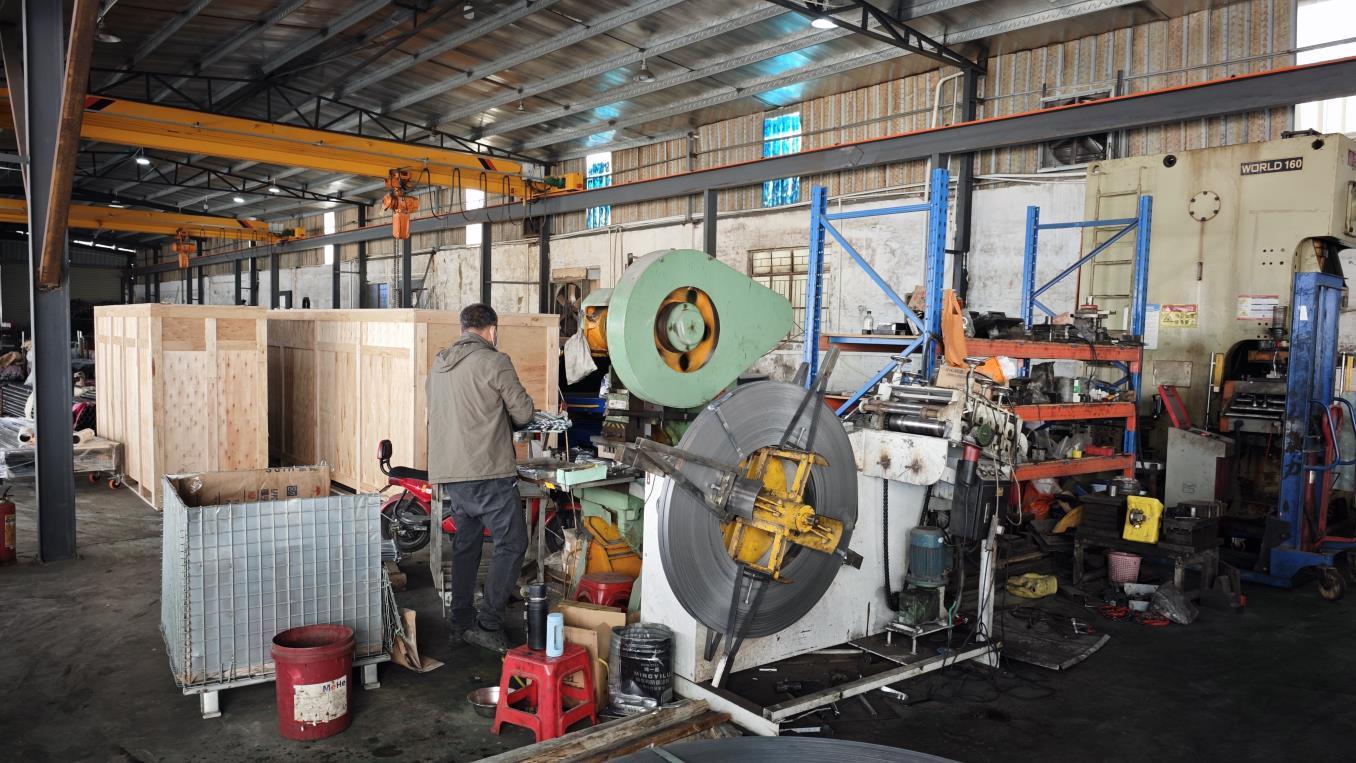
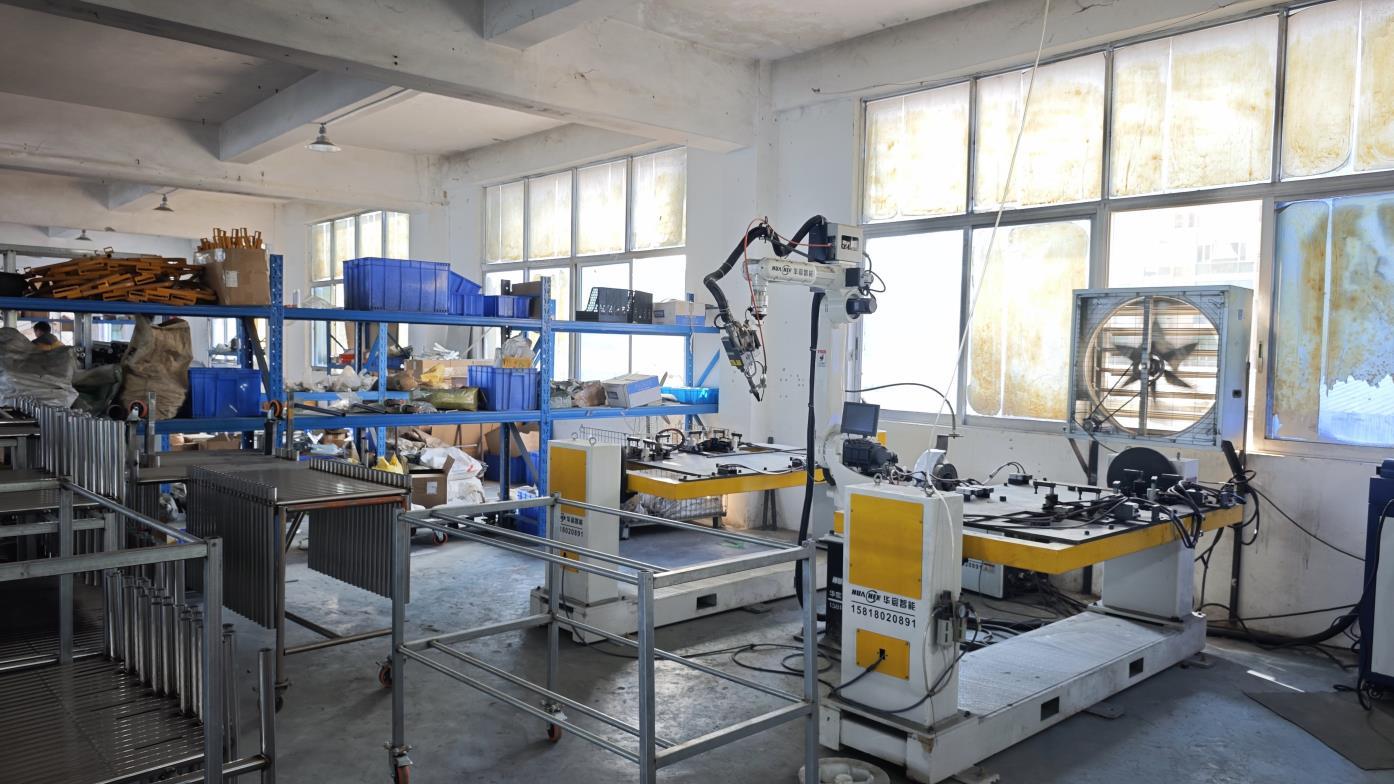
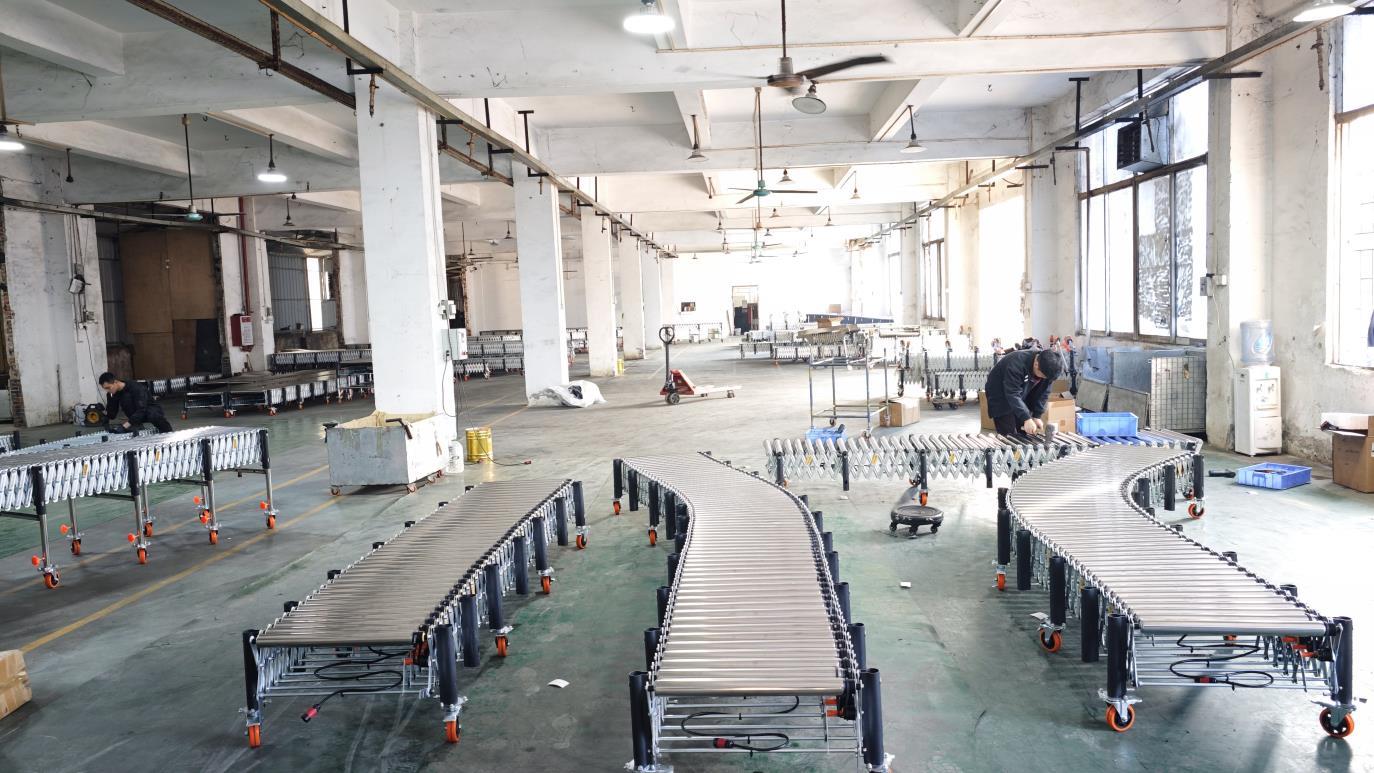
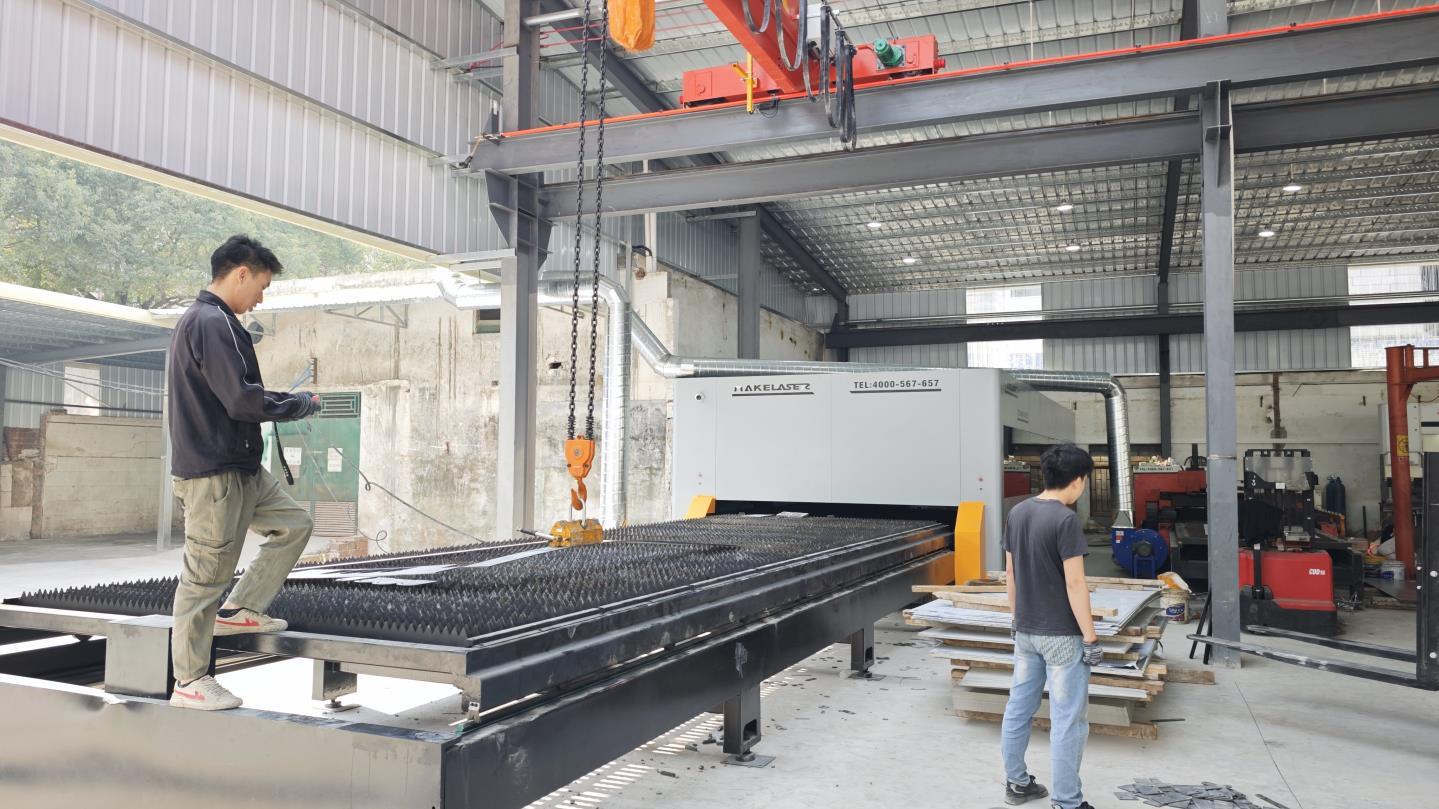
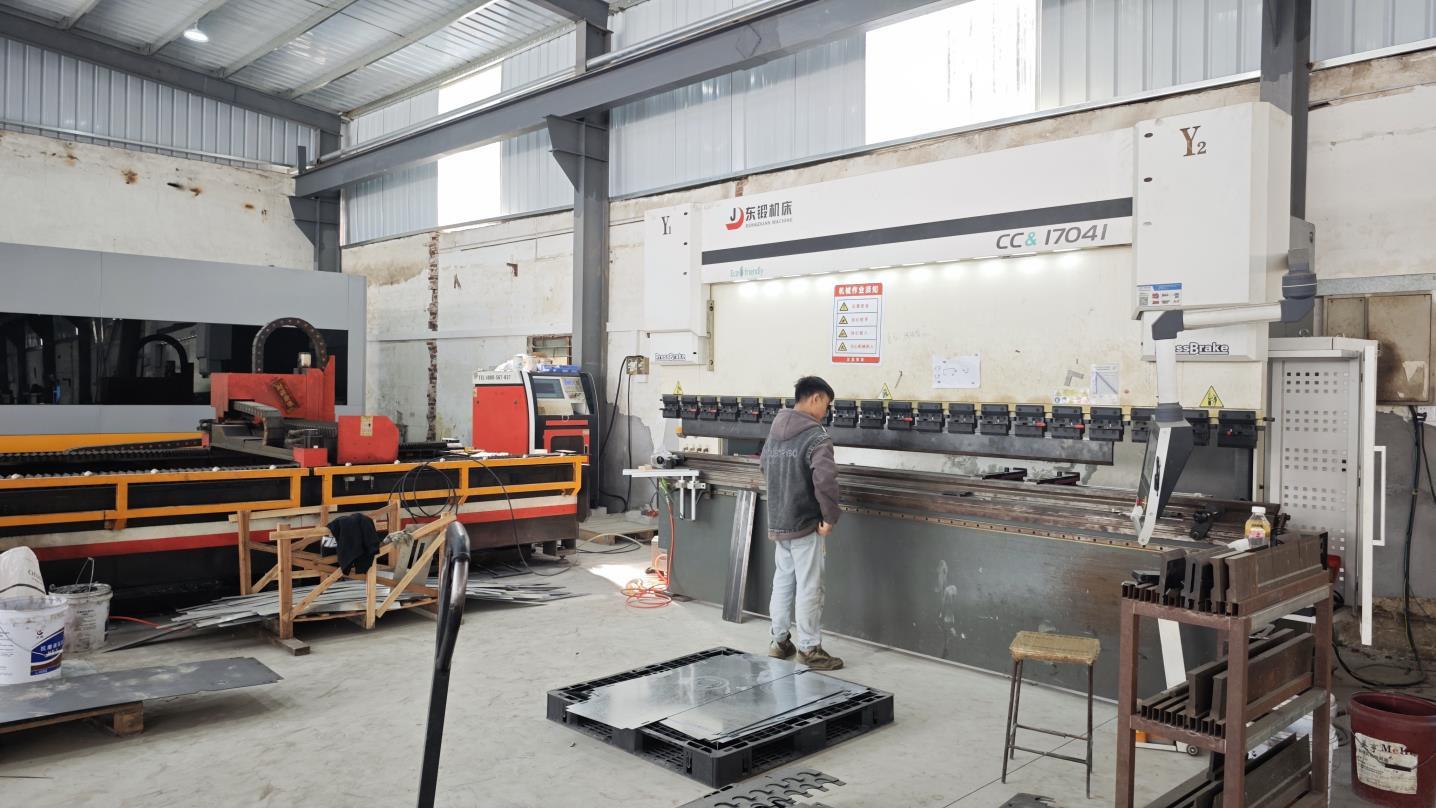
To establish a sustainable edge in global commerce, modern operations must combine software routing optimization with real-world execution hardware. Historically, Transport Management Software (TMS) acted as a standalone portal, separated from the real-time operational status of warehouses. The future of logistics demands absolute vertical integration.
Through strategic integrations of WMS, WCS, and ERP pipelines, companies achieve end-to-end transparency. For example, if a fleet vehicle faces an unexpected road delay detected by TMS, the connected WMS reallocates picking priority queue lists, avoiding unnecessary dock blockages and maximizing operational uptime.
Critical insights regarding integration, deployment, and optimization of physical and digital logistics platforms.
A Warehouse Management System (WMS) governs inventory levels, bin locations, and picking routines within the physical warehouse boundaries. A Transportation Management System (TMS) manages outbound shipping arrangements, route optimization, carrier selection, freight billing, and tracking once the goods leave the warehouse loading dock.
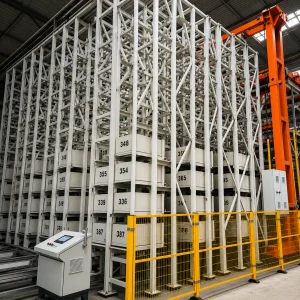
Automation systems connect through Warehouse Control Systems (WCS) and API layers. The WCS interfaces directly with physical PLC controllers (e.g., Siemens or Omron PLCs) and communicates order requirements to AGVs or crane mechanisms to pick and transport pallets dynamically.
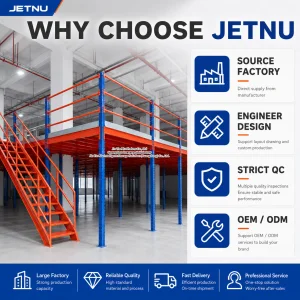
High mezzanine floors house heavy machinery and dense storage racks. Utilizing high-grade structural steel and precision manufacturing (such as CNC sawing and robotic welding) prevents flex fatigue and ensures structural safety under static loads.
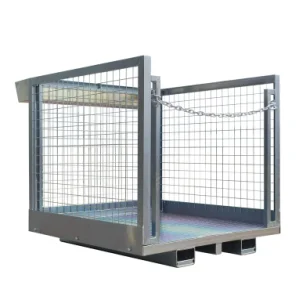
Yes. Selecting customized mesh cages protects delicate products in transport. The robust enclosure absorbs external impacts, allowing operators to stack goods efficiently without damage risk.
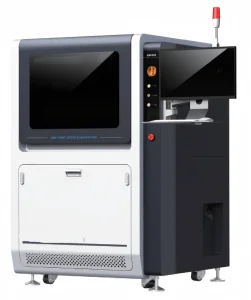
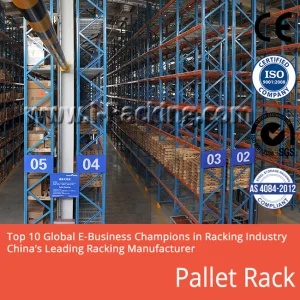
Advanced automated vehicles, storage grids, and testing structures to optimize modern distribution hubs.
 RAB Logistics