

The industrial automation landscape has undergone a monumental shift. Standard manual sorting is no longer viable in environments where millisecond delays propagate into significant supply chain bottlenecks. Robotic Pick and Place technologies represent the absolute vanguard of this paradigm shift. By integrating high-degree-of-freedom robotic arms, smart 3D machine vision sensors, and intelligent material handling frameworks, modern manufacturing plants are elevating throughput to rates previously considered impossible.
Globally, robotic pick and place systems are experiencing an unprecedented compound annual growth rate (CAGR). Driven by advancements in artificial intelligence and deep-learning classification models, robotic arms can now dynamically recognize unstructured objects, analyze the optimal picking angle, adjust gripping force feedback in real-time, and route items with high repeatability. Delta robots, Cartesian gantries, articulated arms, and collaborative robots (cobots) are deployed in various settings to handle micro-scale semiconductor chips, FMCG primary packaging, heavy automotive sub-assemblies, and heavy-duty logistics pallets.
Structured light cameras and time-of-flight (ToF) sensors feed dense point-cloud data to visual networks, enabling collision-free spatial navigation in chaotic packing cells.
Electro-magnetic, pneumatic vacuum, and adaptive mechanical multi-finger grippers automatically adjust dynamically to avoid crushing delicate components.
Embedded processors execute trajectory optimization algorithms, reducing cycle times by calculating optimal movement paths while avoiding obstacles.
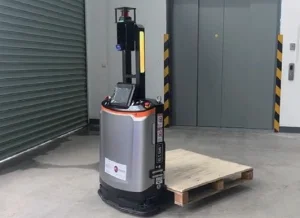
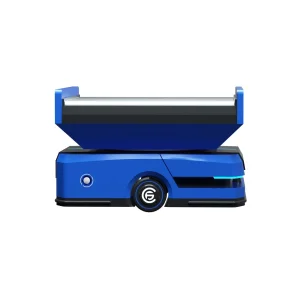
As the international logistics and warehouse sectors face persistent labor shortages and rising operating costs, robotic pick and place integration has shifted from a capital luxury to a strategic necessity. Supply chain directors now demand systems that work reliably alongside automated storage structures, heavy-duty mezzanine platforms, and automated guided vehicles (AGVs) to create unified material handling ecosystems.
Sourcing robotic automation systems requires a comprehensive understanding of operational interfaces, system load ratings, and long-term service level agreements (SLAs). Global enterprise procurement leads look beyond structural prices, prioritizing total cost of ownership (TCO), system-wide interoperability, and the manufacturer's ability to supply customized systems that integrate into existing manufacturing execution systems (MES).
Key procurement requirements include:
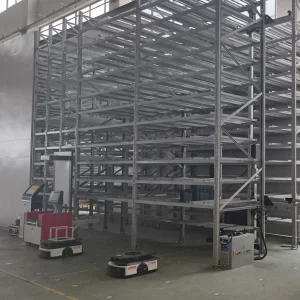
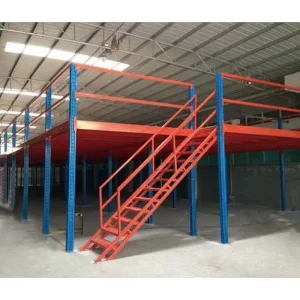
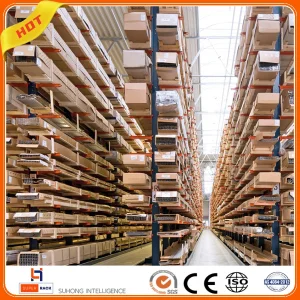
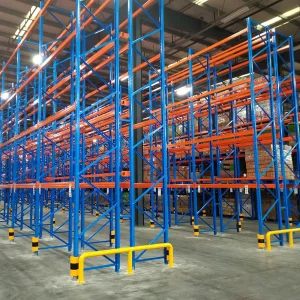
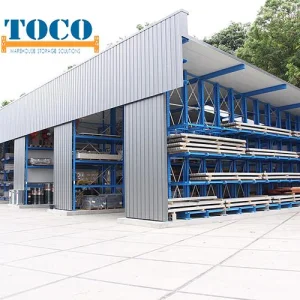
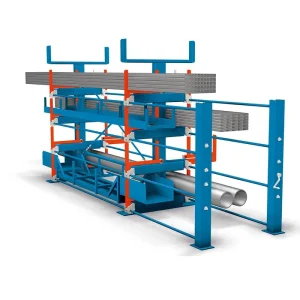
Global enterprises rarely buy standalone pick and place arms. High-efficiency operations require robotic systems to work alongside high-density racking, automated mobile robots (AMRs), and robust material storage platforms (like mezzanine floors and structural cantilever racks) to achieve high-throughput fulfillment.
In response to these demands, Tier-1 Chinese automation manufacturers are transitioning from simple component suppliers to comprehensive solution integrators. Factories now specify the complete mechanical, electrical, and structural scope of work, delivering ready-to-run systems that minimize on-site installation times and ensure rapid time-to-value.
China's industrial automation sector stands out for its strong supply chain resilience and comprehensive vertical integration. Within key industrial hubs like Zhejiang and Jiangsu, manufacturers access a complete, localized ecosystem of raw steel, precision planetary gearboxes, high-grade servo drives, sensor packages, and specialized metal fabrication workshops.
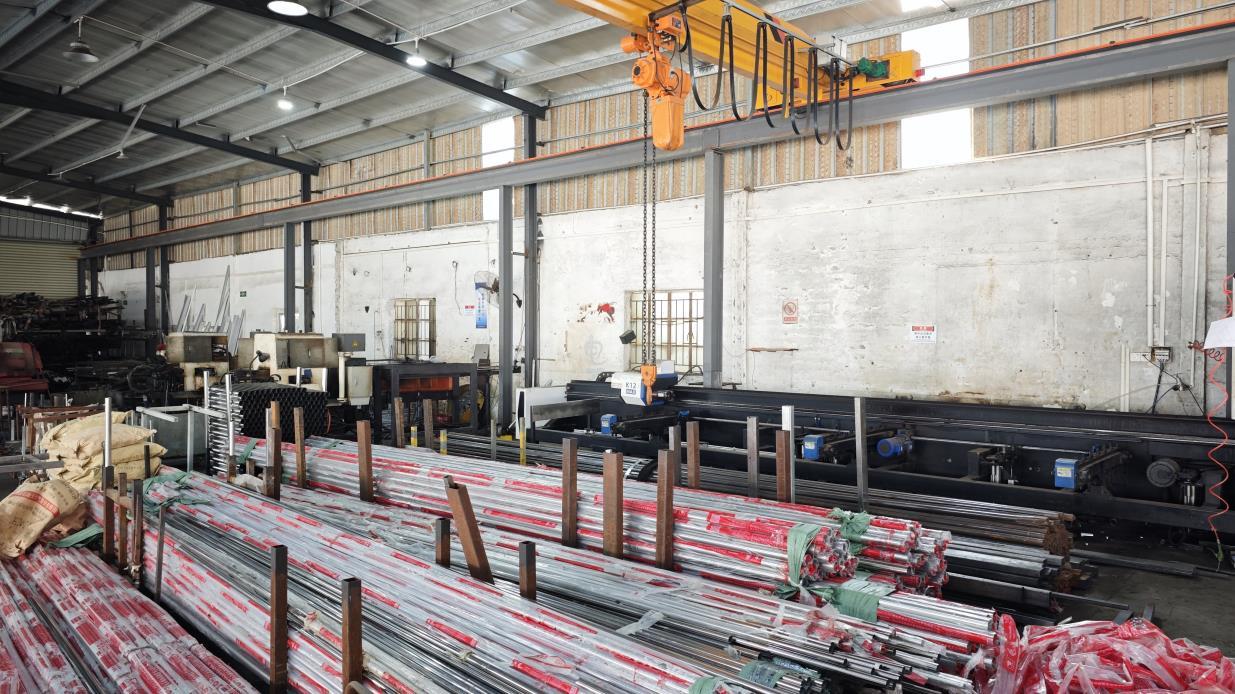
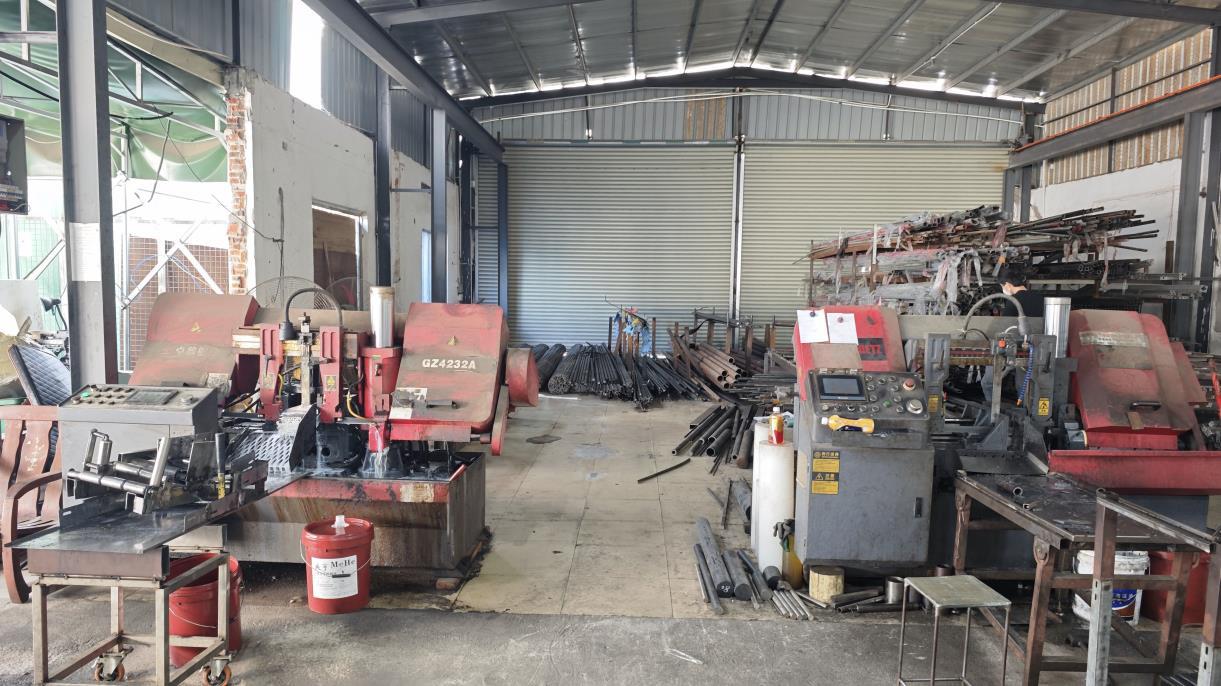
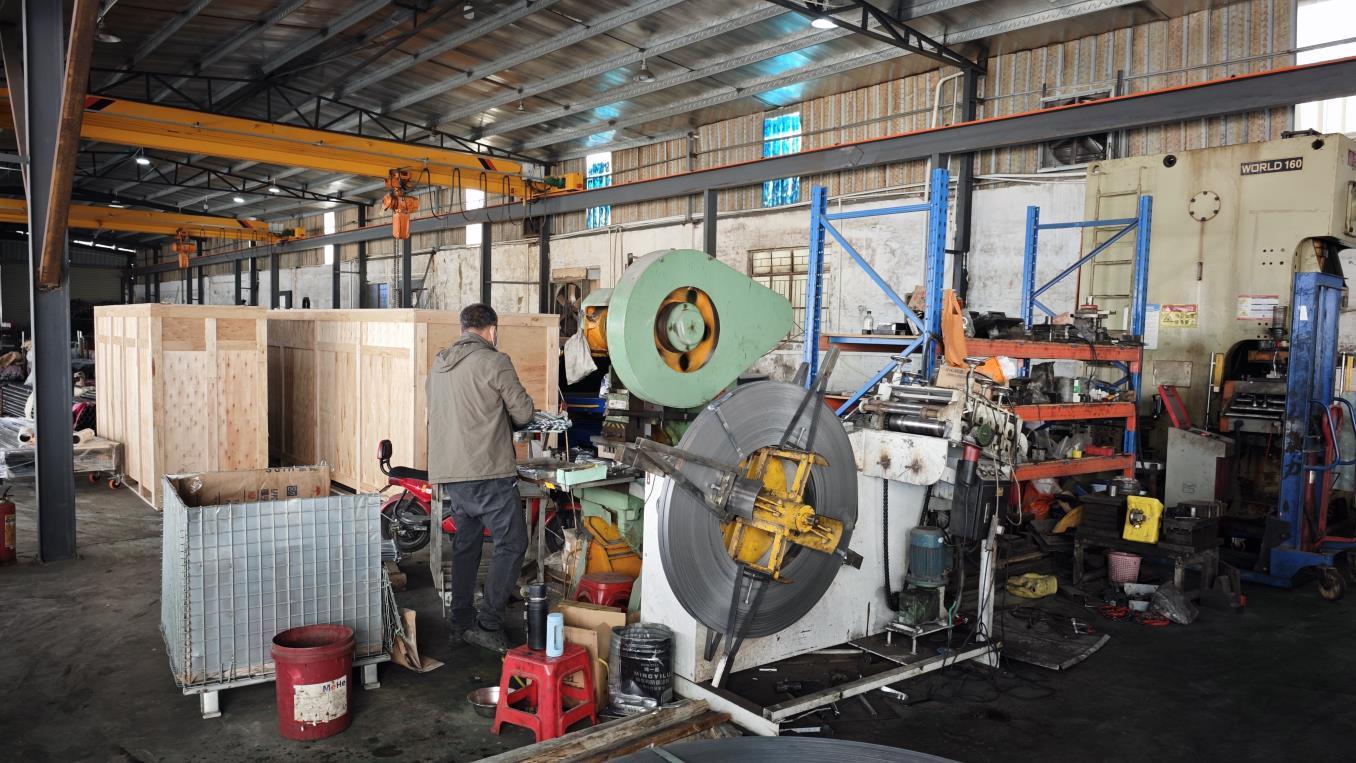
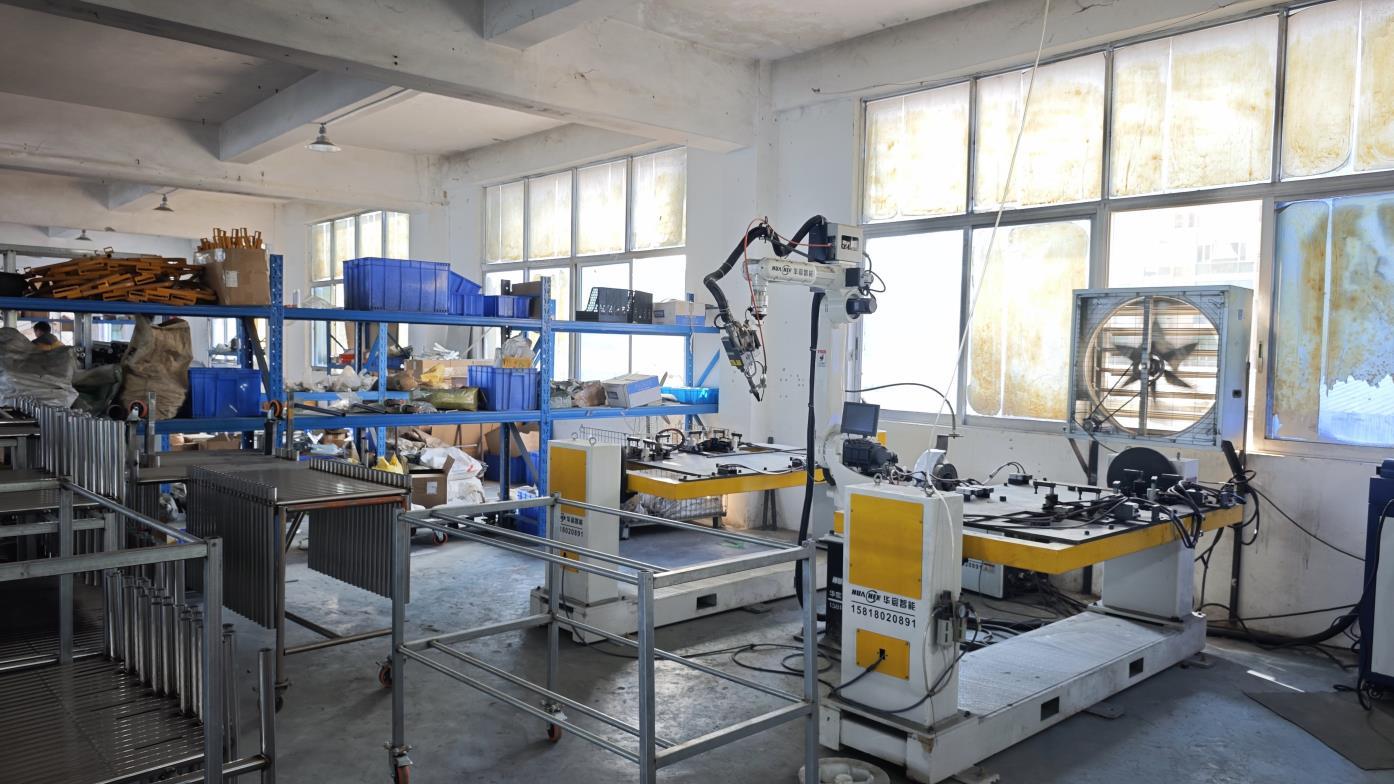
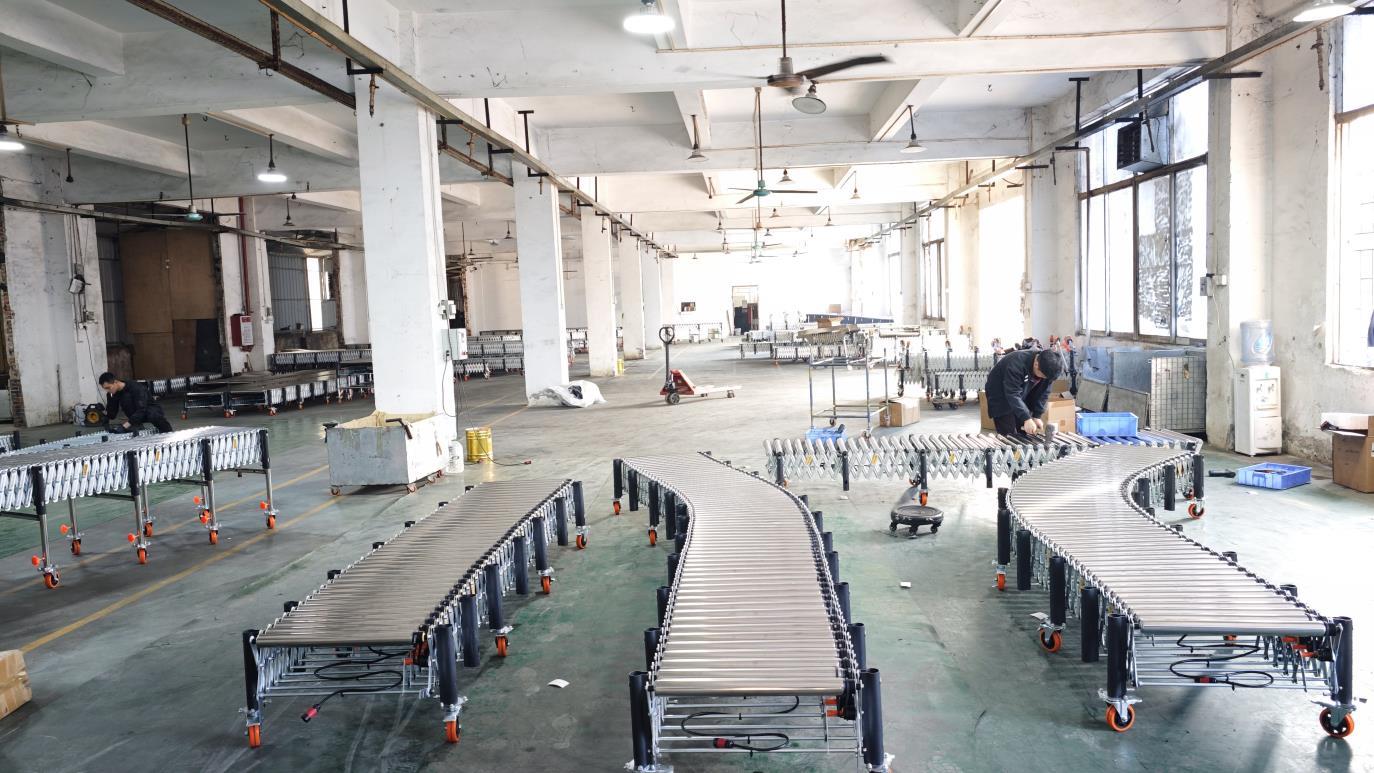
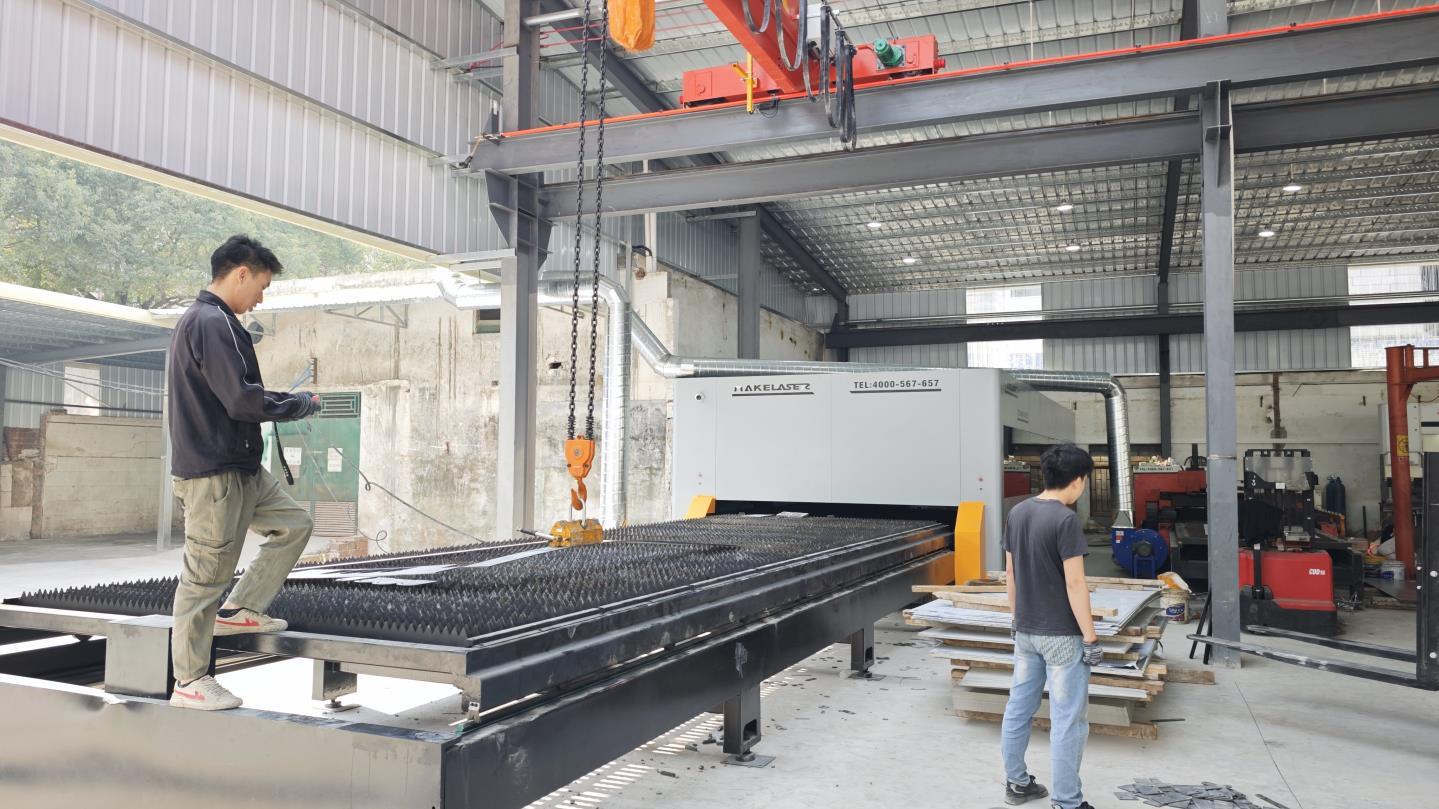
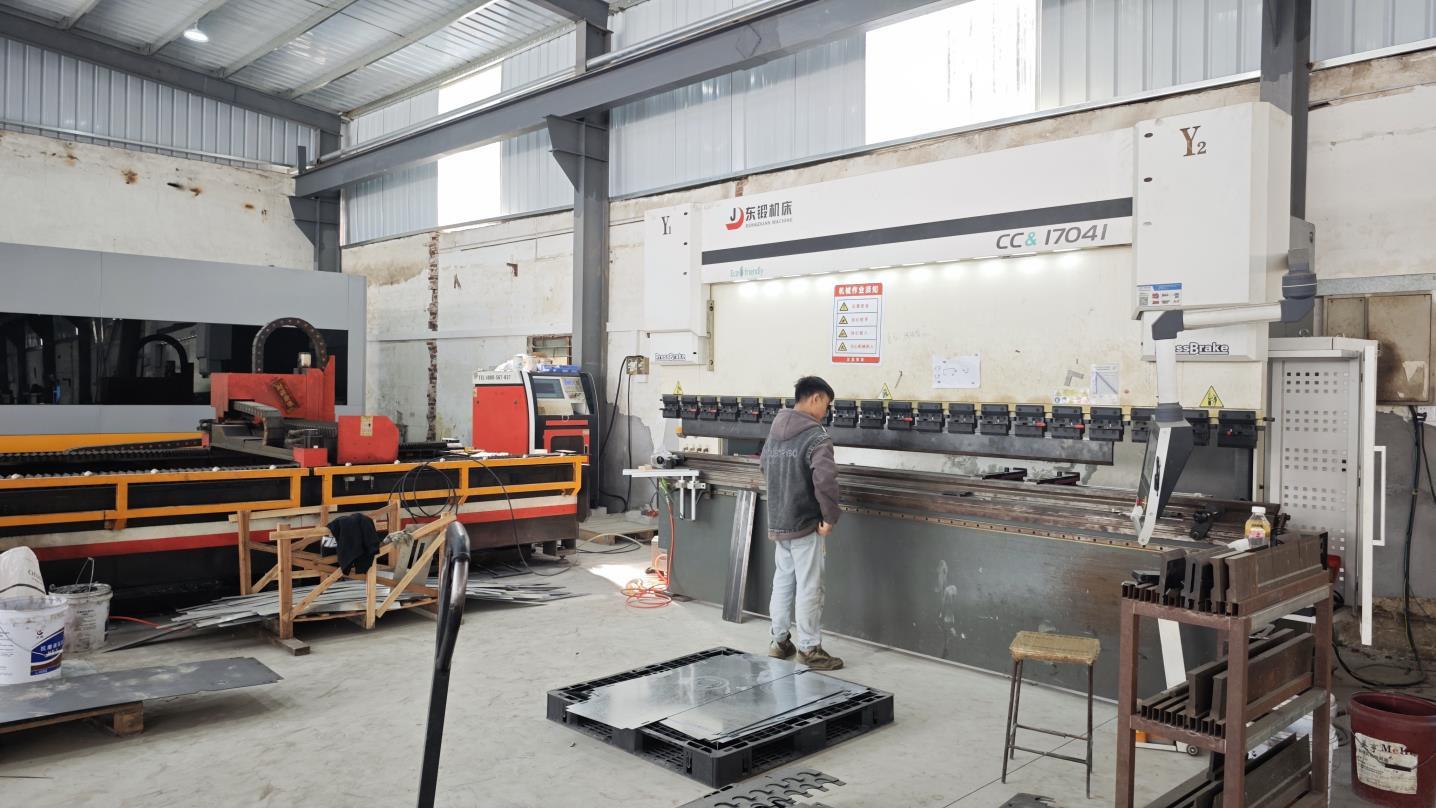
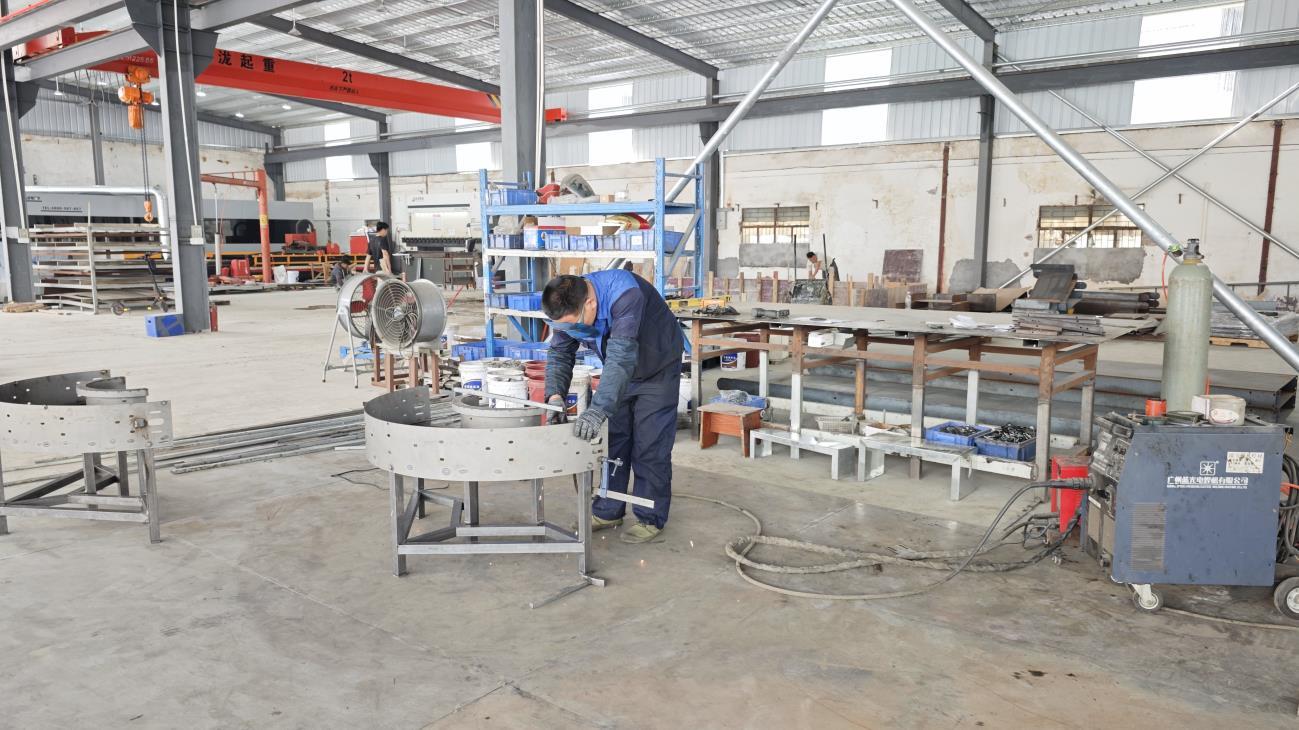
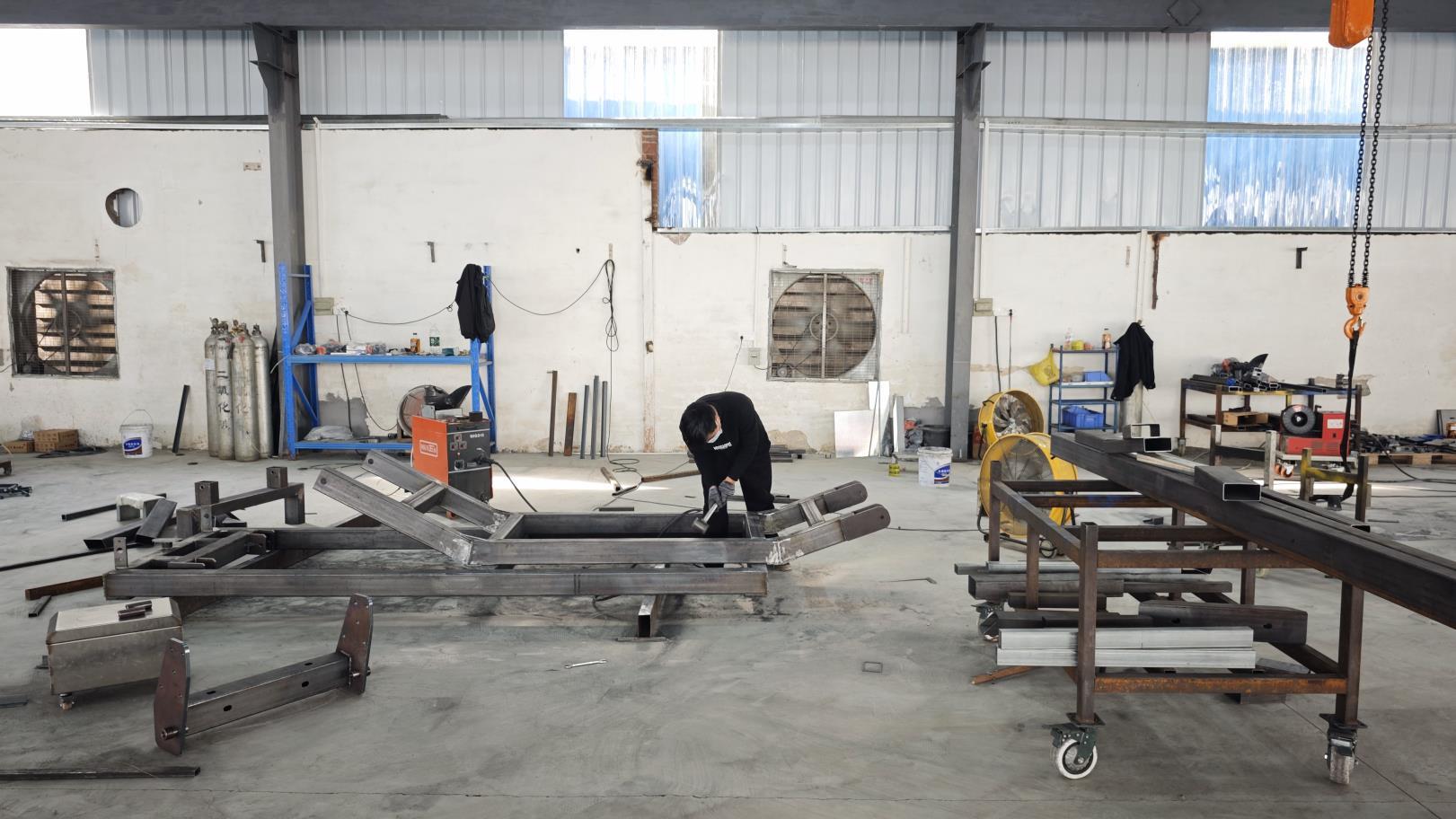
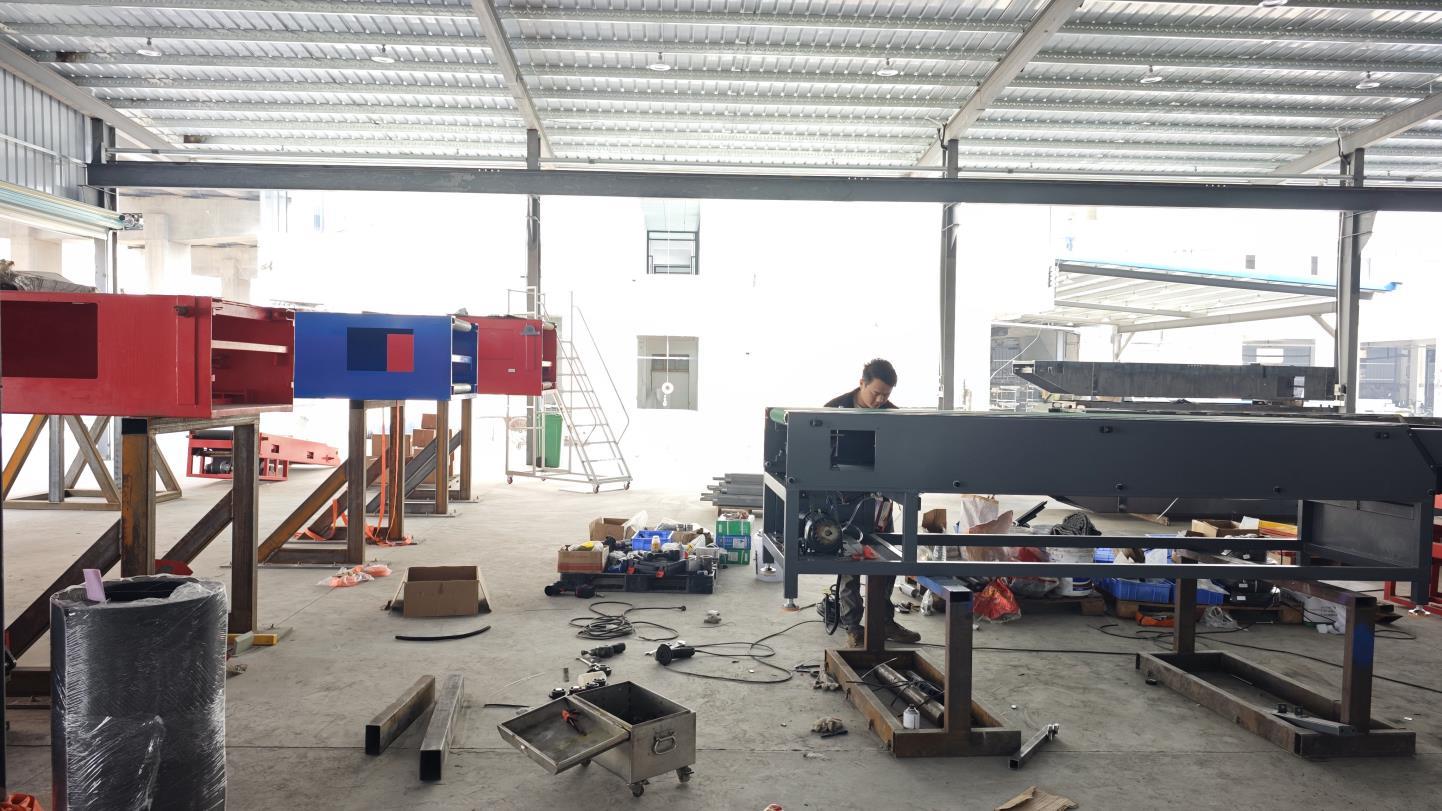
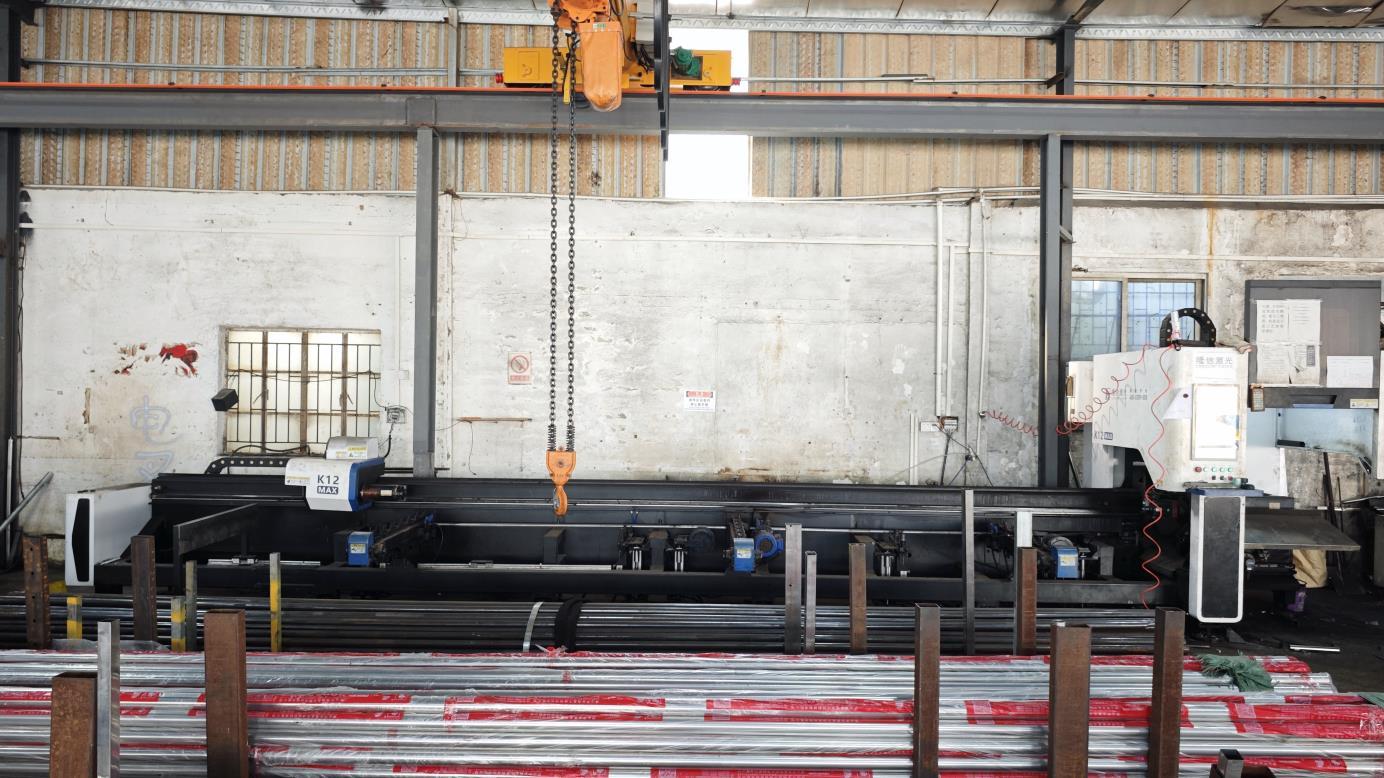
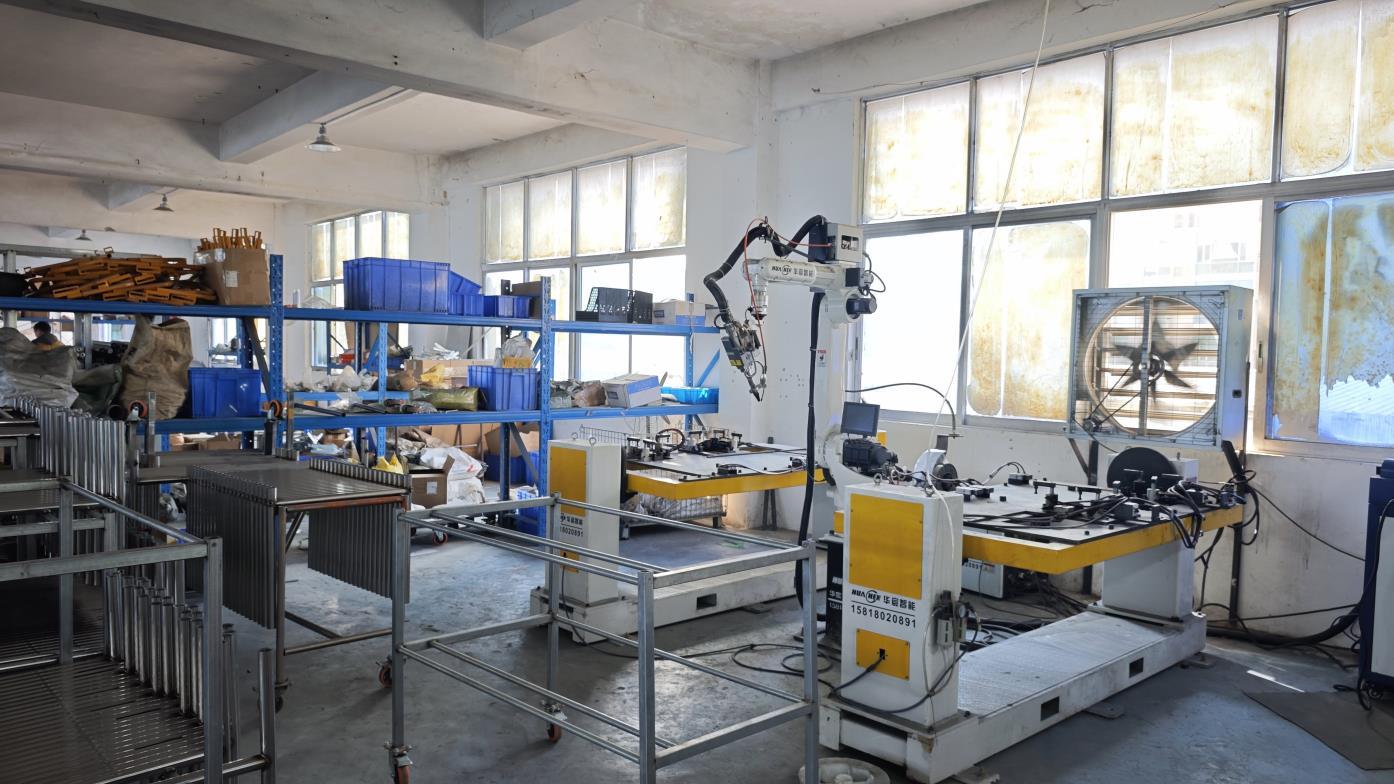
At Hangzhou RAB Logistics Co., Ltd., we utilize this integrated manufacturing ecosystem to produce systems that balance high mechanical durability with smart digital control. Our smart manufacturing processes include automatic CNC sawing, high-tolerance bending, precision welding, and comprehensive stress testing to ensure every system handles high-frequency daily operation.
Our computerized cutting and milling equipment achieves sub-millimeter structural tolerances, ensuring long-term operational alignment and minimal joint wear.
By combining automated machine-hand spot welding with experienced manual welding, we produce joints with high structural integrity and fatigue resistance.
Multi-stage surface polishing and protective powder coating prevent oxidation and wear, extending the lifespan of our heavy-duty warehouse racking and robotic platforms.
This localized manufacturing base allows us to offer shorter lead times and high cost-efficiency. Our in-house control over processes like raw steel stamping and final assembly allows us to implement strict quality checkpoints. This vertical integration ensures our custom racking, automated guided vehicles, and pick-and-place structural supports meet the high reliability standards demanded by global logistics hubs.
In food packaging, safety and speed are critical. High-speed Delta robots equipped with food-grade vacuum grippers pick products from random conveyors and pack them into trays at rates exceeding 120 items per minute. Operating under IP69K washdown conditions, these systems use vision tracking to dynamically adjust to upstream line fluctuations.
Pharmaceutical operations demand 100% accuracy and complete batch traceability. Collaborative robotic arms integrate with automated box storage and retrieval systems (AS/RS) to verify barcodes, sort clinical vials, and assemble personalized kits. Real-time logging of every pick cycle guarantees compliance with regulatory standards.
Handling heavy, oily, or sharp automotive parts requires robust structural support and reliable gripper mechanisms. Articulated arm systems configured with magnetic or mechanical grippers load components into stamping machines, transfer raw castings, and place assemblies onto heavy-duty steel pallet racks. This reduces physical strain on operators and maintains production cycle times.
E-commerce warehouses manage thousands of unique SKUs. By combining AI vision models with smart AGV fleets, picking robots sort incoming mixed containers into dedicated order bins. This automated process minimizes manual handling and speeds up dispatch times.
Hangzhou RAB Logistics Co., Ltd. is a professional provider of intelligent warehousing and modern logistics solutions. Built on years of industry experience and continuous technological innovation, RAB Logistics is committed to helping enterprises transform traditional warehouse operations into highly automated, data-driven, and efficient supply chain systems.
Since its establishment, the company has focused on integrating advanced logistics technologies such as Warehouse Management Systems (WMS), Automated Storage and Retrieval Systems (AS/RS), AGV/AMR robotics, intelligent sorting systems, and real-time data visualization platforms. These solutions enable clients to achieve higher operational accuracy, faster fulfillment speed, and significantly reduced logistics costs.
With strong capabilities in system consulting, solution design, equipment integration, software development, and project implementation, Hangzhou RAB Logistics Co., Ltd. delivers end-to-end intelligent logistics solutions tailored to diverse industry needs. Our expertise ensures seamless coordination between hardware and software, creating scalable and future-ready warehouse infrastructures.
RAB Logistics serves a wide range of industries including manufacturing, cross-border e-commerce, fast-moving consumer goods (FMCG), pharmaceuticals, and automotive parts. Our solutions are trusted for their stability, innovation, and proven performance in complex, high-demand environments.
By choosing Hangzhou RAB Logistics Co., Ltd., you are selecting a long-term strategic partner dedicated to building smarter warehouses, optimizing supply chains, and empowering businesses with sustainable competitive advantages in the era of intelligent logistics.
 RAB Logistics