Explore our high-performance structural configurations and automation hardware designed to maximize volumetric efficiency and reduce power demands.
How Modern High-Density Warehousing Integrates with Net-Zero Supply Chain Commitments.
The global logistics sector is undergoing a massive structural shift. Driven by rigorous international regulations—such as the EU's Corporate Sustainability Reporting Directive (CSRD) and the US SEC climate disclosure rules—multinational enterprises can no longer treat warehouse logistics as isolated cost centers. Today, operational space footprint optimization and automated energy management represent the core pillars of modern industrial decarbonization.
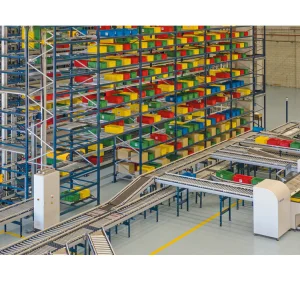
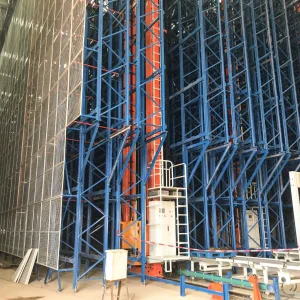
Traditional warehouses contribute significantly to carbon emissions, primarily due to inefficient spatial configurations requiring high lighting, continuous HVAC operations, and heavy fossil-fueled material handling equipment. By transitioning to high-density Automated Storage and Retrieval Systems (AS/RS), companies are reporting up to 50% reductions in spatial footprints. This spatial reduction correlates directly with a dramatic drop in localized thermal mass requirements—meaning less volume to heat, cool, and ventilate.
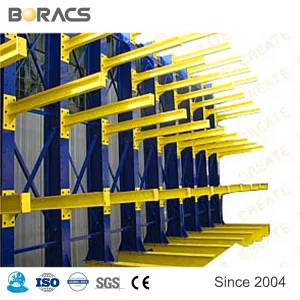
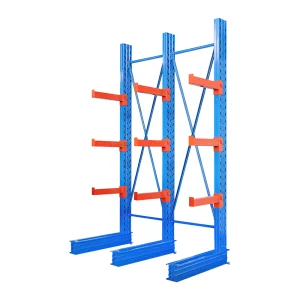
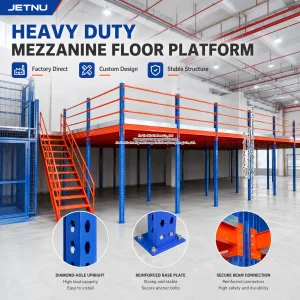
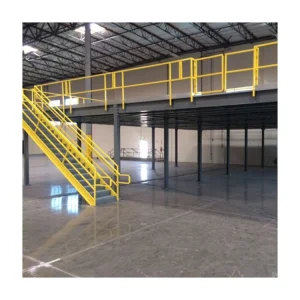
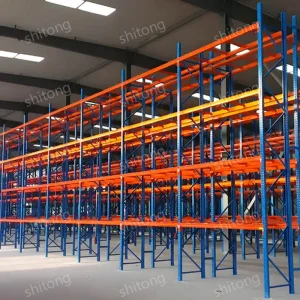
Modern sustainability targets emphasize maximizing the payload of every square meter. By integrating dense industrial racking—such as heavy-duty cantilever racks and multi-tier mezzanine floors—companies successfully optimize internal building design, avoiding the high capital and environmental cost of greenfield warehouse expansions.
Translating Technical Prowess into Sustainable, Scalable Supply Chain Infrastructures.
Hangzhou RAB Logistics Co., Ltd. is a professional provider of intelligent warehousing and modern logistics solutions. Built on years of industry experience and continuous technological innovation, RAB Logistics is committed to helping enterprises transform traditional warehouse operations into highly automated, data-driven, and efficient supply chain systems.
Since its establishment, the company has focused on integrating advanced logistics technologies such as Warehouse Management Systems (WMS), Automated Storage and Retrieval Systems (AS/RS), AGV/AMR robotics, intelligent sorting systems, and real-time data visualization platforms. These solutions enable clients to achieve higher operational accuracy, faster fulfillment speed, and significantly reduced logistics costs.
With strong capabilities in system consulting, solution design, equipment integration, software development, and project implementation, Hangzhou RAB Logistics Co., Ltd. delivers end-to-end intelligent logistics solutions tailored to diverse industry needs. Our expertise ensures seamless coordination between hardware and software, creating scalable and future-ready warehouse infrastructures.
RAB Logistics serves a wide range of industries including manufacturing, cross-border e-commerce, fast-moving consumer goods (FMCG), pharmaceuticals, and automotive parts. Our solutions are trusted for their stability, innovation, and proven performance in complex, high-demand environments. By choosing Hangzhou RAB Logistics Co., Ltd., you are selecting a long-term strategic partner dedicated to building smarter warehouses, optimizing supply chains, and empowering businesses with sustainable competitive advantages in the era of intelligent logistics.
Our raw material processes conform to strict ISO 9001 and CE directives, ensuring high load-bearing safety limits and structural longevity.
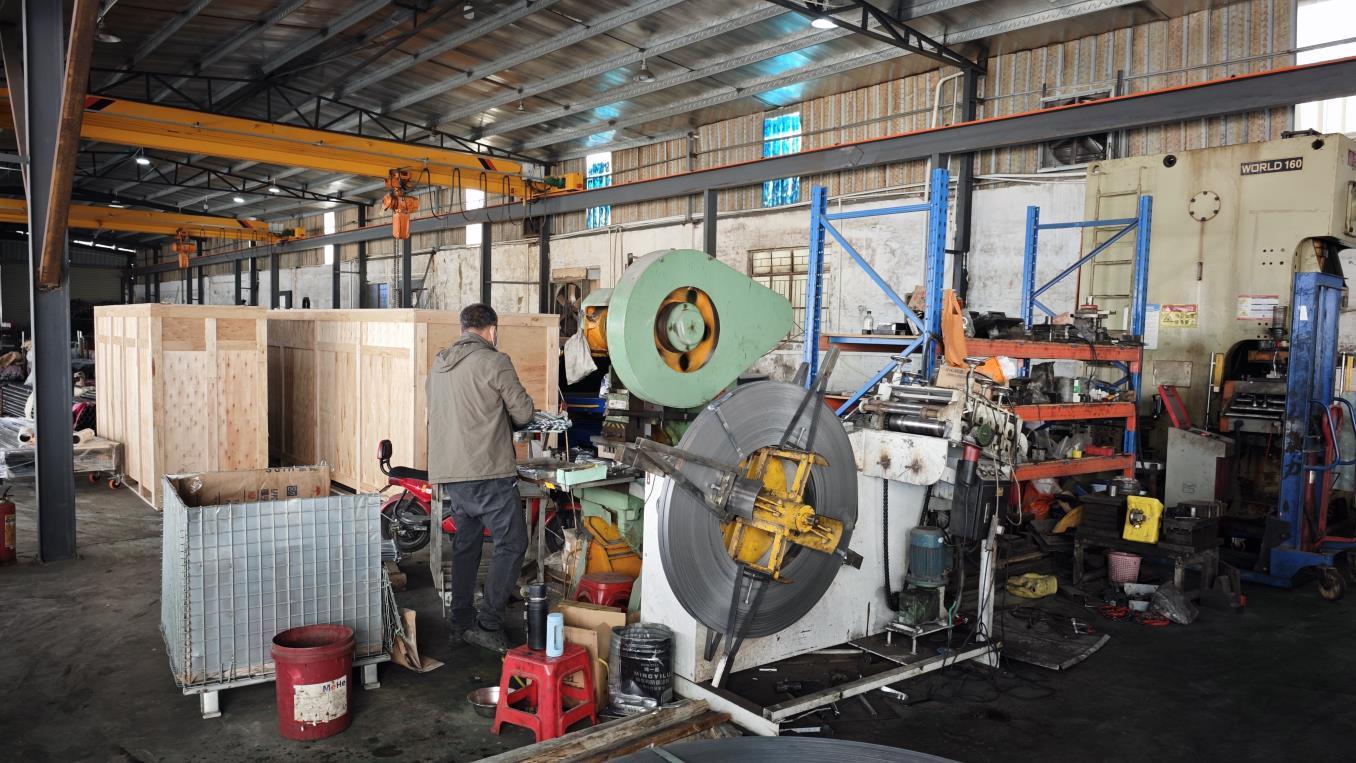
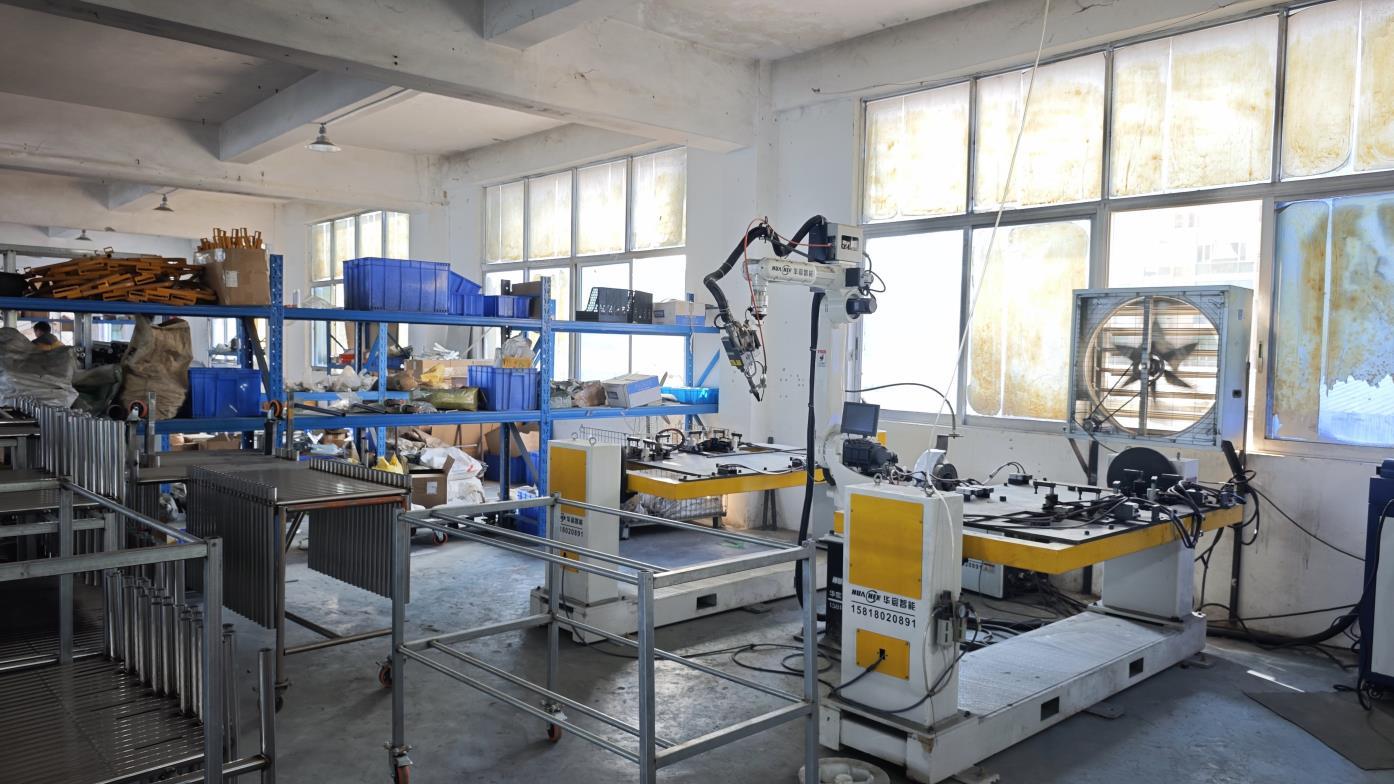
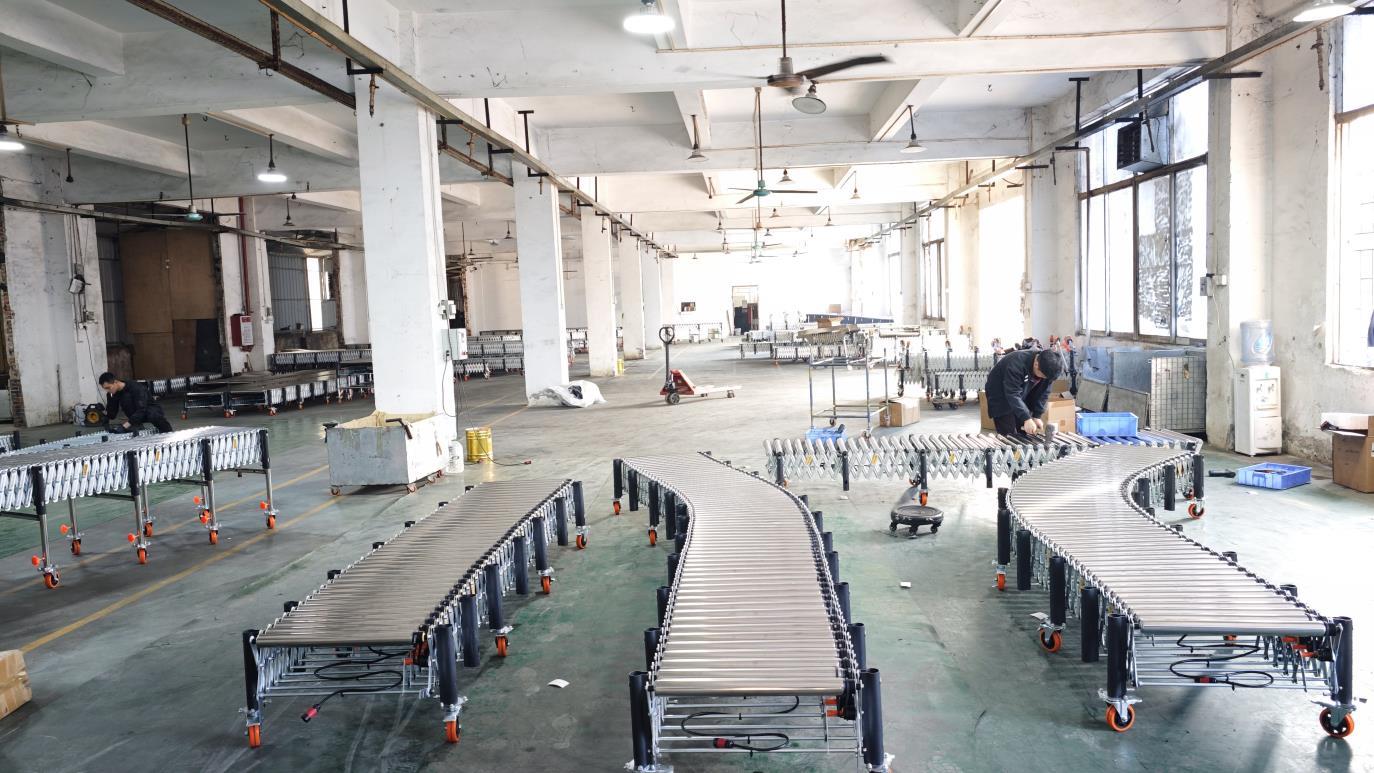
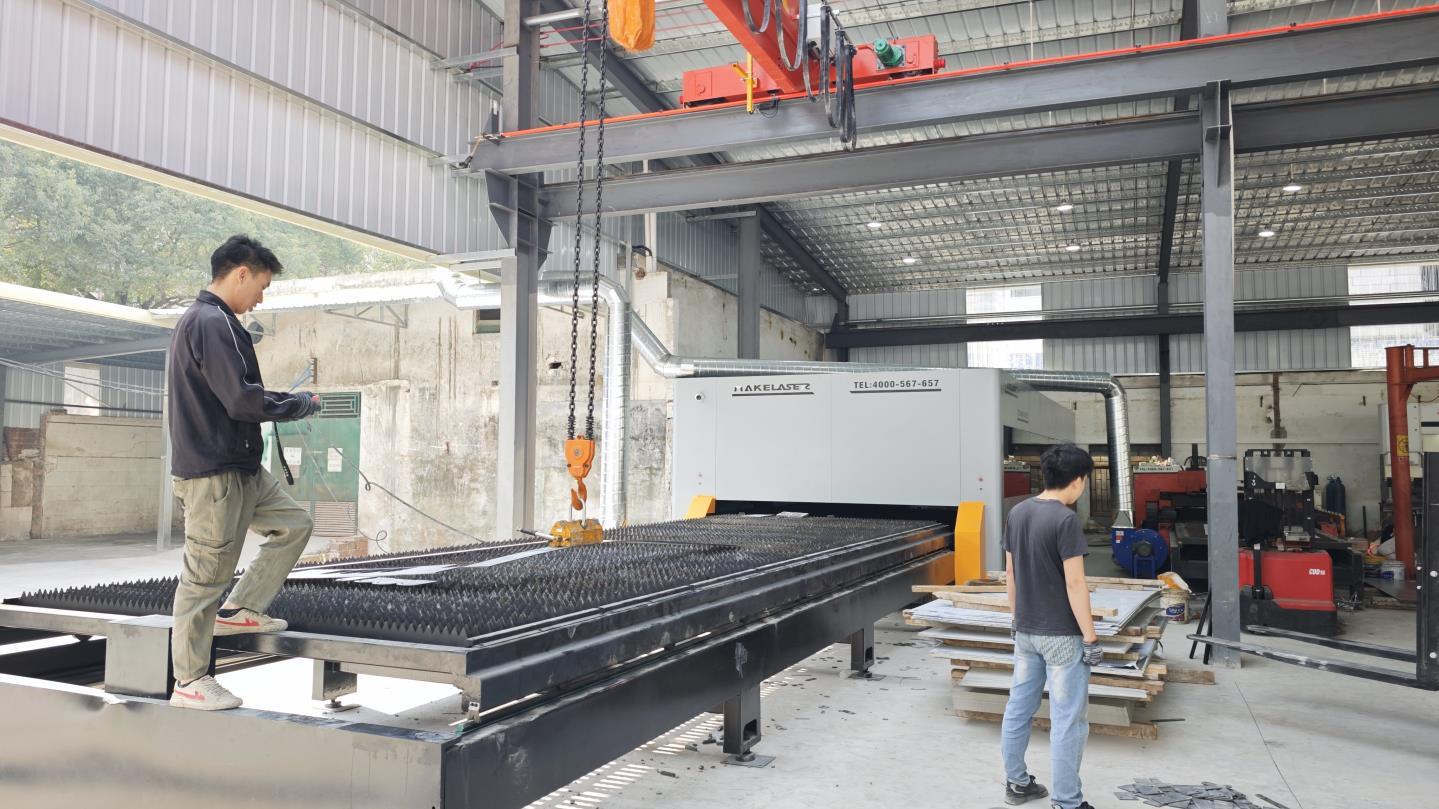
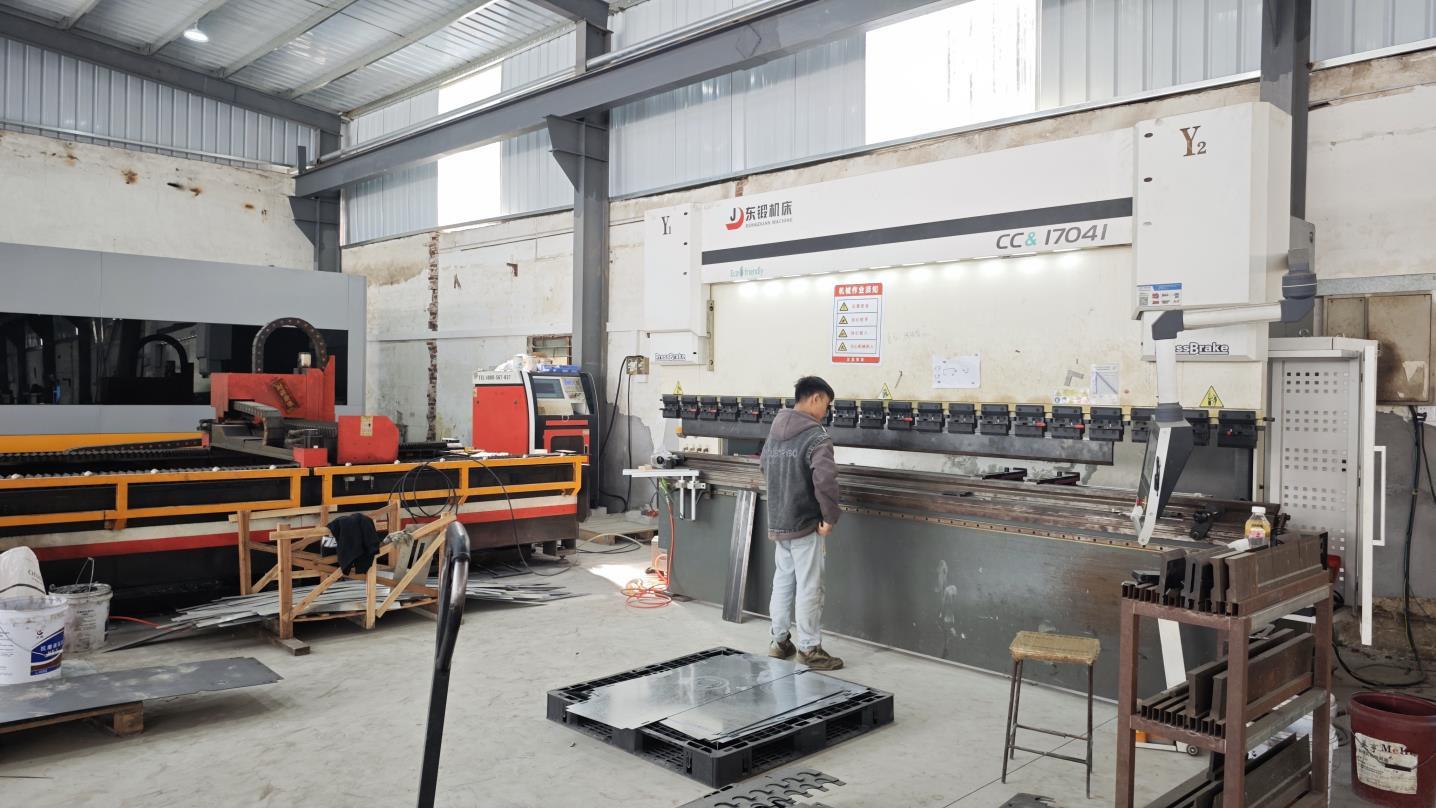
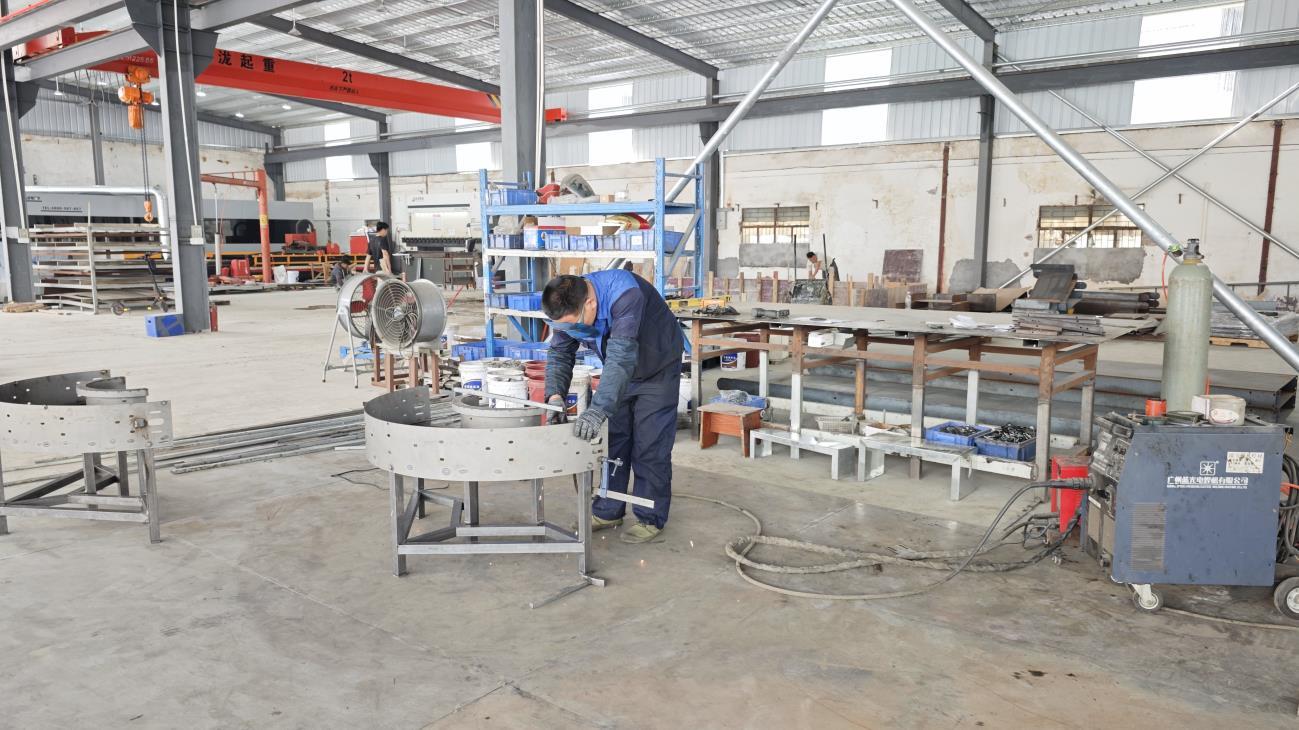
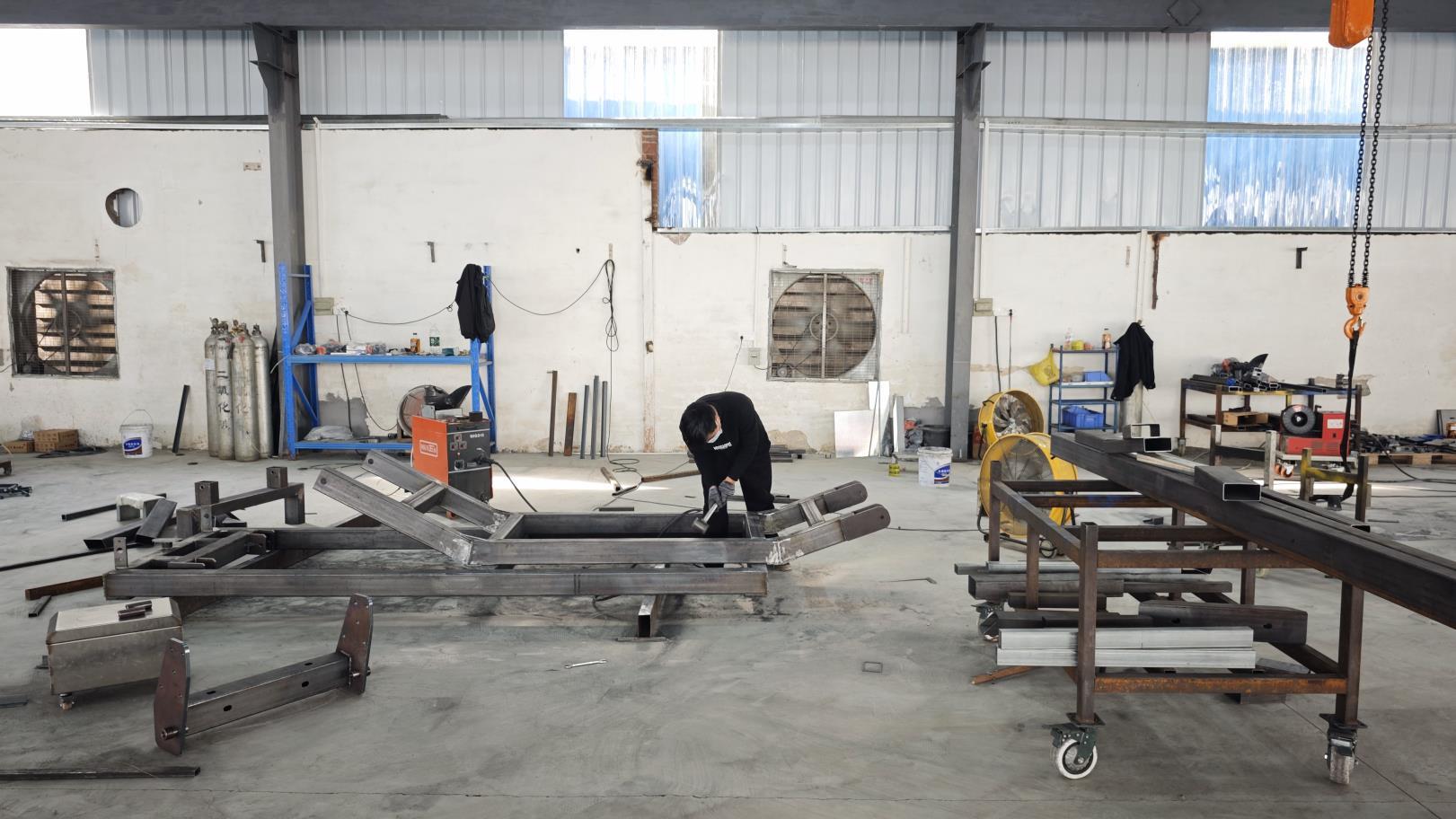
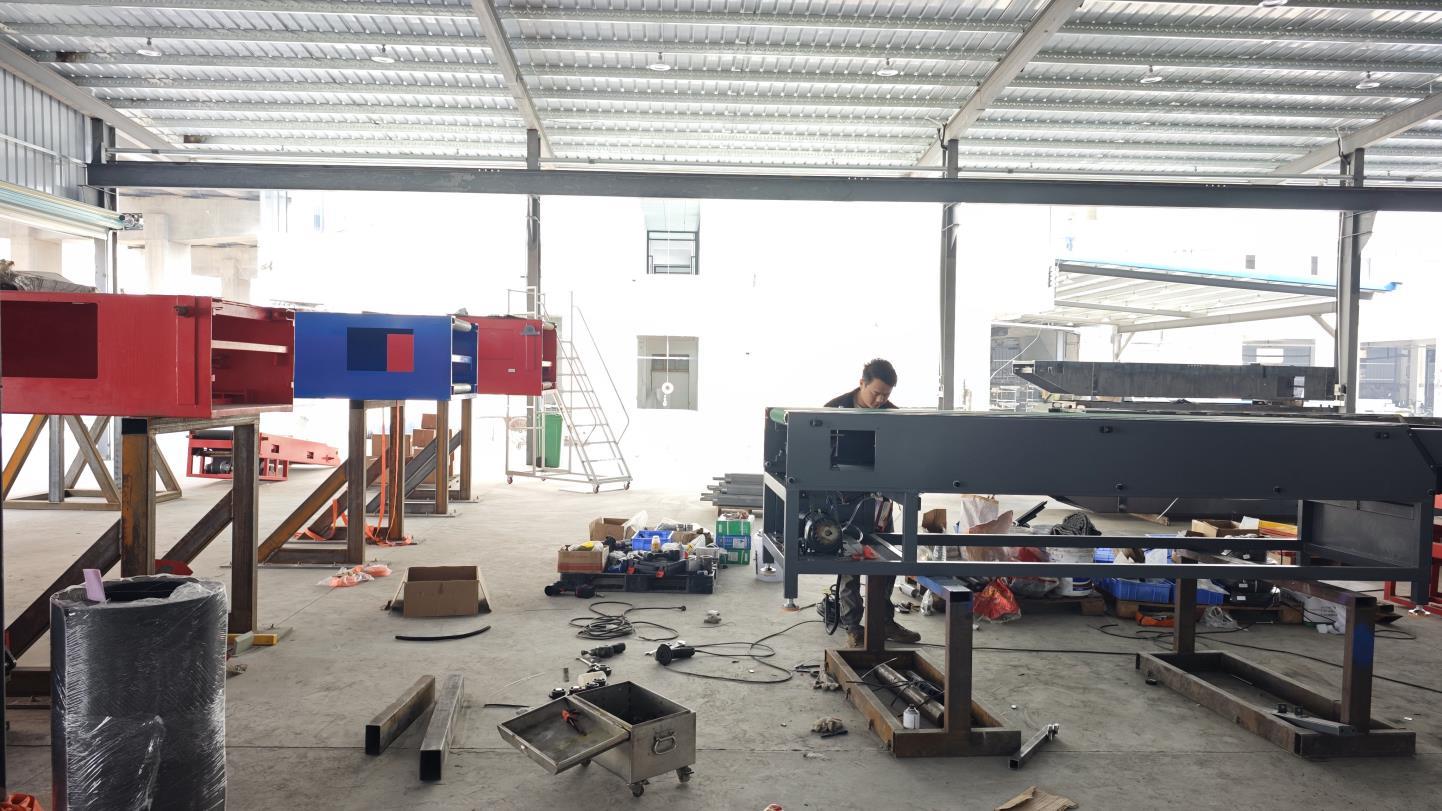
Unifying Supply Chain Proximity, CNC Automation, and Structural Steel Quality.
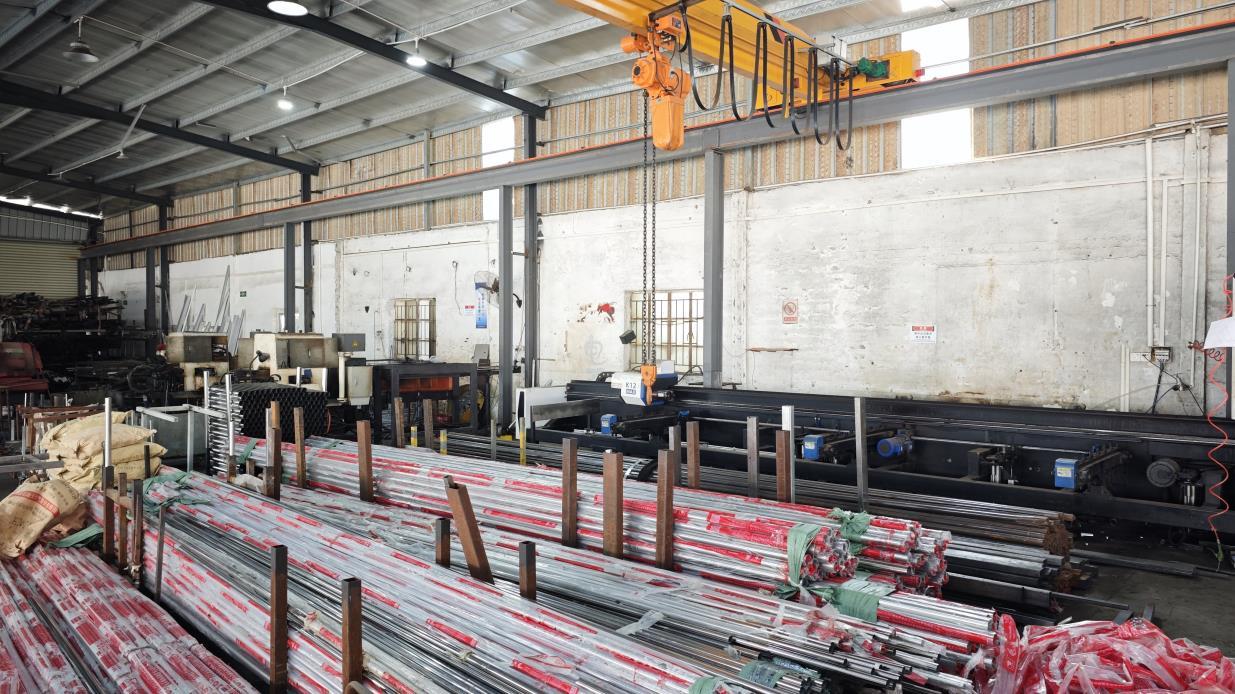
China's logistics equipment hubs, especially around Hangzhou and the Yangtze River Delta, benefit from immediate integration with world-class steel mills and hardware component suppliers. This proximity minimizes raw material transit emissions, guarantees access to top-grade structural steels (such as Q235B and Q355B), and drastically shortens lead times for bespoke structural projects.
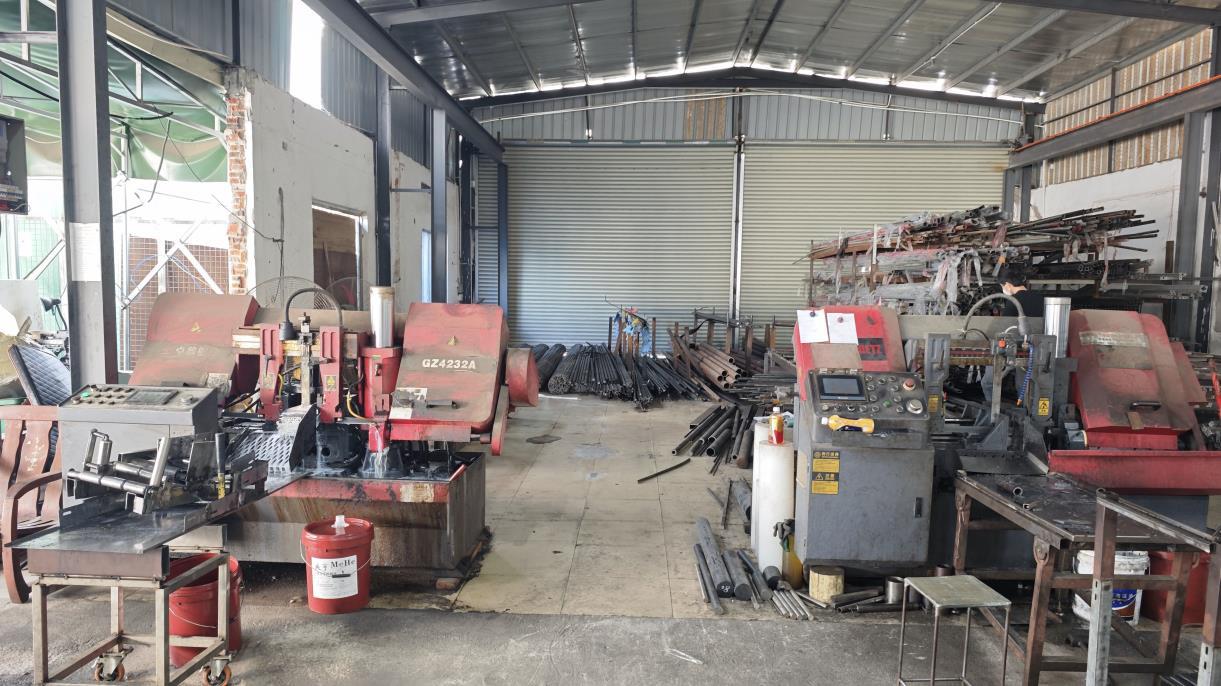
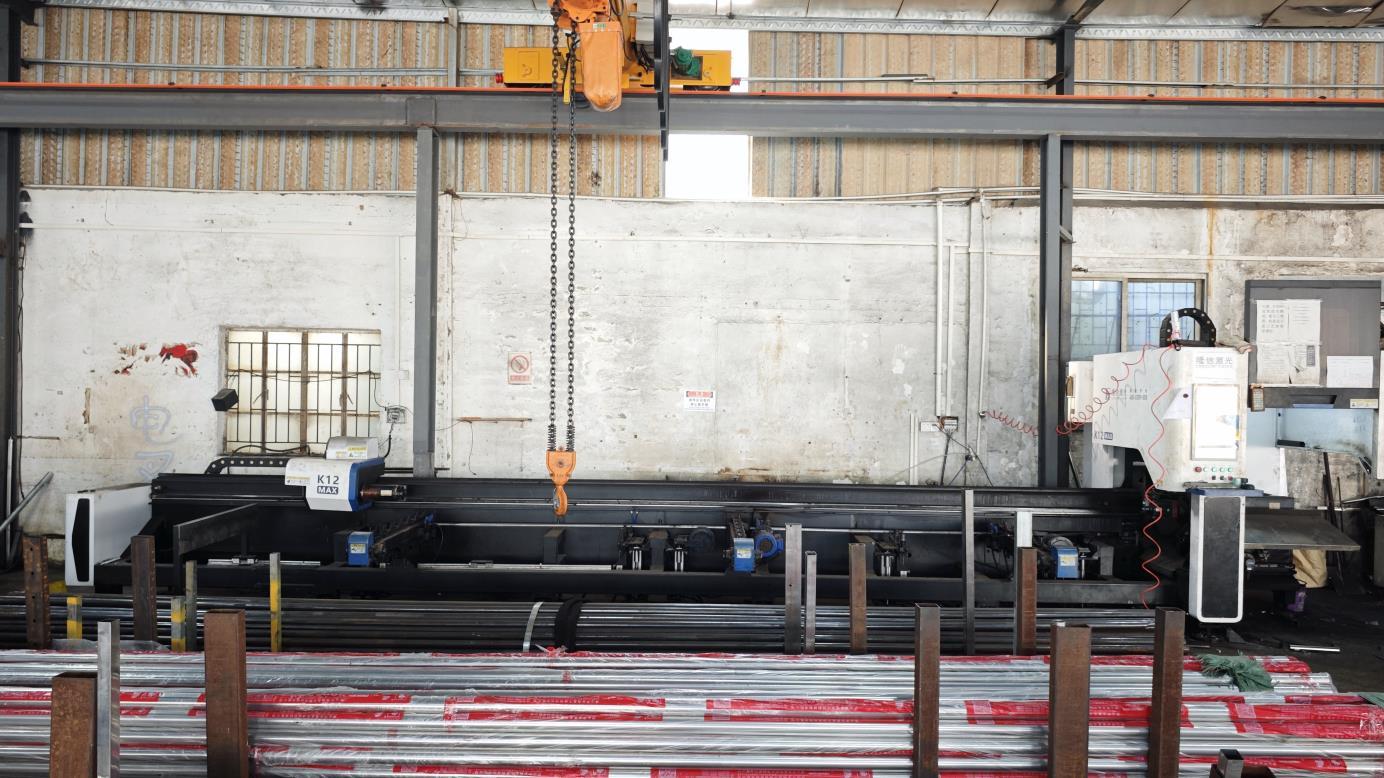
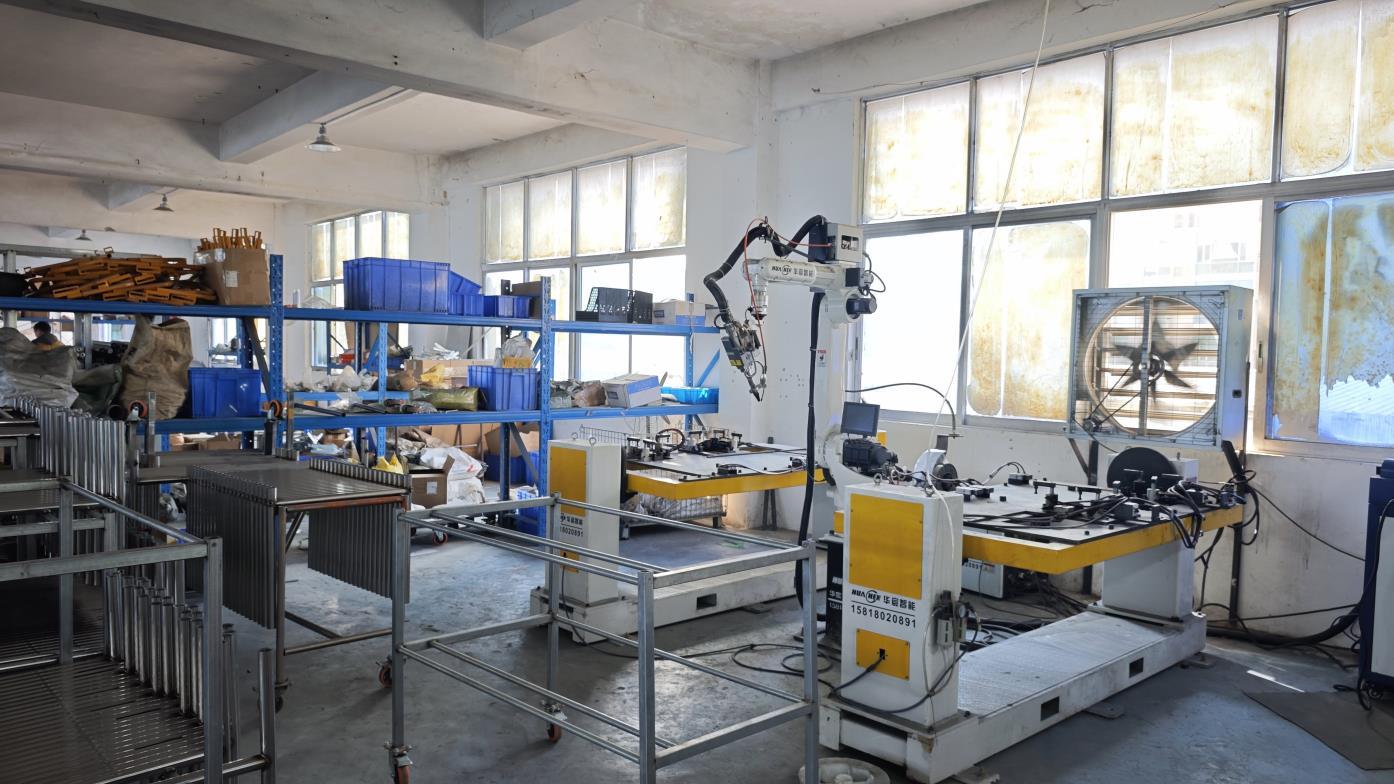
By investing heavily in advanced robotic manufacturing lines (like our CNC sawing and automatic spot welding systems shown above), China manufacturers can output high-precision, low-defect industrial components. Robotization eliminates variation, ensuring that structural tolerances remain within fraction-of-a-millimeter thresholds. This precision translates directly to stable, long-lasting warehousing installations that require less maintenance and operating downtime.
The centralized manufacturing ecosystems of China enable the efficient production of massive racking and automation systems at highly competitive rates. Global buyers receive solutions conforming to rigorous standards (such as EN 15512, RMI, and CE) without paying the premium premiums associated with localized small-batch Western fabricators.
Adapting high-density, low-consumption technologies to cold storage, fast manufacturing, and heavy component handling.
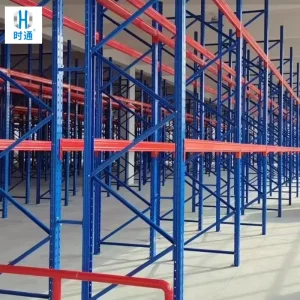
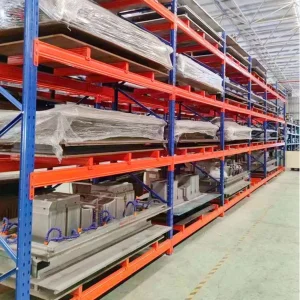
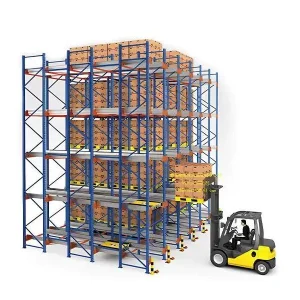
In temperature-controlled storage, energy utilization correlates directly with volume. A traditional pallet racking system requires wide aisles for forklifts to maneuver, wasting valuable refrigerated space. Our CE-certified heavy-duty steel pallet racking and integrated shuttle rack systems minimize free-air volume by maximizing storage density. This allows for smaller refrigeration areas to hold the same volume of pharmaceuticals or food items, yielding substantial electricity savings.
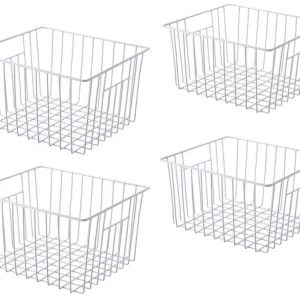
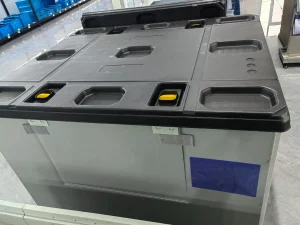
Heavy parts require highly specialized protective transport structures to prevent deformation. Our high-impact resistant, foldable plastic pallet box collars provide modular protection for automotive stamping workshops. These systems reduce packaging waste, cut handling costs, and maximize shipping vehicle volumes, resulting in lower transportation carbon footprints.
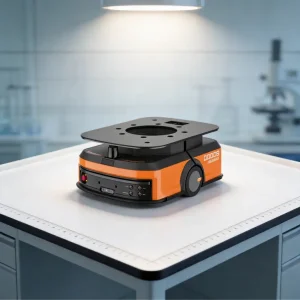
E-commerce fulfillment centers require real-time velocity and precision. The deployment of AGV mobile robots combined with AS/RS platforms minimizes the need for high-intensity ambient lighting and continuous temperature controls across massive structures (often referred to as "lights-out" warehouses). Operating in dark, energy-efficient environments, automated storage delivers unparalleled accuracy while optimizing power consumption.
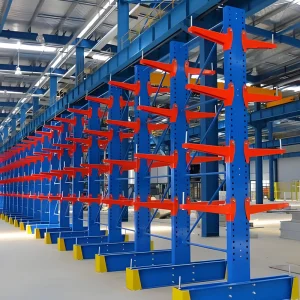
Long loads like steel tubing and timber require robust, safe structural storage. The Adjustable Heavy Duty Cantilever Bracket System provides high-strength storage without deflection. This structural rigidity prevents sag, improves factory safety, and allows for space saving in production corridors.
Anticipating the technological integration of AI, circular economies, and green construction materials.
Future automated storage systems are incorporating regenerative breaking technologies. When heavy AS/RS crane lifts decelerate or lower heavy pallet loads, the energy is captured and fed back into the facility’s microgrid. This technology converts kinetic potential energy into usable electricity, cutting the peak electrical demands of distribution centers.
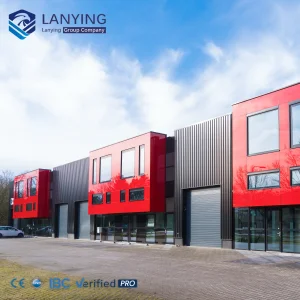
The construction of standard warehouse complexes is moving toward low-carbon pre-engineered steel structures. Prefabricating structural components in-factory using robotic tooling minimizes on-site construction waste and reduces installation times. Pre-engineered steel buildings are fully circular—allowing for modular disassembly, expansion, or complete recycling at end-of-life.
Key checkpoints for purchasing agents, procurement managers, and facilities engineers looking to import warehousing systems.
When sourcing heavy-duty warehousing systems and automated storage hardware from China, international buyers must establish rigorous procurement protocols to verify both structural safety and long-term energy returns. These steps ensure seamless project integration:
Ensure all racking systems conform to local building and seismic codes. Specify FEM 10.2.02 (Europe), RMI standards (US), or AS4084 (Australia) to guarantee steel grades can withstand high vertical and horizontal dynamic forces.
When procuring AGV, AMR, and AS/RS hardware, ensure control interfaces are compatible with open API protocols. Seamless integration between the warehouse control system (WCS) and your ERP/WMS ensures zero data latency and optimized routing.
Request documentation detailing the durability and corrosion protection of finishing materials, especially for high-humidity or cold-room environments where thermal condensation can accelerate surface rust.
Addressing the technical, economic, and logistical questions of global procurement teams.
Integrate automated logistics structures to achieve higher levels of throughput and maximize resource utilization.
 RAB Logistics