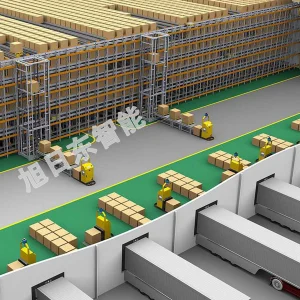
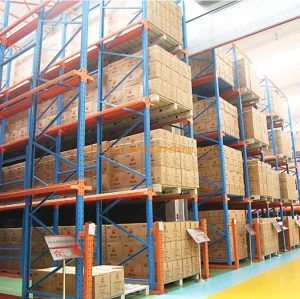
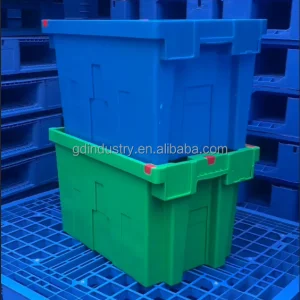
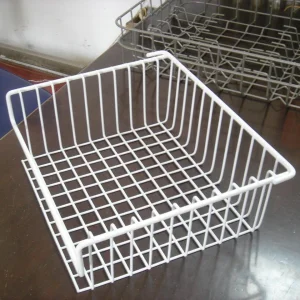
Industrial-grade storage boxes, high-density mezzanines, and smart AGV units forming the backbone of automated slotting systems.
In the era of high-throughput distribution centers and highly volatile consumer demands, static slotting systems are no longer sufficient. Modern supply chain operations rely heavily on dynamic slotting solutions—an advanced optimization methodology that continuously adjusts inventory placement based on real-time order velocity, SKU correlation, seasonality, and volumetric attributes. By aligning storage configurations with hourly demand fluctuations, distribution centers can minimize travel times, reduce bottlenecking at pick faces, and optimize the integration of labor and automation hardware.
As leading suppliers and exporters based in China, we understand that true dynamic slotting requires a harmonious blend of physical storage assets, high-precision automation controllers, and mobile robotic fleets. Physical components, such as high-strength mezzanine platforms and nestable storage bins, must work in perfect synchronization with automated systems (AGVs/AMRs) powered by PLCs (Programmable Logic Controllers). Together, they establish a highly responsive warehouse layout that adapts to changes in order profile instantly.
The global demand for automated warehouse equipment has surged, positioning Chinese exporters at the forefront of this industrial revolution. China's logistics manufacturing ecosystem integrates cost-efficient heavy-industry production, advanced robotics engineering, and sophisticated electronic controllers. This integration allows suppliers to deliver durable infrastructure—such as high-load structural steel platforms and heavy-duty plastic storage boxes—alongside highly advanced AMR systems. This combined value proposition ensures that global operators can implement end-to-end dynamic slotting without incurring prohibitive integration or capital costs.
To transition from a static, fixed-location storage system to a dynamic model, warehouses require three primary layers:
Providing next-generation intelligent warehousing, integration engineering, and manufacturing excellence globally.
Hangzhou RAB Logistics Co., Ltd. is a professional provider of intelligent warehousing and modern logistics solutions. Built on years of industry experience and continuous technological innovation, RAB Logistics is committed to helping enterprises transform traditional warehouse operations into highly automated, data-driven, and efficient supply chain systems.
Since its establishment, the company has focused on integrating advanced logistics technologies such as Warehouse Management Systems (WMS), Automated Storage and Retrieval Systems (AS/RS), AGV/AMR robotics, intelligent sorting systems, and real-time data visualization platforms. These solutions enable clients to achieve higher operational accuracy, faster fulfillment speed, and significantly reduced logistics costs.
With strong capabilities in system consulting, solution design, equipment integration, software development, and project implementation, Hangzhou RAB Logistics Co., Ltd. delivers end-to-end intelligent logistics solutions tailored to diverse industry needs. Our expertise ensures seamless coordination between hardware and software, creating scalable and future-ready warehouse infrastructures.
RAB Logistics serves a wide range of industries including manufacturing, cross-border e-commerce, fast-moving consumer goods (FMCG), pharmaceuticals, and automotive parts. Our solutions are trusted for their stability, innovation, and proven performance in complex, high-demand environments. By choosing Hangzhou RAB Logistics Co., Ltd., you are selecting a long-term strategic partner dedicated to building smarter warehouses, optimizing supply chains, and empowering businesses with sustainable competitive advantages in the era of intelligent logistics.
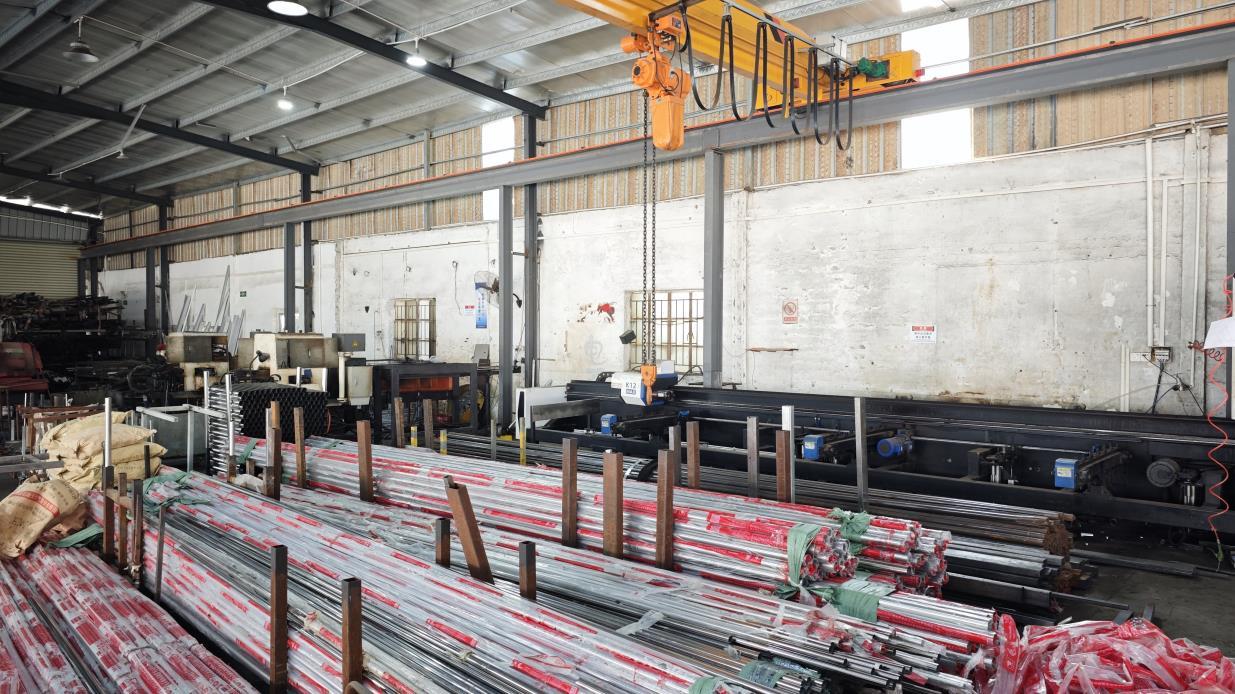
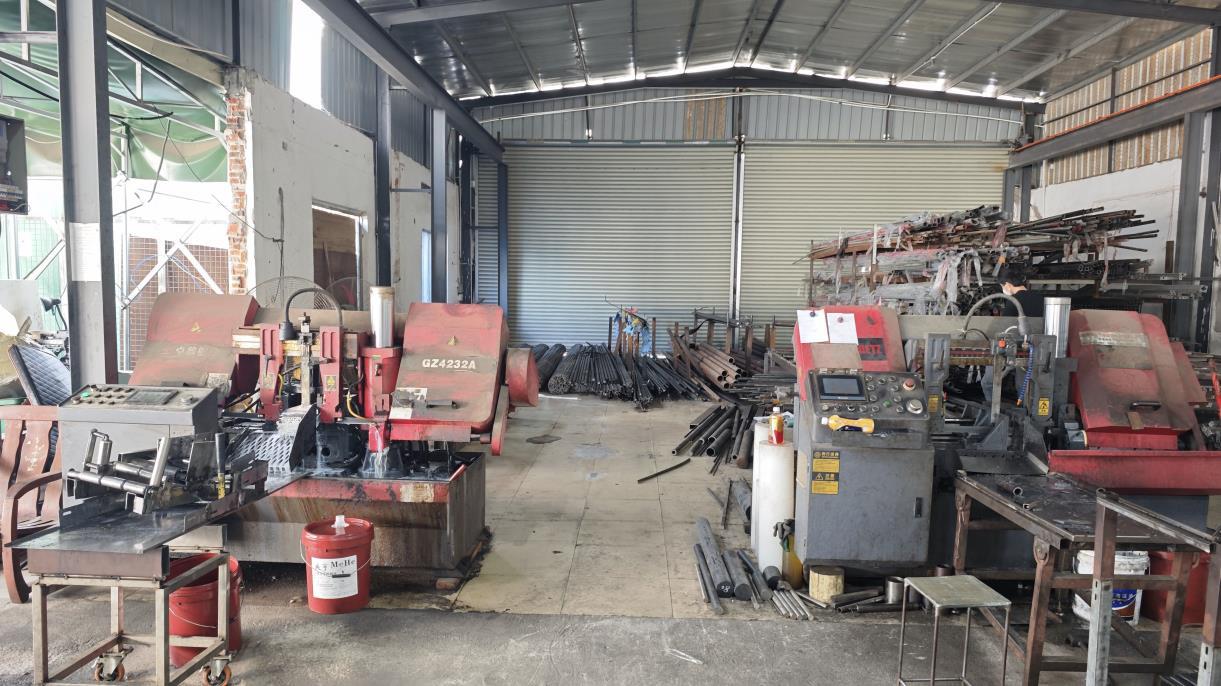
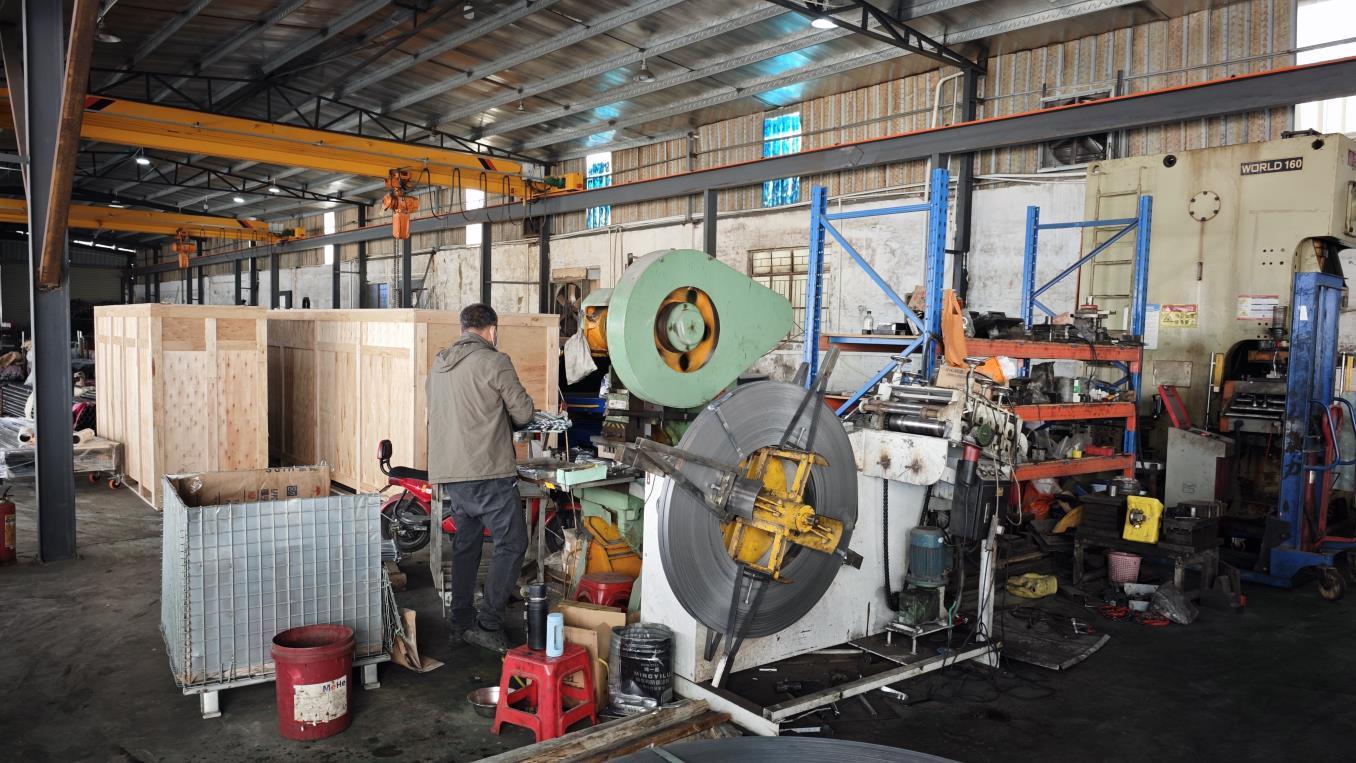
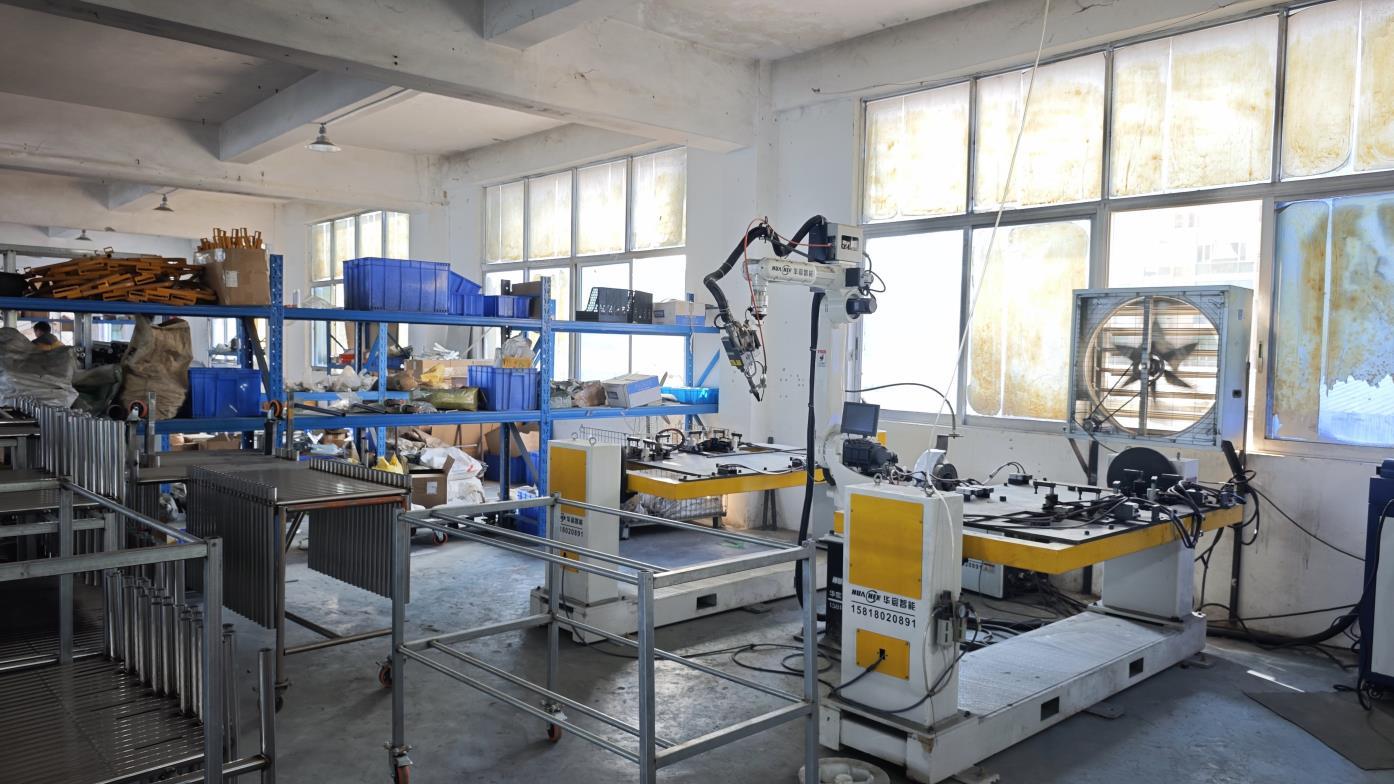
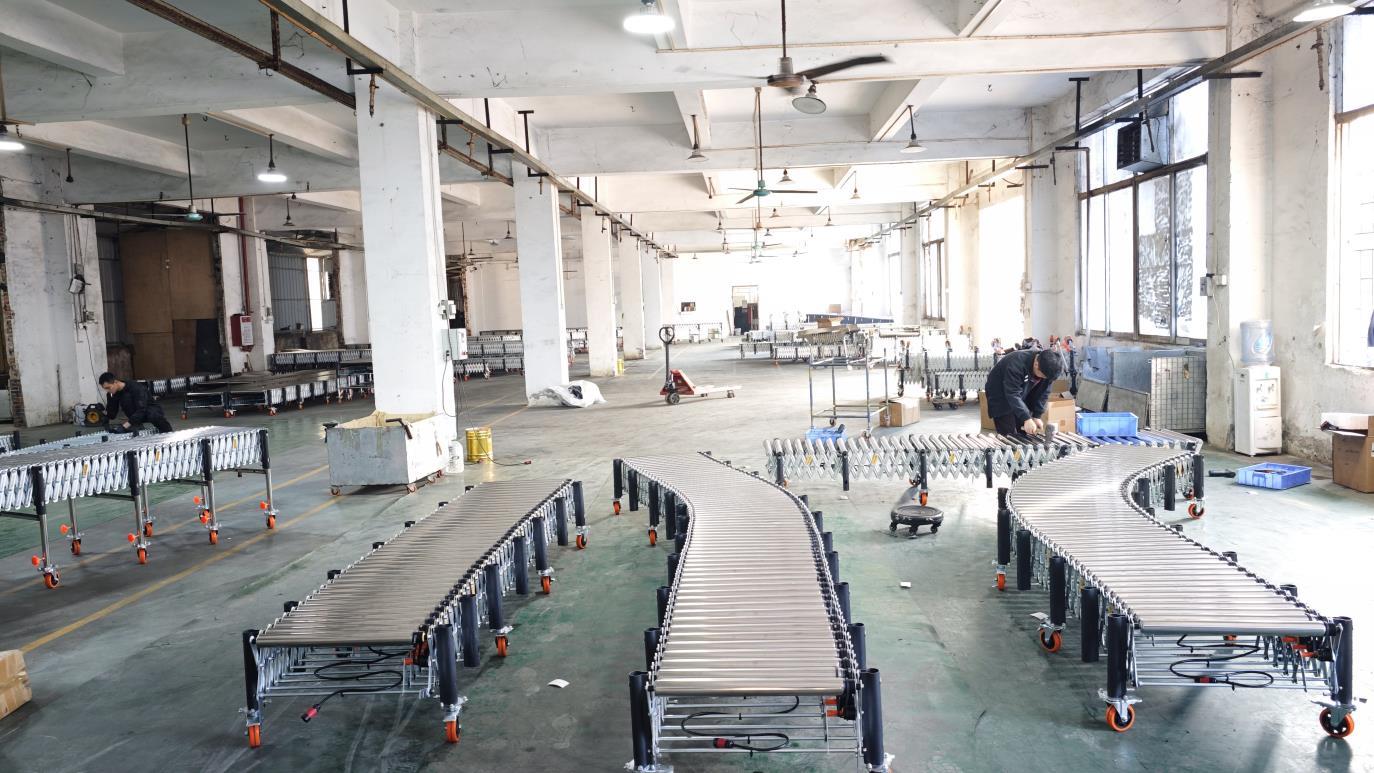
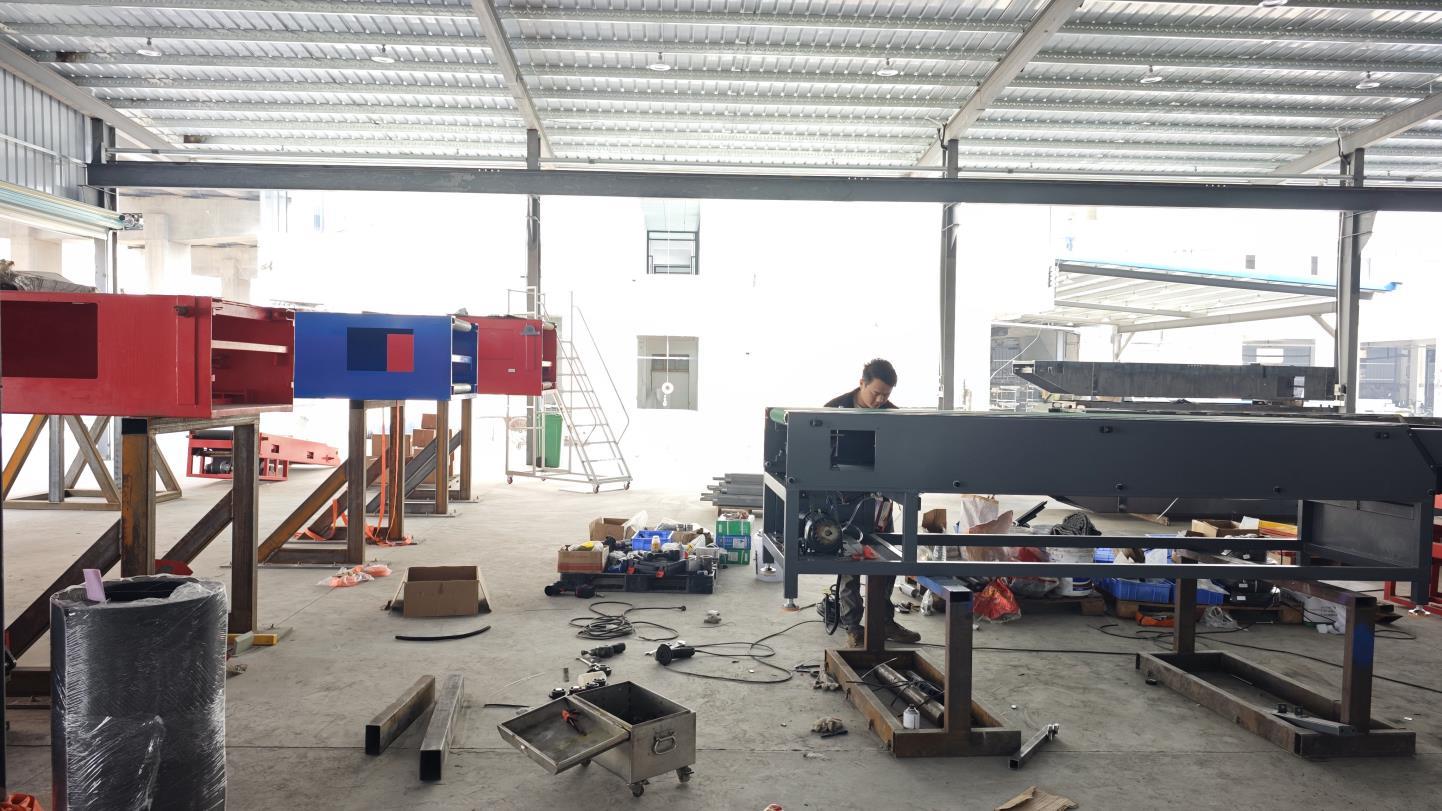
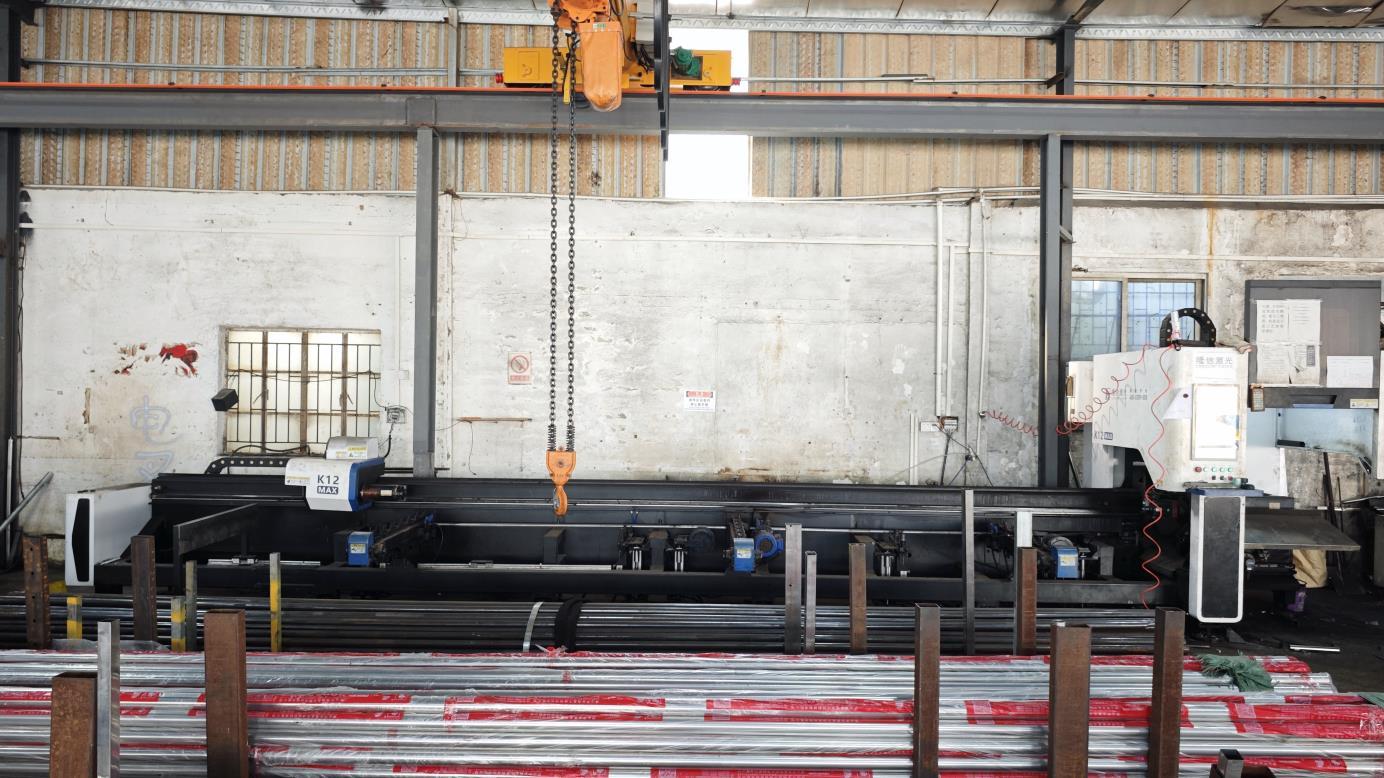
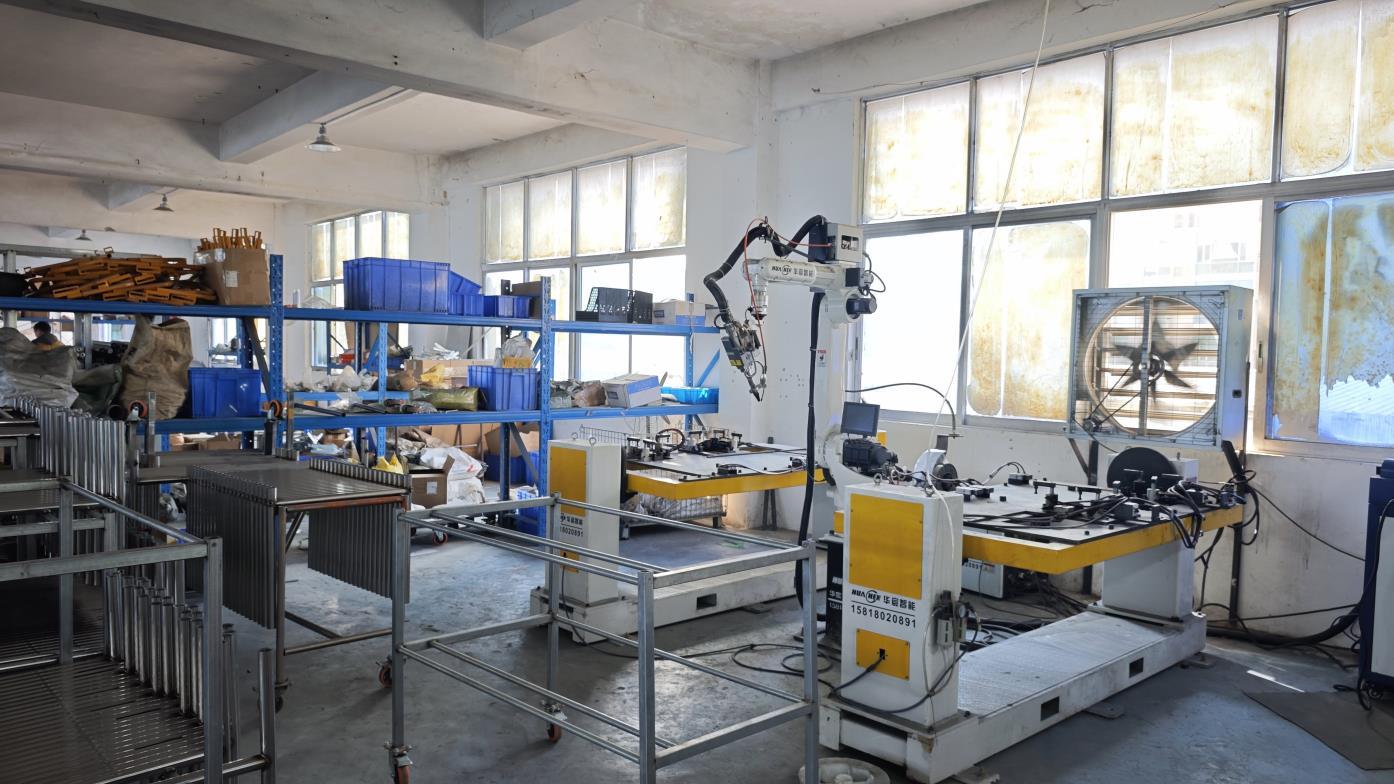
Our manufacturing facility employs advanced processes to ensure that all dynamic slotting physical components are engineered to precise tolerances, guaranteeing structural stability and operational reliability in highly automated facilities.
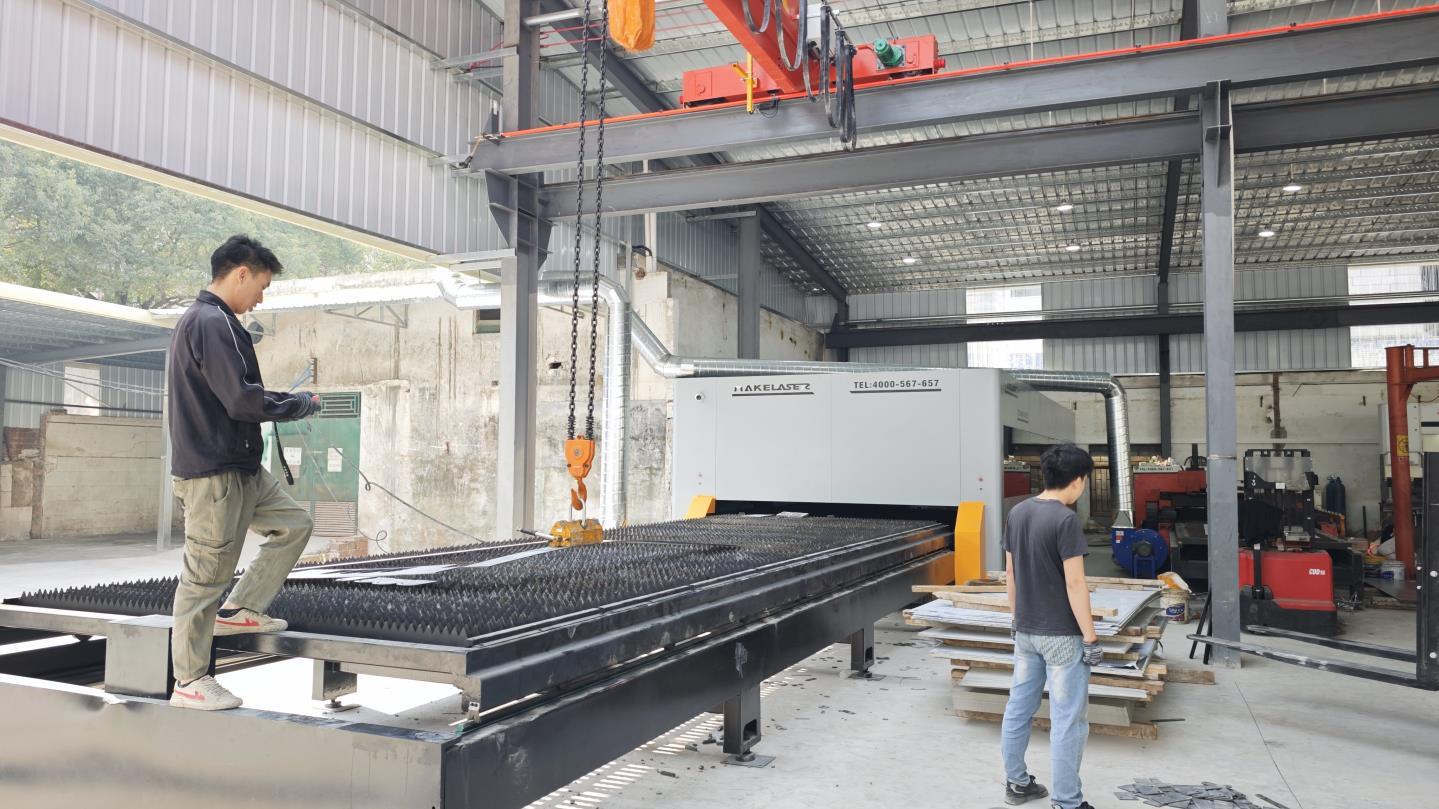
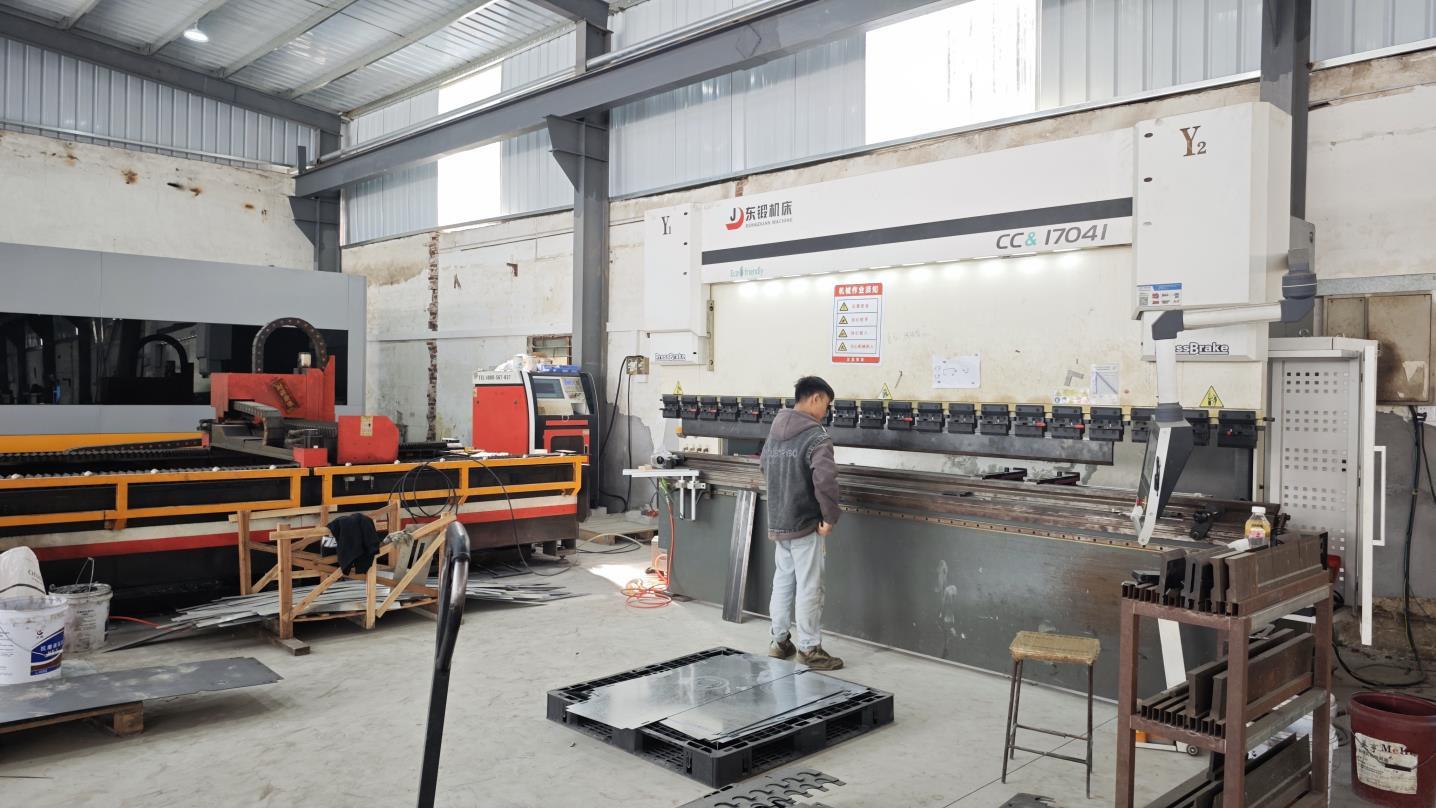
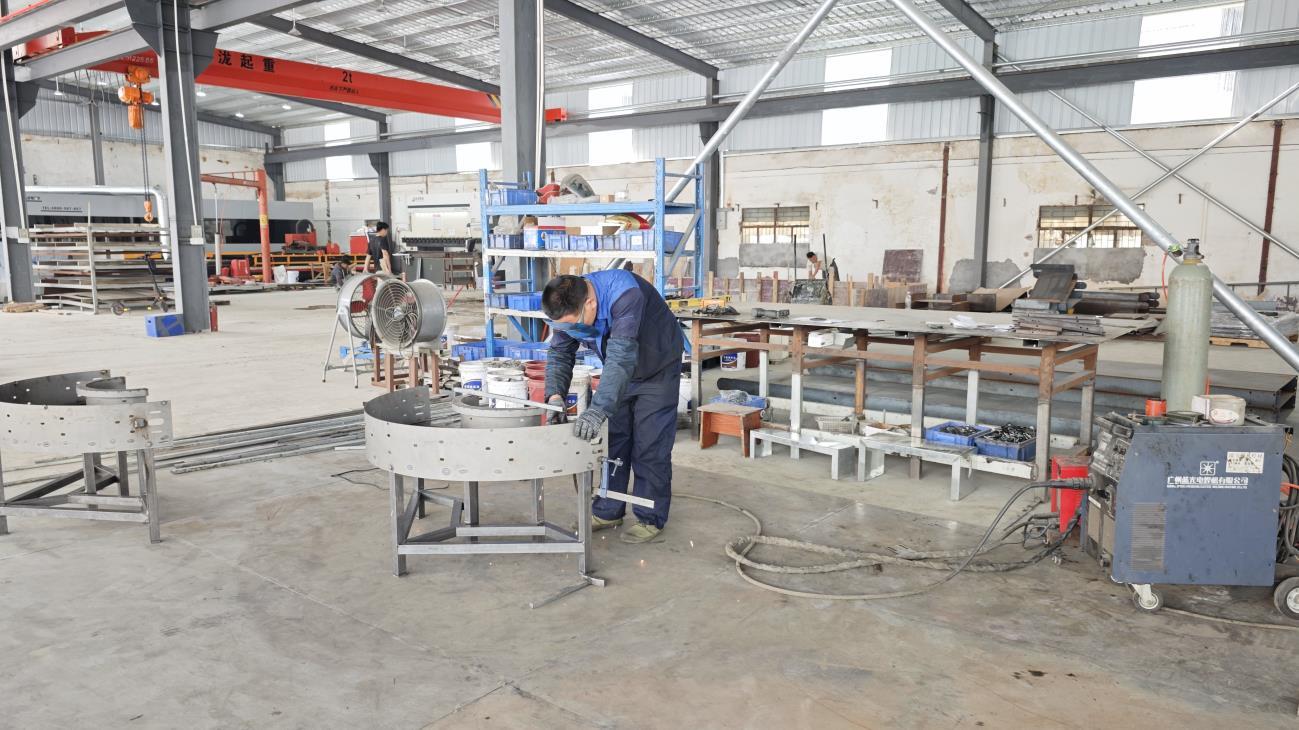
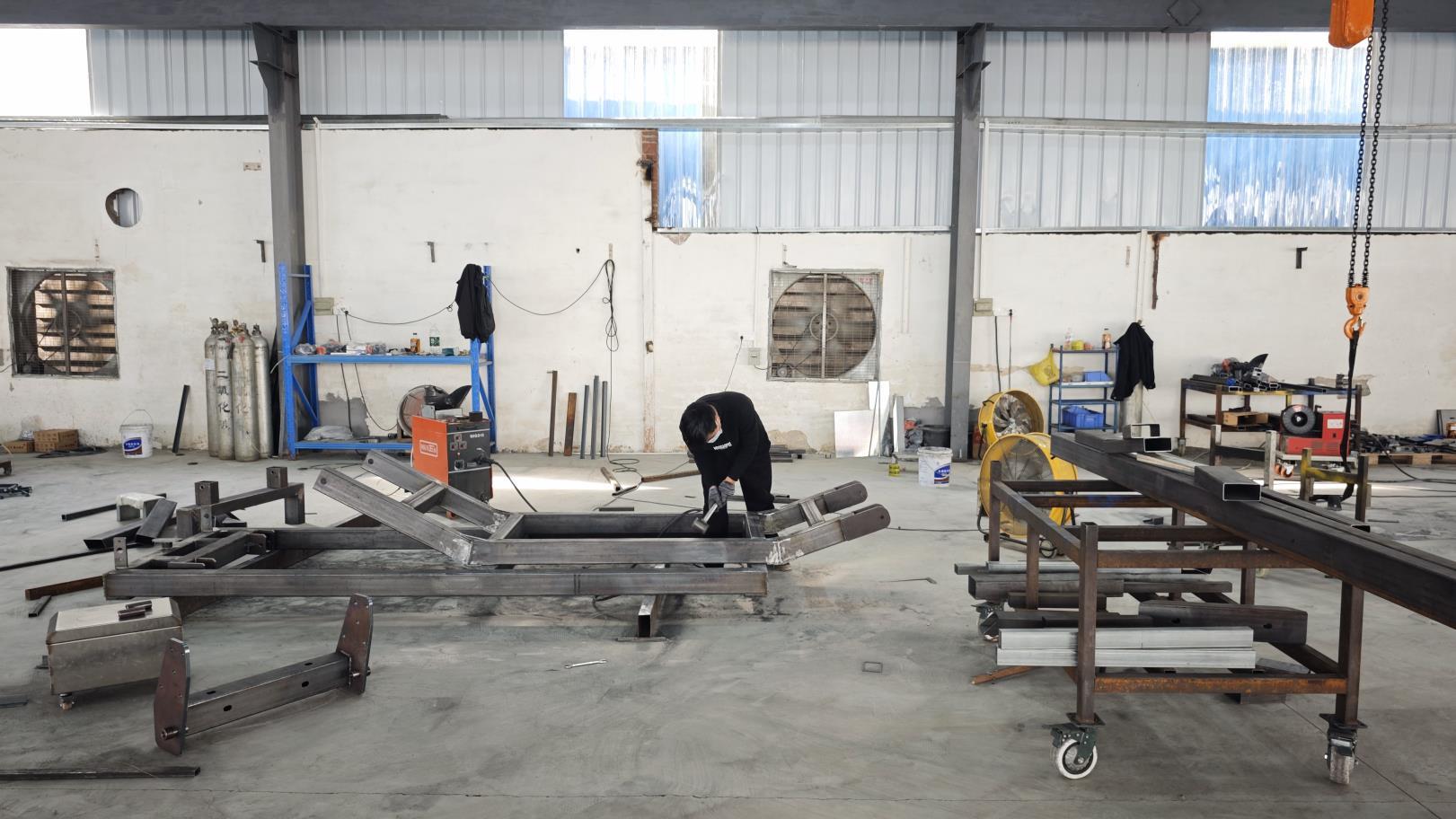
Globally, warehouses are facing unprecedented labor constraints, escalating real estate costs, and rising consumer expectations for rapid shipping (such as same-day delivery). The convergence of these trends requires operations to maximize vertical storage density while keeping pick paths as short as possible.
Traditional, static slotting—typically updated on a quarterly or bi-annual basis—cannot handle the velocity of modern retail. In contrast, dynamic slotting constantly recalibrates. For example, in an e-commerce fulfillment center, a sudden surge in demand for a specific SKU will trigger the WCS (Warehouse Control System) to re-allocate that item to a low-level pick face, minimizing travel distance for manual pickers or path routes for autonomous robots.
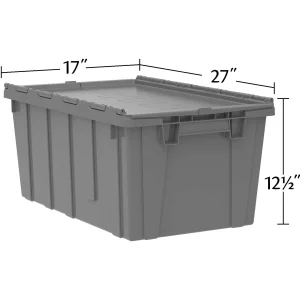
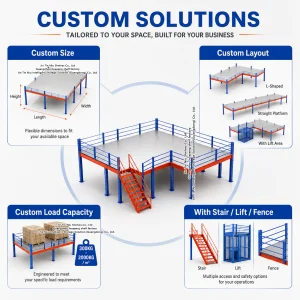
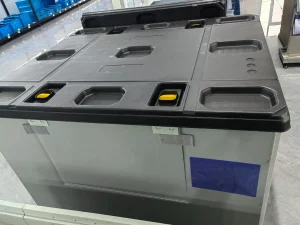
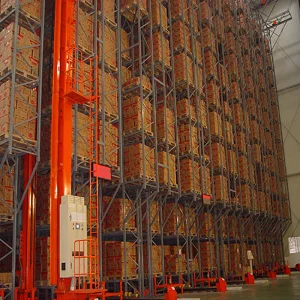
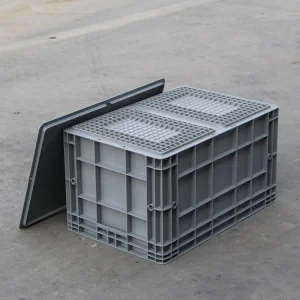
While algorithms orchestrate the decision-making, physical hardware determines the execution limits. Heavy-duty plastic storage boxes, built with stackable and foldable configurations, provide the modularity required to rapidly adjust storage configurations. A mezzanine steel storage platform capable of supporting up to 500kg/sqm allows operators to build multi-tiered structures, doubling or tripling the pick faces within the same physical footprint. When combined with specialized plastic pallet box collars for automotive sheets or metal stamping parts, warehouses can safely move and slot heavy industrial products dynamically without damaging structural assets.
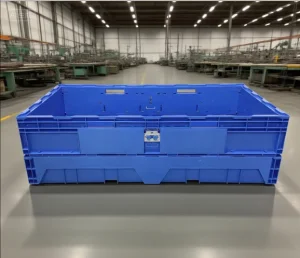
In manufacturing workshops and stamping operations, durability is essential. The integration of high-impact resistant, foldable plastic pallet boxes allows logistics systems to buffer heavy metal sheet components efficiently. The ability of these boxes to stack securely and collapse when empty maximizes backhaul efficiency, directly reducing total supply chain costs.
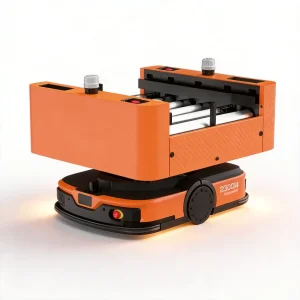
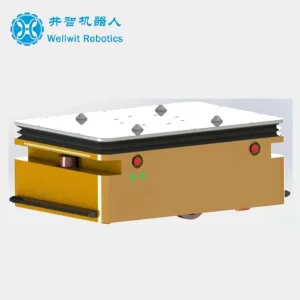
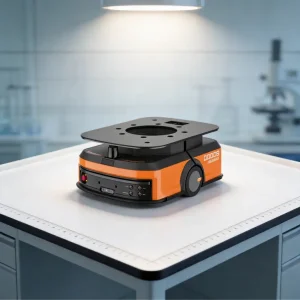
At the peak of dynamic slotting technology are autonomous transport systems, such as automated guided vehicles (AGVs) and autonomous mobile robots (AMRs). These units act on instructions from the WMS/WCS. For instance, a 600kg capacity latent AMR mobile robot can glide underneath a loaded rack or pallet trolley, lift it, and transport it to a newly calculated pick face or staging area.
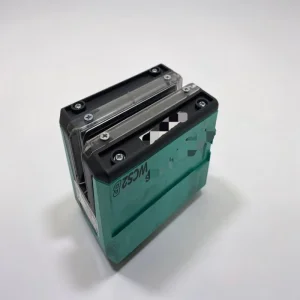
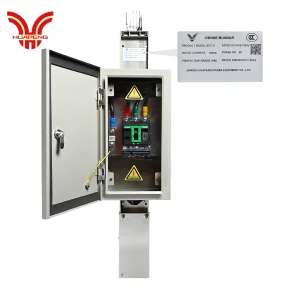
This automated orchestration relies on reliable industrial control logic. Advanced PLCs (like the WCS2B-LS211 PLC controller) receive coordinate instructions and manage physical conveyor systems, lifters, and robotic arms. Continuous power and signal stability are maintained by dense low-voltage compact busways (such as the HUAPENG busbar system), preventing system downtime that could disrupt high-speed pick lines.
Different regions and sectors face distinct operational constraints. Tailoring dynamic slotting hardware and software to local regulatory landscapes is essential for successful deployments:
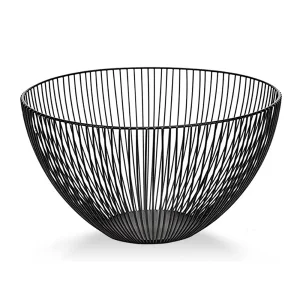
In European and North American markets, strict labor safety standards (such as EN regulations and OSHA standards) restrict physical load limits for manual pickers. Dynamic slotting systems designed for these regions focus on keeping fast-moving SKUs between the picker's waist and chest height (the "golden zone"). Cold chain applications require specialized containment, such as refrigeration-grade wire mesh storage baskets and food-safe HDPE stackable tote bins, which maintain structural integrity at sub-zero temperatures.
Automotive manufacturing hubs require extreme load capacities and high-impact resistance. Heavy, dense parts, such as stamped metal sheets, are managed using high-impact resistant, foldable plastic pallet box collars. Dynamic slotting logic buffers these parts near assembly lines, ensuring just-in-time (JIT) feed rates while protecting workers from handling heavy loads manually.
As exporters, our equipment is built to meet international compliance frameworks. From structural steel standards (S355/Q355) for mezzanine levels to CE-certified electronic busways and low-voltage PLC systems, we ensure our global partners face no compliance barriers during installation and operation.
Heavy-duty racking systems, laser-guided AGVs, and stackable polymer packaging to optimize your material flows.
Technical answers to key structural, automated, and operational questions.
 RAB Logistics