Explore our cutting-edge machinery, smart handling, and storage systems engineered for high-throughput global supply chains.
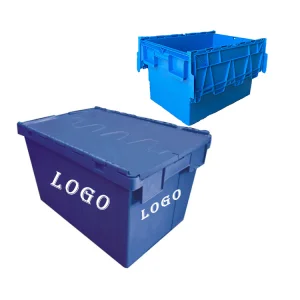
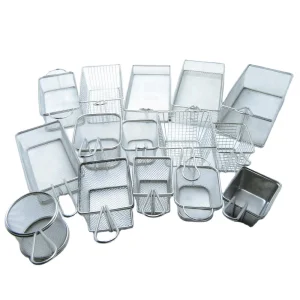

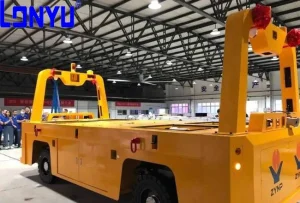
The global packaging automation market is undergoing a seismic shift. Modern enterprise supply chains are no longer seeking isolated packaging hardware; instead, they demand unified, high-availability, software-integrated packaging ecosystems. Sourcing from top-tier Chinese automated packing systems manufacturers offers companies a significant dual advantage: unmatched vertical supply chain integration and rapid customized software-hardware alignment.
Chinese factories have evolved from high-volume component producers to advanced systems integrators. By housing structural steel processing, precision CNC machining, electronics assembly, and advanced PLC programming services within tightly coupled industrial clusters, lead times for custom-engineered end-of-line packaging systems are reduced by up to 40% compared to Western counterparts. This integration ensures robust mechanical compatibility and seamless deployment of PLC configurations across global enterprise systems.
"The integration of modern sensor networks (IoT), vision-guided robotics, and real-time WCS layers has transitioned the packaging line from a simple utility to a core driver of logistics intelligence."
Chinese manufacturing hubs unite custom engineering, steel fabrication, and programming in single locations, significantly accelerating delivery schedules.
Achieve higher margins with lower capital expenditures on initial systems design, engineering modifications, and installation costs.
Leading manufacturers design systems matching stringent regional electrical codes, structural integrity requirements, and operator safety protocols.
Integrating advanced technology with deep manufacturing expertise to build the automated warehouses of tomorrow.
Hangzhou RAB Logistics Co., Ltd. is a professional provider of intelligent warehousing and modern logistics solutions. Built on years of industry experience and continuous technological innovation, RAB Logistics is committed to helping enterprises transform traditional warehouse operations into highly automated, data-driven, and efficient supply chain systems.
Since its establishment, the company has focused on integrating advanced logistics technologies such as Warehouse Management Systems (WMS), Automated Storage and Retrieval Systems (AS/RS), AGV/AMR robotics, intelligent sorting systems, and real-time data visualization platforms. These solutions enable clients to achieve higher operational accuracy, faster fulfillment speed, and significantly reduced logistics costs.
With strong capabilities in system consulting, solution design, equipment integration, software development, and project implementation, Hangzhou RAB Logistics Co., Ltd. delivers end-to-end intelligent logistics solutions tailored to diverse industry needs. Our expertise ensures seamless coordination between hardware and software, creating scalable and future-ready warehouse infrastructures.
RAB Logistics serves a wide range of industries including manufacturing, cross-border e-commerce, fast-moving consumer goods (FMCG), pharmaceuticals, and automotive parts. Our solutions are trusted for their stability, innovation, and proven performance in complex, high-demand environments.
By choosing Hangzhou RAB Logistics Co., Ltd., you are selecting a long-term strategic partner dedicated to building smarter warehouses, optimizing supply chains, and empowering businesses with sustainable competitive advantages in the era of intelligent logistics.
Enterprise procurement teams must move beyond looking at simple throughput metrics. True search intent optimization for automated packing lines focuses on long-term system flexibility, safety compliance, and interface standards. Understanding the core technical parameters prevents deployment delays and guarantees compatibility with existing warehouse management architectures.
Define dynamic cycle counts (e.g., cases per hour - CPH) rather than static speeds. Systems must sustain high performance during seasonal peaks without excessive component wear.
Ensure native RESTful APIs, OPC-UA, or EtherNet/IP protocol layers exist on PLC architectures (such as Siemens S7-1500 or Allen-Bradley ControlLogix) to facilitate seamless data communication.
For high-rise ASRS setups, demanding grade SS400 or Q345 steel ensures structural longevity, resistance to seismic forces, and precise deflection control under extreme loads.
A primary concern for international procurement directors is safety and certification alignment. Top China packing machinery manufacturers actively design systems that conform to international safety directories. This includes the Machinery Directive 2006/42/EC for European markets, UL 508A for industrial control panels in North America, and OSHA safety standards governing physical fencing, light curtains, and safety interlocks. When drafting RFPs, specifying these compliance points early ensures the manufacturing engineering team uses rated components (like Sick sensors, SMC pneumatics, and SEW-Eurodrive motors) that can easily pass local safety inspections.
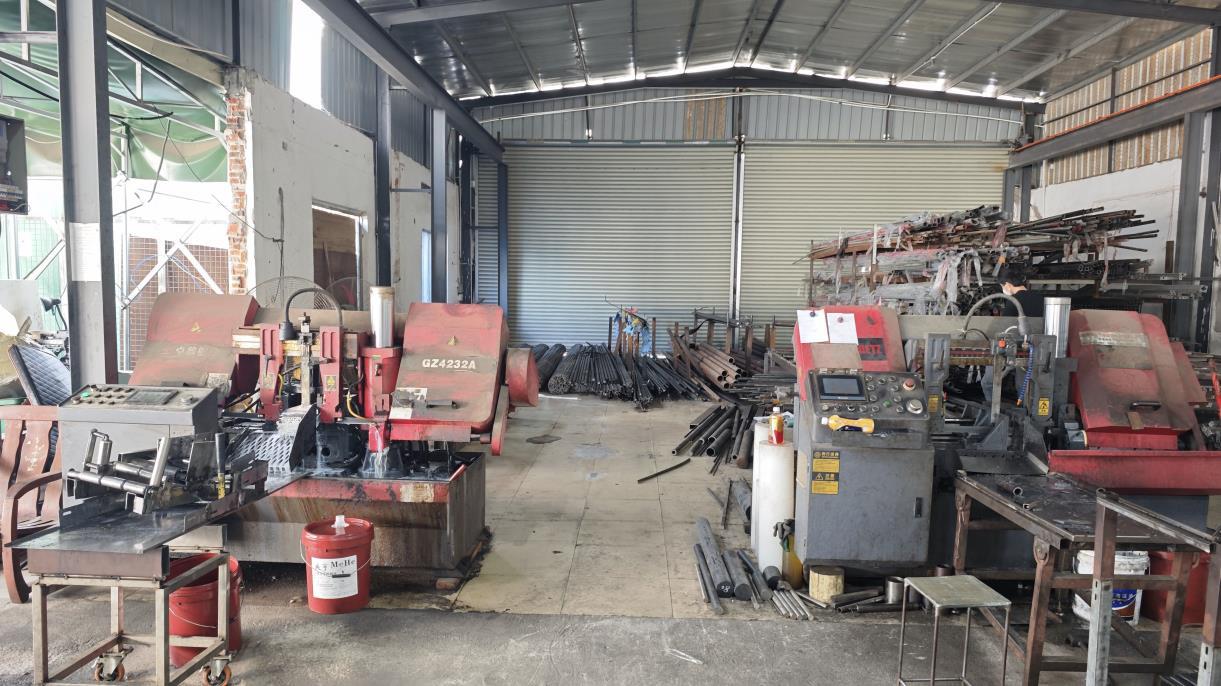
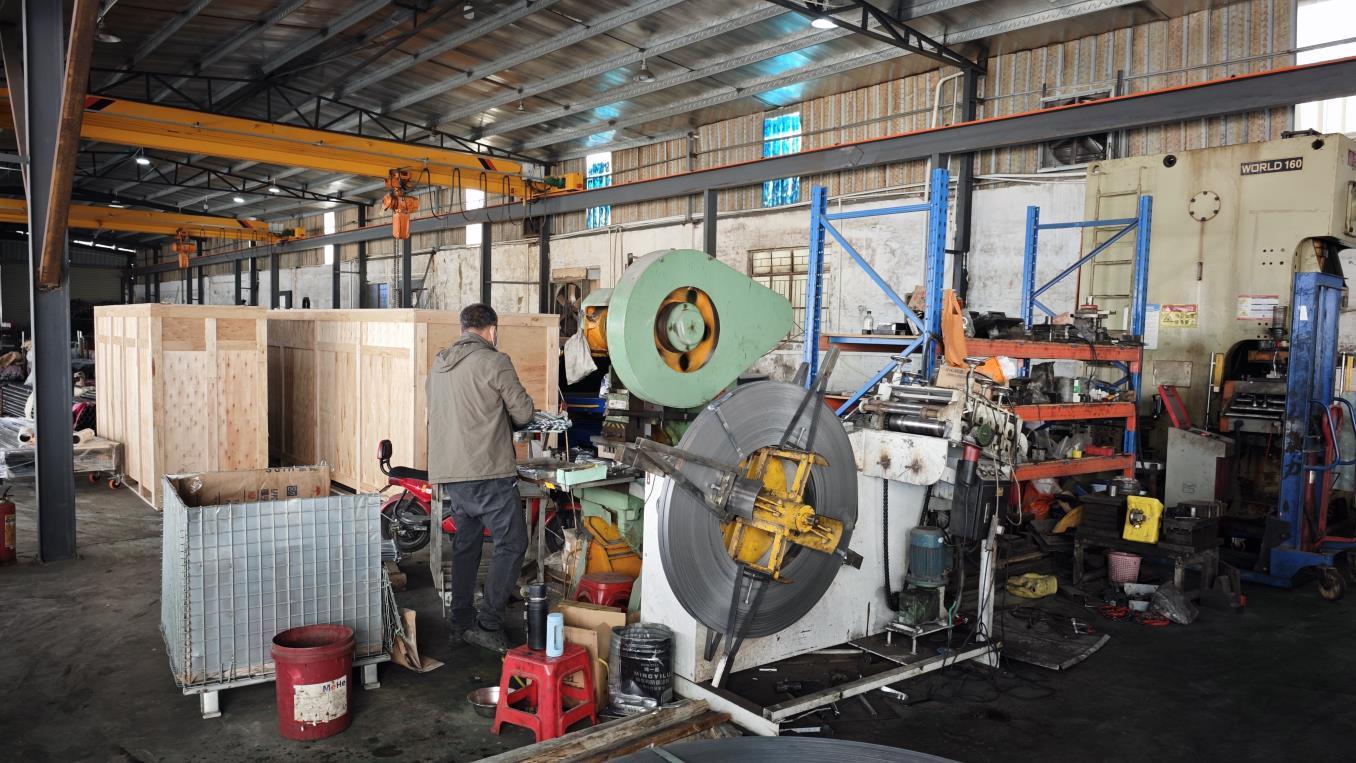
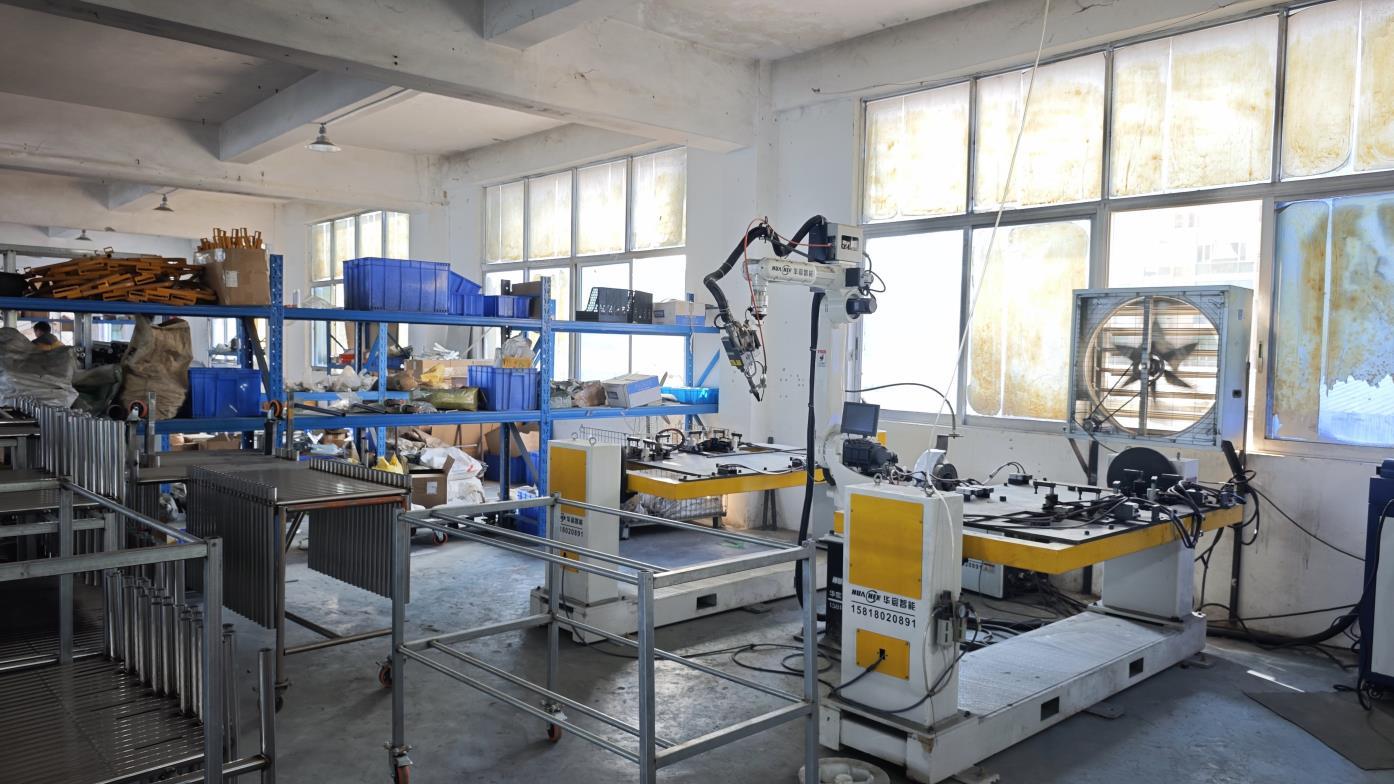
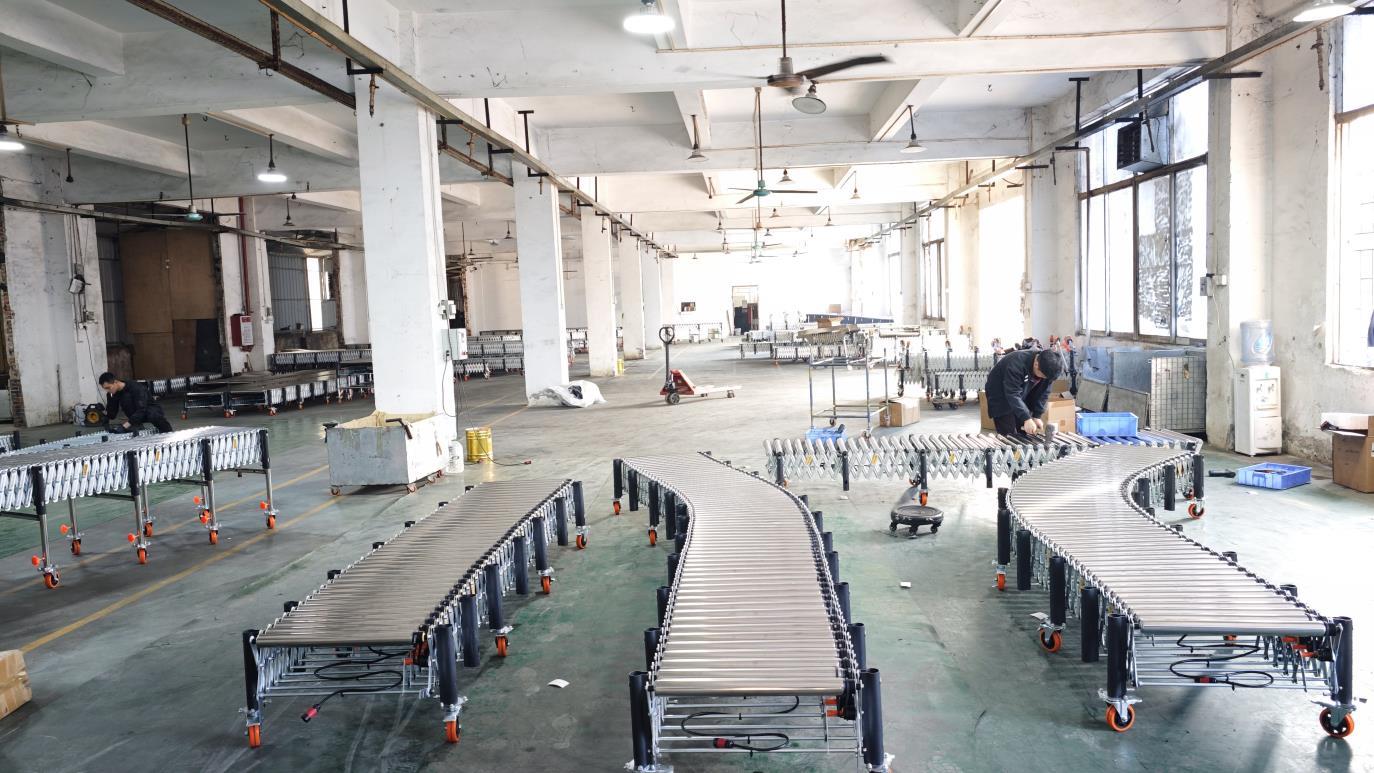
A transparent look at the advanced robotic welding, high-tolerance machining, and quality assurance workflows within our production facilities.
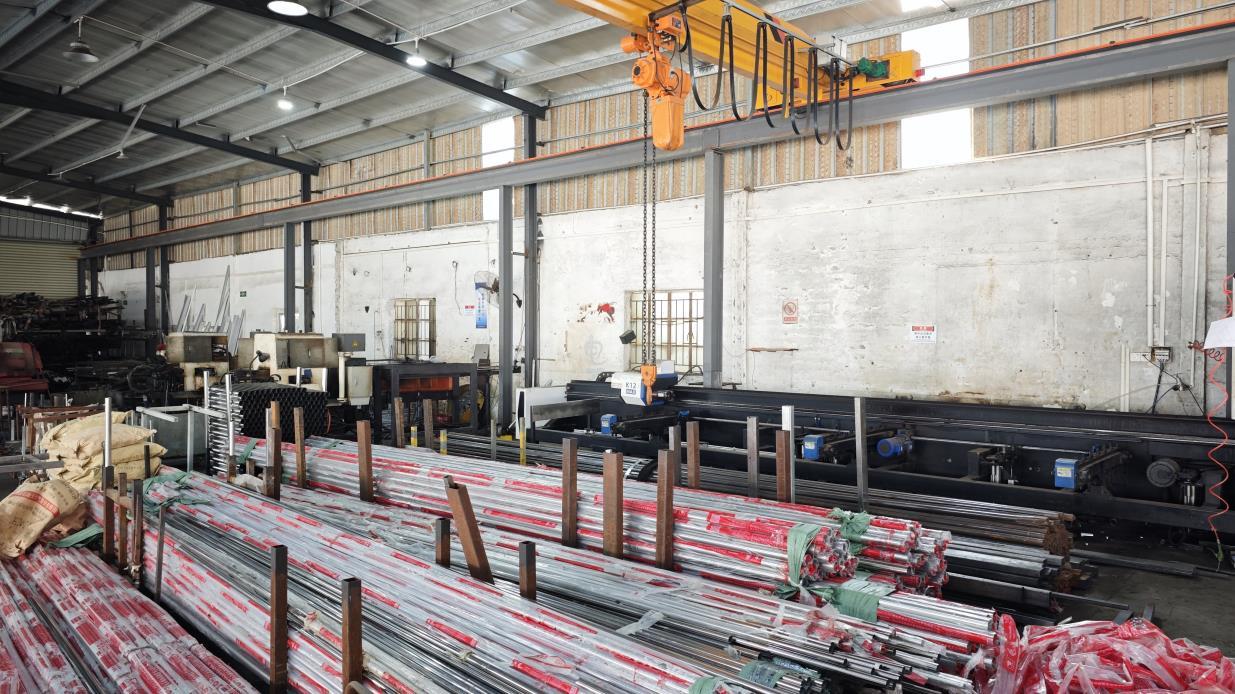
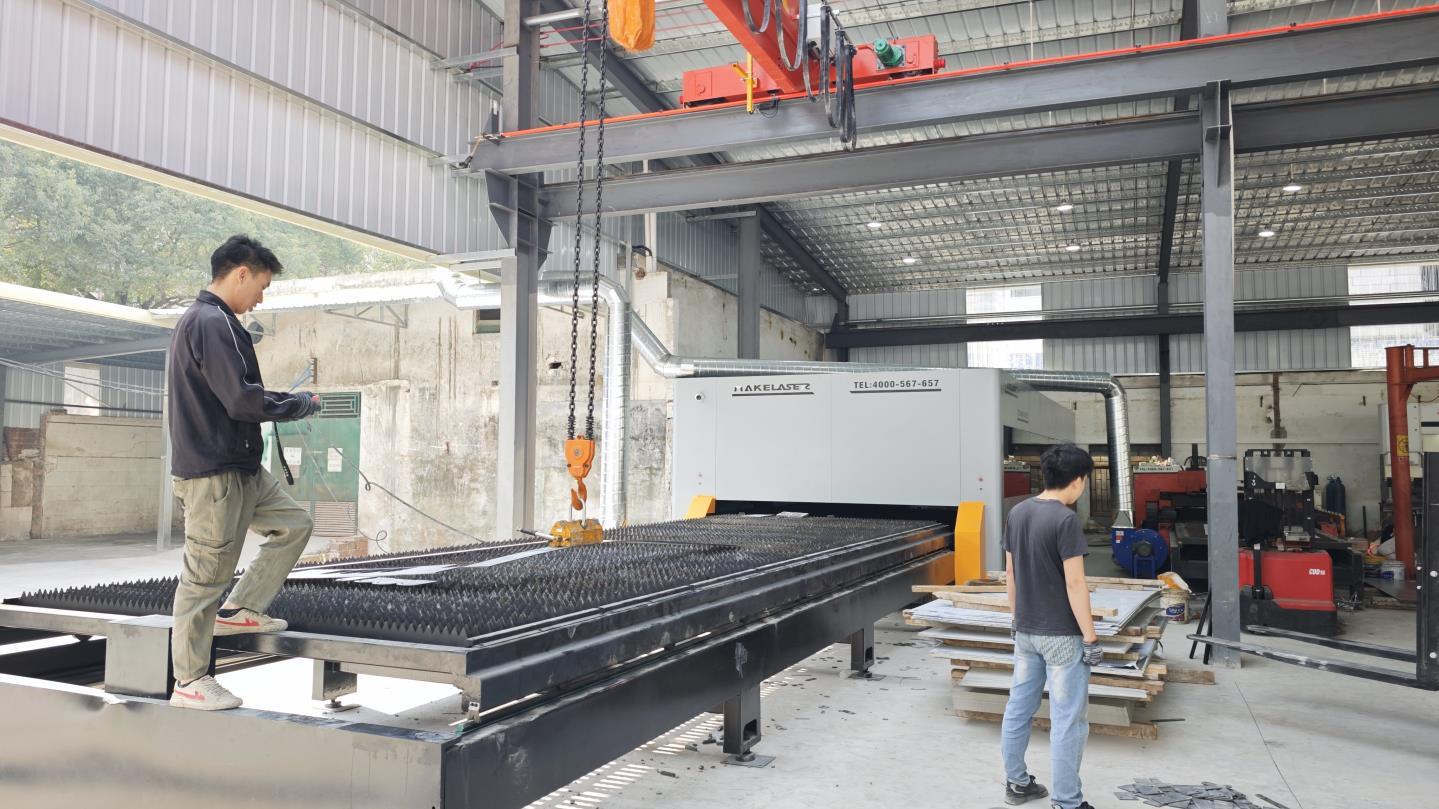
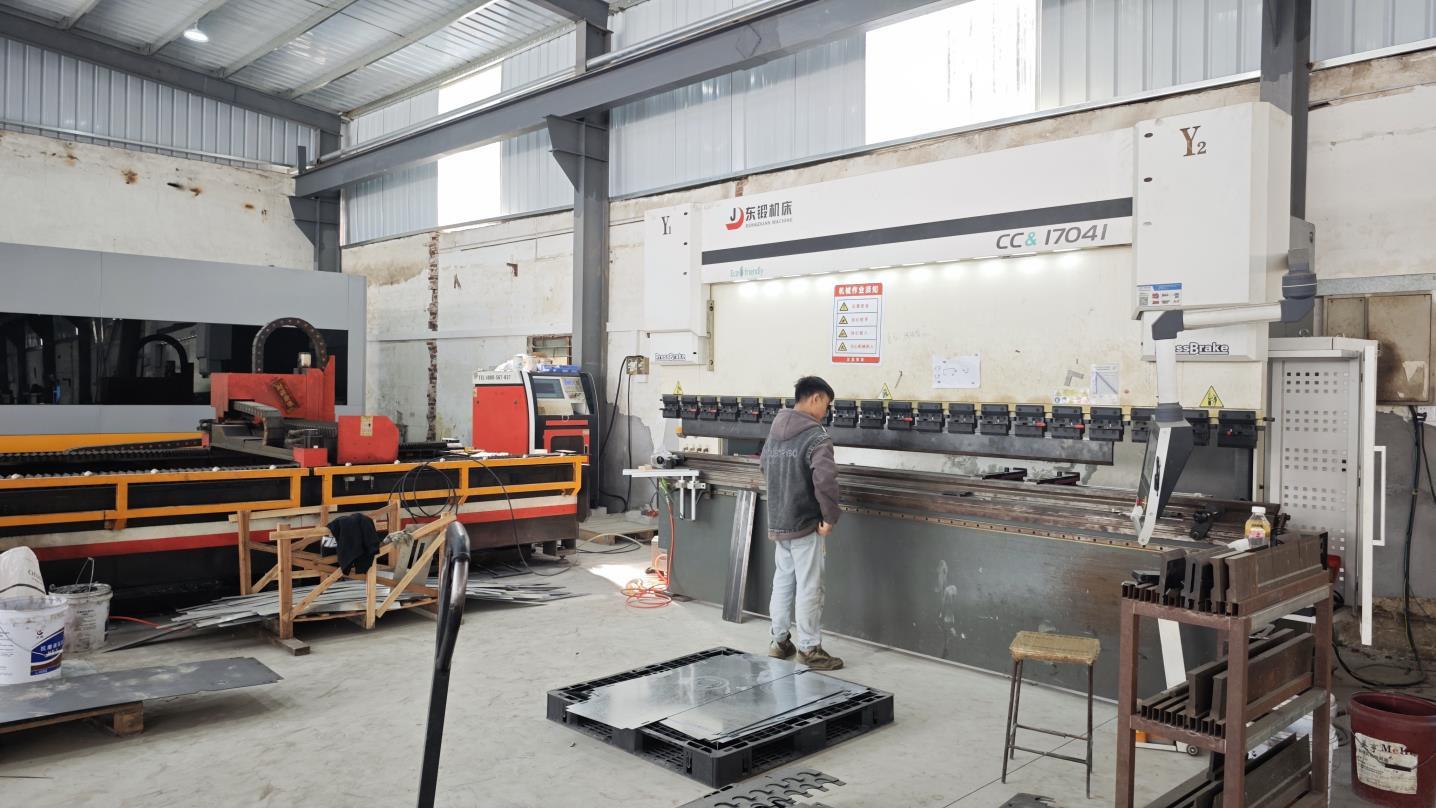
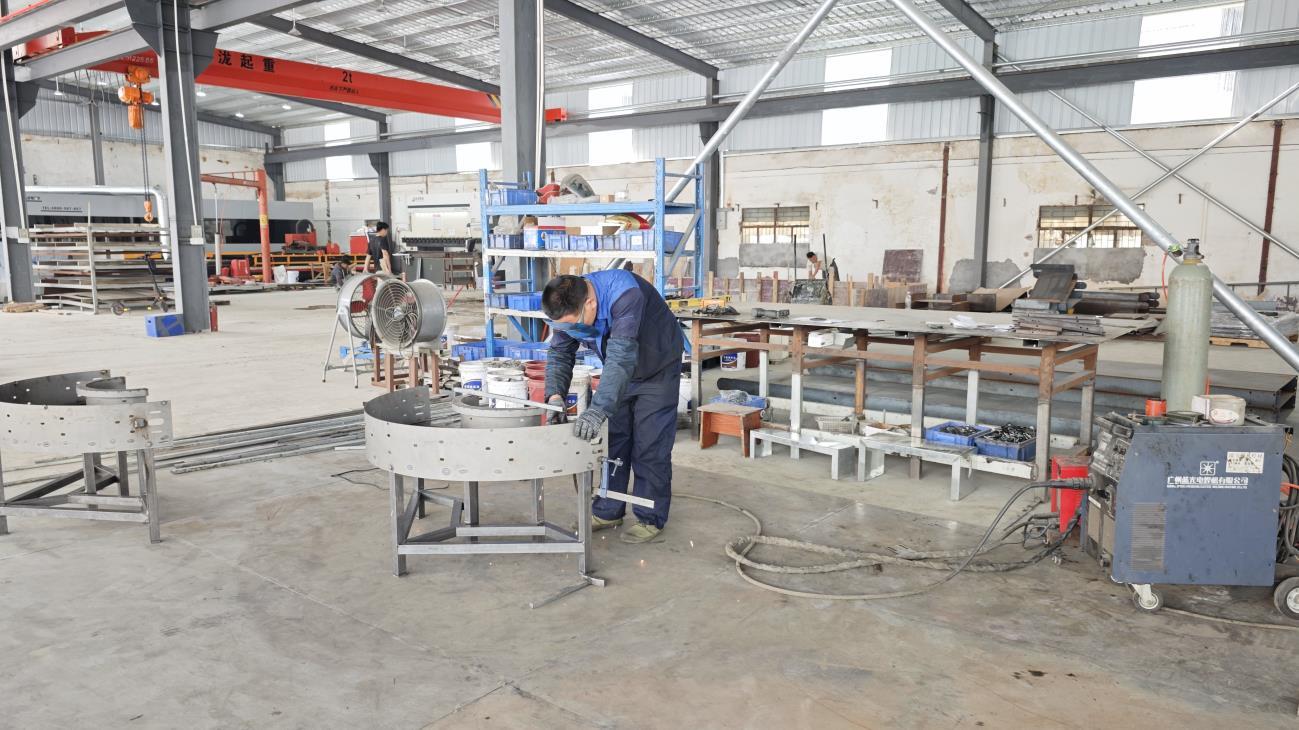
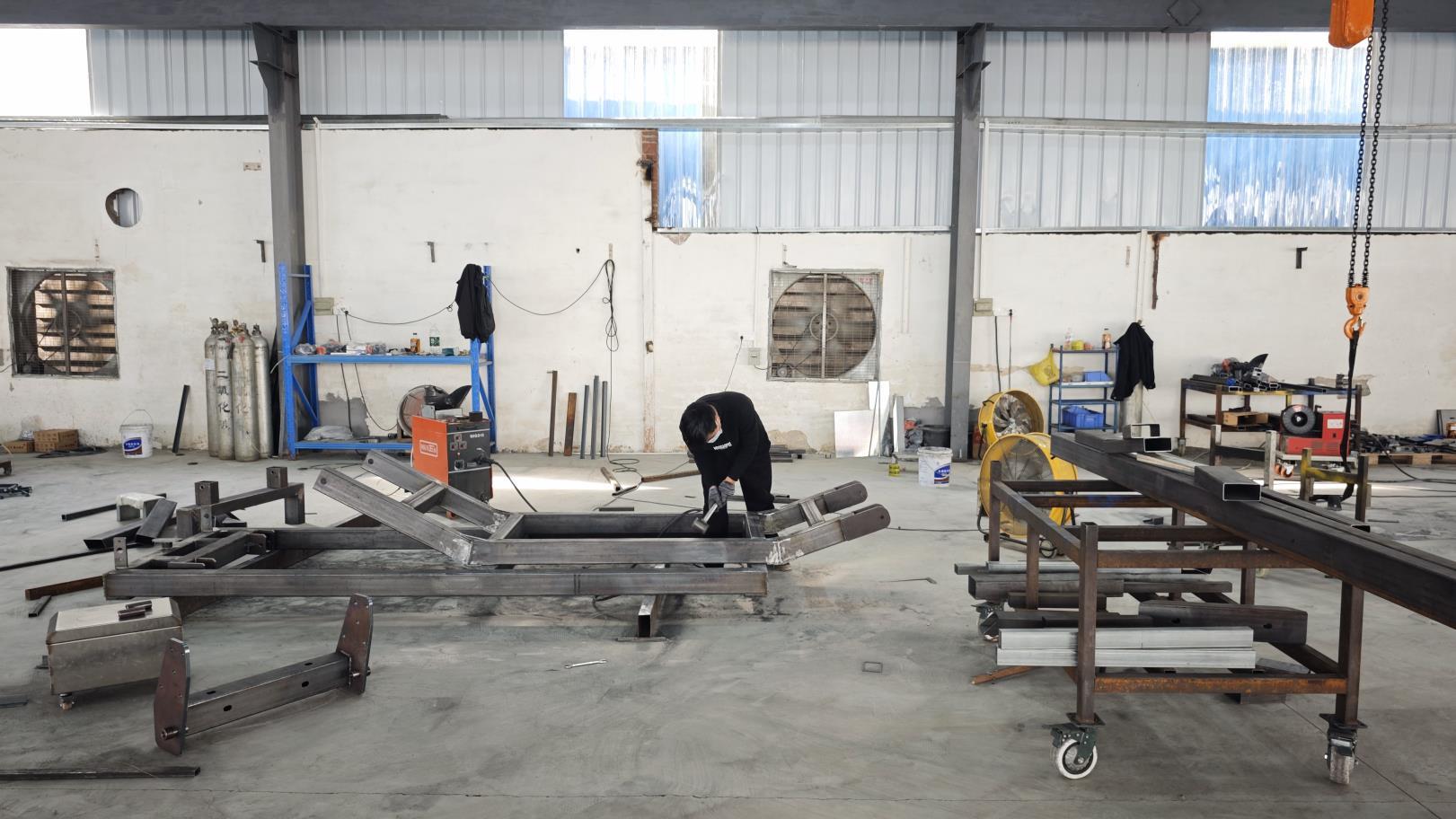
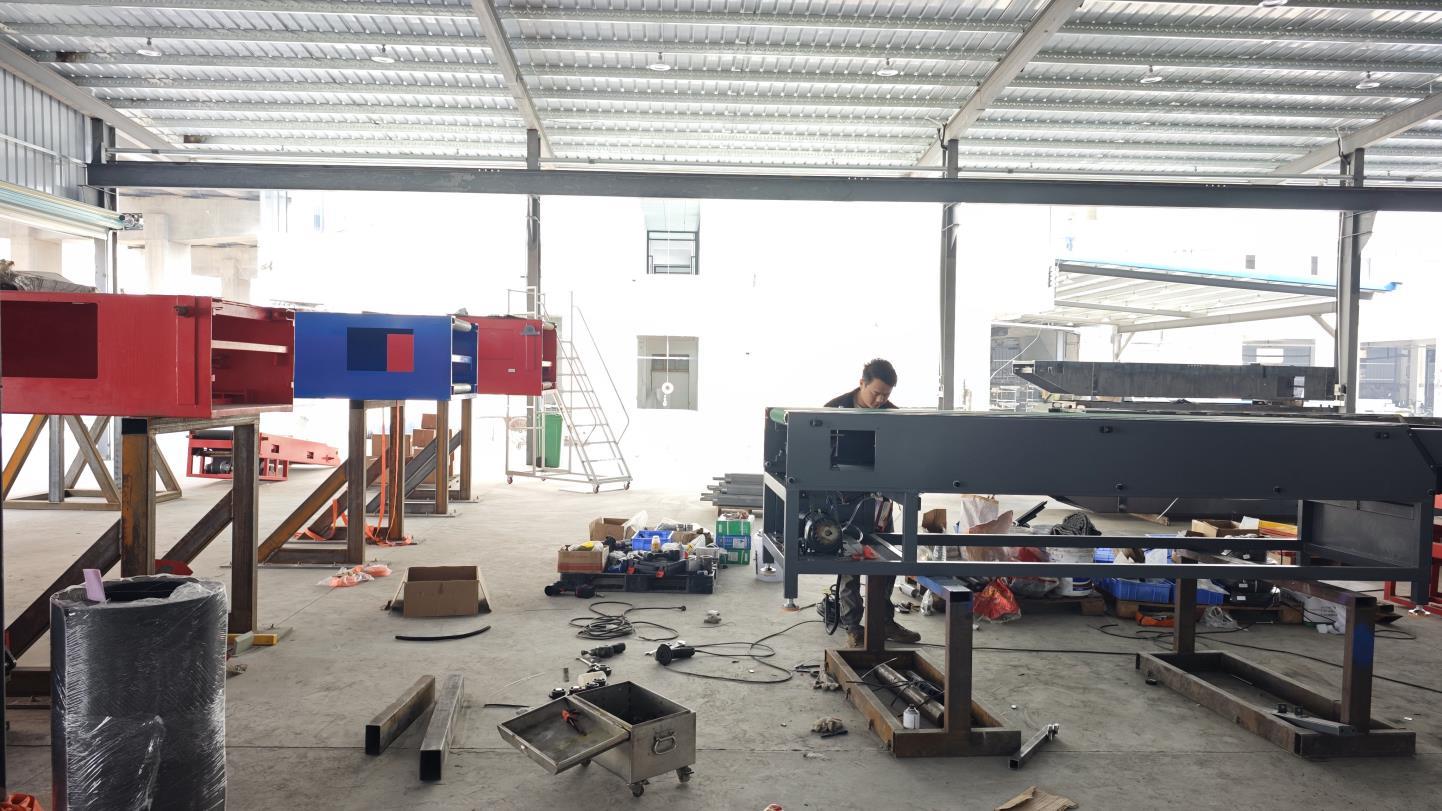
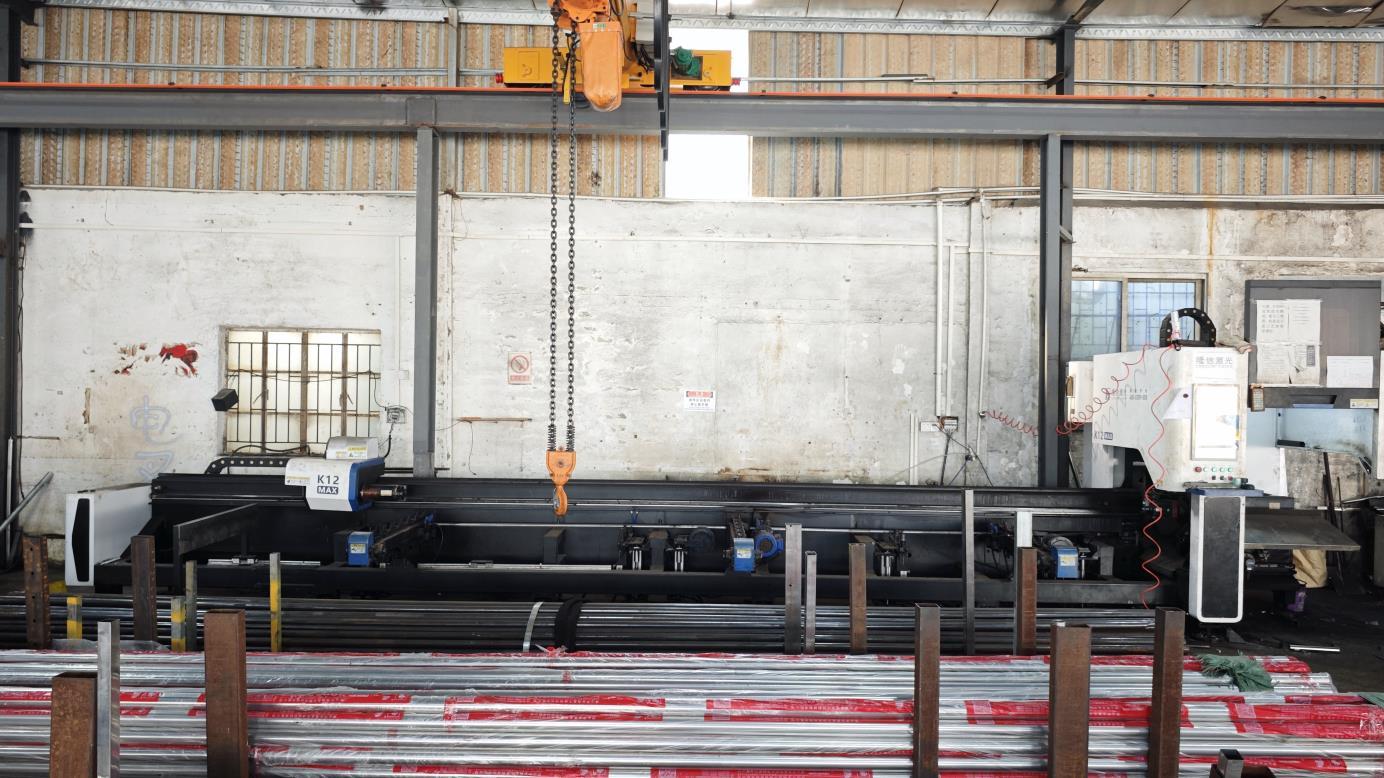
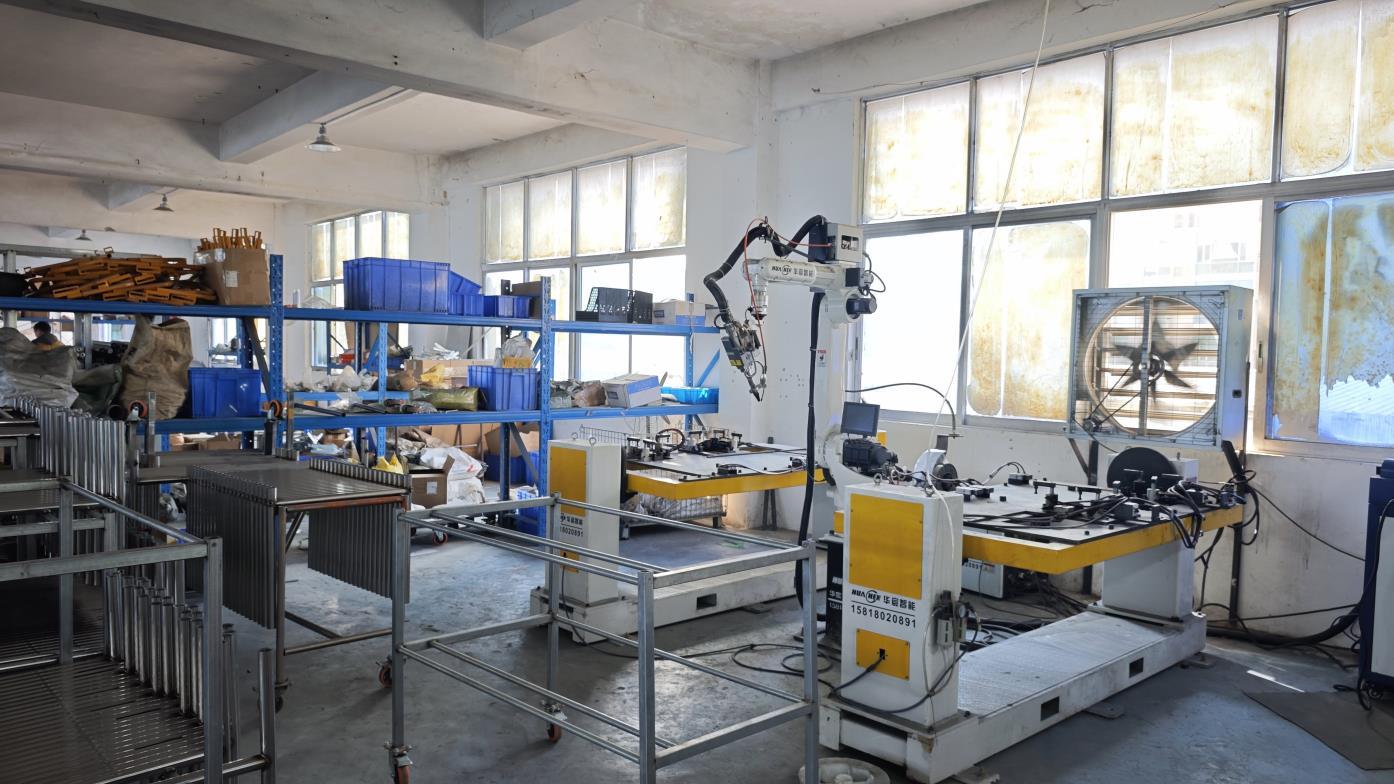
The transition toward Industry 4.0 has introduced technologies that reshape how high-volume warehouses operate. Forward-thinking manufacturers are moving beyond simple pneumatic actuators and mechanical gears to integrate artificial intelligence, IoT diagnostics, and green packaging mechanics into their product lines.
Integrating 3D vision sensors allows robotic arms to dynamic-pick and pack irregular goods. These systems adapt in real-time to product variations, eliminating the need for strict mechanical positioning. Meanwhile, IoT sensors monitoring vibration, heat, and power draw feed automated diagnostic models, notifying maintenance teams before mechanical failures lead to line stoppages.
Global regulatory developments are pushing industries to reduce single-use plastic waste. Modern automated wrapping and strapping machines are engineered to handle thinner, high-yield stretch films and recycled cardboard wrappers. This transition requires highly sensitive tension controls in the machine’s spindle motors, preventing film breakages while maintaining transport stability.
To reduce risk for global buyers, leading Chinese manufacturers are establishing local support groups. This includes localized technical services across North America and Europe, certified engineering teams for deployment, and regional warehouse networks housing critical spare parts. By combining cost-effective engineering with domestic service support, buyers enjoy high uptime alongside structural cost reductions.
Get professional answers to critical questions about engineering specifications, customization capabilities, and integration protocols.
Global enterprises should demand CE compliance for European regions (Machinery Directive 2006/42/EC) and UL/CSA certification for electrical cabinets and control boxes in North America. Additionally, requesting safety certification audits such as ISO 9001 and compliance with ISO 13849-1 (safety-related parts of control systems) ensures high engineering safety and compliance with international standards.
Most high-tier Chinese manufacturers utilize open architecture PLCs (such as Siemens, Beckhoff, or Mitsubishi) communicating over standard industrial protocols like OPC-UA, EtherNet/IP, or Modbus TCP. A Warehouse Control System (WCS) acts as the bridge, communicating directly via RESTful APIs or database-to-database connections with your enterprise ERP (SAP, Oracle) and WMS, ensuring seamless real-time tracking.
Standard equipment (e.g., standard case erectors or basic strapping tables) can be delivered within 4 to 6 weeks. Fully integrated, high-speed automated packaging systems containing custom palletizing robots, ASRS integrations, and customized conveying lines usually require 12 to 18 weeks. This timeline includes engineering design, software configuration, manufacturing, and factory acceptance testing (FAT) before shipment.
Quality is verified through structured testing processes including Factory Acceptance Testing (FAT) using the buyer's actual materials, dynamic load stress tests, and laser tracking alignment checks. Critical electrical and pneumatic components are sourced from globally recognized brands like Siemens, SMC, Festo, and Schneider Electric, ensuring easy maintenance and global replacement part availability.
Top manufacturers offer comprehensive support, including sending engineering teams for on-site commissioning and training, working with regional integrators, or providing interactive remote support with VR/AR smart glasses. Comprehensive digital documentation, detailed assembly manuals, and video step-by-step guides are provided as standard.
Yes, through the integration of servo-driven adjustment systems and smart vision sensing. Servo motors can automatically adjust guide rails, carton-forming plates, and taping heads within seconds based on barcode input or sensor measurements, allowing high-mix product lines to run on a single automated packaging system with minimal changeover downtime.
Explore our integrated control systems, robotic transport platforms, and industrial storage configurations designed to maximize operational throughput.


 RAB Logistics