Explore our premium segment of structural storage modules, automated racks, and food-grade cold chain appliances designed for absolute reliability.
Analyzing the paradigm shift in cold chain logistics, automated storage and retrieval technologies, and regional macroeconomic catalysts.
In the contemporary globalized economy, the reliance on temperature-controlled storage (cold storage and climate-regulated facilities) has reached an unprecedented scale. Driven by the expansion of the biopharmaceutical sector, strict food safety regulations, and the explosive growth of online grocery channels, the global cold chain logistics market size is projected to reach several hundred billion USD by 2030. This exponential growth necessitates highly advanced manufacturing structures, including automated storage and retrieval systems (AS/RS), robust thermal-barrier construction, and low-temperature tolerant materials.
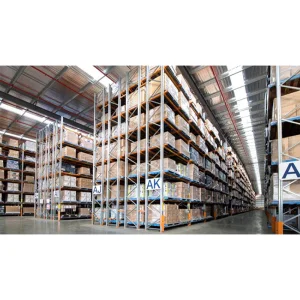
As a leading industry player, Hangzhou RAB Logistics Co., Ltd. stands at the forefront of this industrial transformation. Modern cold-chain storage facilities are no longer simple insulated concrete structures with cooling units. They have transitioned into multi-tier, highly automated distribution nodes operating under stringent digital footprints. In areas such as Western Europe and North America, aging facilities are rapidly being upgraded to combat rising energy costs, using structural mezzanine platforms, density-optimized shuttle systems, and green refrigeration designs to shrink carbon footprints.
Understanding the custom execution criteria for different industry segments and localized logistics hubs.
The design matrix of a temperature-controlled facility varies considerably based on the localized applications and storage parameters. Sub-zero environments, chilled distribution centers, and temperate pharmaceutical warehouses require radically different thermal designs, steel grades, and material handling systems:
Crucial for vaccine depots, biological samples, and life-science materials. These projects utilize specialized stainless steel structures, automated mini-load AS/RS systems, and secondary backup power lines. Precision controls are managed by a centralized Warehouse Management System (WMS) paired with Warehouse Control Systems (WCS). Physical access is restricted, and thermal mapping ensures no hot-spots occur near docking gates.
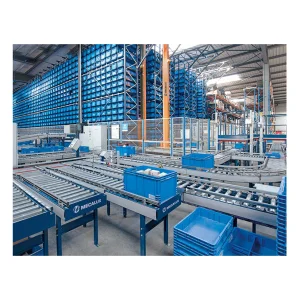
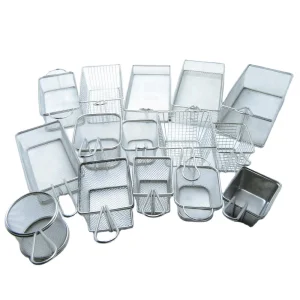
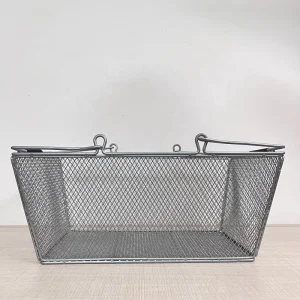
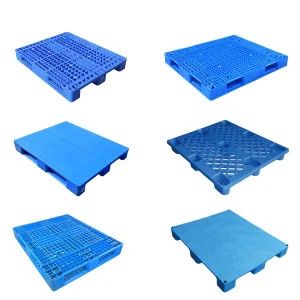
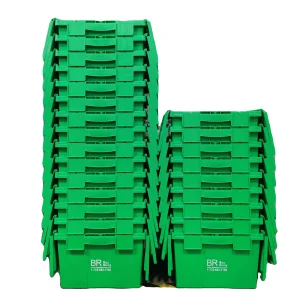
The high rotation speed of perishable foods dictates high-speed automated storage systems, autonomous mobile robots (AMRs) for unit sorting, and heavy-duty plastic racking pallets. Hygiene is critical: structural racks must allow easy sanitization and drainage, often incorporating food-grade stainless steel wire meshes and corrosion-resistant profiles.
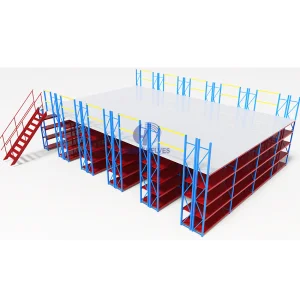
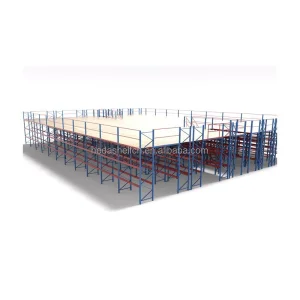
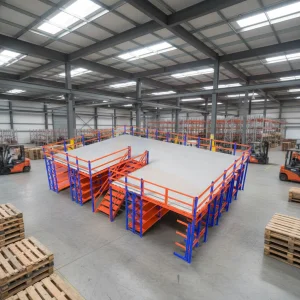
Localized in major urban environments, these centers process multi-SKU orders directly to end consumers. MFC designs utilize dense multi-tier mezzanine rack systems to exploit high ceiling heights, allowing human pickers and sorting robots to work collaboratively under localized temperature zones.
| Parameters | Pharmaceutical Storage | FMCG & Chilled Dairy | Urban Micro-Fulfillment |
|---|---|---|---|
| Temperature Range | -20°C to -80°C / 2°C to 8°C | 0°C to 4°C | Ambient to Chilled zones |
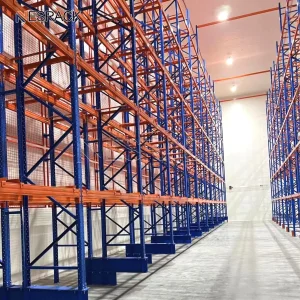
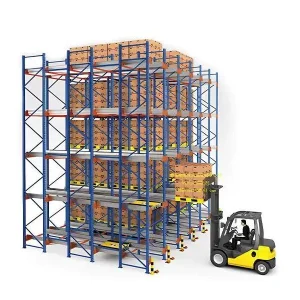
| Primary Racking Tech | High-density Mini-Load AS/RS | Pallet Shuttle Racks & Drive-In | Multi-Tier Mezzanine Platforms |
| Automation Grade | Fully Automated (Minimal human interaction) | Semi to Fully Automated (Shuttle + AMR) | Hybrid / AMR-driven picking |
| Corrosion Protection | High-grade Stainless Steel (304/316) | Powder-Coated Steel / Galvanized | Standard Powder Coated Structural Steel |
Your strategic partner in intelligent warehousing, system integration, and advanced logistics fabrication.
Hangzhou RAB Logistics Co., Ltd. is a professional provider of intelligent warehousing and modern logistics solutions. Built on years of industry experience and continuous technological innovation, RAB Logistics is committed to helping enterprises transform traditional warehouse operations into highly automated, data-driven, and efficient supply chain systems.
Since its establishment, the company has focused on integrating advanced logistics technologies such as Warehouse Management Systems (WMS), Automated Storage and Retrieval Systems (AS/RS), AGV/AMR robotics, intelligent sorting systems, and real-time data visualization platforms. These solutions enable clients to achieve higher operational accuracy, faster fulfillment speed, and significantly reduced logistics costs.
With strong capabilities in system consulting, solution design, equipment integration, software development, and project implementation, Hangzhou RAB Logistics Co., Ltd. delivers end-to-end intelligent logistics solutions tailored to diverse industry needs. Our expertise ensures seamless coordination between hardware and software, creating scalable and future-ready warehouse infrastructures.
RAB Logistics serves a wide range of industries including manufacturing, cross-border e-commerce, fast-moving consumer goods (FMCG), pharmaceuticals, and automotive parts. Our solutions are trusted for their stability, innovation, and proven performance in complex, high-demand environments.
By choosing Hangzhou RAB Logistics Co., Ltd., you are selecting a long-term strategic partner dedicated to building smarter warehouses, optimizing supply chains, and empowering businesses with sustainable competitive advantages in the era of intelligent logistics.
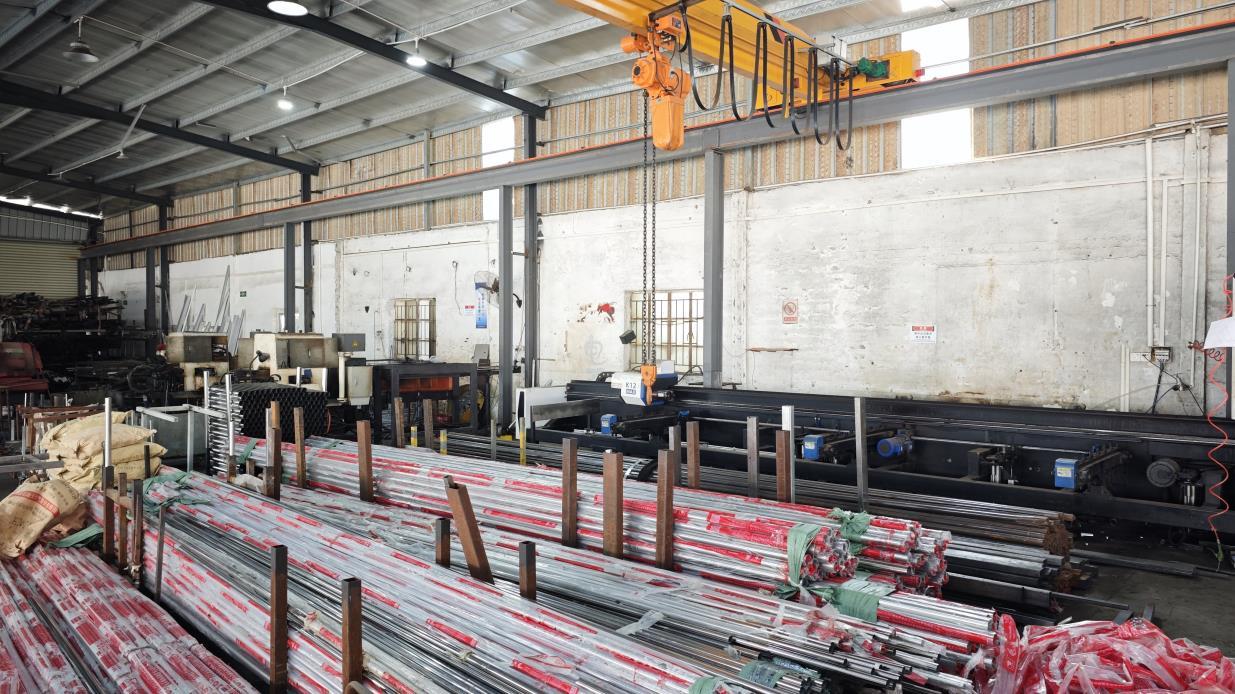
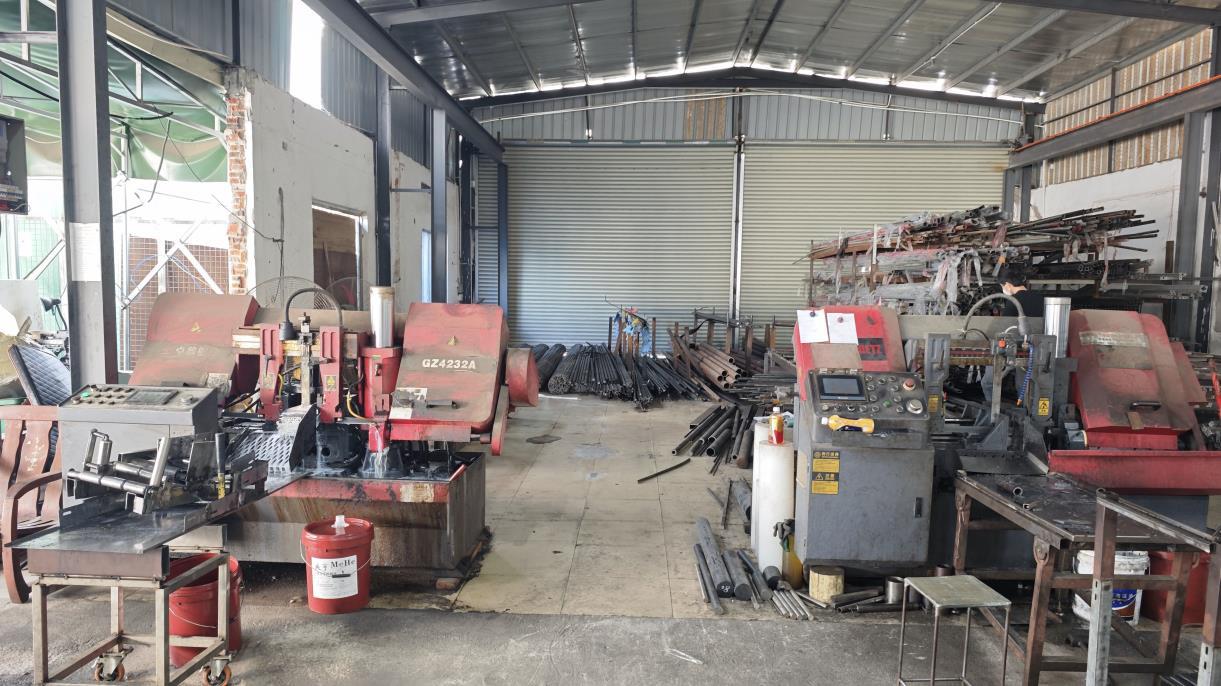
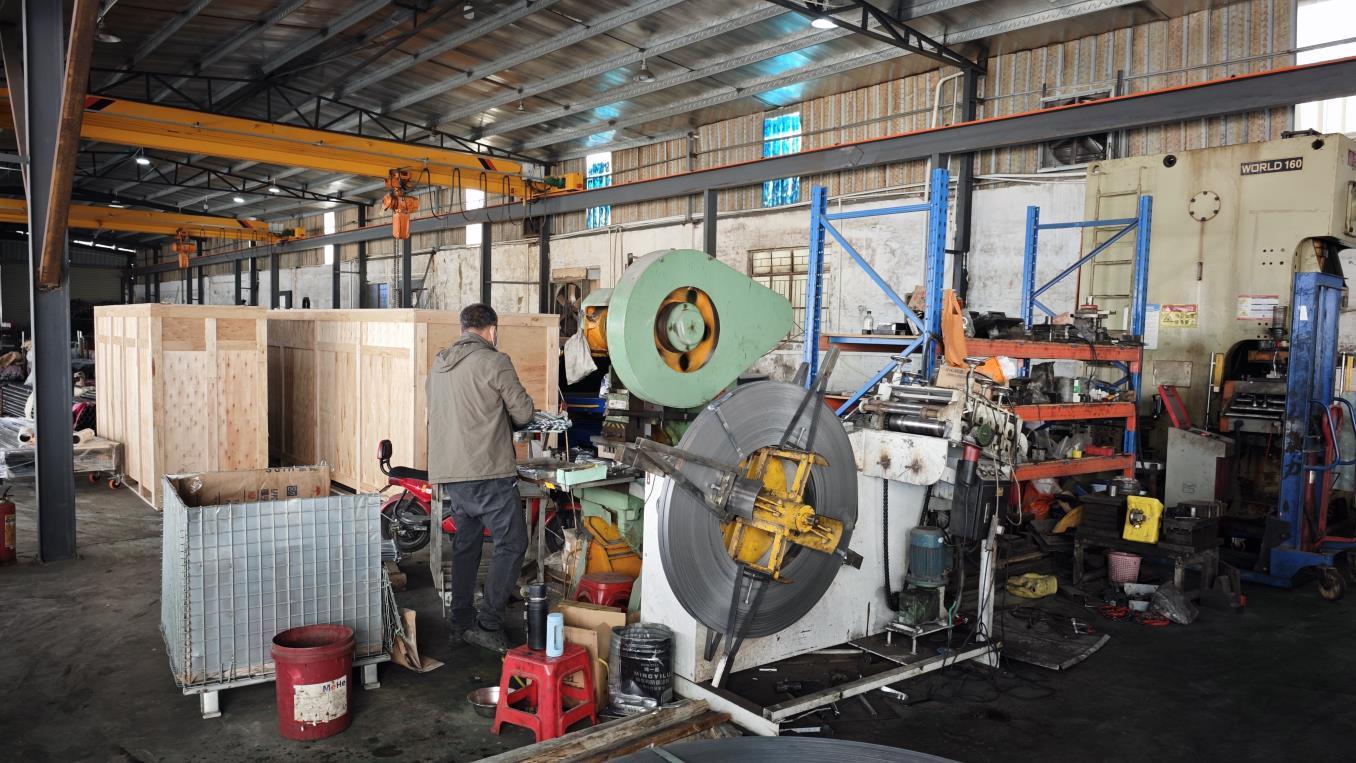
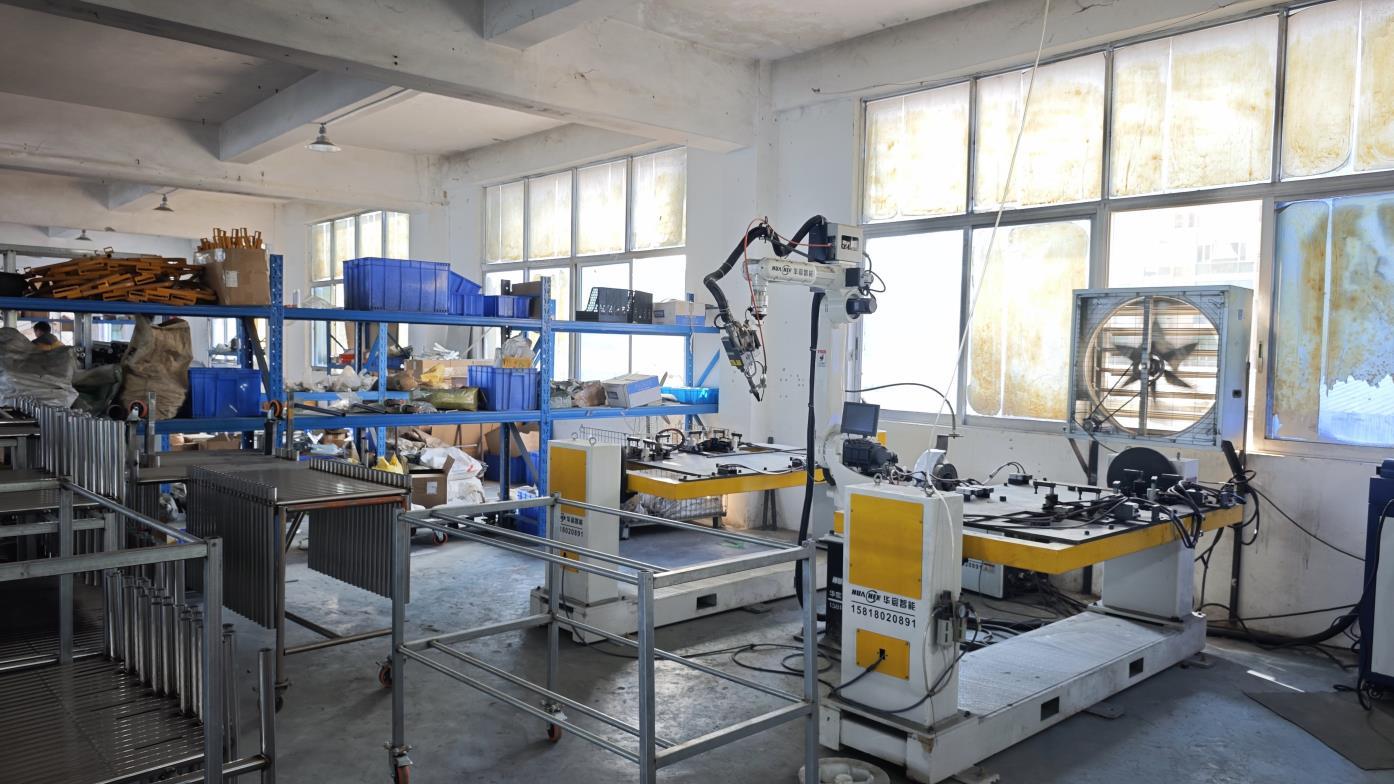
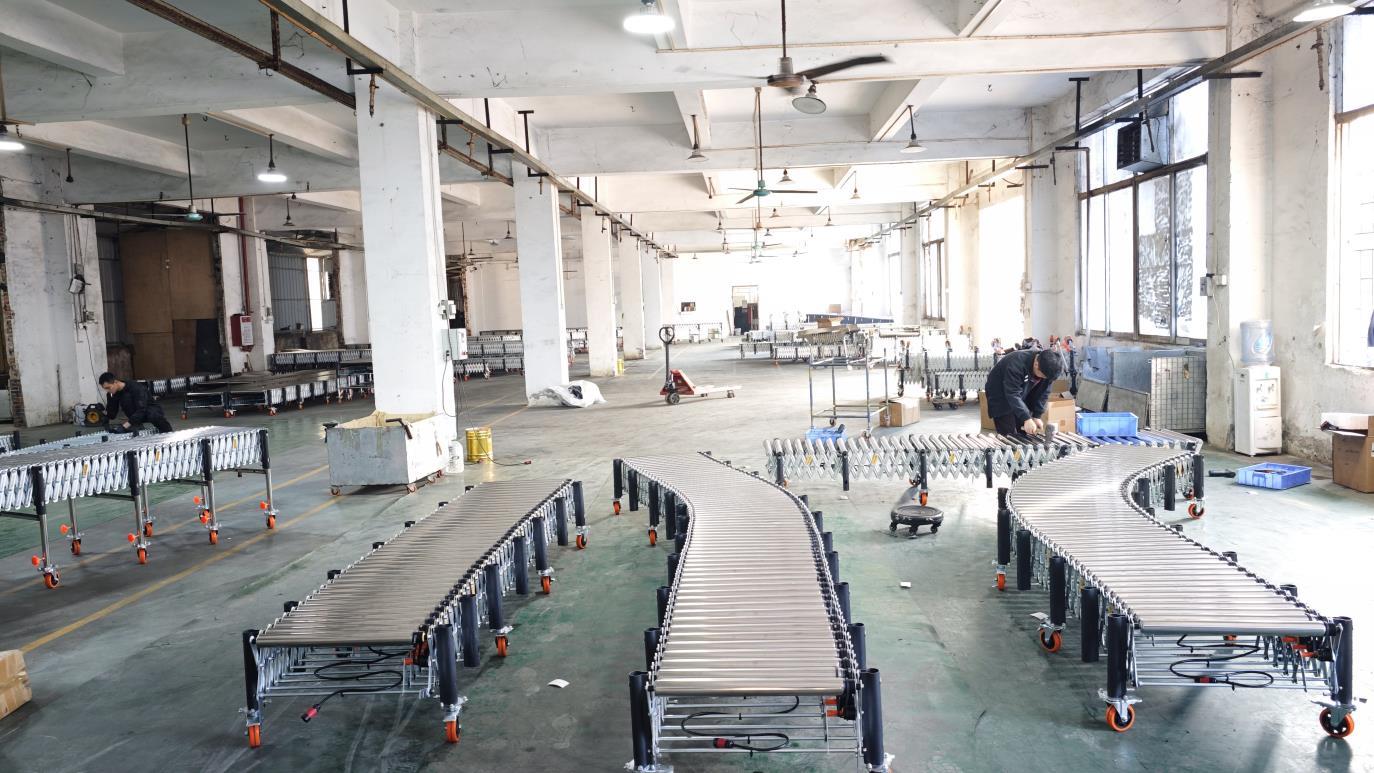
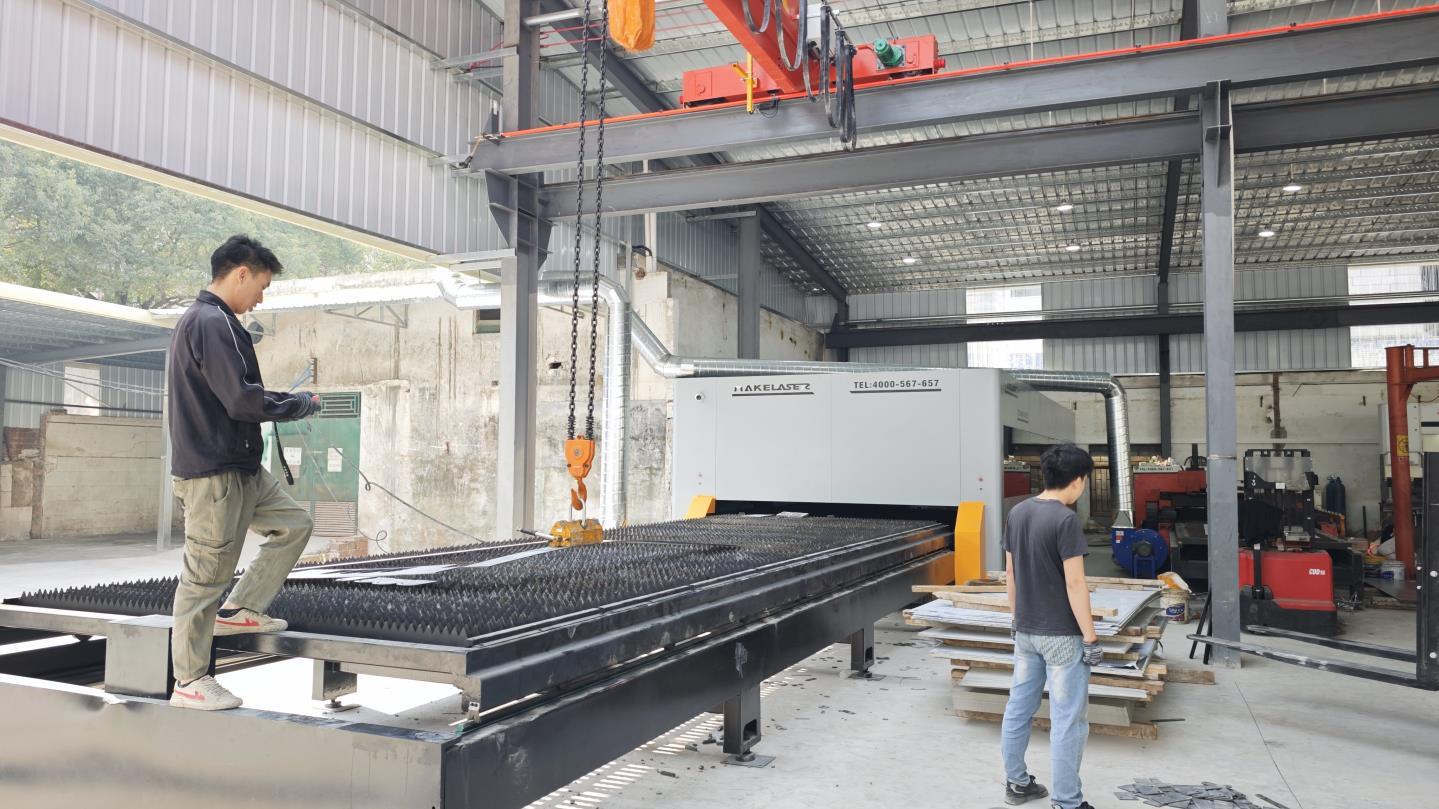
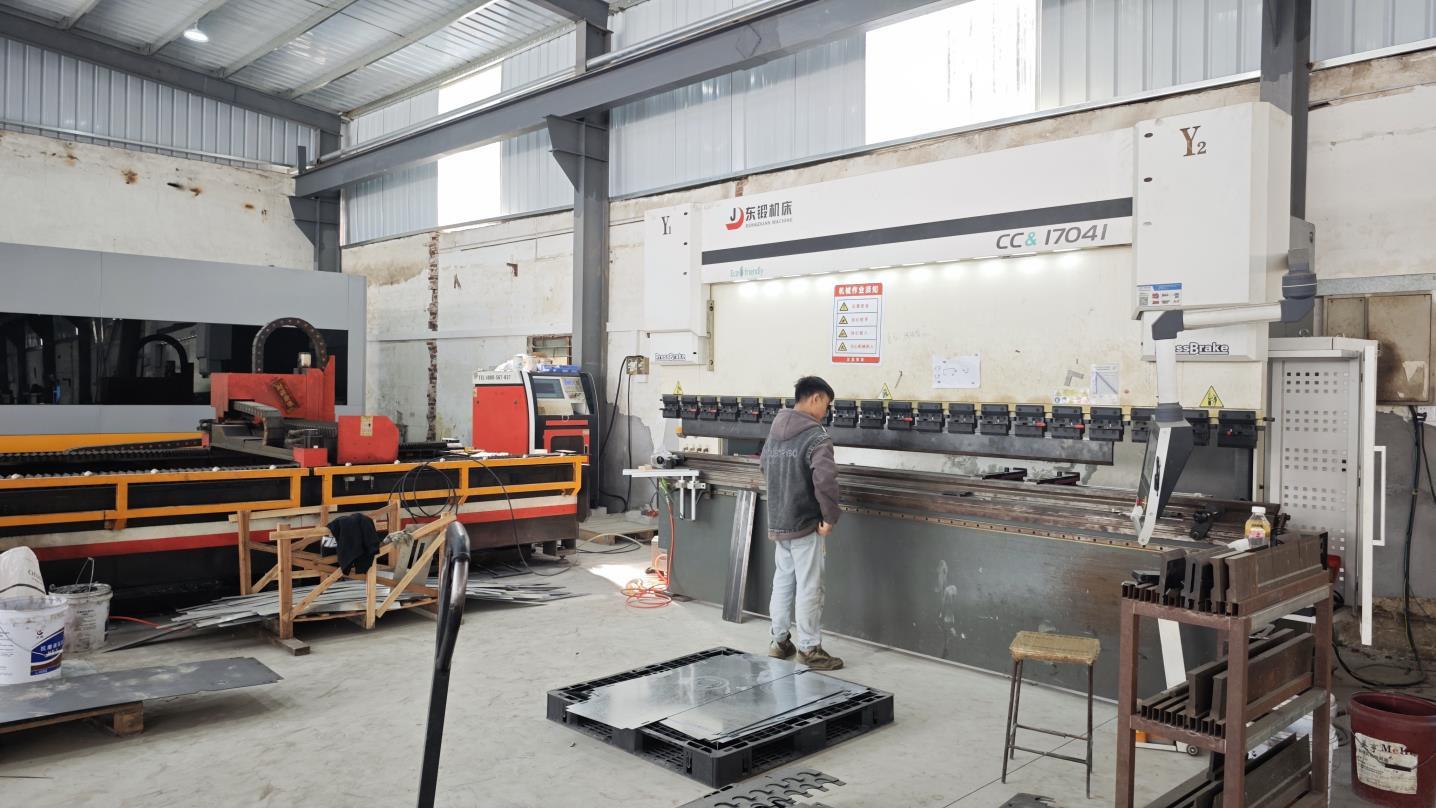
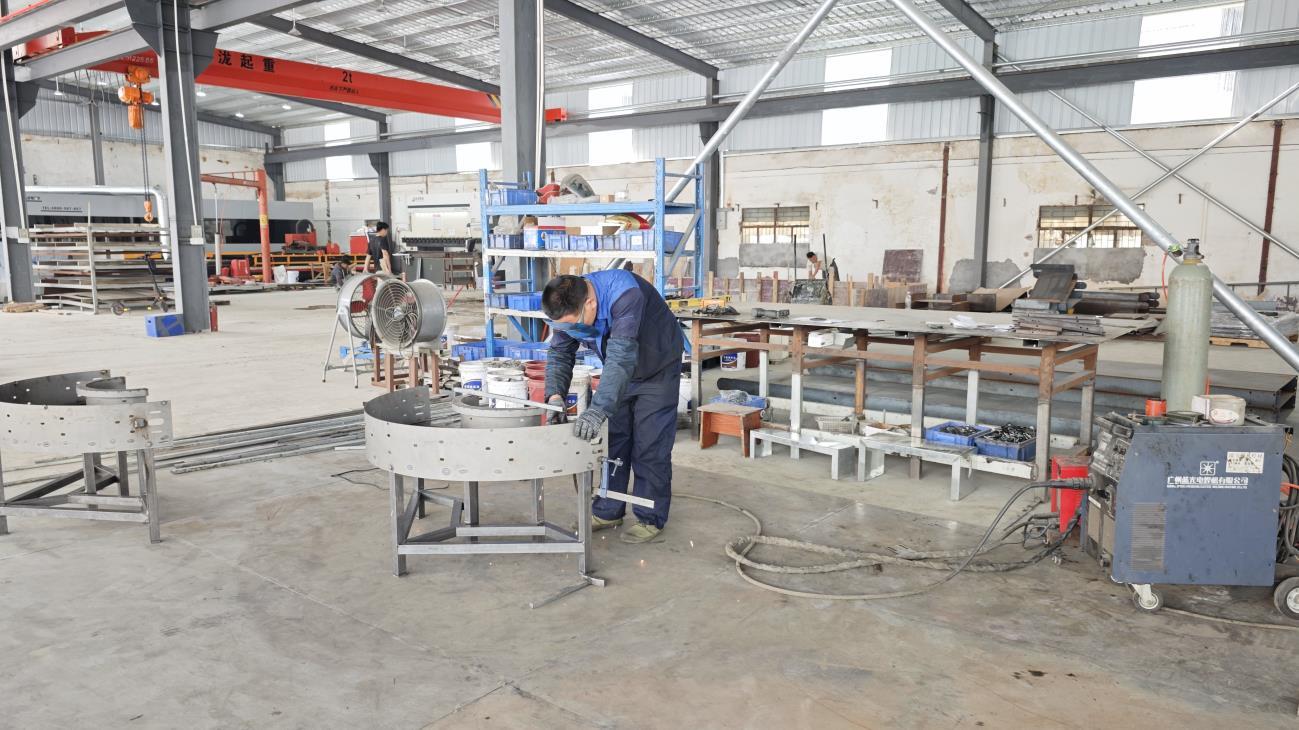
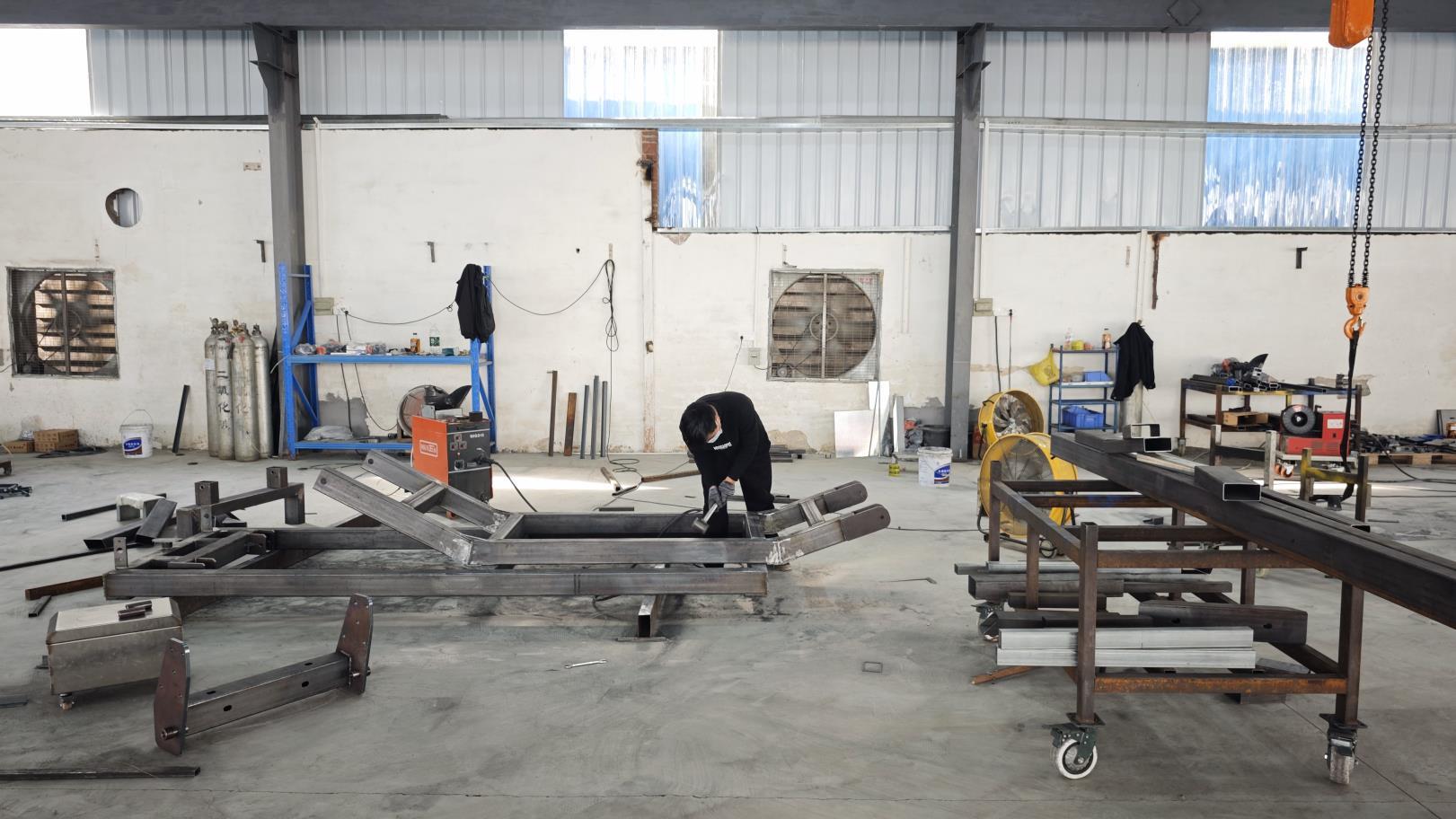
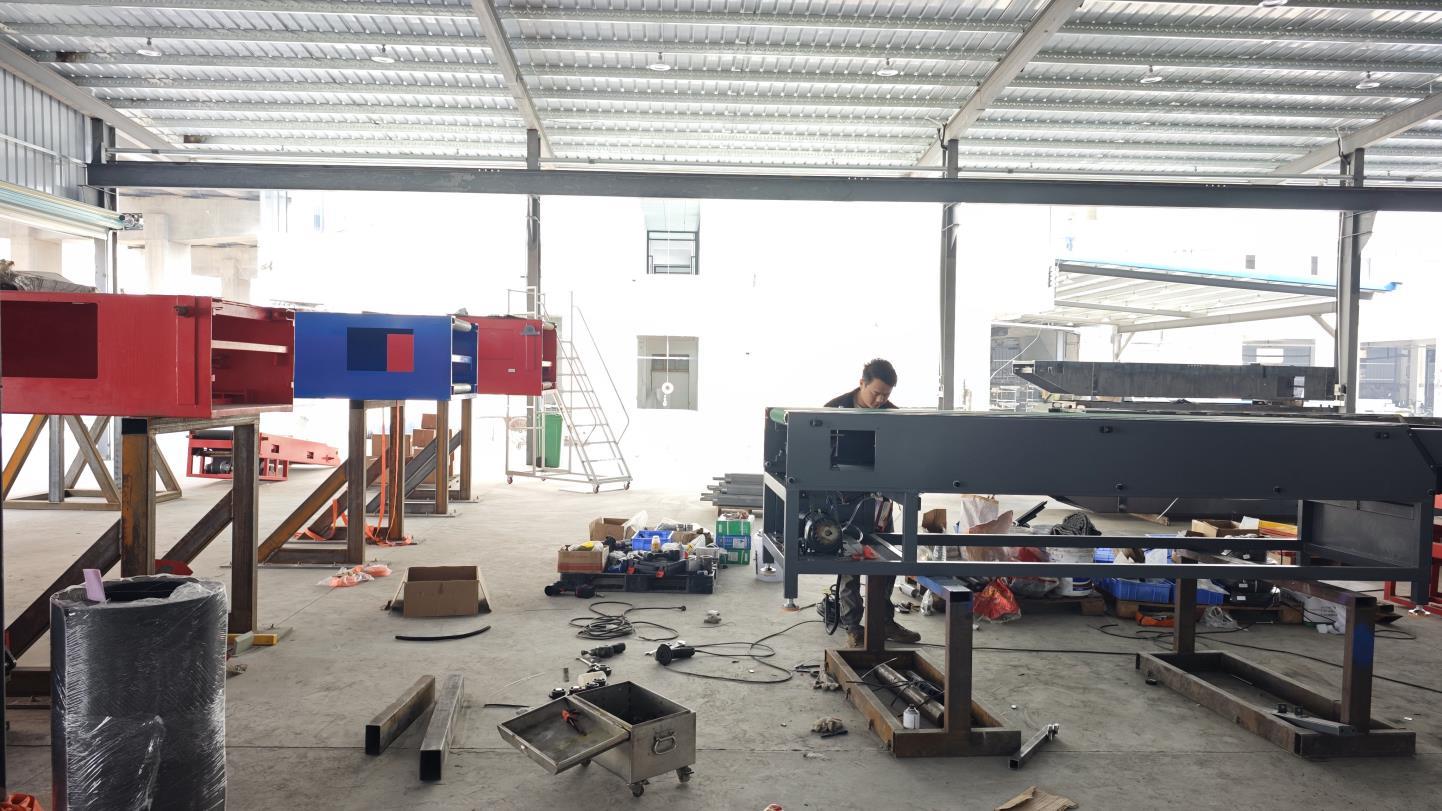
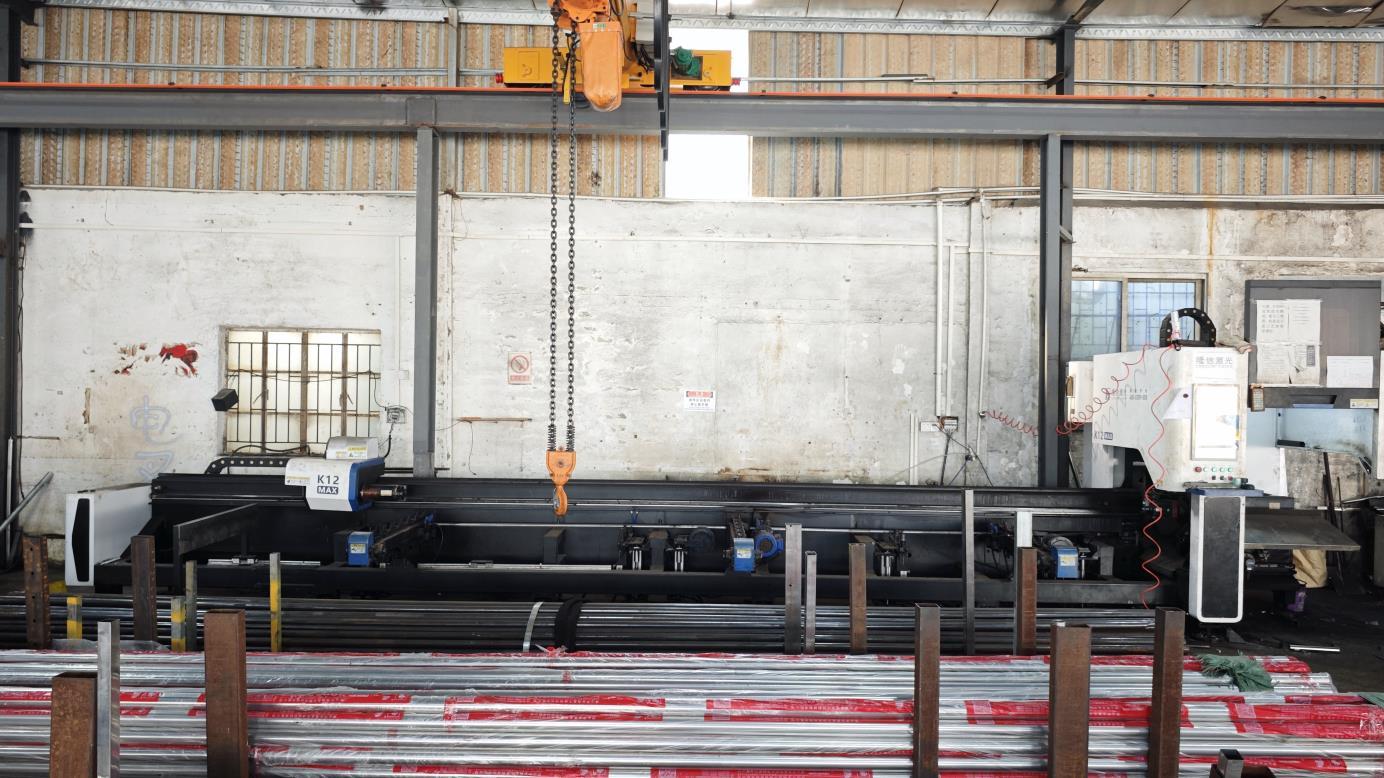
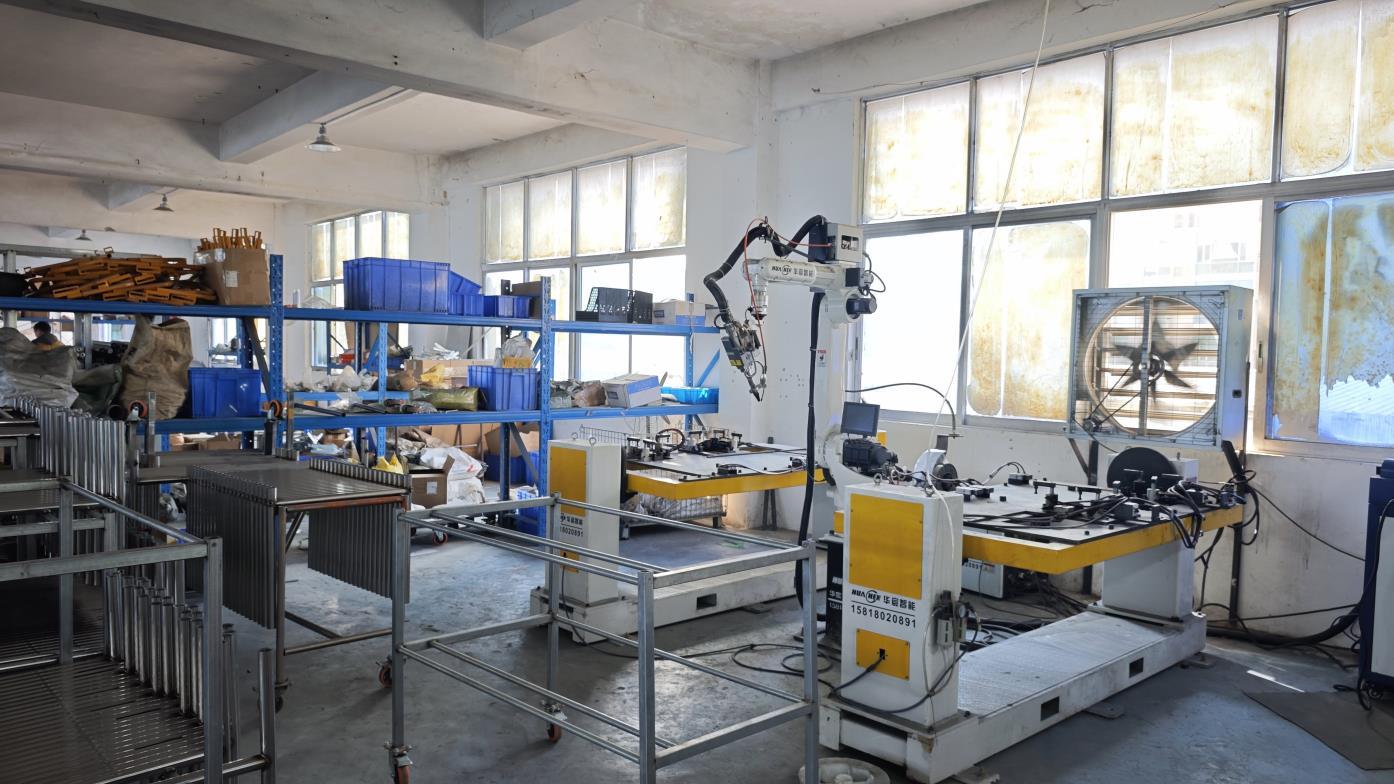
Take an inside look at our state-of-the-art production workshops where structural integrity and automation precision are forged.
Adapting to global energy standards, IoT convergence, and autonomous distribution models.
The industry of temperature-controlled storage is undergoing an unprecedented modernization wave. Over the next five years, the focus will shift heavily toward energy consumption mitigation and absolute automation redundancy. Since cold storage requires continuous power draw to offset external heat transfer, standard passive insulation is insufficient. Future installations are adopting phase-change materials (PCMs) and smart automated dynamic ventilation systems controlled by environmental sensors.
From a control perspective, standard WMS systems are being combined with predictive artificial intelligence. Instead of reactive thermal adjustments, next-generation facilities analyze incoming cargo parameters (initial temperature, specific heat capacity, shipping times) to pre-cool zones before shipments arrive, saving up to 22% on daily electrical consumption. The integration of Autonomous Mobile Robots (AMRs) that operate seamlessly at -30°C using specialized low-temperature lithium batteries and non-freezing lubricants is set to replace older, rail-bound material handlers, allowing scalable and flexible configurations.
Technical guidance and optimization procedures for implementing temperature-controlled storage systems.
Explore our deep-storage shuttle structures, autonomous robotics platforms, and durable bulk logistics containment systems.
 RAB Logistics