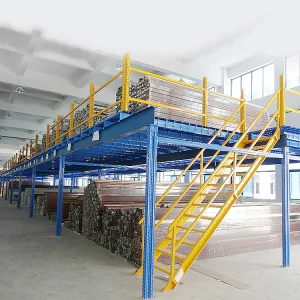
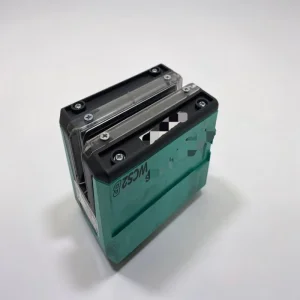
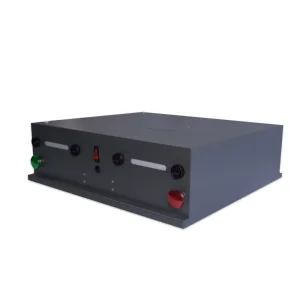
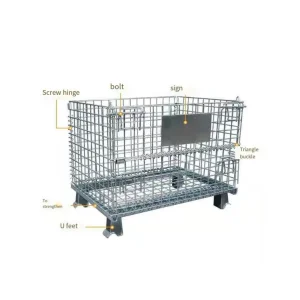
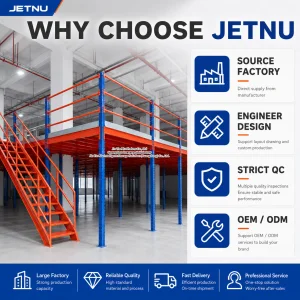
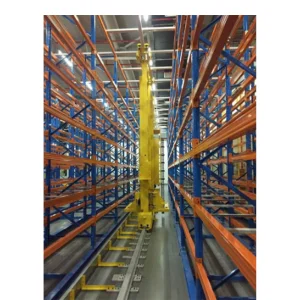
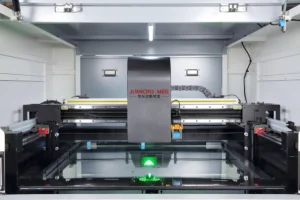
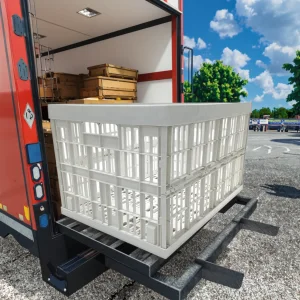
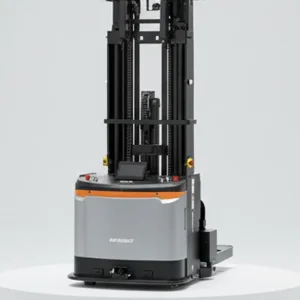
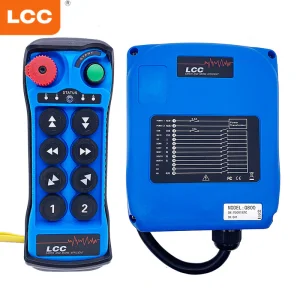
Explore our premium grade heavy-duty structures, PLC controllers, and automated guided vehicles designed for high-throughput configurations.
Whitepaper on advanced roll & spool management, automated logistics integration, and architectural safety standards.
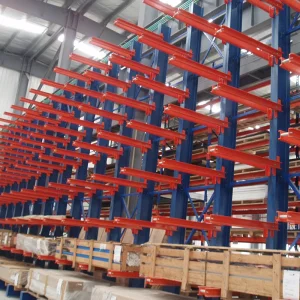
In modern heavy industries—ranging from copper cable manufacturing and flexible film extrusion to advanced automotive wire harness assembly—the storage and handling of large cylindrical materials represent a significant operational challenge. Reels, spools, and cylindrical drums cannot be effectively stacked block-fashion without risking serious product deformation, outer-layer abrasion, or catastrophic structural collapse. Hence, the implementation of dedicated seamless reel storage systems has transitioned from an auxiliary warehouse option to a safety-critical infrastructure mandate.
Historically, traditional cantilever systems or basic floor-cradles were used. However, these methods are notoriously inefficient, occupying massive footprints and requiring dangerous crane maneuvers or specialized heavy-duty forklift operations that present high risk to onsite personnel. Today's industrial landscape relies on integrated automated retrieval configurations. By incorporating dynamic mechanical locks, smart sensor arrays, and precision engineering, seamless reel racking ensures that heavy reels (frequently weighing from 500 kg to upwards of 10 tons per unit) are held securely by their central spindles, allowing frictionless rotation or absolute locked stability as dictated by handling requirements.
When selecting a seamless reel rack supplier, structural steel grade (typically Q235B or Q345B) and compliance with international standards such as RMI (Rack Manufacturers Institute) and EN 15512 are paramount. Suppliers who offer customized finite element analysis (FEA) reports before fabrication provide substantial safety margins, ensuring structural integrity under high dynamic torque loads during robotic picking.
The operating environment of a warehouse directly determines the finish, design, and structural requirements of a reel storage system:
Procuring storage systems from international suppliers, particularly overseas manufacturers, demands strict verification protocols. To guarantee compatibility with local structural codes (such as OSHA regulations in North America or CE/TÜV directives in Europe), procurement teams must focus on the following:
How Hangzhou RAB Logistics ensures unmatched quality through high-precision CNC machining, robotic welding, and automated finishing.
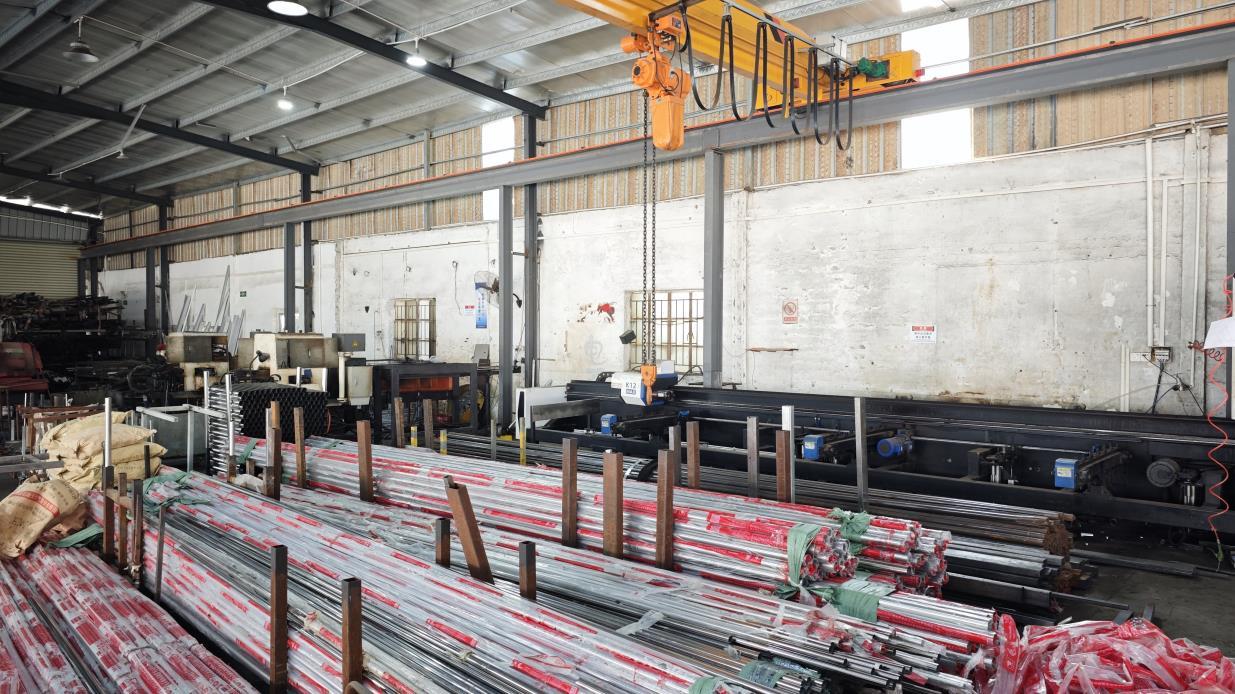
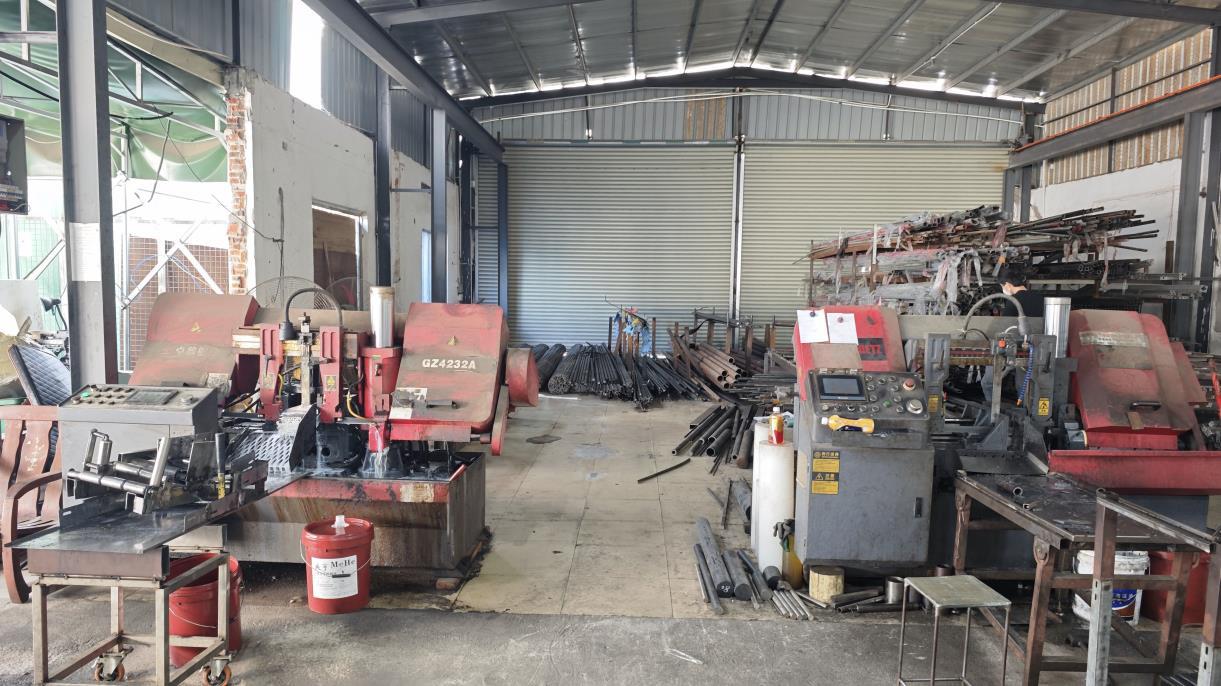
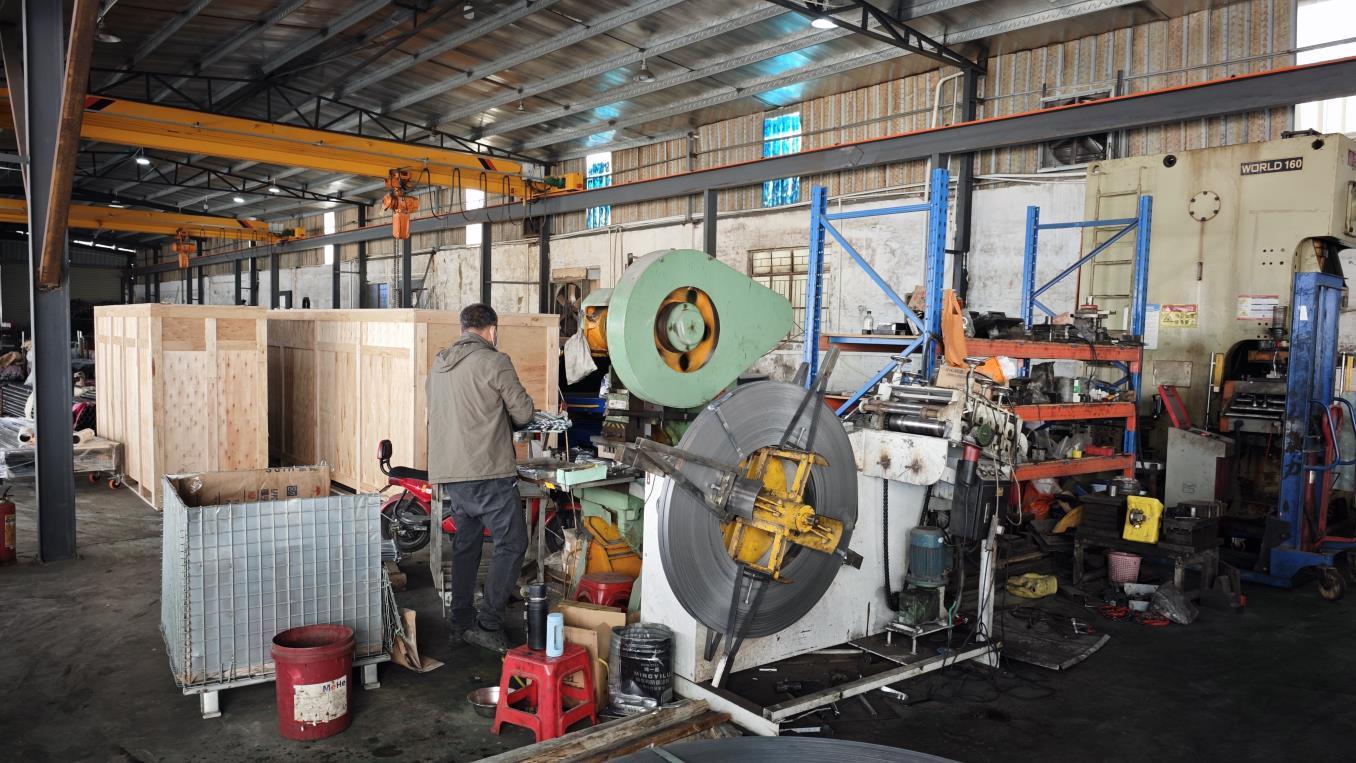
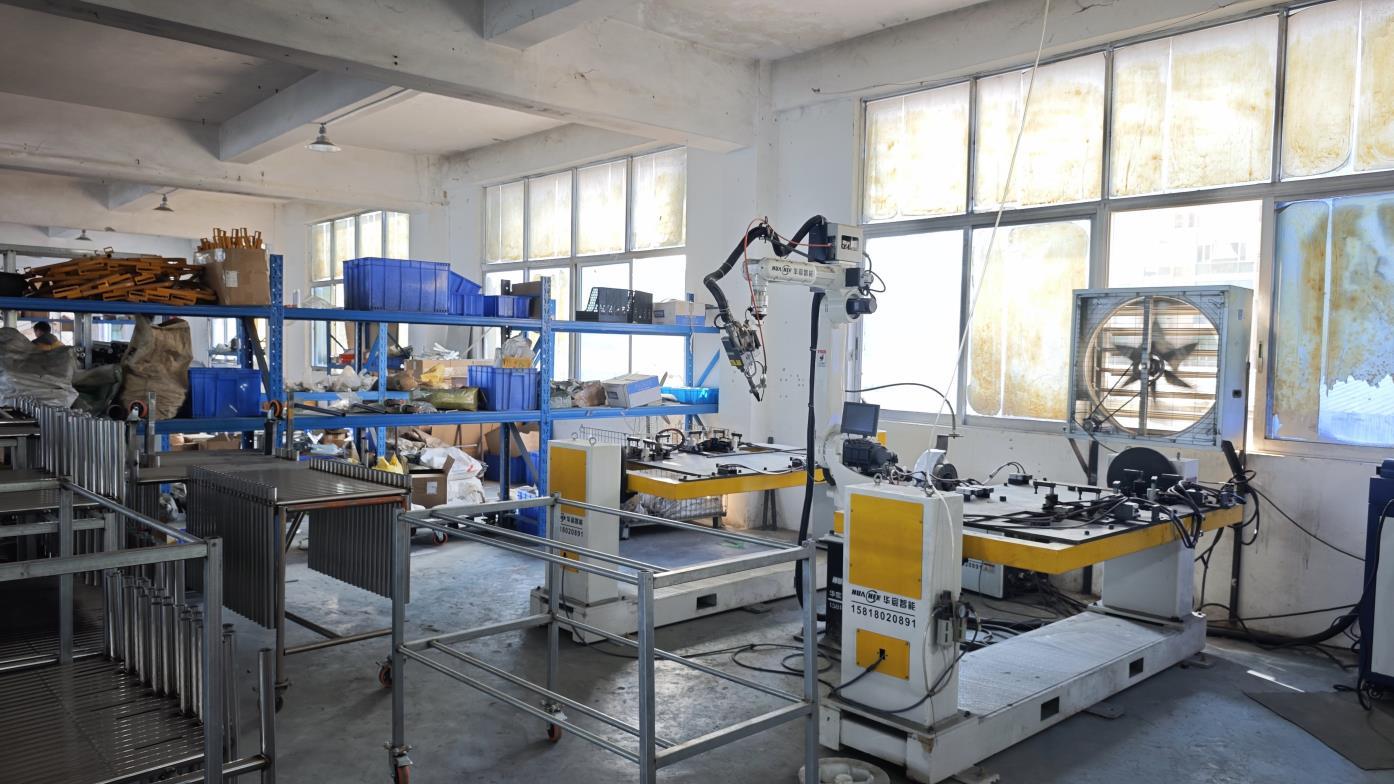
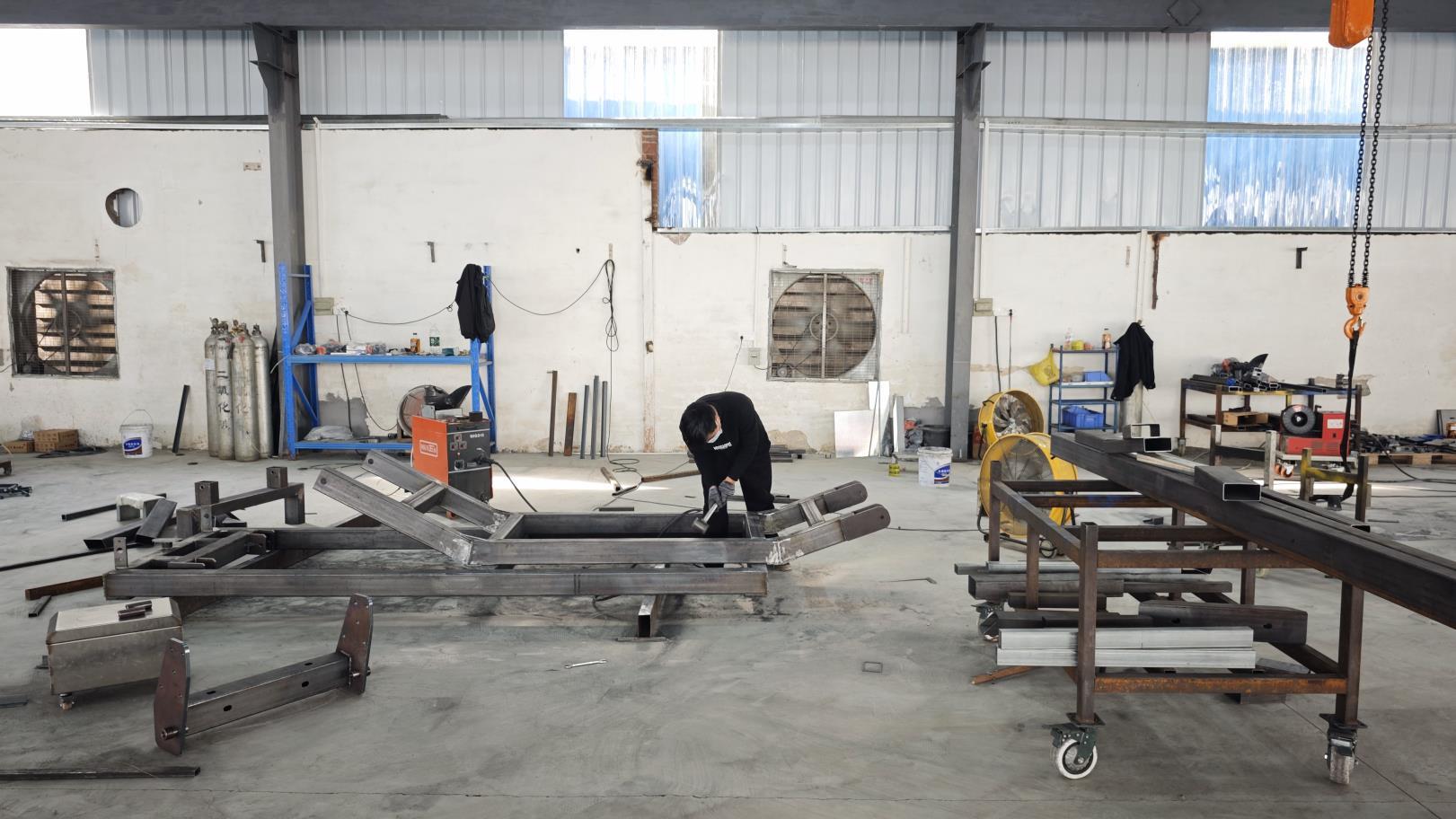
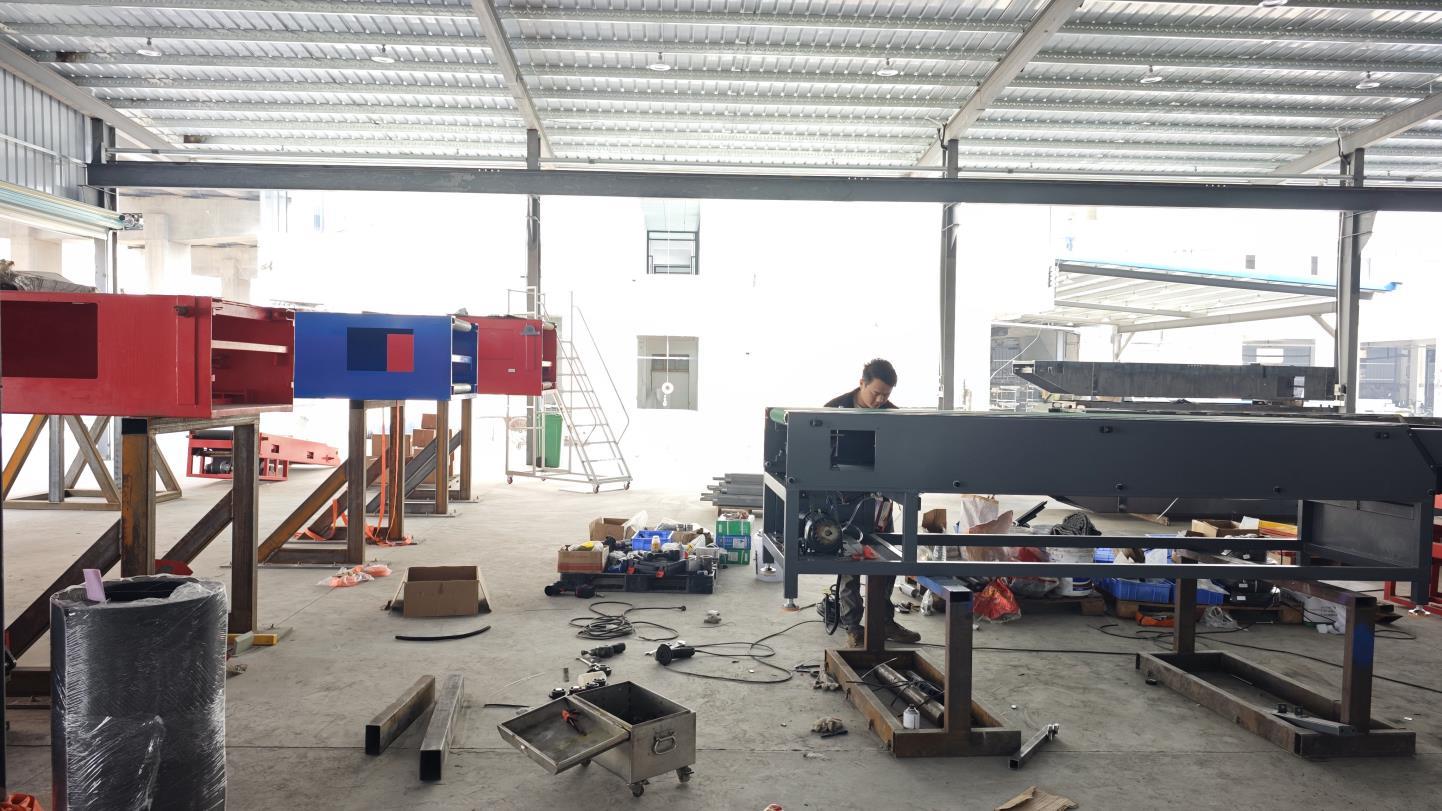
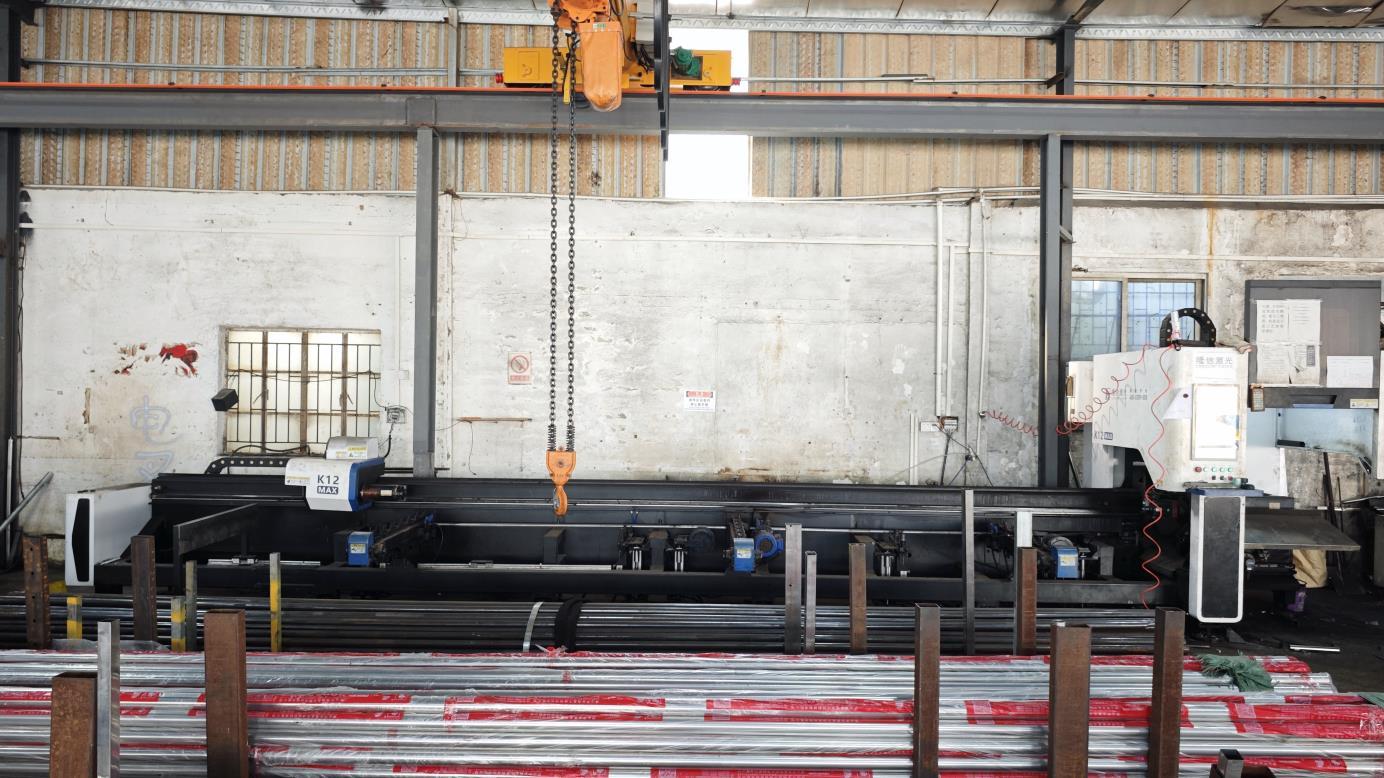
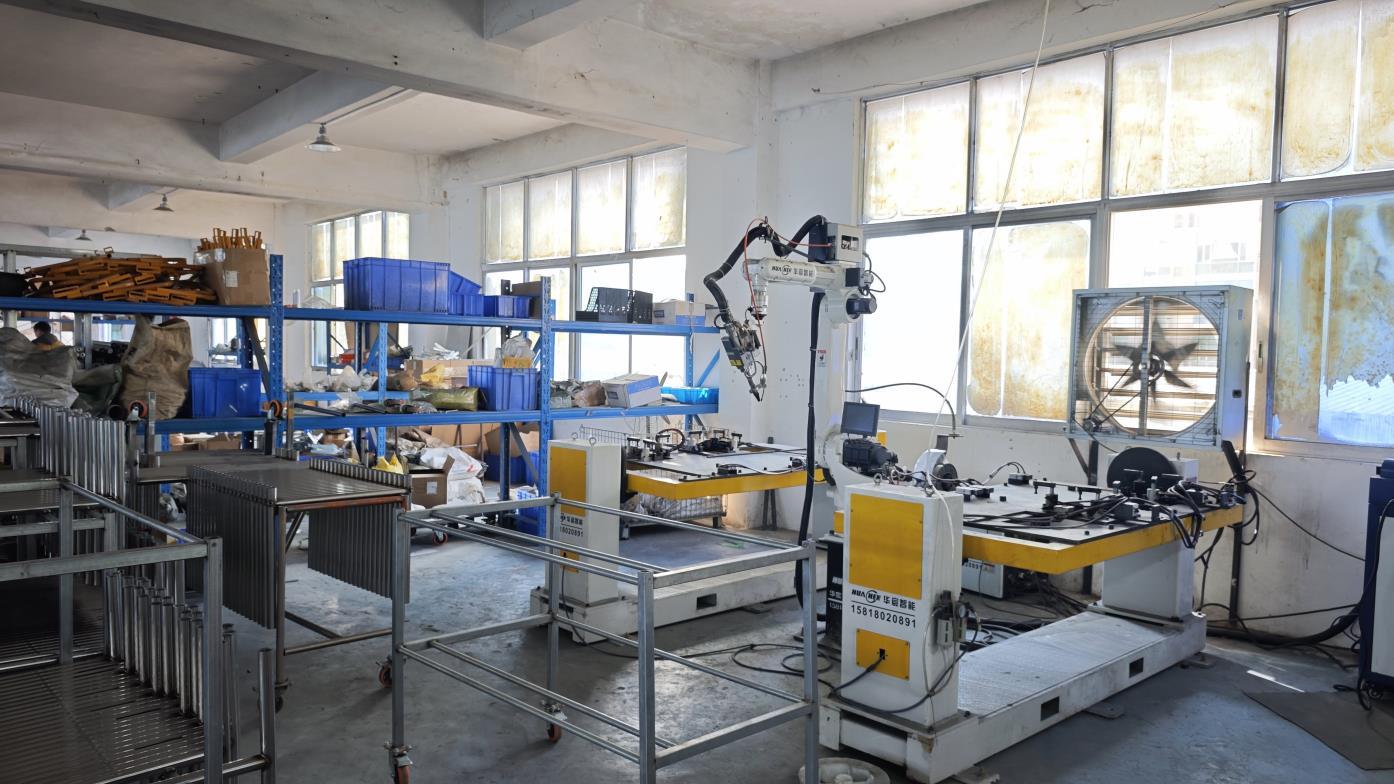
At our state-of-the-art Chinese manufacturing plant, efficiency and quality are driven by end-to-end automated production systems. Traditional steel fabrication often introduces dimensional variations due to manual cutting, bending, and manual welding. These minor inaccuracies compound over tall rack structures, causing vertical deviations that interfere with automated cranes or shuttle cars.
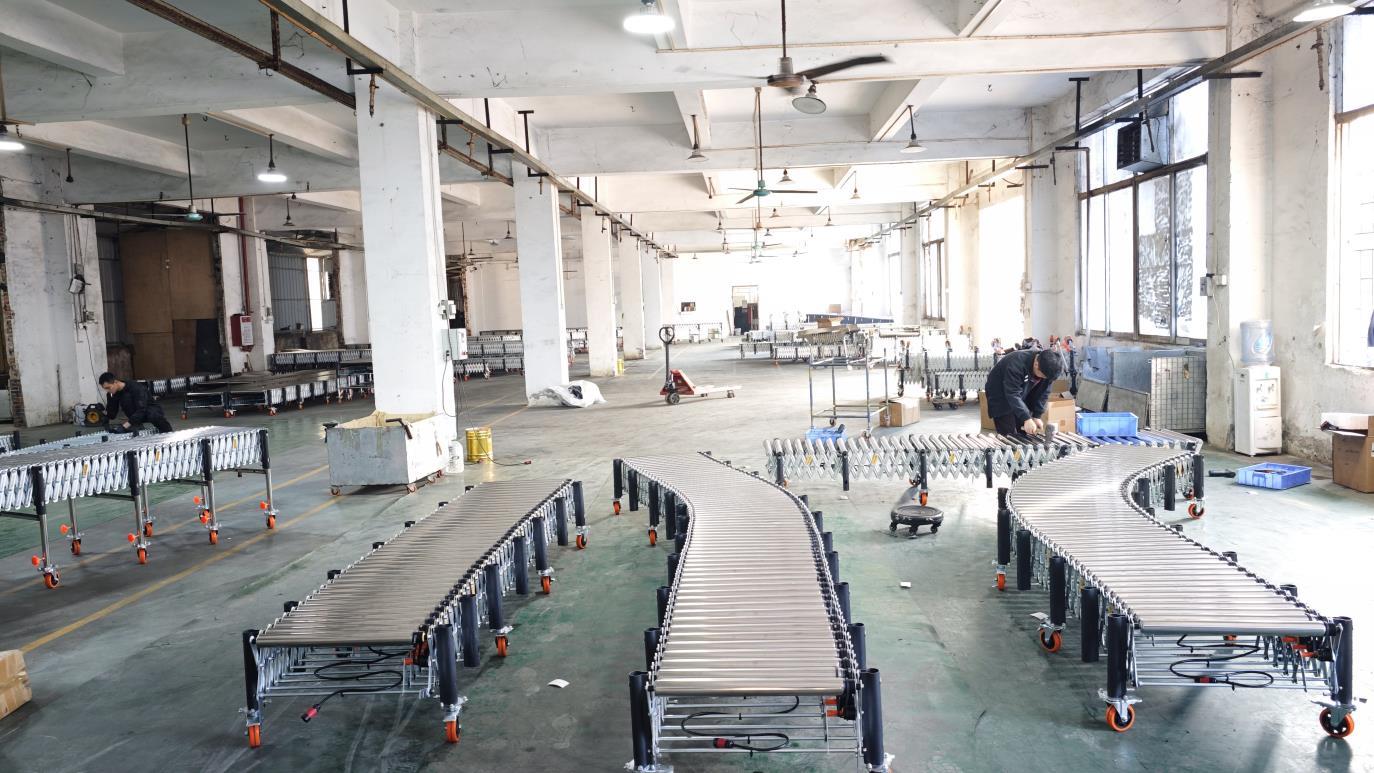
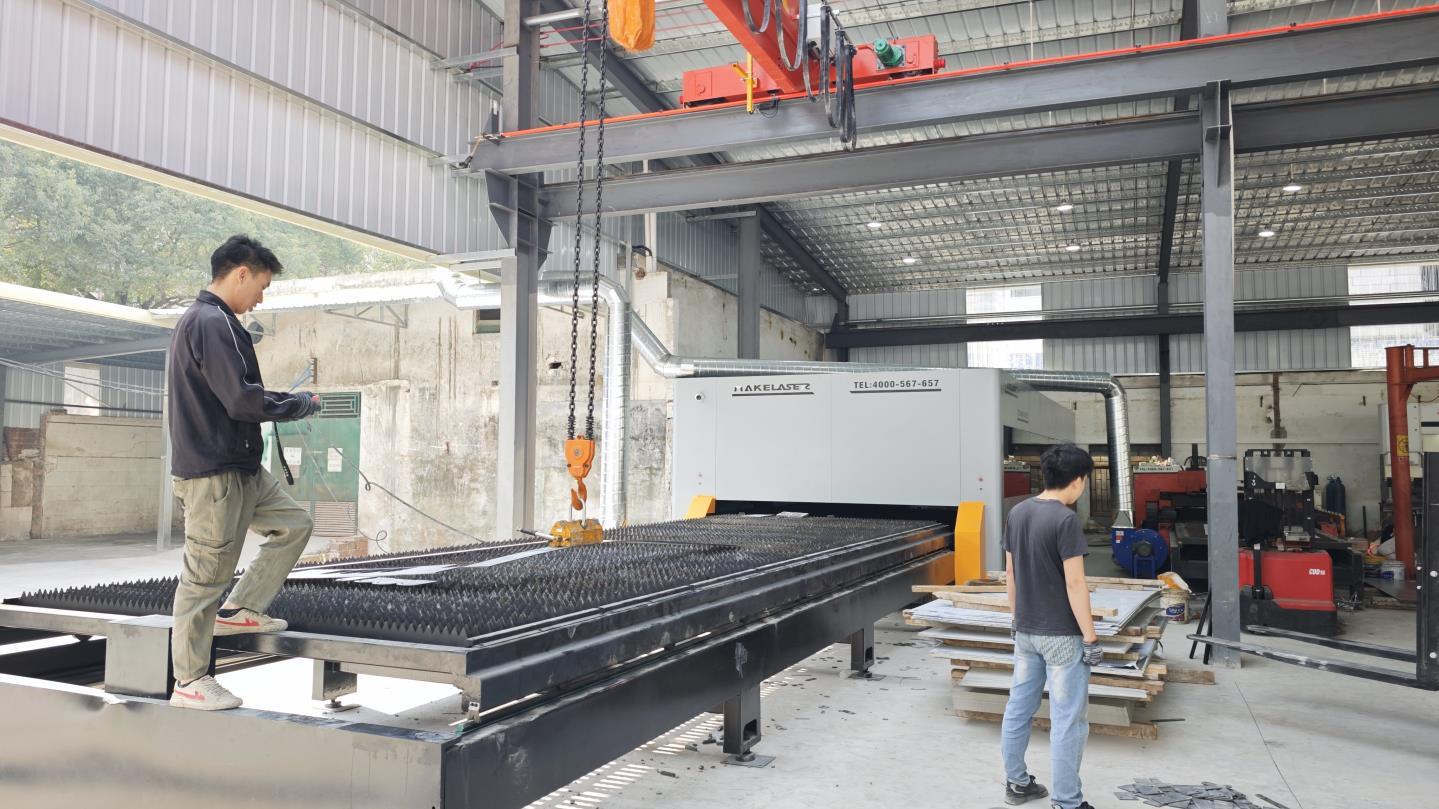
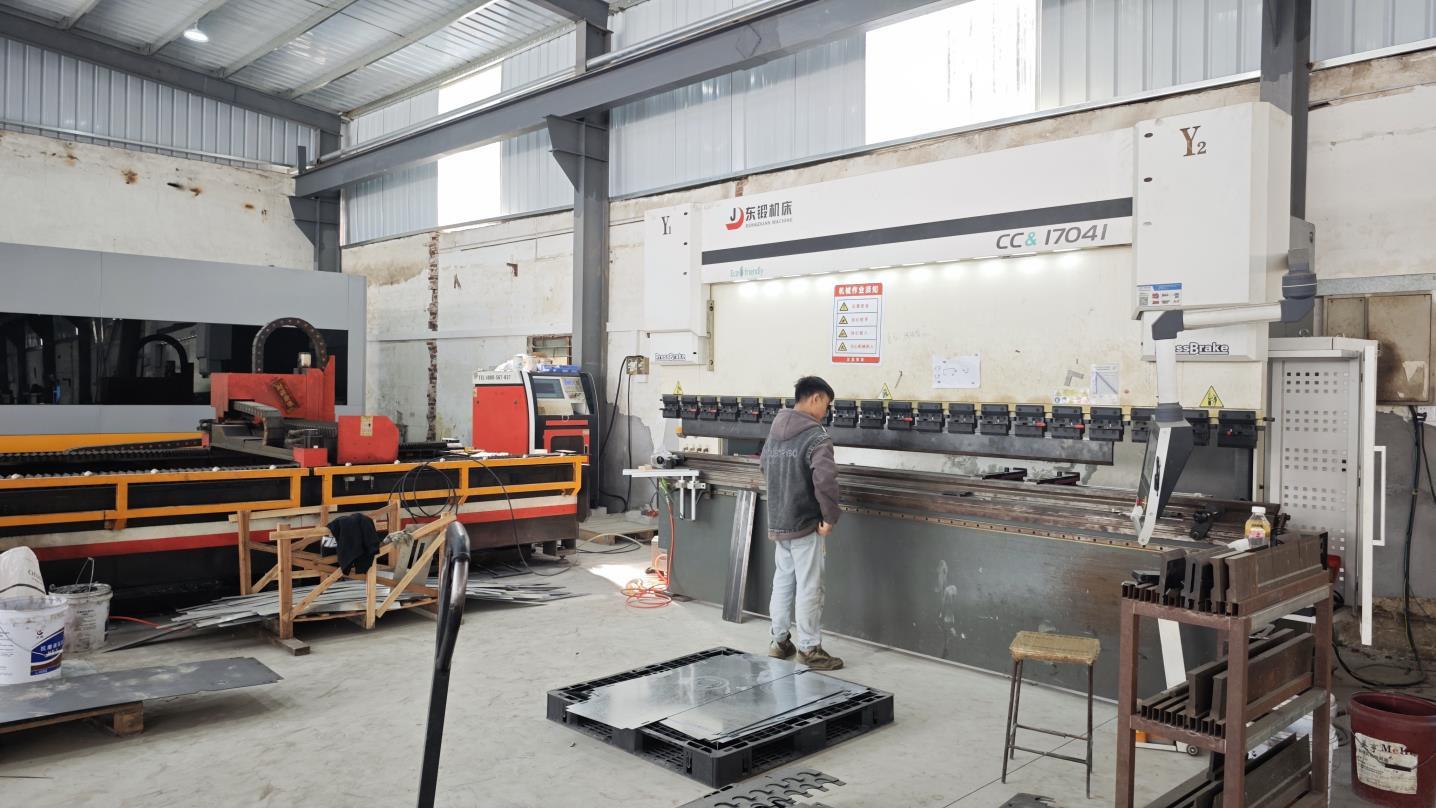
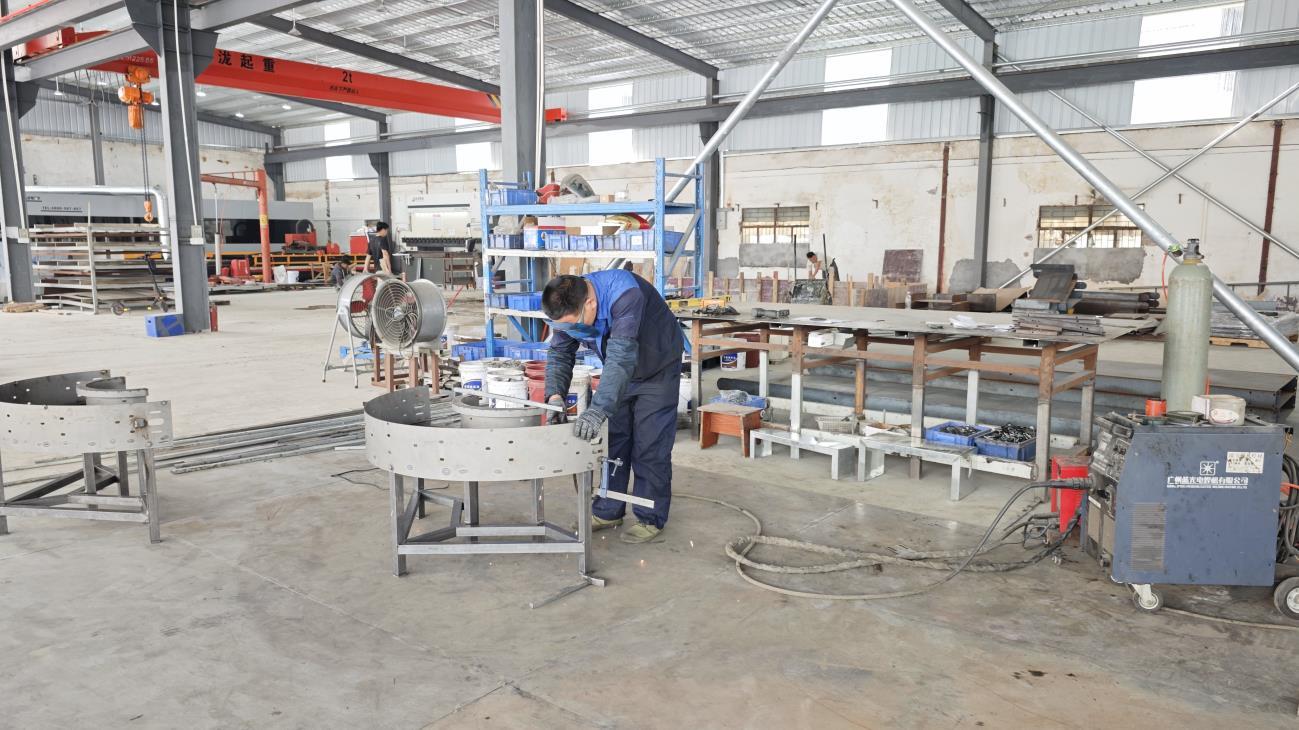
To prevent this, our production processes rely on fully automatic CNC sawing, computer-controlled bending, and high-performance spot-welding robotic cells. Each structural profile is precision-cut to within 0.5mm tolerances. Below is the visual sequence of our complete manufacturing workflow:
A trusted industrial leader in end-to-end intelligent storage, supply chain optimization, and global logistics execution.
Hangzhou RAB Logistics Co., Ltd. is a professional provider of intelligent warehousing and modern logistics solutions. Built on years of industry experience and continuous technological innovation, RAB Logistics is committed to helping enterprises transform traditional warehouse operations into highly automated, data-driven, and efficient supply chain systems.
Since its establishment, the company has focused on integrating advanced logistics technologies such as Warehouse Management Systems (WMS), Automated Storage and Retrieval Systems (AS/RS), AGV/AMR robotics, intelligent sorting systems, and real-time data visualization platforms. These solutions enable clients to achieve higher operational accuracy, faster fulfillment speed, and significantly reduced logistics costs.
With strong capabilities in system consulting, solution design, equipment integration, software development, and project implementation, Hangzhou RAB Logistics Co., Ltd. delivers end-to-end intelligent logistics solutions tailored to diverse industry needs. Our expertise ensures seamless coordination between hardware and software, creating scalable and future-ready warehouse infrastructures.
RAB Logistics serves a wide range of industries including manufacturing, cross-border e-commerce, fast-moving consumer goods (FMCG), pharmaceuticals, and automotive parts. Our solutions are trusted for their stability, innovation, and proven performance in complex, high-demand environments.
By choosing Hangzhou RAB Logistics Co., Ltd., you are selecting a long-term strategic partner dedicated to building smarter warehouses, optimizing supply chains, and empowering businesses with sustainable competitive advantages in the era of intelligent logistics.
How technological convergence is defining the next generation of industrial distribution centers.
The traditional forklift, while versatile, is becoming a bottleneck in high-throughput facilities. Heavy-load AMRs equipped with specialized hydraulic reel-handling clamps are now taking over. These robots communicate with the central WMS via 5G networks, dynamically navigating the warehouse floor to pick and place multi-ton reels. Because these vehicles do not run on fixed tracks, they offer absolute flexibility to modify warehouse layouts on the fly, matching changing production requirements.
AI-driven Warehouse Management Systems (WMS) now analyze order history to predict which spools will be needed next. By positioning high-demand reels closer to dispatch docks or conveyor induction points (a process known as dynamic slotting), pick times are reduced by up to 30%. Concurrently, IoT vibration sensors mounted on AS/RS crane tracks and high-bay racking uprights monitor structural stress levels. This data allows for predictive maintenance scheduling, ensuring system anomalies are corrected before they cause unplanned operational downtime.
In-depth insights addressing the most common technical questions from structural engineers and warehouse managers.
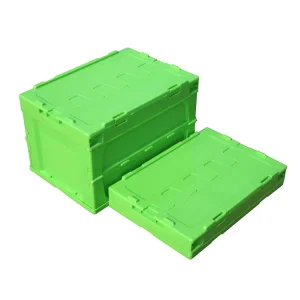
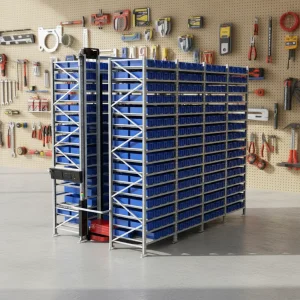
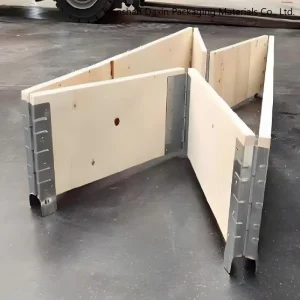
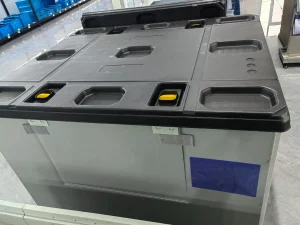
Discover our specialized loft mezzanines, automated shuttles, measurement equipment, and folding containment units.
 RAB Logistics