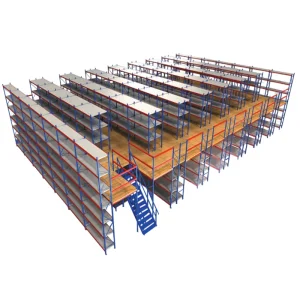
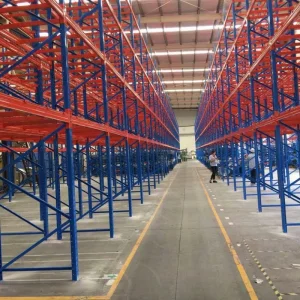
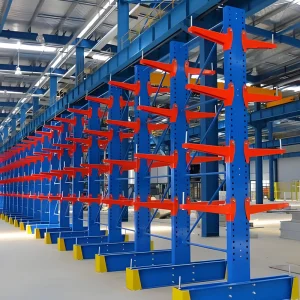
High-capacity structural systems and intelligent robotics designed to maximize storage density, transit efficiency, and supply chain throughput.
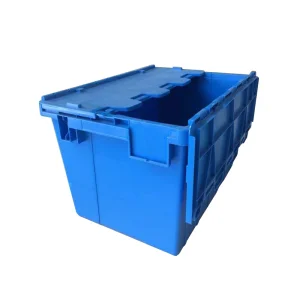
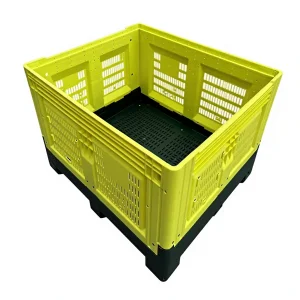
Standard forklifts serve basic material handling tasks, but high-performance forklift attachments transform standard machinery into specialized, high-efficiency equipment. By integrating customized hydraulic, pneumatic, and mechanical systems, global logistics operations can achieve rapid unit-load turnover, reduce product degradation, and maximize occupational safety.
For global procurement managers, identifying top-tier forklift attachment factories is not merely about finding a vendor. It requires aligning with dynamic production units capable of executing high-tensile material welding, complex hydraulic manifold integration, and strict regulatory safety verifications.
When choosing top industrial suppliers, enterprise buyers must audit manufacturing facilities against rigorous technical benchmarks.
Manifolds must feature precision flow regulation. Integrated load-holding valves prevent dropping payloads, even under complete pressure drop scenarios.
Usage of certified high-tensile steels (such as Q355B and Q460D) reduces unit thickness and weight, retaining maximum load capacity on the forklift carriage.
Top factories provide accurate calculations of structural weight, center of gravity offset, and remaining net capacity to ensure compliance with OSHA and CE standards.
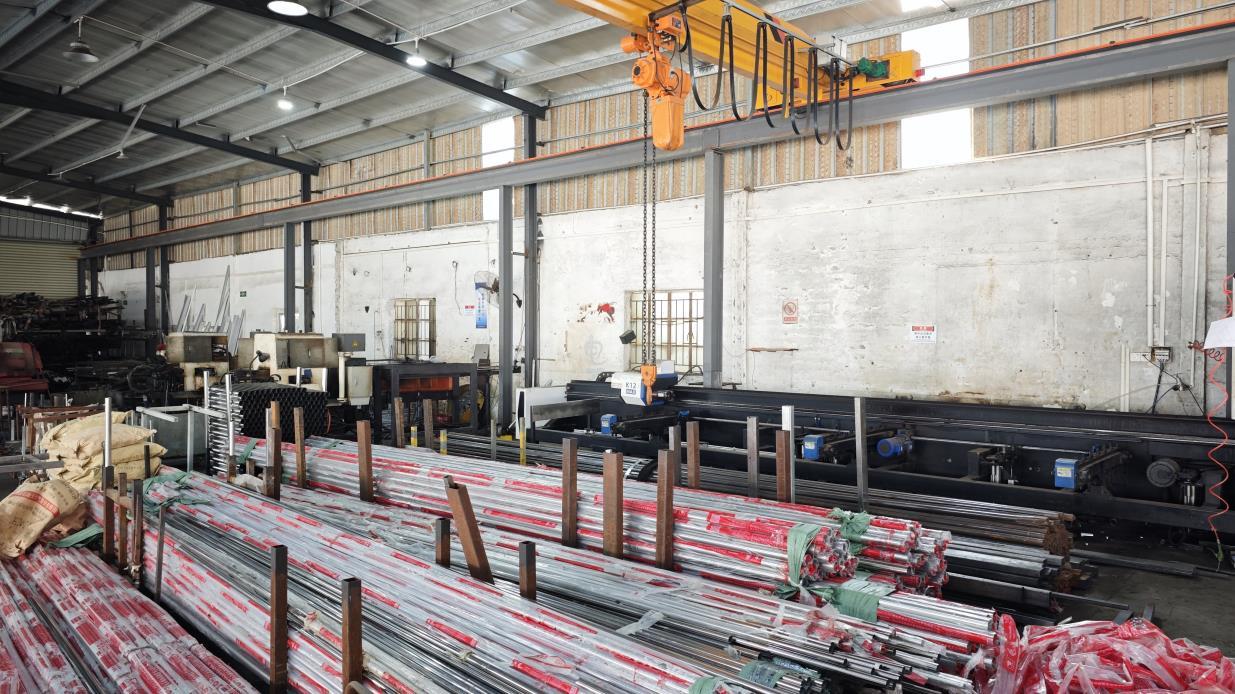
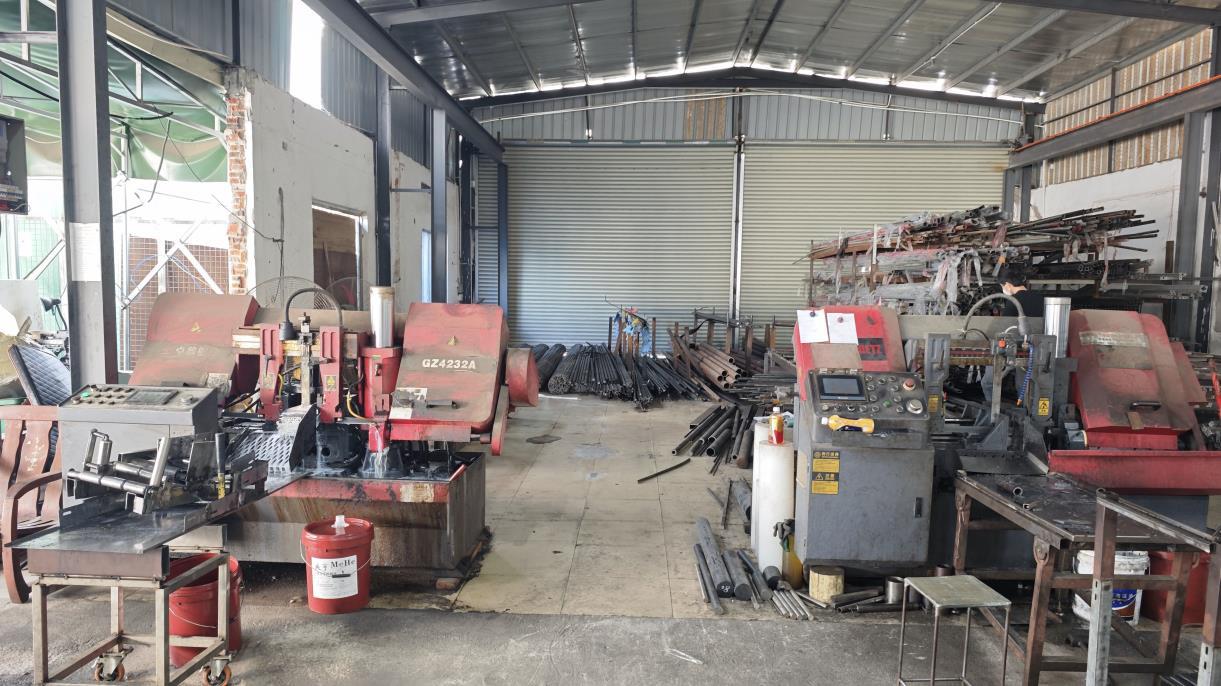
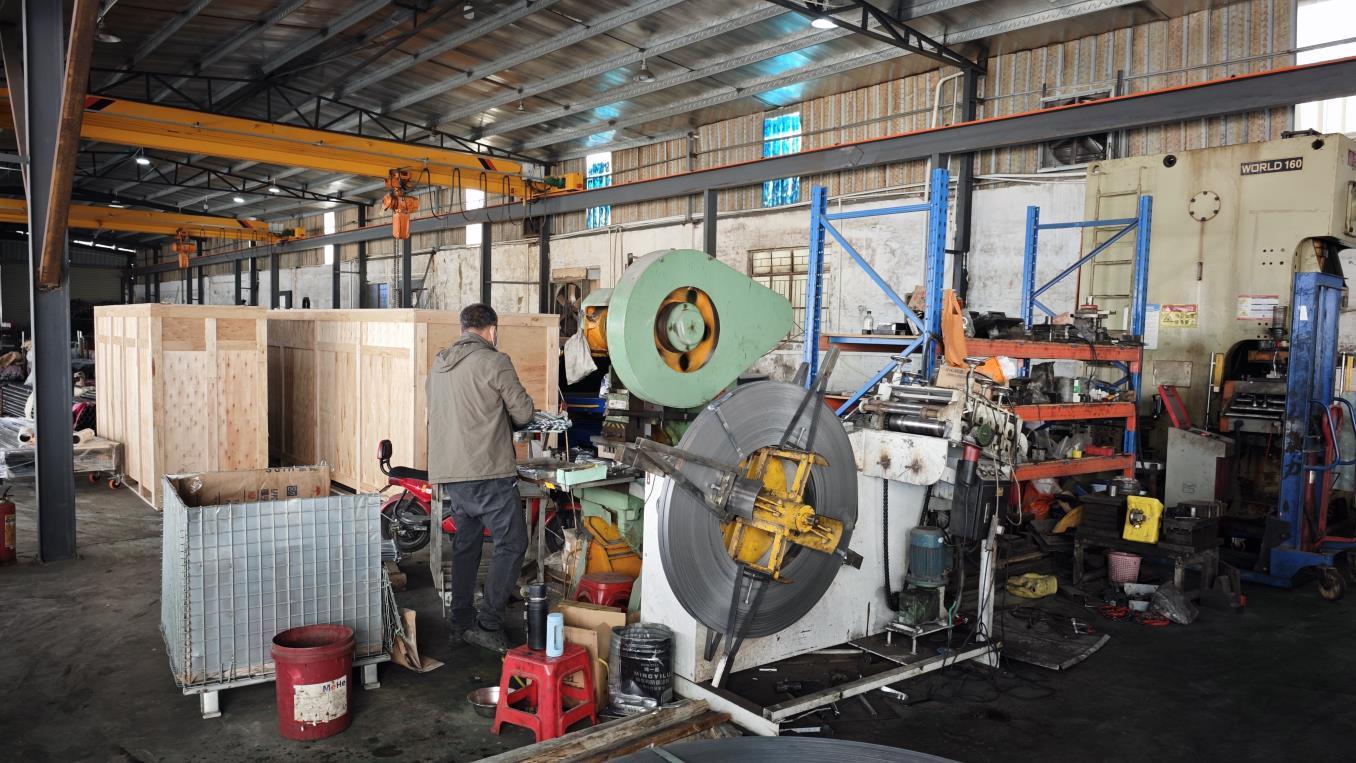
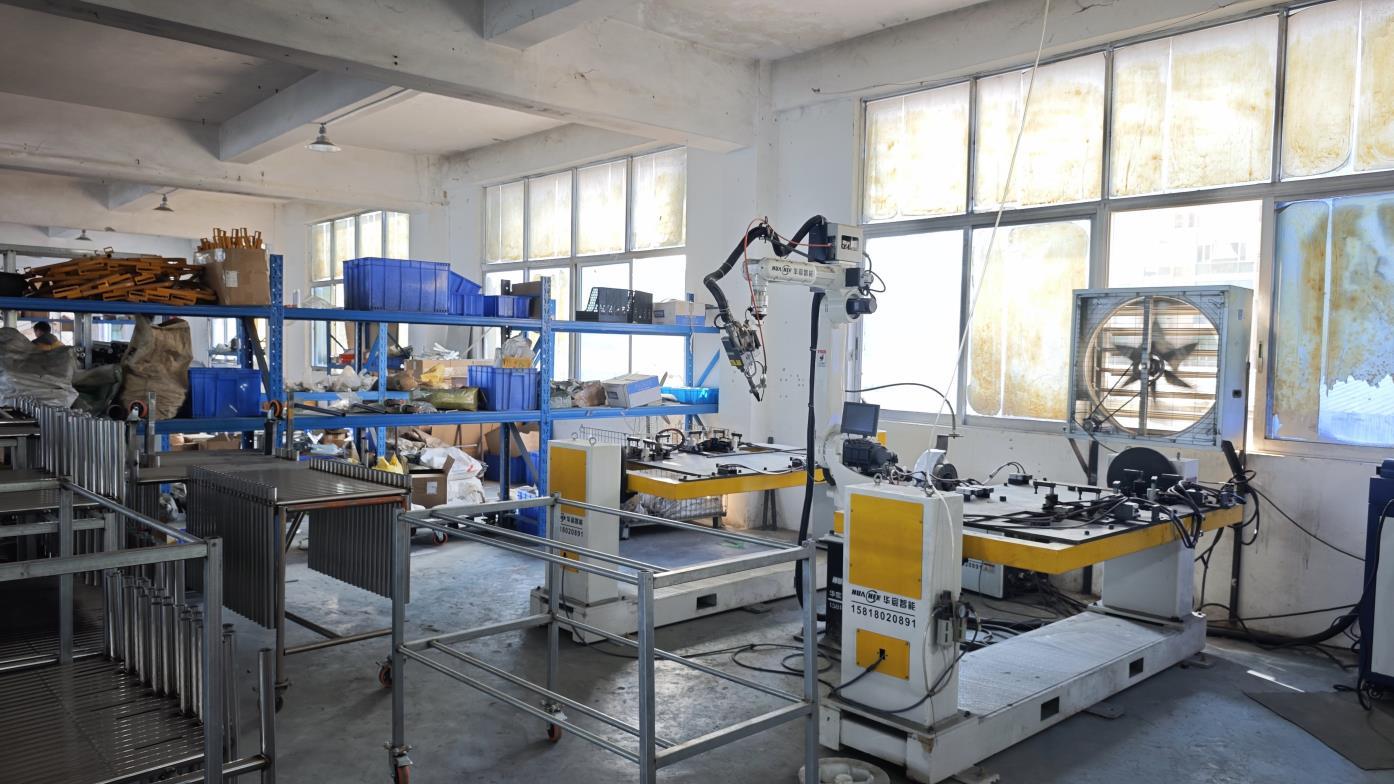
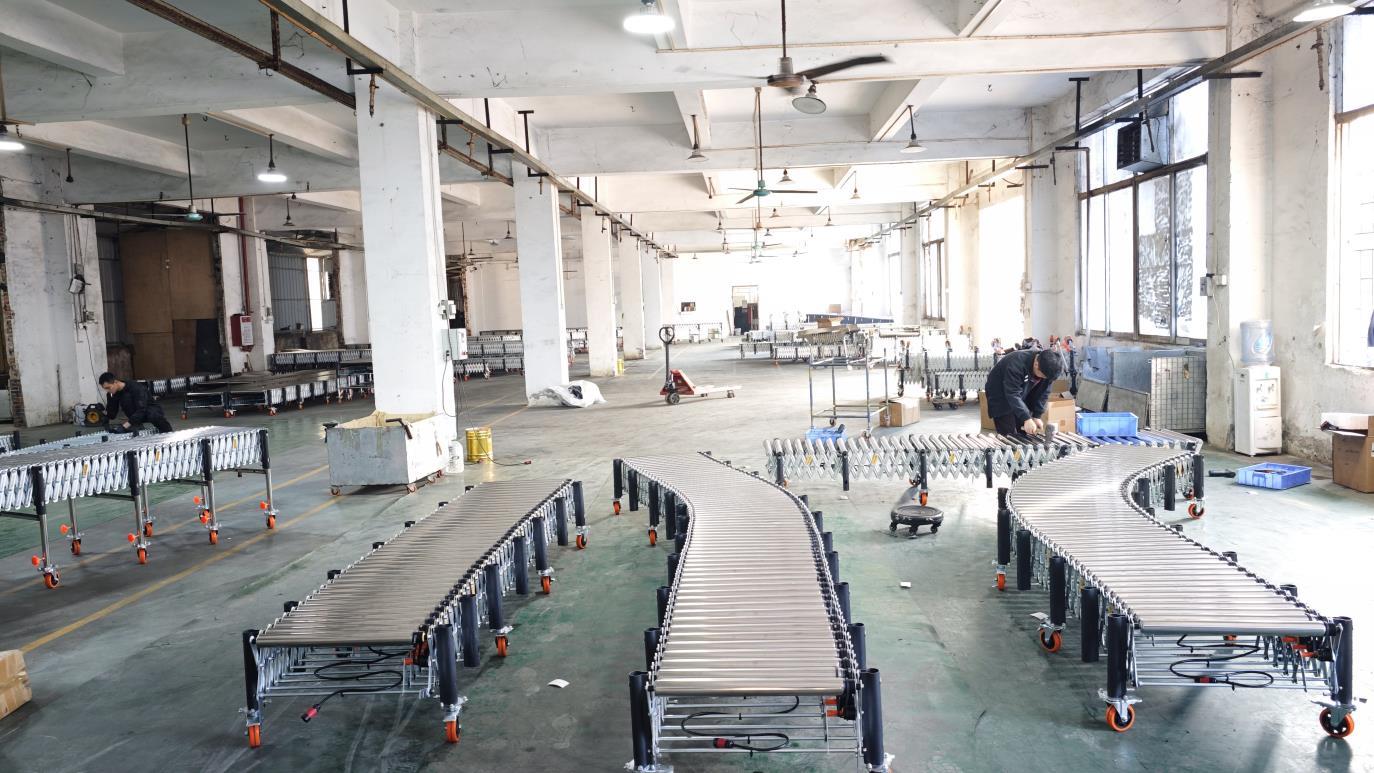
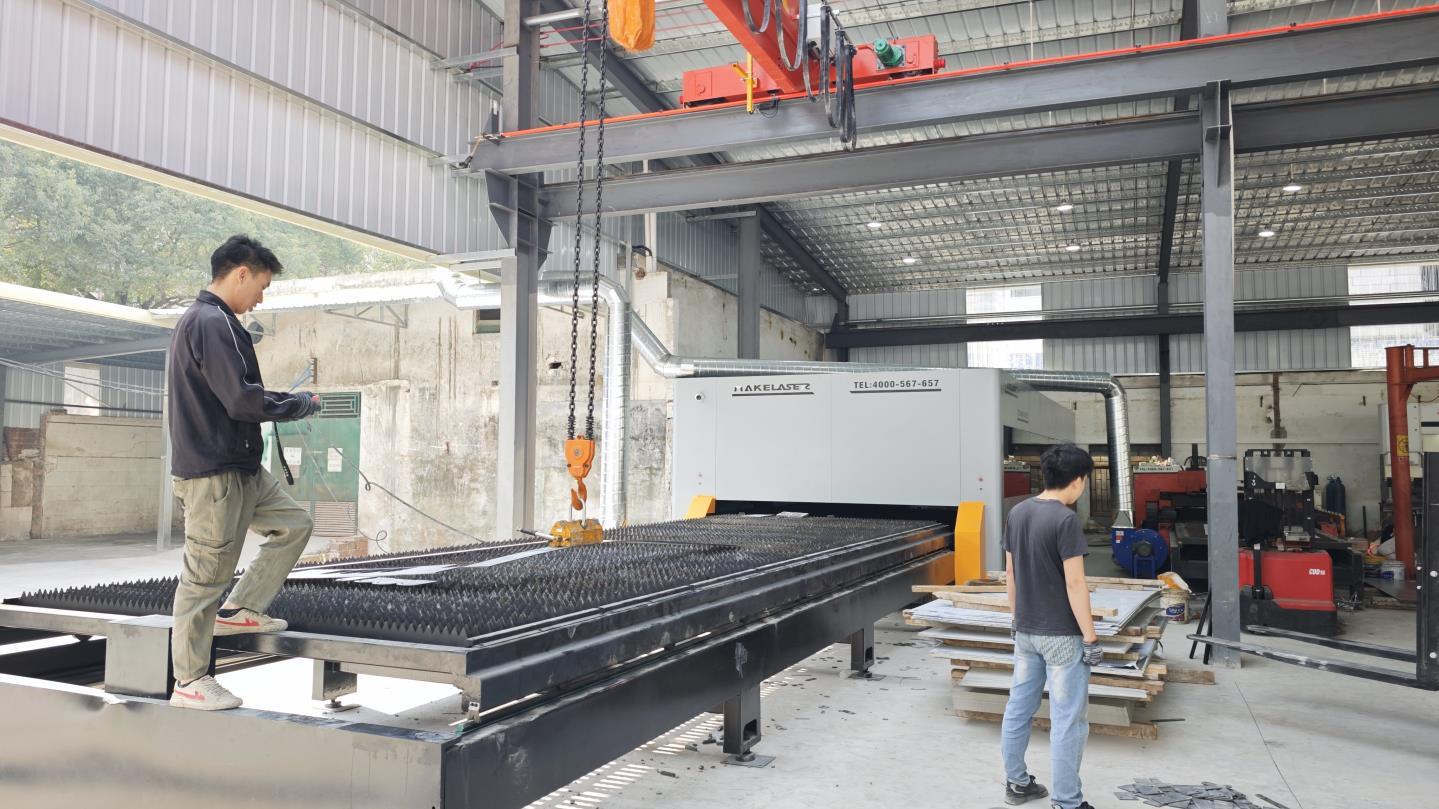
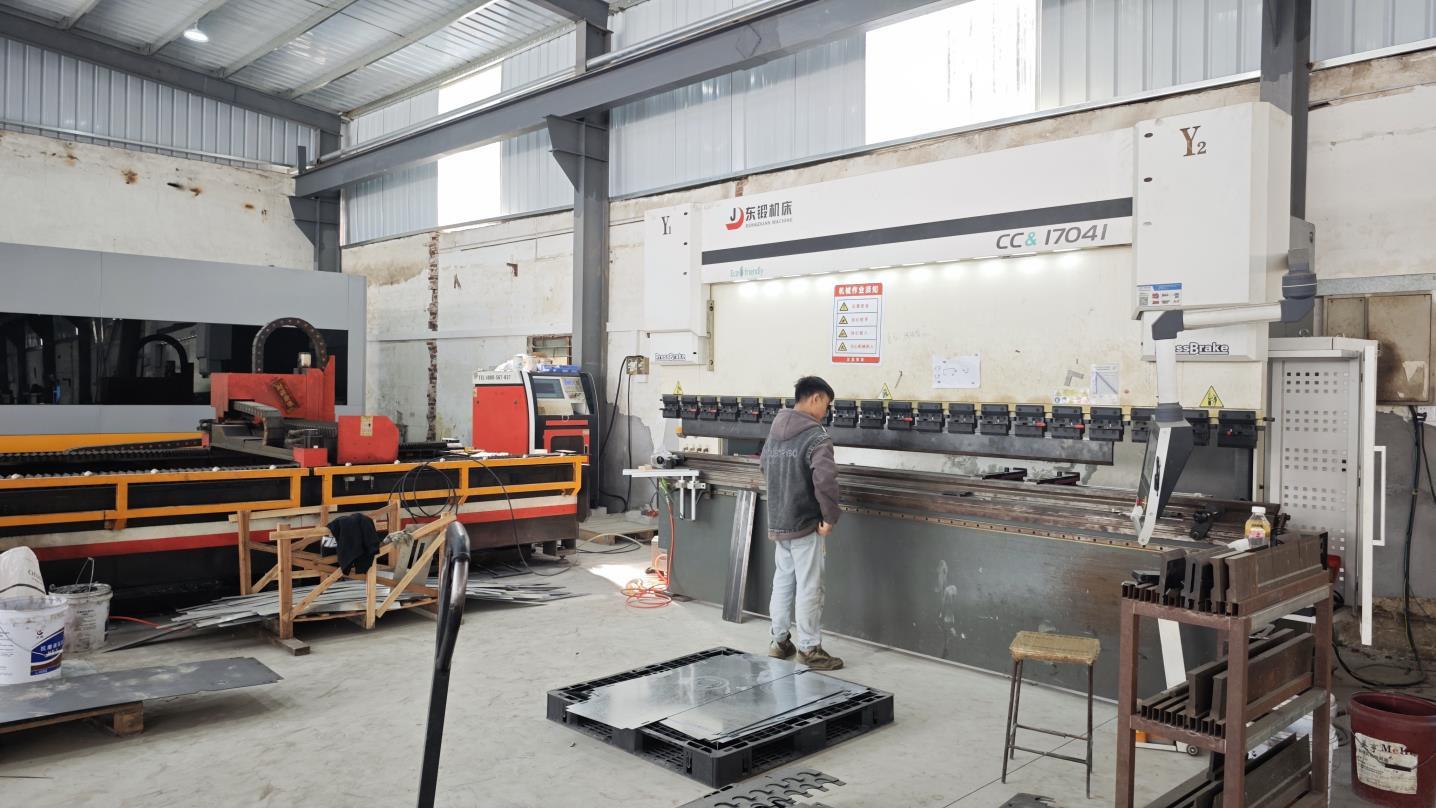
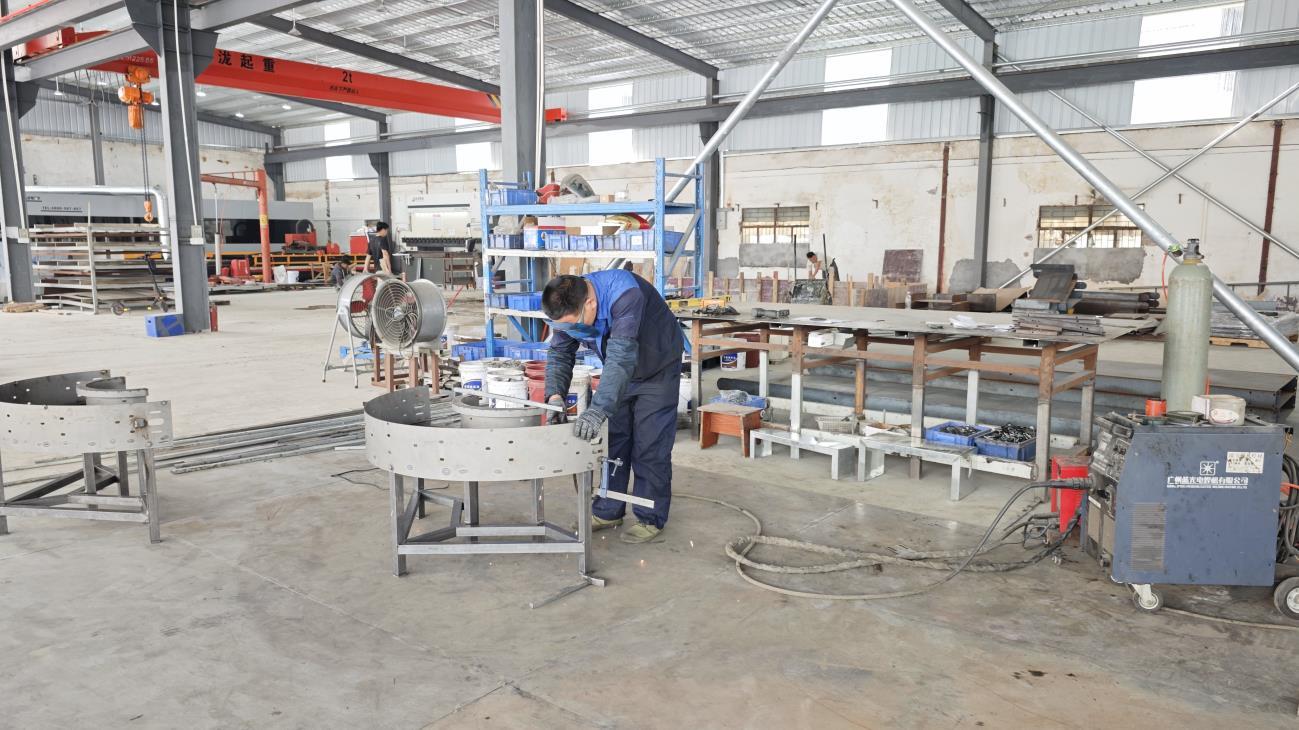
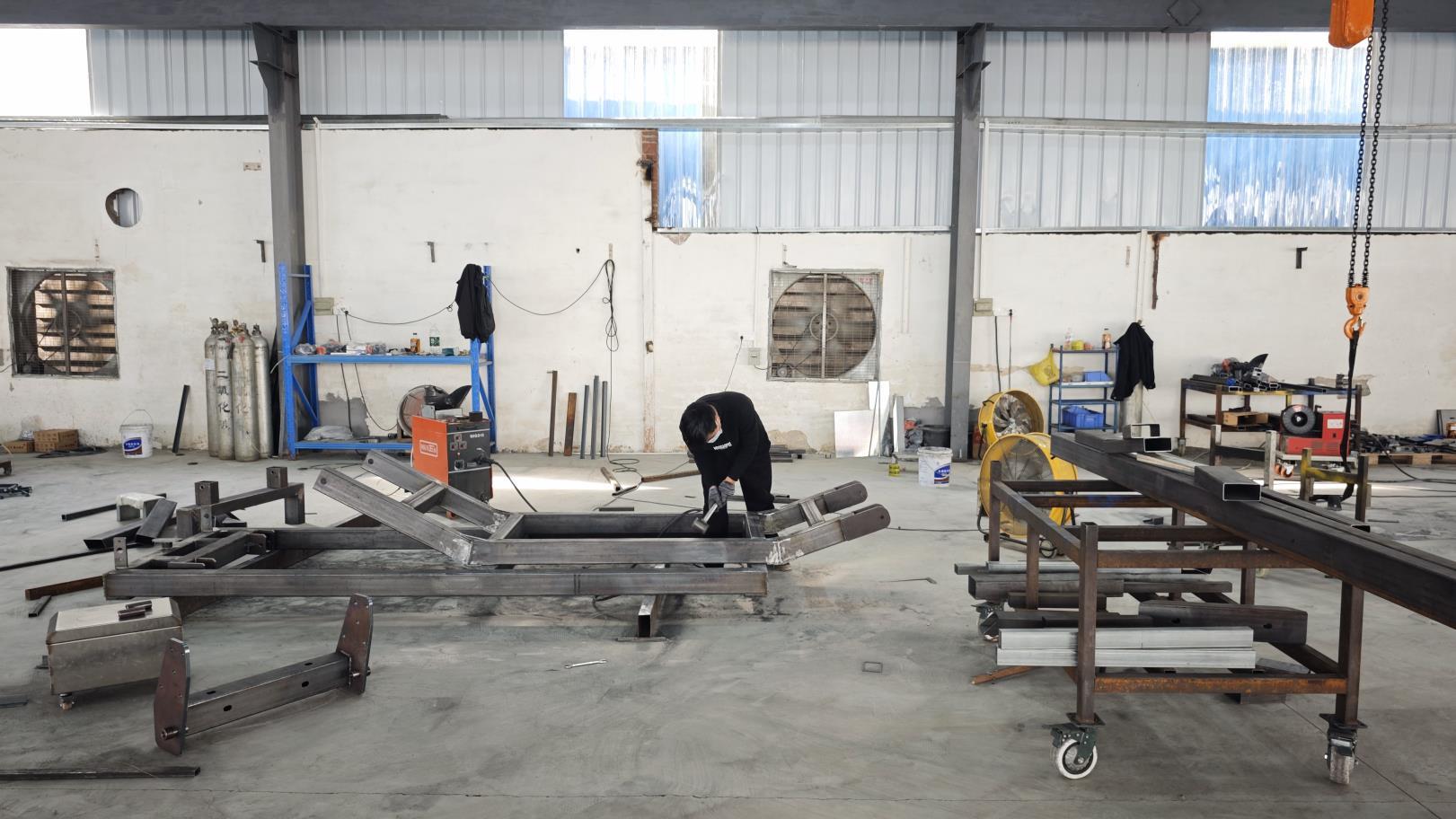
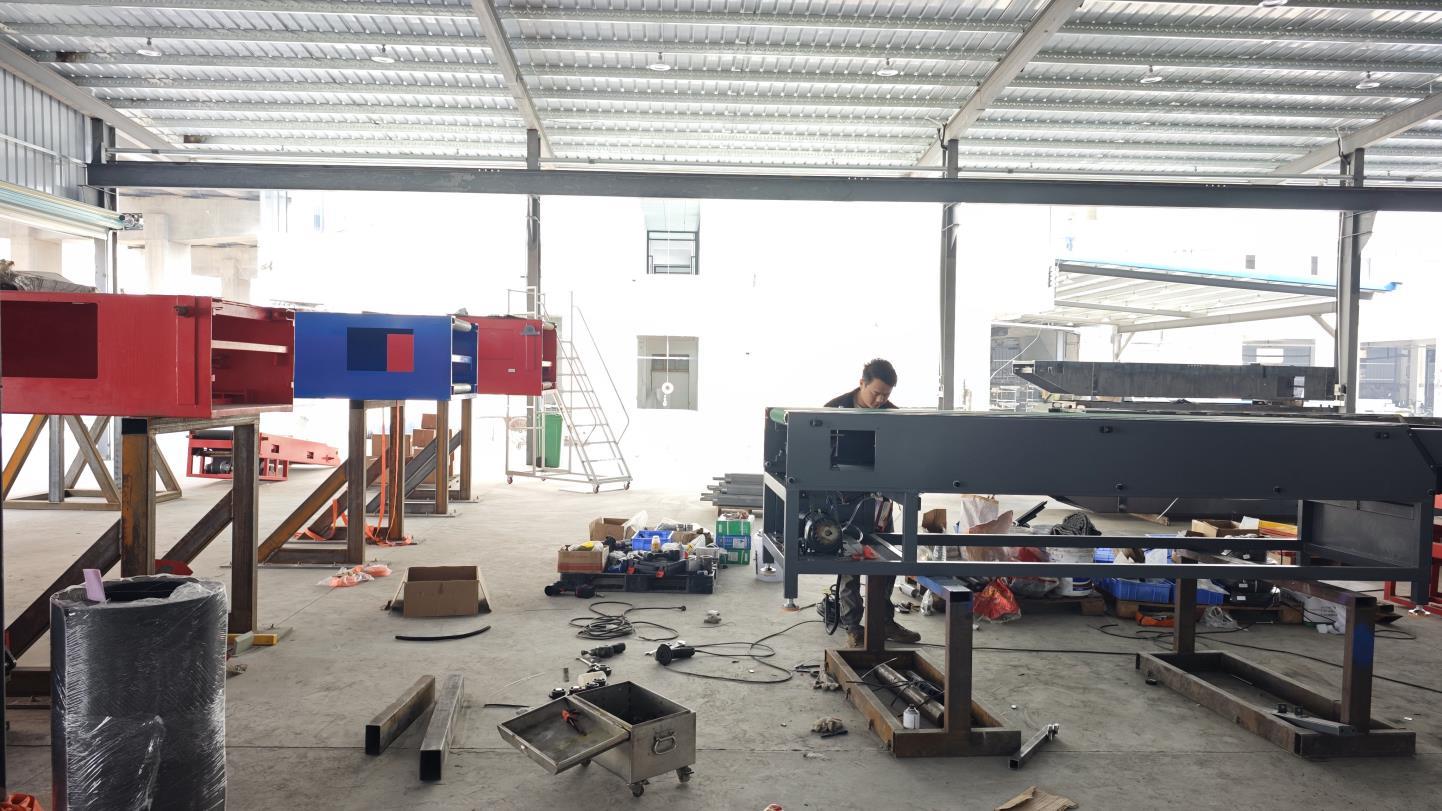
China's industrial clustering has made it a global hub for heavy machinery components. Sourcing forklift attachments and storage racking structures from leading Chinese industrial centers like Hangzhou offers deep cost-to-performance ratio advantages. Chinese factories combine high-grade automation (such as continuous robotic welding and CNC plate cutting) with dense local supply chains.
This allows for swift delivery of structural systems, optimized zinc-coated intelligent racks, and custom components, matching the structural needs of modern manufacturing, cold storage, and logistics operations.
| Production Metric | Chinese Agile Hubs | Traditional Western Suppliers |
|---|---|---|
| Custom Engineering Cycle | 2 - 4 Weeks | 8 - 12 Weeks |
| Raw Material Procurement | Local Steel Hubs | Import-dependent Alloys |
| Welding Automation | Full CNC robotic cells | Partial manual processing |
| TCO (Total Cost of Ownership) | High Savings (30-40%) | Standard pricing models |
Operating globally requires adherence to international safety metrics and responsive field engineering support.
All industrial equipment must conform to design criteria preventing structural deformation under dynamic fatigue, ensuring safety in demanding logistic depots.
In the North American region, strict regulatory frameworks require precise de-rating documentation and capacity data plates on the truck.
EU markets dictate that attachments comply with Machinery Directive 2006/42/EC, validating structural welds, overload testing, and hazard containment protocols.
How industrial organizations optimize material handling across specialized industrial verticals.
Requires attachments and racking systems that resist low temperatures. Surface treatments like hot-dip galvanization and low-viscosity hydraulic oils prevent mechanical seizing and structural cracking down to -30°C.
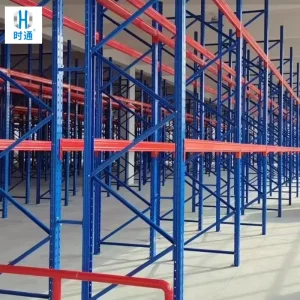
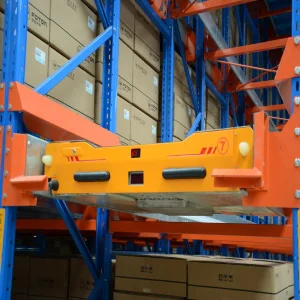
Double-pallet handlers and push-pull mechanisms speed up trailer loading cycles. Combining these with high bay racking systems helps maximize cubic space efficiency.
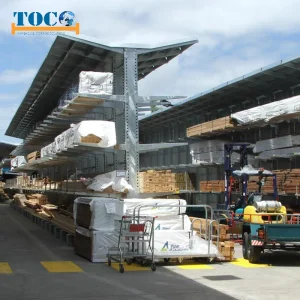
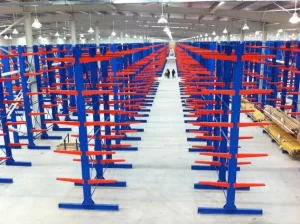
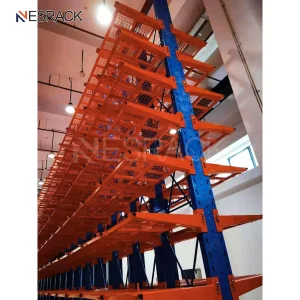
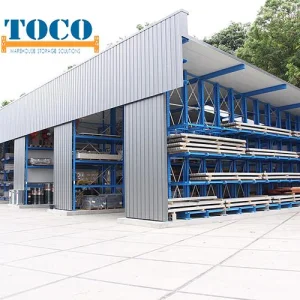
Long structural loads like pipes, sheets, and profiles are moved using specialized heavy-duty boom attachments. These setups work in tandem with cantilever storage systems.
The material handling sector is moving towards digital, automated ecosystems. The integration of sensors, telemetry, and automated interfaces on forklift attachments is a key driver for this shift. Modern attachments feature dynamic pressure adjustment systems to prevent crushing fragile items like paper rolls, while built-in weight sensors feed data directly to Warehouse Management Systems (WMS).
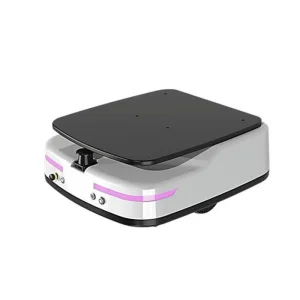
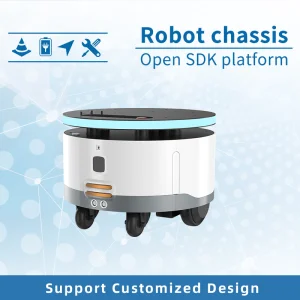
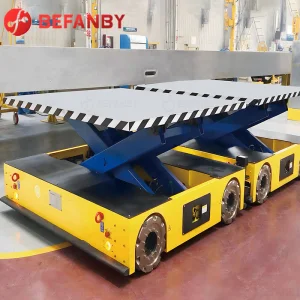
This tech-driven approach is also changing autonomous logistics. In automated facilities, specialized AMR and laser-guided AGV systems handle heavy-load material transport, enabling continuous operations and reducing reliance on manual labor.
Integrating attachments and robotic systems helps enterprises create a connected warehouse environment.
Intelligent warehousing, modern logistics solutions, and advanced steel manufacturing capabilities.
Hangzhou RAB Logistics Co., Ltd. is a professional provider of intelligent warehousing and modern logistics solutions. Built on years of industry experience and continuous technological innovation, RAB Logistics is committed to helping enterprises transform traditional warehouse operations into highly automated, data-driven, and efficient supply chain systems.
Since its establishment, the company has focused on integrating advanced logistics technologies such as Warehouse Management Systems (WMS), Automated Storage and Retrieval Systems (AS/RS), AGV/AMR robotics, intelligent sorting systems, and real-time data visualization platforms. These solutions enable clients to achieve higher operational accuracy, faster fulfillment speed, and significantly reduced logistics costs.
With strong capabilities in system consulting, solution design, equipment integration, software development, and project implementation, Hangzhou RAB Logistics Co., Ltd. delivers end-to-end intelligent logistics solutions tailored to diverse industry needs. Our expertise ensures seamless coordination between hardware and software, creating scalable and future-ready warehouse infrastructures.
RAB Logistics serves a wide range of industries including manufacturing, cross-border e-commerce, fast-moving consumer goods (FMCG), pharmaceuticals, and automotive parts. Our solutions are trusted for their stability, innovation, and proven performance in complex, high-demand environments.
By choosing Hangzhou RAB Logistics Co., Ltd., you are selecting a long-term strategic partner dedicated to building smarter warehouses, optimizing supply chains, and empowering businesses with sustainable competitive advantages in the era of intelligent logistics.


Answers to complex engineering questions regarding forklift attachments, structural safety, and custom manufacturing.
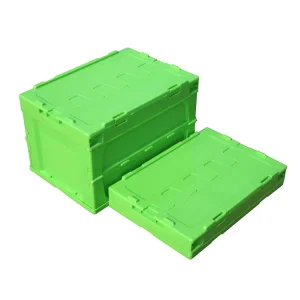
Engineered infrastructure and robotic platforms designed to integrate with high-performance forklift attachments and material handling setups.
 RAB Logistics