Explore our highly integrated equipment engineered for modern automation, structured warehousing, and high-capacity loading docks.
In modern industrial logistics, the loading dock is the primary bottleneck or the most efficient throughput terminal. As global trade increases and supply chains transition to just-in-time (JIT) fulfillment paradigms, the demand for high-reliability material handling equipment has escalated. Custom OEM Dock Levelers act as the vital bridge linking a facility's static floor to the dynamic height variables of inbound and outbound transport vehicles. By compensating for the height disparity between truck beds and the concrete floor, dock levelers facilitate the uninterrupted transfer of goods, preventing heavy-duty forklifts, electric pallet jacks, and AGVs from suffering structural wear during loading operations.
For large-scale warehouses, distribution centers, and manufacturing plants, selecting the appropriate dock leveling system is not merely a purchase of steel and hydraulics; it is a critical calculation of duty cycles, dynamic loading capacities, environmental sealing properties, and software-integrated safety interlocks. Failing to specify the correct leveler leads to premature deck deformation, structural fatigue, and hazardous workspace conditions. As a leading logistics integrator and industrial manufacturer, Hangzhou RAB Logistics Co., Ltd. delivers customized industrial loading solutions tailored to withstand the most demanding structural challenges.
Every industrial loading facility possesses unique spatial constraints and operational throughput goals. Consequently, dock levelers are classified into several structural variations to address specific localized application scenarios:
| Type of Leveler | Operation Method | Typical Capacity Range | Best Application Scenario | Maintenance Profile |
|---|---|---|---|---|
| Hydraulic Dock Levelers | Electro-hydraulic cylinders (push-button) | 10,000 lbs to 80,000 lbs+ | High-volume distribution hubs, cold storage docks | Low (Self-lubricating cylinders, sealed systems) |
| Mechanical Dock Levelers | Mechanical pull-chain & spring counterbalance | 20,000 lbs to 50,000 lbs | Non-powered remote sites, standard dry storage | Moderate (Requires regular spring tension adjustment) |
| Air-Powered Dock Levelers | Inflatable high-volume low-pressure air bag | 20,000 lbs to 50,000 lbs | Chemical plants, extreme dust or hazardous zones | Low to Moderate (Simple cleanout needed) |
| Telescopic Lip Levelers | Precision hydraulic cylinder with sliding lip extension | 30,000 lbs to 80,000 lbs | Cold-chain storage, end-loading rear cargo doors | Low (High precision, protected sliding mechanisms) |
Hydraulic Systems: These levelers feature dual-hydraulic cylinders—one for deck lift and another for independent lip control. The hydraulic approach maximizes convenience and operator safety. Built-in velocity fuses act as rapid fall-safe mechanisms, arresting the leveler's descent instantly if a truck pulls away prematurely while a forklift is on the deck.
Telescopic Lip Innovation: Unlike traditional hinged lips that swing down in an arc, telescopic levelers extend the lip in a straight horizontal line. This provides millimetric precision when placing the lip onto the rear edge of a vehicle cargo bed, which is crucial for maximizing cargo floor area utilization and facilitating optimal thermal isolation in climate-controlled environments.
Your Strategic Partner in Building Smarter Warehouses, Optimizing Supply Chains, and Enhancing Operational Reliability.
Hangzhou RAB Logistics Co., Ltd. is a professional provider of intelligent warehousing and modern logistics solutions. Built on years of industry experience and continuous technological innovation, RAB Logistics is committed to helping enterprises transform traditional warehouse operations into highly automated, data-driven, and efficient supply chain systems.
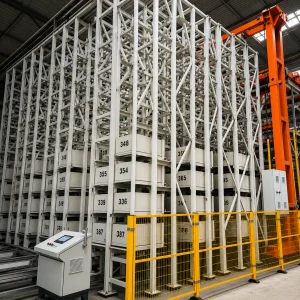
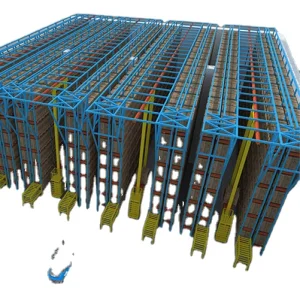
Since its establishment, the company has focused on integrating advanced logistics technologies such as Warehouse Management Systems (WMS), Automated Storage and Retrieval Systems (AS/RS), AGV/AMR robotics, intelligent sorting systems, and real-time data visualization platforms. These solutions enable clients to achieve higher operational accuracy, faster fulfillment speed, and significantly reduced logistics costs.
With strong capabilities in system consulting, solution design, equipment integration, software development, and project implementation, Hangzhou RAB Logistics Co., Ltd. delivers end-to-end intelligent logistics solutions tailored to diverse industry needs. Our expertise ensures seamless coordination between hardware and software, creating scalable and future-ready warehouse infrastructures.
RAB Logistics serves a wide range of industries including manufacturing, cross-border e-commerce, fast-moving consumer goods (FMCG), pharmaceuticals, and automotive parts. Our solutions are trusted for their stability, innovation, and proven performance in complex, high-demand environments.
By choosing Hangzhou RAB Logistics Co., Ltd., you are selecting a long-term strategic partner dedicated to building smarter warehouses, optimizing supply chains, and empowering businesses with sustainable competitive advantages in the era of intelligent logistics.
See inside our state-of-the-art Chinese manufacturing plant, utilizing automated robotics, precise CNC systems, and skilled welding craftsmanship.
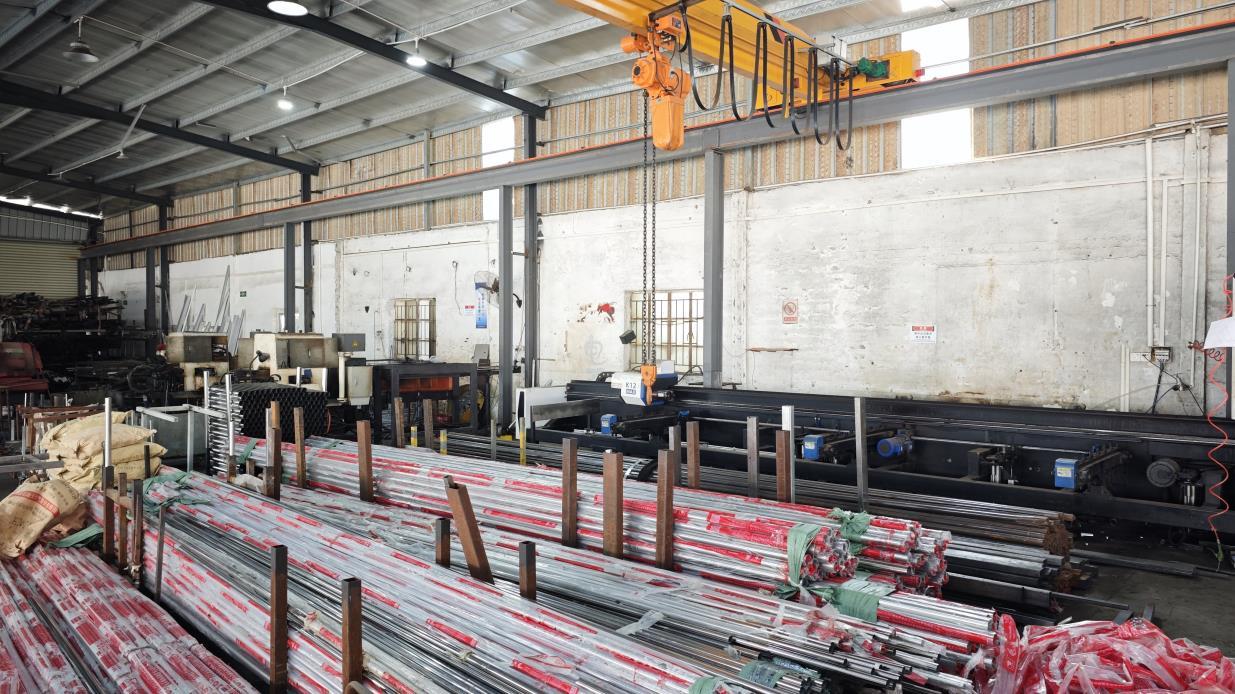
Cutting
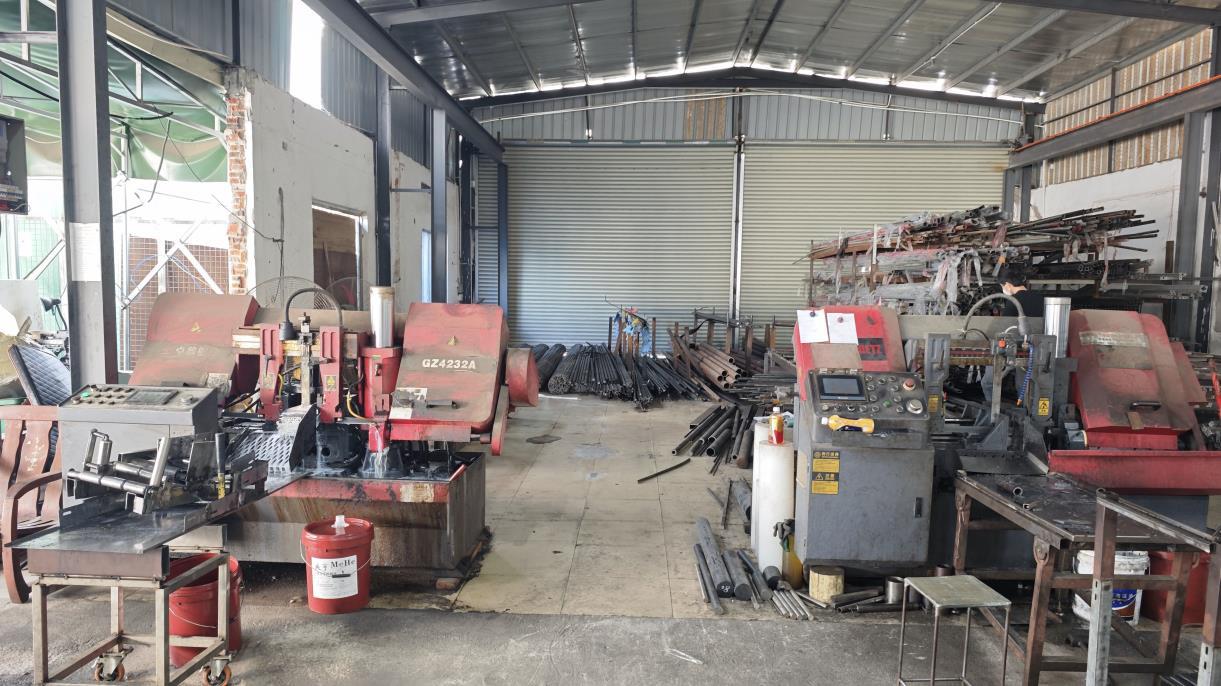
Fully Automatic CNC Sawing
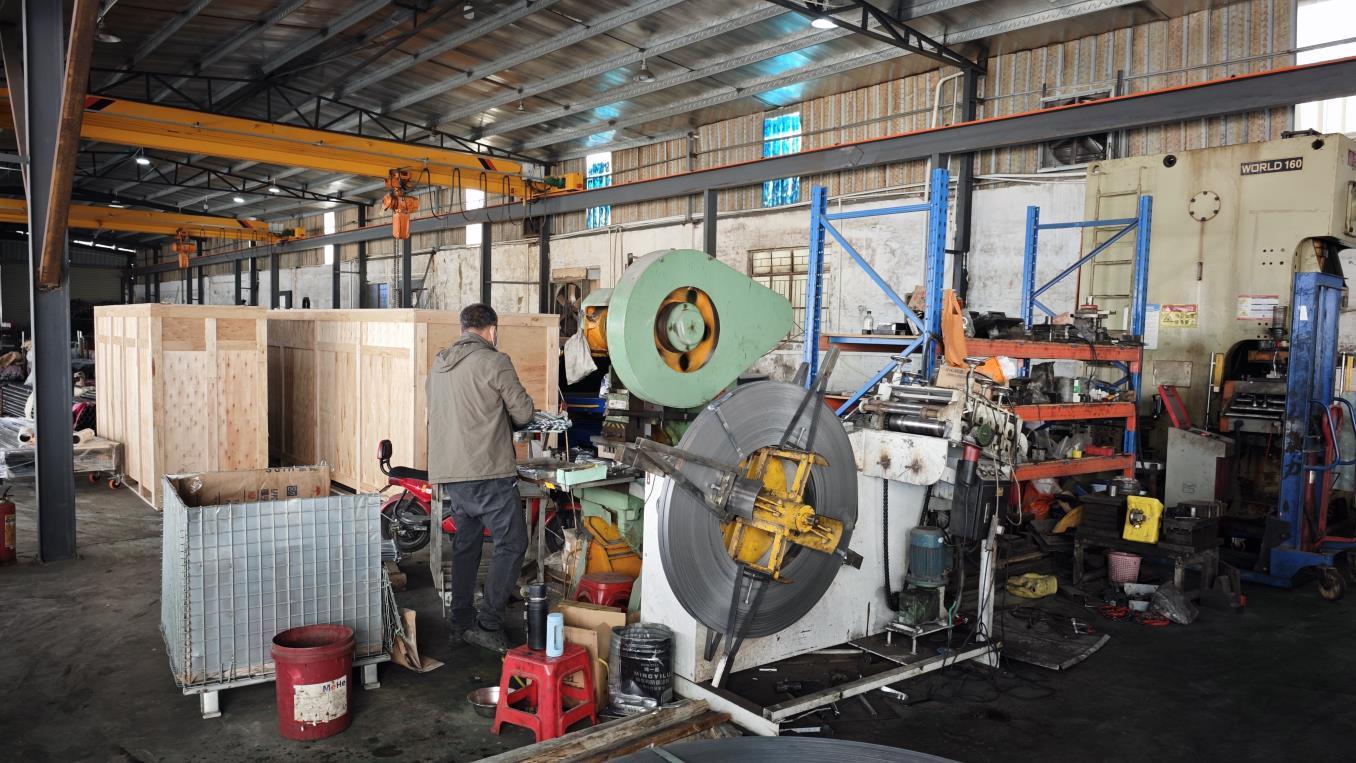
Stamping
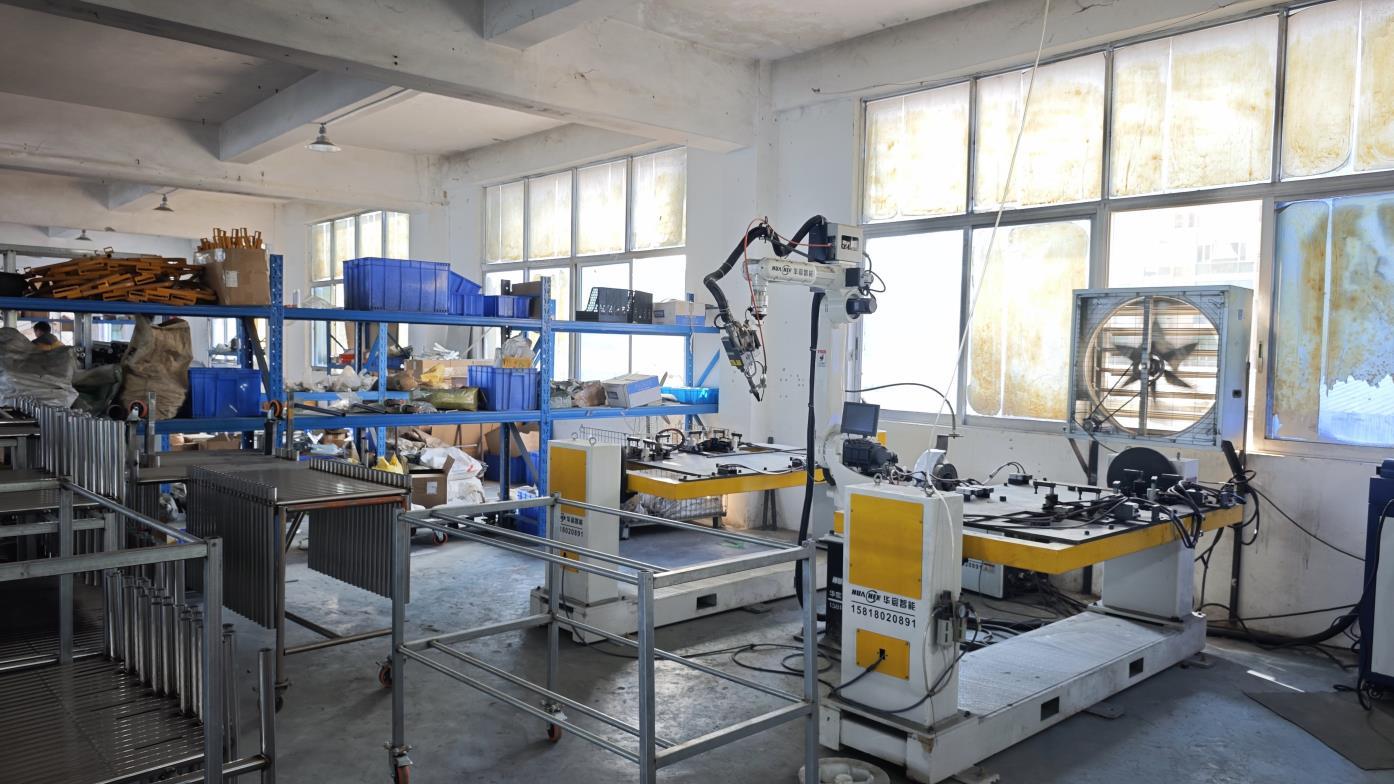
Welding
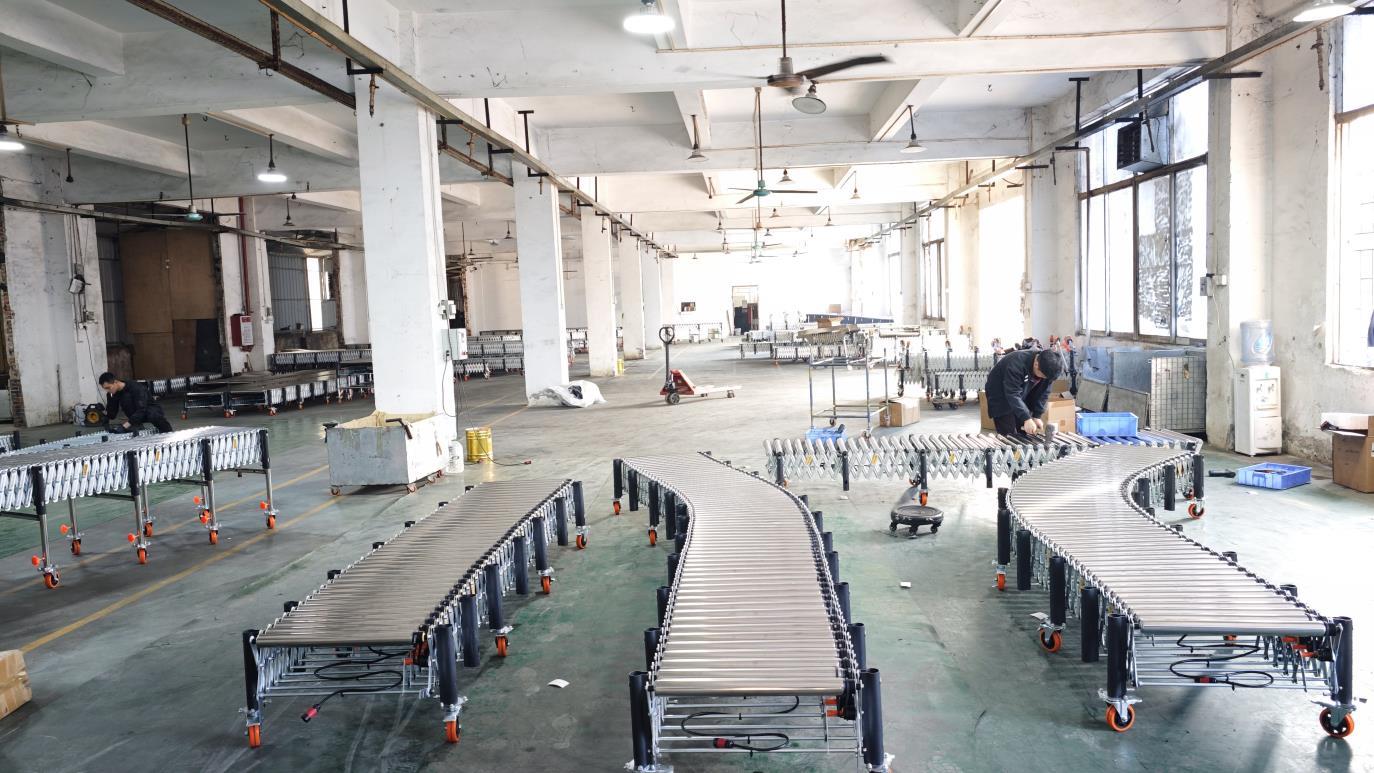
Assembling
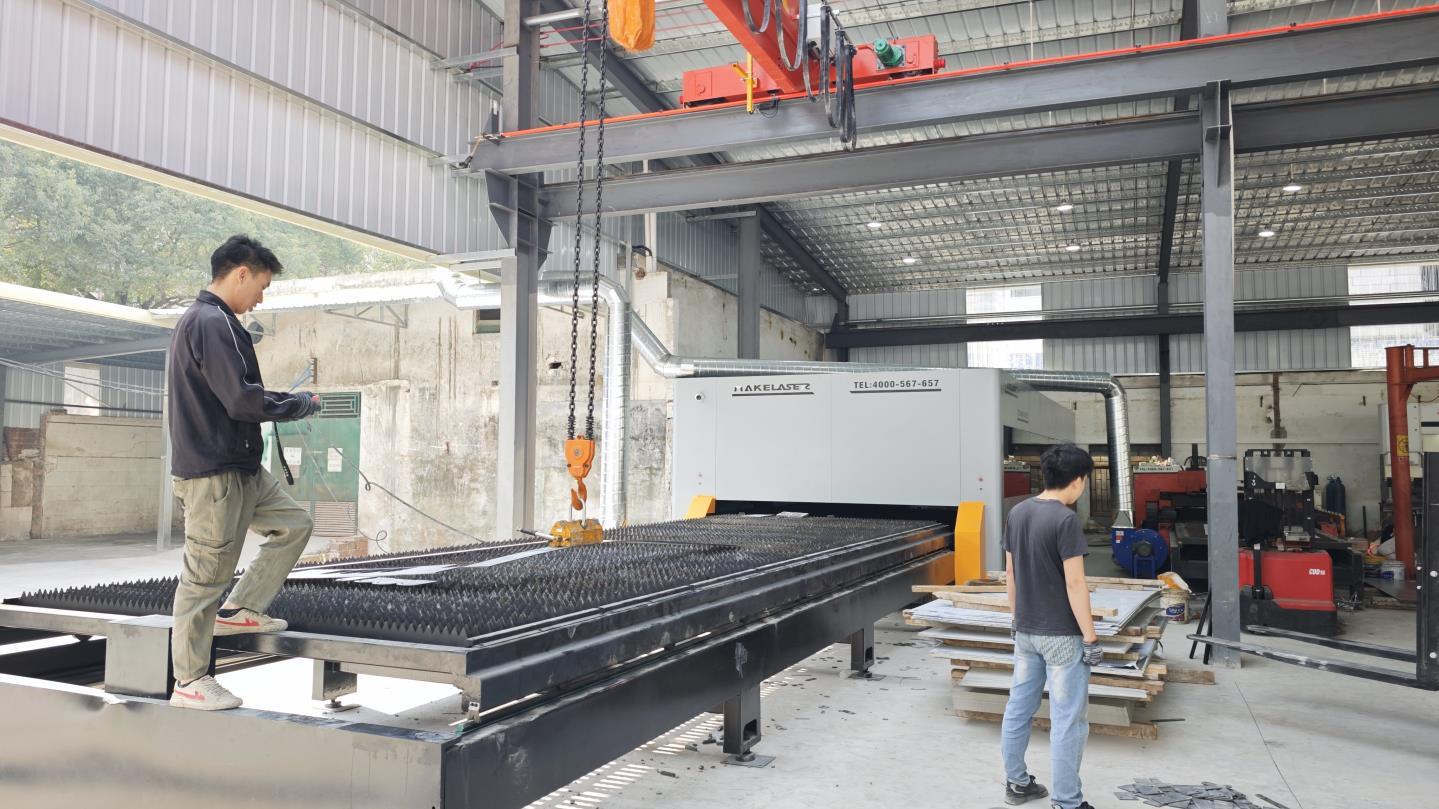
CNC Cutting
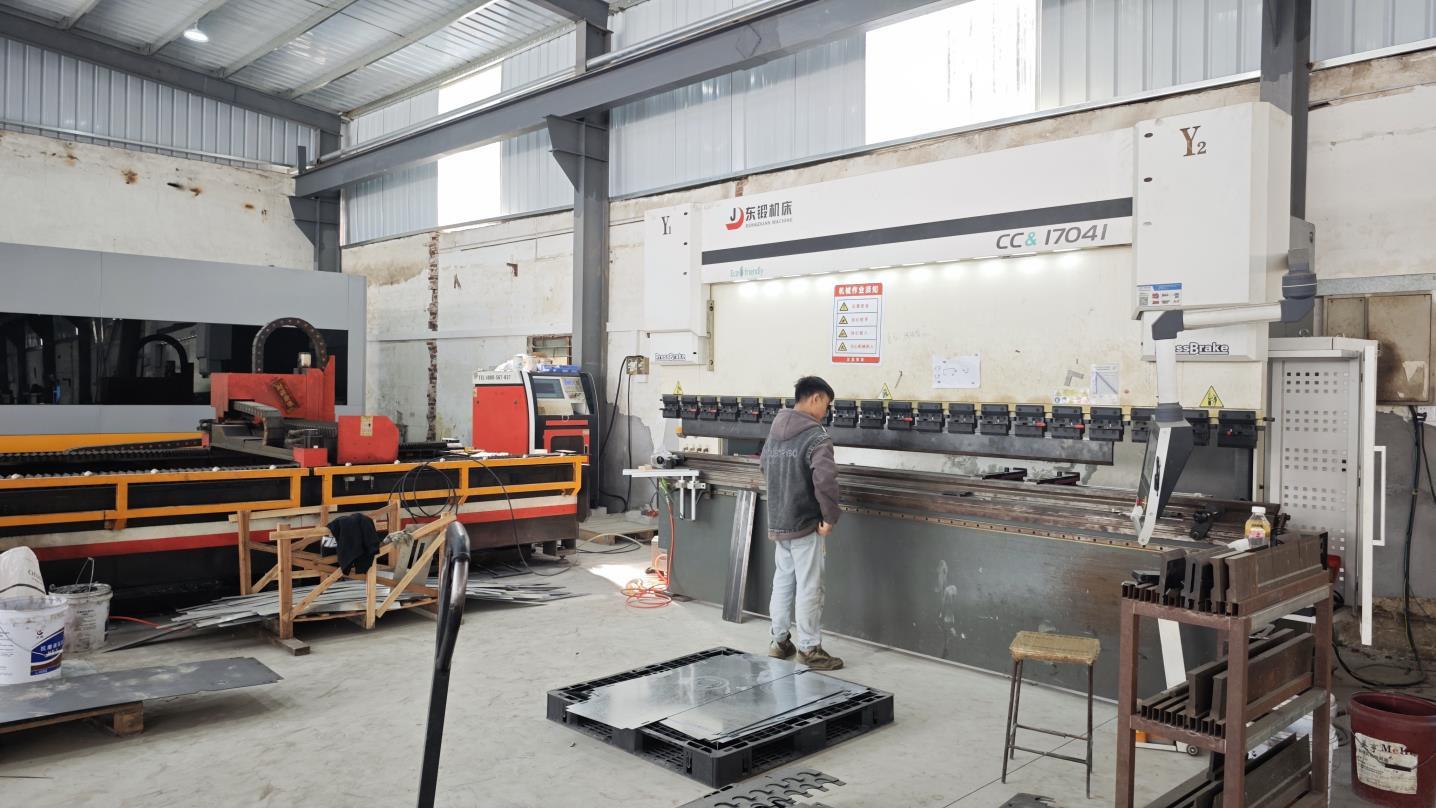
Bending
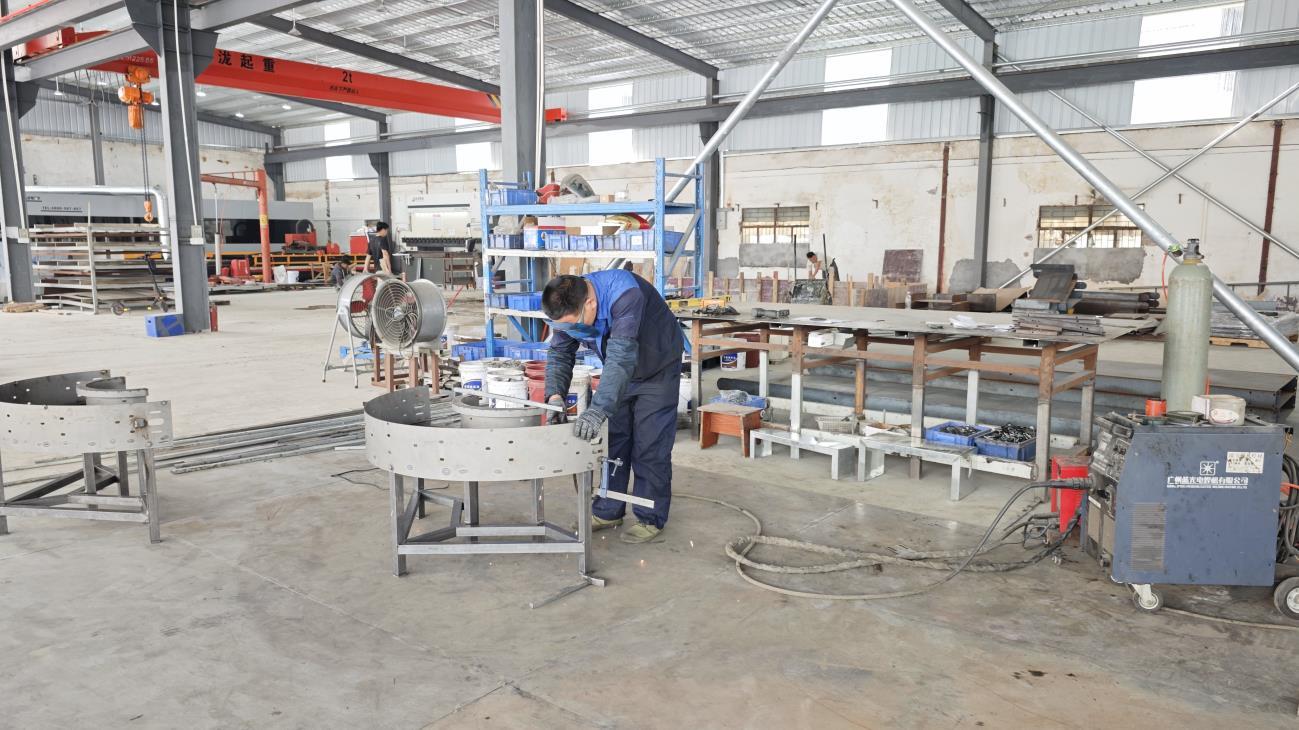
Welding
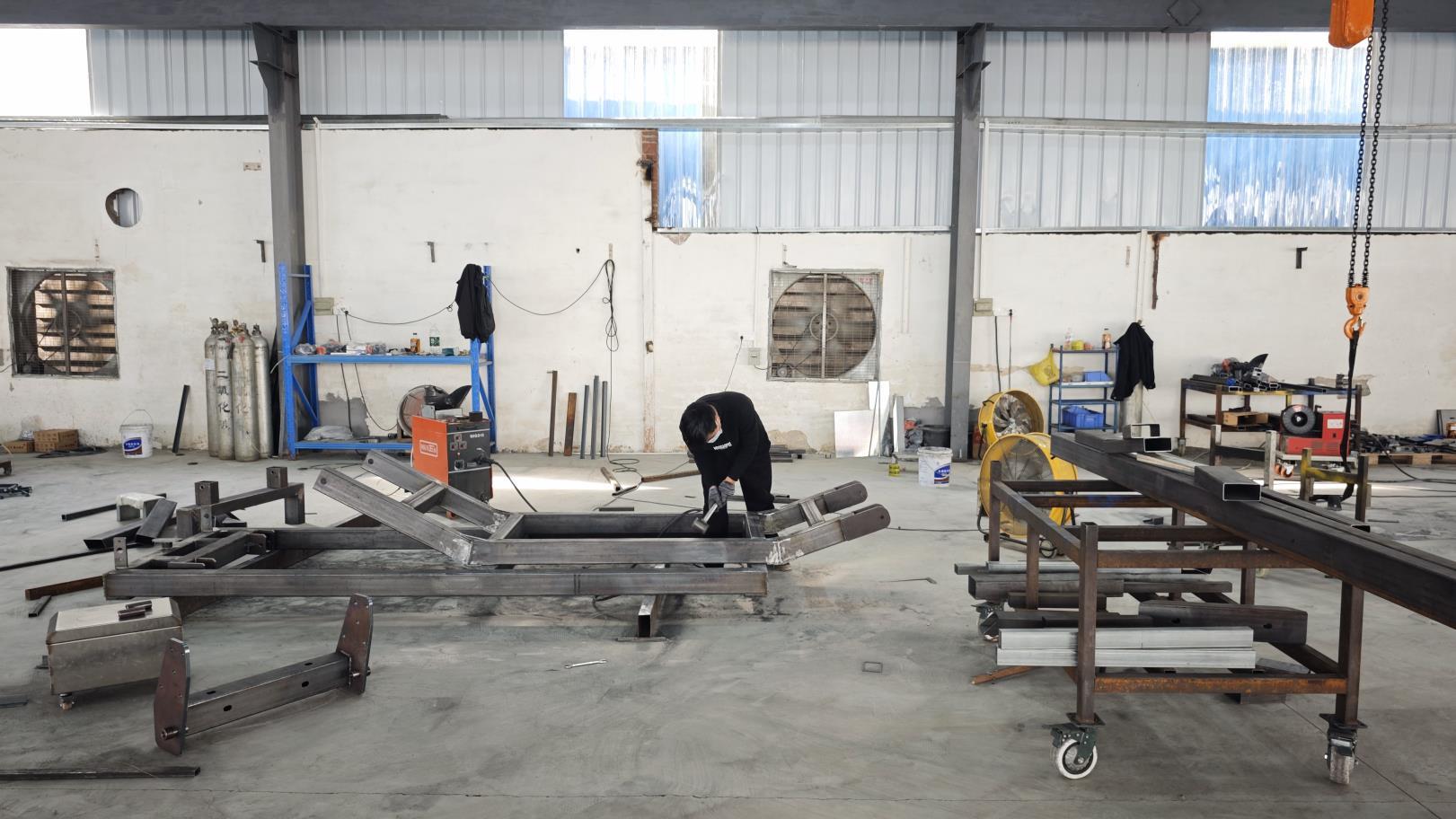
Polishing
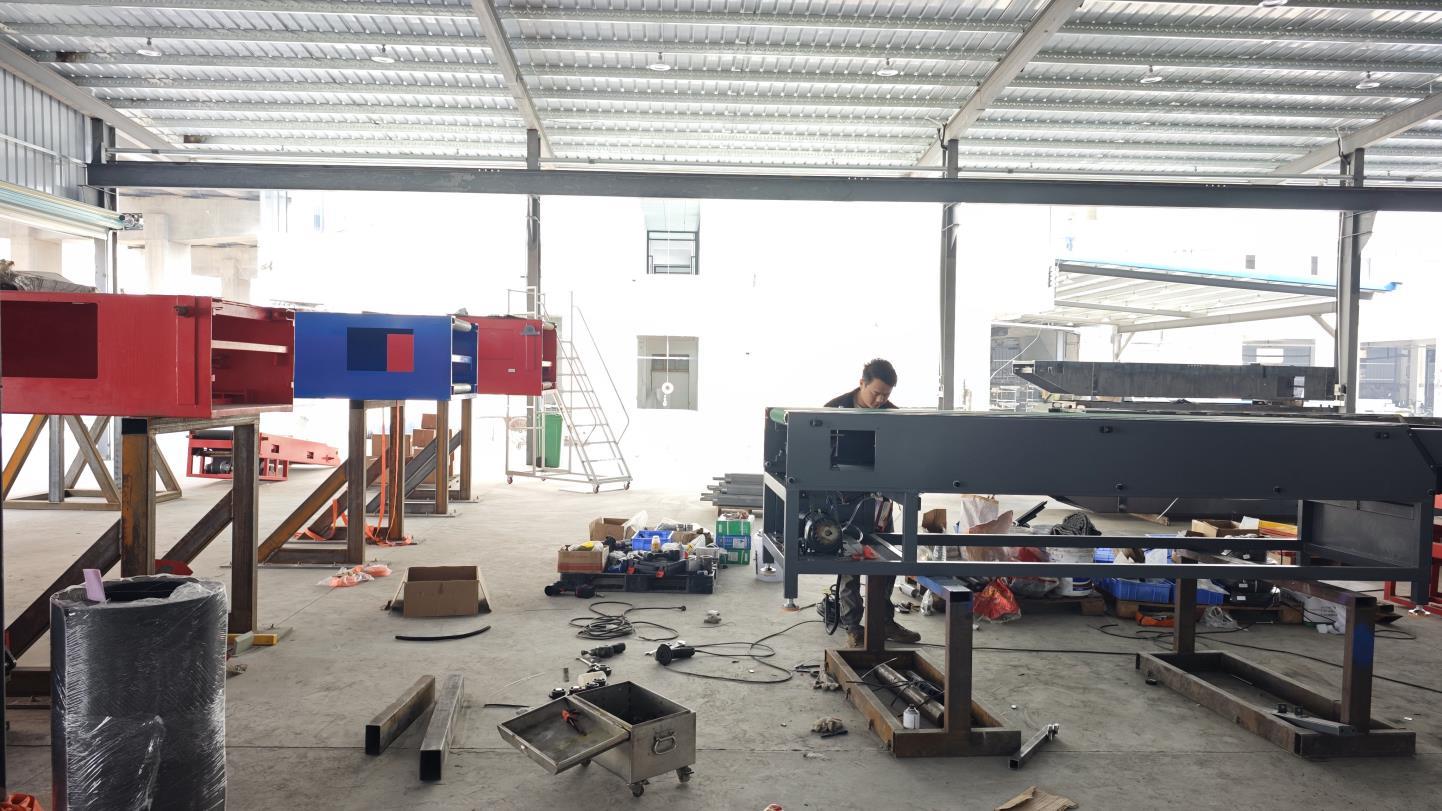
Assembling
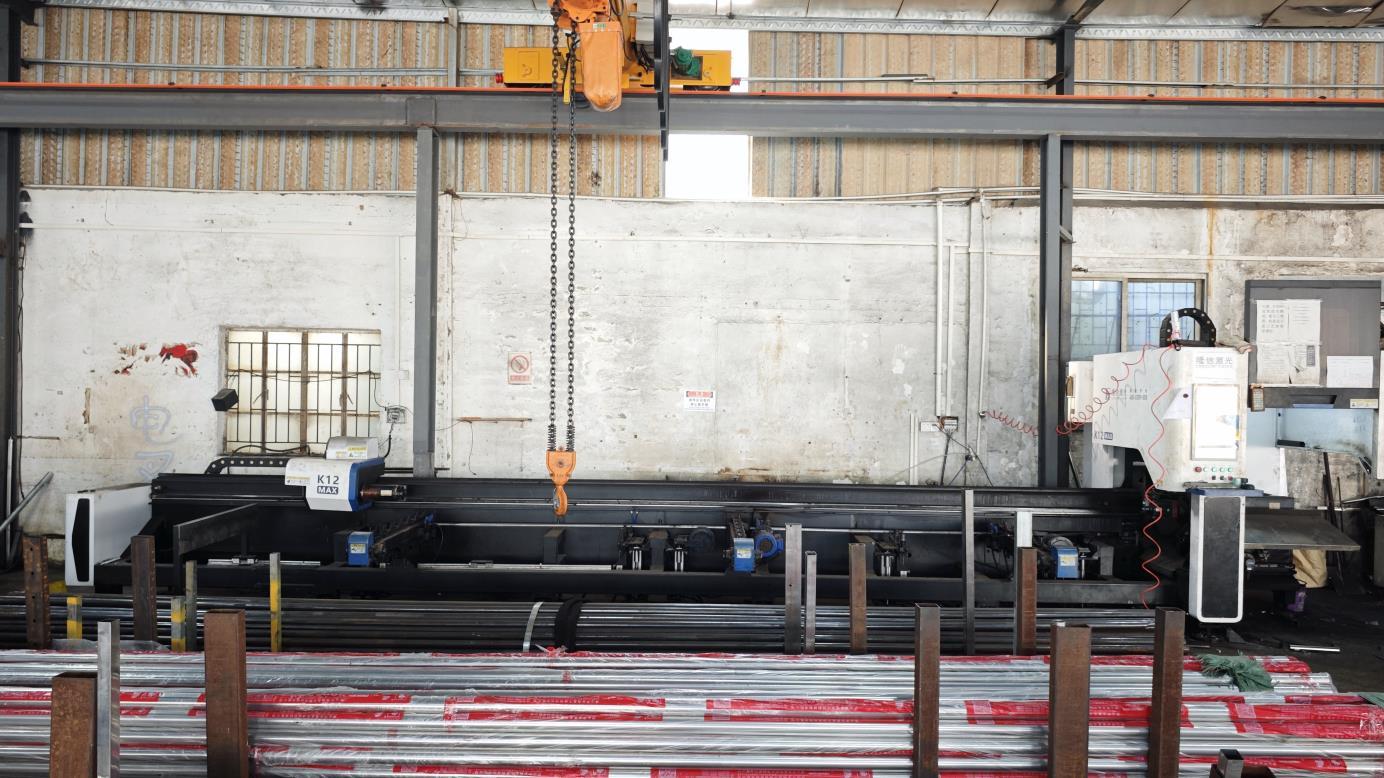
Automatic Cutting Machine
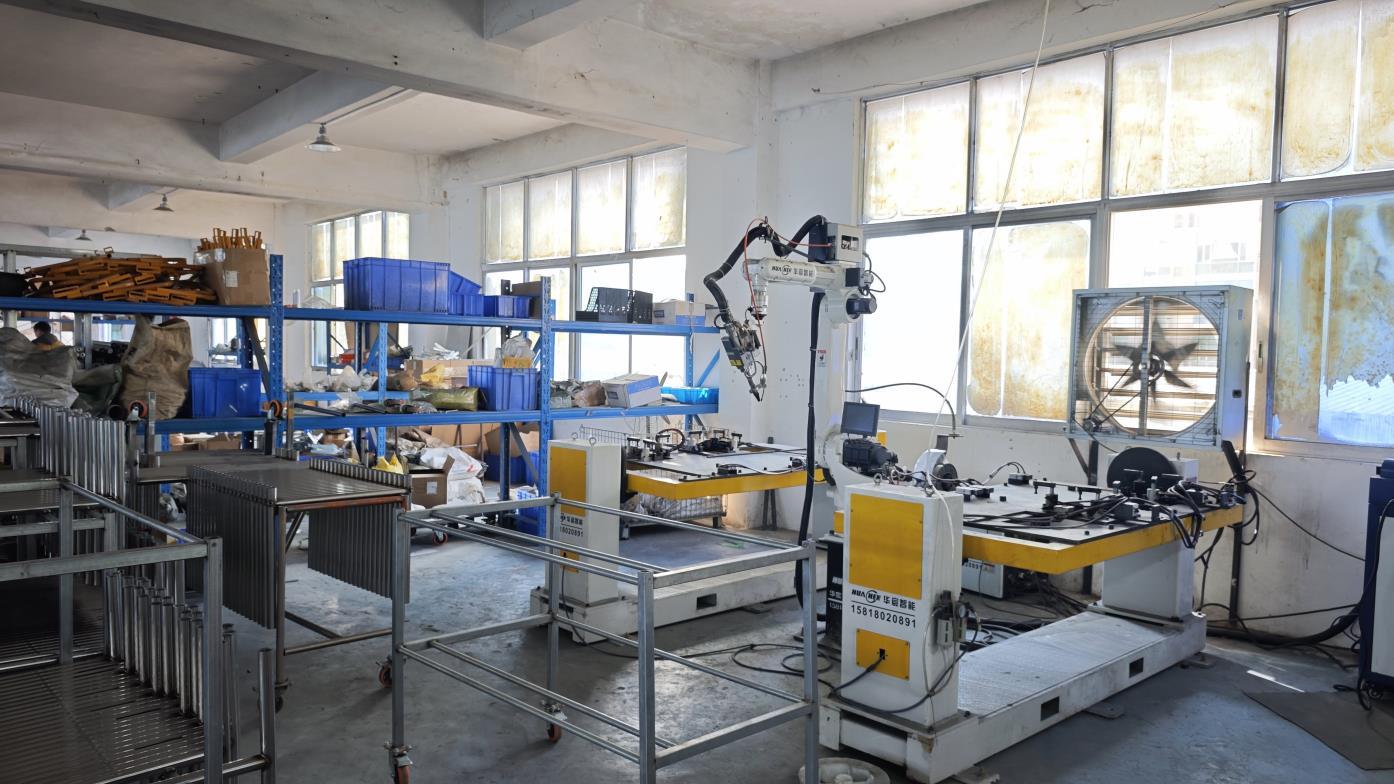
Automatic Machine Hand Spot Welding Machine
Procuring dock leveling solutions from China, specifically engineered by Hangzhou RAB Logistics, offers strategic structural and commercial benefits. Our manufacturing operations leverage state-of-the-art infrastructure, optimized industrial supply chains, and specialized structural engineering teams to provide solutions that outperform standard factory models.
Deck dishing occurs when the structural supports under a leveler deck cannot withstand the concentrated wheel loads of modern electric forklifts (which carry heavy battery weights over narrow tires). Standard 1/4" deck plates without proper dynamic reinforcement will eventually bow. Our custom OEM layouts place heavy-duty structural I-beams at precise configurations to distribute wheel loads evenly, virtually eliminating the risk of deck dishing over years of constant operation.
Procuring heavy-duty logistics equipment requires strict alignment with localized mechanical and electrical engineering codes. When partnering with Hangzhou RAB Logistics Co., Ltd., you can customize your levelers to comply with regional requirements:
Compliance with Standards: Our designs meet or exceed the requirements of ANSI/MH30.1 (North America) and EN 1398 (Europe). This ensures that dynamic safety factors, tilt allowances, and velocity-fuse emergency stops are fully integrated into every unit.
Electrical Configuration: We customize control panels and hydraulic pump motors to match local industrial power grids, including 110V/220V single-phase, 230V/380V/460V three-phase systems, operating at either 50Hz or 60Hz.
Specialized Environmental Customization:
• Cold Chain / Cold Storage: Polyurethane insulated core panels under the deck, combined with specialized dual-side compression weather seals (to prevent HVAC air loss).
• Corrosive Environments (FMCG, Chemical Plants): Hot-dip galvanized coating (ASTM A123) or high-build epoxy paint systems designed to resist chemical spray and moisture.
• High Capacity Inbound Hubs: Heavy-duty structural lip supports, extra under-deck support beams, and custom thick non-slip tear-drop tread plates.
Industry 4.0 dictates that no material handling component should operate in isolation. A modern loading dock leveler must integrate with the facility's overall automation ecosystem. Hangzhou RAB Logistics Co., Ltd. specializes in creating cohesive systems that connect loading dock hardware with automated warehousing technologies:
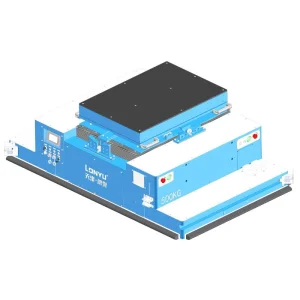
AS/RS & AGV Synchronization: In an automated warehouse, Automated Guided Vehicles (AGVs) transport materials directly to the edge of the trailer. Our custom dock levelers can be equipped with proximity sensors, laser guidance reflectors, and safety interlocks. These sensors communicate directly with the warehouse control system (WCS) or AGV fleet management software, ensuring that no AGV enters the trailer unless the dock leveler is securely positioned and the vehicle restraint system is locked.
Sequential Control Systems: We design integrated master control panels that control the overhead sectional door, the inflatable dock shelter, the vehicle restraint system, and the hydraulic dock leveler. The control sequence prevents operational errors (such as attempting to lower the dock leveler before the dock door is fully open), reducing equipment damage and protecting warehouse personnel.
Critical engineering answers for procurement managers, logistics consultants, and structural engineers.
Q1: How do you calculate the required dynamic load capacity of a dock leveler?
The dynamic capacity is not simply the weight of the heaviest load. It is calculated by adding the weight of the forklift + the maximum weight of the cargo, then applying a dynamic factor (typically 1.5x to 2.1x depending on speed, slope, and frequency). For example, a 6,000-lb capacity forklift weighing 9,000 lbs carrying a 5,000-lb pallet has a total weight of 14,000 lbs. To prevent structural fatigue, a leveler rated for at least 25,000 lbs to 30,000 lbs dynamic load is recommended.
Q2: What are the concrete pit preparation requirements for installation?
The pit must be poured to precise dimensional tolerances (width, length, and depth) with integrated steel angle curb iron embedded in the concrete edges. Hangzhou RAB Logistics provides detailed civil engineering layout drawings, including conduit pathways for hydraulic lines and electrical wiring, tailored to the specific leveler model selected.
Q3: How does Q355 steel compare to standard carbon steels in dock levelers?
Q355 steel is a low-alloy, high-strength structural steel that offers superior yield strength (355 MPa) and improved weldability. Compared to traditional A36 or Q235 steels, Q355 allows us to engineer a leveler deck that is highly resistant to bending and fatigue under repeated dynamic impact loads, without adding excessive deadweight to the hydraulic lifting system.
Q4: Can your dock levelers be integrated directly into a WMS or AS/RS?
Yes. We install smart sensor kits (including photo-eyes, limit switches, and PLC-compatible control circuits) that transmit the leveler’s status (stored, deployed, or unsafe drift) to your Warehouse Management System (WMS) or Warehouse Control System (WCS). This enables automated tracking of load times and prevents warehouse traffic from entering unsafe dock zones.
Q5: What safety mechanisms protect against vehicle pull-out accidents?
Our hydraulic levelers feature an integrated velocity fuse mounted directly to the main hoist cylinder. If a truck pulls away while a forklift is on the deck, the sudden rush of fluid triggers the fuse to lock the cylinder, preventing the leveler deck from dropping more than 3 inches. Additionally, we offer physical hook-style vehicle restraints that lock the truck’s ICC bar to the dock wall.
Q6: What is the difference between a hinged lip and a telescopic lip?
A hinged lip swings upward in an arc as the deck rises, then drops down onto the trailer bed. A telescopic lip extends horizontally in a straight line. Telescopic lips are ideal for applications requiring precise placement, such as cold storage (to minimize heat transfer) or when loading trailers packed to the rear edge where a swinging lip cannot deploy.
Q7: How does weather sealing work on customized cold-chain dock levelers?
For cold-chain warehouses, we install heavy-duty dual-layer side brush seals or compression foam seals along the vertical edges of the leveler. In addition, the underside of the deck is sprayed with a thick layer of closed-cell polyurethane foam insulation to prevent thermal transfer between the outdoor environment and the climate-controlled facility.
Q8: What surface treatments are available for harsh or corrosive environments?
For chemical processing plants, coastal marine regions, or food processing facilities with strict washdown protocols, we offer hot-dip galvanization. The leveler frame and deck are submerged in molten zinc, creating a highly durable, corrosion-resistant alloy coating. Alternatively, we offer multi-coat epoxy systems for chemical resistance.
Q9: What is the estimated operational lifespan of an OEM dock leveler?
When engineered with Q355 structural steel and subjected to standard routine maintenance (such as lubrication, fluid level checks, and cleaning), our heavy-duty hydraulic levelers are designed to exceed 100,000 load cycles. This equates to approximately 10 to 15 years of reliable service in moderate-to-high throughput distribution centers.
Q10: How does Hangzhou RAB Logistics handle international warranty and spare parts?
We provide a comprehensive warranty on all structural components and hydraulic assemblies. For international clients, we use standard, globally sourced hydraulic and electrical components (such as Siemens PLCs and standard European/American specification valves). This allows local maintenance teams to easily source parts, while we maintain a dedicated inventory of custom components for rapid global shipping.
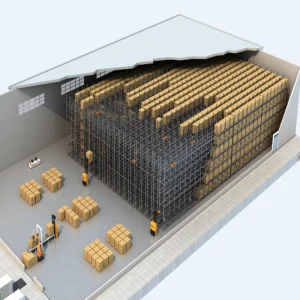
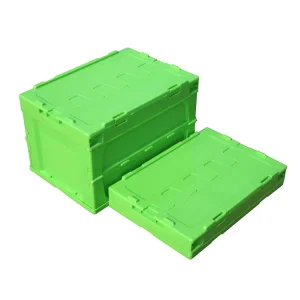
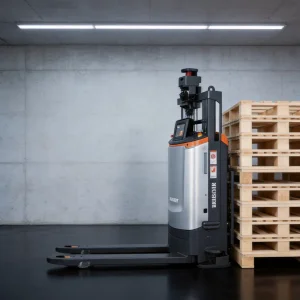
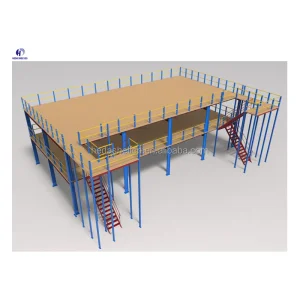
Maximize the efficiency of your material handling operations from the loading bay to the deep-storage rack systems.
 RAB Logistics