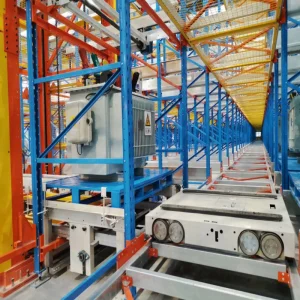
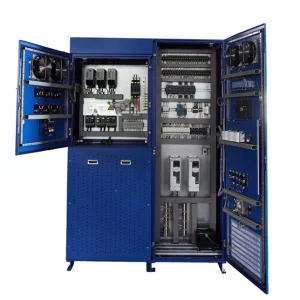
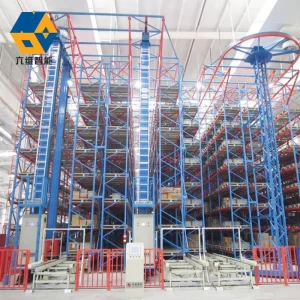
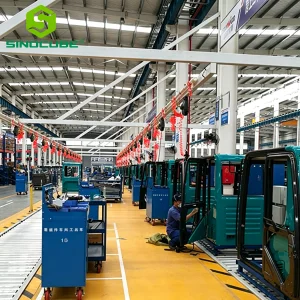
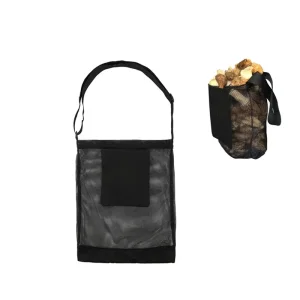
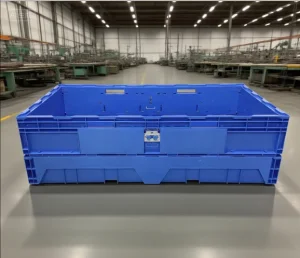
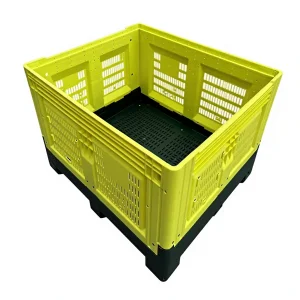
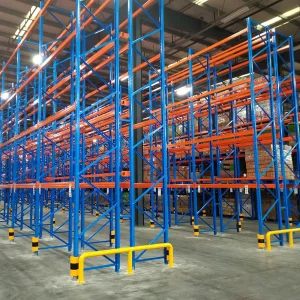
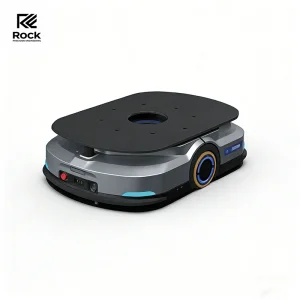
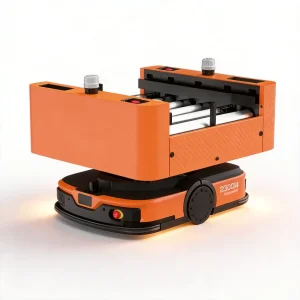
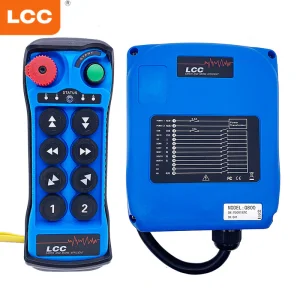
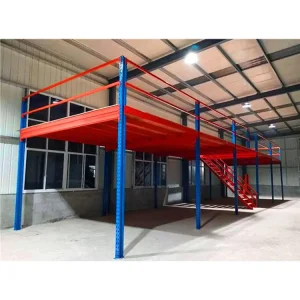
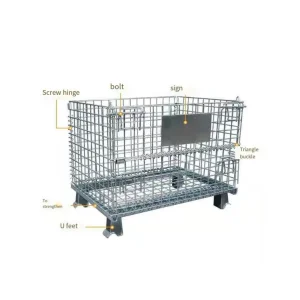
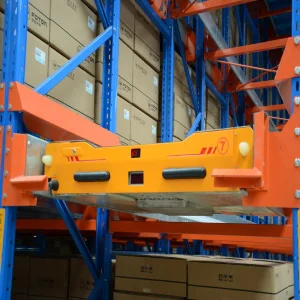
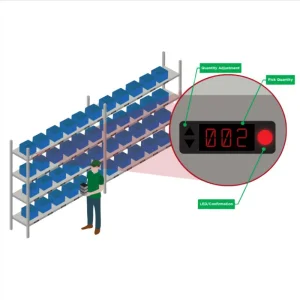
Explore our core logistics structural racks, control panels, and automated solutions integrated to support smart warehouse operations.
In the hyper-connected paradigm of modern manufacturing, a Custom OEM Automated Labeling System is no longer just a peripheral packaging device. Instead, it serves as the crucial physical gateway for digital data stream synchronization. By marrying real-time material handling with automated print-and-apply components, companies ensure that packaging lines execute tracking parameters down to the individual SKU level.
Historically, labeling operations relied heavily on manual placement, resulting in bottlenecks, operational alignment inaccuracies, and significant validation errors. Modern paradigms mandate high-throughput, low-latency, and zero-defect labeling outputs. With the arrival of Industry 4.0, custom labeling units have evolved to integrate sophisticated sensor arrays, high-speed pneumatic tampers, and direct PLCs (such as Siemens S7-1200/1500) to respond to packaging lines in real-time.
Industrial procurement managers, engineering directors, and supply chain operators globally demand robust custom OEM solutions that directly integrate into their existing architectures. Whether deploying in high-speed pharmaceutical hubs under strict compliance demands or high-duty e-commerce distribution platforms, system builders look for key operational features:
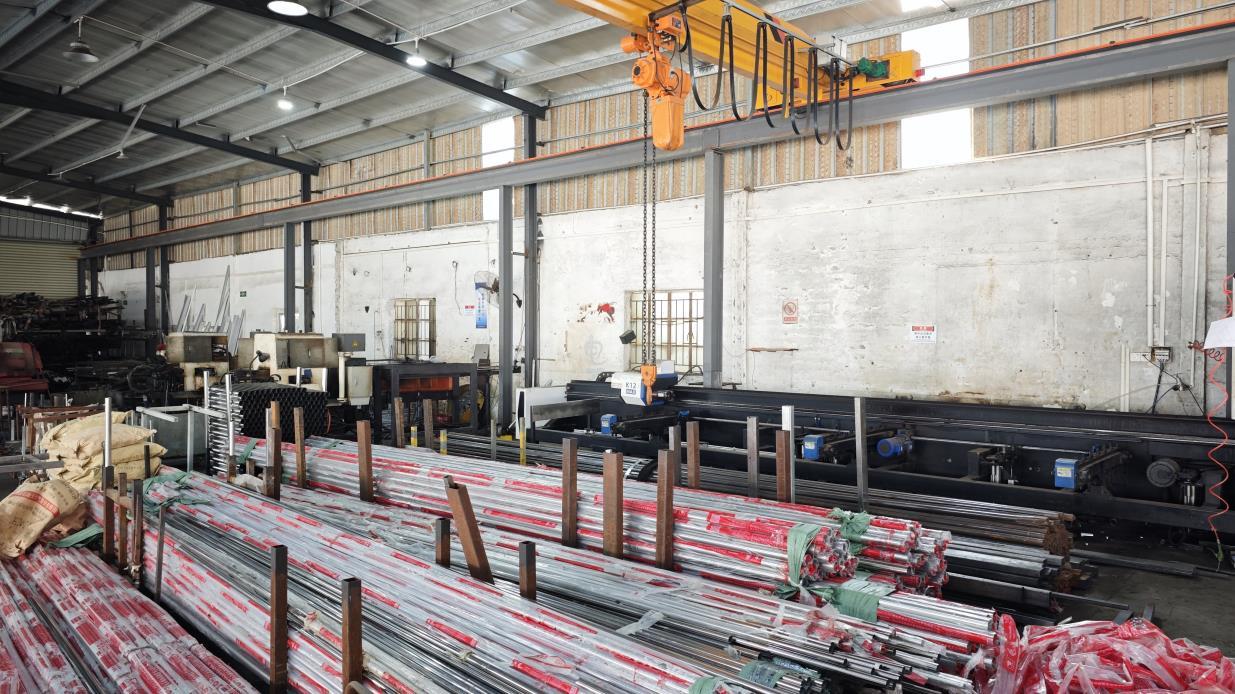
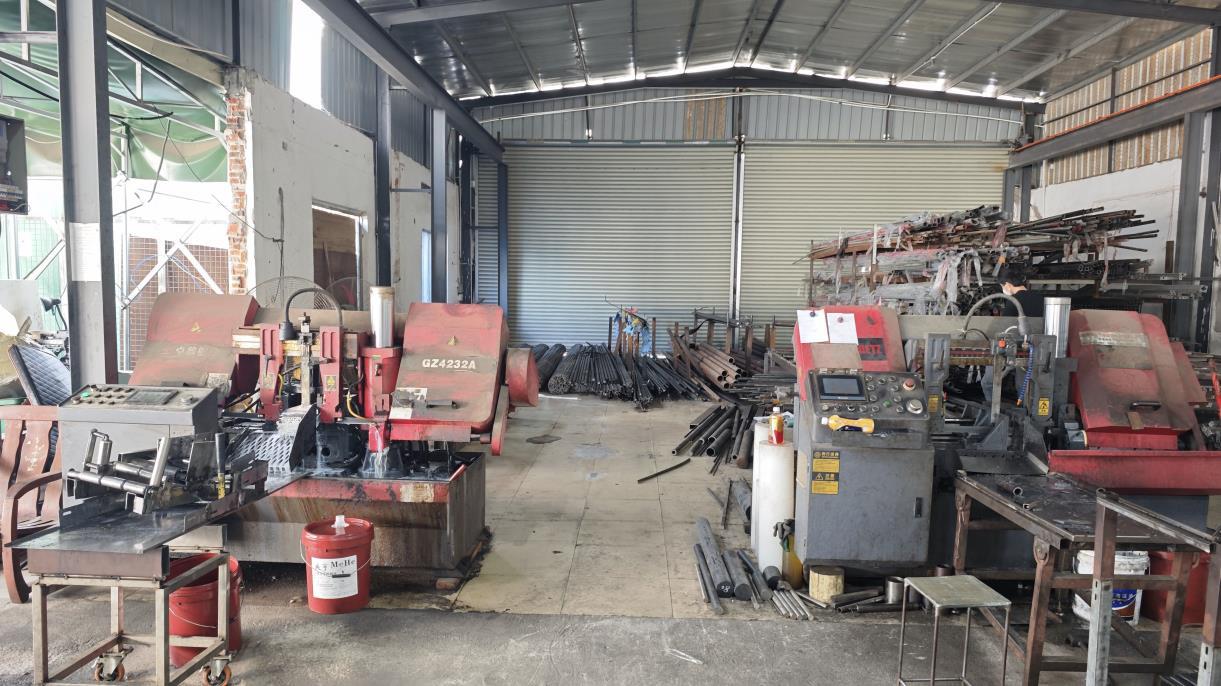
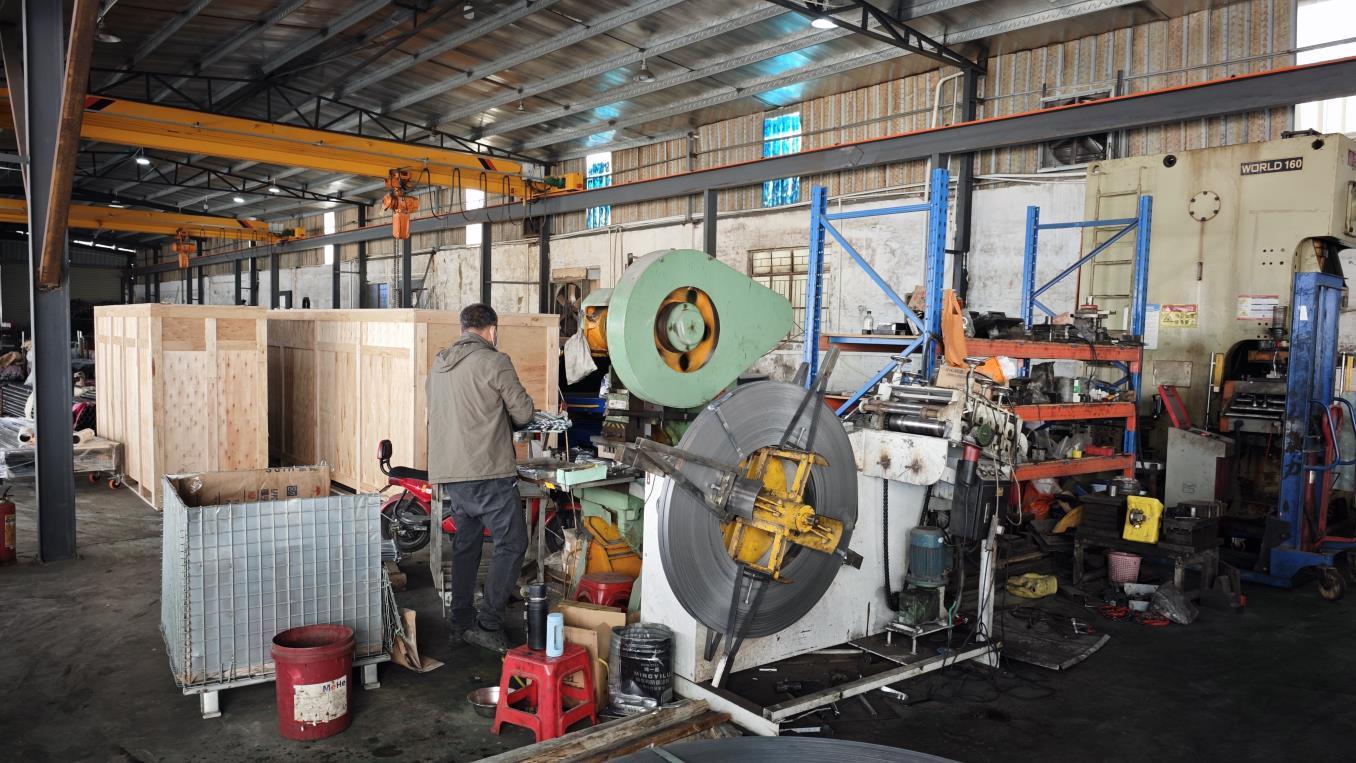
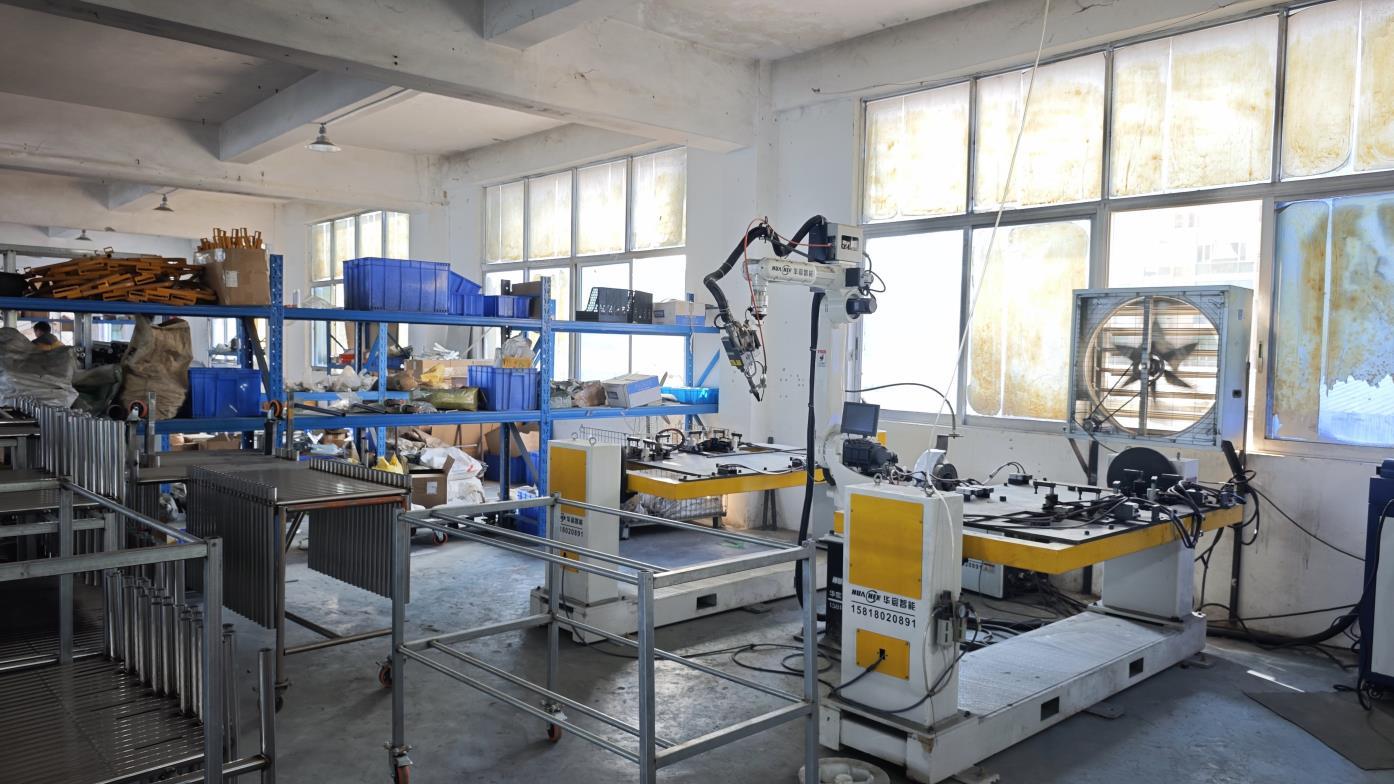
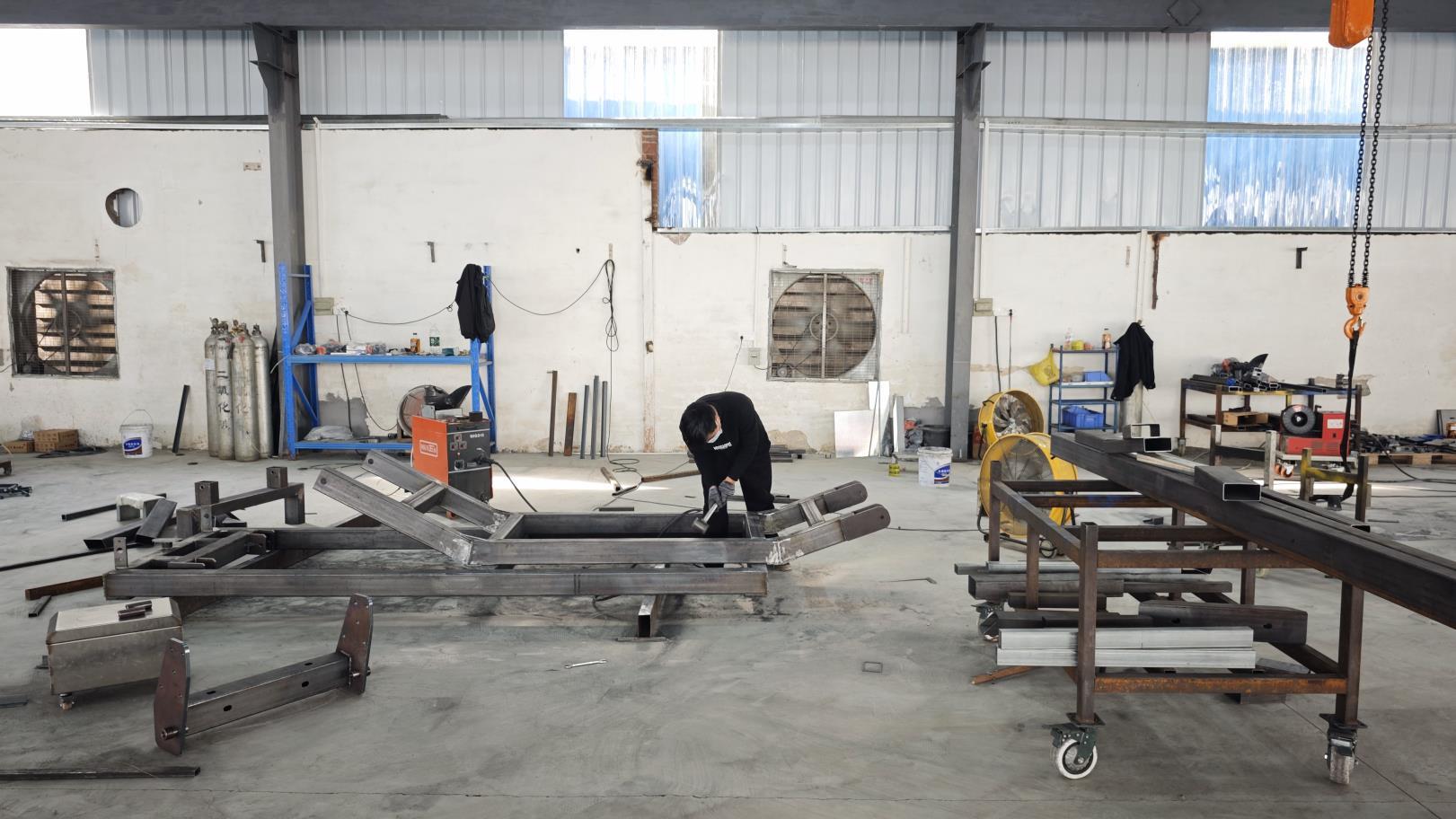
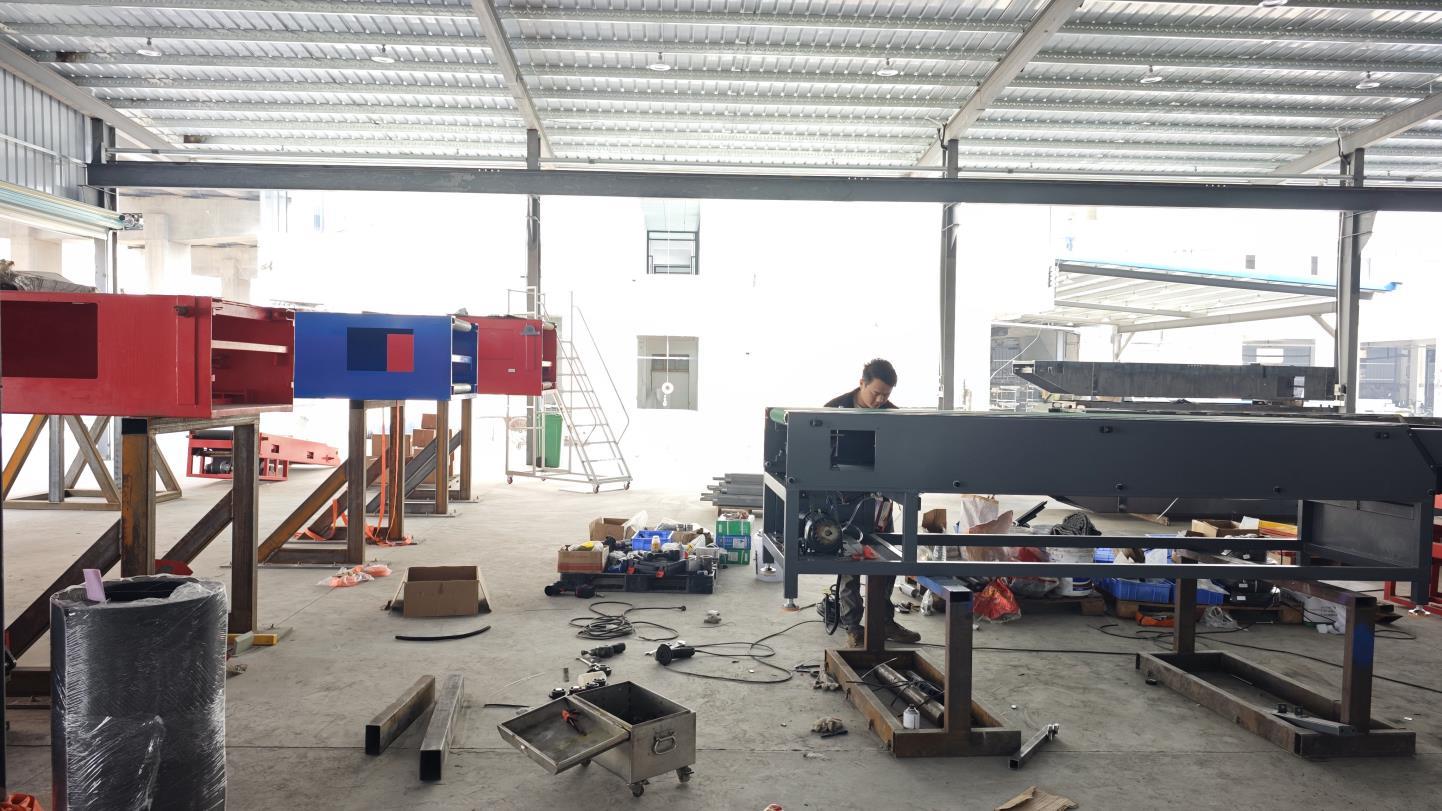
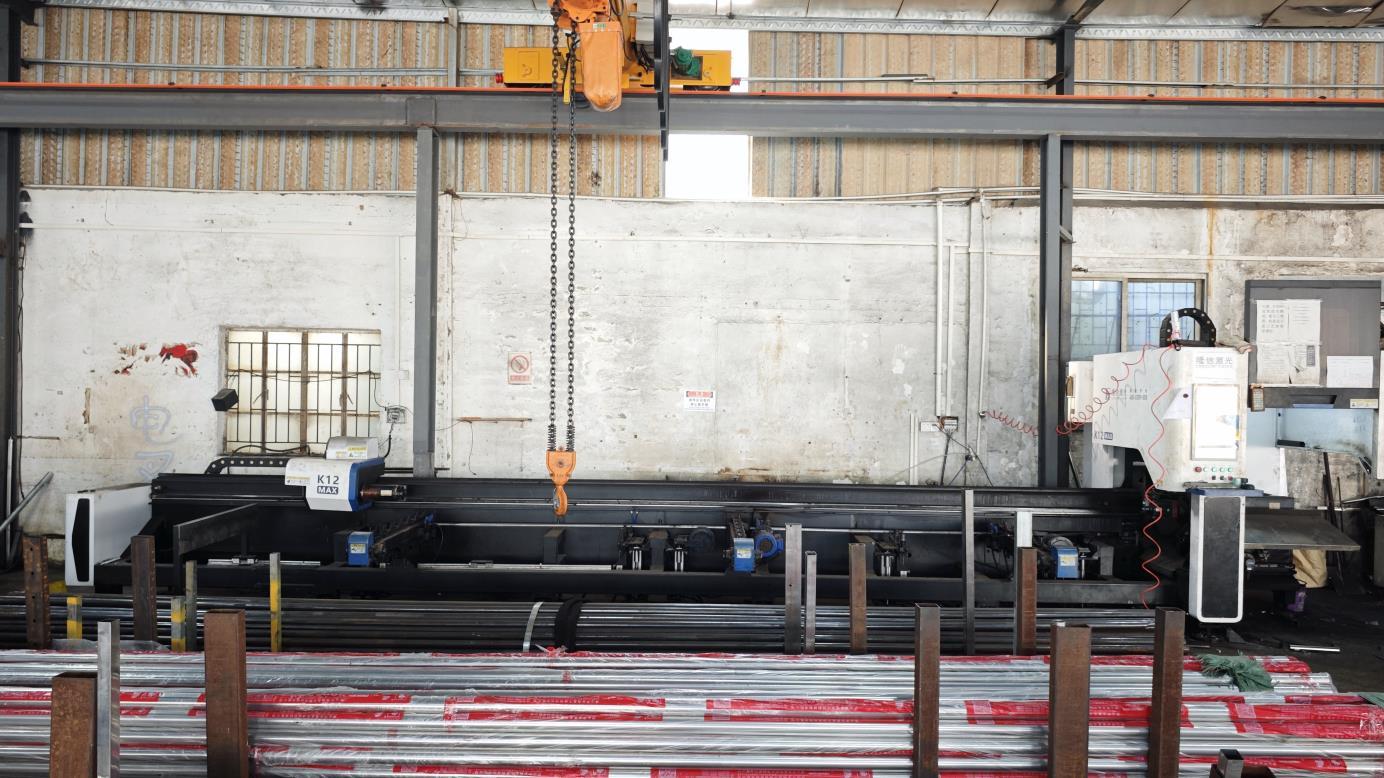
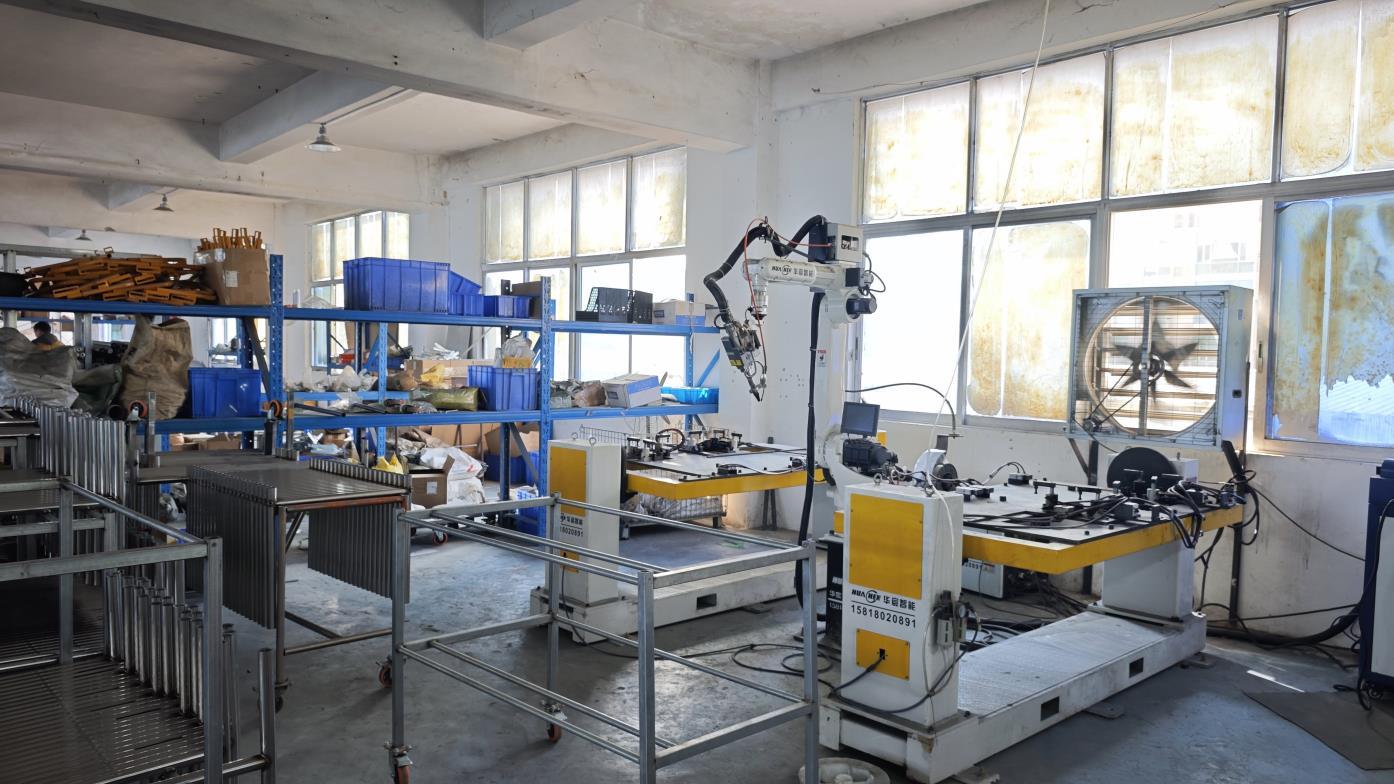
The global sourcing matrix heavily relies on Chinese manufacturers to bridge the gap between high-volume capacity and engineering precision. China's advanced manufacturing clusters combine full-scale hardware fabrication (from CNC cutting and precision bending to automatic welding and assembly lines) with advanced engineering capabilities.
By sourcing custom OEM automated labeling components from integrated providers, international clients enjoy unparalleled supply chain resilience. This ecosystem minimizes manufacturing lead times, handles deep custom configuration requests without soaring engineering budgets, and guarantees that hardware components (such as heavy-duty racking supports, sensor brackets, and chassis layouts) undergo strict validation steps.
Discover how we align advanced engineering solutions with global physical logistics operations.
Seamlessly synchronizes with Siemens, Rockwell, and Mitsubishi PLCs. Our custom controls guarantee precise application speed adjustment, active alarm feedback, and safety system integrations.
Integrated labeling stations communicate with WMS databases to retrieve serials, batch codes, and shipping information dynamically. Built-in IoT sensors flag maintenance tasks before downtime occurs.
Eliminate label misprints. Every dynamic label is scanned immediately after application to guarantee readability and exact data configuration, rejecting anomalies without stopping the flow.
Our Engineering Heritage and Smart Logistics Manufacturing Capabilities.
Hangzhou RAB Logistics Co., Ltd. is a professional provider of intelligent warehousing and modern logistics solutions. Built on years of industry experience and continuous technological innovation, RAB Logistics is committed to helping enterprises transform traditional warehouse operations into highly automated, data-driven, and efficient supply chain systems.
Since its establishment, the company has focused on integrating advanced logistics technologies such as Warehouse Management Systems (WMS), Automated Storage and Retrieval Systems (AS/RS), AGV/AMR robotics, intelligent sorting systems, and real-time data visualization platforms. These solutions enable clients to achieve higher operational accuracy, faster fulfillment speed, and significantly reduced logistics costs.
With strong capabilities in system consulting, solution design, equipment integration, software development, and project implementation, Hangzhou RAB Logistics Co., Ltd. delivers end-to-end intelligent logistics solutions tailored to diverse industry needs. Our expertise ensures seamless coordination between hardware and software, creating scalable and future-ready warehouse infrastructures.
RAB Logistics serves a wide range of industries including manufacturing, cross-border e-commerce, fast-moving consumer goods (FMCG), pharmaceuticals, and automotive parts. Our solutions are trusted for their stability, innovation, and proven performance in complex, high-demand environments.
By choosing Hangzhou RAB Logistics Co., Ltd., you are selecting a long-term strategic partner dedicated to building smarter warehouses, optimizing supply chains, and empowering businesses with sustainable competitive advantages in the era of intelligent logistics.
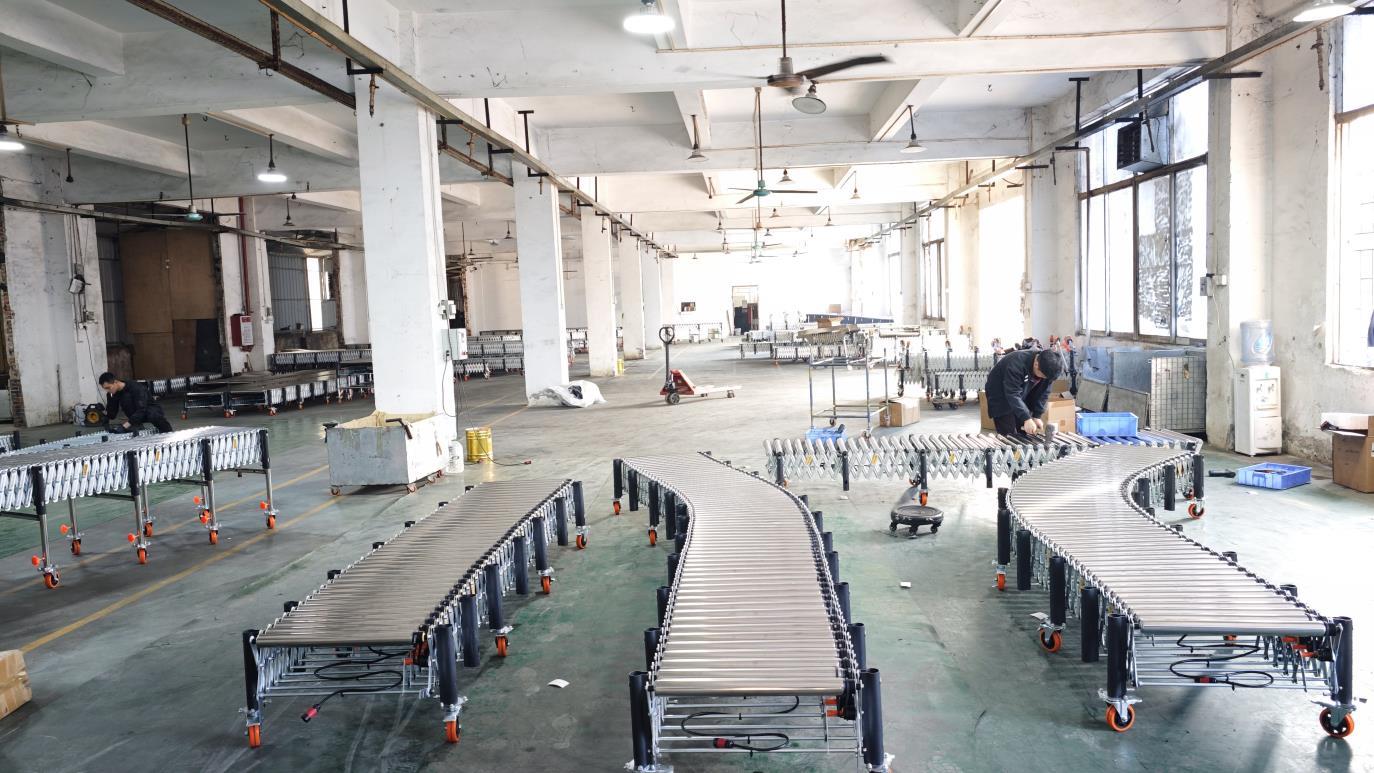
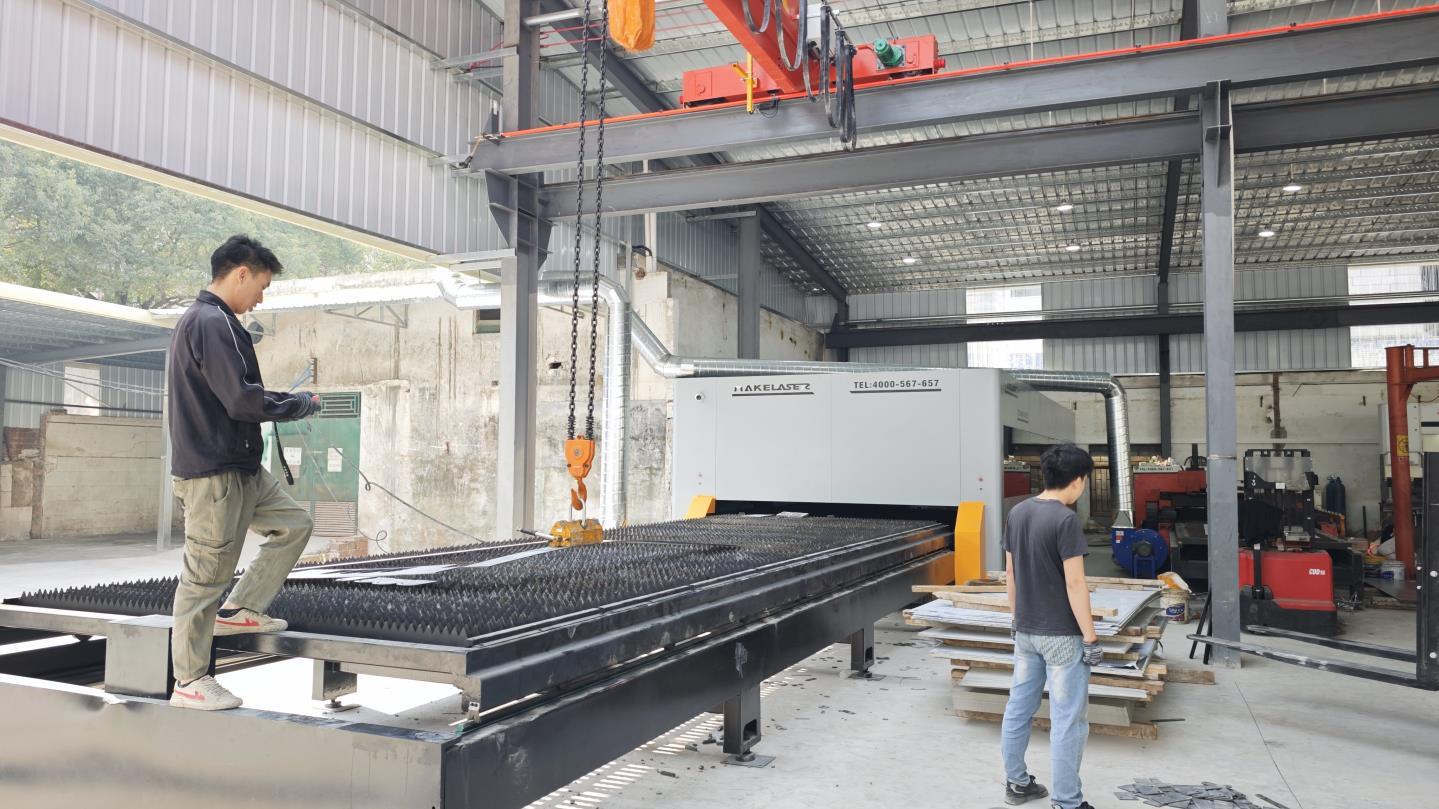
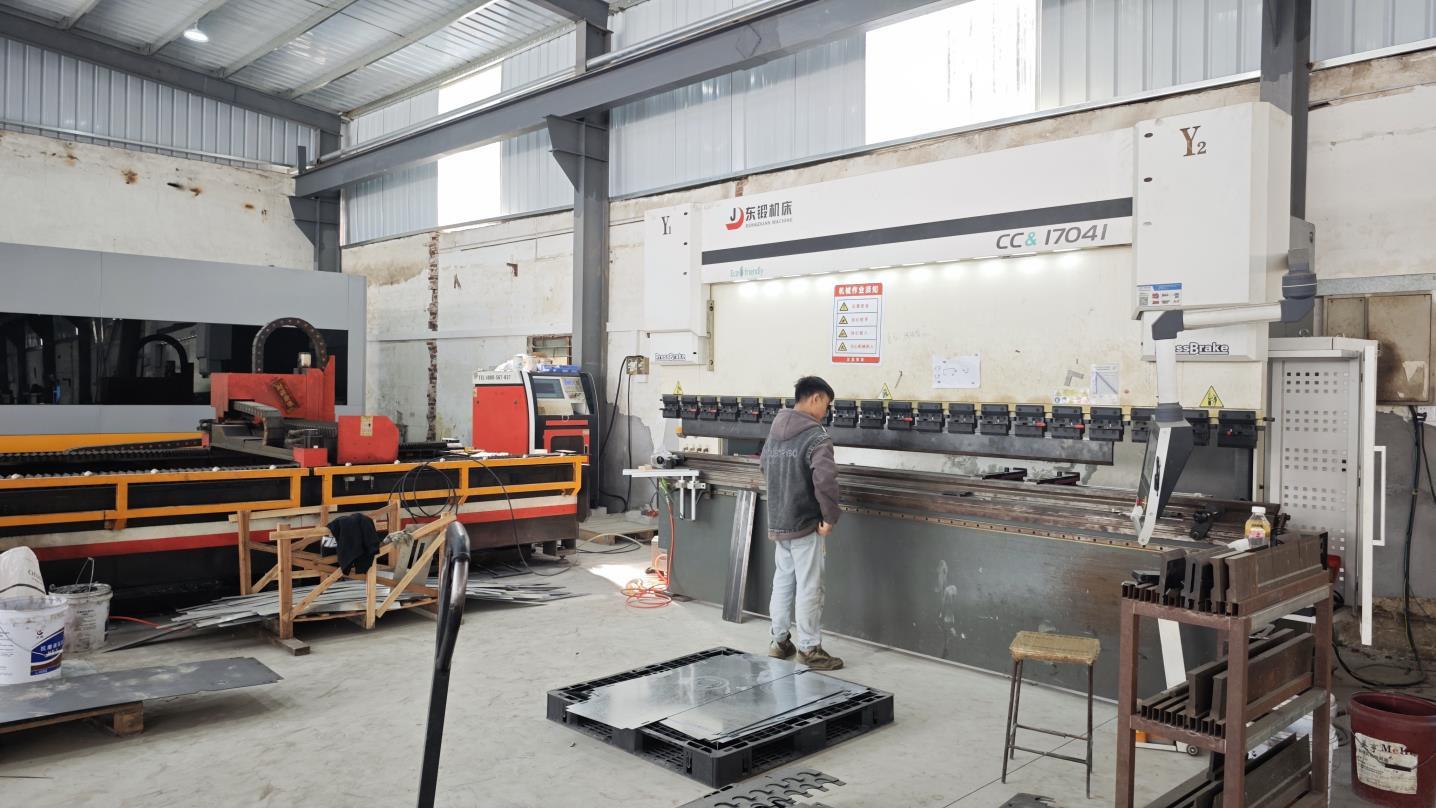
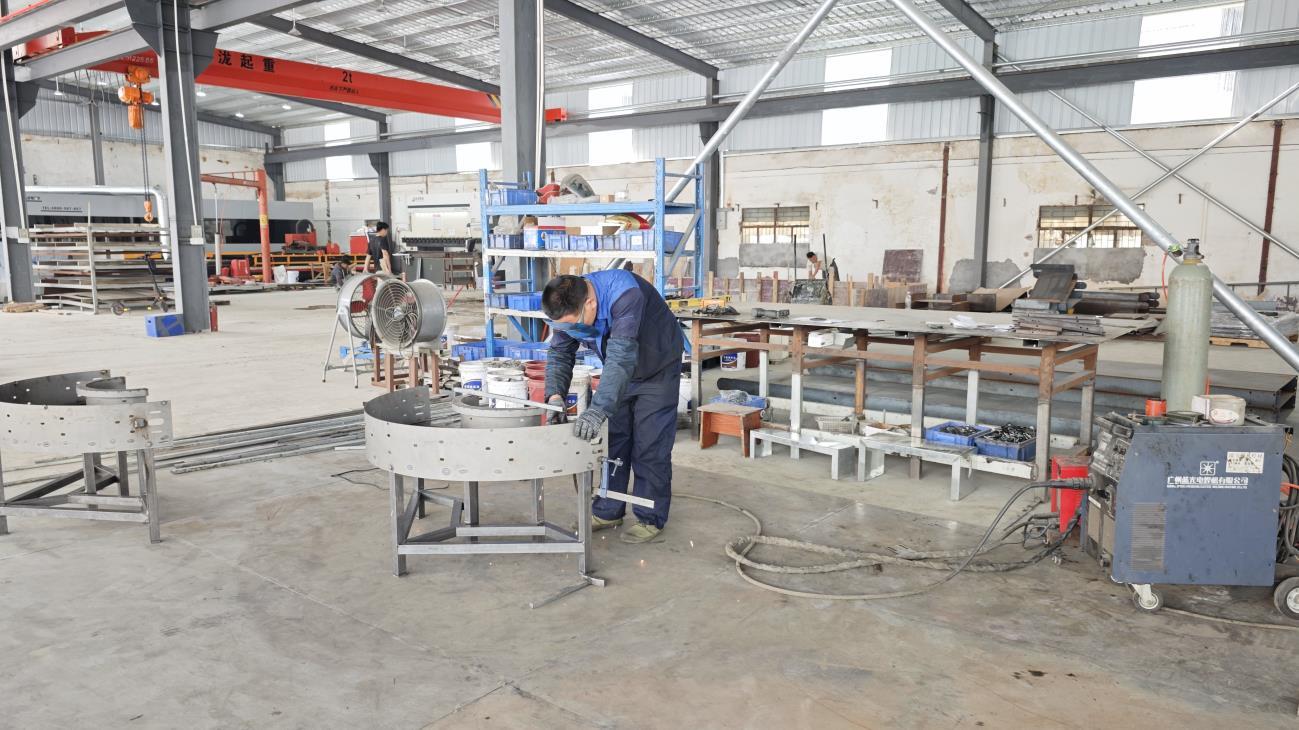
Every industry faces specific operational parameters that affect labeling execution. Standard off-the-shelf packaging machinery rarely handles the specific requirements of multi-sector industrial environments:
E-commerce fulfillment centers run at rapid cycle times. In these facilities, custom OEM automated labeling modules must operate in tandem with rapid belt conveyors and dynamic weighing scales. As cartons pass at speeds up to 2.5 meters per second, the print-and-apply engine must generate, verify, and apply distinct shipping labels via a non-contact air-jet mechanism in milliseconds. This guarantees real-time parcel routing accuracy without causing flow bottlenecks.
In food processing and pharmaceutical distribution, environmental variables are severe. Storing inventory at sub-zero conditions requires labeling equipment to operate in high humidity and deep freeze setups. We resolve this by constructing stainless steel enclosures heated by internal thermostatic controls, and utilizing specialized cold-temperature adhesives that guarantee the label remains securely attached to plastic or corrugated packages.
Auto part manufacturers demand long-lasting labeling capabilities. Engine components, alloy frames, and critical electrical nodes require resilient labels that can withstand heavy oils, friction, and extreme engine heat. This environment relies on synthetic polyester labels printed via high-intensity thermal transfer, coupled with mechanical labeling arms that conform smoothly to rounded or complex metallic surfaces.
Providing technical answers for procurement teams and system engineers.
Integration is handled via dedicated API pipelines or middleware systems interfacing directly with the control PLC. When a package breaks a photoelectric sensor beam on the conveyor, a database query is triggered to retrieve the SKU data from the WMS. The print engine formats and generates the layout on the fly using standard programming protocols like ZPL or DPL, and prints it just before mechanical application.
Tamp-Blow systems print the label onto a vacuum grid pad, extend a pneumatic arm close to the product, and use a blast of compressed air to apply the label without touching the item—ideal for fragile packaging or varying heights. Roll-On applicators place the label edge on a moving item and wipe it down with a roller, which is perfect for high-speed, uniform-height lines.
A vision scanner (e.g., Cognex or Keyence) reads the printed 1D or 2D barcode immediately after application. If the scan fails or shows incorrect data, a digital reject signal is sent to the PLC. A pneumatic reject gate, pusher, or air blast then diverts the package onto a separate rework lane without slowing down the primary packaging line.
Yes, our custom OEM labeling units can be configured with RFID print engines. The system writes data to the internal RFID inlay and verifies it before printing the label. If a faulty tag is found, the system flags the issue, labels the tag as rejected, and continues without applying it to the product.
We recommend cleaning the printhead with isopropyl alcohol at every roll change. The vacuum grid and drive rollers should be checked weekly, while pneumatic cylinders, valves, and electrical connections should be inspected monthly. Integrated diagnostic sensors help track cycle count limits to schedule preventative maintenance.
Explore our industrial AGVs, heavy shuttle systems, wireless controls, and steel structure mezzanine options.
 RAB Logistics