Deploying custom OEM/ODM material handling systems designed for modern high-density warehouses and rapid order fulfillment.


In the era of Industry 4.0, the landscape of material handling has shifted from manual labor to automated coordination. Automated Guided Carts (AGCs) serve as the backbone for lean manufacturing and agile warehouse setups. Designed for simplicity, durability, and cost-effectiveness, these systems operate under dedicated guidance layers to streamline horizontal transport. Globally, companies are integrating custom OEM AGCs into their assembly lines to solve complex logistics friction and eliminate bottlenecks.
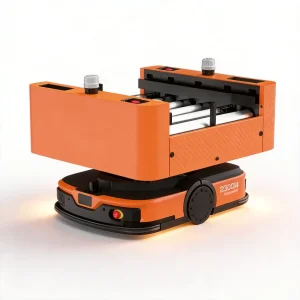
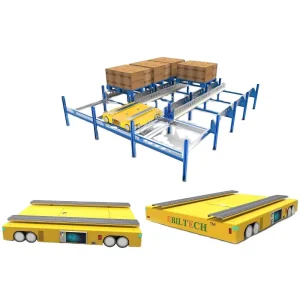
Unlike traditional larger Automated Guided Vehicles (AGVs), AGCs offer a smaller, low-profile footprint. This makes them ideal for rolling underneath custom shelving, picking up payloads, and executing point-to-point delivery. As e-commerce requires faster order cycles, and the global manufacturing sector struggles with persistent labor shortages, AGCs present a robust, scalable answer for micro-fulfillment centers, heavy industrial factories, and cleanroom environments alike.
Technology does not stand still. The integration of modern software architectures and sensor suites has fundamentally redefined what automated carts can achieve. Here is where the global market is heading:
Gone are the days when vehicles were limited to magnetic tape. Modern OEM AGCs combine magnetic tape simplicity with 2D/3D LiDAR, QR codes, and SLAM (Simultaneous Localization and Mapping) for dynamic detour routing.
Using localized edge computing, fleet managers can coordinate over 100+ carts simultaneously. Advanced machine learning models prevent gridlock, optimize path planning, and self-manage charging cycles.
Meeting strict ISO 3691-4 and ANSI/ITSDF safety standards is paramount. High-resolution safety laser scanners detect obstacles, trigger auto-braking, and prevent collisions with human workers.
Customization is the core value proposition of our AGC solutions. Different sectors demand unique form factors, payload handling mechanisms, and software controls.
OEM AGCs carry chassis parts along predetermined tracks, interfacing with welding robots. Carts adapt speed dynamically based on station signals to optimize takt time.
Low-profile latent robots glide underneath shelves, lifting and moving complete shelving pods directly to pick-to-light picking stations, shortening walking steps by 80%.
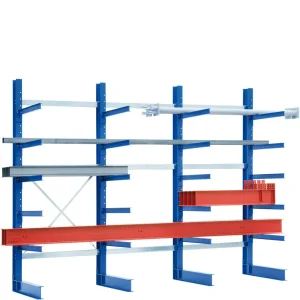
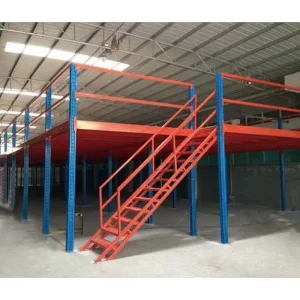
Moving bulky sheets, steel structures, and containers safely. Integrating AGCs directly with customized mezzanine systems and heavy racking frameworks ensures optimal floor safety.
Hangzhou RAB Logistics Co., Ltd. is a professional provider of intelligent warehousing and modern logistics solutions. Built on years of industry experience and continuous technological innovation, RAB Logistics is committed to helping enterprises transform traditional warehouse operations into highly automated, data-driven, and efficient supply chain systems.
Since its establishment, the company has focused on integrating advanced logistics technologies such as Warehouse Management Systems (WMS), Automated Storage and Retrieval Systems (AS/RS), AGV/AMR robotics, intelligent sorting systems, and real-time data visualization platforms. These solutions enable clients to achieve higher operational accuracy, faster fulfillment speed, and significantly reduced logistics costs.
With strong capabilities in system consulting, solution design, equipment integration, software development, and project implementation, Hangzhou RAB Logistics Co., Ltd. delivers end-to-end intelligent logistics solutions tailored to diverse industry needs. Our expertise ensures seamless coordination between hardware and software, creating scalable and future-ready warehouse infrastructures.
RAB Logistics serves a wide range of industries including manufacturing, cross-border e-commerce, fast-moving consumer goods (FMCG), pharmaceuticals, and automotive parts. Our solutions are trusted for their stability, innovation, and proven performance in complex, high-demand environments.
By choosing Hangzhou RAB Logistics Co., Ltd., you are selecting a long-term strategic partner dedicated to building smarter warehouses, optimizing supply chains, and empowering businesses with sustainable competitive advantages in the era of intelligent logistics.
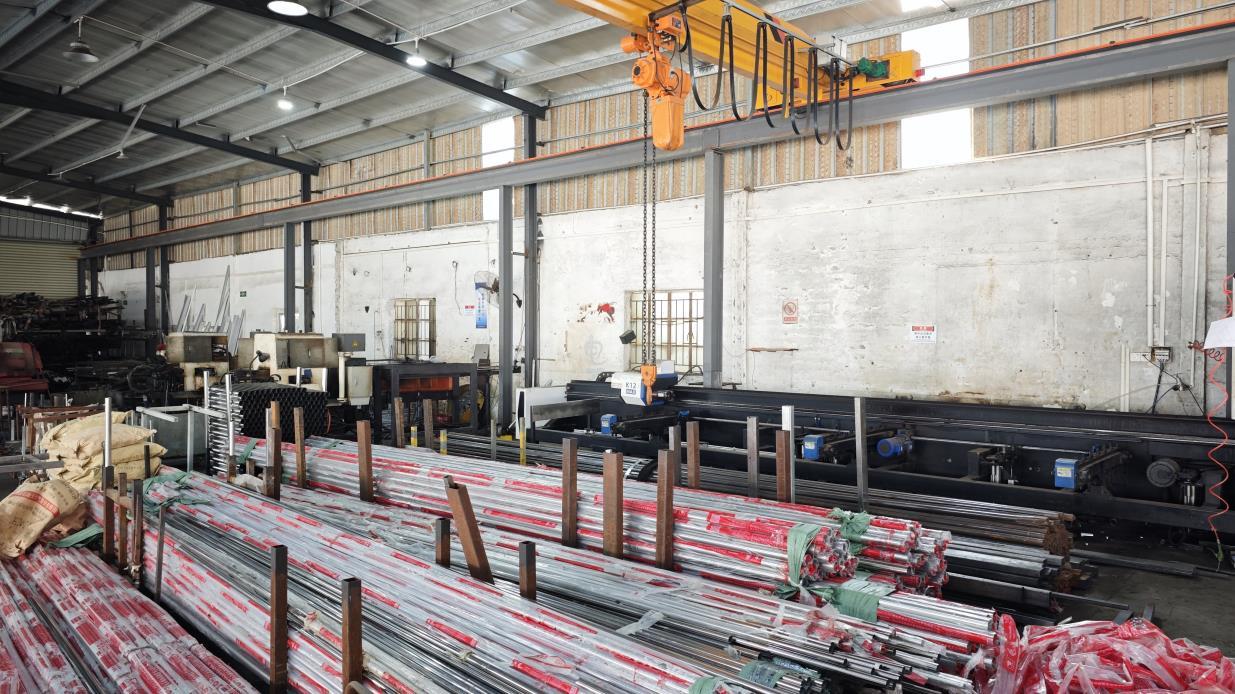
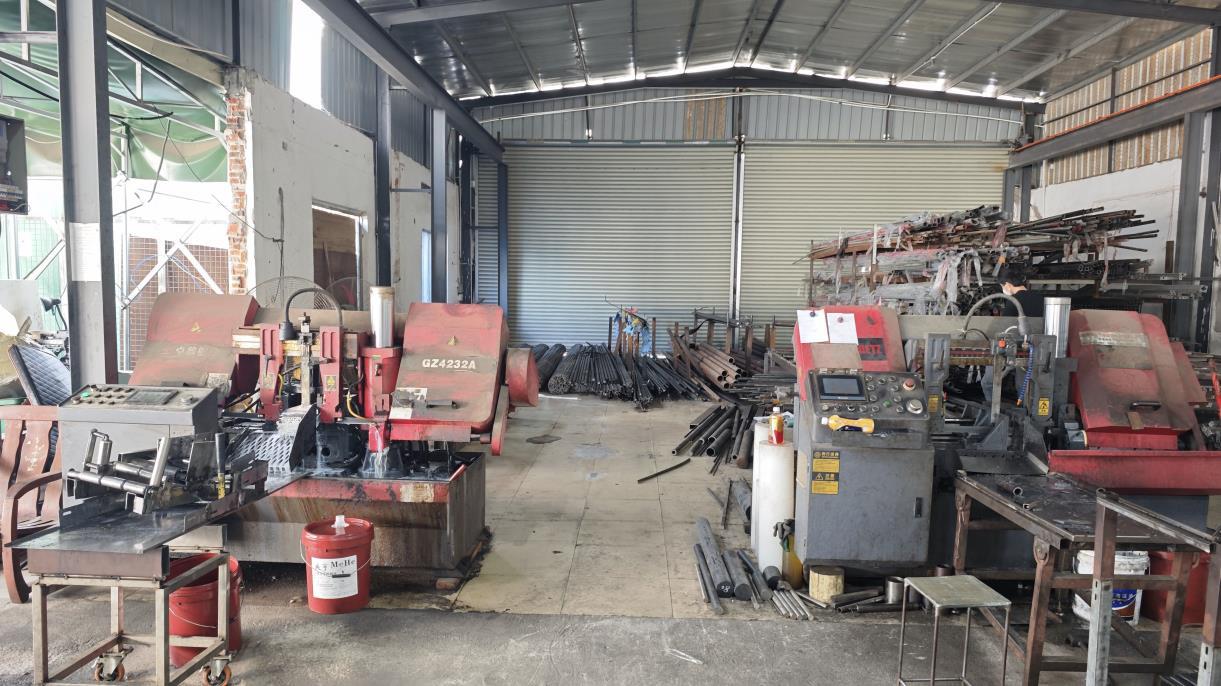
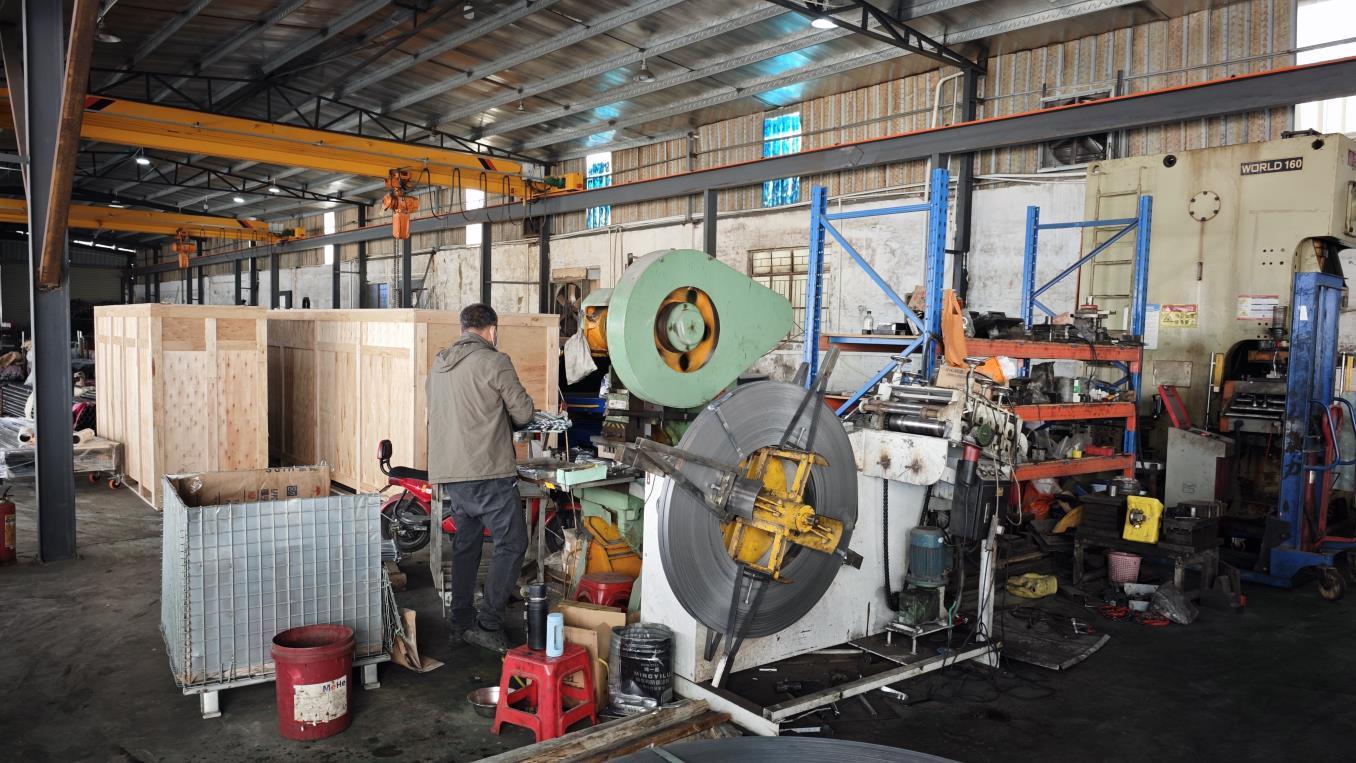
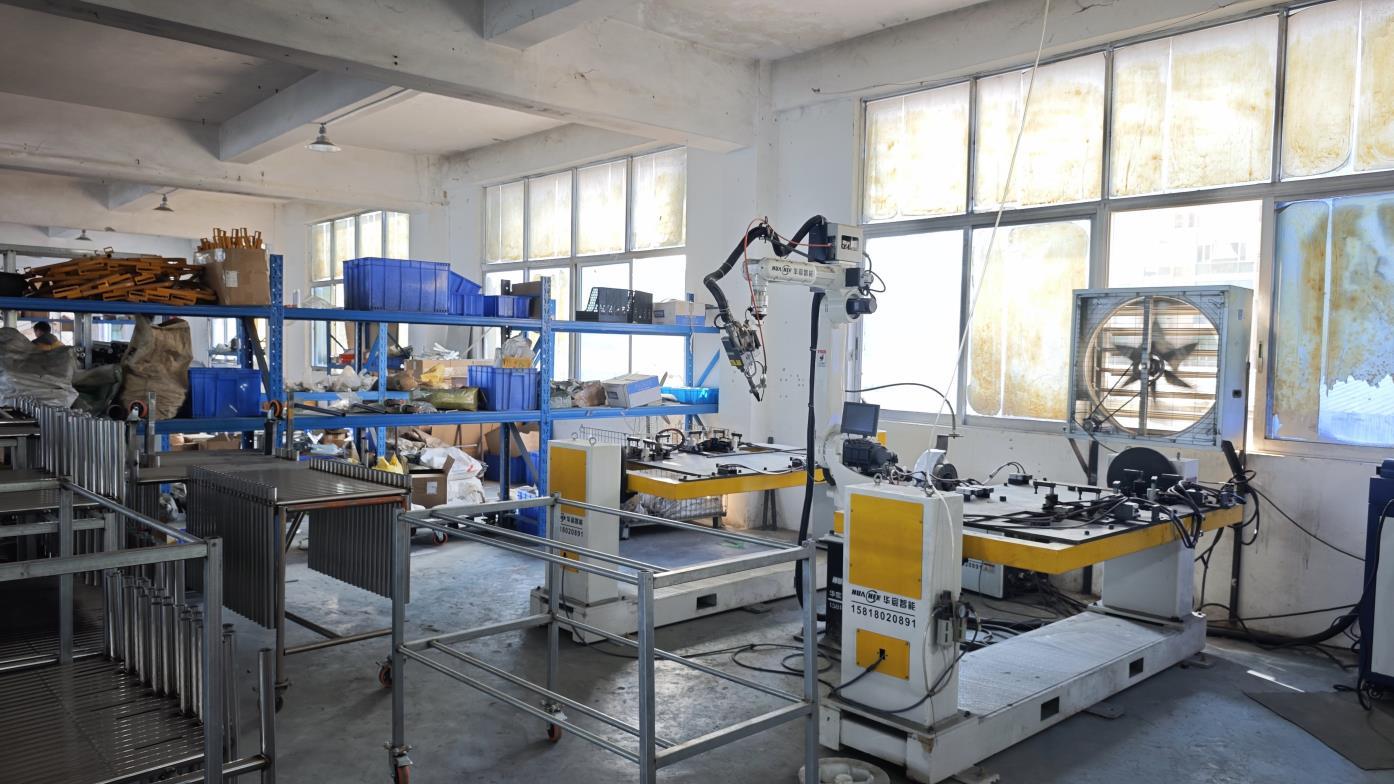
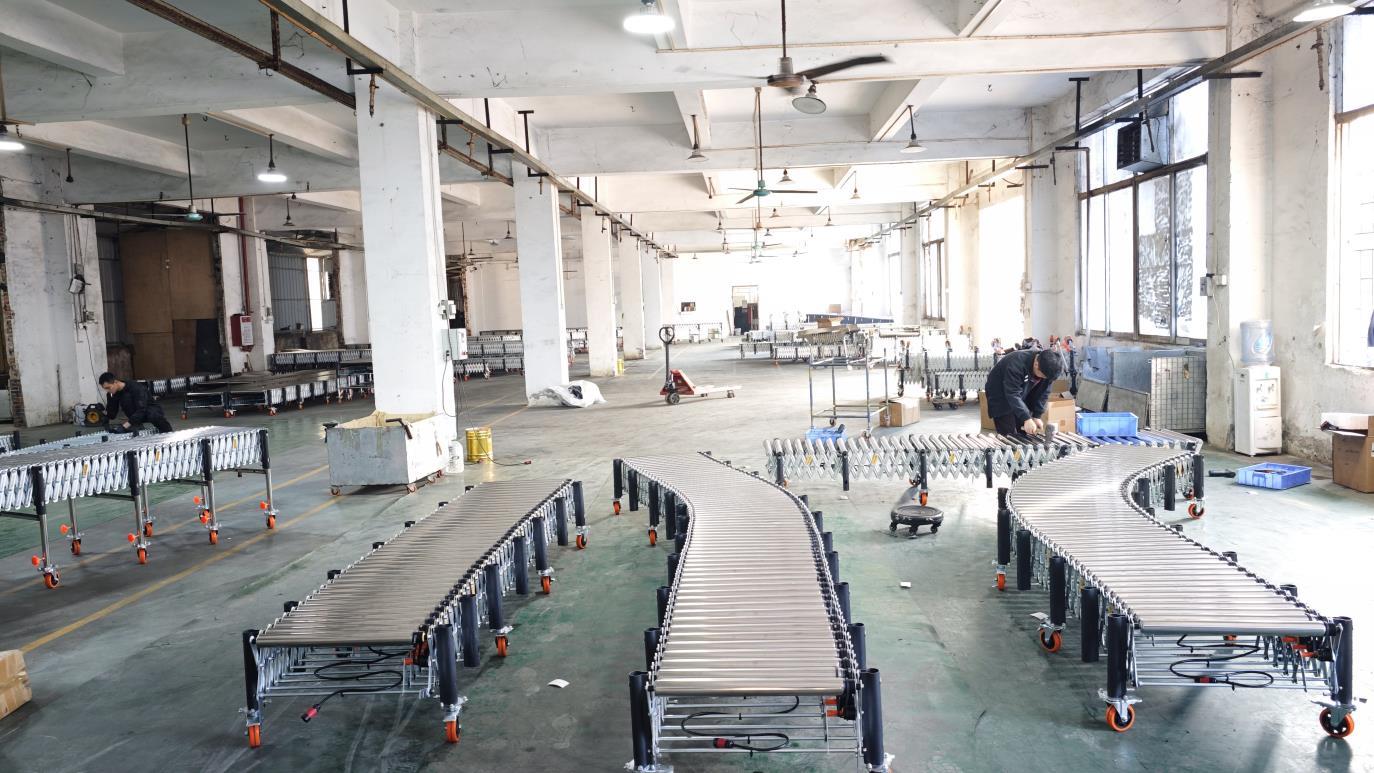
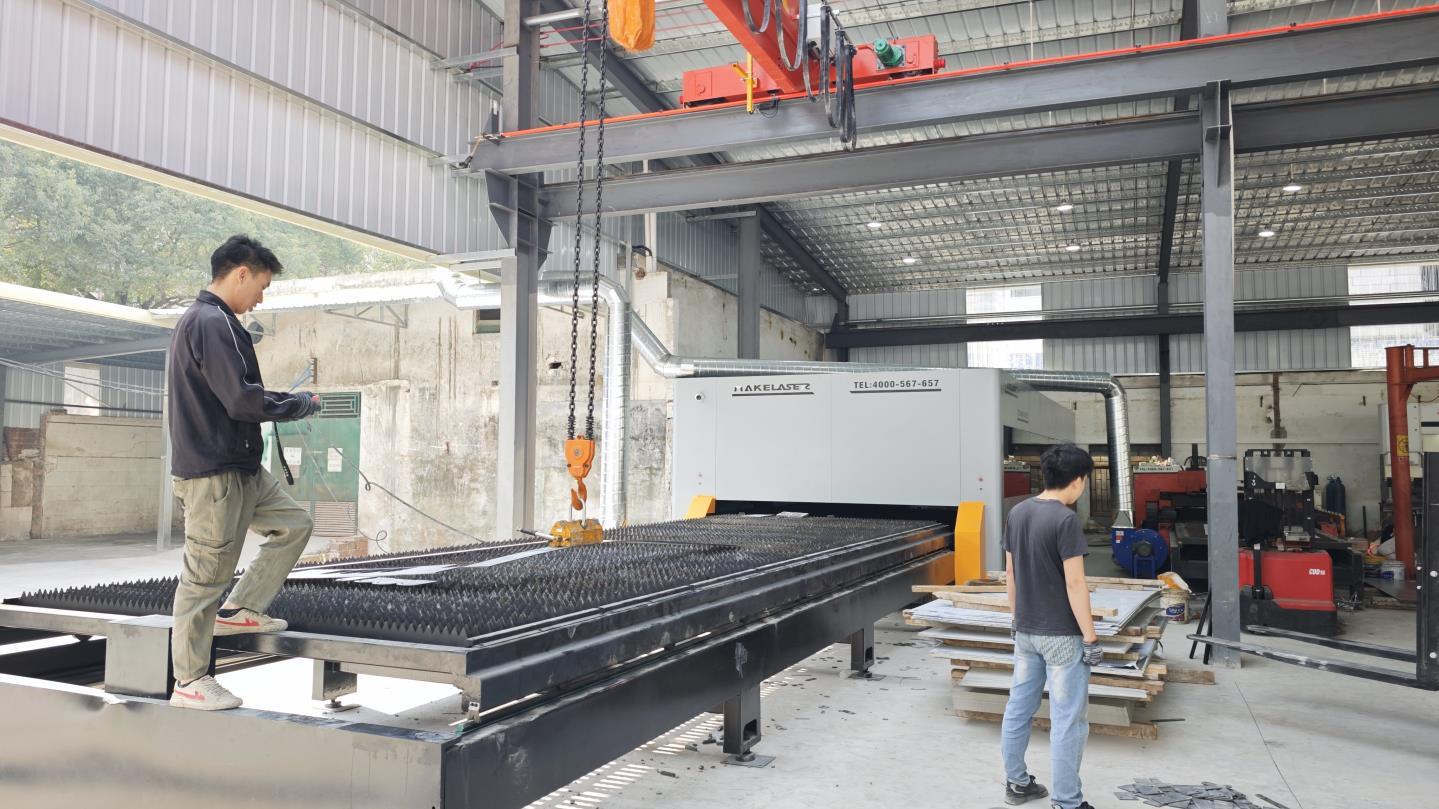
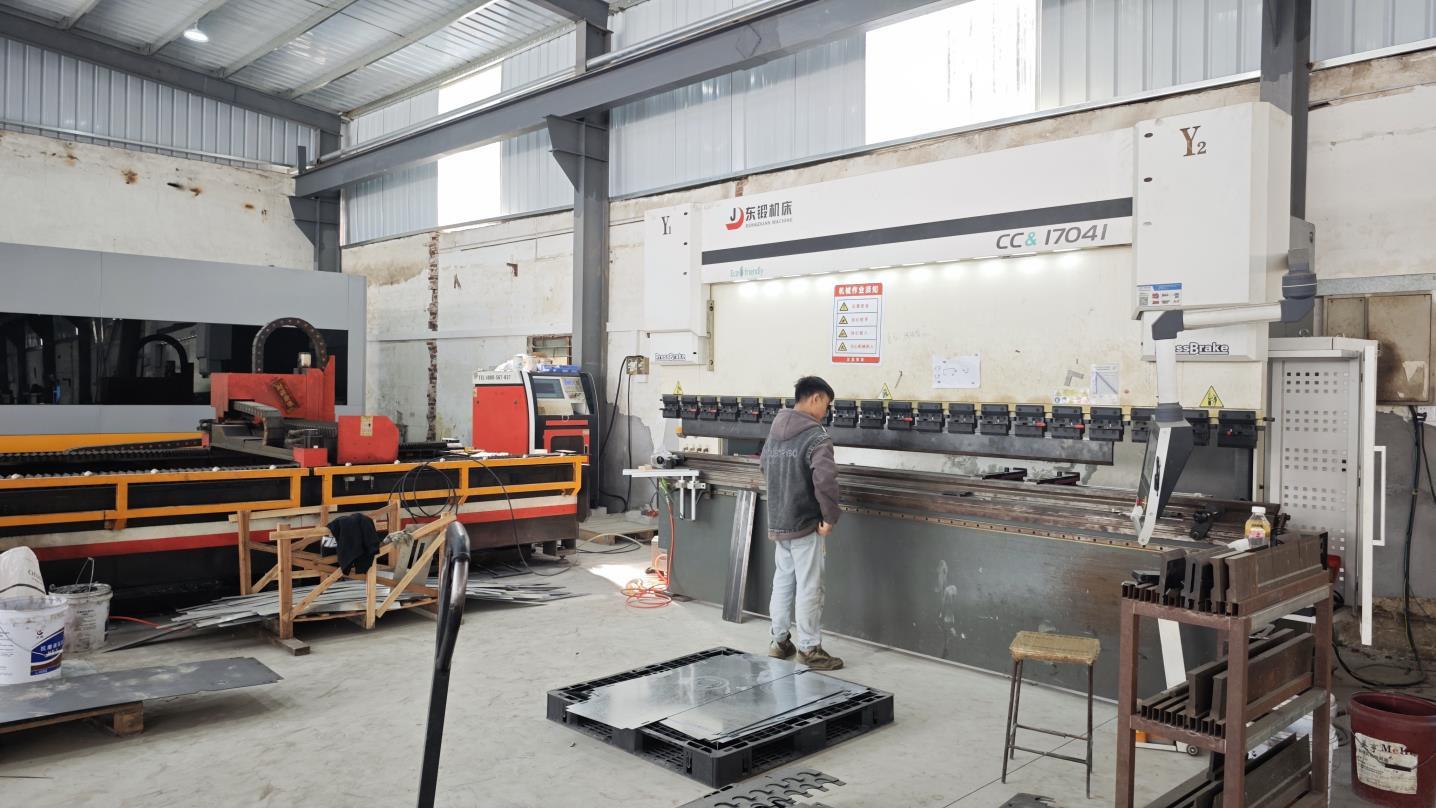
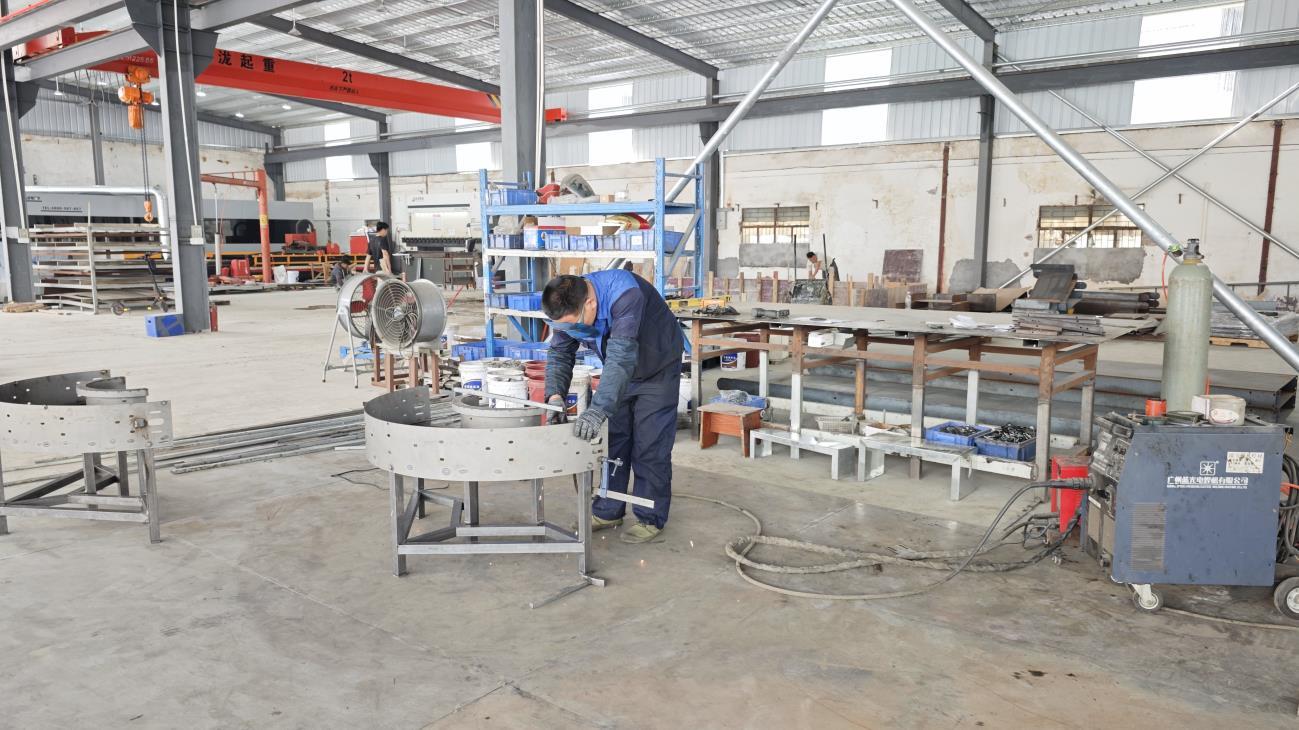
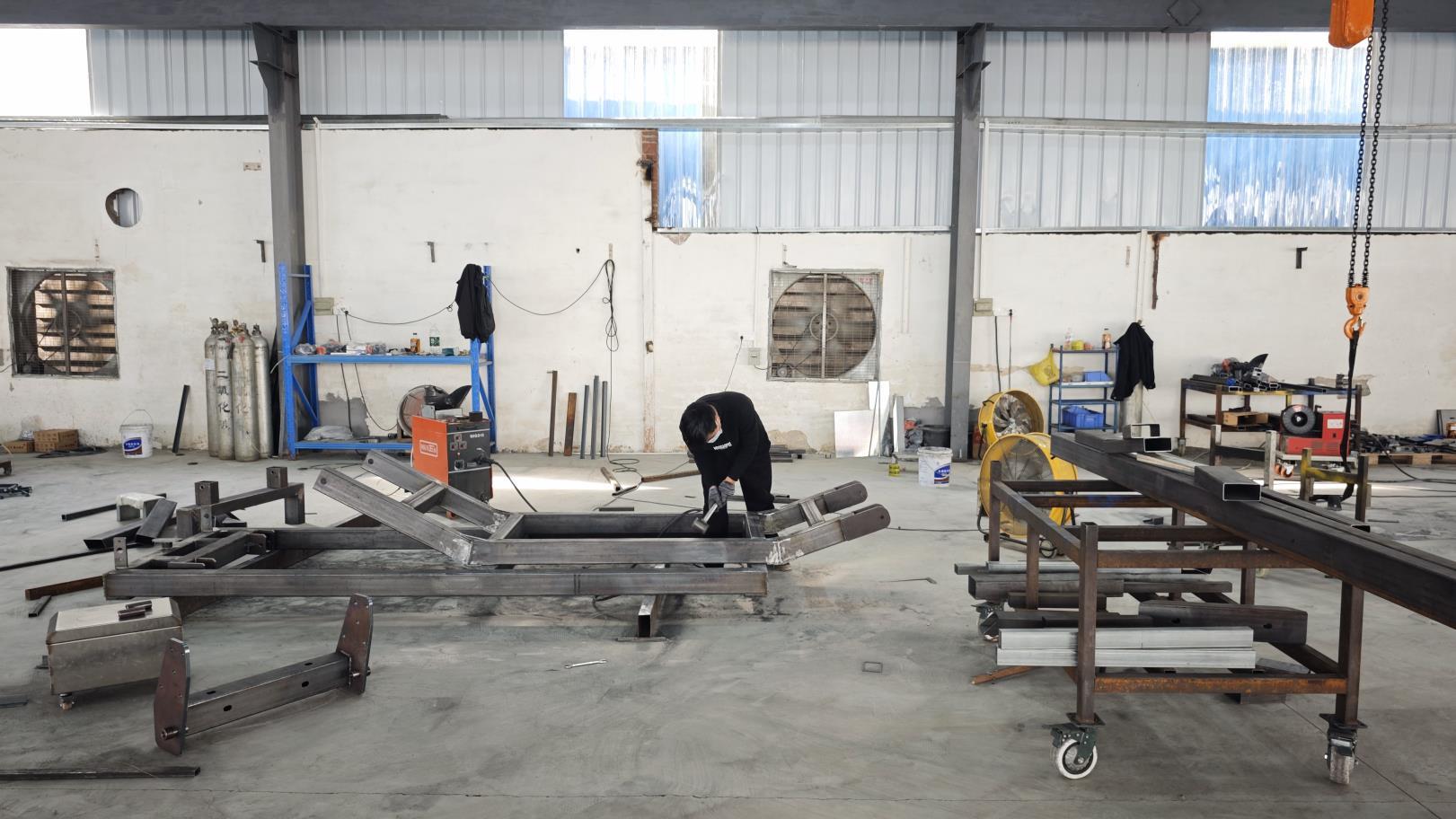
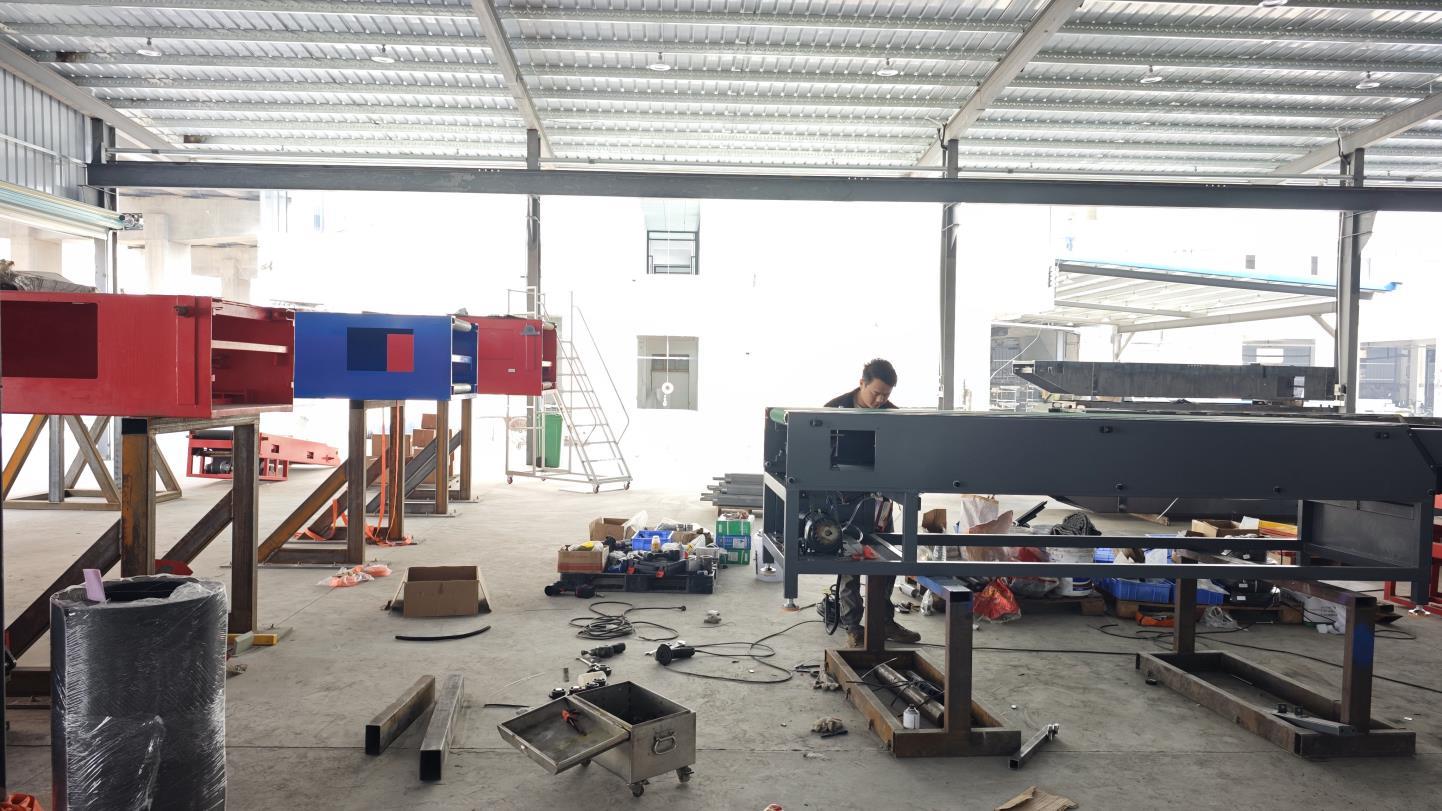
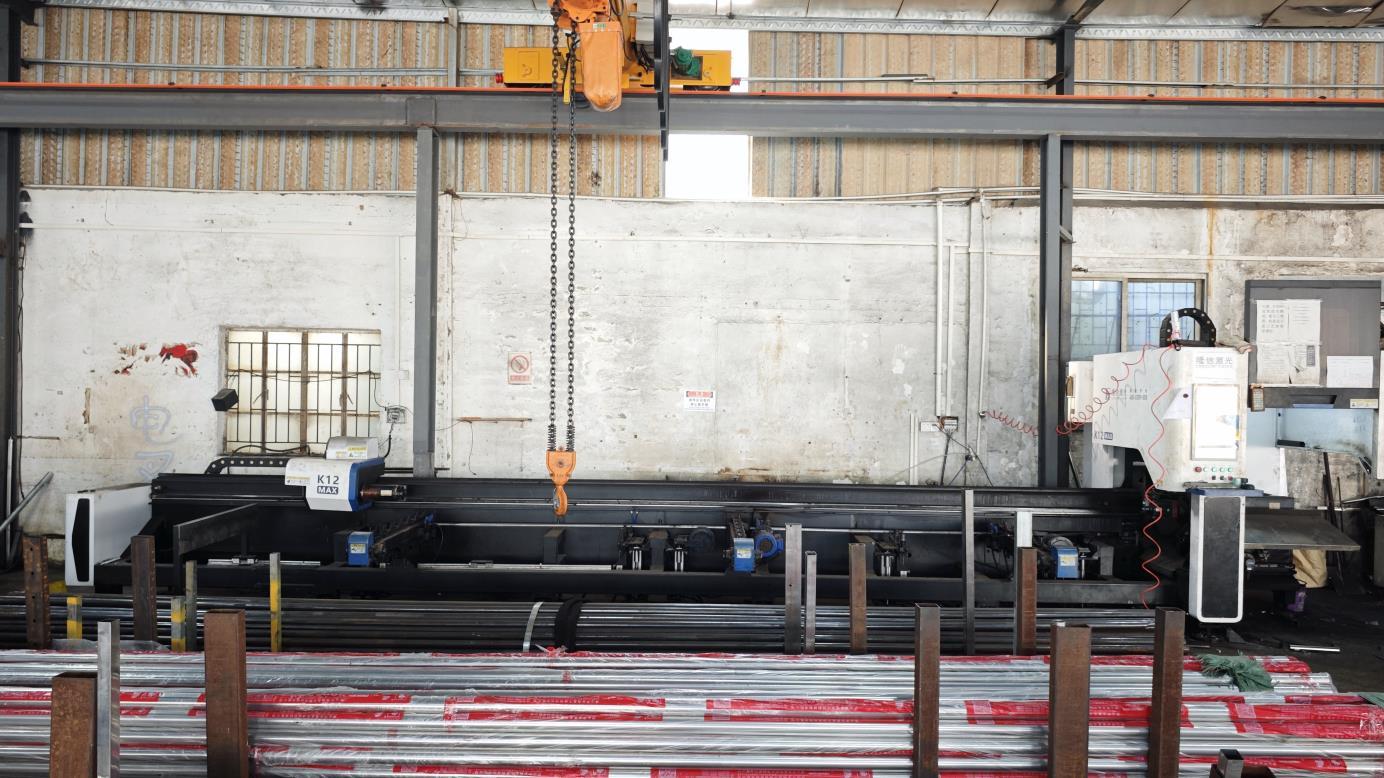
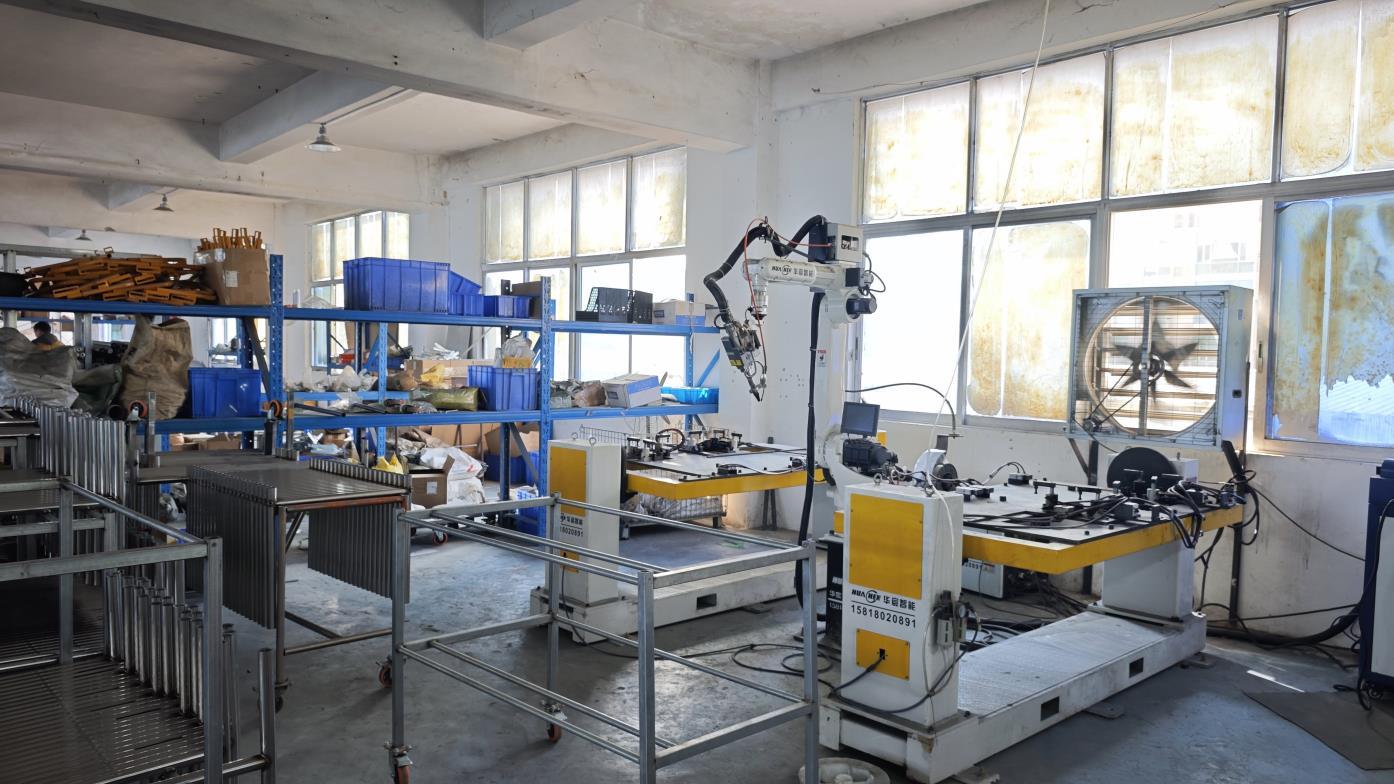
Our factory is built with advanced hardware processing tools to guarantee structural durability. Each custom OEM AGC and warehouse framework undergoes extensive stamping, welding, and CNC tolerances validation.
An AGC does not operate in isolation. It forms a single node in a larger digital and physical logistics framework. To achieve high efficiency, we design solutions that bridges software with hardware:
Our systems bridge the physical operations of the AGC with your existing Warehouse Management System (WMS) and Warehouse Control System (WCS). This enables real-time dispatch, inventory status reporting, and automatic queue optimization.
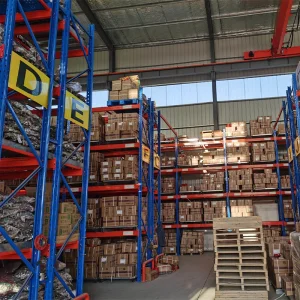
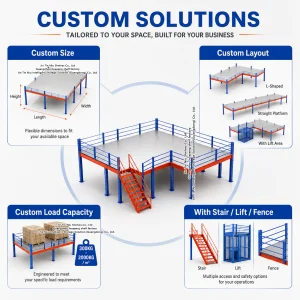
We design heavy-duty mezzanines and multi-level rack storage structures equipped to support the continuous transport weight of robotic fleets, ensuring a seamless interface between vertical storage and horizontal robotic dispatch.
Our AGC solutions are engineered with customized opportunity-charging pads. Carts automatically route themselves during periods of low activity to top off batteries, maintaining a 24/7 uptime workflow.
We are committed to forward-thinking industrial designs. Our technical roadmap focuses on the integration of cutting-edge connectivity and mechanical reliability:
Deploying 5G networks allows the AGC fleet to transfer sensor data instantly, reducing central server latency to under 5ms.
Standardizing Lithium Iron Phosphate battery modules to provide longer life-cycles, fast charging rates, and elevated safety standards.
Designing quick-release mechanical docks allowing the same AGC base to support scissor lifts, conveyor belts, or hook pull setups.
Carts analyze wheel wear, motor temperature, and battery resistance to alert maintenance crews before a physical failure occurs.
Explore deep technical and business answers regarding our OEM Automated Guided Cart configurations, integration protocols, and warehouse structural layouts.
A robust automated fleet requires solid, heavy-duty floor infrastructure. We design high-load racking, structural mezzanines, and sorting units to support the operations of automated guided vehicles.
 RAB Logistics