Integrate robust loading dock capabilities and intelligent horizontal handling systems to streamline terminal logistics.
Within high-capacity logistics networks, the loading dock represents both the critical gateway and the most persistent operational bottleneck. As global fulfillment operations evolve to accommodate high-velocity cross-docking, the demand for precision-engineered, heavy-duty loading dock equipment has escalated. No longer merely static mechanical bridging plates, modern dock leveling systems function as integrated control interfaces, communicating seamlessly with material handling fleets, building security matrices, and logistics management networks.
RAB Logistics designs solutions where structural dock levels, automatic doors, and automated guided vehicles form a synchronized operational unit. The alignment of hardware parameters with software workflows minimizes dwell times and eliminates manual handoff errors.
A comprehensive provider of intelligent warehousing and modern logistics solutions, engineered for scalability and structural reliability.
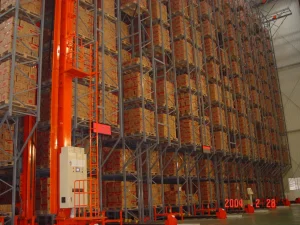
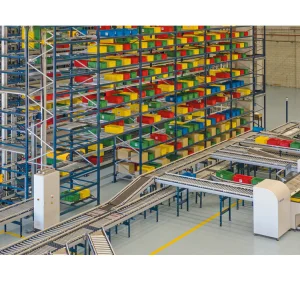
Hangzhou RAB Logistics Co., Ltd. excels at combining physical storage assets with advanced software frameworks, including Warehouse Management Systems (WMS), Automated Storage and Retrieval Systems (AS/RS), and AGV/AMR robotics.
We provide a complete development cycle, encompassing professional system consulting, mechanical and architectural engineering, structural optimization, software customization, and site commission execution.
From clean-room pharmaceutical storage to heavy manufacturing, automotive hubs, and high-frequency cross-border e-commerce centers, our systems are engineered to withstand demanding operational conditions.
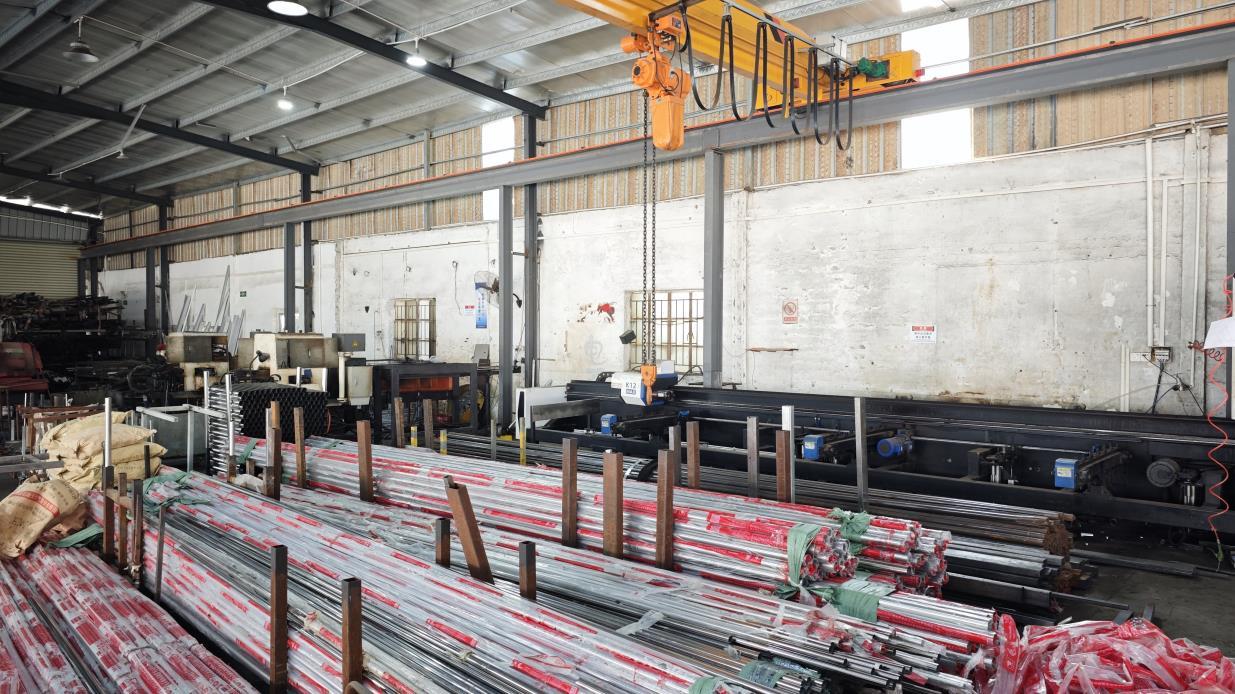
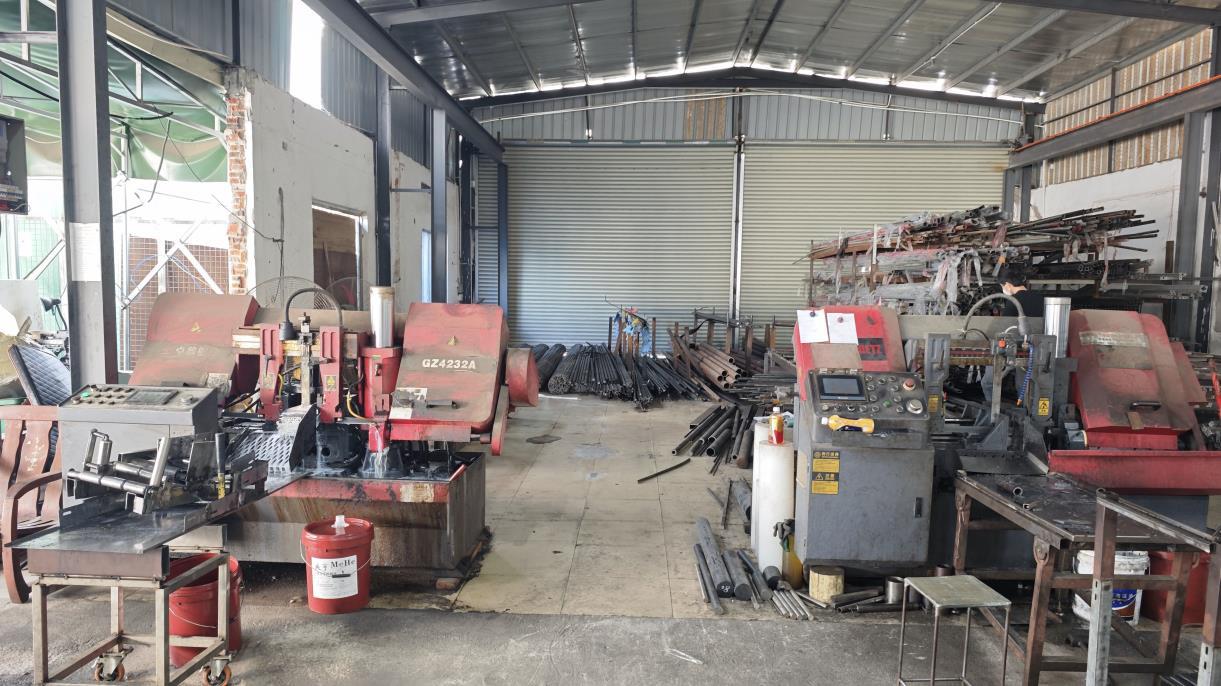
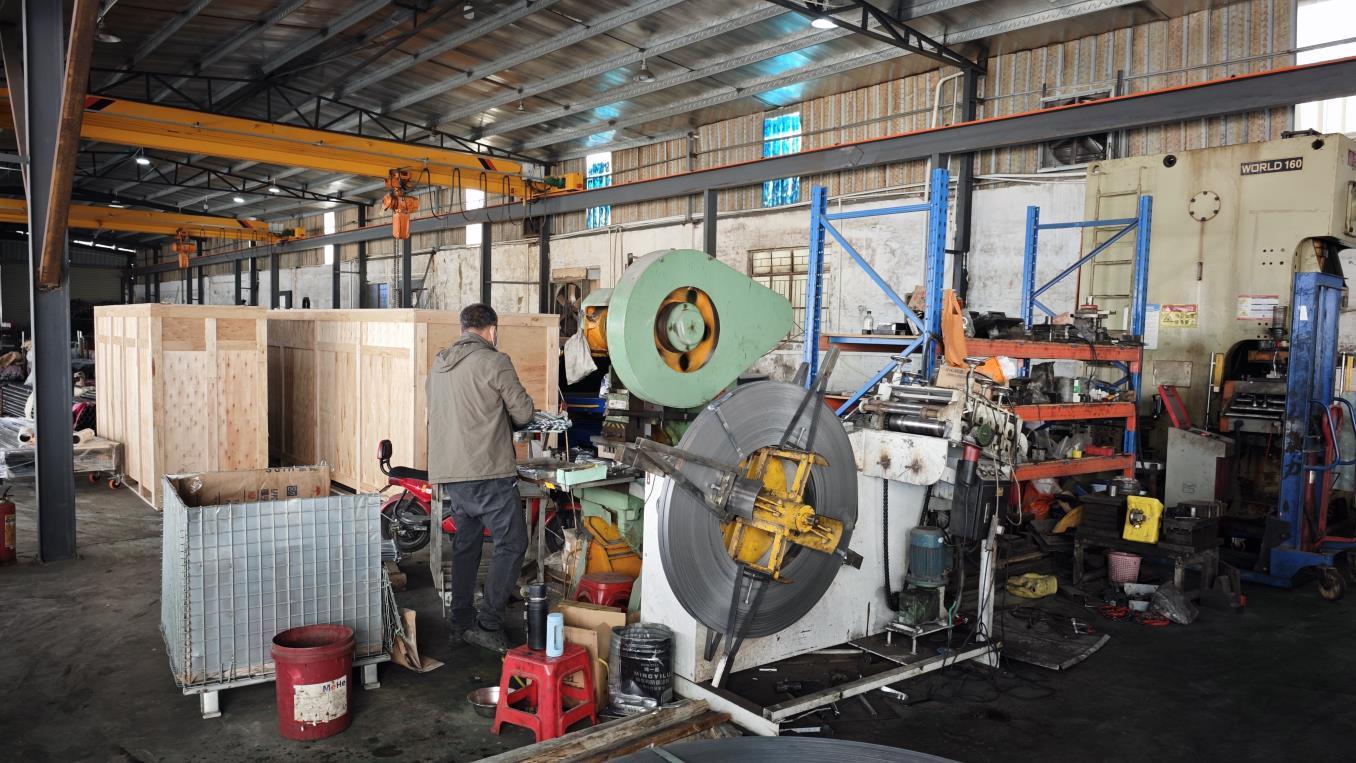
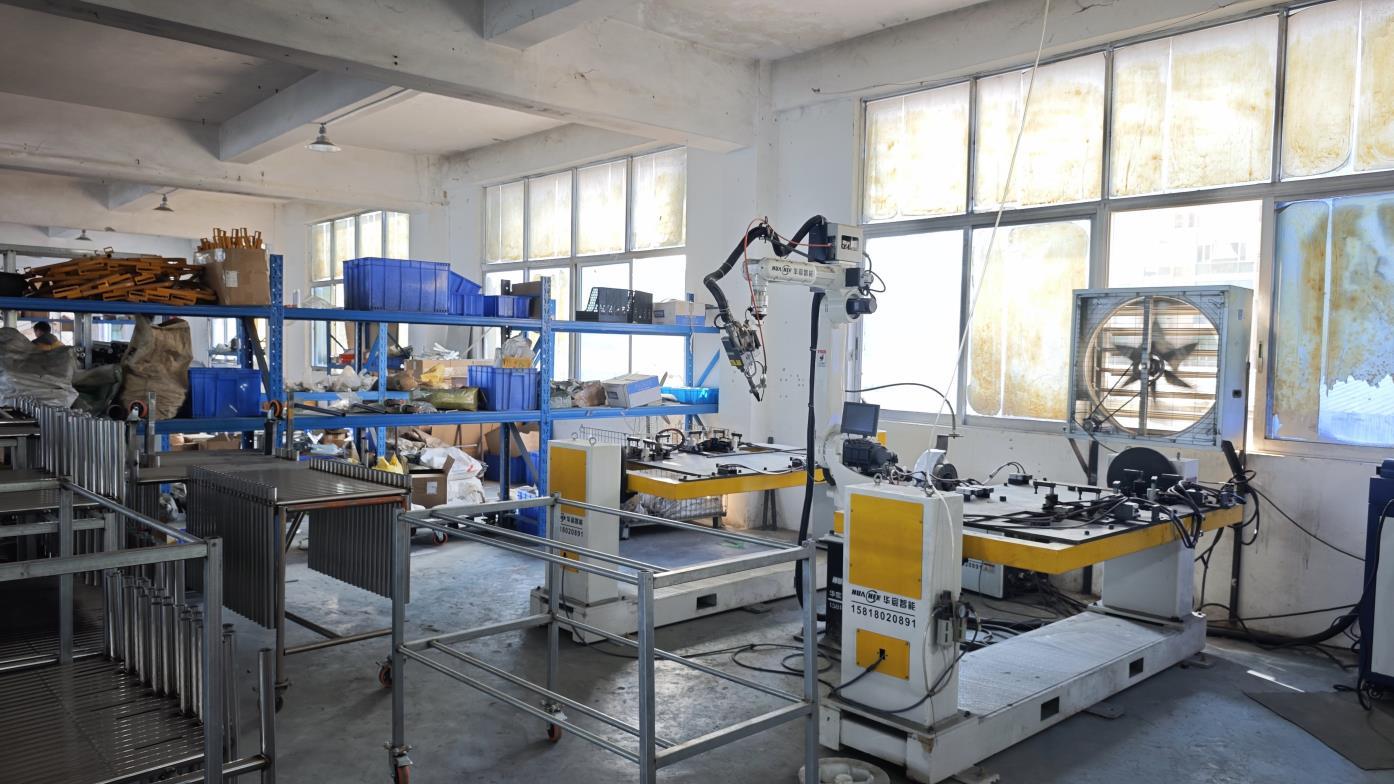
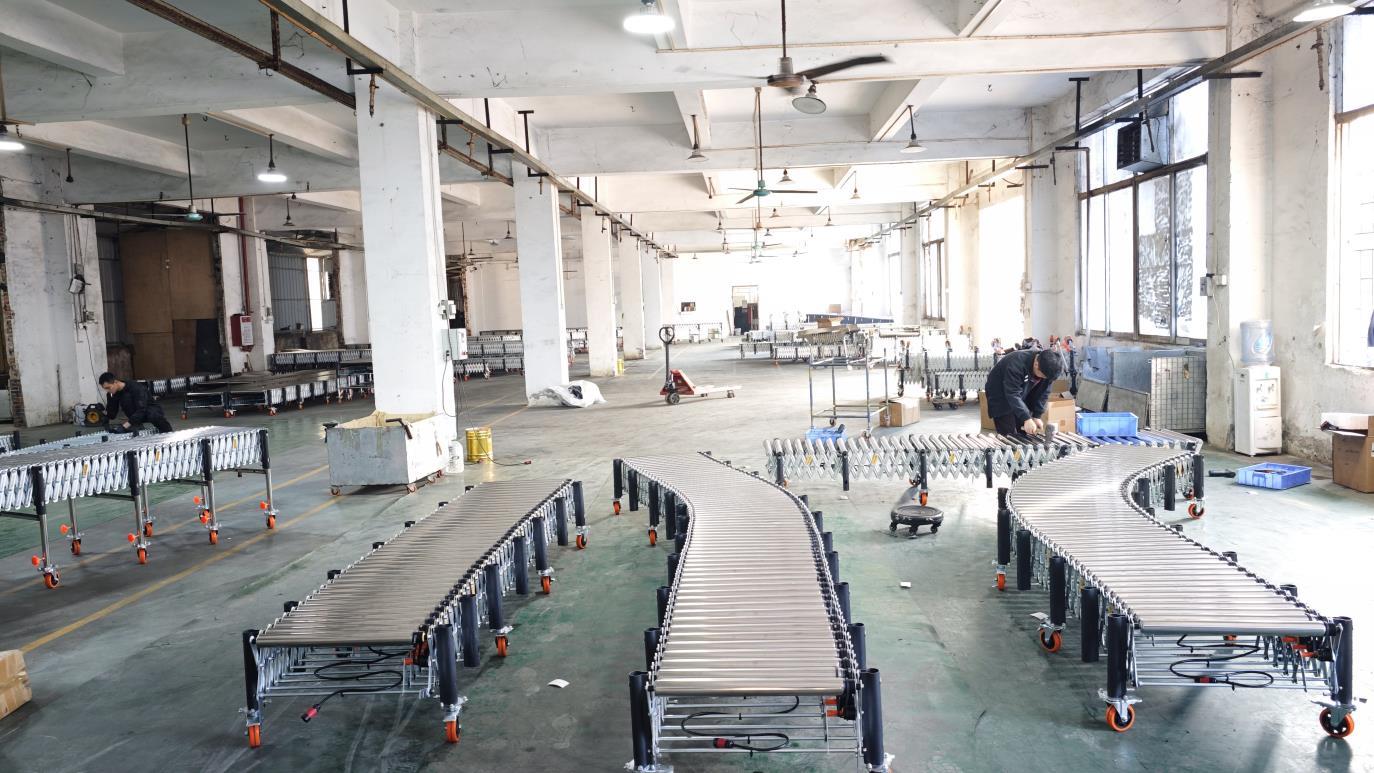
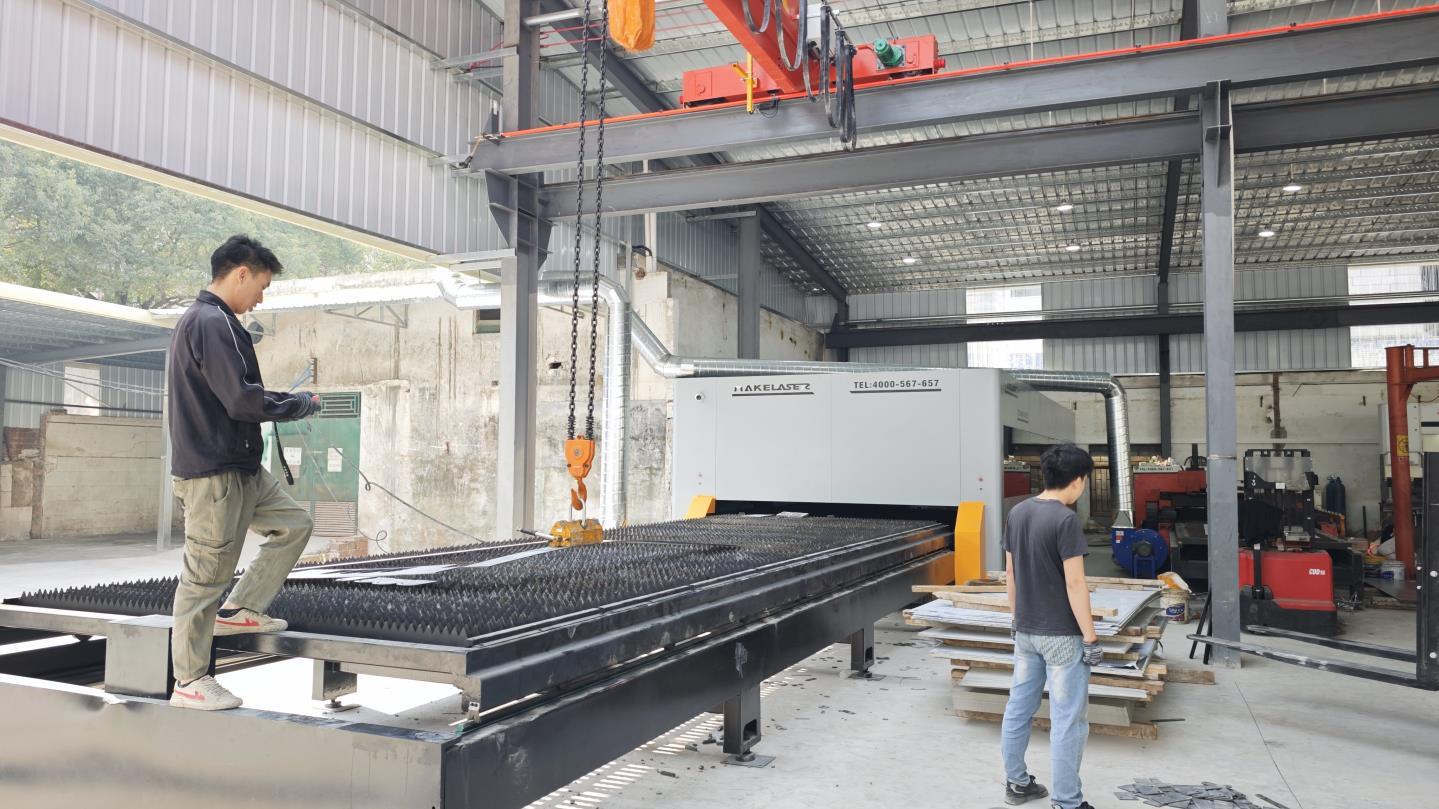
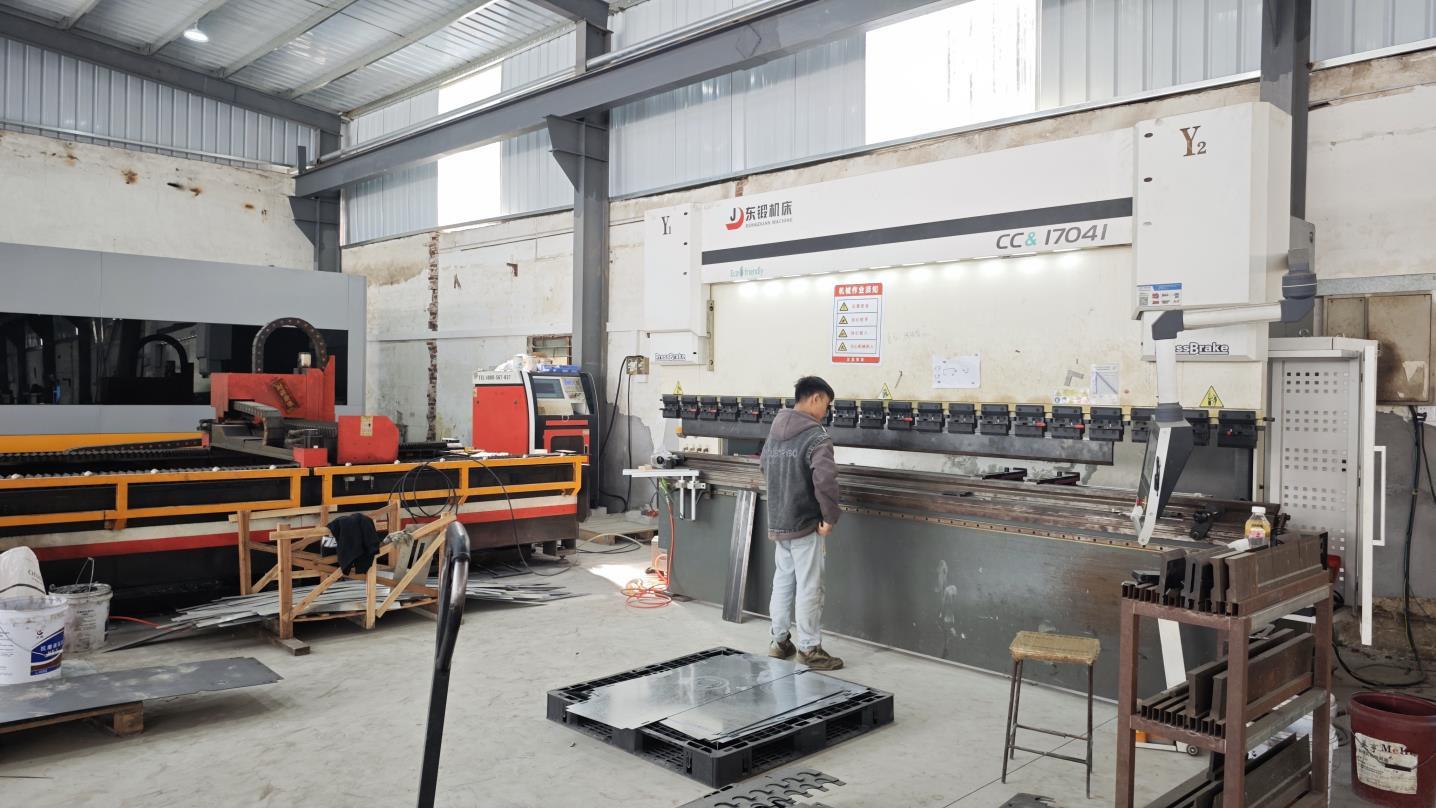
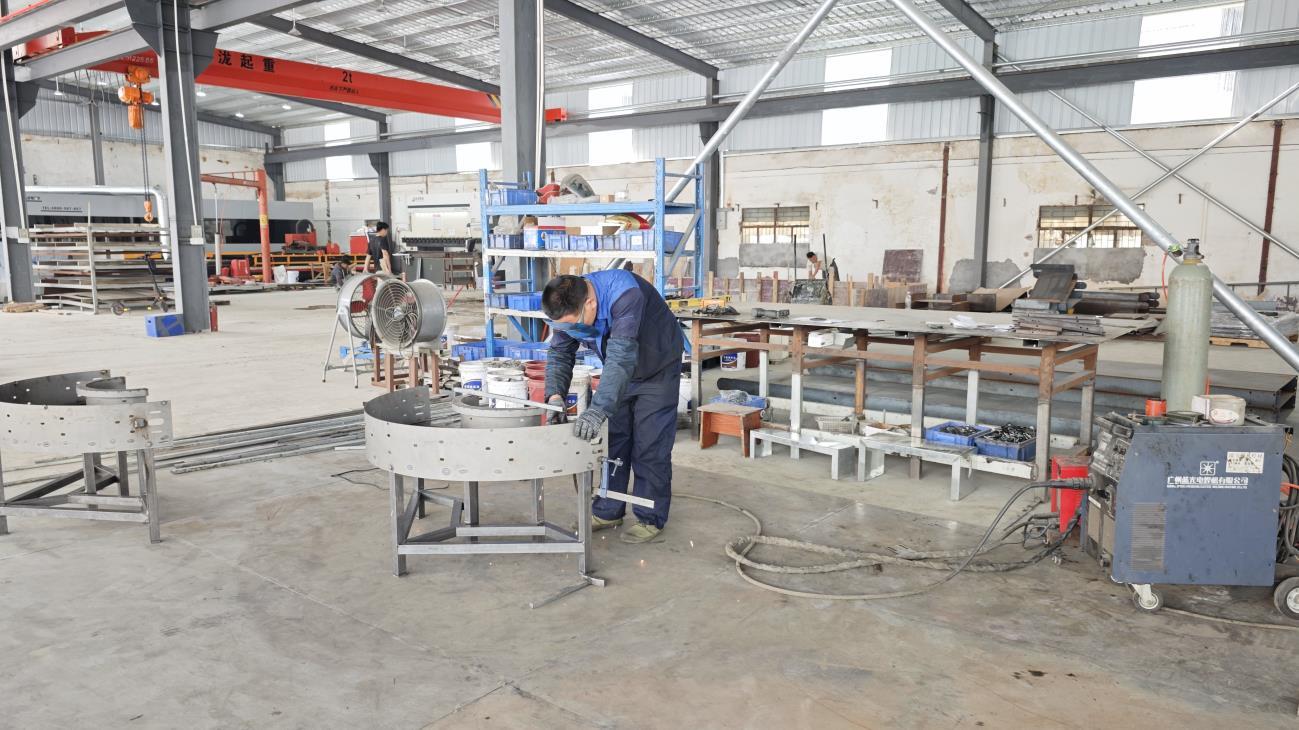
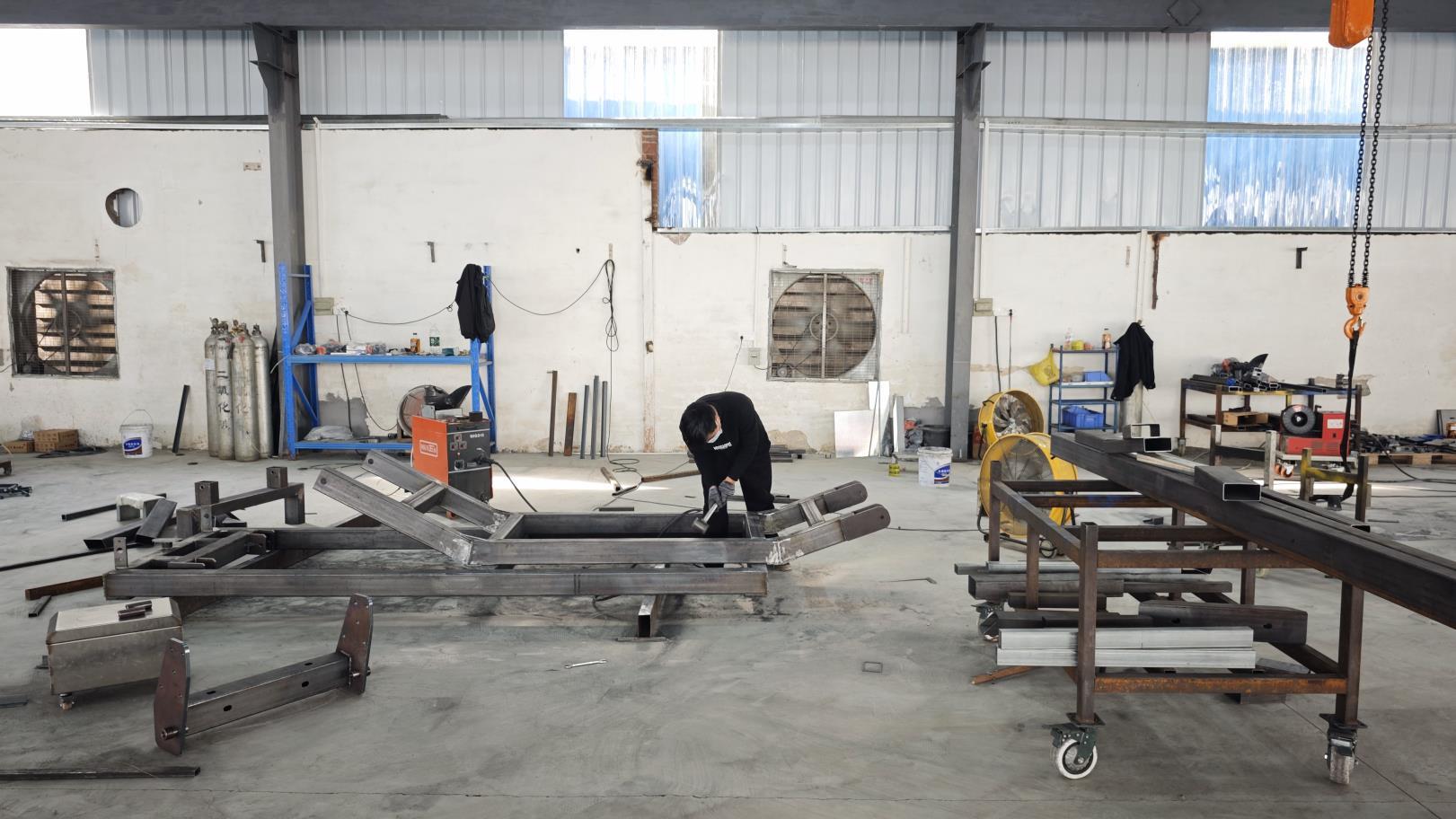
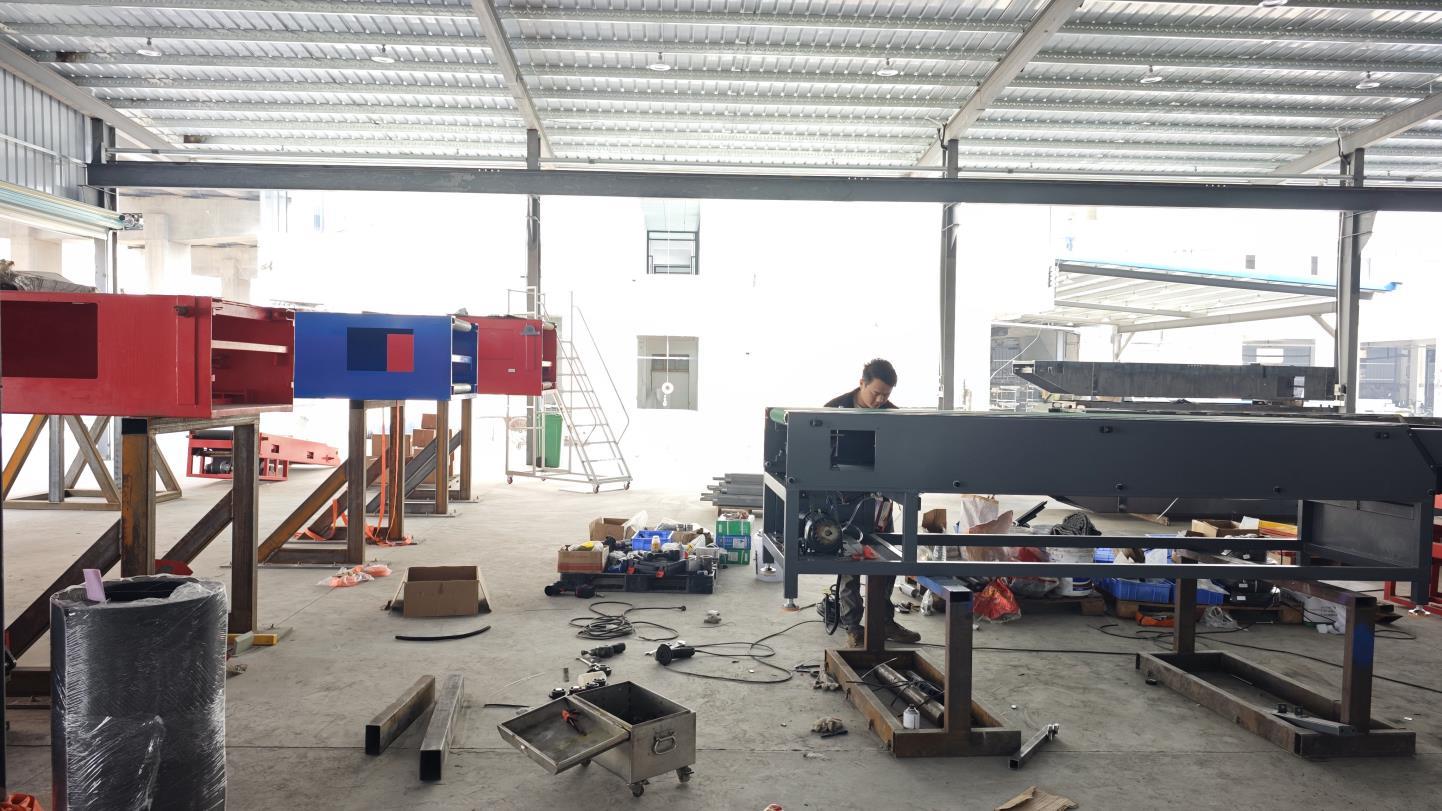
Witness our state-of-the-art manufacturing floor, where advanced machinery, CNC profiling, and automated welding lines output certified structural logistics components.
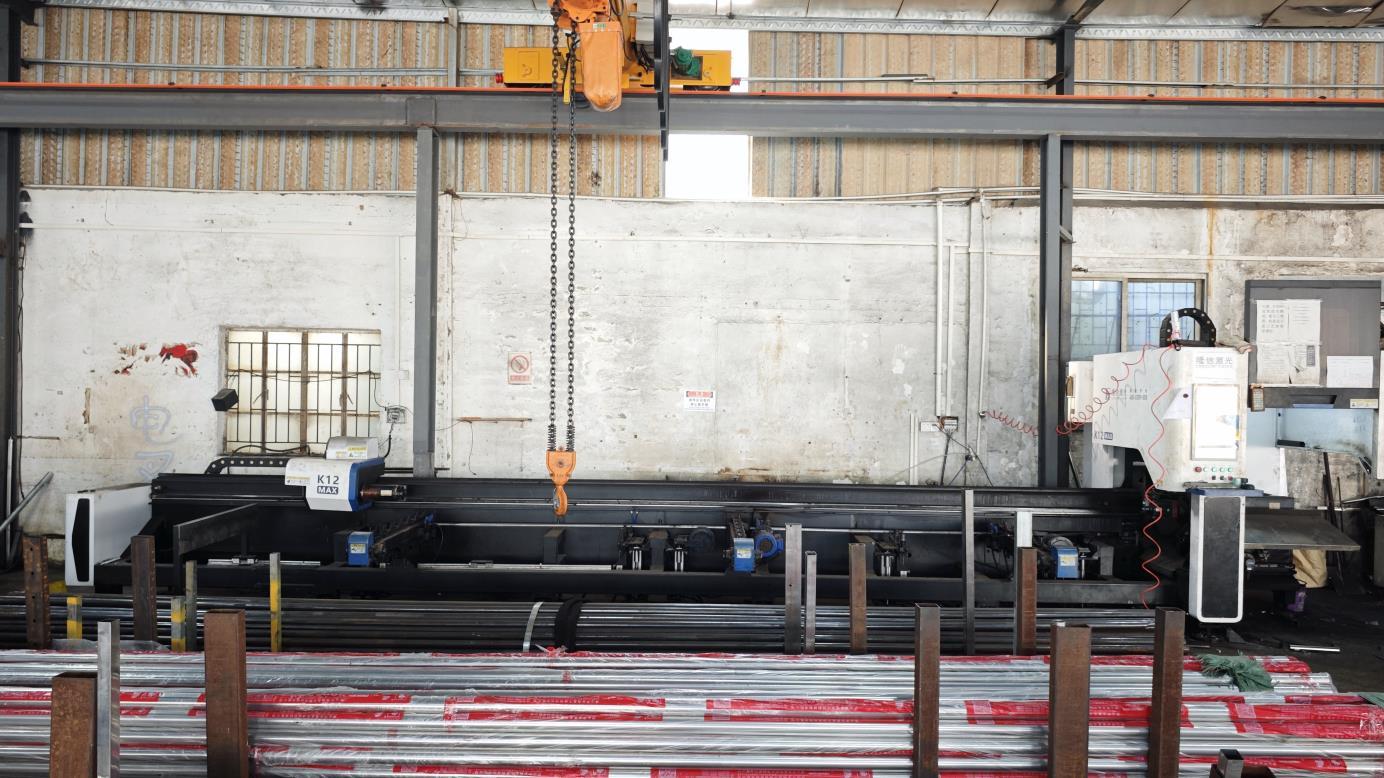
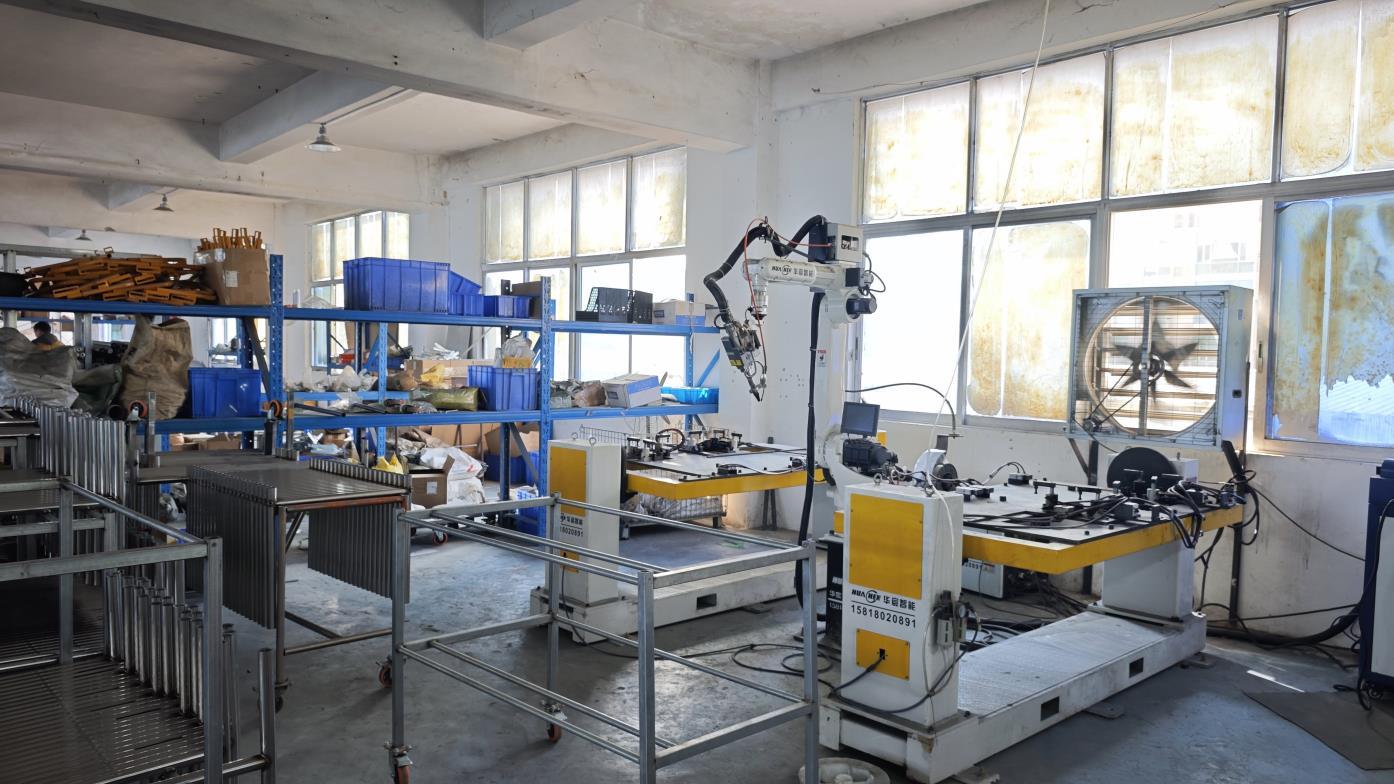
An in-depth analysis of structural integrity requirements for multi-level warehouses and autonomous handling applications.
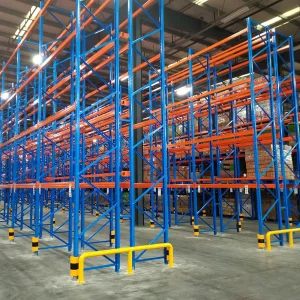
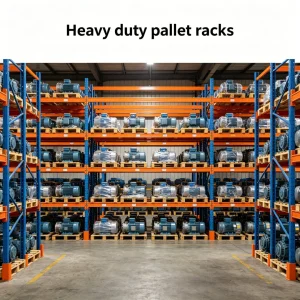
When specifying loading dock equipment or heavy-duty racking configurations (such as heavy-duty cantilever racks or high-density pallet racking systems), dynamic load calculations must account for the rapid velocity and braking profile of loaded forklifts and automated guided vehicles (AGVs). Static structural metrics are insufficient; we calculate and design to accommodate dynamic impact forces up to 20 tons to prevent structural steel deformation and structural fatigue over long operational lifespans.
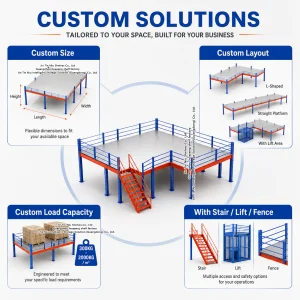
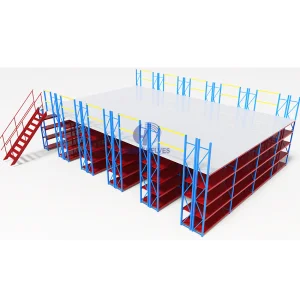
Multi-tier mezzanine rack installations and steel elevated storage platforms require precise calculations for load-bearing deflection (L/360 or L/240 standards). Operating under a 500kg/sqm configuration demands lateral bracing layouts that can withstand seismic forces (specifically IBC Class D and E zones). Our manufacturing incorporates CNC bending and computerized stamping to guarantee absolute uniformity in structural steel uprights, minimizing joint play and lateral drift.
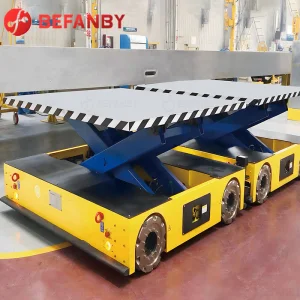
As warehousing shifts to trackless automated guided vehicles (like our 10-ton factory AGVs or APP-adjustable models), the physical alignment between dock platforms and shipping containers becomes critical. A difference of just 5mm in horizontal alignment can cause traction loss or damage to an AGV's sensors. Our solutions incorporate smart alignment mechanisms and high-strength transition zones, enabling autonomous vehicles to cross from the warehouse to transport vehicles without manual intervention.
For cold-storage and high-humidity facilities, standard powder coating is prone to micro-fractures, which can lead to corrosion. We implement hot-dip galvanization protocols in accordance with ASTM A123 standards. This treatment provides protection for steel cantilever arms, upright racks, and dock structural frames, helping prevent structural degradation caused by temperature swings and chemical exposure during washdowns.
Understanding how global regulatory requirements shape loading dock and vertical storage specifications across key markets.
Racking and dock components comply with Rack Manufacturers Institute (RMI) MH16.1 specifications, providing structural safety calculations, load placards, and impact-resistant upright guard options.
Dock leveling systems adhere to EN 1398 safety guidelines, which feature automated emergency velocity valves, full-range toe guards, and structural safety margins capable of handling heavy warehouse traffic.
Our high-capacity automated storage and retrieval systems (AS/RS) are fully certified under GB/T requirements, integrating with WMS and ERP structures for regional manufacturing setups.
A look at the future of automated logistics hubs and smart material handling integrations.
The next generation of loading dock systems will operate with dynamic IoT interfaces. Real-time sensor arrays on hydraulic cylinders will monitor fluid degradation, seal wear, and structural fatigue. They will share diagnostic data directly with cloud-based predictive maintenance programs to address issues before component failures occur.
Additionally, dock seals and vehicle restraints will communicate directly with autonomous truck navigation systems. These systems will guide vehicles into place with millimeter-level precision, automatically activating safety hooks once the trailer is positioned correctly.
Hardware systems must integrate smoothly with core software architectures. Our development focus bridges the gap between hardware sensors and management systems like WMS/WCS, ensuring seamless communication across all operational layers.
This integrated framework tracks item movements from storage racks, through intermediate mezzanine levels, and onto shipping vehicles. By linking these steps, the system provides high visibility, routing accuracy, and throughput control across the entire logistics chain.
Technical guidance on load capacities, customization options, and structural standards for warehouse and loading dock installations.
Optimize your vertical warehouse space and automate material handling workflows with our heavy-duty racking and AS/RS components.
 RAB Logistics