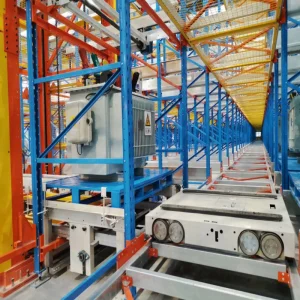
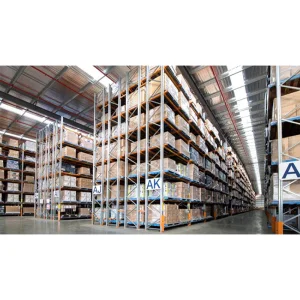
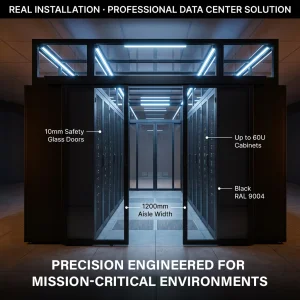
Dynamic execution software and hardware solutions tailored for Banfora's growing industrial corridor.
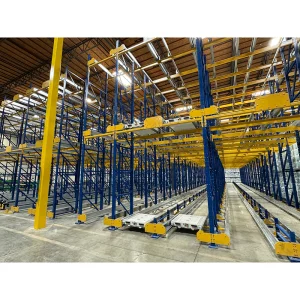
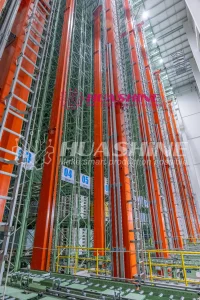
In the rapidly diversifying industrial landscape of West Africa, Banfora (Burkina Faso) has emerged as a vital hub for agro-processing, heavy manufacturing, and cross-border trade. As the region scales up its sugar processing, cashew export, and manufacturing capacities, traditional warehouse management systems struggle to keep pace with dynamic logistics demands. This is where Warehouse Control Systems (WCS) act as the core operational brain, bridging the gap between high-level enterprise planning and physical automation floor activities.
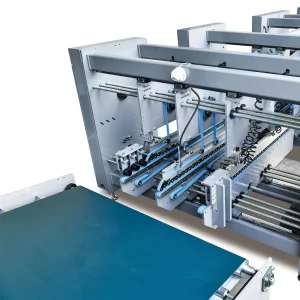
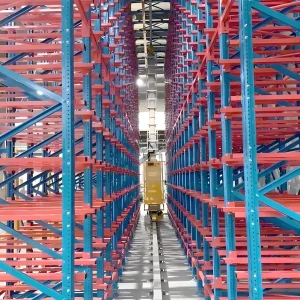
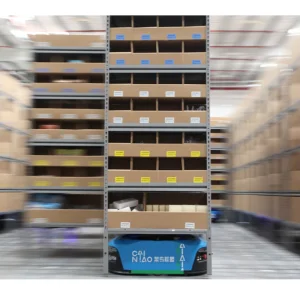
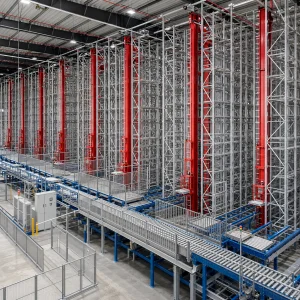
A Warehouse Control System (WCS) acts as a dynamic middleware solution. While a Warehouse Management System (WMS) manages inventory tracking, order planning, and slotting strategies, the WCS translates these instructions into real-time physical commands. It coordinates conveyor speeds, routes Automated Guided Vehicles (AGVs), directs stacker cranes in Automated Storage and Retrieval Systems (AS/RS), and manages sorting configurations.
For industries serving Banfora, utilizing a robust WCS ensures that supply chain facilities achieve maximum throughput, reduce product damage, and optimize warehouse labor resource allocation. Integrating a reliable WCS reduces reliance on manual material handling, creating a safer and more predictable environment.
Globally, warehouse automation is shifting from isolated systems to fully integrated, intelligent ecosystems. Today's state-of-the-art logistics nodes rely on IoT sensors, AI-driven dynamic routing, and high-performance Programmable Logic Controllers (PLCs) like Siemens S7 architectures. WCS solutions now routinely manage multi-depth shuttle systems, high-speed sorting machines, and automatic weighing/dimensioning arrays. This global technological evolution directly informs the export-grade infrastructure that we supply to Banfora's industrial enterprises.
Engineered for low-latency operations and high reliability under heavy payload scenarios.
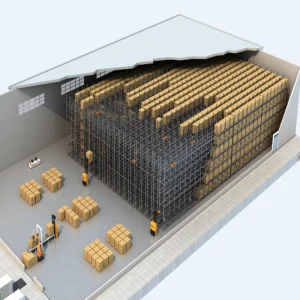
Implementing automation in West Africa poses distinct physical challenges. Frequent voltage fluctuations, dust infiltration, and high ambient temperatures can impair sensitive electronic modules. To address these factors, our WCS implementation strategies for the Banfora region feature localized hardware adjustments, including IP65-rated control panels, clean-power UPS setups, and heavy-duty mechanical elements designed for continuous cycle operations.
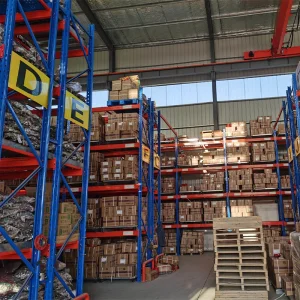
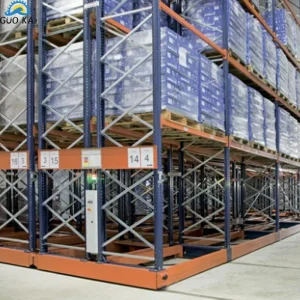
Banfora’s position as a major agricultural center demands high-density storage solutions. Products like processed sugar and raw cashew nuts require strict batch controls, first-in-first-out (FIFO) handling, and minimal physical drop impacts to avoid product damage. By implementing our ERP-Integrated WCS alongside Siemens-controlled radio shuttle racks, exporters can track and execute deep-lane warehouse tasks with high accuracy, preventing crop spoilage and maximizing shipping throughput.
For advanced "Smart Factory" environments, WCS cannot sit isolated. Our customized software suite links directly with Manufacturing Execution Systems (MES) and Supervisory Control and Data Acquisition (SCADA) platforms. This unified dashboard allows engineers in Banfora to monitor rack load status, track shuttle battery status, configure conveyor routes, and generate maintenance alerts before equipment downtime occurs.
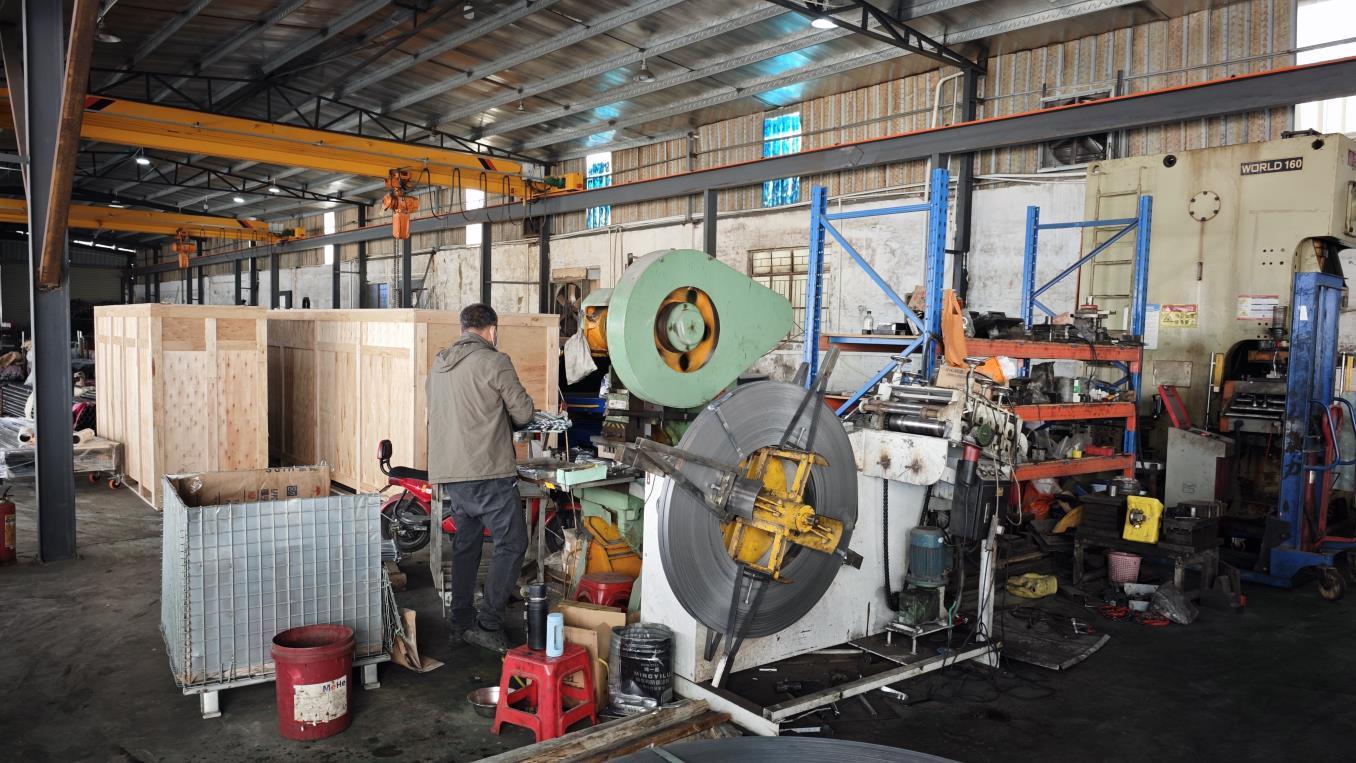
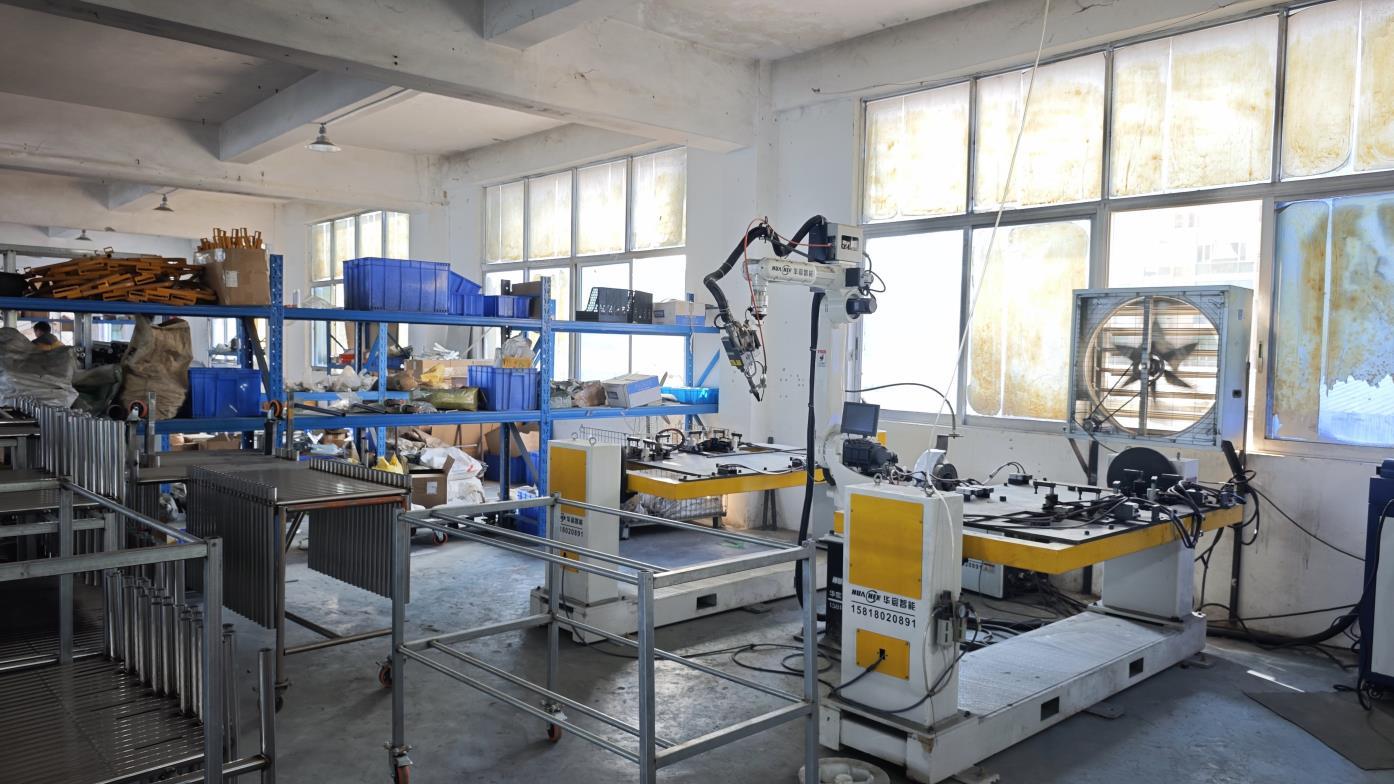
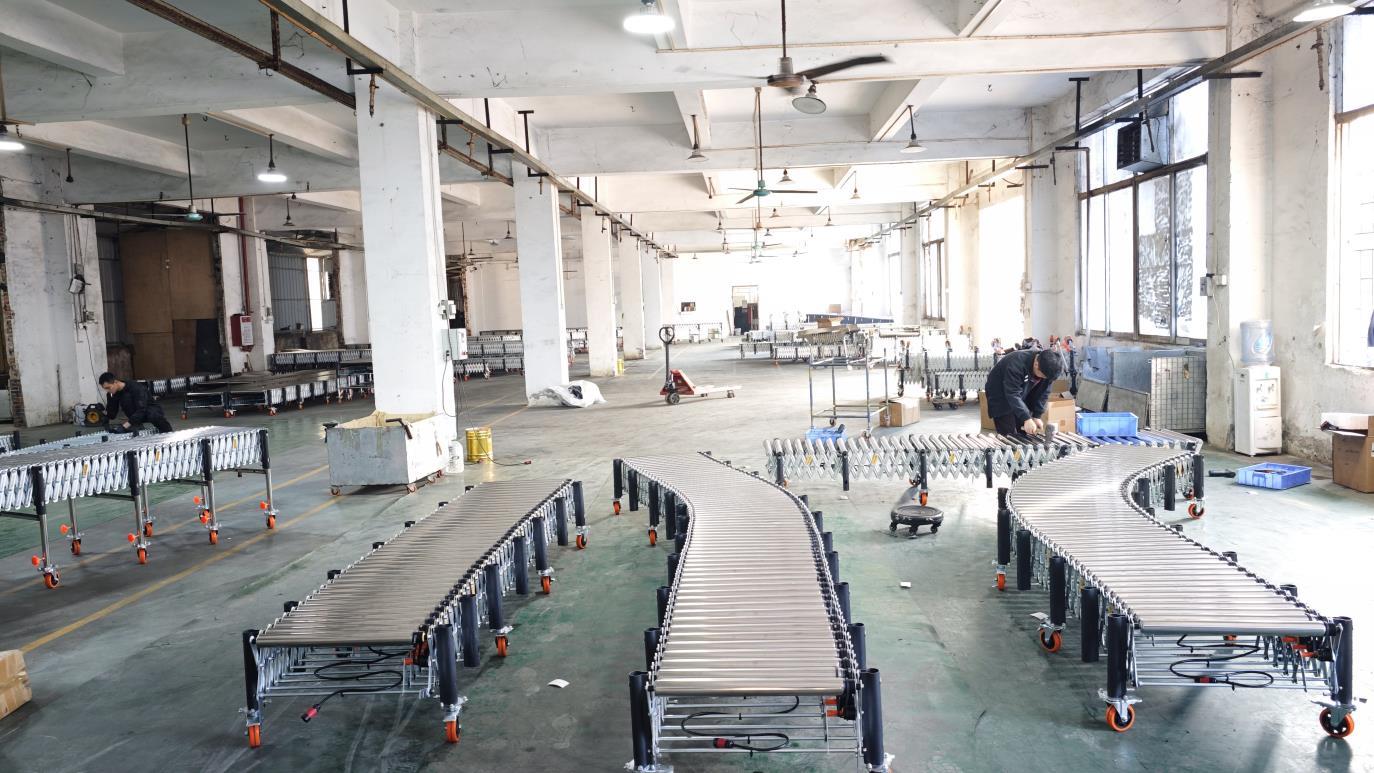
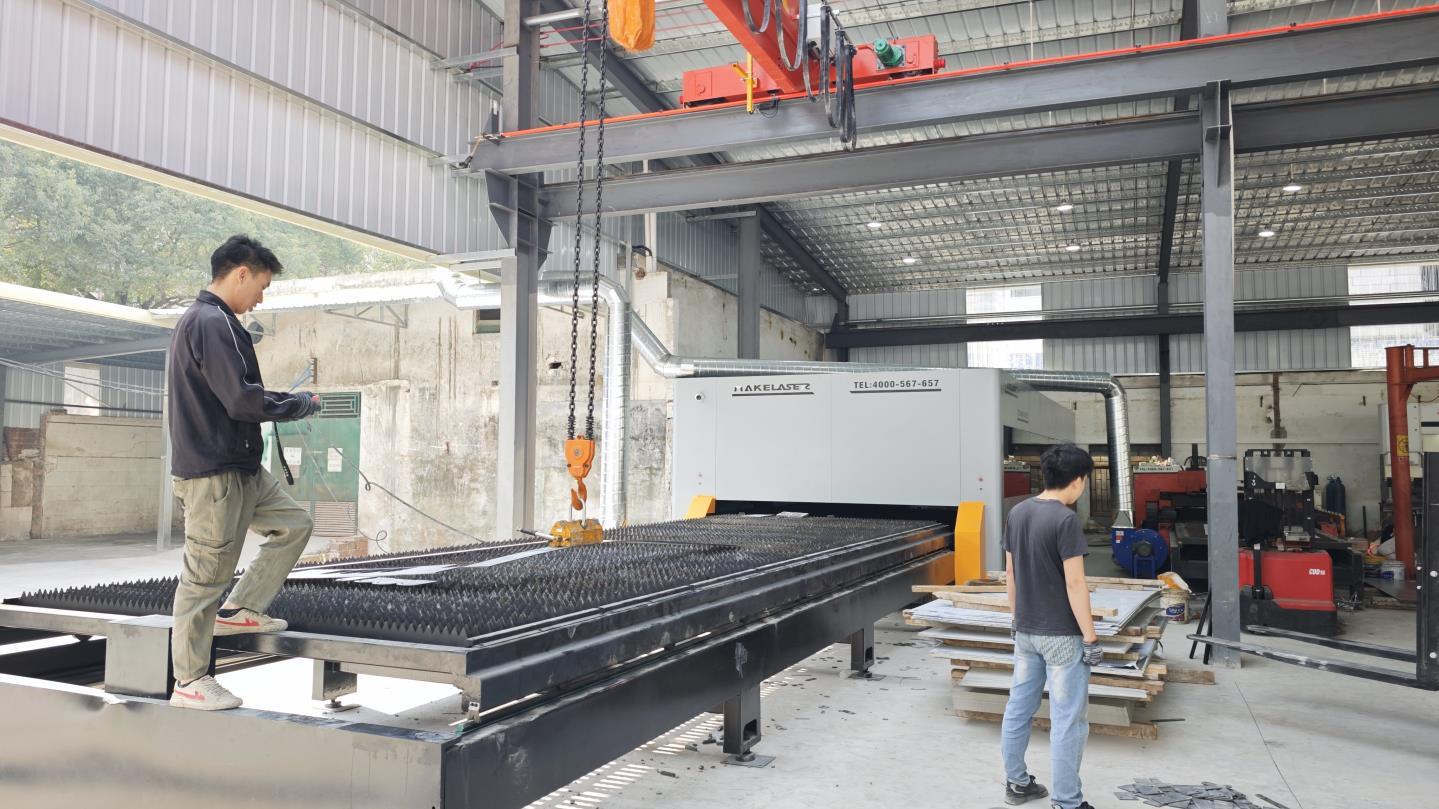
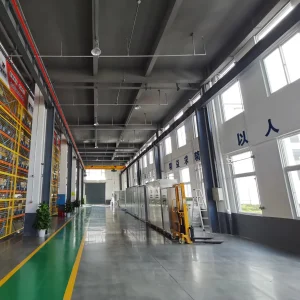
Hangzhou RAB Logistics Co., Ltd. is a professional provider of intelligent warehousing and modern logistics solutions. Our manufacturing facilities utilize precise production processes to deliver robust and long-lasting mechanical components.
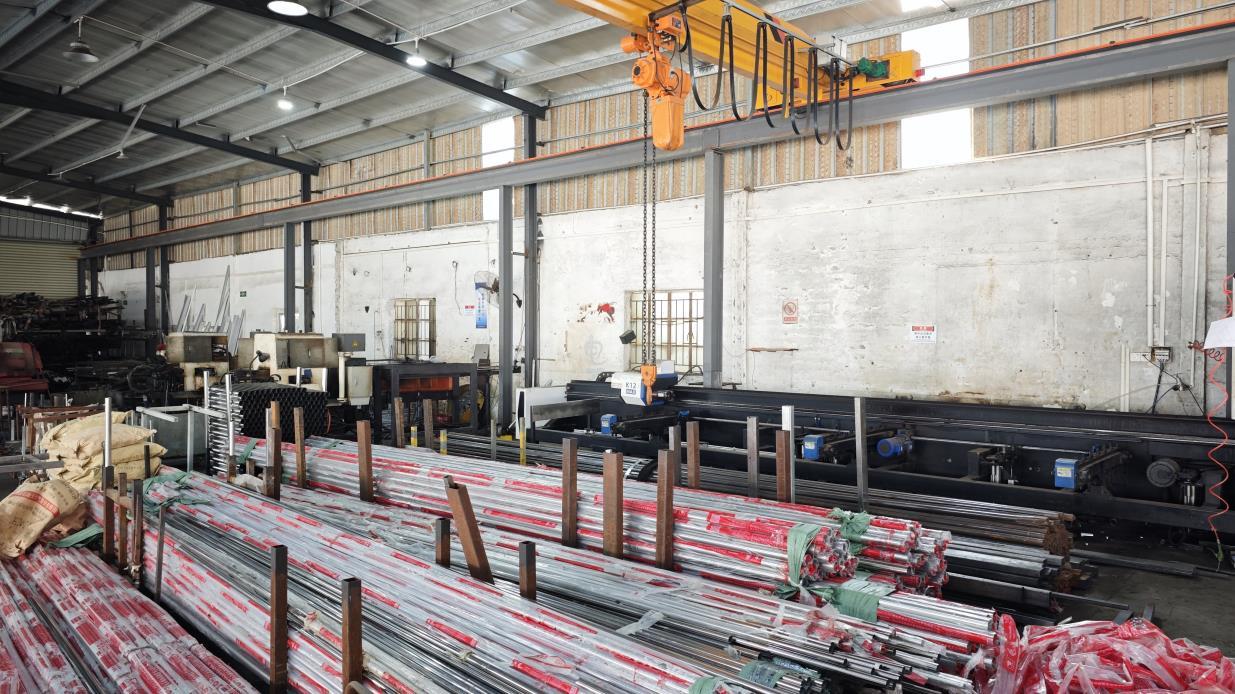
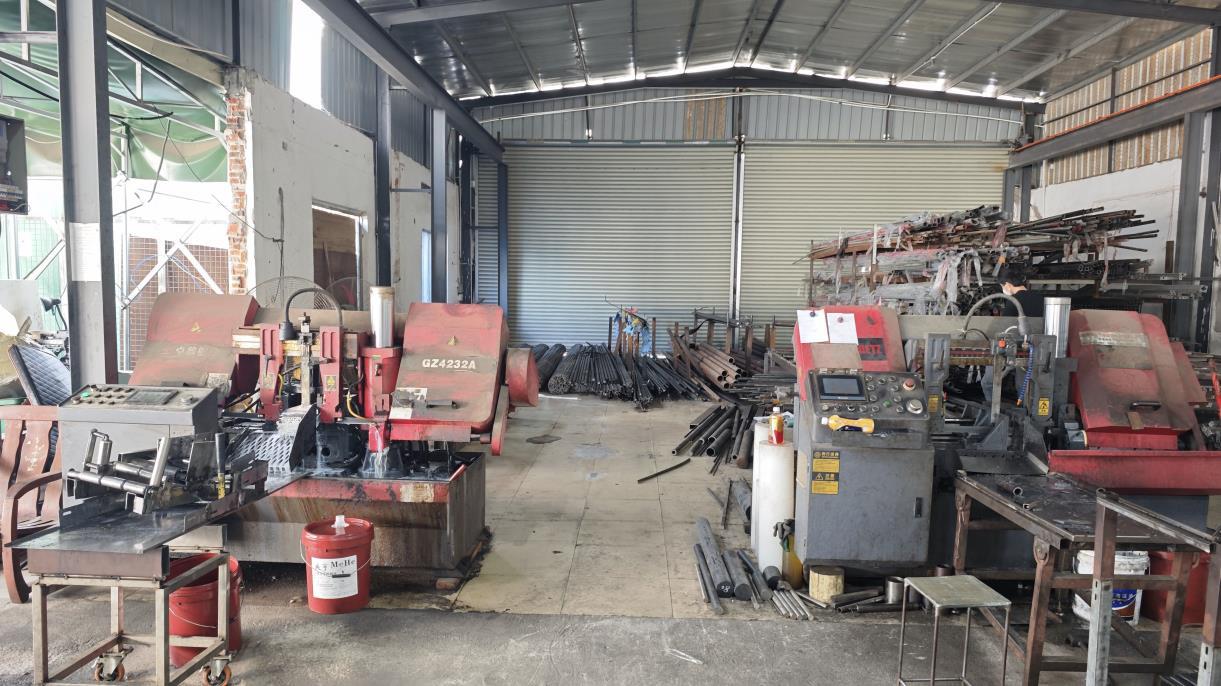
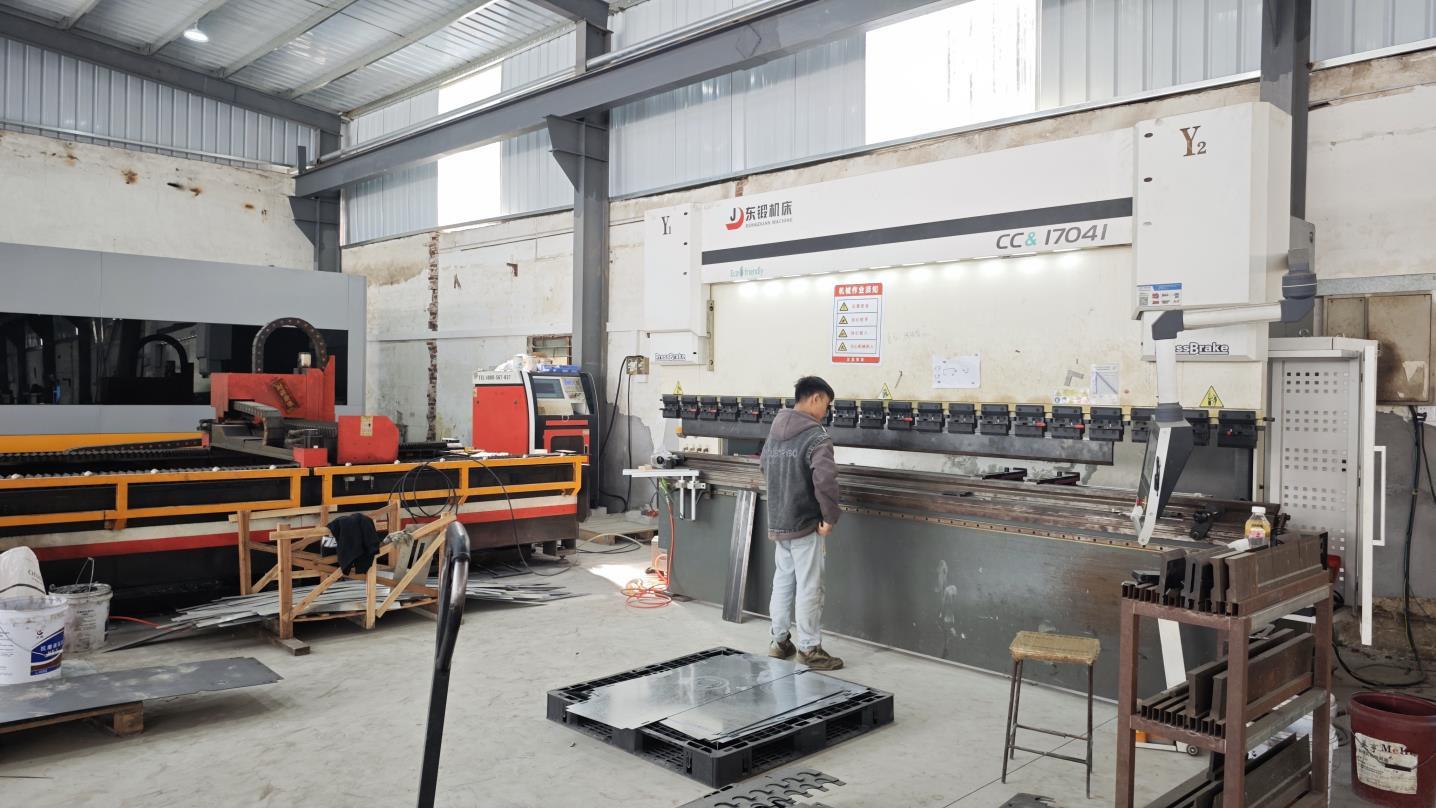
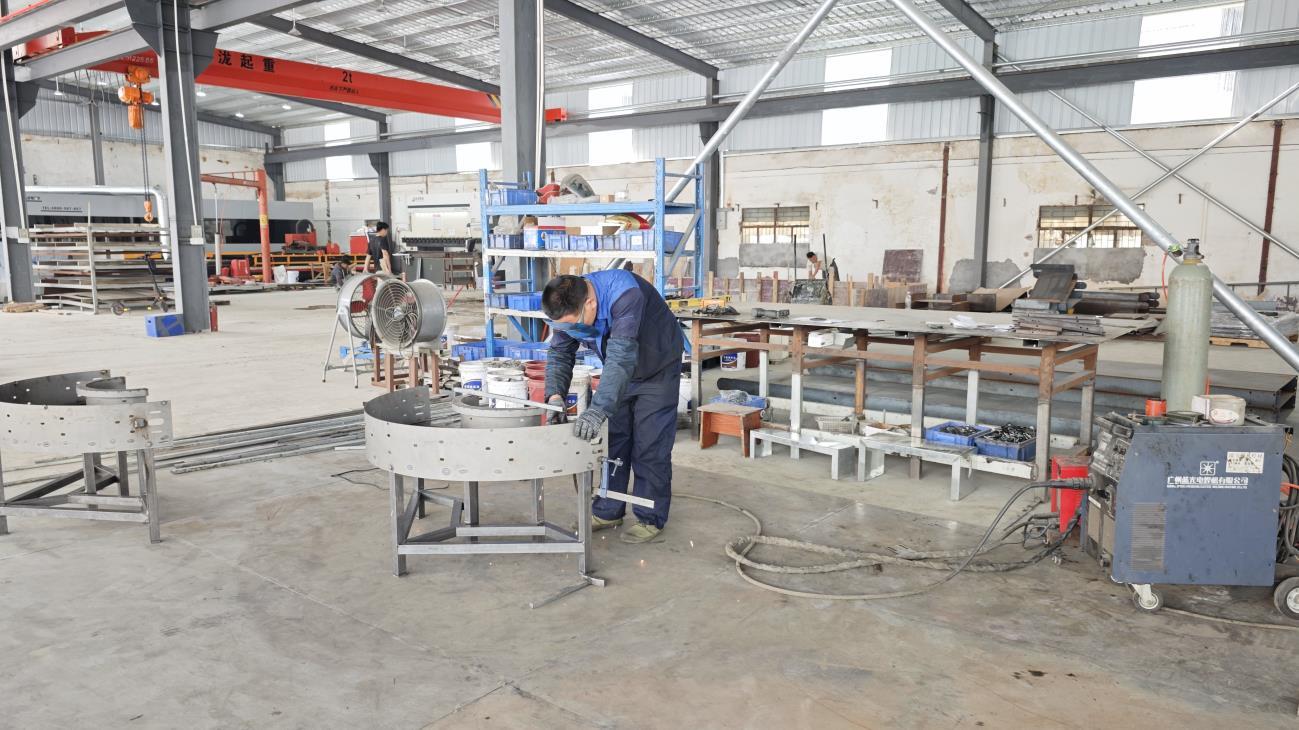
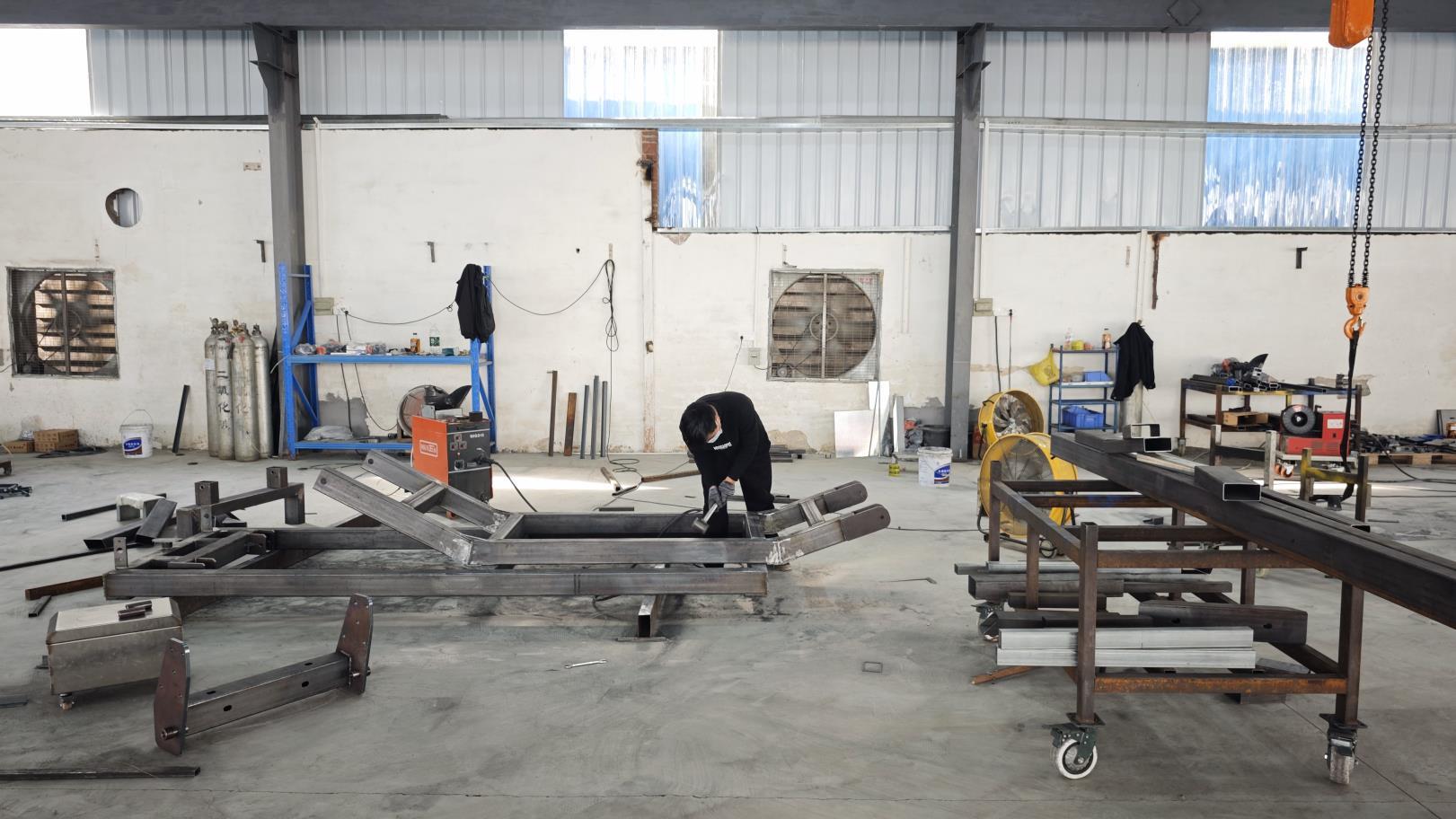
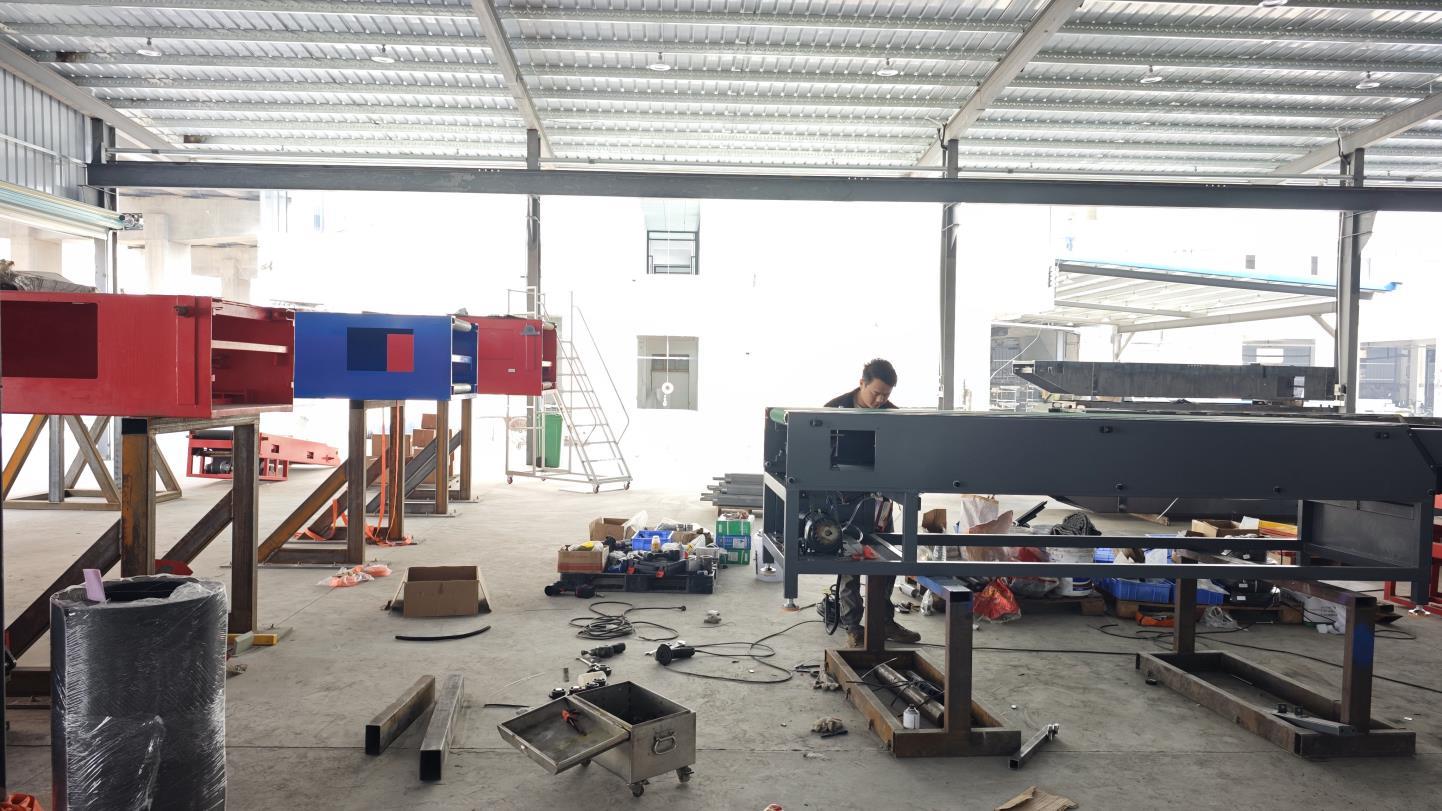
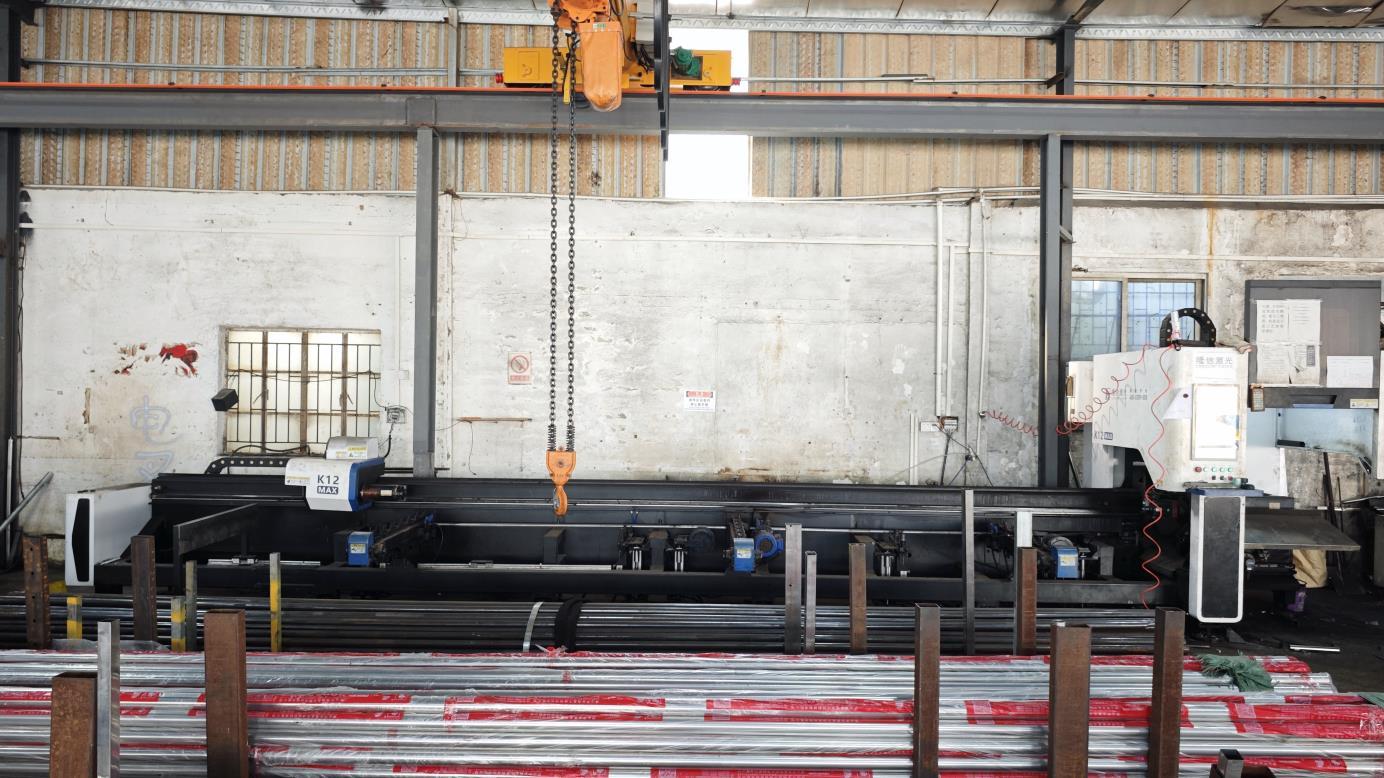
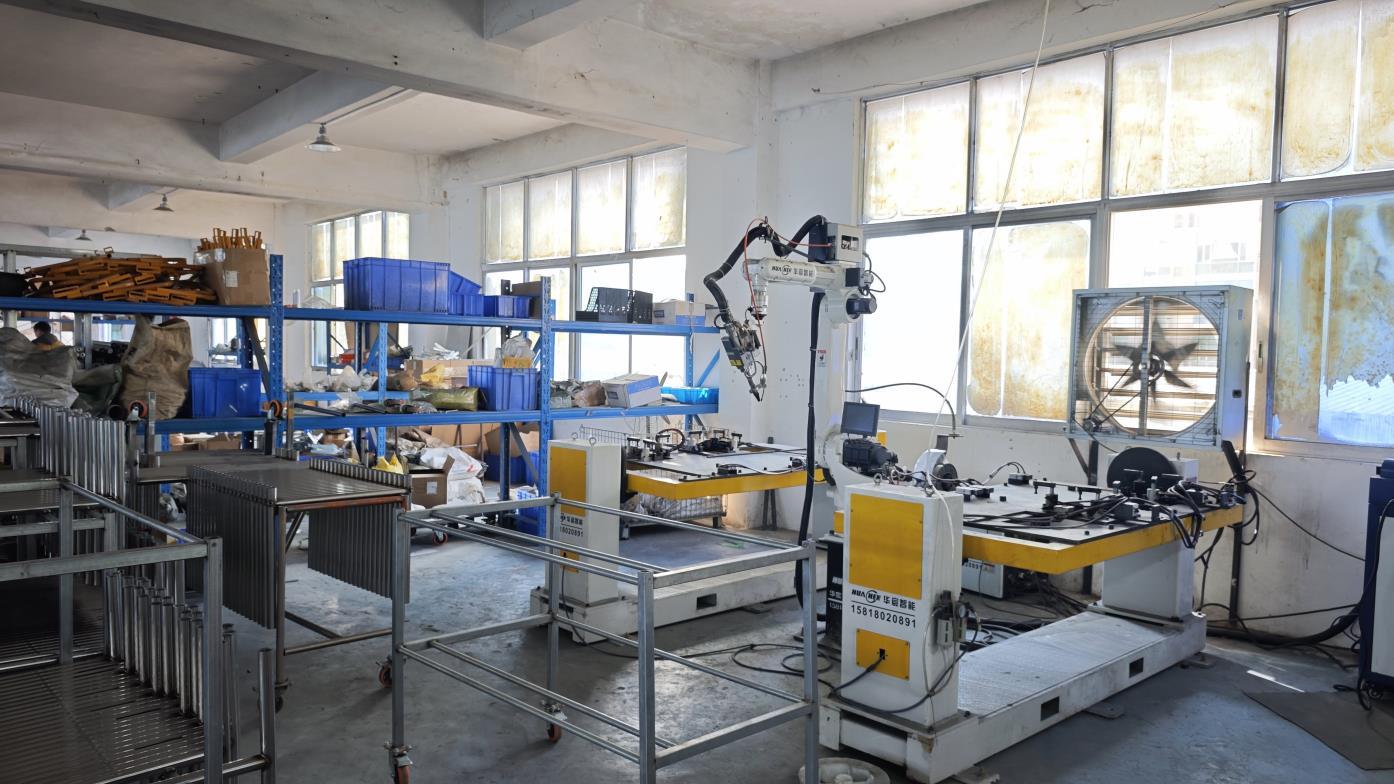
Designed to scale up the throughput of industrial facilities serving Banfora and international corridors.
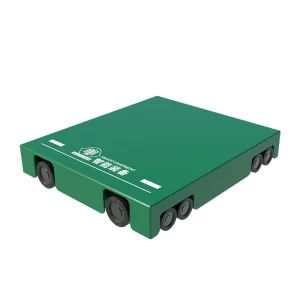
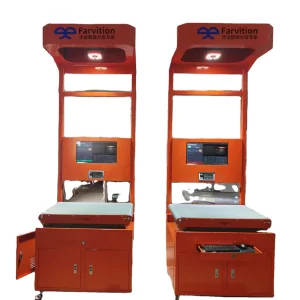
Explore technical details, deployment options, and best practices for implementing WCS in the Banfora region.
Get in touch with Hangzhou RAB Logistics Co., Ltd. today to discuss custom system integration options. We provide hardware manufacturing and software deployments tailored to the logistics needs of the Banfora industrial region.
Send Inquiry Now RAB Logistics