Warehouse Control Systems (WCS) Suppliers & Exporter in India

Driving India's Warehouse Automation Revolution with Industrial-Grade WCS Orchestration, Multi-Tiered ASRS Integration, and High-Throughput Software Solutions.

Send Inquiry Now

1. The Evolution of WCS in India's Logistics Ecosystem

India is undergoing an unprecedented logistics transformation. Driven by the National Logistics Policy (NLP), the implementation of the Unified Logistics Interface Platform (ULIP), and the rapid expansion of Grade-A warehousing spaces across industrial corridors, the country is transitioning from traditional manual operations to automated, high-throughput systems. Key industrial hubs, including the Delhi-NCR cluster, Mumbai-Pune, Chennai-Sriperumbudur, Bengaluru-Nelamangala, and Ahmedabad, are demanding advanced, robust solutions that minimize human intervention, eliminate handling errors, and drastically scale throughput capacity.

At the center of this transformation lies the Warehouse Control System (WCS). A WCS serves as the vital middleware layer orchestrating the complex interactions between high-level host systems (like WMS or ERP) and physical hardware automation (such as ASRS stacker cranes, four-way radio shuttles, AGV fleets, and high-speed sortation matrices). As the critical link, WCS translates operational management directives into raw machine-level instructions in milliseconds. This real-time coordination guarantees optimized traffic flow, prevents material bottlenecks, and ensures total operational synchronization across modern Indian distribution centers.

99.9%
Execution Accuracy
< 50ms
PLC Communication Latency
35%+
Throughput Optimization
24/7
Remote Diagnostic Support

2. Key Market Drivers & Industrial Architecture Trends in India

Several domestic factors are dictating how modern material handling architectures are designed and executed in India:

  • Hyper-Growth of E-Commerce & Quick Commerce: With the boom in high-speed deliveries across urban tier-1 and tier-2 markets, sub-hour sorting, real-time dynamic dispatch, and intelligent package routing have become essential. WCS dynamically maps optimal routes for sorters and conveyors to ensure rapid delivery turnarounds.
  • PLI-Driven Manufacturing Expansions: The Production Linked Incentive (PLI) scheme has triggered massive plant setups in sectors like automotive components, electronics, chemical processing, and food processing. These facilities require heavy-duty automated raw material and finished goods buffering integrated directly with manufacturing execution systems (MES).
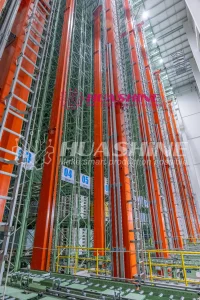
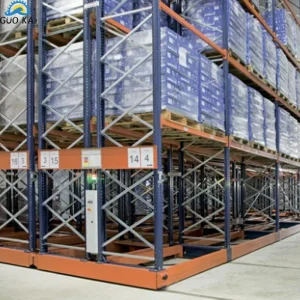
  • Transition to Multi-Tier and Tall Warehouses: Due to skyrocketing land acquisition costs in prime metro-adjacent zones, warehousing layouts are shifting vertically. Facilities now range from 18 to over 30 meters in height, demanding ASRS systems and vertical lifters controlled by advanced WCS algorithms to utilize vertical space efficiently.

3. Global Sourcing Requirements & India-Ready Localization Strategies

Procuring a Warehouse Control System for cross-border installations demands rigorous compliance with international automation architectures. Global procurement teams require flexible APIs, standardized OPC UA connectivity, and hardware-neutral middleware that avoids manufacturer lock-in. For deployment in India, localized adaptability is critical. High ambient temperatures, seasonal humidity, voltage fluctuations, and varying dust loads demand field equipment (like PLC enclosures, scanner arrays, and sensors) with IP54/IP67 ratings, combined with robust, fault-tolerant network switches.

Hangzhou RAB Logistics Co., Ltd. bridges the gap between state-of-the-art software systems and localized Indian requirements. By integrating premium industrial hardware (such as Siemens PLCs, high-resolution barcode scanner matrices, and reliable field sensors) with our proprietary WCS, we provide systems that remain highly resilient despite local utility challenges. In addition, our systems are optimized to consume minimal power while running advanced diagnostic algorithms, protecting your investment and minimizing operation expenses.

4. Macro Industry Solutions: WMS-WCS-PLC Integration

A high-performance automated warehouse depends on a clear separation of software duties. The WMS handles business logic, order allocation, and inventory databases, while the PLC executes physical motor movements. The WCS works between these layers, providing real-time data processing, execution feedback, and automated diagnostics:

  • Dynamic Routing & Interlocking Logic: The WCS prevents physical gridlock on high-speed conveyor lines. If a sensor reports a queue bottleneck on one zone, the WCS routes incoming totes to alternate lanes or holding zones.
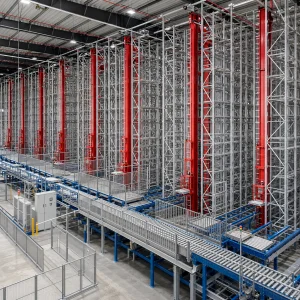
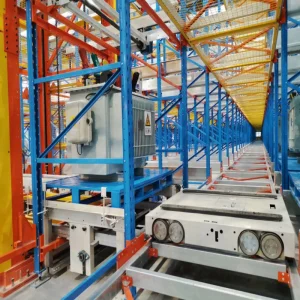
  • Advanced ASRS Crane Management: Stacker crane systems depend on optimal acceleration and deceleration patterns. Our WCS continuously monitors load status, rack safety thresholds, and crane positioning coordinates to prevent mechanical stress and optimize pick/put-away cycle times.
  • Seamless ERP/SCADA Connectivity: We design our WCS to interface easily with leading business suites like SAP, Oracle, and Microsoft Dynamics, while also providing complete operational visibility on SCADA monitoring dashboards. This structural transparency simplifies debugging and optimizes daily system tuning.

5. Localized Support, Safety Compliance, and Operational Security

Deploying automated material handling systems across different Indian states requires a deep understanding of local compliance frameworks. Our system setups strictly follow EN/ISO safety guidelines (such as PLd/SIL2 emergency stop systems) and local electrical standards to protect operators and prevent downtime. RAB Logistics delivers peace of mind to buyers in India with:

  • Detailed Site Surveys & Ground Engineering: Thorough evaluation of floor slab flatness, load bearing characteristics, and localized anchoring configurations prior to mechanical installation.
  • Quick Component Availability: We maintain a regional inventory of critical electronics (PLC modules, sensor arrays, heavy duty relays) to ensure replacement parts can reach your site quickly.
  • Trained Local Engineering Assistance: Skilled system integration engineers based in major industrial hubs are available for on-site adjustments, physical integration, and operator training.

Why Partner with Hangzhou RAB Logistics?

Bringing international engineering standards, proven software platforms, and localized integration support to warehouses across India.

Hangzhou RAB Logistics Co., Ltd. is a leading provider of intelligent warehousing and modern logistics solutions. Leveraging years of industrial experience and continuous technology development, we help enterprises transform traditional manual warehousing into automated, data-driven, and highly efficient supply chain infrastructures.

Our core capabilities focus on integrating advanced logistics technologies, including custom Warehouse Management Systems (WMS), Automated Storage and Retrieval Systems (AS/RS), AGV/AMR autonomous navigation robotics, high-speed parcel sorting systems, and real-time SCADA data visualization. By bridging hardware and software components, we help clients achieve higher picking accuracy, faster order processing, and reduced long-term operations costs.

Through our comprehensive approach covering system consulting, spatial layout planning, hardware integration, customized software development, and project management, we build future-proof intralogistics configurations. Our systems serve diverse, demanding sectors, including automotive parts manufacturing, food and beverage processing, pharmaceuticals, FMCG distribution, and cross-border e-commerce hubs.
RAB Engineering Competencies

Core Specialization WMS / WCS / ASRS Integration
Platform Compatibility Siemens PLC / Modbus / OPC UA
Target Industries FMCG, Auto, E-Com, Pharma
Hardware Integrity High-Precision Steel Racking
Localization Readiness Full Indian Grid Compliance

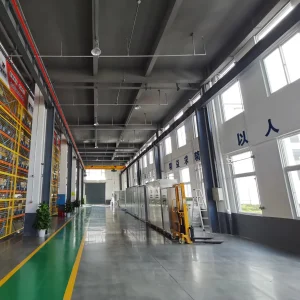
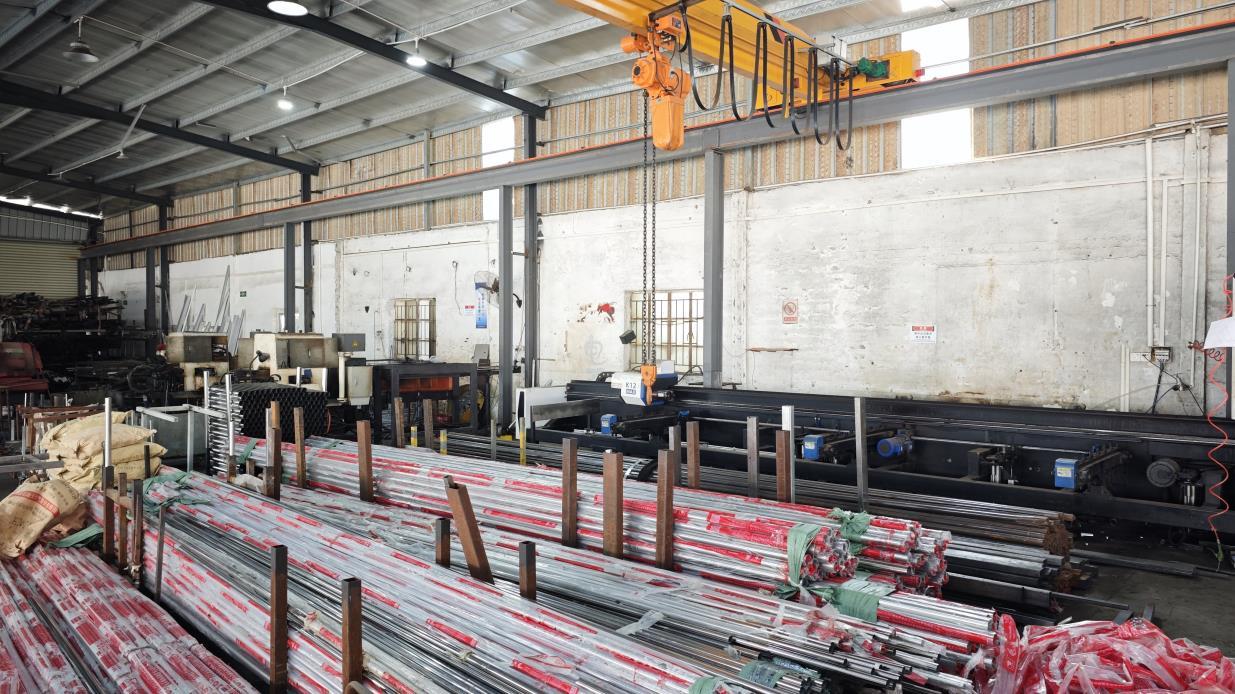
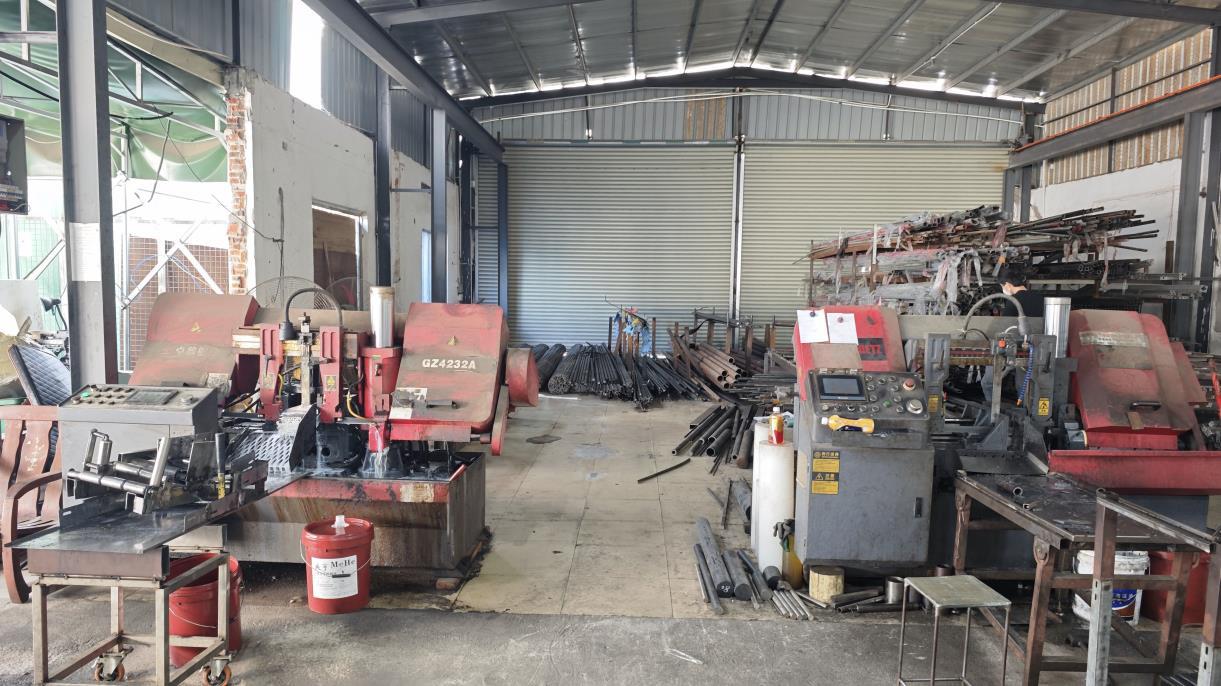
Advanced Fabrication & Assembly Process

Racking Steel Plate Cutting Process
Cutting
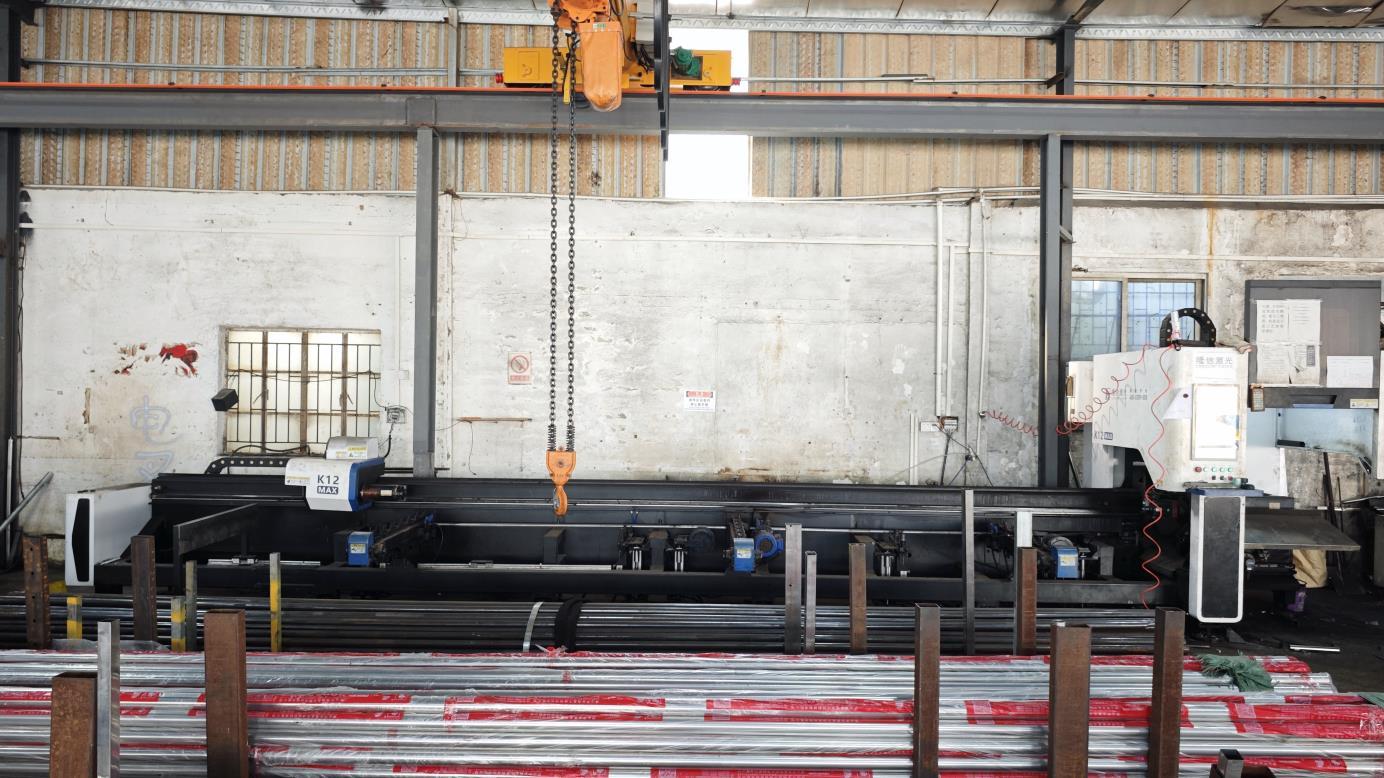
Fully Automatic CNC Sawing System
Fully Automatic CNC Sawing
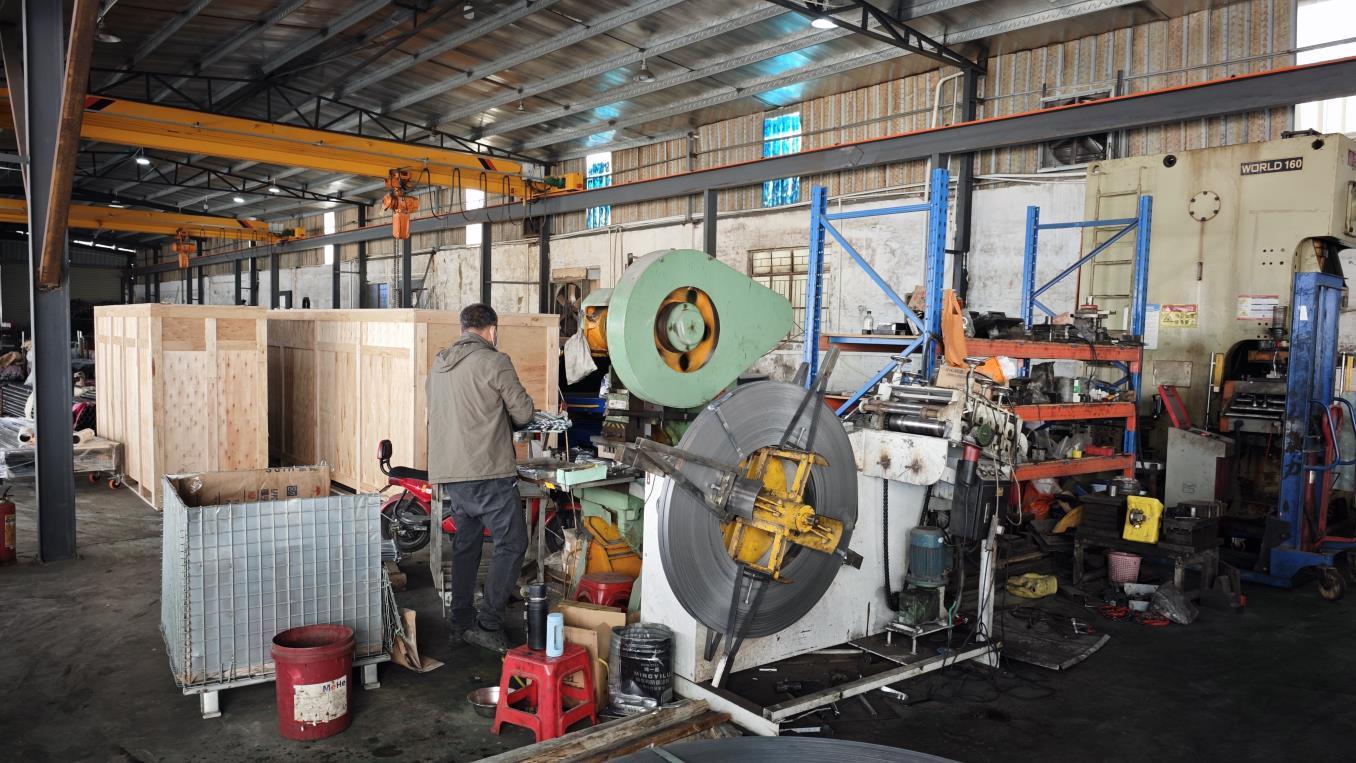
Racking Component Stamping Machine
Stamping
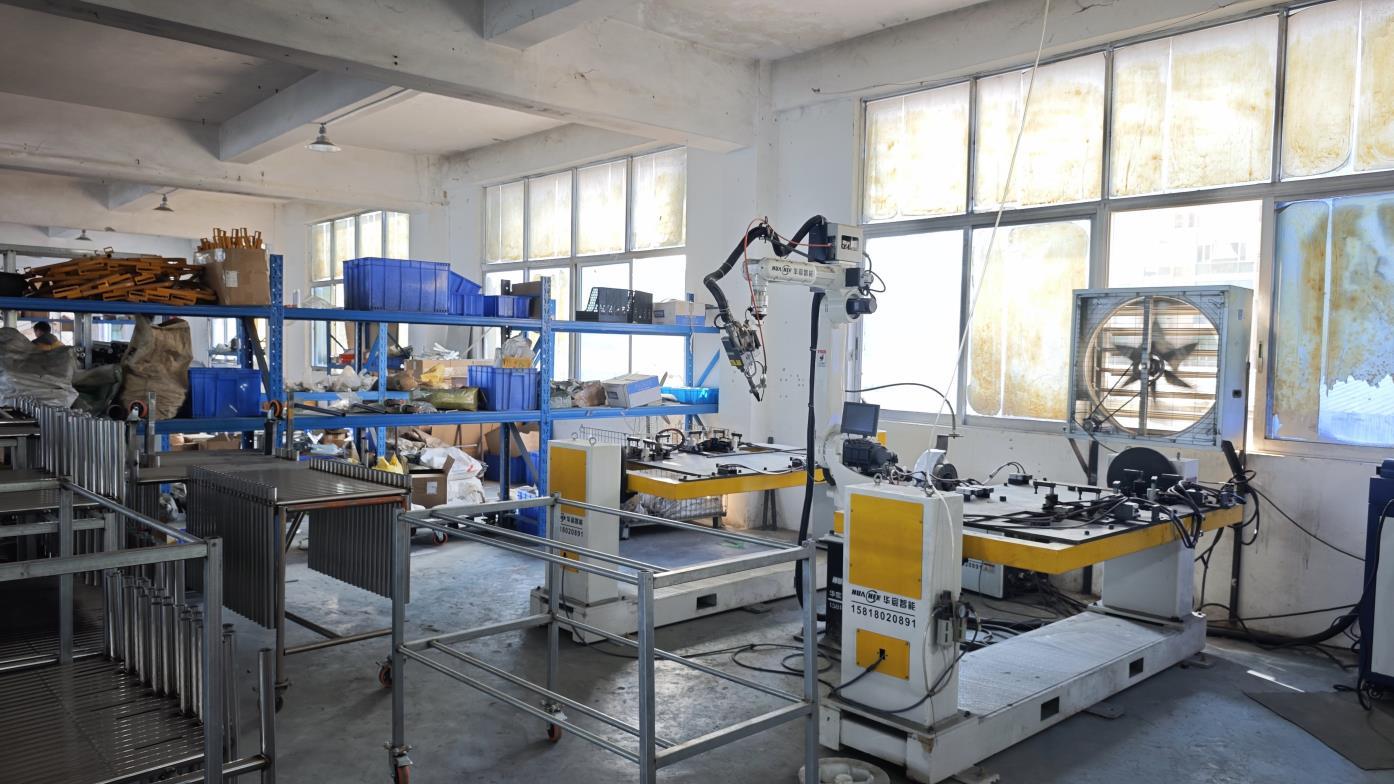
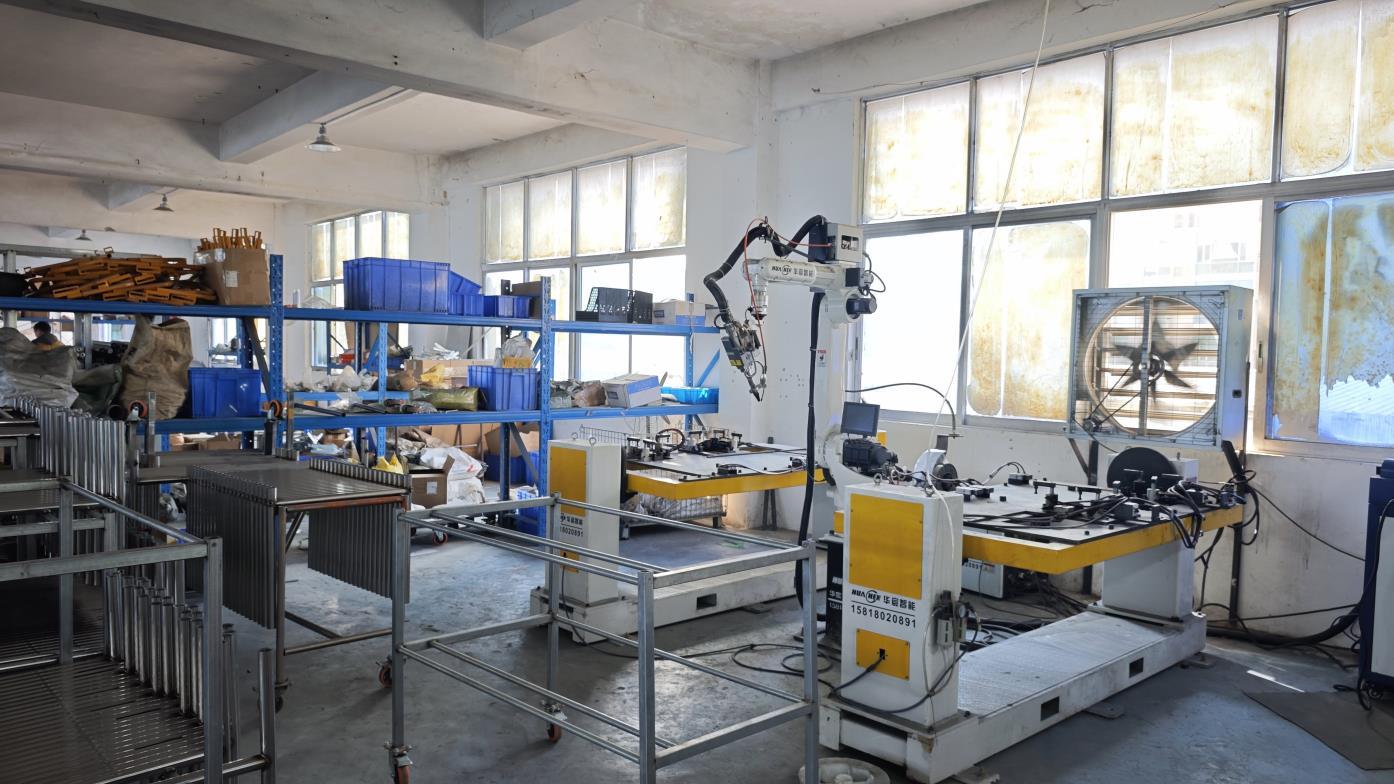
Robotised Steel Welding Process
Welding
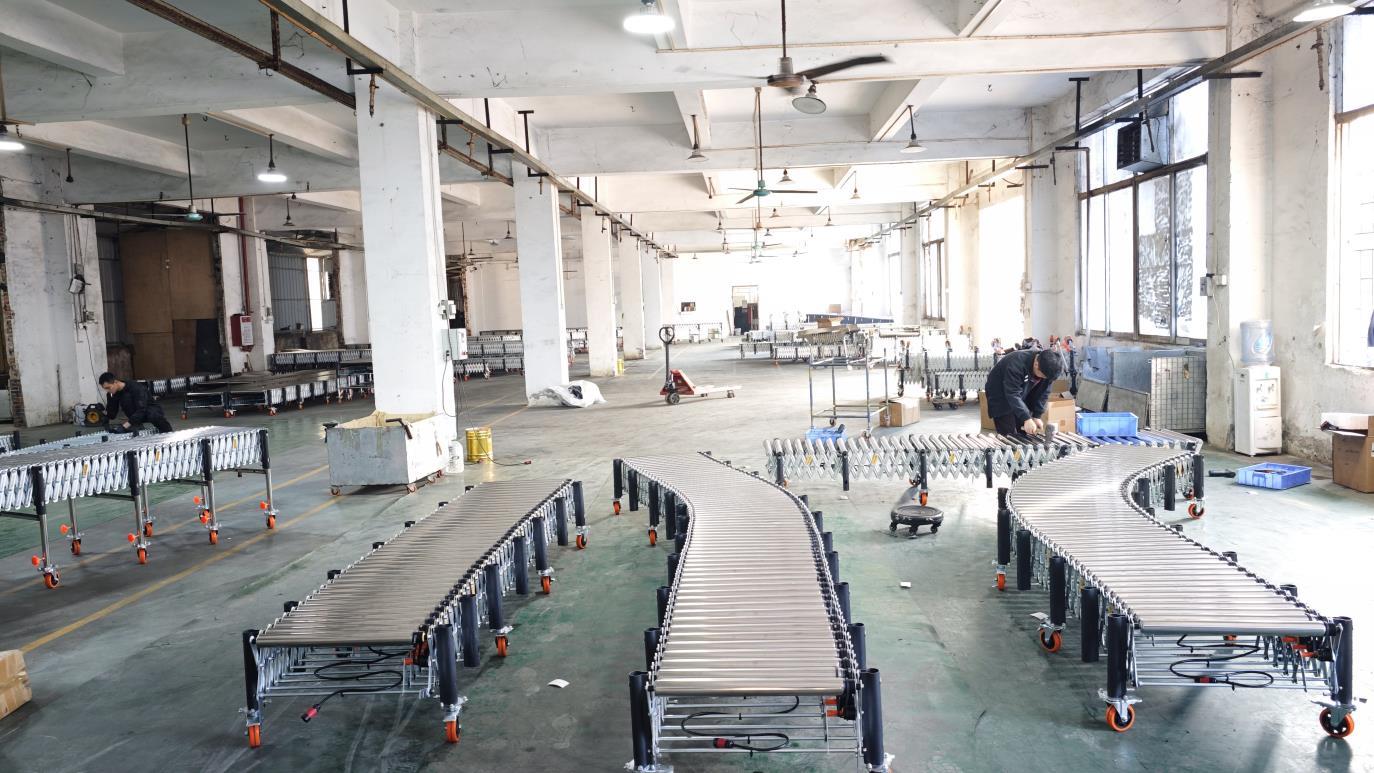
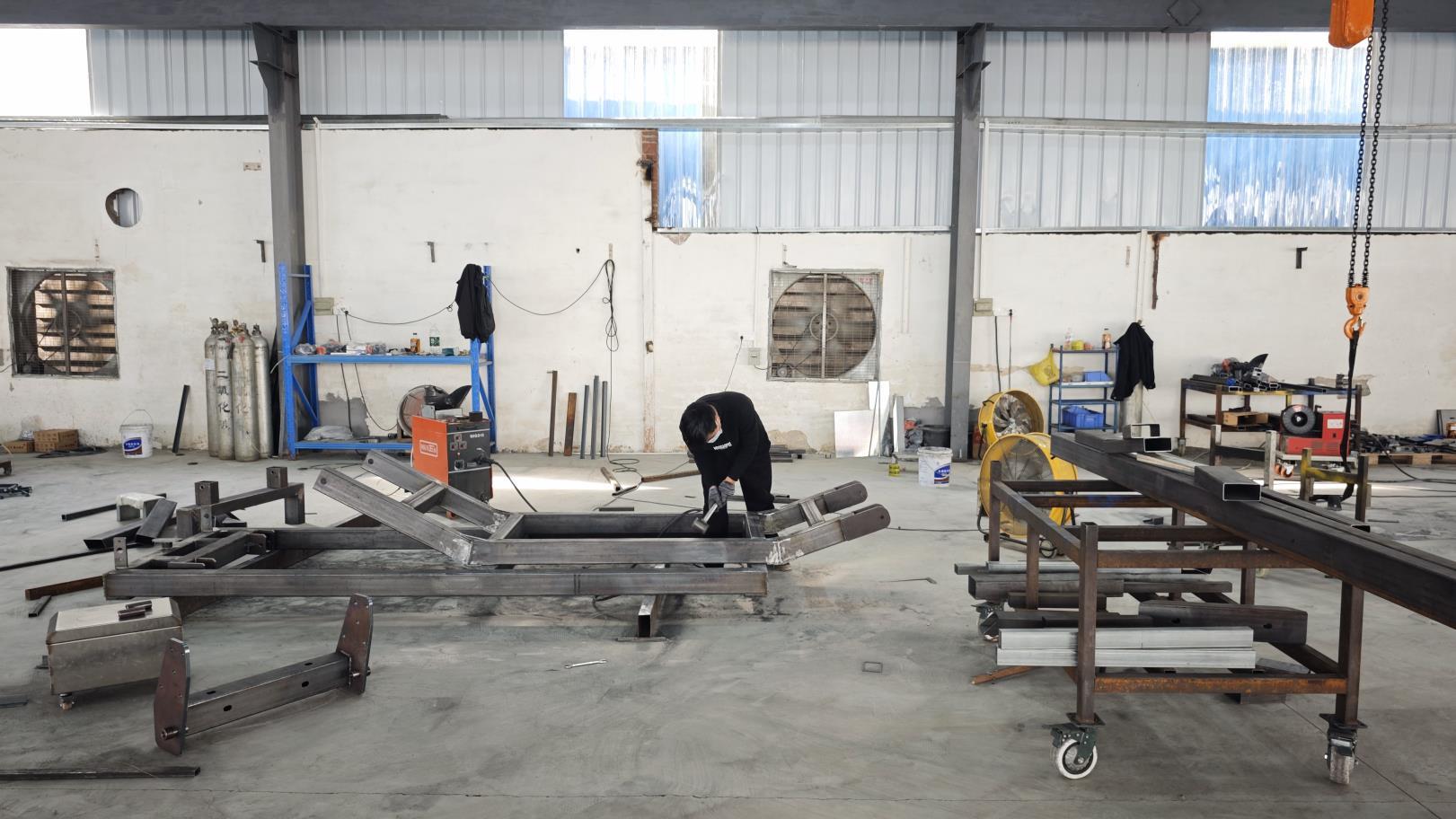
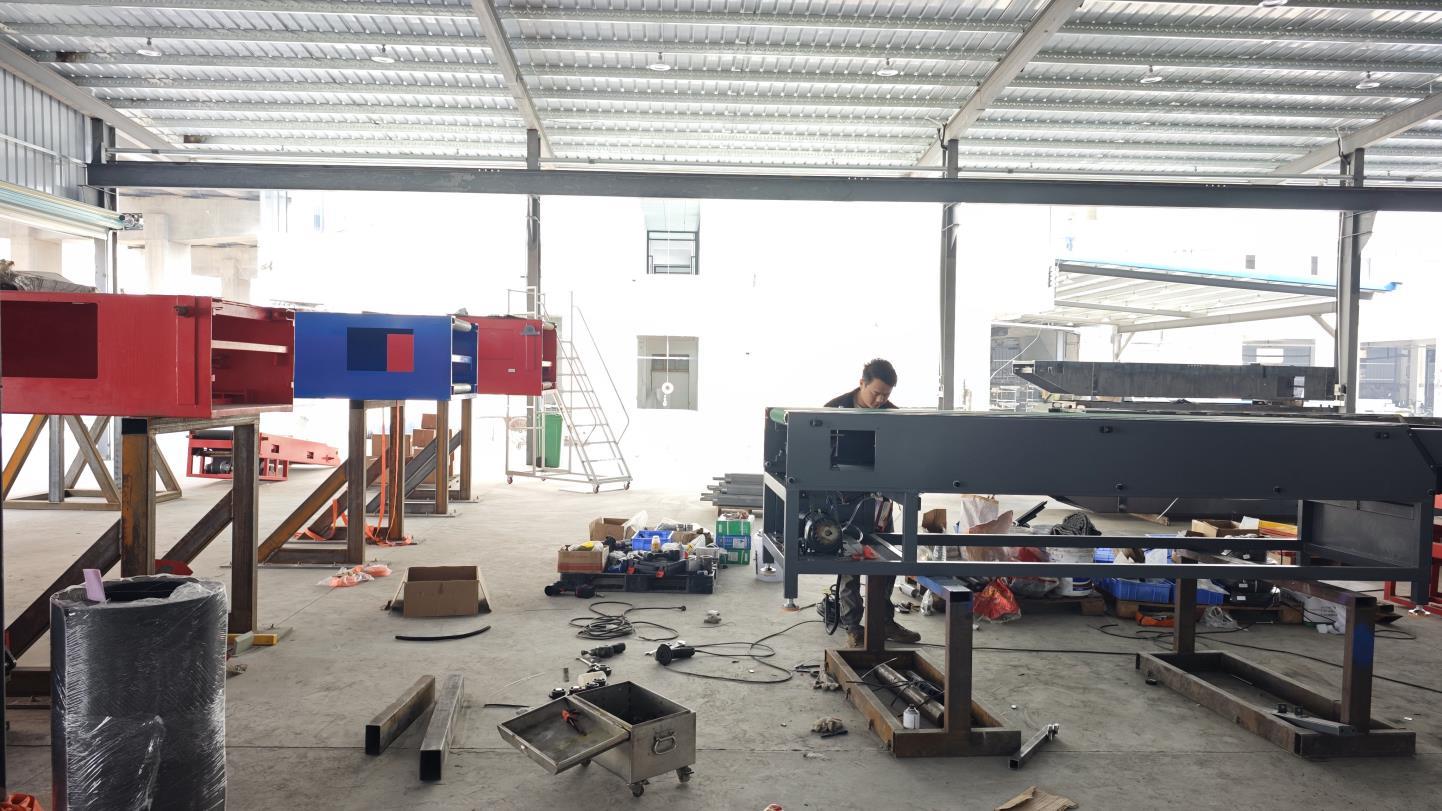
Mechanical Structure Assembly Line
Assembling
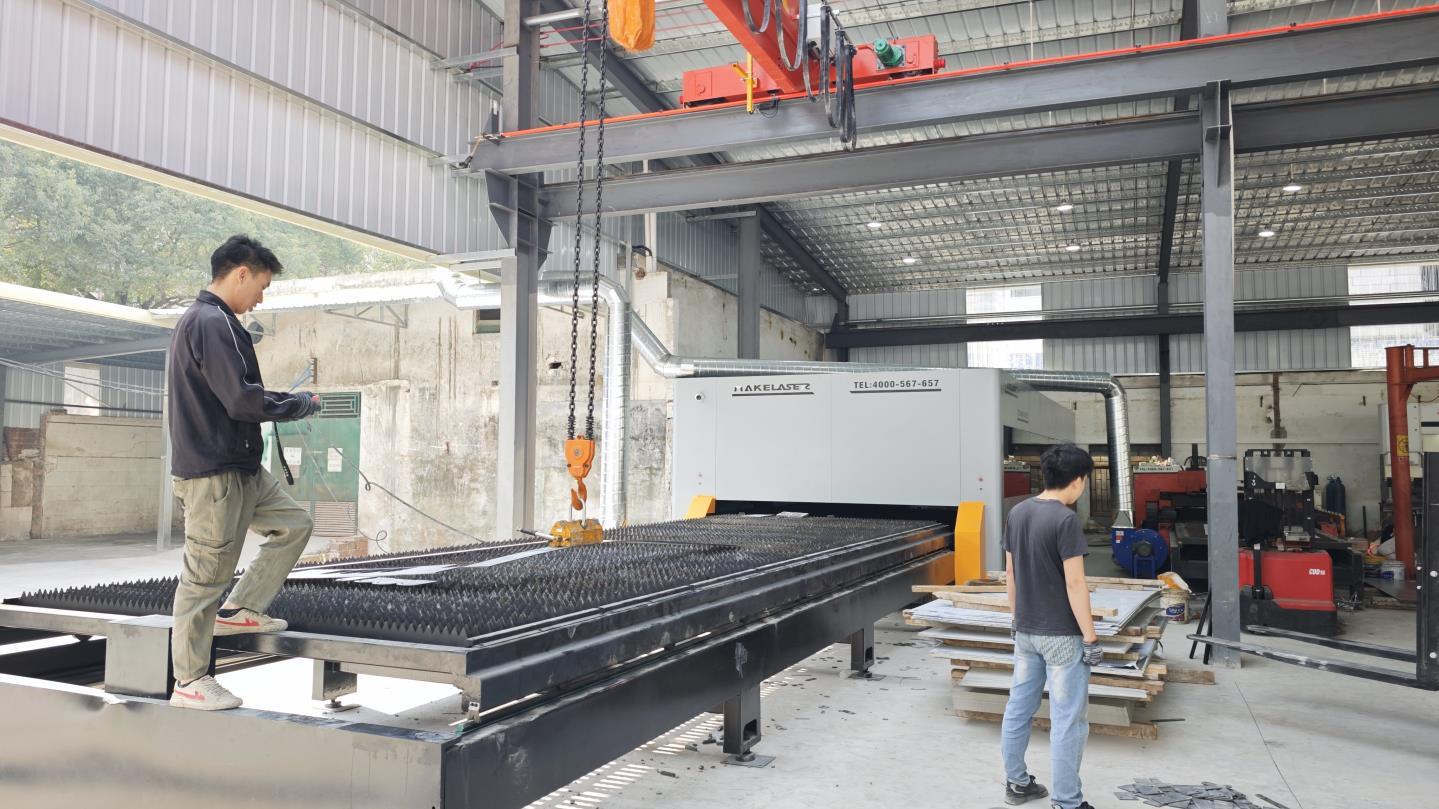
CNC Laser Sheet Cutting Area
CNC Cutting
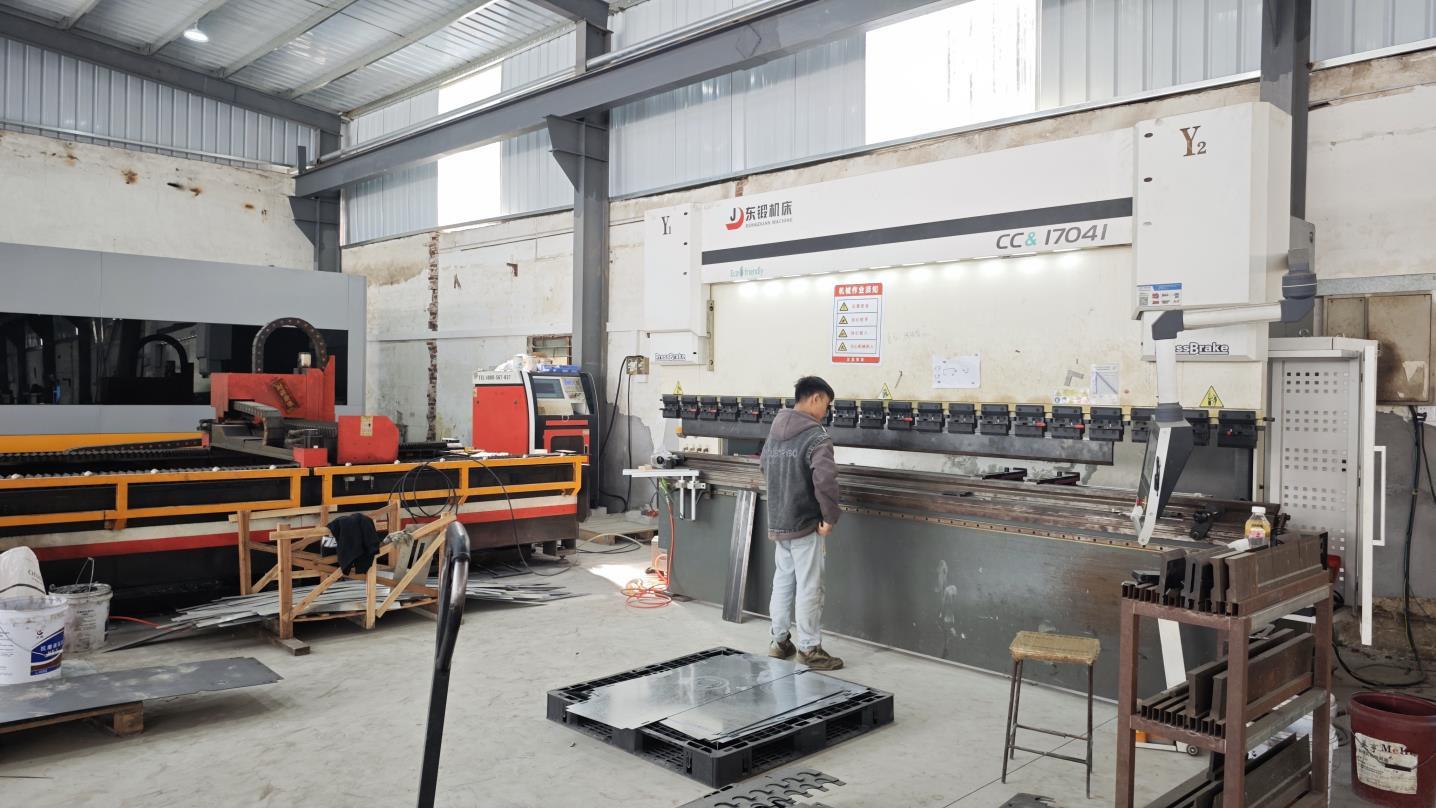
Precision Metal Bending Machinery
Bending
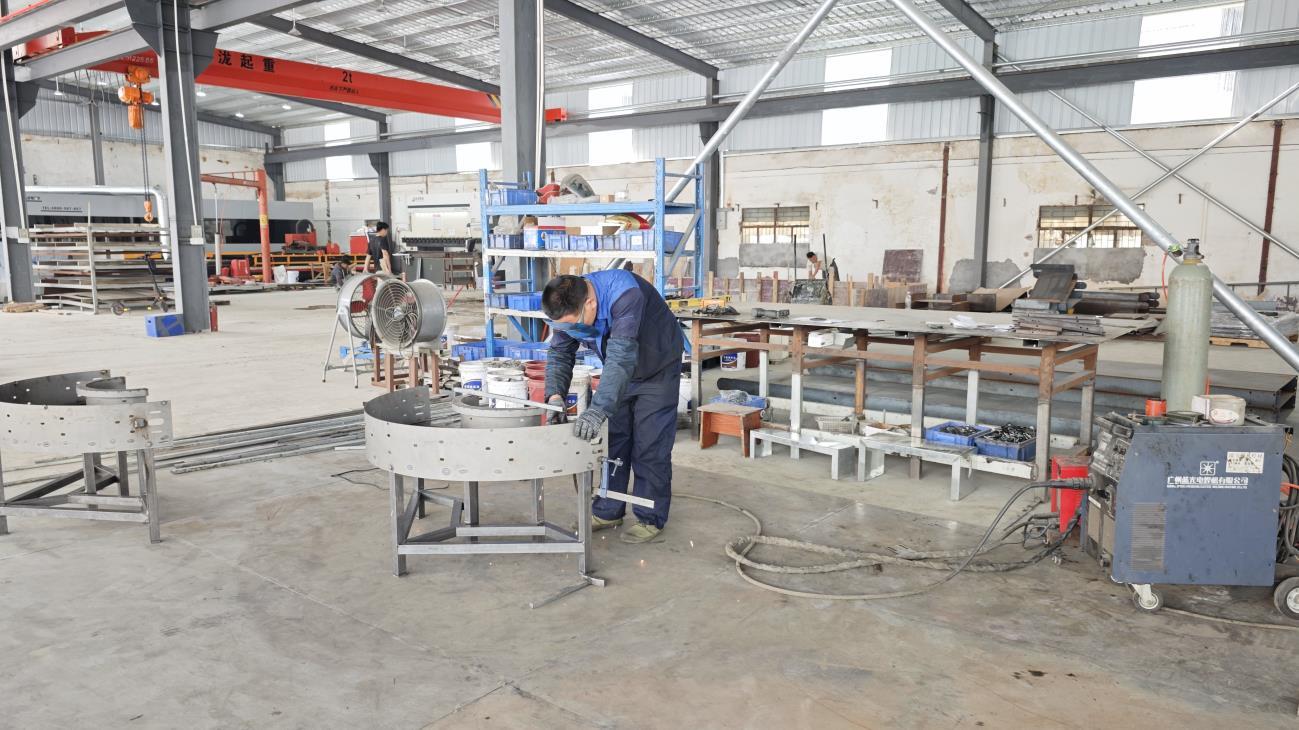
Standard Heavy Structure Welding Unit
Welding
Corrosion Prevention Surface Polishing
Polishing
Precision Control Component Assembly
Assembling
Automatic Steel Profiling & Cutting Machine
Automatic Cutting Machine
Automatic Robotic Spot Welding Machine
Automatic Machine Hand Spot Welding Machine

6. Technology Roadmap: Next-Gen WCS & AI Orchestration

The future of warehouse control systems is centered on real-time optimization and adaptive learning. Standard, rule-based execution models are being replaced by AI-driven engines capable of dynamically responding to warehouse changes. Key trends on our engineering roadmap include:

  • AI-Driven Predictive Maintenance: By analyzing continuous torque, current draw, and vibration data from stacker crane motors and conveyor rollers, the WCS can detect component wear and signal issues before mechanical breakdowns occur.
  • Edge Computing at the PLC Level: Shifting decision-making closer to physical sensors helps minimize network latency, allowing sorting mechanisms to run at faster throughput speeds.
  • Interactive Digital Twin Visualization: Virtual models allow operations managers to monitor the flow of physical goods in a 3D interface, run simulations, locate bottleneck areas, and test routing options without stopping live systems.

Frequently Asked Questions (WCS Optimization)

Get answers to common technical, architectural, and operational questions about implementing WCS systems in Indian industrial sites.

What is the primary difference between a WMS, WCS, and WES?
The Warehouse Management System (WMS) handles high-level business functions, including inventory records, purchase orders, client shipping schedules, and slotting logic. The Warehouse Control System (WCS) acts as the bridge, managing real-time physical activities like routing totes on conveyors, assigning stacker crane drop points, and managing automated shuttles. The Warehouse Execution System (WES) blends functions of both, managing order picking flows alongside dynamic hardware controls.
How does WCS coordinate with different PLC systems (e.g., Siemens, Allen Bradley)?
Our WCS uses open standard protocols like OPC UA, TCP/IP, Modbus, and Profinet. This enables stable communication with industrial controllers like Siemens S7-1200/1500 or Allen Bradley ControlLogix, ensuring clean data exchange and fast signal updates across hardware networks.
Can the WCS integrate with my existing SAP or Oracle ERP system?
Yes, our WCS supports standard communication methods including REST APIs, SOAP Web Services, and direct database database links (JDBC/ODBC). We regularly configure clean integrations with ERPs like SAP S/4HANA, Oracle NetSuite, and Microsoft Dynamics to ensure synchronized real-time operations.
How does the system handle power fluctuations common in some Indian industrial regions?
To prevent system issues, we configure WCS control cabinets with dedicated UPS backups and use clean database saving mechanisms. If a power outage occurs, all sensor positions, transport statuses, and crane locations are saved instantly. Once power is restored, the system restarts safely without needing manual resets.
What remote diagnostics and maintenance options are available?
We provide secure VPN connections for 24/7 remote system diagnostics. Our team can update software, adjust routing paths, review system logs, and identify mechanical issues remotely, minimizing the need for on-site engineering calls.

Transform Your Indian Warehousing Operations Today

Consult with our automation engineering team to configure the ideal WCS software and ASRS physical infrastructure tailored for your local environment.

Send Inquiry Now