Engineered to align with Siemens PLC environments and local European safety directives.
Germany represents the largest logistics market in Europe, commanding an annual revenue exceeding €260 billion. As the industrial powerhouse of the continent, the country is witnessing an unprecedented transition from standard automated hardware configurations to software-orchestrated Industry 4.0 fulfillment ecosystems. Crucial catalysts driving this transition include high energy costs, acute labor shortages (the regional Fachkräftemangel), and rigorous sustainability mandates dictated by the German Supply Chain Act (Lieferkettensorgfaltspflichtengesetz - LkSG) and the European Green Deal.
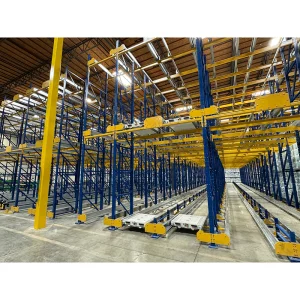
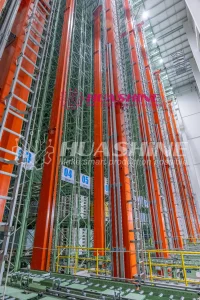
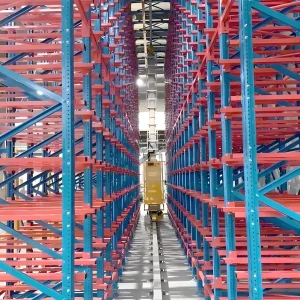
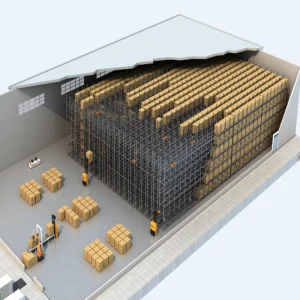
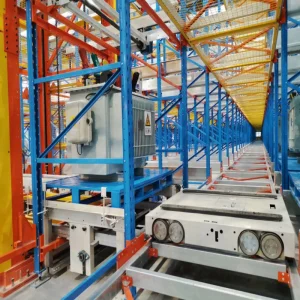
Historically, German manufacturing sites and distribution hubs functioned with segregated layers: a Warehouse Management System (WMS) handles inventory data while isolated Programmable Logic Controllers (PLCs) execute mechanical actions. In modern setups, this approach is insufficient. High-density storage concepts, such as 4-Way Radio Shuttle ASRS and high-speed stacker cranes, require real-time dynamic routing, predictive system diagnostics, and sub-millisecond execution times. This critical operating layer is the domain of the Warehouse Control System (WCS).
In Germany, industrial automation is synonymous with standardized PLC environments, primarily dominated by Siemens (SIMATIC S7-1200, S7-1500, and ET 200SP series). Therefore, a WCS must offer native compatibility with these platforms. Rather than relying on rigid proprietary translation protocols, our WCS interfaces directly via standardized industrial communication frameworks such as OPC UA (OPC Unified Architecture), PROFINET, and TCP/IP sockets.
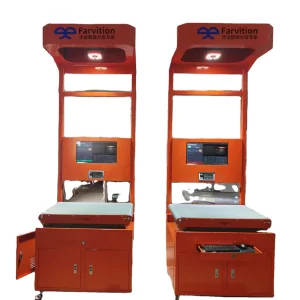
By implementing direct OPC UA interfaces within the WCS layer, we eliminate middle-tier hardware latency, allowing real-time mapping of conveyor status registers, automated scale readings (DWS systems), and precise positioning coordinates of four-way radio shuttles. This open interface design ensures that German system integrators can deploy modifications without re-programming core PLC block structures, saving valuable engineering hours during commissioning.
Furthermore, security is paramount. The system architecture is designed in compliance with the IEC 62443 cyber security standards, featuring secure communication handshakes, role-based access controls (RBAC), and full audit logging of manual material flow overrides.
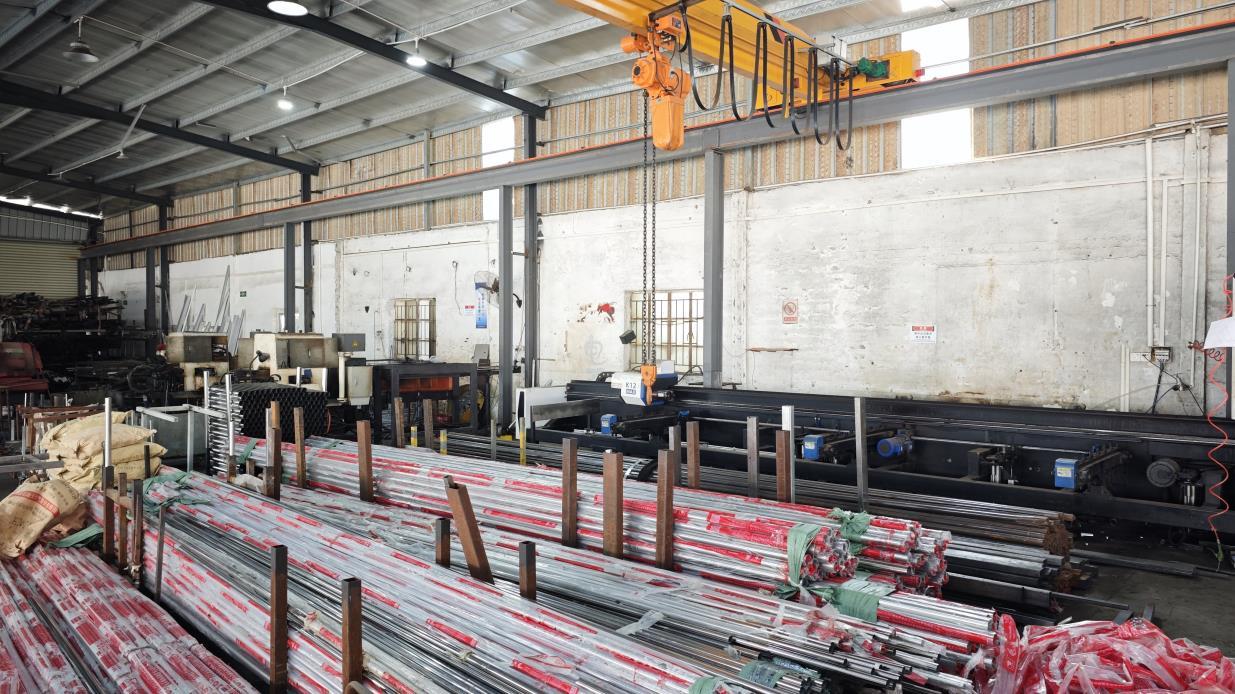
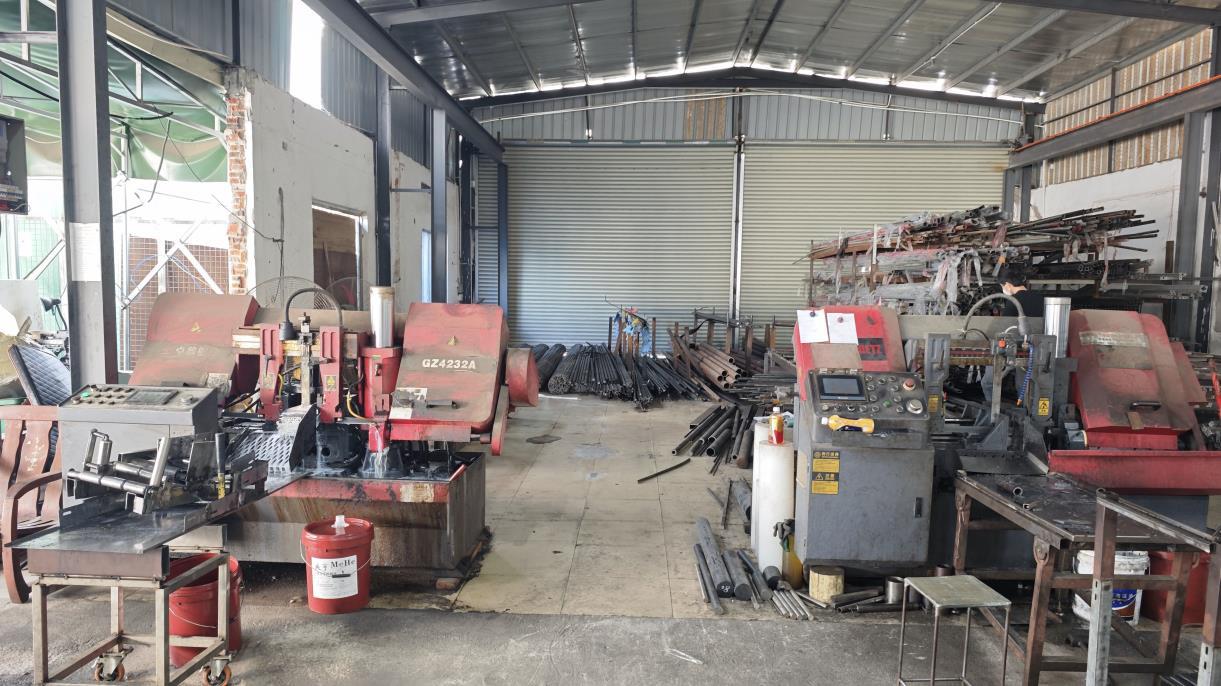
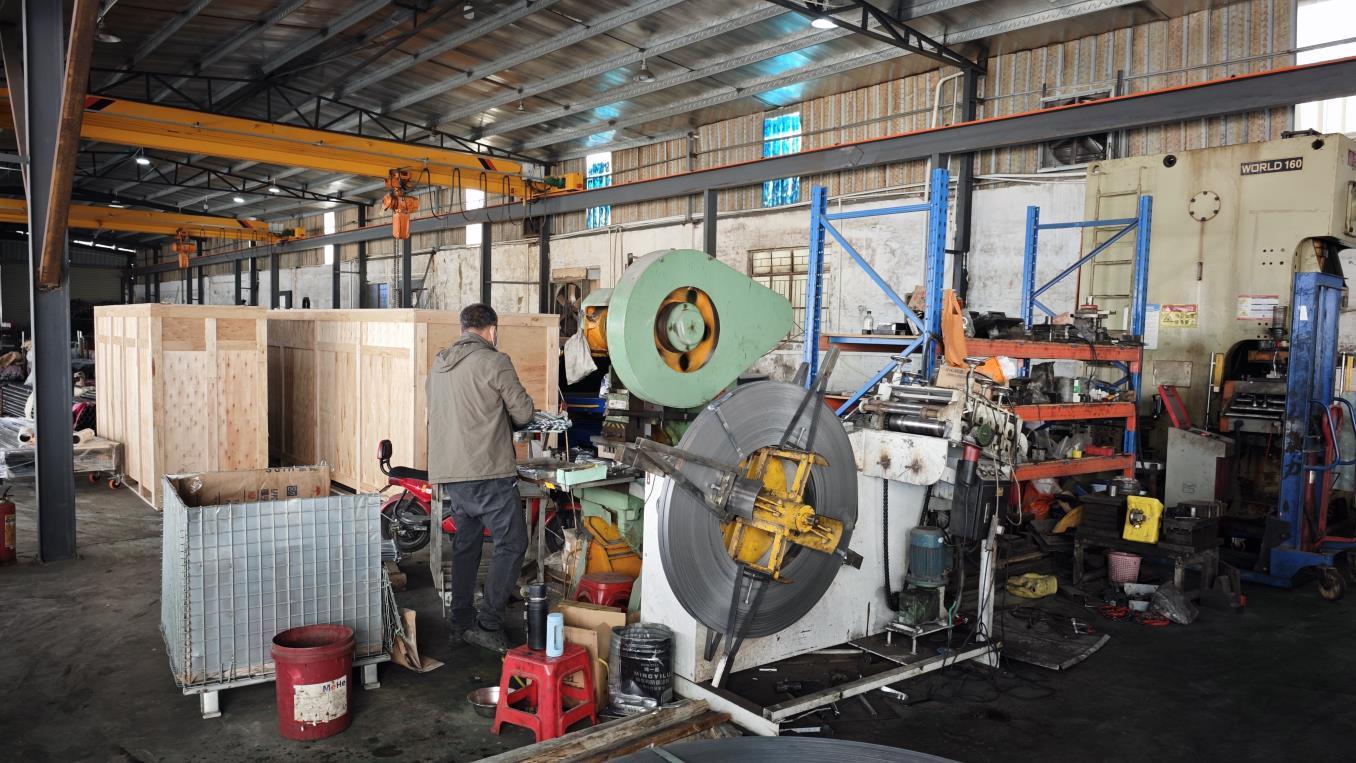
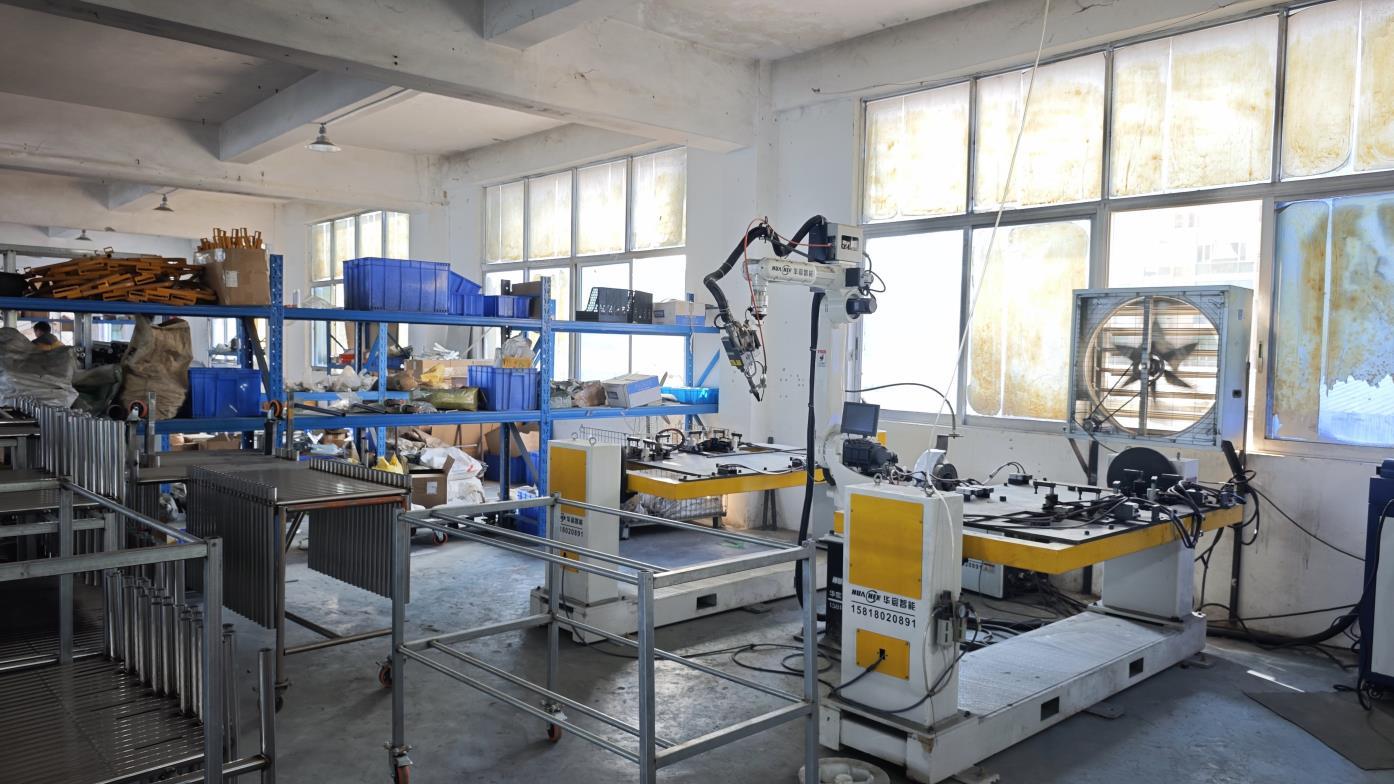
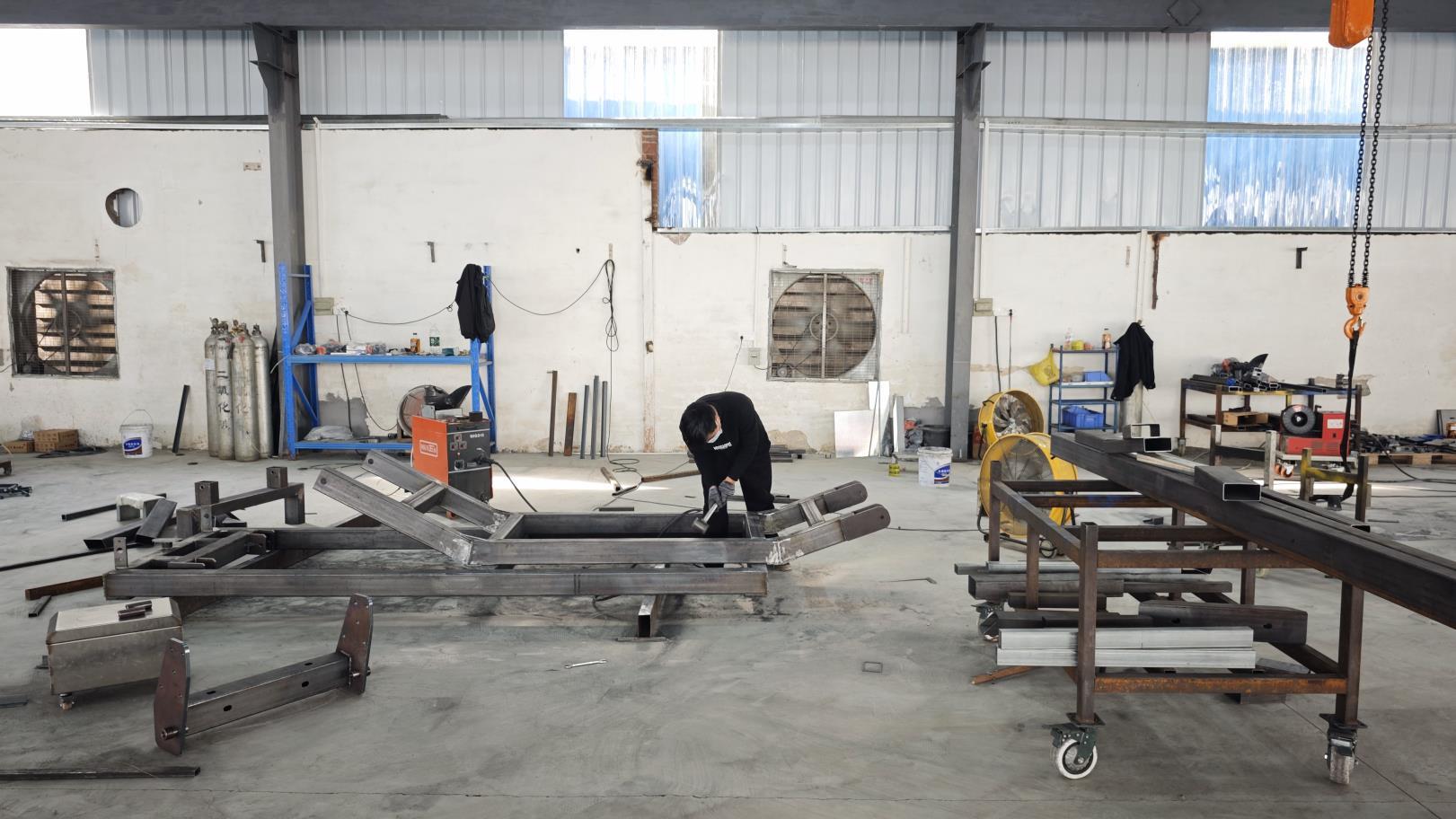
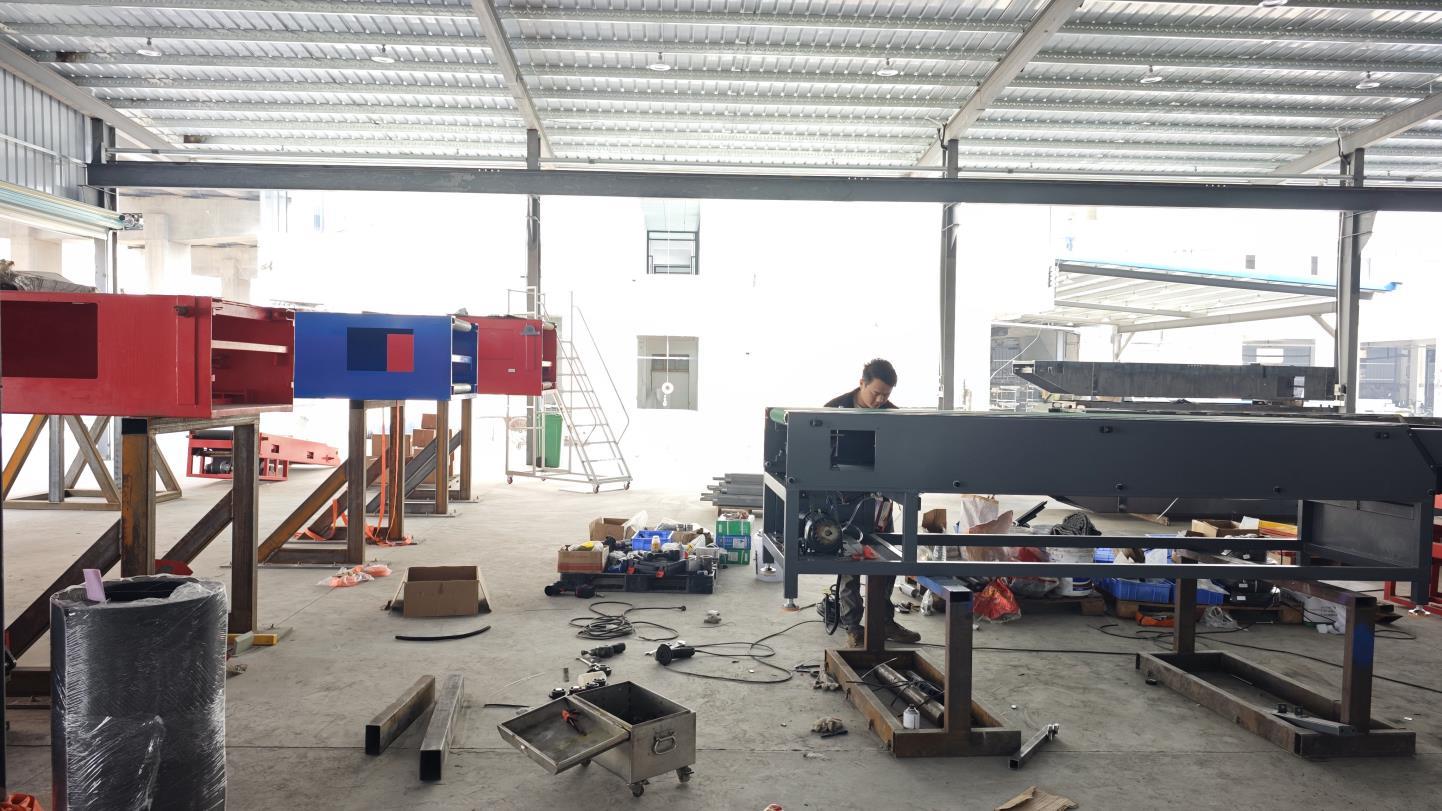
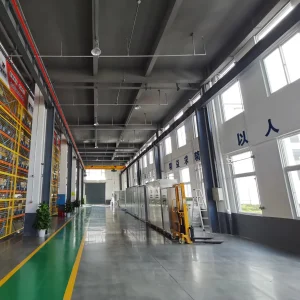
In modern global supply chain planning, procurement directors must balance strict capital allocation with the demand for durable structural components. Our manufacturing facility in Hangzhou, China, addresses this requirement by combining digital production methods with cost-effective structural fabrication.
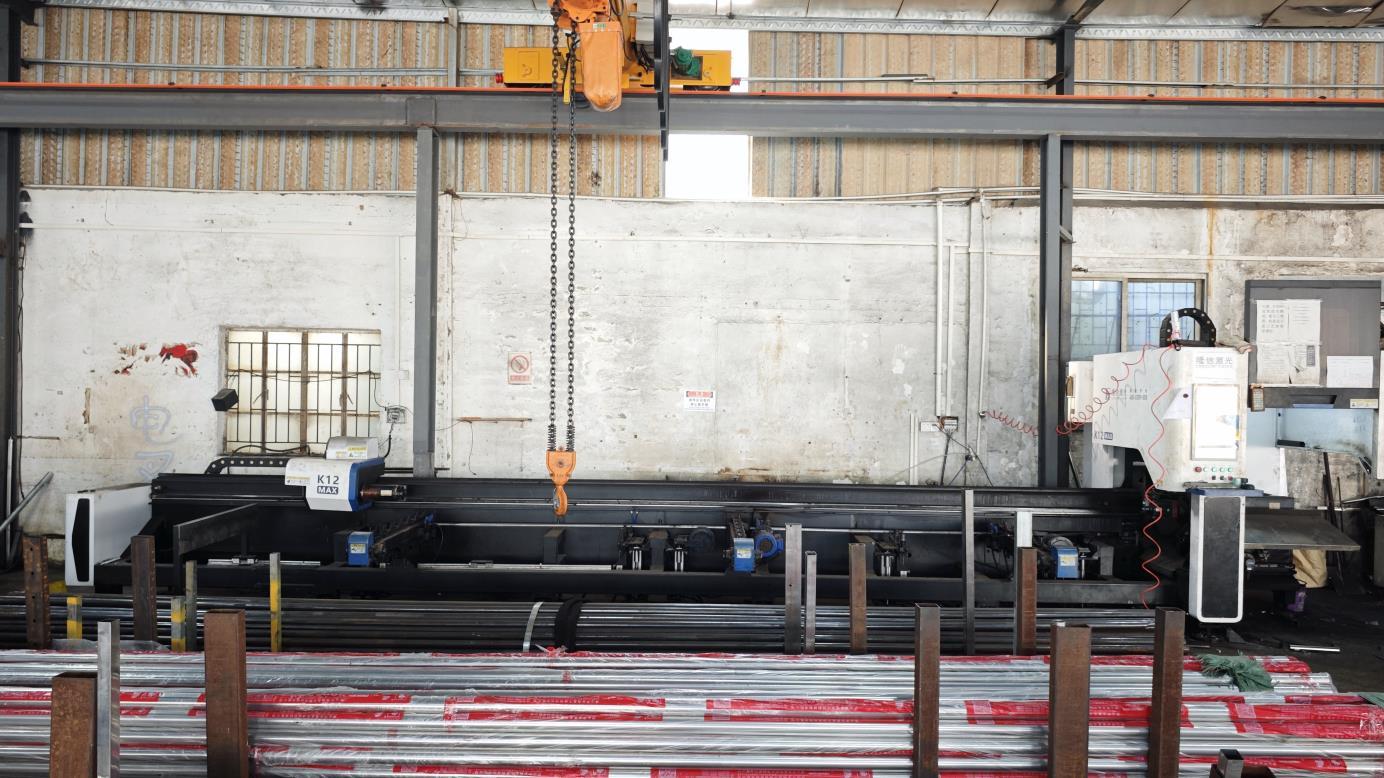
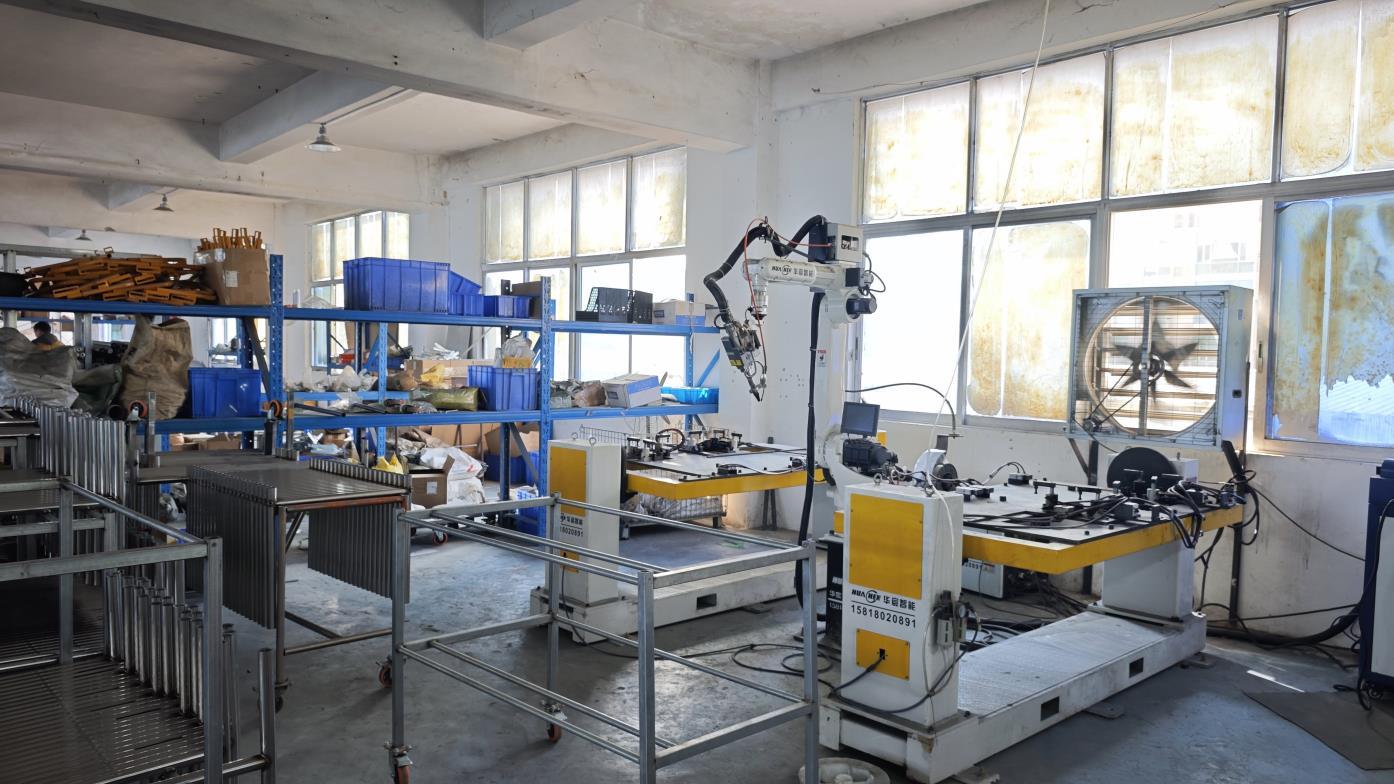
Unlike traditional workshops, our manufacturing processes are managed via integrated Manufacturing Execution Systems (MES) and Advanced Planning Systems (APS). From high-precision CNC laser cutting to robotic structural welding, each production step is digitally logged. This method ensures that the tolerances of structural components—such as support beams, ASRS guide rails, and upright columns—remain well within the parameters required by European standards like DIN EN 15635.
This hybrid approach offers a distinct advantage for German enterprises: we supply precision-engineered, high-grade steel structures and automation hardware fabricated in our smart factory, combined with Siemens-driven controls and open-architecture software interfaces. This strategy enables businesses to optimize installation costs while maintaining the reliability expected of a high-capacity logistics system.
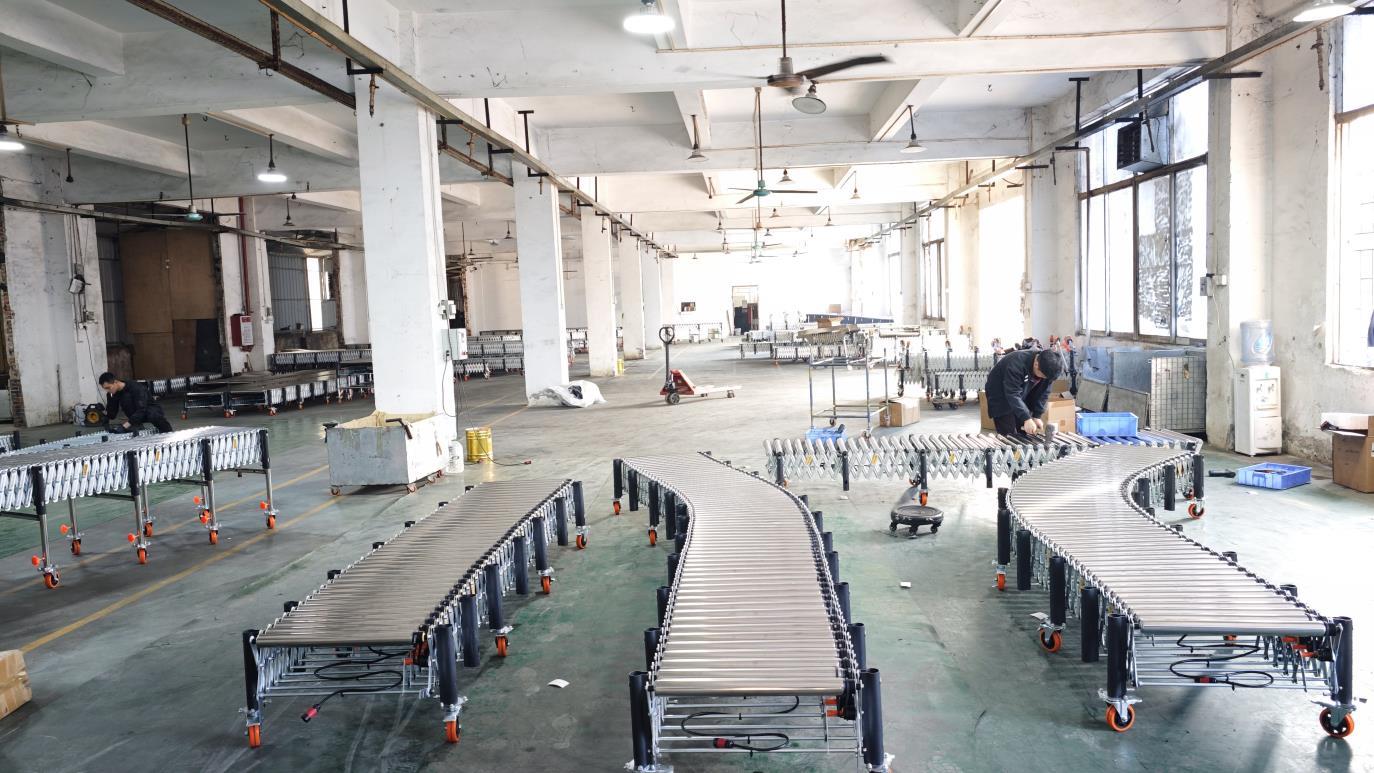
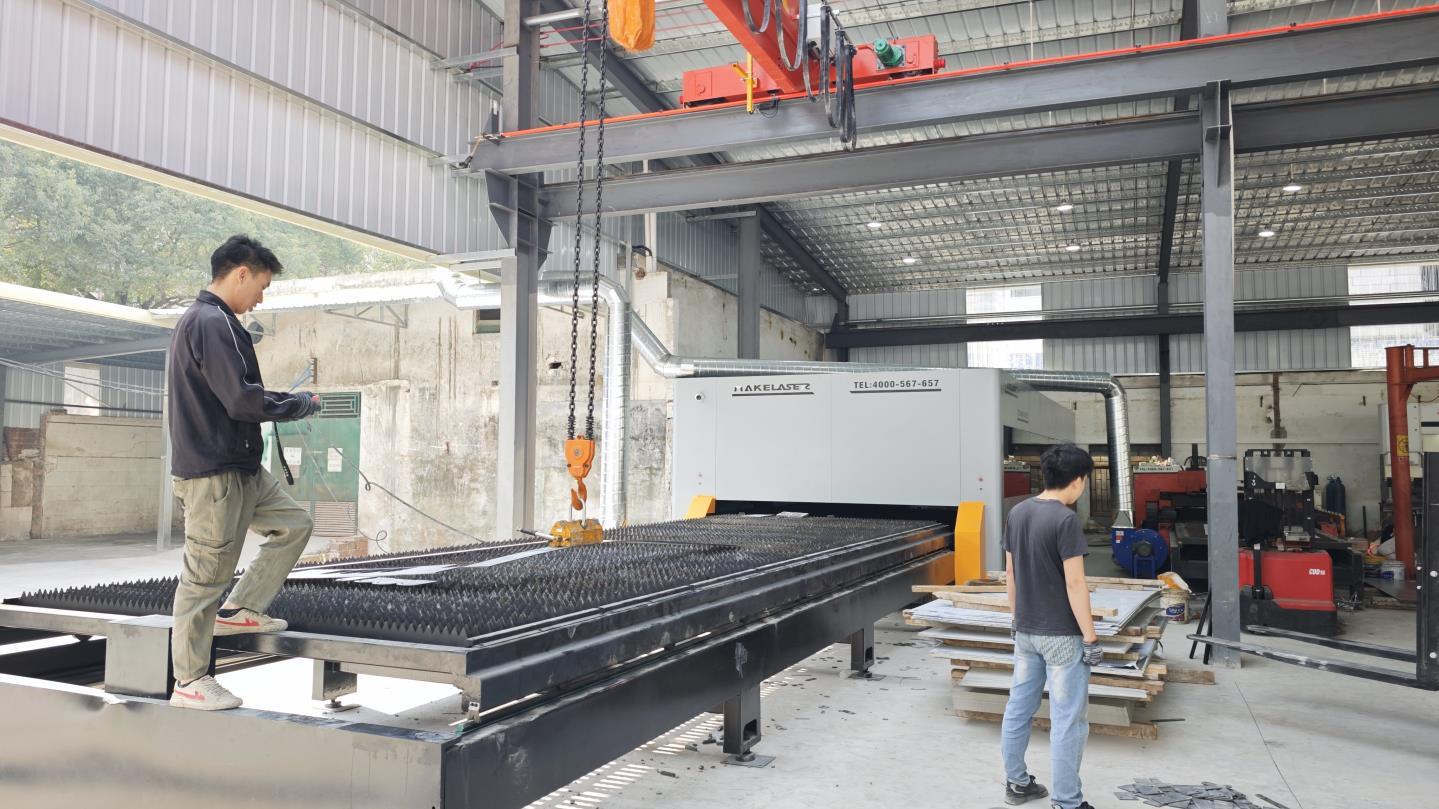
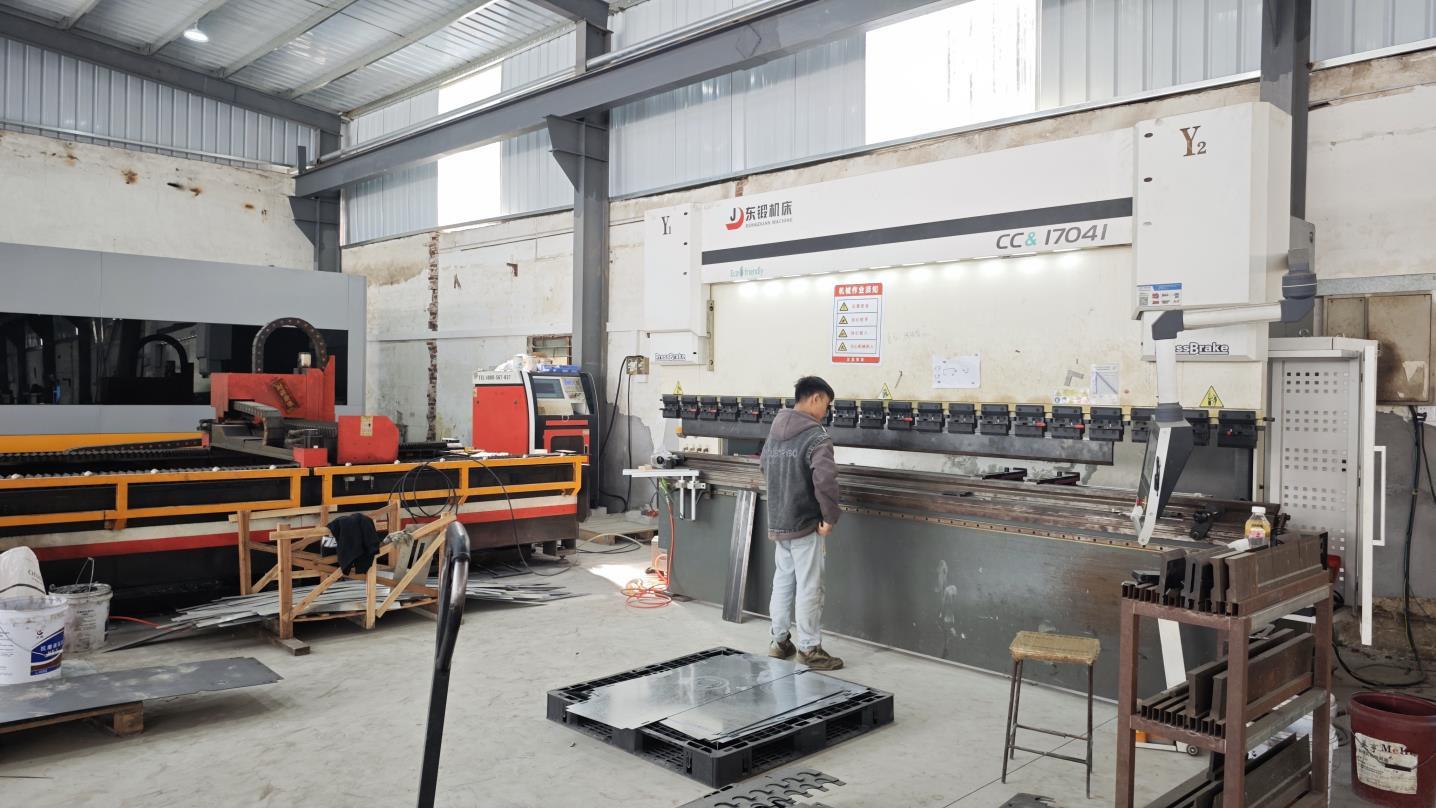
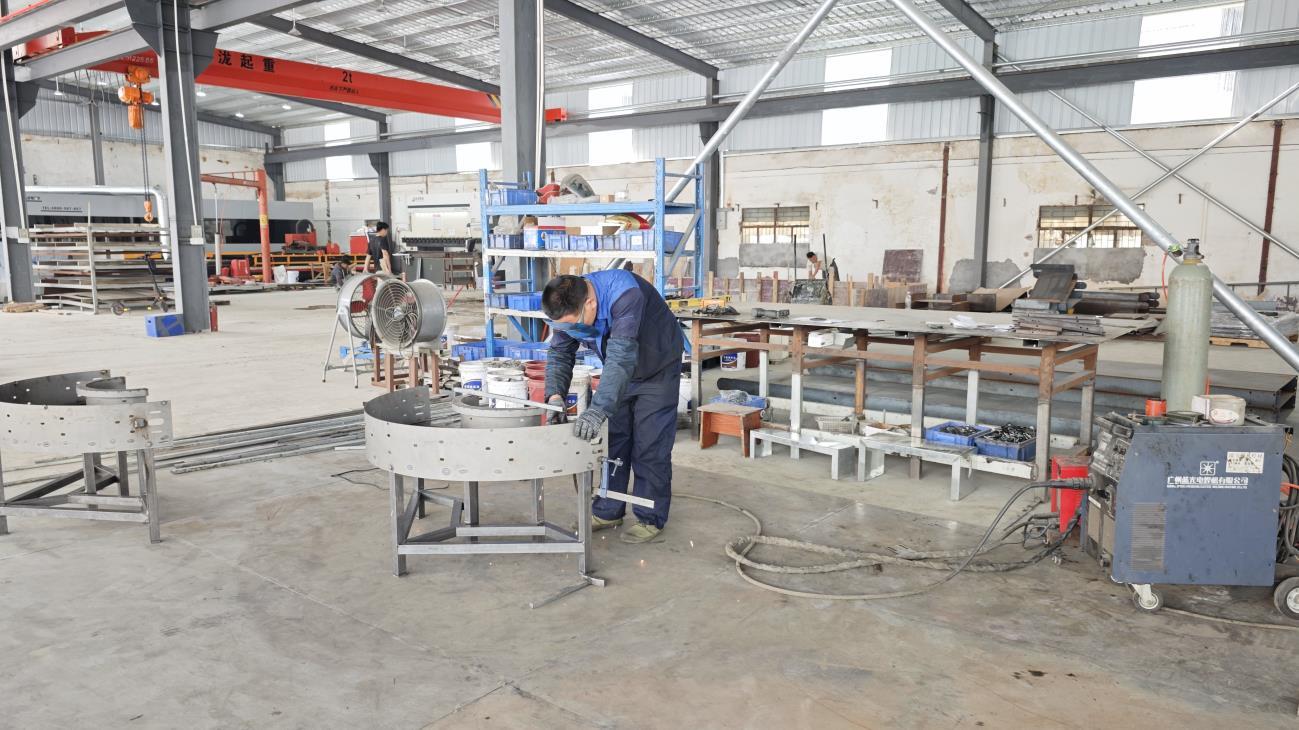
Our integrated ASRS and WCS installations are customized for specific high-density storage applications across major German industrial sectors:
In automotive corridors like Baden-Württemberg, Bavaria, and Lower Saxony, component logistics demand high accuracy and low cycle times. The WCS works in tandem with ASRS and automated transport networks to retrieve components and feed assembly bays in precise production sequences. By communicating directly with ERP solutions like SAP EWM, our WCS coordinates robotic shuttles and buffer storage zones to manage high-throughput operations.
Managing high-density storage within temperature-controlled zones (down to -28°C) presents challenges for electronic components and mechanical lubricants. Our Siemens PLC-driven storage shuttles, paired with cold-aisle containment systems, are designed specifically for these conditions. The WCS optimizes routing to minimize air exchange at dock doors, supporting energy conservation goals.
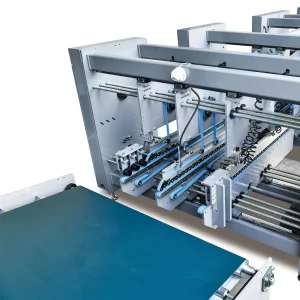
With next-day and same-day delivery expectations across Germany, urban fulfillment hubs require high-capacity sorting systems. Our WCS processes barcode scan data, package weights, and dimensional profiles in real time. It uses dynamic sorting logic to route parcels to their target outbound lanes, minimizing bottlenecks during peak shipping hours.
A strategic partnership built on technological innovation, structural integrity, and global delivery capabilities.
Hangzhou RAB Logistics Co., Ltd. specializes in the development and manufacturing of automated warehousing and modern logistics systems. By combining mechanical fabrication capabilities with software development, we help businesses transition legacy manual operations into automated, data-driven supply chain infrastructures.
Our system solutions integrate core logistics technologies, including:
From consultation and mechanical engineering to final deployment, we work closely with your local operations teams to ensure seamless hardware and software integration, creating scalable material handling systems built for long-term operational performance.
Key technical insights on WCS integration, compliance, and lifecycle support in the German logistics landscape.
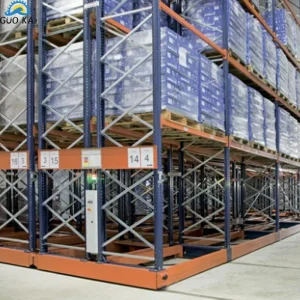
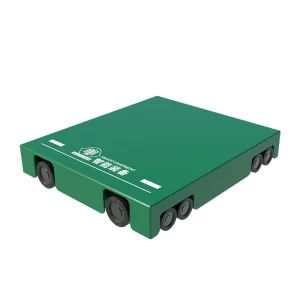
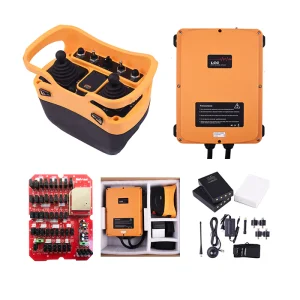
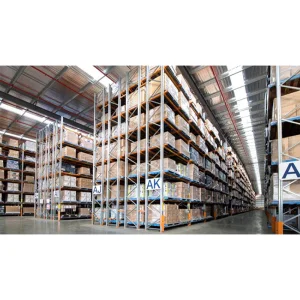
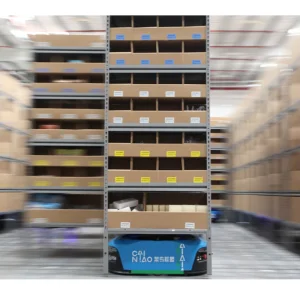
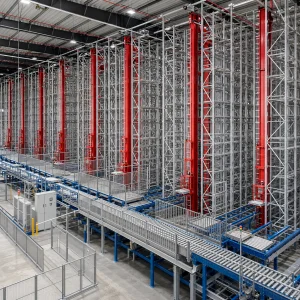
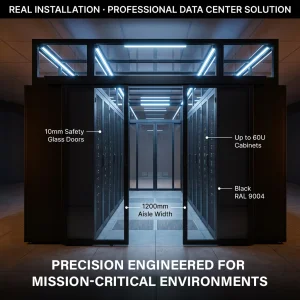
High-capacity storage equipment and software suites configured for German industrial installations.
Contact our system engineering team to discuss planning parameters, WCS integration configurations, and equipment commissioning for your site.
Send Inquiry Now RAB Logistics