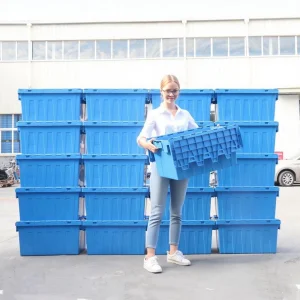
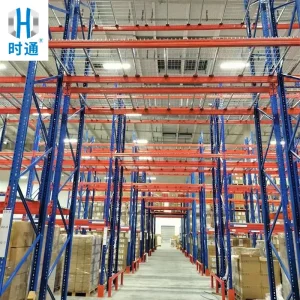
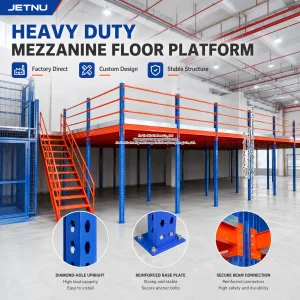
Explore our premium grade hardware and foundational system components designed to seamlessly interface with modern warehouse operational infrastructures.

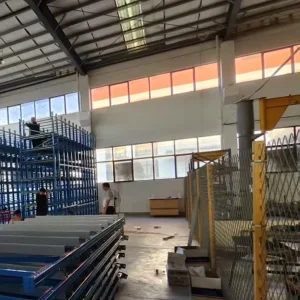
Hangzhou RAB Logistics Co., Ltd. stands at the forefront as a professional provider of intelligent warehousing solutions and modern logistics technologies. Built on years of validated industry expertise and continuous technological integration, we are committed to helping global enterprises transition traditional operations into highly automated, data-driven, and hyper-efficient supply chain systems.
Since our establishment, our strategic focus has centered on integrating advanced technologies, including Warehouse Management Systems (WMS), Automated Storage and Retrieval Systems (AS/RS), AGV/AMR autonomous robotics, and real-time visualization dashboards. These high-level systems empower businesses with dynamic logistics visibility, faster order fulfillment cycles, and optimized operating overheads.
With end-to-end capabilities spanning software development, precise system integration, hardware manufacturing, and structural consulting, we deliver future-ready warehouse infrastructures tailored to complex and high-demand commercial landscapes.
How leading global enterprises leverage modern systems to navigate labor shortages, volatile demands, and high real estate constraints.
Modern commercial hubs face rising urban land costs and severe shortages of specialized warehouse operators. Scalable racking systems and WMS-optimized storage layouts minimize vertical footprint while boosting operational throughput per square meter.
E-commerce and grocery sectors deal with rapidly shifting, complex product inventories. Precision tracking, cold aisle containment systems, and automated sorting baskets optimize multi-temperature compliance and prevent costly inventory write-offs.
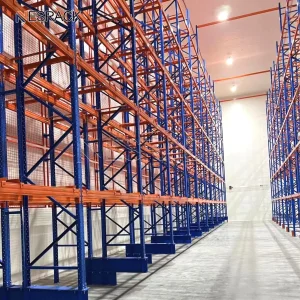
Procurement directors require system safety, certified durability, and high ROI before allocating capital. Our high-bay racks, engineered using structural carbon steel and finished with electrostatic powder coating, provide structural longevity under strict safety criteria.
Tailored intralogistics configurations resolving unique environmental, structural, and regulatory operational requirements.
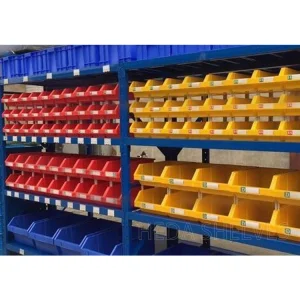
Designed to manage high-volume, dynamic order profiles. Integrated light-duty custom plastic storage bins and automated sorting pathways streamline accurate pick-pack processes, cutting return rates and order-to-ship cycles.
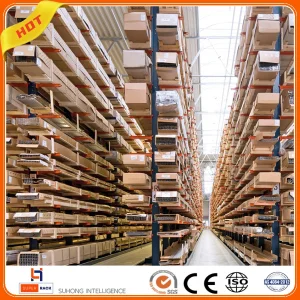
Utilizing selective heavy-duty double-deep pallet racks and cantilever shelving for long pipes or heavy dies. Minimizes forklift impact risk through structural floor anchors and upright steel protector components.
Galvanized pallet racks and automated shuttle runs designed specifically to function in temperatures down to -30°C. Coupled with intelligent air containment, these platforms protect temperature-sensitive goods.
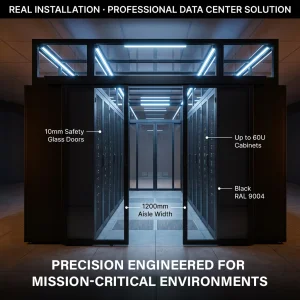
Dedicated smart cold aisle containment installations with automatic fire linkage ceiling windows. Isolates hot/cold air streams within high-density compute server rooms to maximize server stability and power efficiency.
How software intelligence, autonomous robotics, and structural design converge to build tomorrow's self-optimizing distribution hubs.
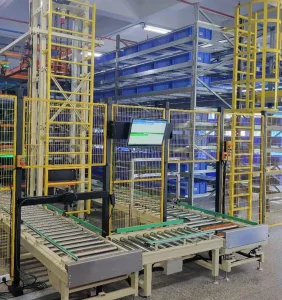
The traditional divide between WMS (managing inventory registers) and WCS (directing machinery) is fading. Modern architectures require a unified Warehouse Execution System. By processing real-time order streams, our systems prioritize high-velocity items and orchestrate dynamic pathing protocols for AS/RS stacker cranes and AMR fleets.
By implementing API-first connection layers, integration with major cloud ERPs occurs rapidly. Operators gain access to unified dashboard visualization, instant order routing adjustments, and proactive mechanical health diagnostics, eliminating unexpected downtime.
Material handling is no longer static. Self-routing automated vehicles operate safely alongside employees, using LiDAR-guided spatial awareness and VDA 5050 communication protocols to execute tasks efficiently.
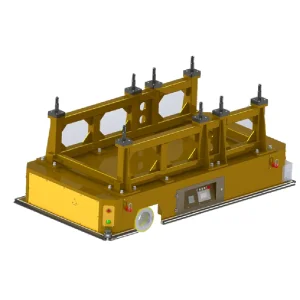
From 14-ton heavy-duty AGV transfer carts moving massive die-cast parts, to lightweight autonomous sorting robots routing bins, automated fleets optimize product transport paths dynamically based on real-time task queues.
A transparent look inside Hangzhou RAB Logistics Co., Ltd.'s state-of-the-art production workshop, where quality raw materials are transformed into certified warehouse systems.
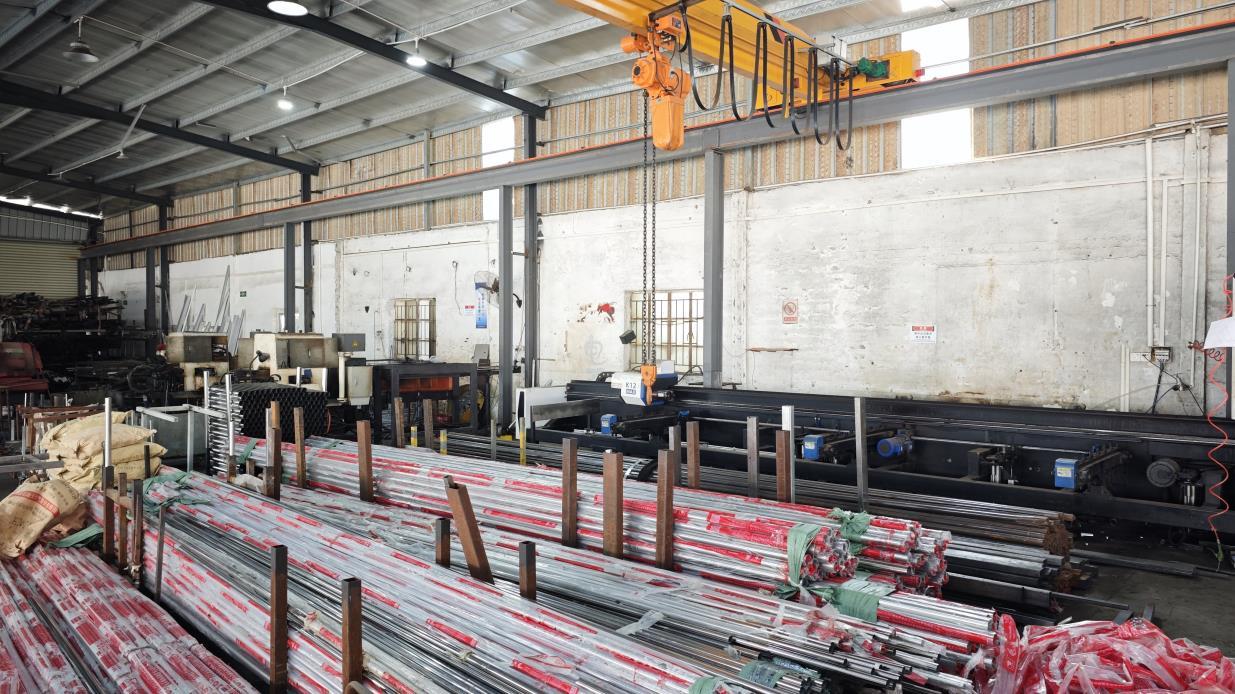
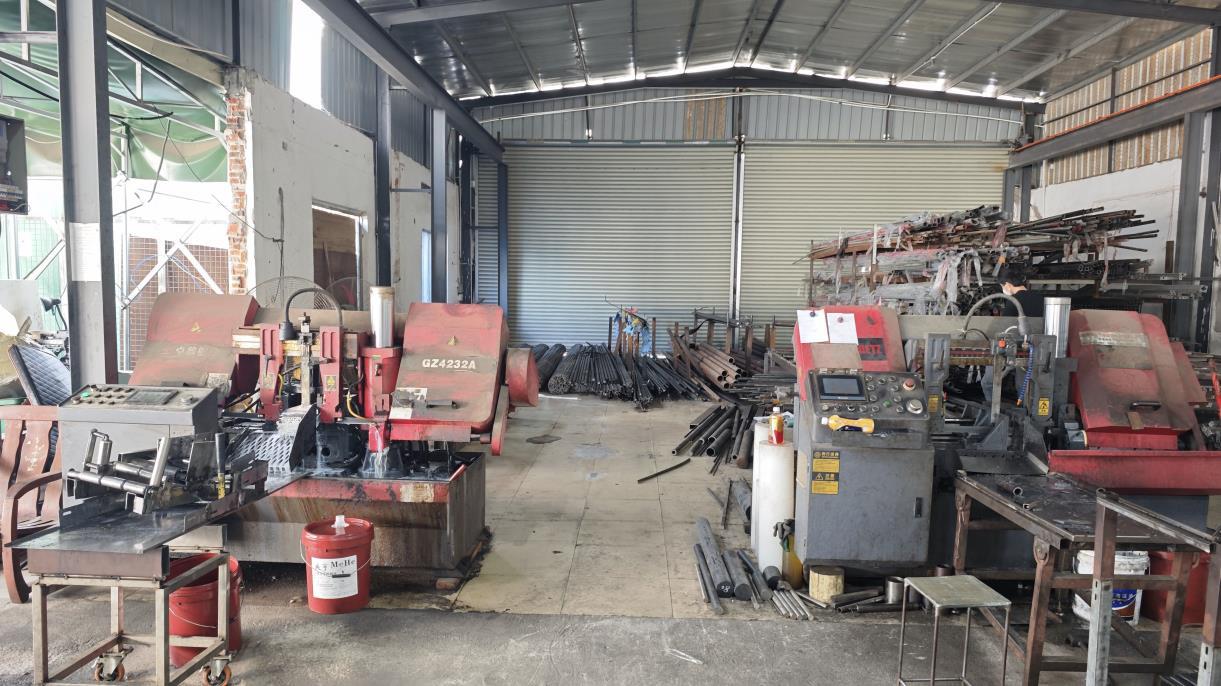
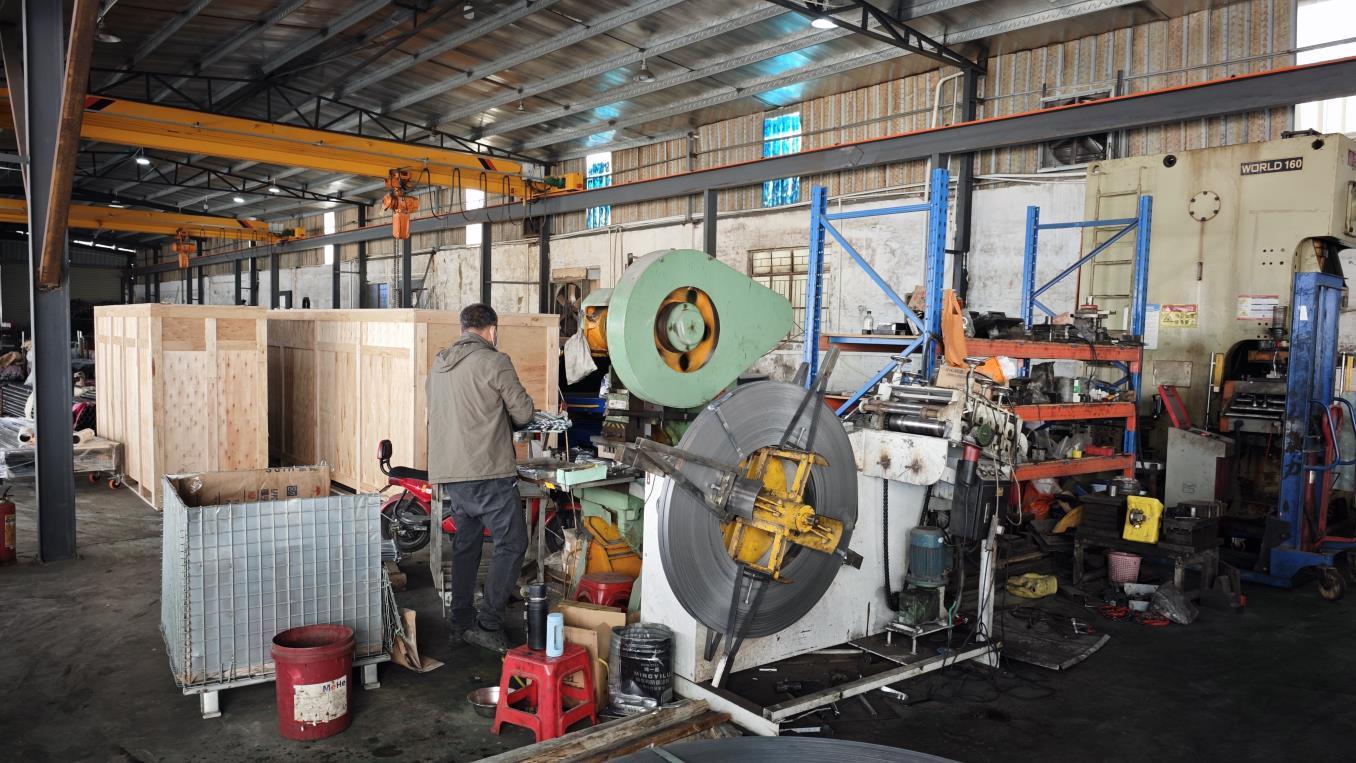
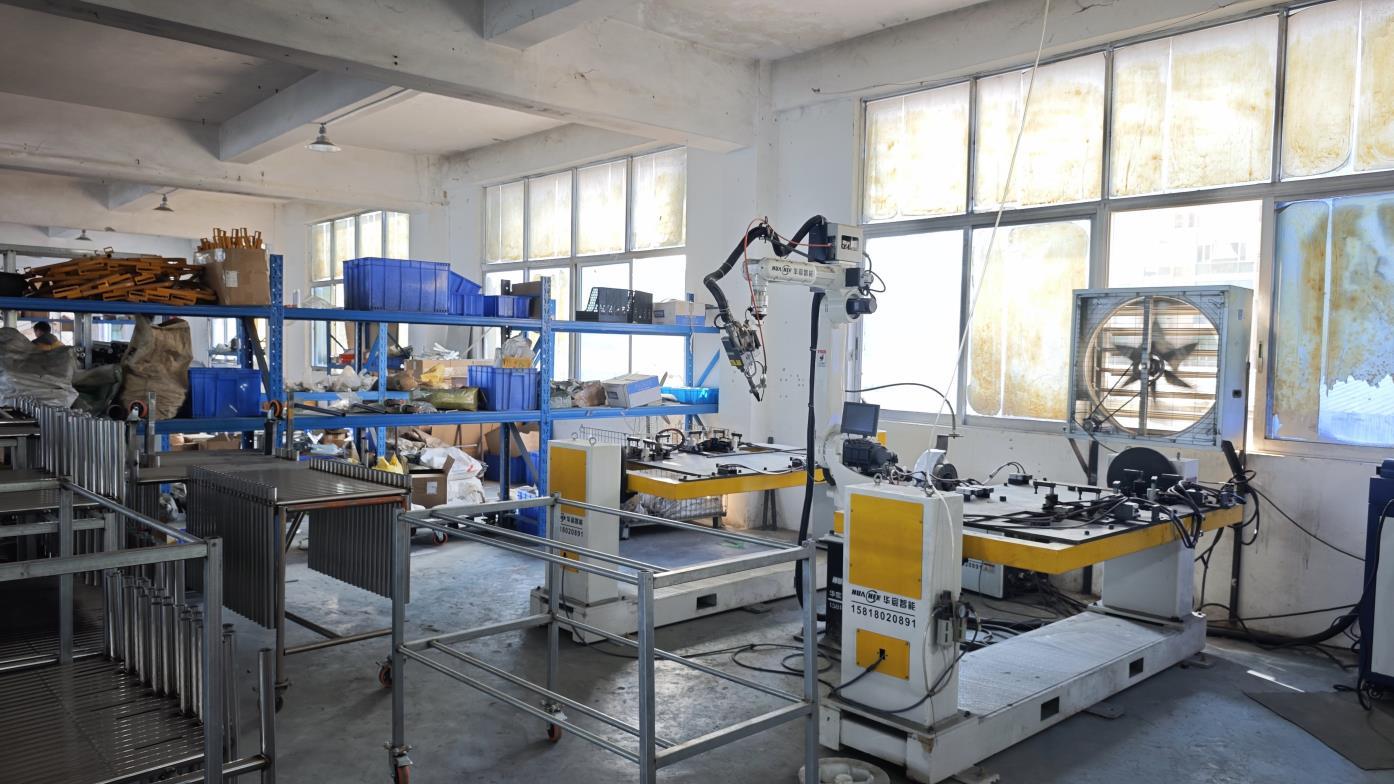
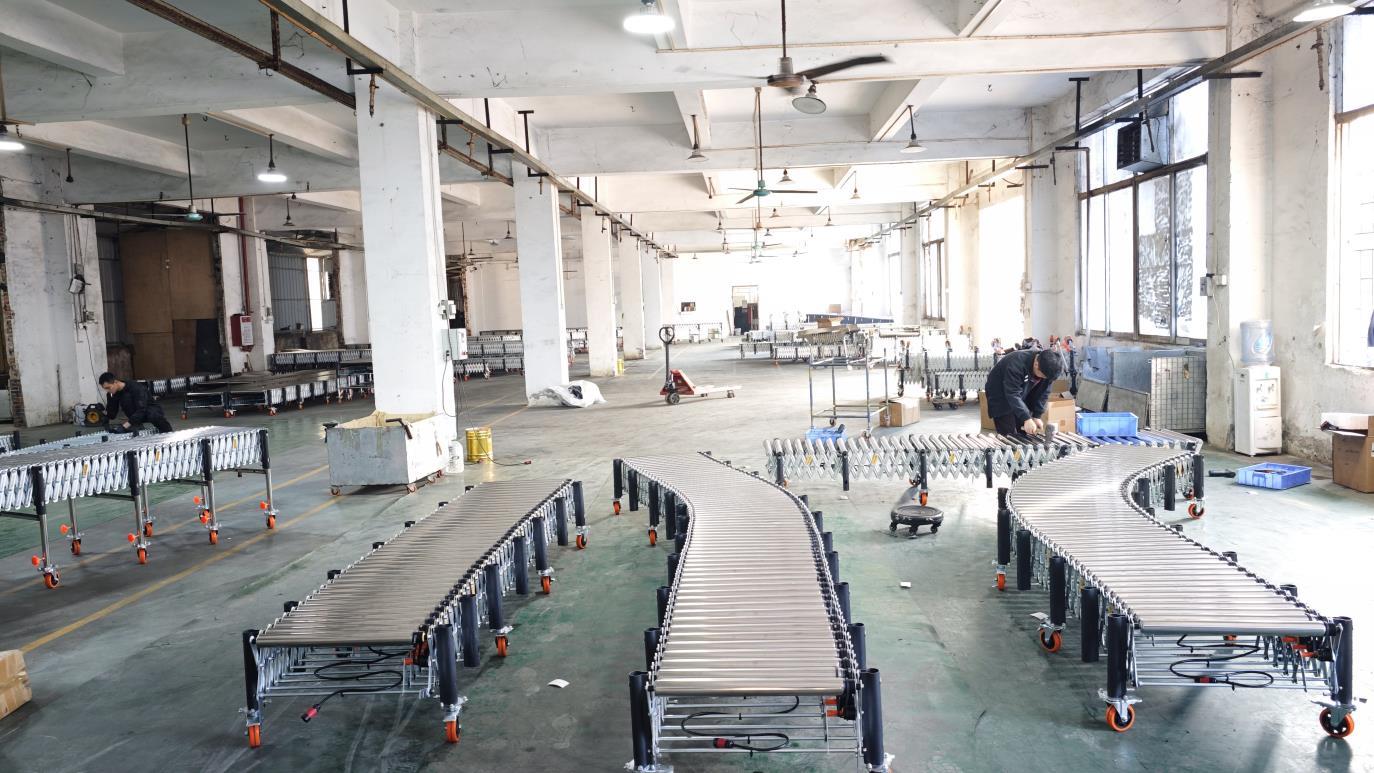
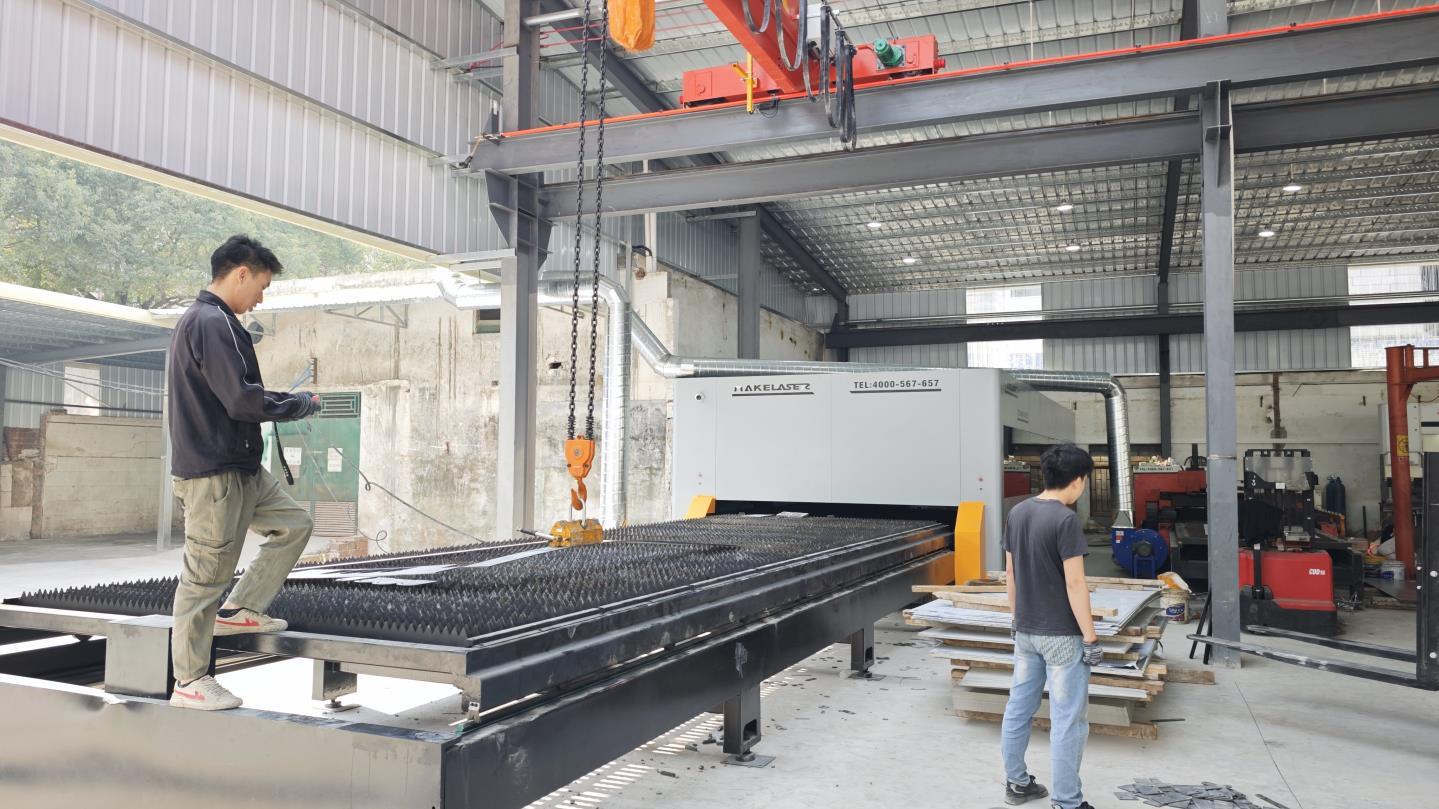
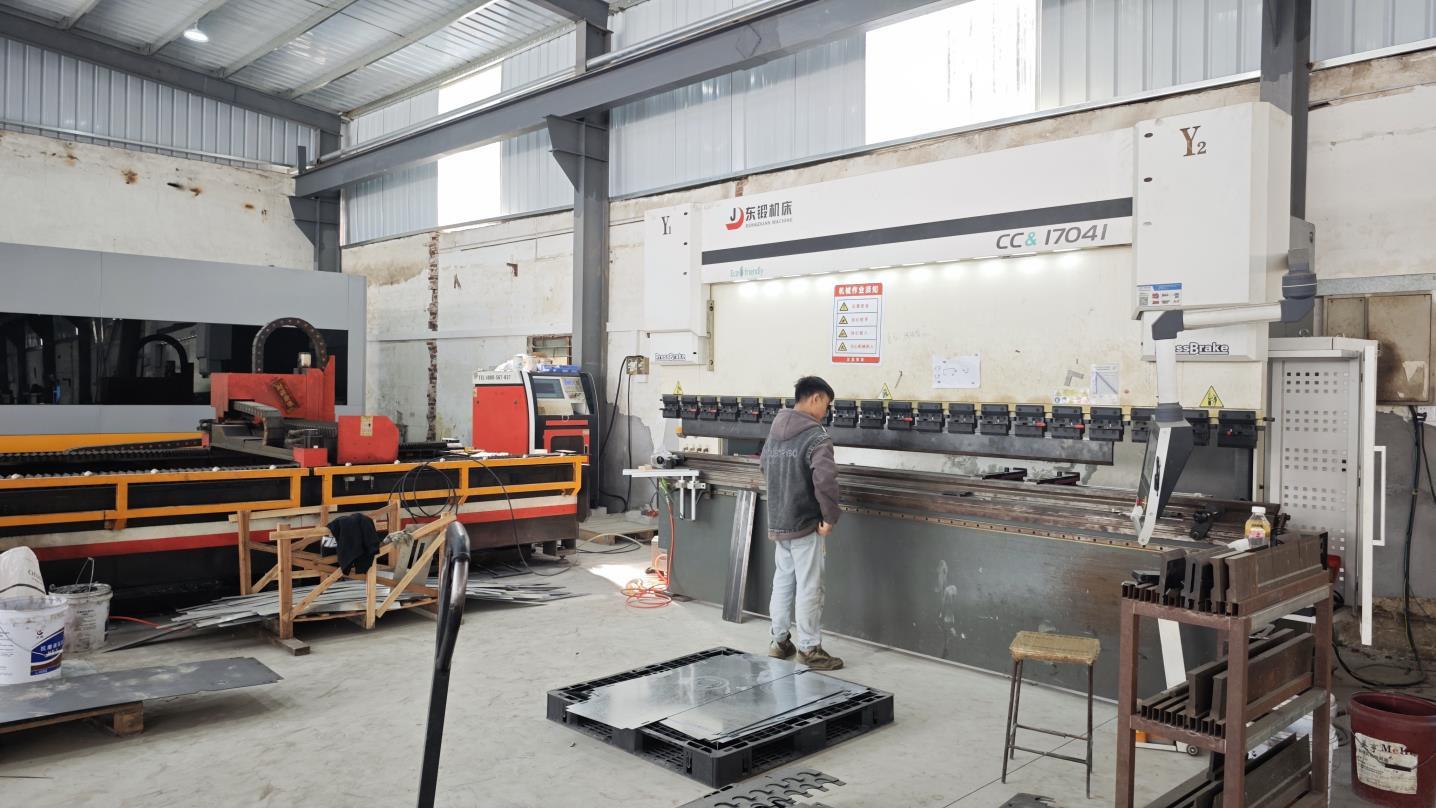
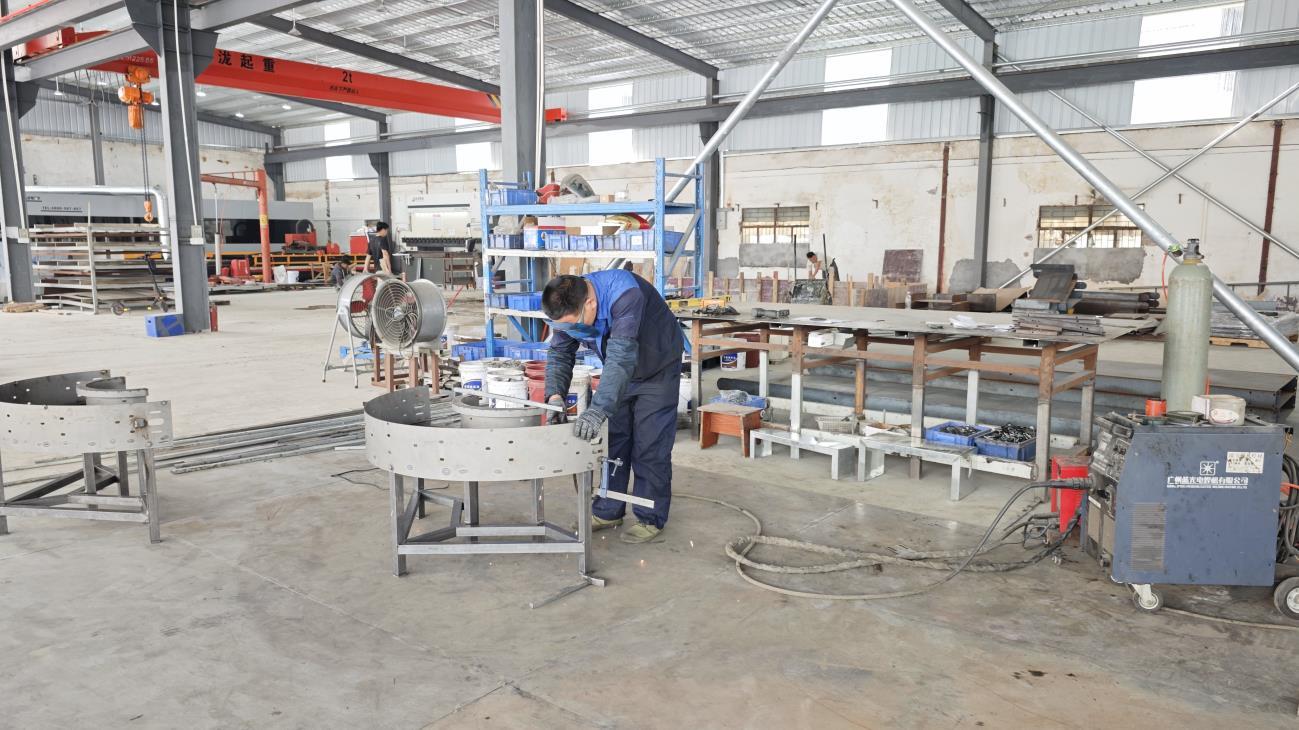
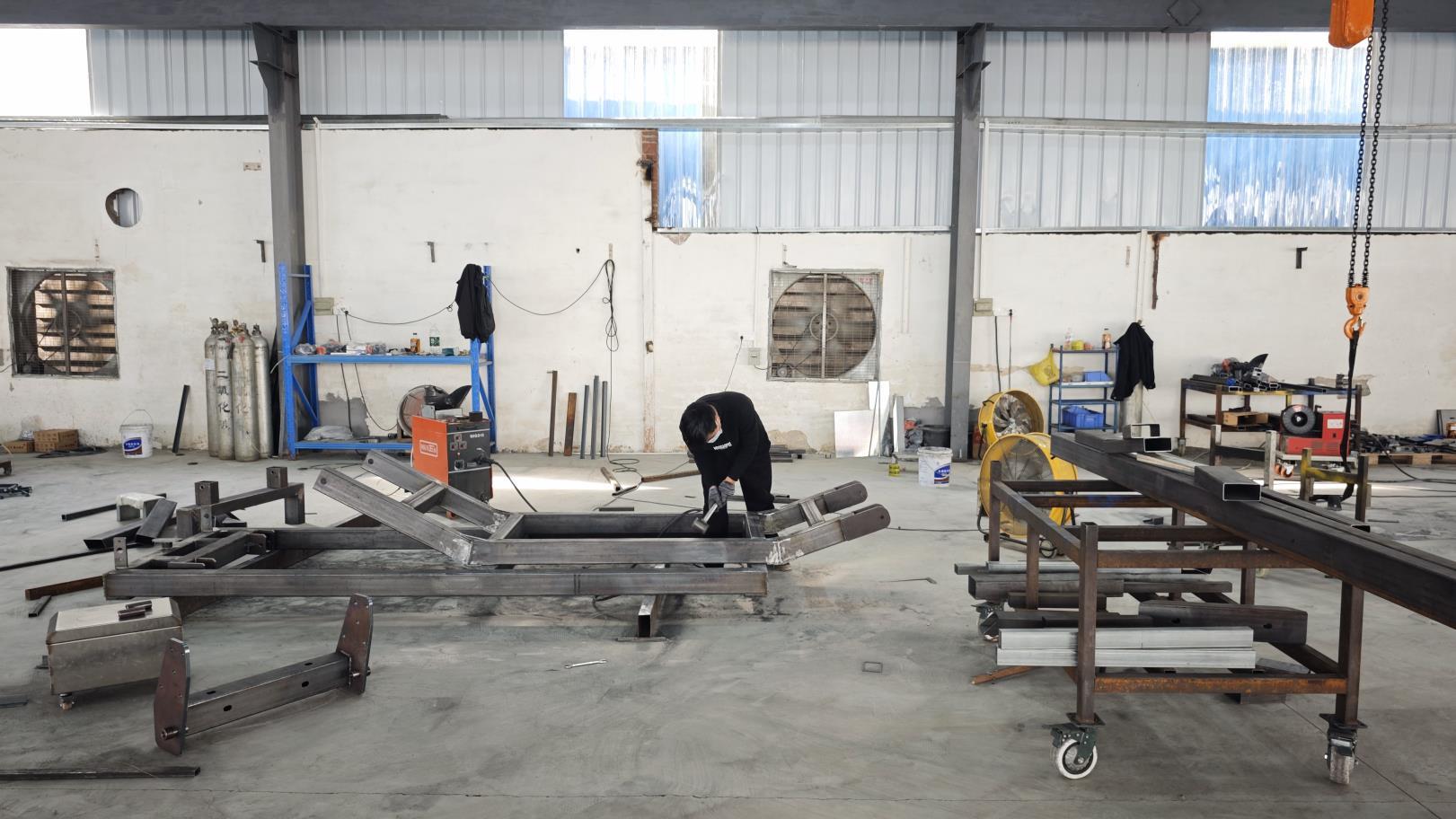
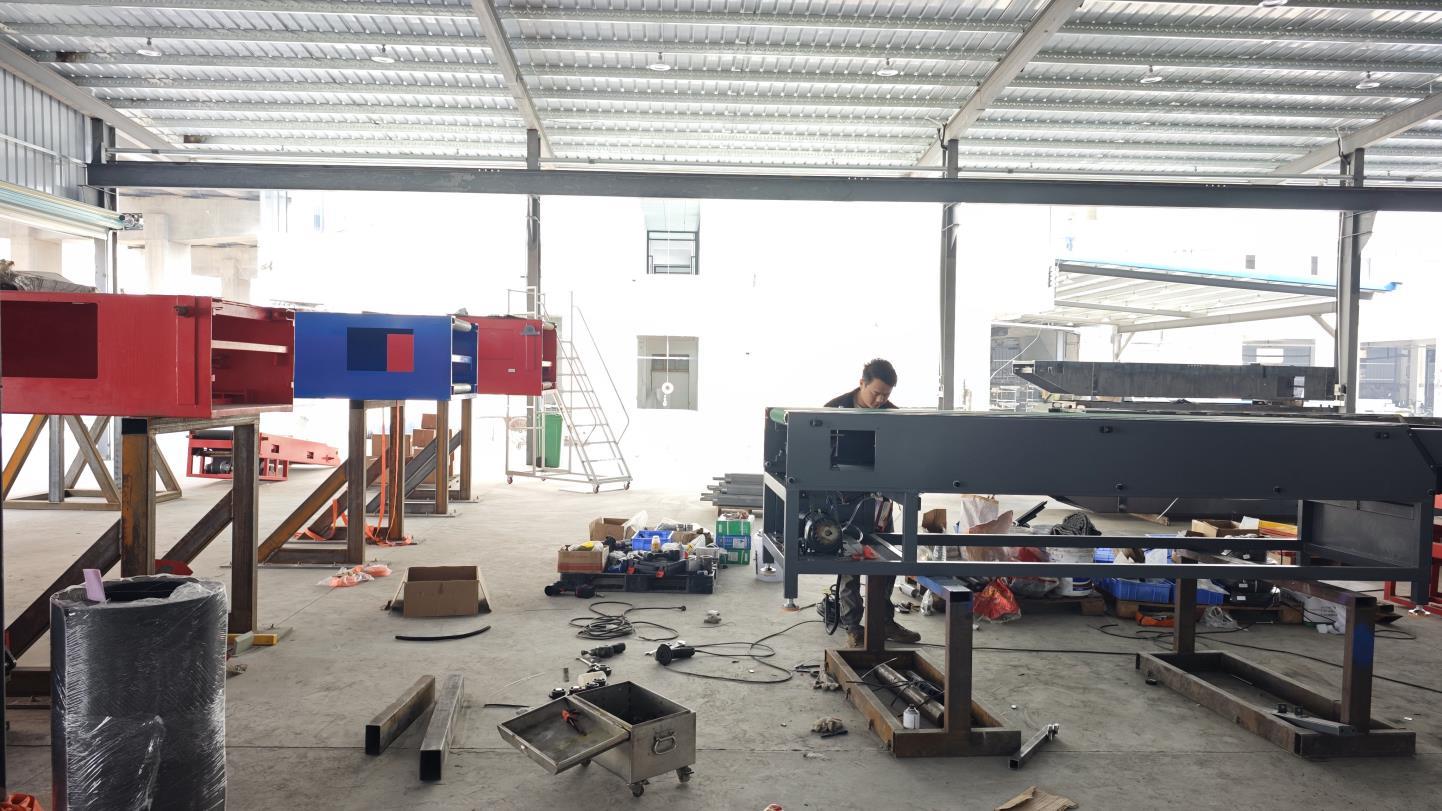
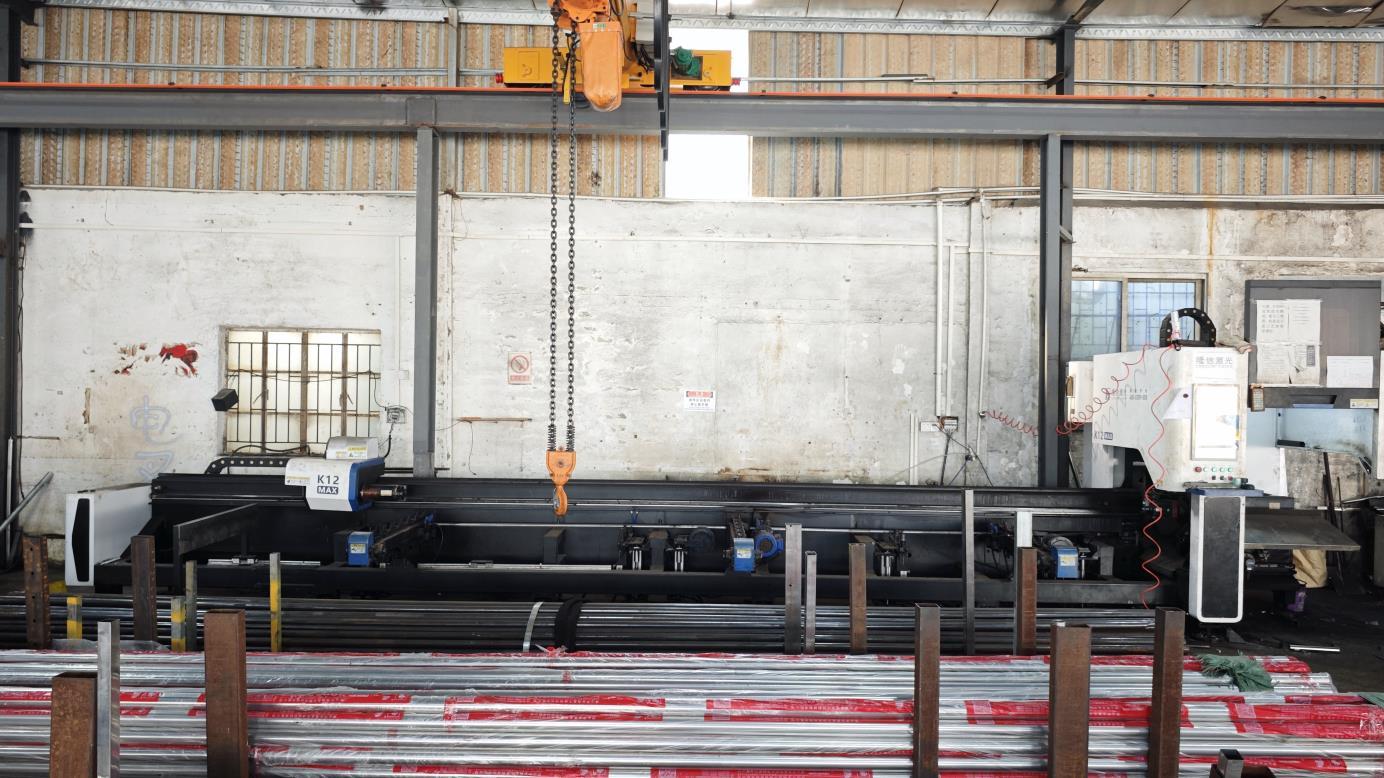
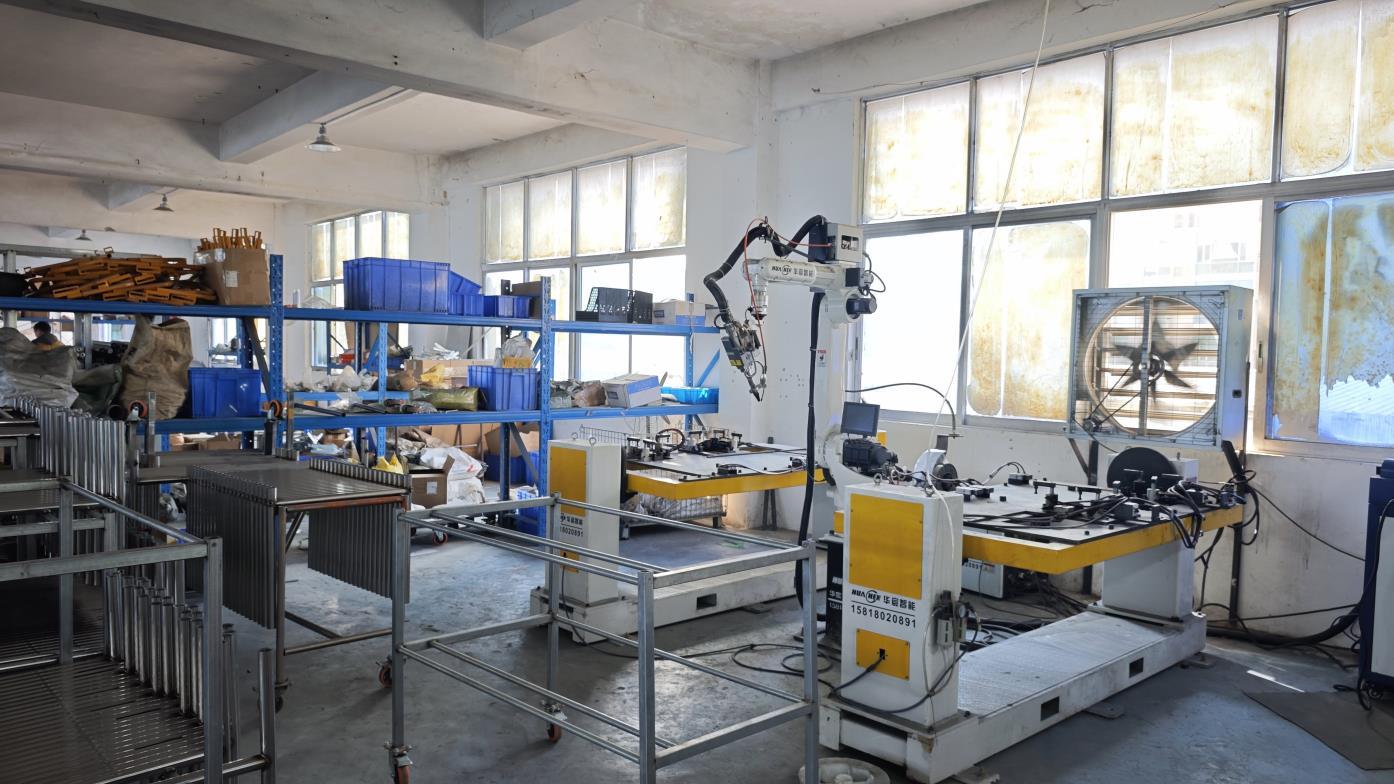
Industrial warehouse infrastructure demands structural reliability. Systems must support heavy payloads, remain stable during earthquakes, and offer high collision resistance. At Hangzhou RAB Logistics Co., Ltd., we build our racking platforms and material handling equipment in strict compliance with globally recognized quality standards, including SGS, CE, FEM (European Federation of Materials Handling) 10.2.02, and ANSI/RMI.
Our manufacturing facility utilizes high-grade structural carbon steel, featuring advanced finishes like automated hot-dip galvanization and electrostatically applied, non-toxic powder coating. This prevents degradation and chemical corrosion, even in cold-storage environments.
In-depth insights to assist procurement teams, system integrators, and plant operations directors in optimizing their warehouse facilities.
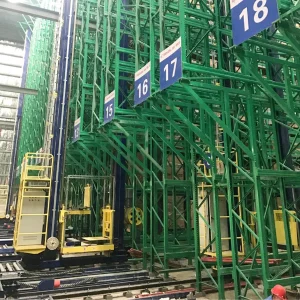
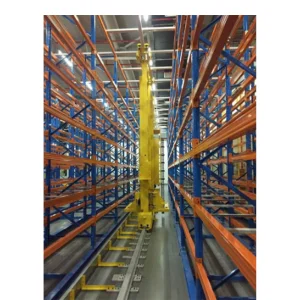
Standard forklift-operated racking requires wide aisles (typically 3 to 3.5 meters) to safely turn and retrieve pallets. An AS/RS uses rail-guided stacker cranes or intelligent radio shuttles, reducing aisle space to just the width of the load (approx. 1.2 to 1.4 meters). Additionally, high-bay AS/RS systems can exceed heights of 30 meters, allowing warehouses to maximize vertical volume and save up to 60% of their physical floor footprint.
Cold aisle containment separates cold supply air from hot exhaust air, preventing thermal mixing. This improves cooling efficiency, eliminates dangerous hotspots, and reduces energy consumption by up to 30%. Integrated fire linkage systems also ensure that ceiling windows open automatically if a fire is detected, allowing overhead fire suppression systems to access the rack space.
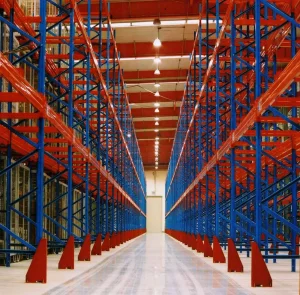
Single-deep selective racking places each pallet directly adjacent to the aisle, offering 100% immediate accessibility (selectivity). Double-deep racking stores pallets two-deep in a back-to-back layout, which increases storage density by up to 30% by reducing the number of aisles. However, it requires a pantograph or deep-reach forklift to retrieve the back pallet, operating on a Last-In, First-Out (LIFO) inventory sequence.
When the WMS receives an order, it sends a transport request to the Warehouse Control System (WCS) or Fleet Manager. The system assigns the task to the nearest compatible AGV via Wi-Fi. Using LiDAR navigation, safety scanners, and PLC logic, the AGV retrieves the payload and reports its status back to the WMS, ensuring real-time inventory and tracking updates.
Mezzanines must comply with structural regulations like the International Building Code (IBC), AISC specifications, and EN 1993 (Eurocode 3). Critical factors include clear documentation on uniformly distributed load capacity (e.g., up to 1000 kg/sqm), certified structural connection points, high-strength bolting assemblies, and integrated safety handrails to protect employees.
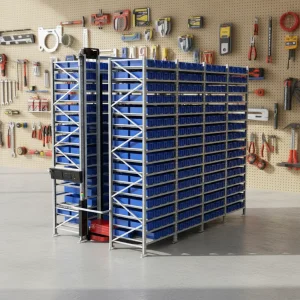
Discover our range of customizable heavy-duty steel shelves, automated guided vehicles, and structural mezzanine solutions.
 RAB Logistics