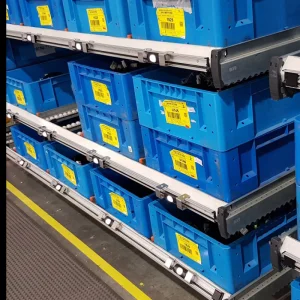
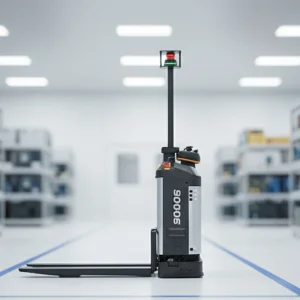
Integrating physical automation units directly with smart Inventory Control Software ecosystems to drive zero-latency throughput.
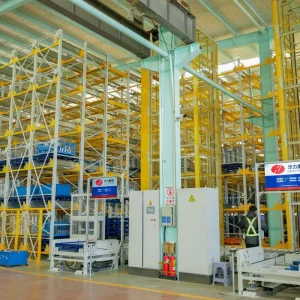
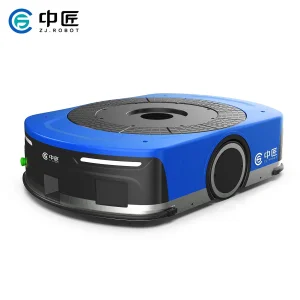
Hangzhou RAB Logistics Co., Ltd. delivers industry-proven software frameworks coupled with robust physical material-handling systems.
The modern supply chain landscape requires inventory control solutions that go far beyond simple database entry. As a leading player in the domain, Hangzhou RAB Logistics Co., Ltd. builds integrated frameworks that act as the digital central nervous system of global distribution centers. Our expertise spans years of deep vertical industry engagement, bridging the gap between operational logic (WMS) and execution-level mechanics (WCS/ASRS).
Modern enterprises encounter extreme complexity in cross-channel fulfillment, material traceability, and logistics throughput speeds. The traditional siloed method of tracking inventory causes massive delays and stock discrepancy. By developing customizable Inventory Control Software architectures, we allow global operators to achieve real-time synchronization between their floor AGV fleets, pick-to-light sorting tables, high-density AS/RS racks, and central planning ERPs.
Our solutions focus on high availability, data security, and interoperability. By integrating advanced data logging, predictive algorithms for stock replenishment, and open API connectivity, we ensure that companies transitioning to Industry 4.0 standards have a risk-free path to scale their physical and digital infrastructures.
Built on years of industry experience and continuous technological innovation, RAB Logistics is committed to helping enterprises transform traditional warehouse operations into highly automated, data-driven, and efficient supply chain systems.
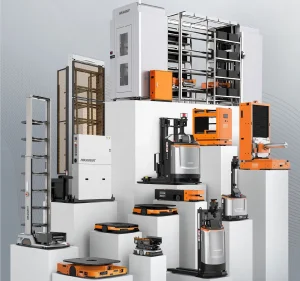
We focus on integrating advanced technologies such as Warehouse Management Systems (WMS), Automated Storage and Retrieval Systems (AS/RS), AGV/AMR robotics, intelligent sorting systems, and real-time data visualization platforms.
Decentralization, Edge Computing, and Predictive Intelligence are reshaping the paradigm of supply chain visibility.
Organizations are moving away from monolithic local database setups. Modern configurations rely on Cloud-native backends to synthesize multi-location data, while local edge controllers handle critical physical movements (like AS/RS stacking or AMR routing) to prevent network lag from interrupting physical operations.
Real-Time Location Systems (RTLS), BLE beacons, and RFID gates feed real-time raw data directly to modern Inventory Control Software. This eliminates the necessity of manual barcode scans and translates into instant stock level updates with less than 0.1% tracking error rates.
Integrating predictive logic inside software ecosystems allows operations to adjust buffer stock levels dynamically based on historic throughput speed, local weather delays, and geopolitical factors, cutting warehouse holding costs by 15-20% globally.
Analyzing what purchasing directors and operation managers look for in automated software and machinery exporters.
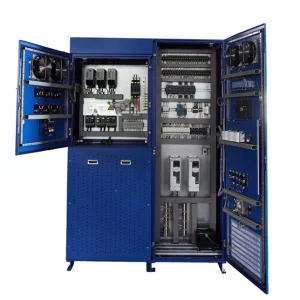
The primary point of failure for new warehousing systems is the software-to-hardware interface. Exporters must design control systems that easily interface with legacy ERP environments (such as SAP, Oracle, and Microsoft Dynamics 365). Hangzhou RAB Logistics bridges this gap with standardized middleware and configurable PLC configurations that speak Modbus, Profinet, and OPC UA protocols out of the box.
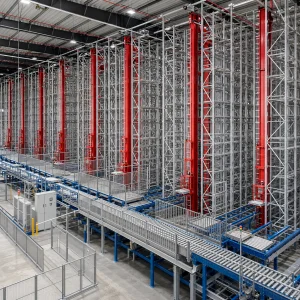
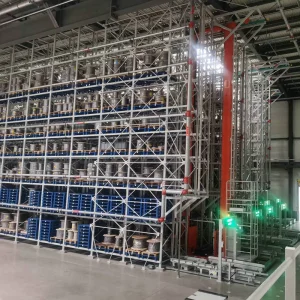
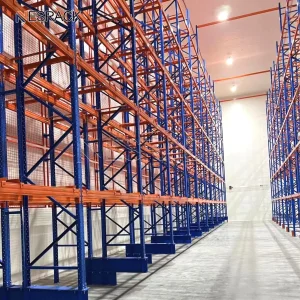
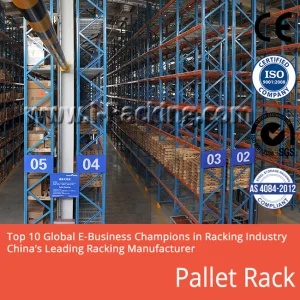
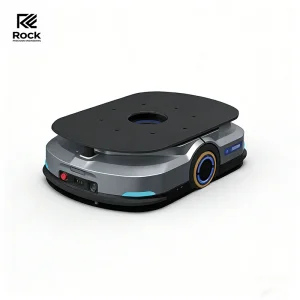
Enterprise procurement agents look for hardware that can scale with growth. Our physical installations, such as selective heavy-duty pallet racks, AS/RS structures, and AGVs, are built with high physical modularity. This allows factories to deploy basic setups first and expand to complex multi-shuttle automated configurations later with simple software updates.
How we tailor software logic and heavy machinery to suit specific industry verticals.
FMCG warehouses handle high transaction volumes and short shelf-life items. Our solutions integrate Pick-to-Light (PTL) and batch-picking logic with heavy-duty stacker cranes. This setup decreases picking travel time and ensures strict FEFO (First Expired, First Out) compliance.
Pharmaceutical storage requires strict temperature zone tracking and clean room integration. Our software monitors temperature logs alongside the physical positioning of the goods, automatically routing sensitive batches to specific climate zones using automated AS/RS shuttles.
Automotive components demand robust racking systems paired with high-capacity forklift robots (up to 2000kg load rating). Our system manages weight-distribution limits dynamically across structures to prevent stress points on double-deep pallet racks.
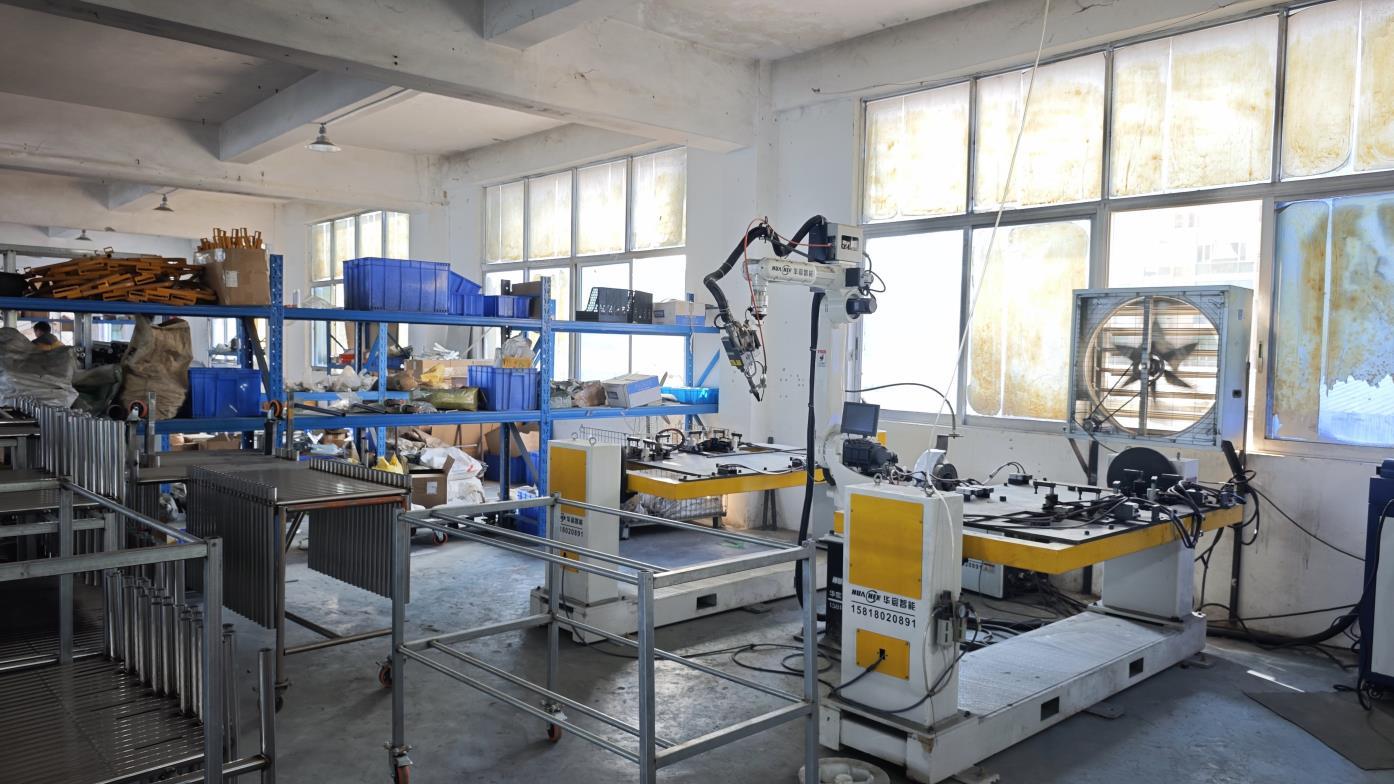
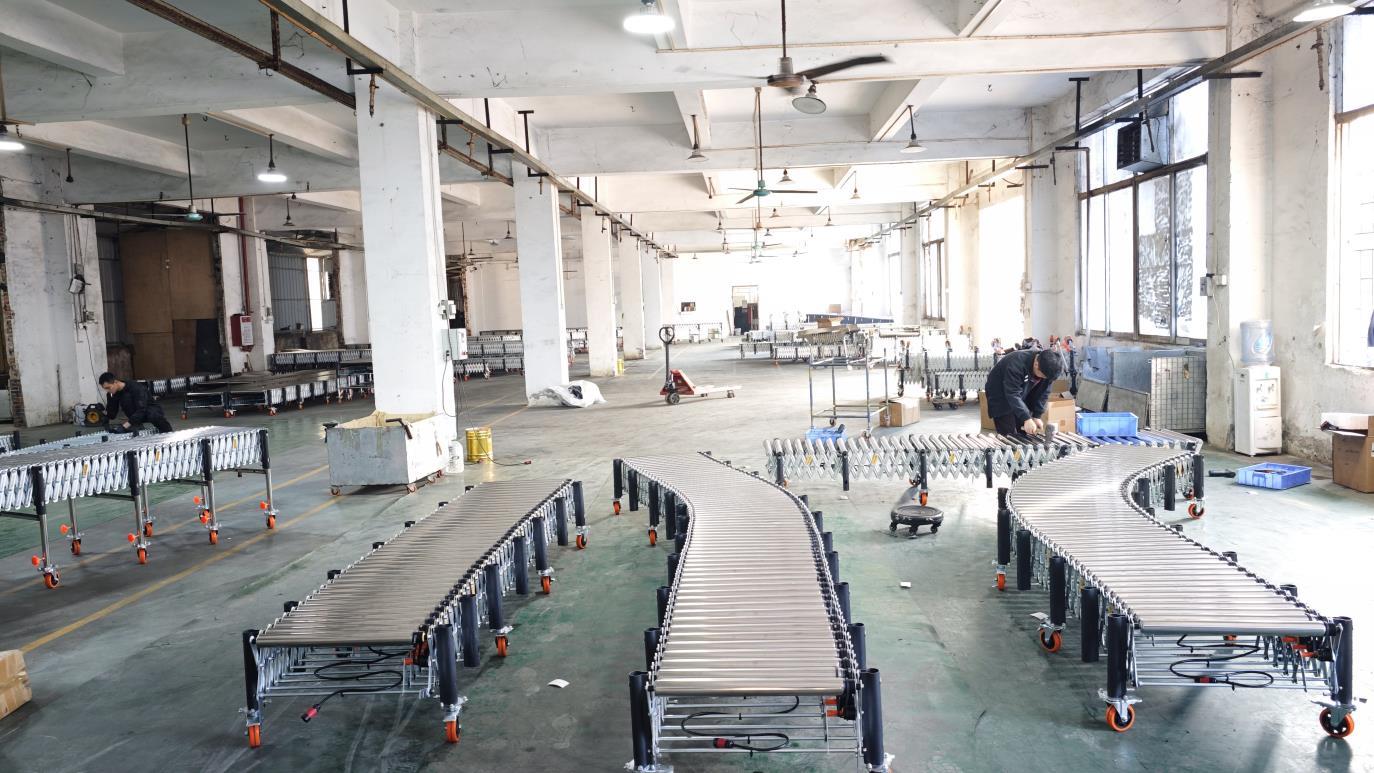
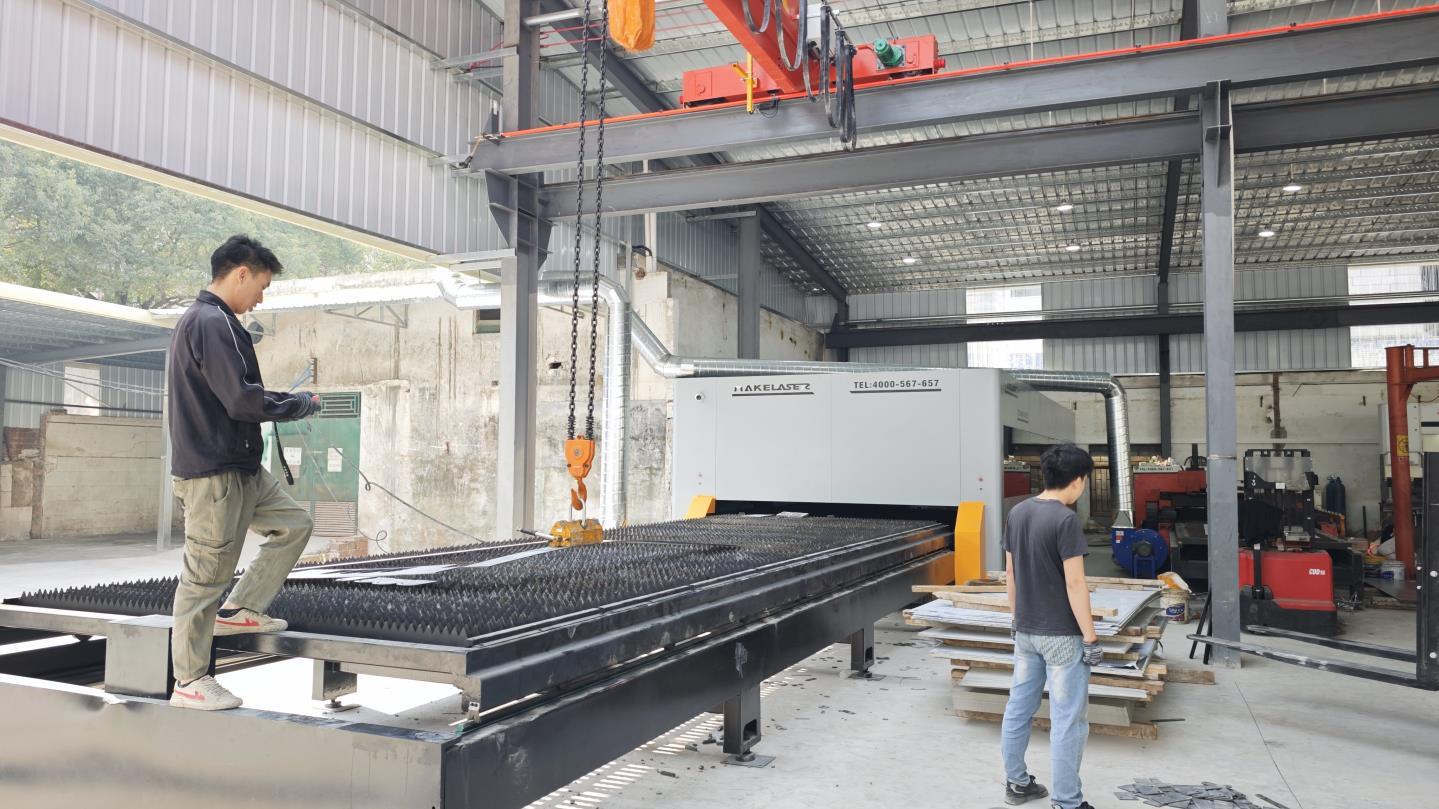
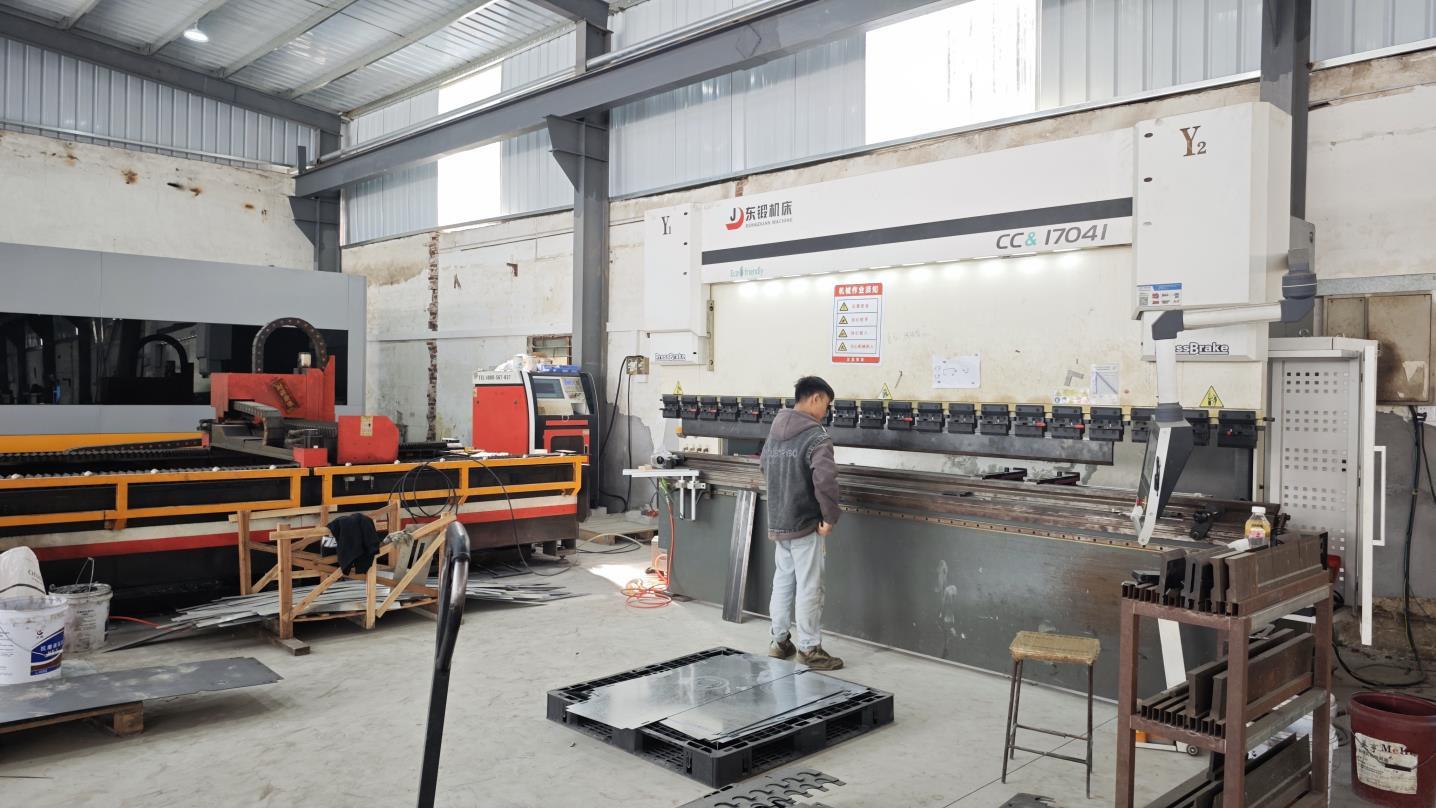
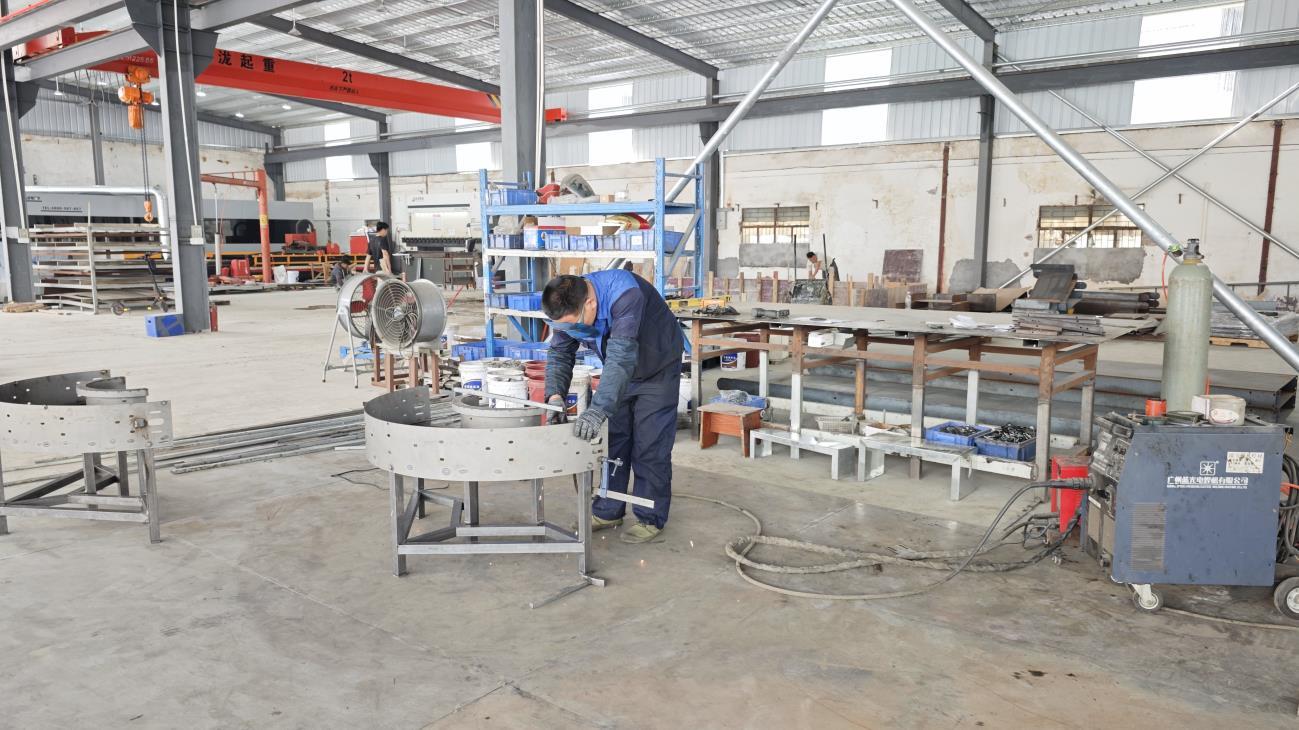
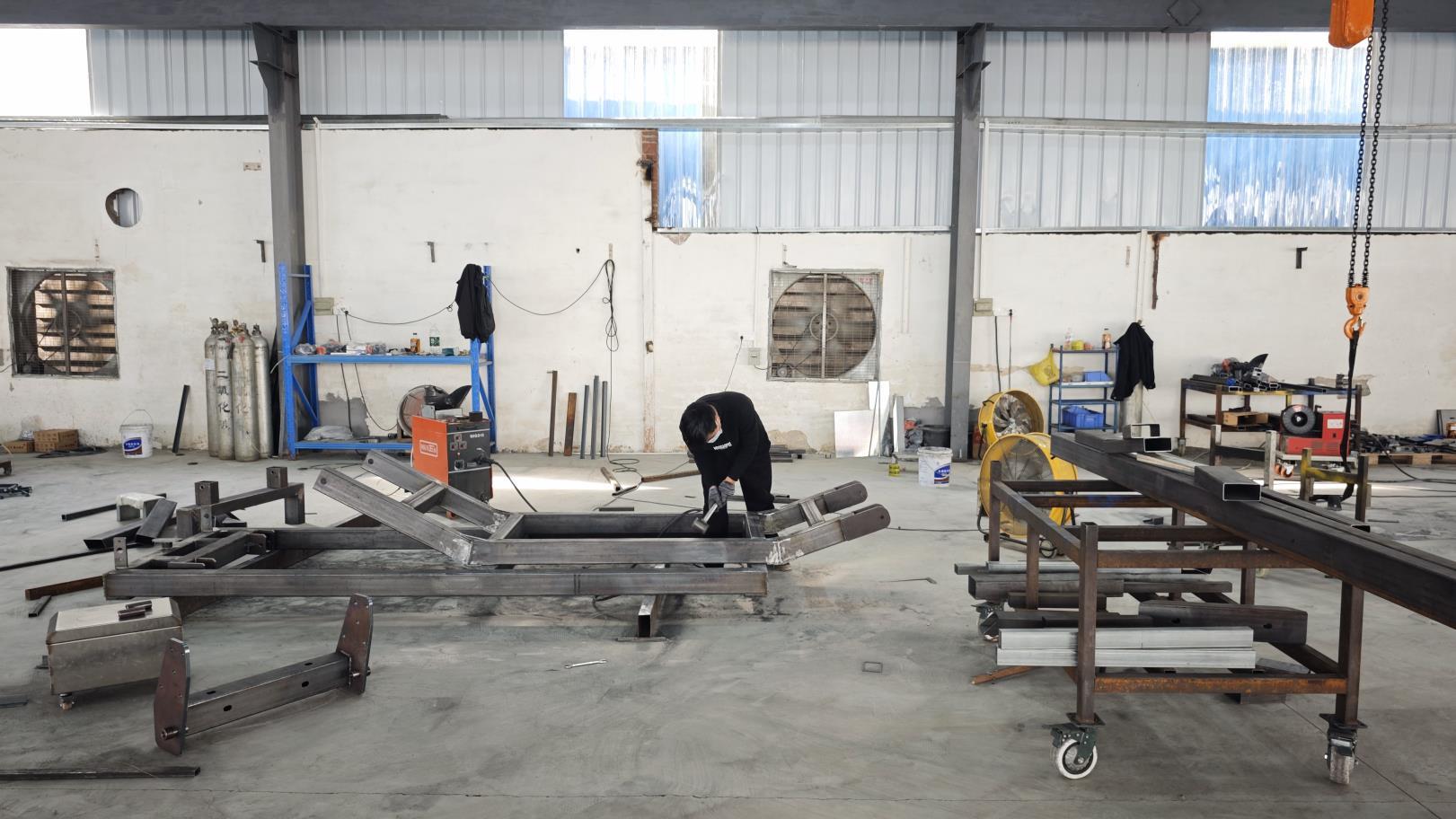
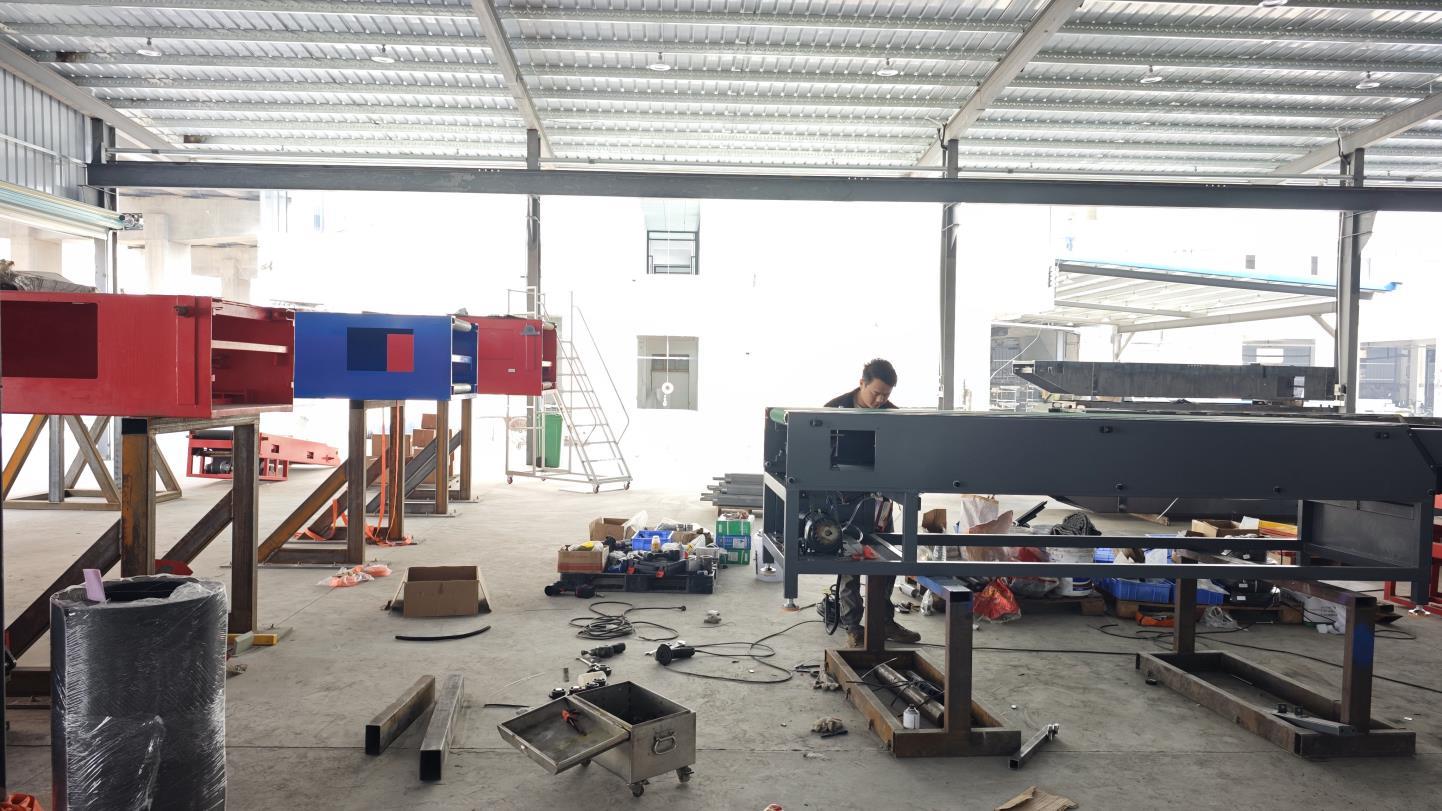
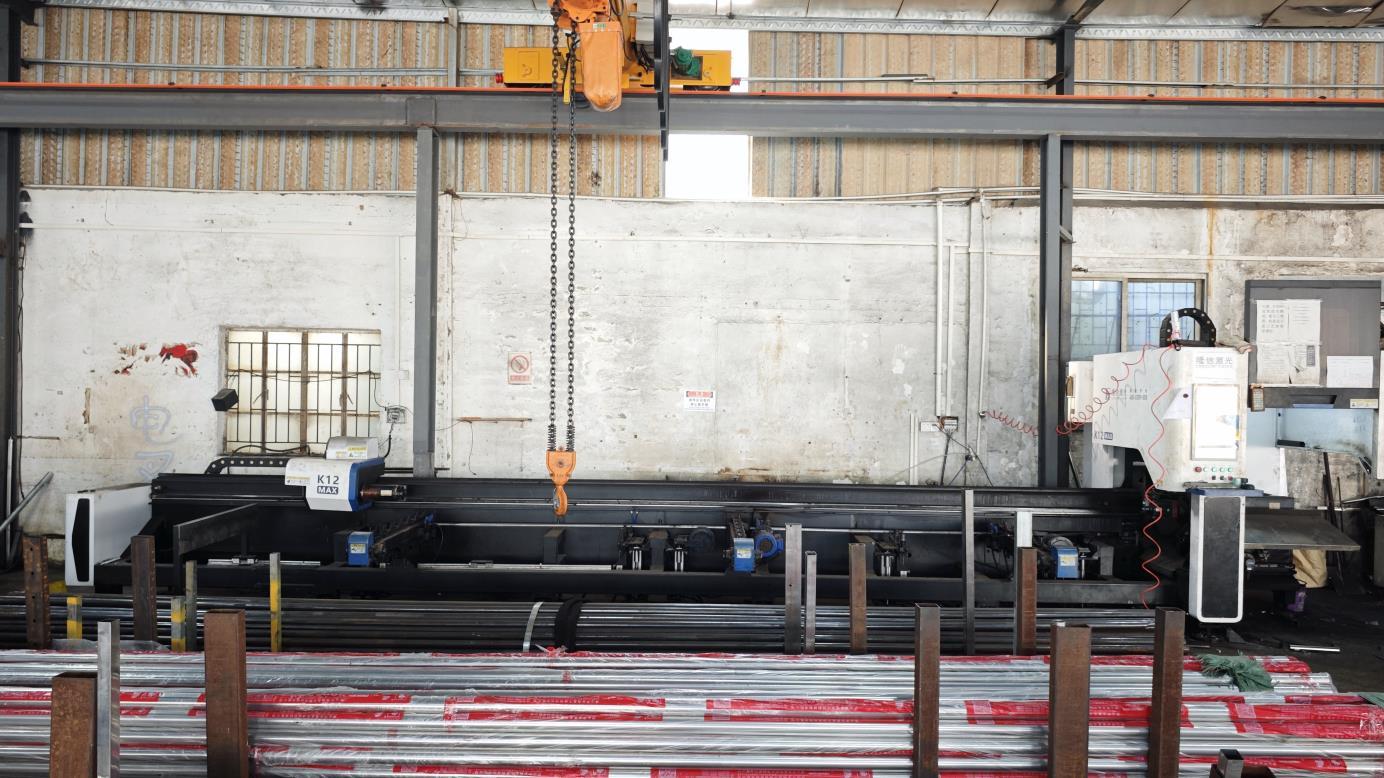
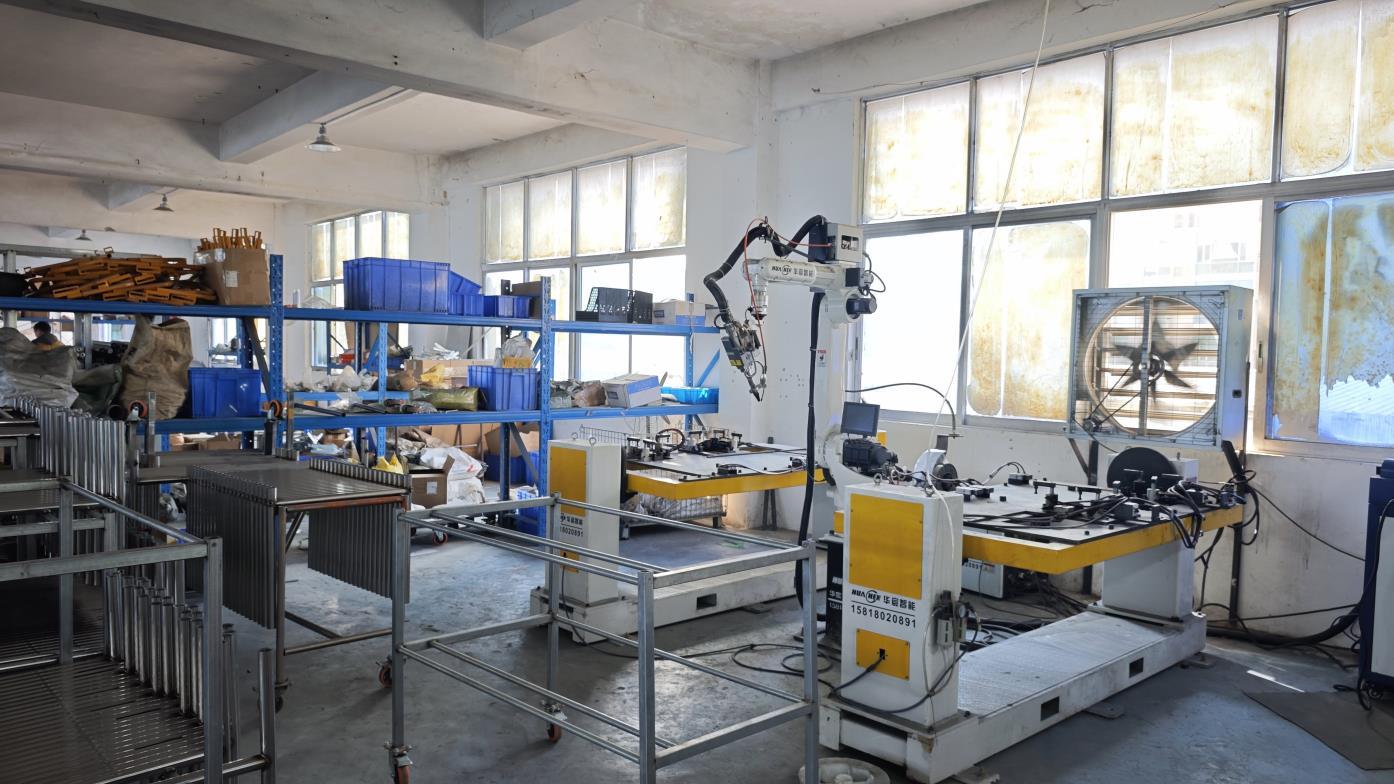
High-end physical automated systems require precise mechanical fabrication. A look inside our manufacturing processes.
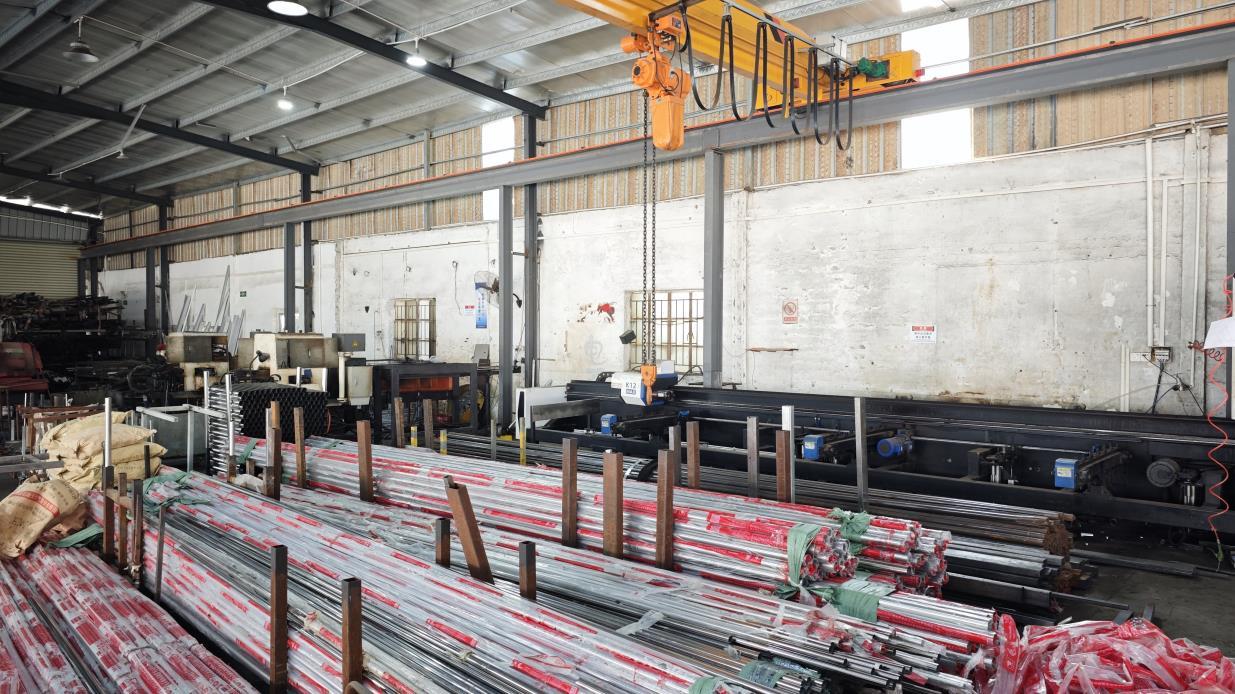
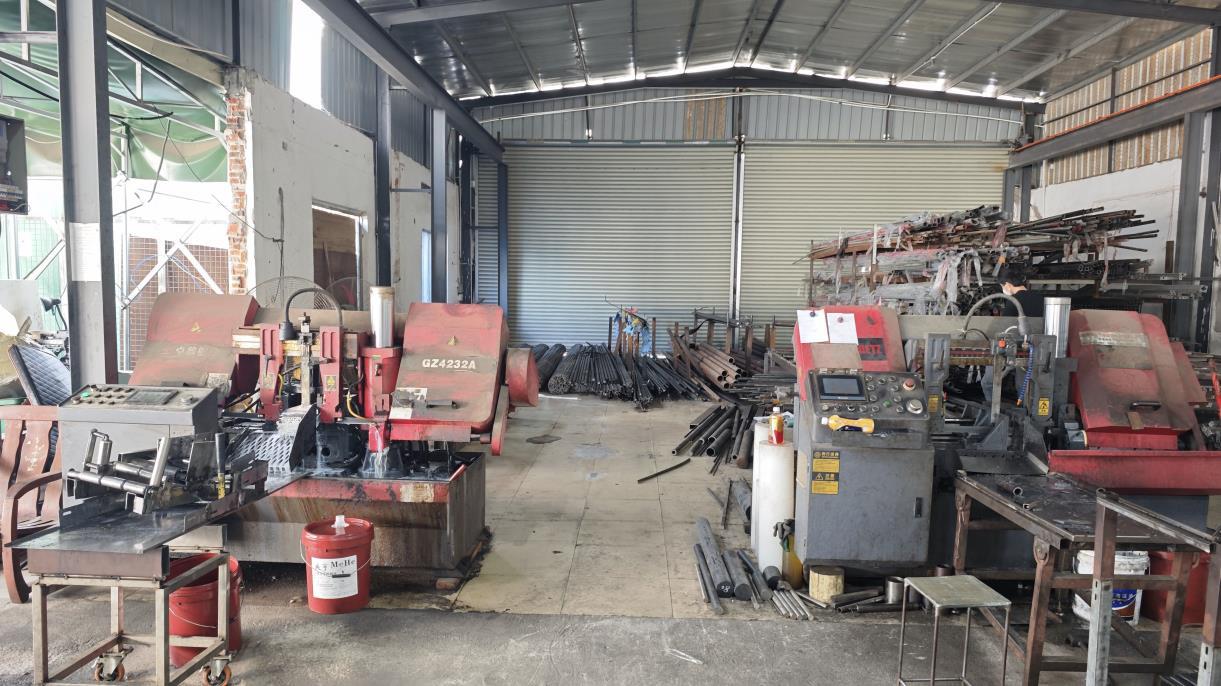
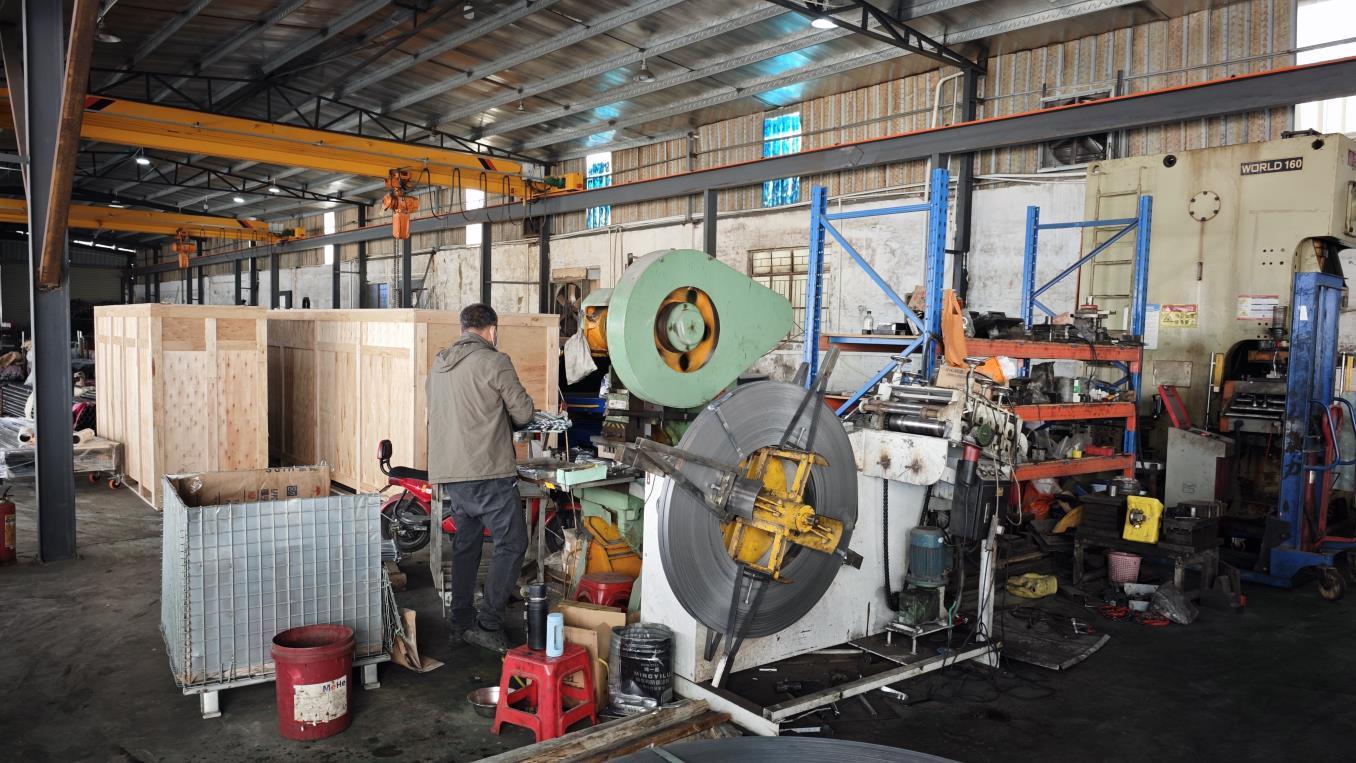
Ensuring regional compatibility, compliance, and 24/7 engineering support across continents.
Exporting software and heavy automation systems globally requires deep knowledge of local industry regulations. In addition to physical safety requirements, modern networks demand high levels of cybersecurity. Our cloud software complies with GDPR and SOC 2 security models, ensuring that global partners can use our software tools safely without risking customer privacy.
Additionally, we understand that physical installation is only half the battle. The true work begins with commissioning and training. RAB Logistics provides full system integration support, offering both remote updates and on-site setup teams. By using digital twins, we can test and troubleshoot the physical systems before shipping, which cuts on-site installation times by over 40%.
Building the next stage of autonomous material logistics and cognitive distribution nodes.
We are updating our warehouse control platforms to support decentralized swarm coordination. Instead of relying on a single central controller, AGVs dynamically coordinate work paths and load shares with nearby units, eliminating the risk of single-point communication failures.
Using sensors placed on moving hardware, such as stacker cranes and conveyor lines, our software detects early signs of mechanical wear. This allows operators to schedule preventive maintenance during off-peak hours, keeping system uptime above 99.8%.
We are developing real-time 3D control screens. Users can manage, test, and control physical warehouse setups using spatial VR and browser-based 3D engines, making remote operations simpler and more intuitive.
Expert insights on software deployment, hardware integration, and global exporting processes.
Combining heavy-duty mechanical engineering with intelligent control systems.

 RAB Logistics