Explore our foundational storage systems and smart autonomous solutions designed for seamless digital logistics integration.
Analyzing the Convergence of Physical Logistics Frameworks and Digital Intelligence in Global Supply Chains.
Modern supply chains require granular, micro-level tracking of assets. Integrating RFID, automated barcoding, and IoT sensors within modular plastic bins and metal racks bridges the gap between hardware storage and software-driven warehouse orchestration.
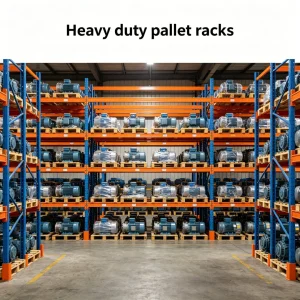
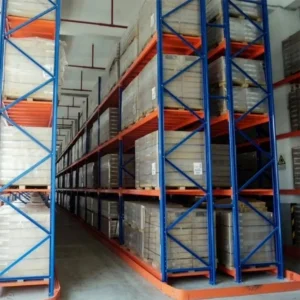
Automated Storage and Retrieval Systems (AS/RS) replace manual labor with high-speed crane and shuttle networks. By utilizing precision-fabricated high bay racking, operations maximize vertical space while maintaining continuous data feedback loops.
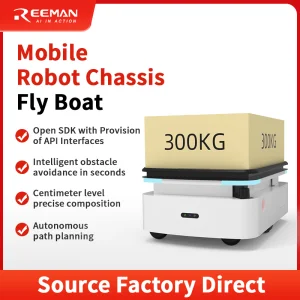
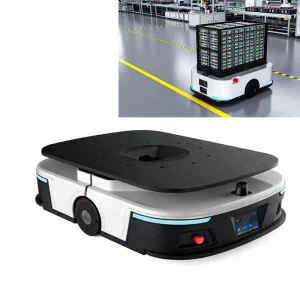
Autonomous Mobile Robots (AMRs) using LiDAR-based Simultaneous Localization and Mapping (SLAM) establish dynamic routing. They coordinate with static structural pallet systems to enable highly flexible 3C electronics and automotive material handling.
Data Collection Accuracy
Space Utilization Savings
CNC Machine Tolerance Quality
Countries Exported Globally
How state-of-the-art Chinese factories optimize fabrication and system integration to deliver unmatched B2B value.
1. Comprehensive Supply Chain Clustering: China is home to the world's most dense concentration of steel fabrication, high-grade copolymer injection molding, and electronic component manufacturing. This geographic proximity allows for instant access to high-quality raw materials (such as Q235B steel and virgin high-density polyethylene HDPE), reducing production lead times and structural engineering costs.
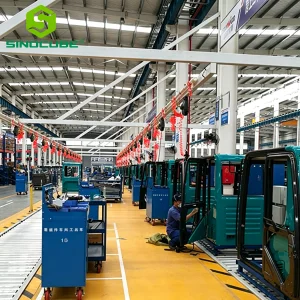
2. Advanced CNC and Robotic Automation: As demonstrated by modern factory standards, production floors rely on high-capacity CNC sawing, automatic machine-hand spot welding, and automated powder coating lines. These technologies guarantee structural tolerances down to the millimeter—a crucial requirement for high-tolerance AS/RS systems where deviations cause system jams.
3. Advanced Mechatronic Integration: Leading suppliers do not just weld steel; they integrate advanced sensor arrays, laser navigation SLAM software, open-source SDK apps for robotic automation, and PLC components that interface with global WMS frameworks.
A Professional Provider of Intelligent Warehousing and Modern Logistics Solutions.
Hangzhou RAB Logistics Co., Ltd. is a professional provider of intelligent warehousing and modern logistics solutions. Built on years of industry experience and continuous technological innovation, RAB Logistics is committed to helping enterprises transform traditional warehouse operations into highly automated, data-driven, and efficient supply chain systems.
Since its establishment, the company has focused on integrating advanced logistics technologies such as Warehouse Management Systems (WMS), Automated Storage and Retrieval Systems (AS/RS), AGV/AMR robotics, intelligent sorting systems, and real-time data visualization platforms. These solutions enable clients to achieve higher operational accuracy, faster fulfillment speed, and significantly reduced logistics costs.
With strong capabilities in system consulting, solution design, equipment integration, software development, and project implementation, Hangzhou RAB Logistics Co., Ltd. delivers end-to-end intelligent logistics solutions tailored to diverse industry needs. Our expertise ensures seamless coordination between hardware and software, creating scalable and future-ready warehouse infrastructures.
RAB Logistics serves a wide range of industries including manufacturing, cross-border e-commerce, fast-moving consumer goods (FMCG), pharmaceuticals, and automotive parts. Our solutions are trusted for their stability, innovation, and proven performance in complex, high-demand environments.
By choosing Hangzhou RAB Logistics Co., Ltd., you are selecting a long-term strategic partner dedicated to building smarter warehouses, optimizing supply chains, and empowering businesses with sustainable competitive advantages in the era of intelligent logistics.
Visualizing the high-end industrial processes behind our structural steel and automated assembly lines.
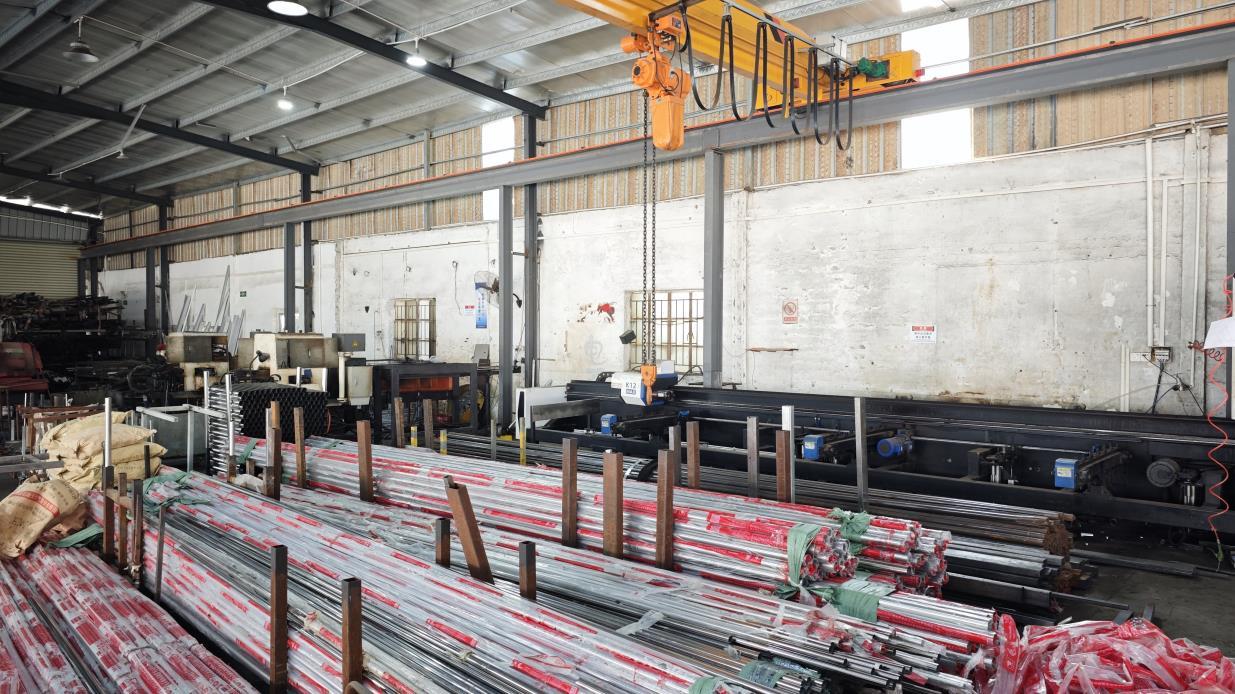
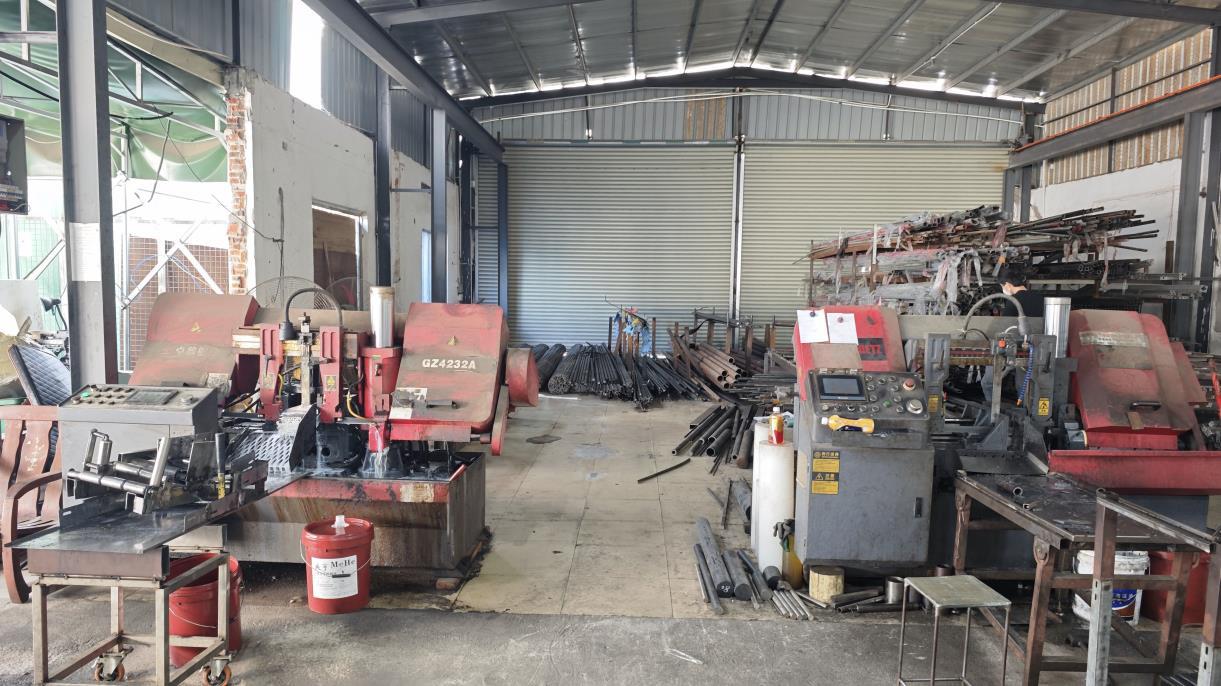
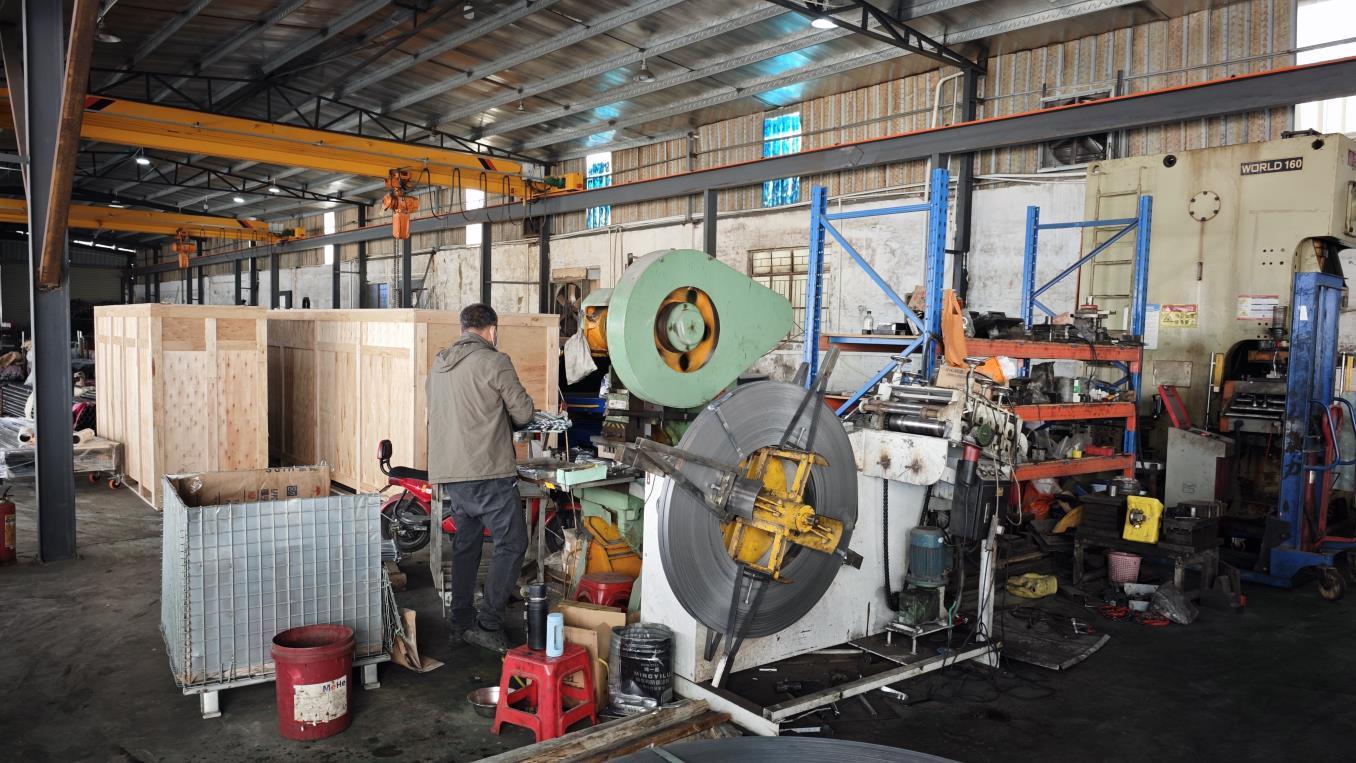
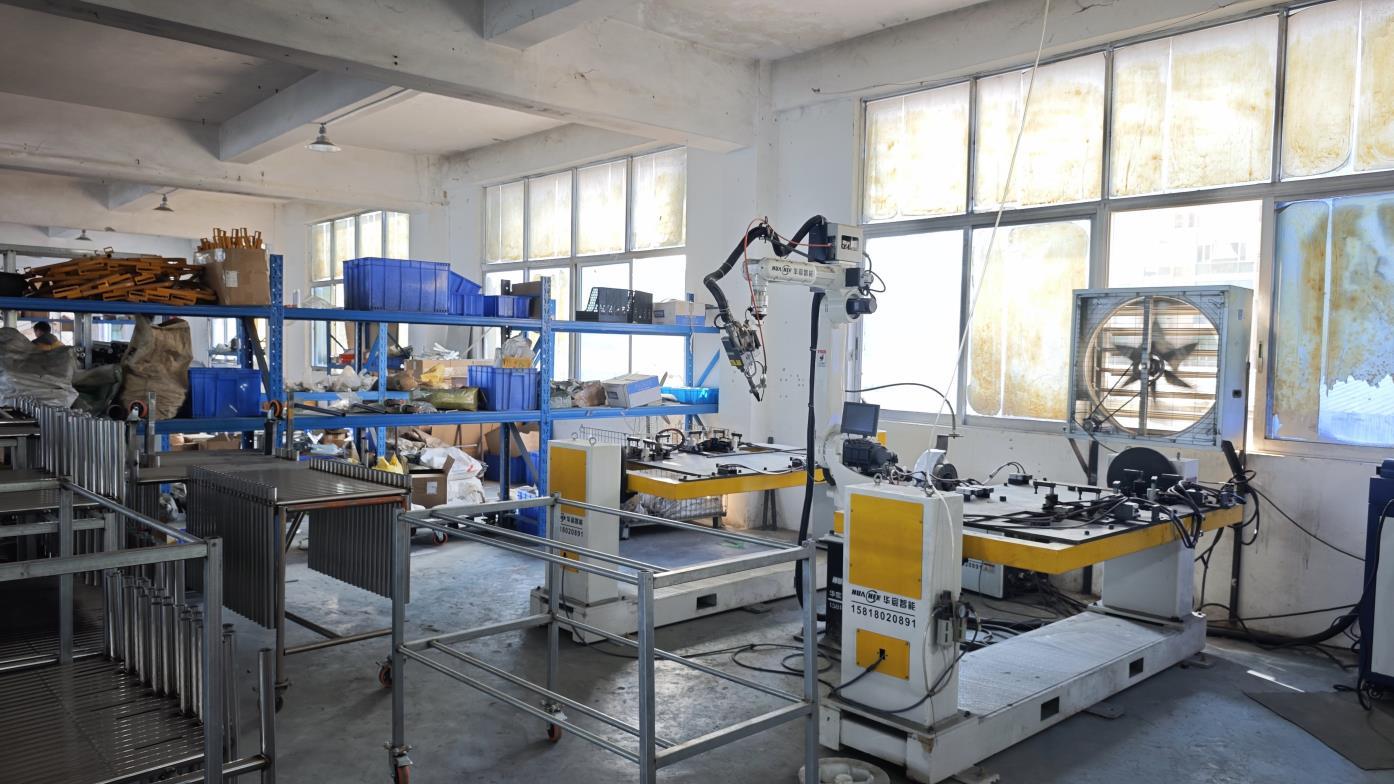
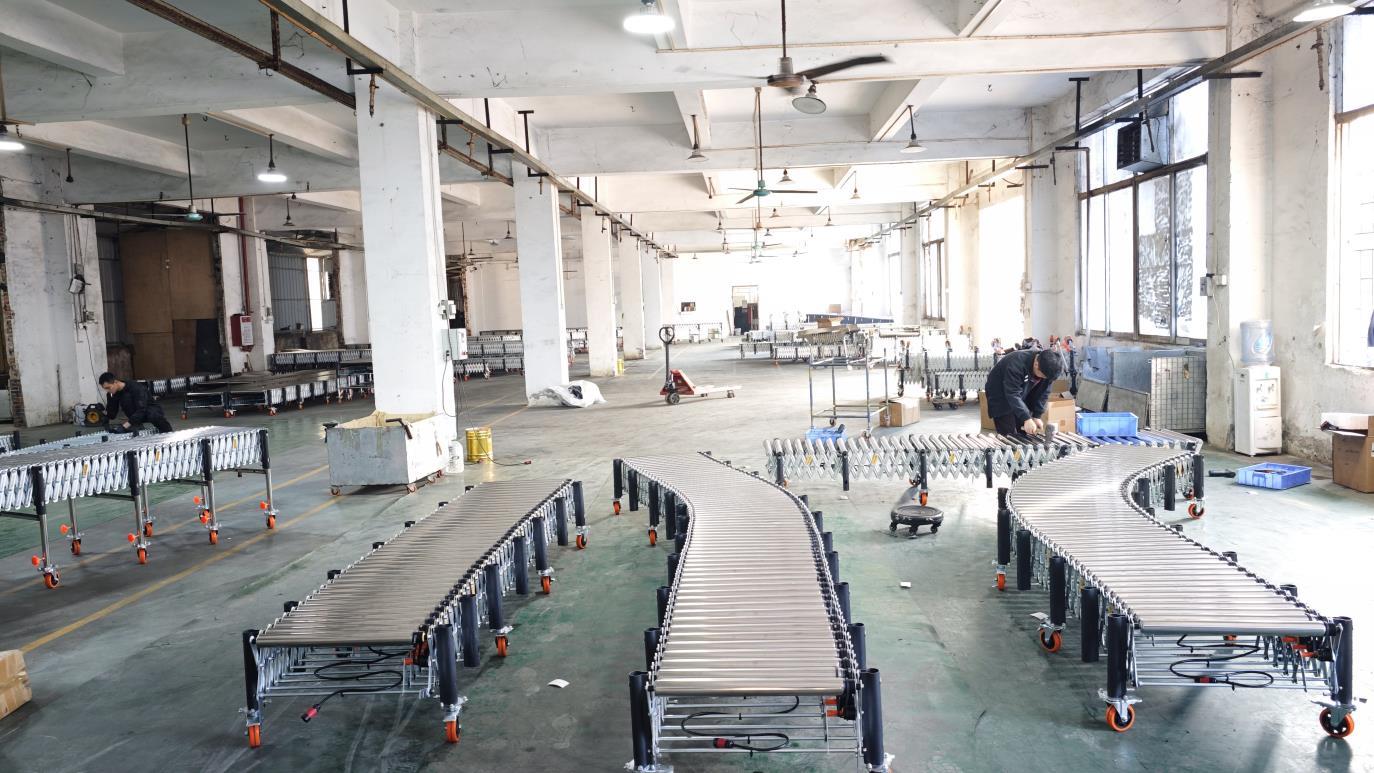
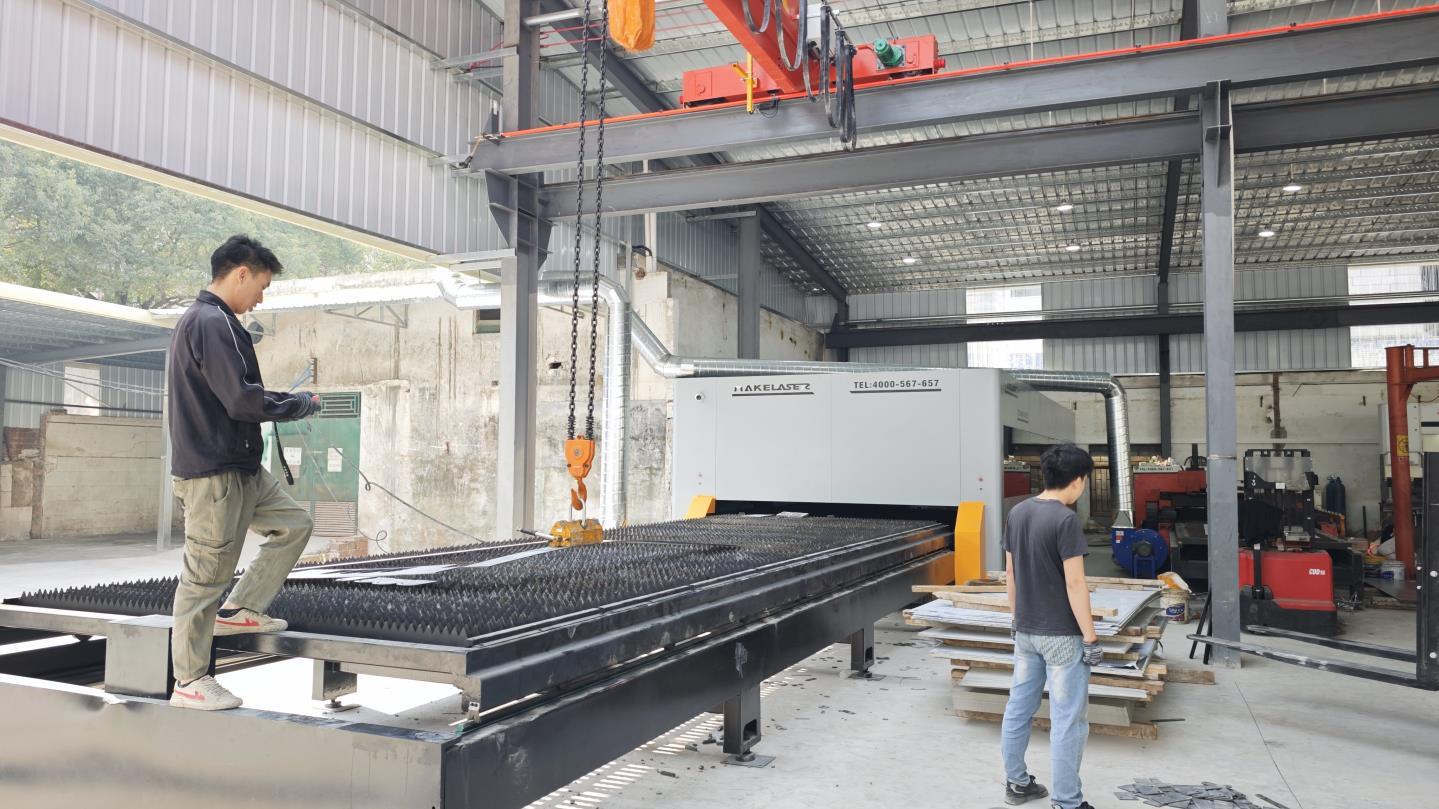
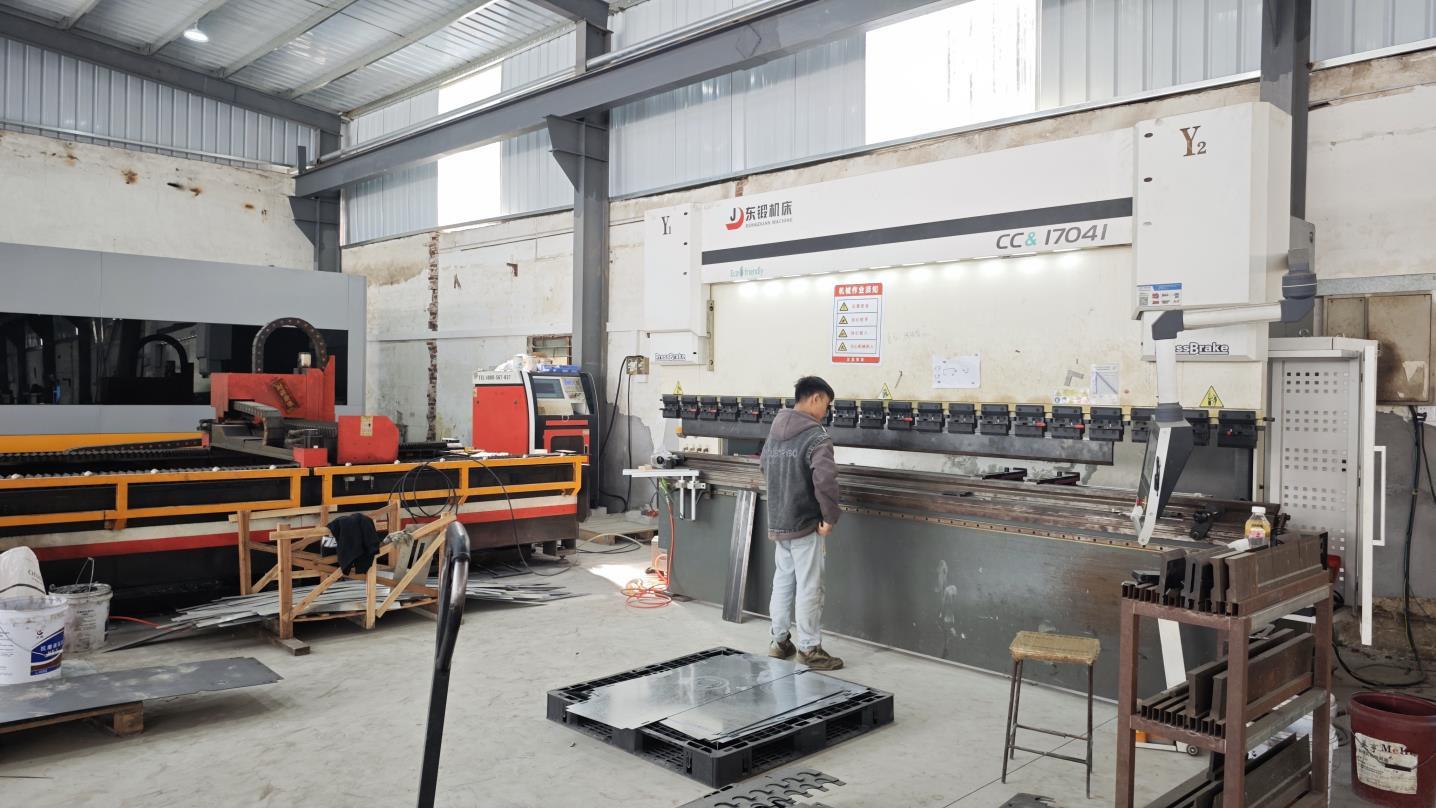
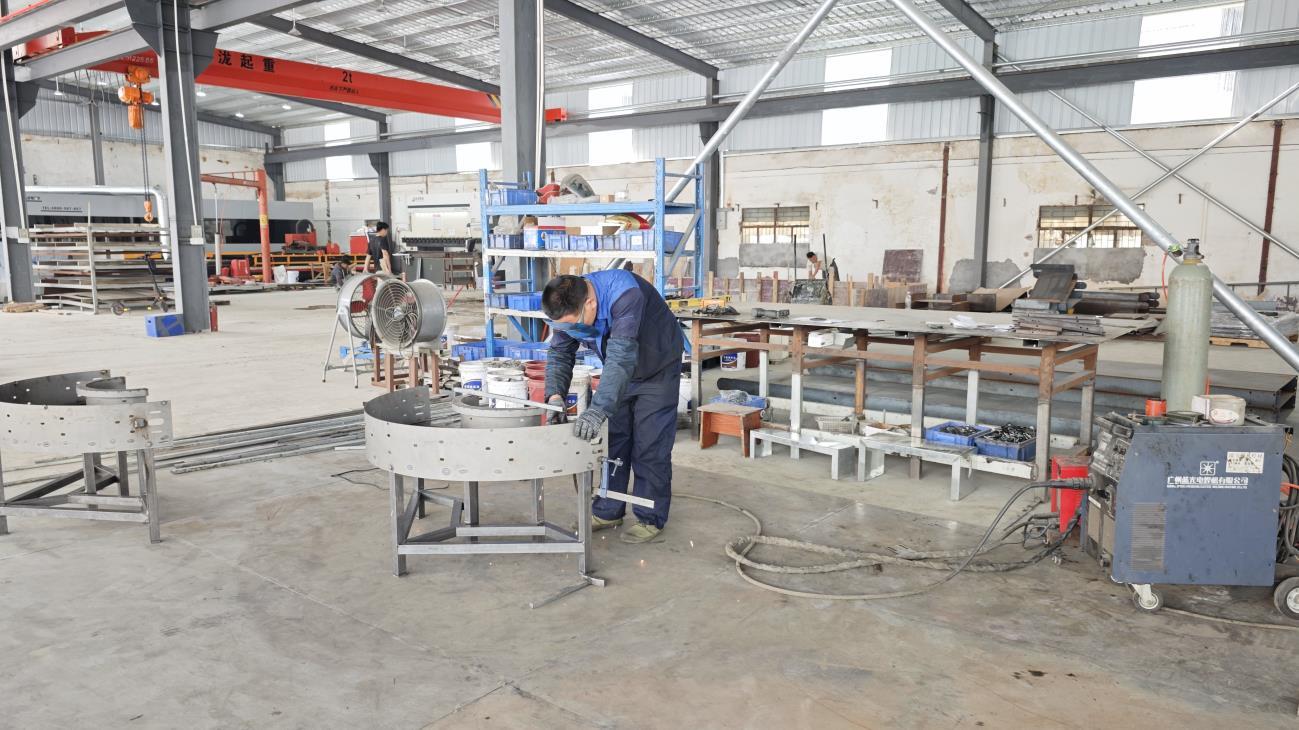
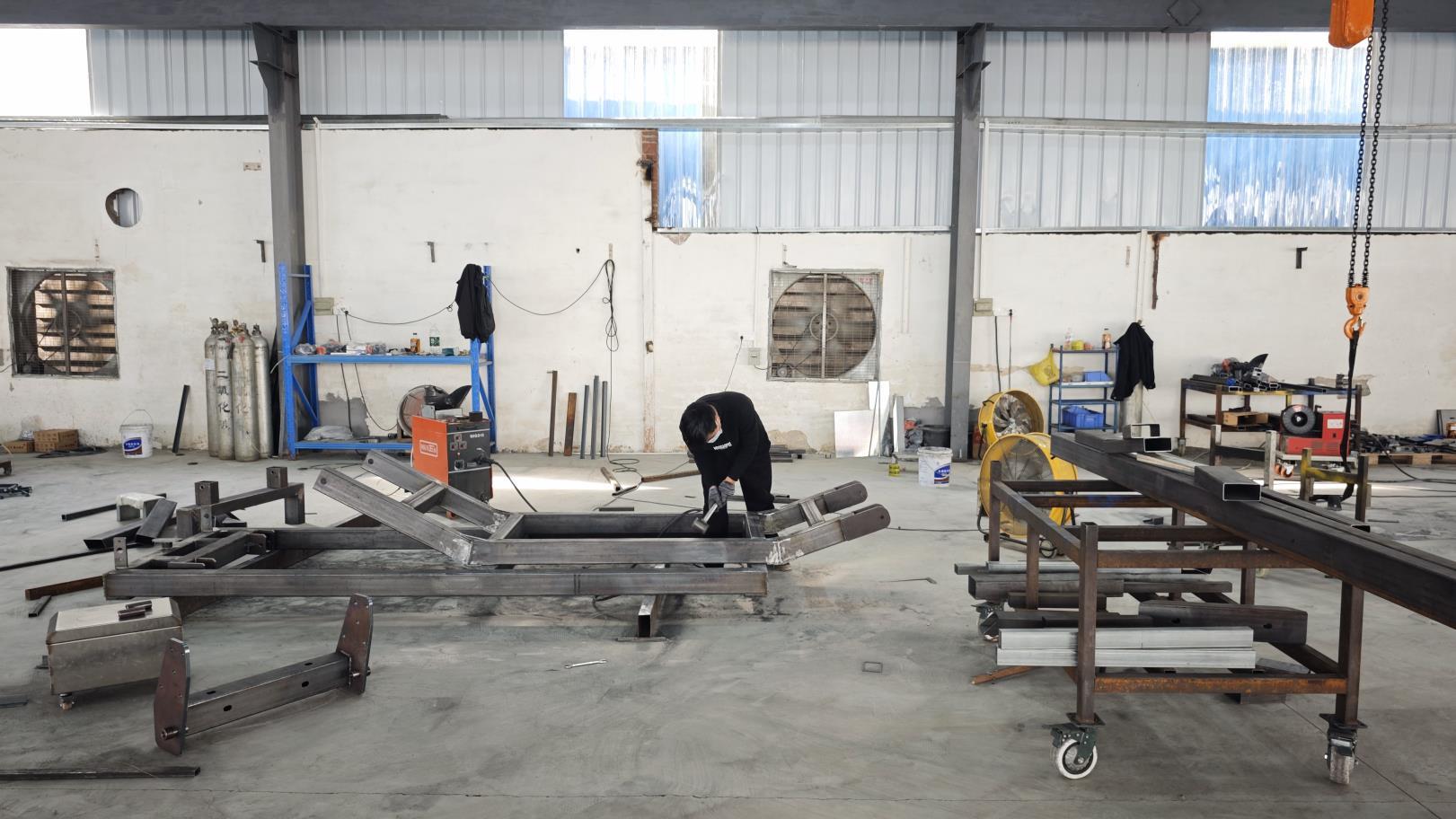
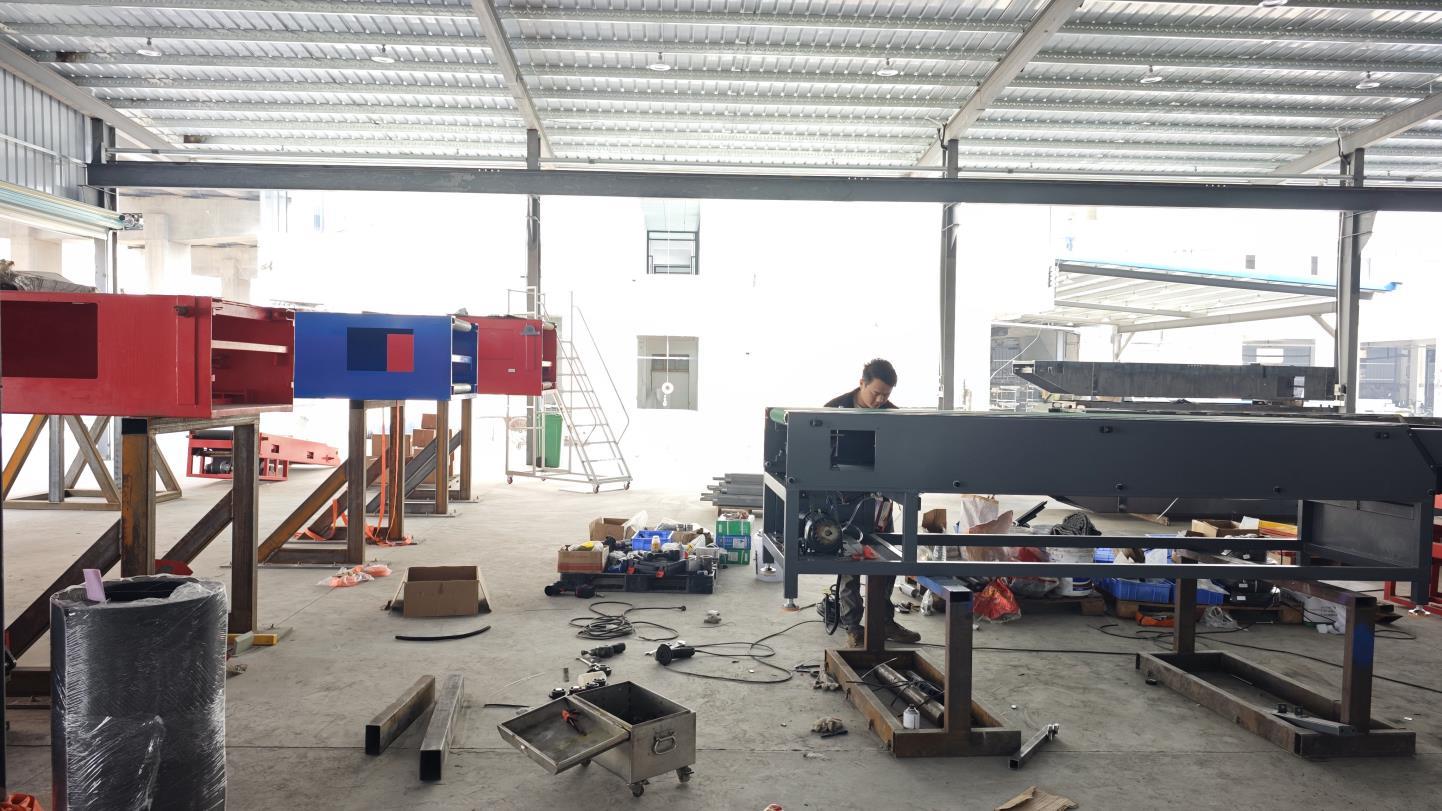
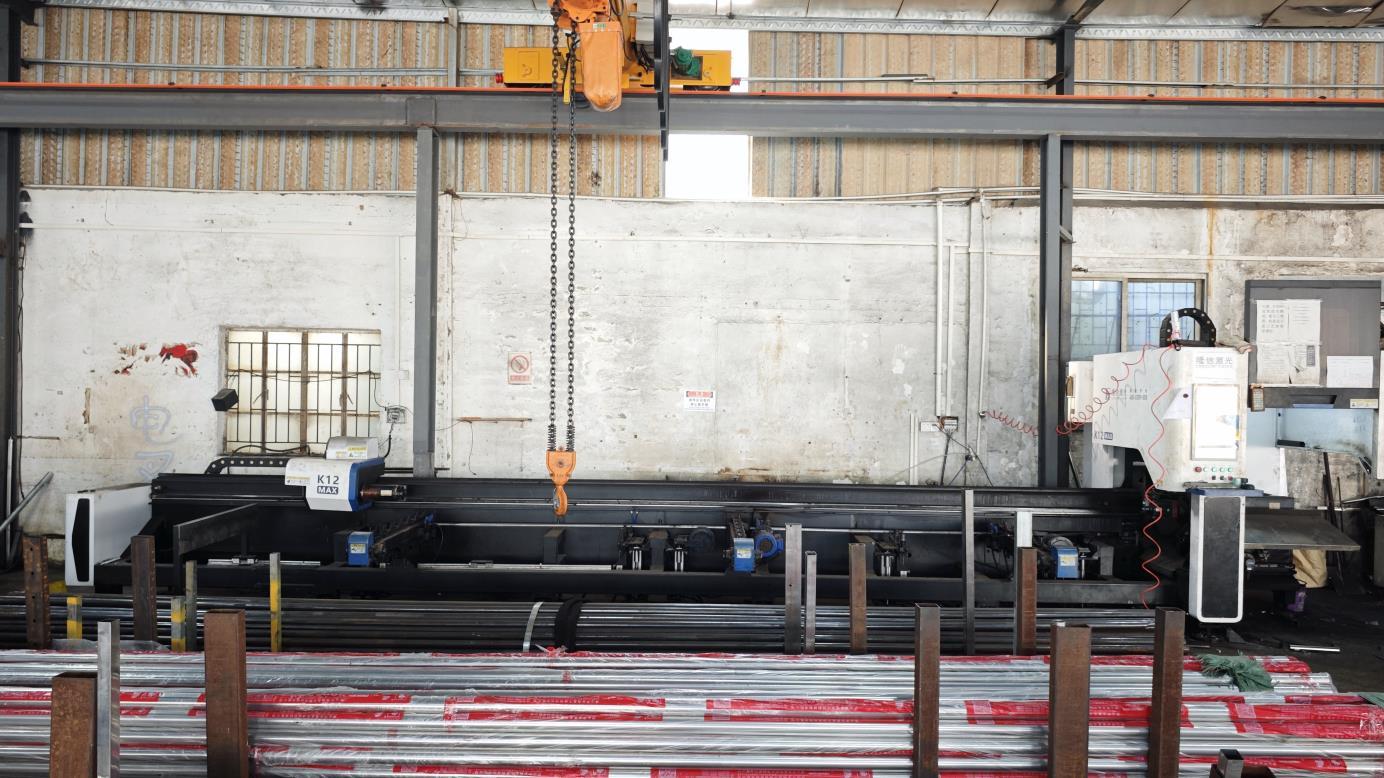
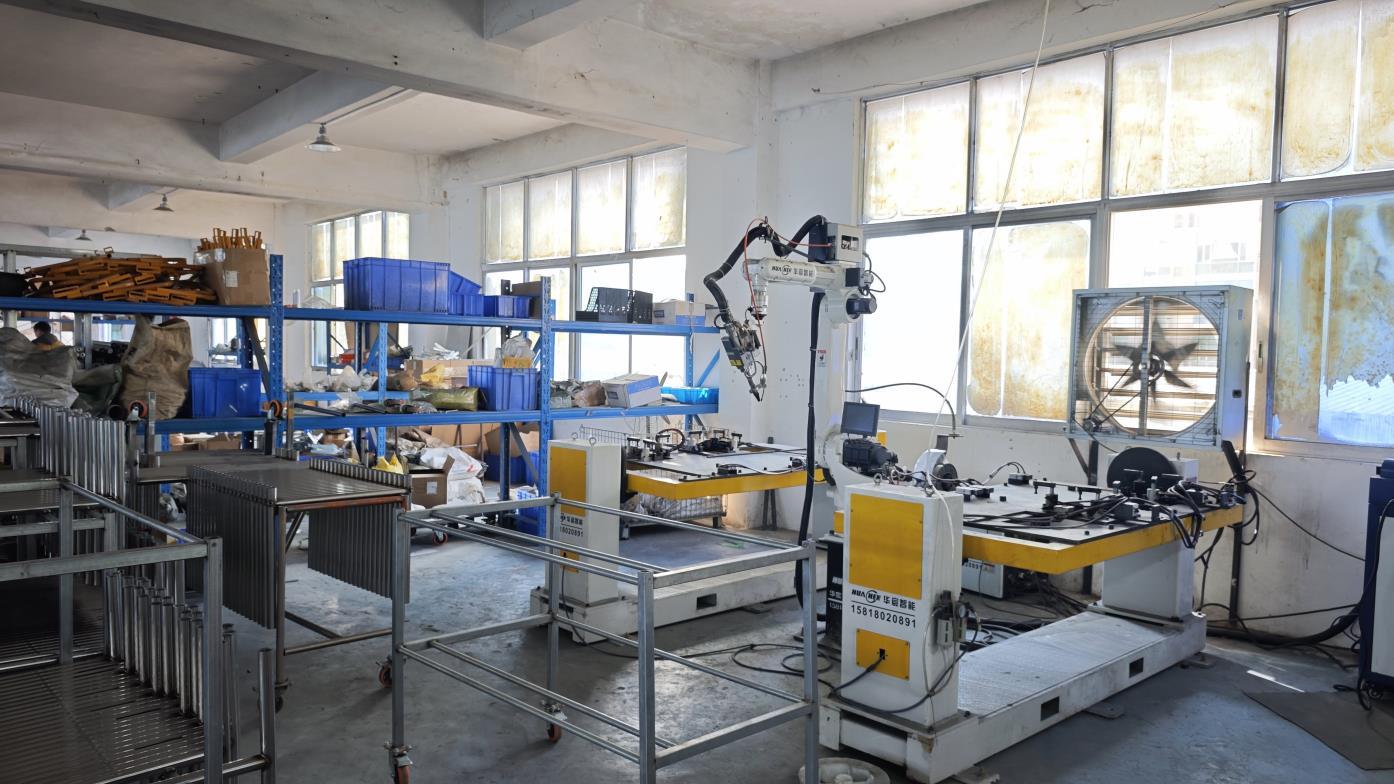
Bridging physical infrastructure with automation protocols to optimize diverse B2B operational verticals.
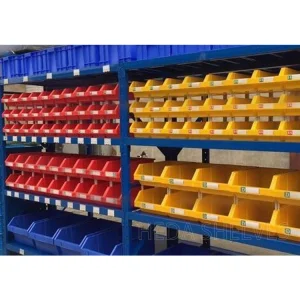
Using customizable plastic storage bin racks, automotive OEMs coordinate millions of unique part SKUs. Integrated data systems trace parts from manufacturing bins through high bay racking systems right to assembly robots, achieving zero-error picking loops.
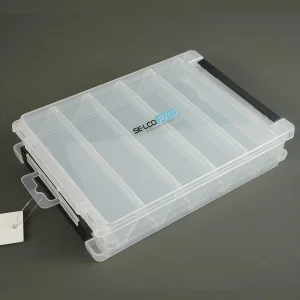
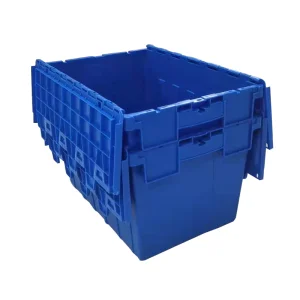
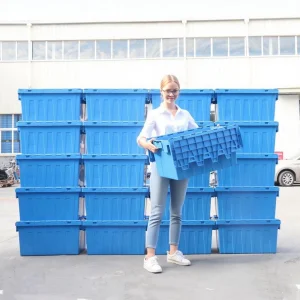
Ensuring compliance with temperature-sensitive pharmaceutical distribution requires strict containment. High-density food-grade HDPE storage containers with hinged lids isolate materials, while SLAM-based AMRs navigate closed-containment cold cleanrooms without manual contamination.
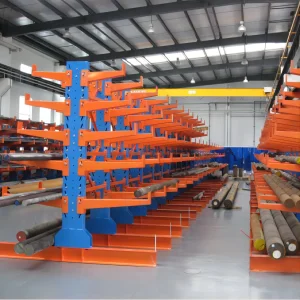
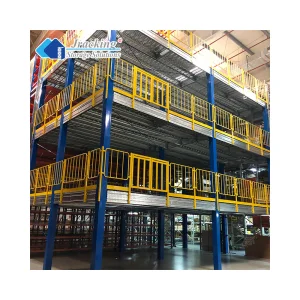
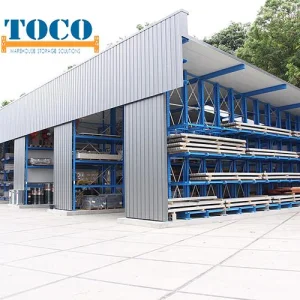
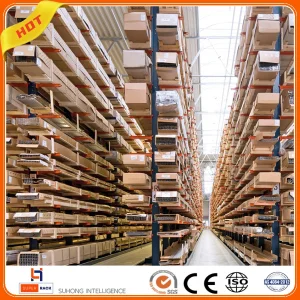
Rapid shipping windows mean micro-fulfillment centers must operate at 300+ line items per hour. Integrating multi-layer mezzanine platforms and adjustable cantilever rack configurations allows warehouses to dynamically adjust storage space based on fluctuating seasonal inventory velocities.
B2B decision-makers prioritize mechanical integrity, digital capability, and certified reliability when selecting a supplier.
Global buyers evaluate suppliers on steel ratings. Racks manufactured with Q235B or Q345B steel must pass seismic deflection calculations, load testing, and precise powder coating thickness inspections (minimum 60-80 microns) to prevent oxidation in coastal hubs or chilled units.
When procuring automated guided vehicles (AGV/AMR) or robotic components, enterprise IT infrastructures require open-source SDK environments. Supporting ROS (Robot Operating System), SLAM-navigation APIs, and modifiable app configurations ensures local system integrators can deploy equipment rapidly.
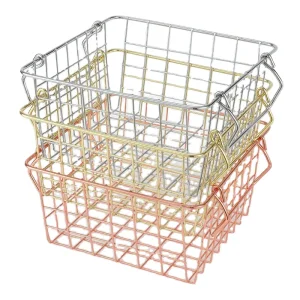
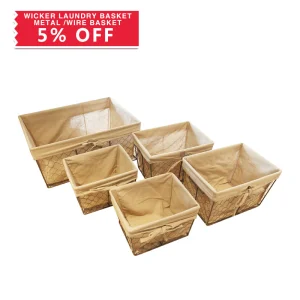
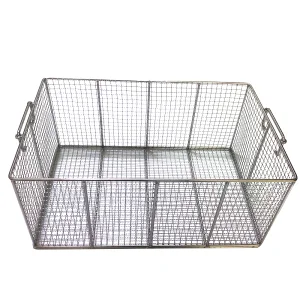
Freight costs impact total cost of ownership (TCO). Expert suppliers design nestable and stackable storage bins, knock-down rack configurations, and modular wire baskets to maximize standard shipping container volume utilization by up to 35%.
Entering Europe, North America, and Australia demands compliance. Modern Chinese manufacturers secure certifications like FEM 10.2.02 (European Racking Association), RMI (Racking Manufacturers Institute in the USA), and standard ISO 9001 quality audits.
Expert answers addressing structural engineering, robot communication, and international supply logistics.
Explore our industrial-grade storage racking and automated transport platforms engineered for high throughput.
 RAB Logistics