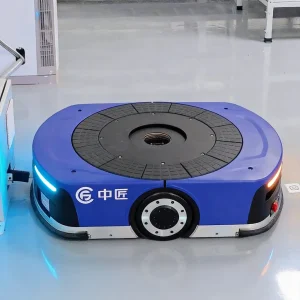
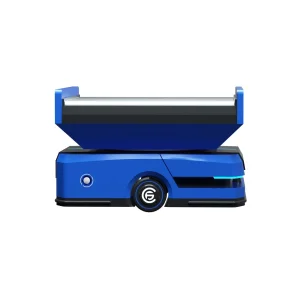
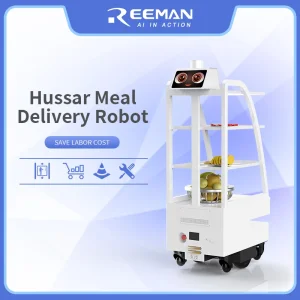
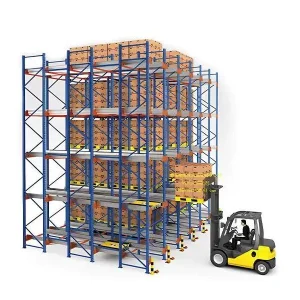
High-end hardware infrastructure optimized to interface with automated workforce scheduling and control modules.
In modern intelligent manufacturing and logistics environments, the division between physical machinery and software logic has completely dissolved. Real-world productivity hinges on scheduling human labor and coordinating it with automated assets such as AS/RS systems, AGVs, and PLCs. As a premier provider of customizable logistics hardware and software systems, Hangzhou RAB Logistics Co., Ltd. bridges this gap by acting as an OEM partner for specialized workforce scheduling solutions and material handling architectures.
Industrial enterprise productivity depends on dynamic job dispatching, labor balancing, and route tracking. Traditional HR workforce scheduling tools operate in a vacuum, completely isolated from real-time floor productivity or supply chain bottlenecks. By developing customized OEM workforce scheduling software integrated with industrial control systems (PLCs) and warehousing management suites (WMS), we provide high-throughput enterprises with absolute visibility over both physical operations and labor allocation.
Operating across multiple global jurisdictions means encountering a complex web of labor laws, safety standards, and union mandates. Custom OEM workforce scheduling systems must be engineered with localized adaptability at their core. This ensures seamless integration with region-specific constraints such as the Fair Labor Standards Act (FLSA) in the United States, the European Working Time Directive in the EU, and specific regional union shift allocations.
Automate mandatory rest intervals, shift rotation limitations, overtime multipliers, and seniority-based assignment matrices. Our backend algorithm supports custom criteria configuration to prevent compliance breaches.
Biometric verification data, attendance logs, and performance metrics are protected using localized database nodes and strict TLS 1.3 encryption, ensuring adherence to regional data privacy laws.
Adapt to regional holidays, multi-currency labor rate tracking, local time zones, and localized user interfaces for multi-lingual warehouse workforces.
Hangzhou RAB Logistics Co., Ltd. is a professional provider of intelligent warehousing and modern logistics solutions. Built on years of industry experience and continuous technological innovation, RAB Logistics is committed to helping enterprises transform traditional warehouse operations into highly automated, data-driven, and efficient supply chain systems.
Since its establishment, the company has focused on integrating advanced logistics technologies such as Warehouse Management Systems (WMS), Automated Storage and Retrieval Systems (AS/RS), AGV/AMR robotics, intelligent sorting systems, and real-time data visualization platforms. These solutions enable clients to achieve higher operational accuracy, faster fulfillment speed, and significantly reduced logistics costs.
With strong capabilities in system consulting, solution design, equipment integration, software development, and project implementation, Hangzhou RAB Logistics Co., Ltd. delivers end-to-end intelligent logistics solutions tailored to diverse industry needs. Our expertise ensures seamless coordination between hardware and software, creating scalable and future-ready warehouse infrastructures. We serve a wide range of industries including manufacturing, cross-border e-commerce, fast-moving consumer goods (FMCG), pharmaceuticals, and automotive parts.
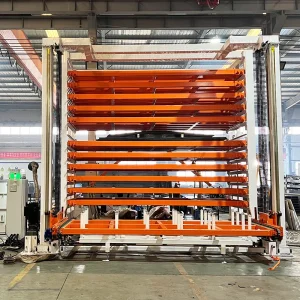
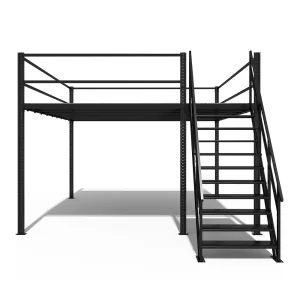
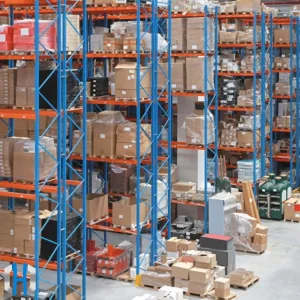
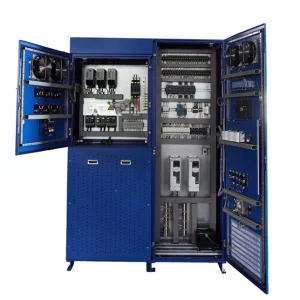
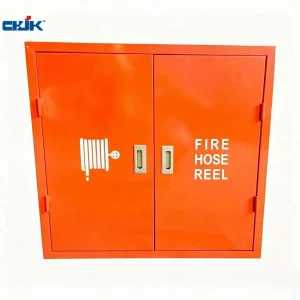
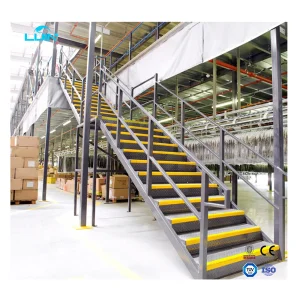
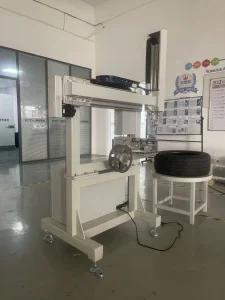
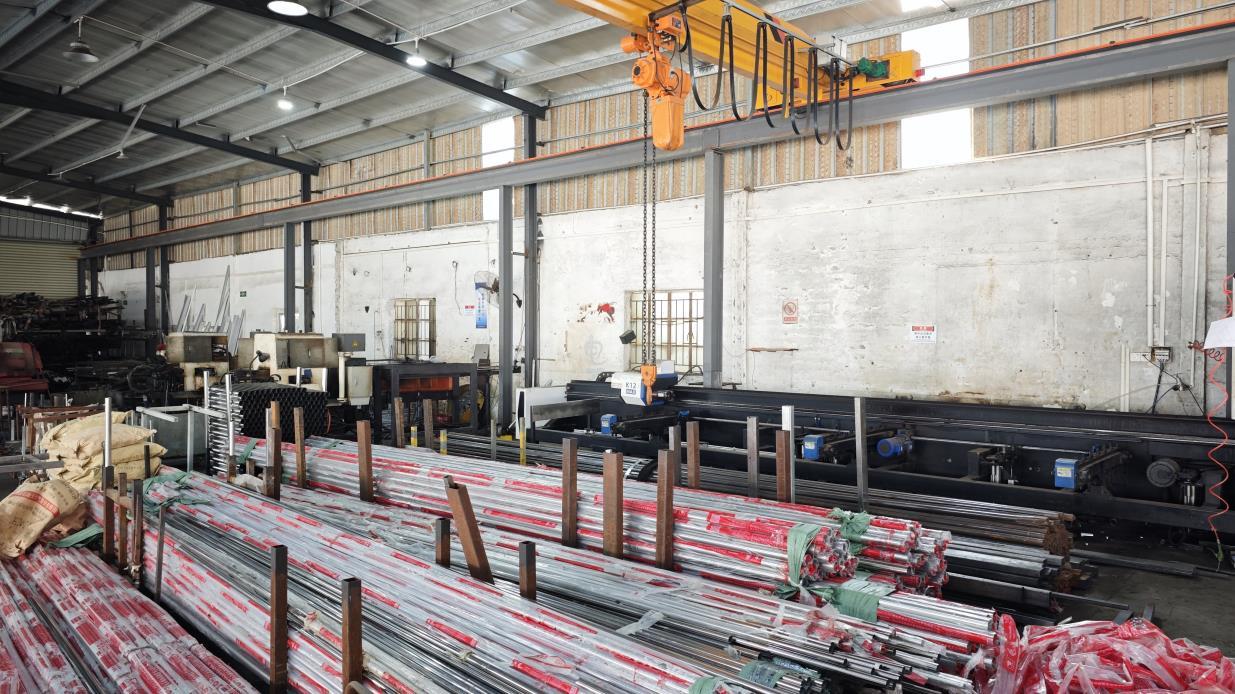
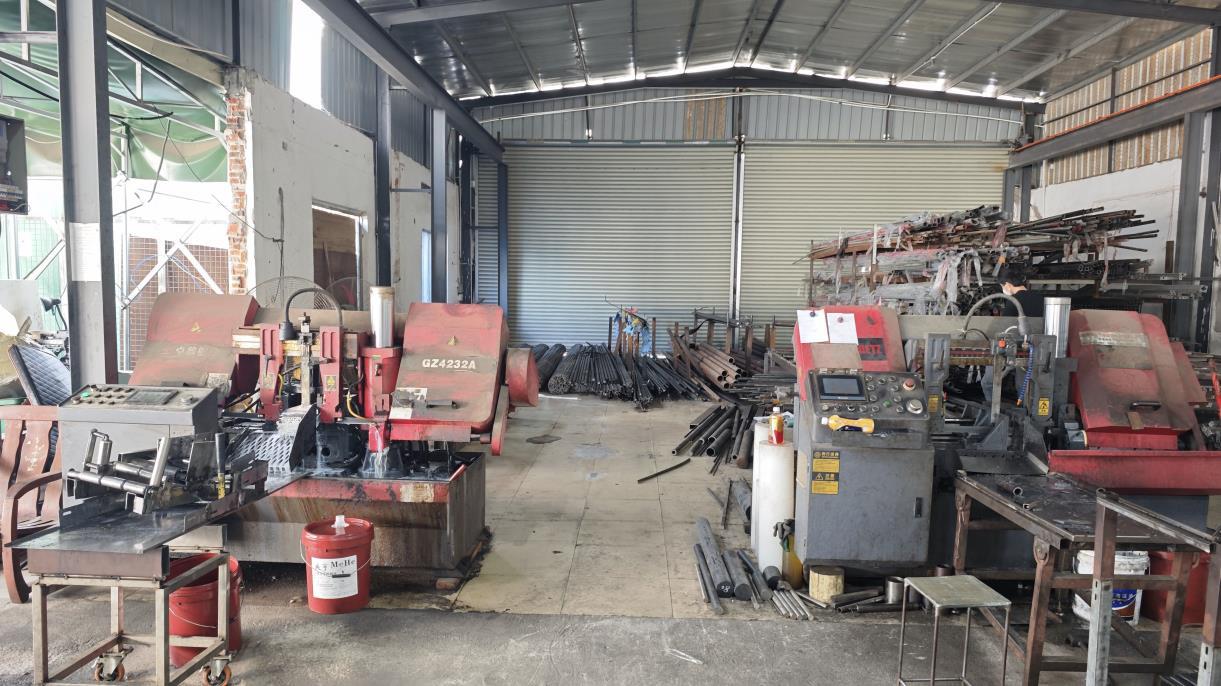
To support high-level software automation, our physical manufacturing plant operates with advanced machinery, ensuring robust production and integration of storage structures, control cabinets, and autonomous guided vehicle frames.
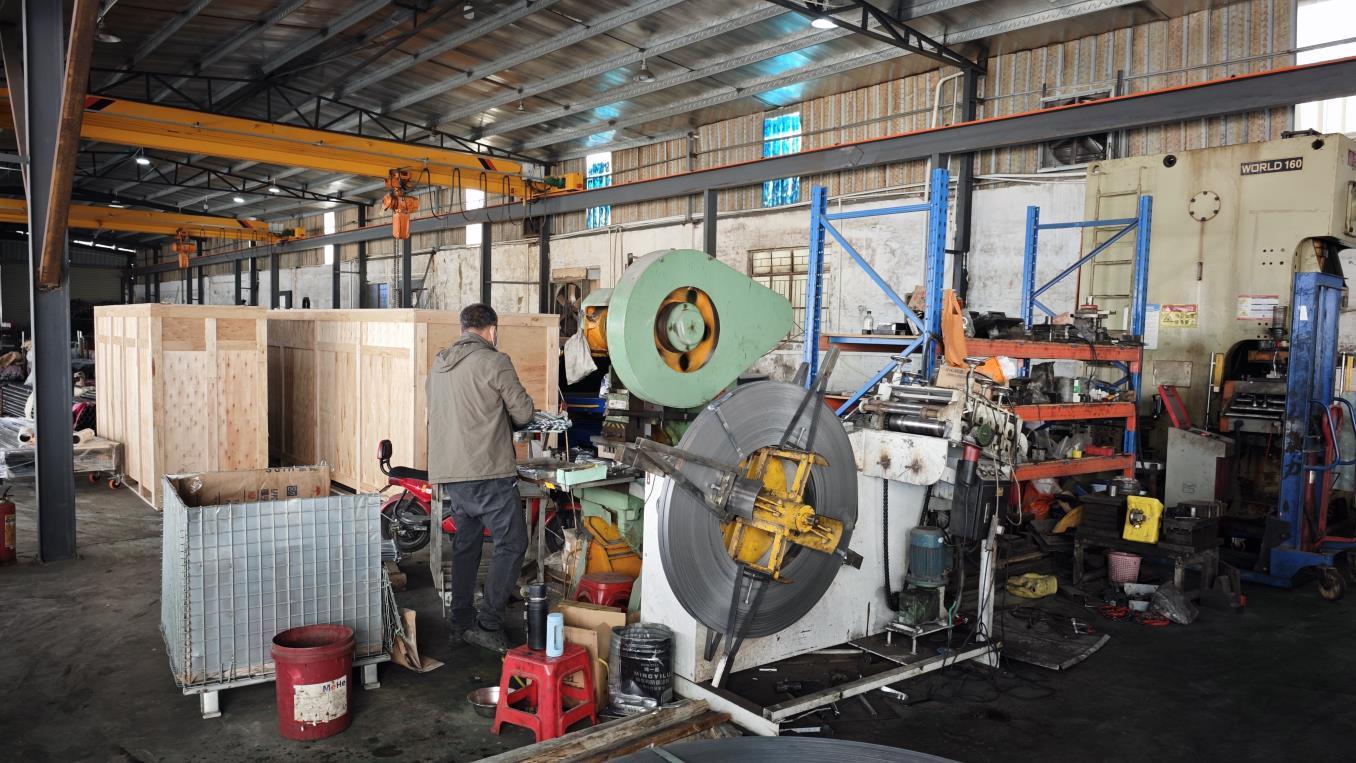
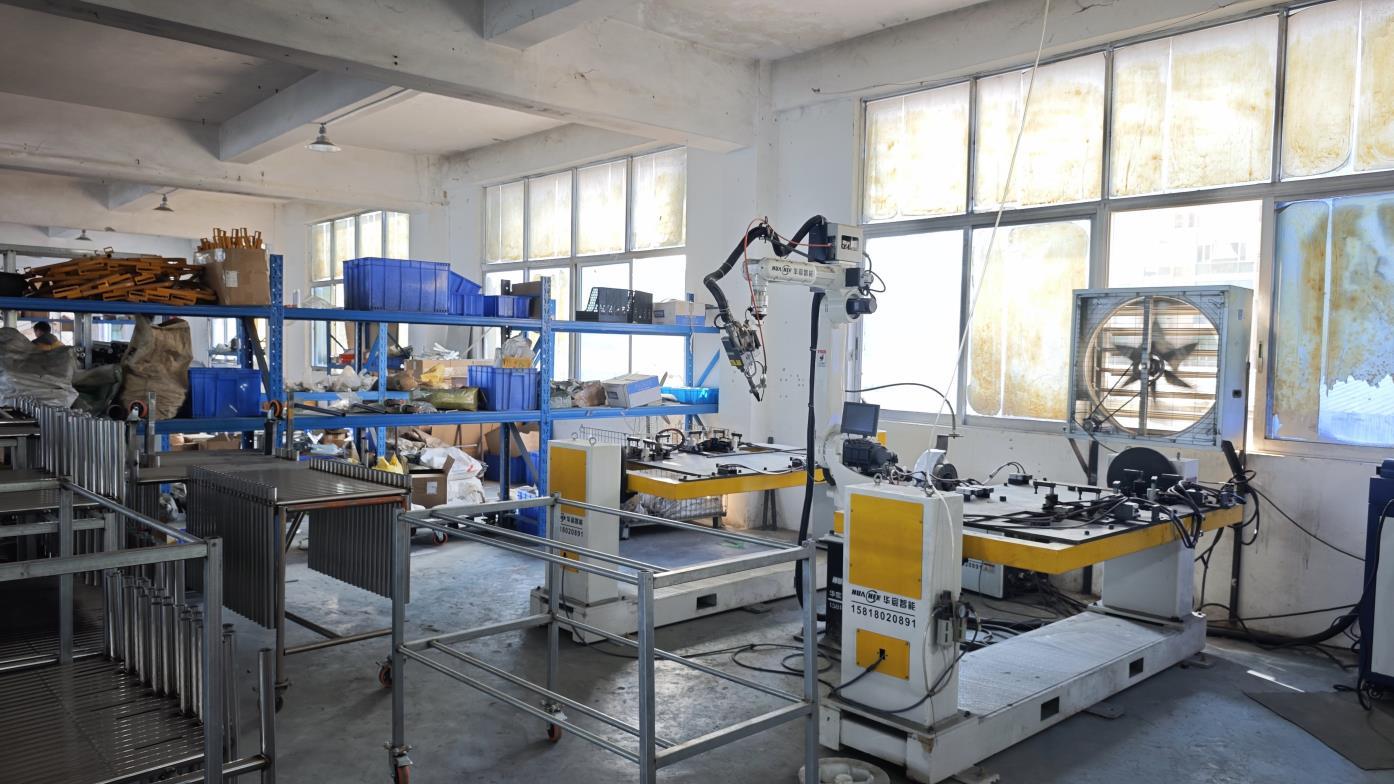
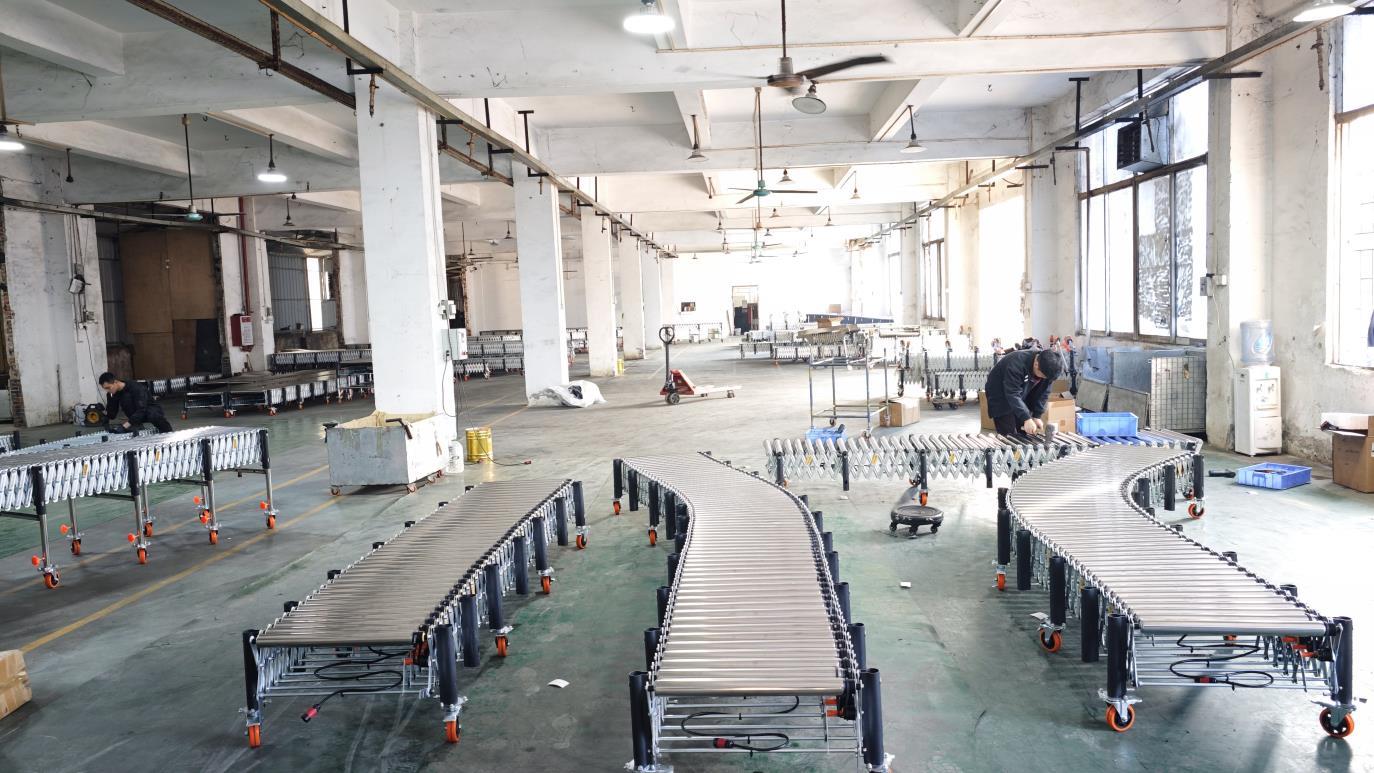
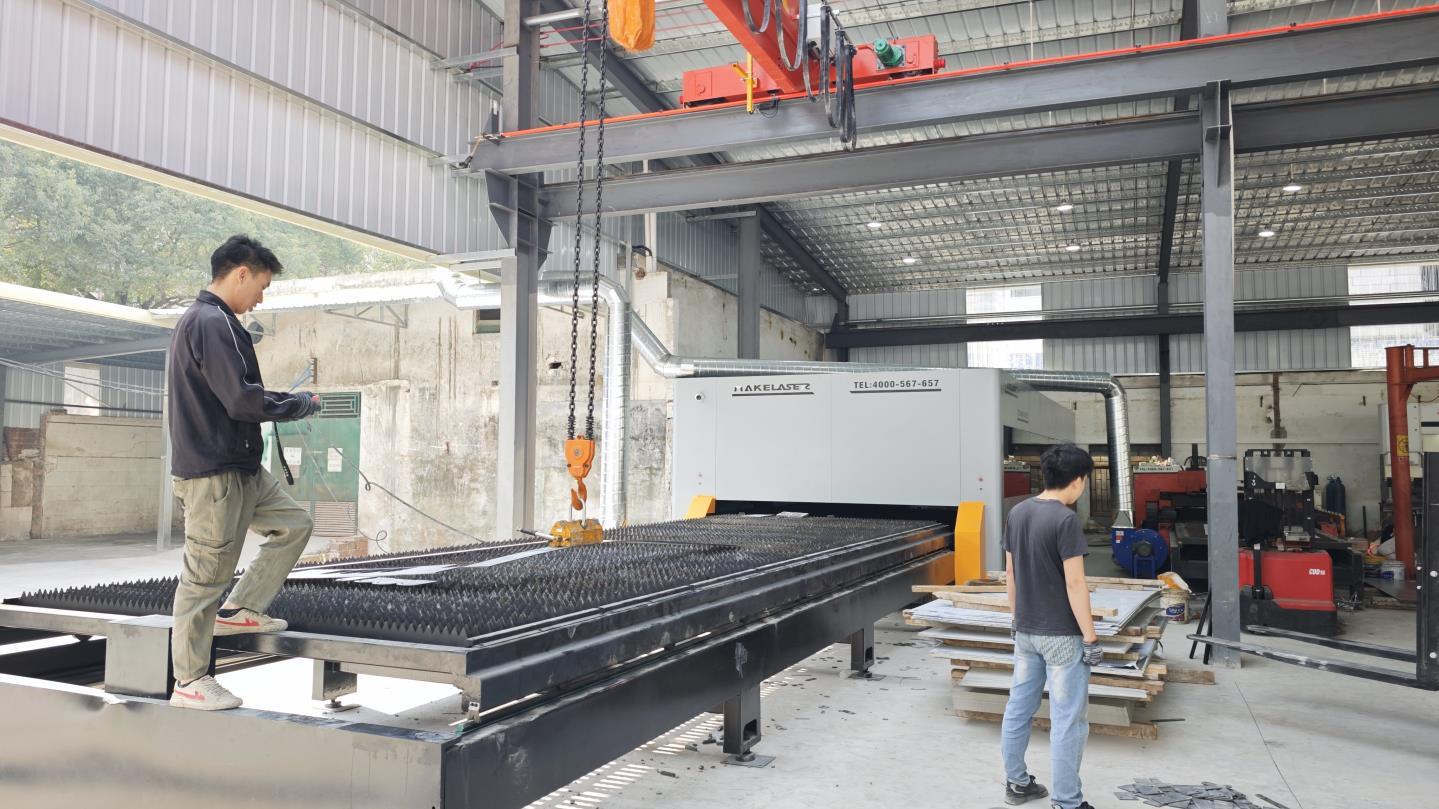
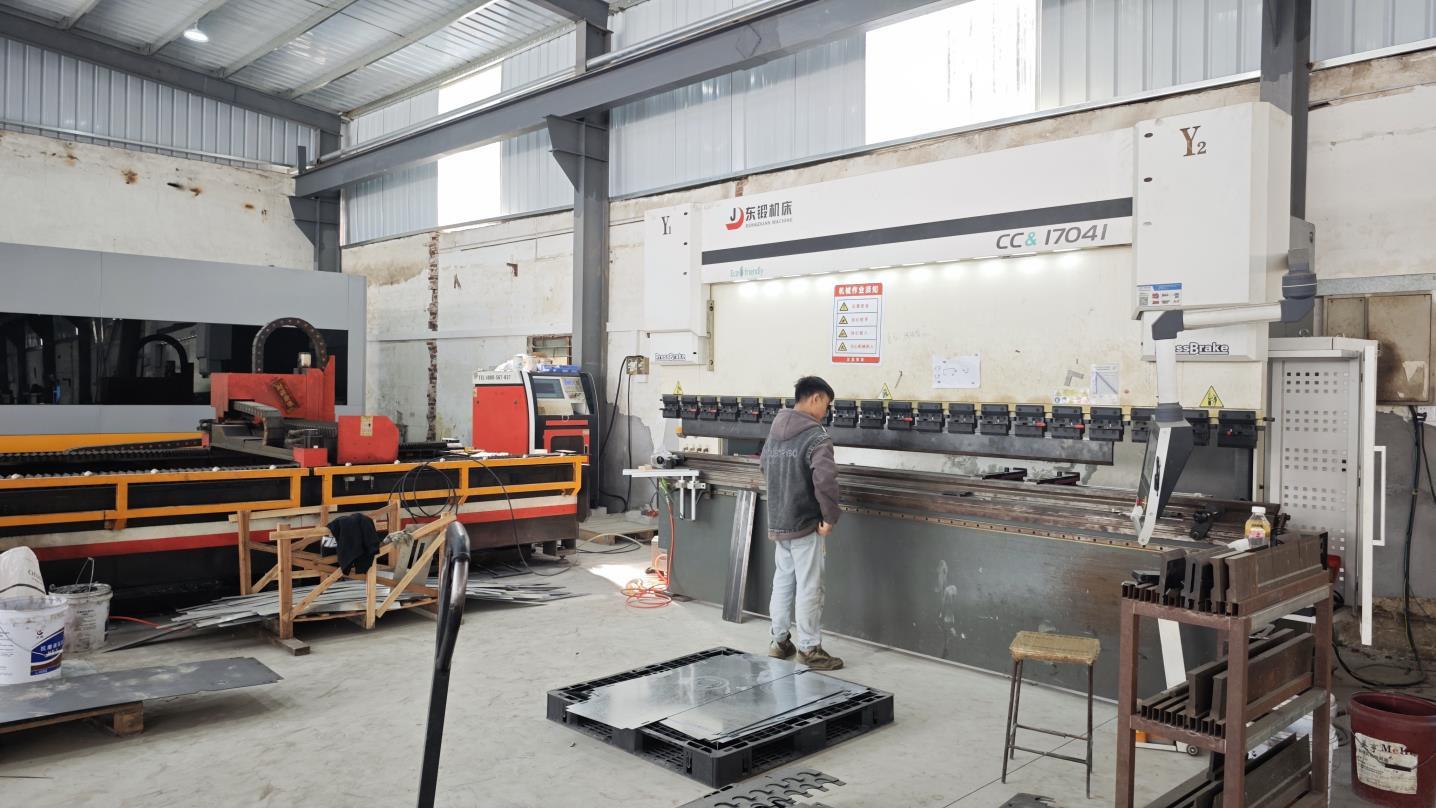
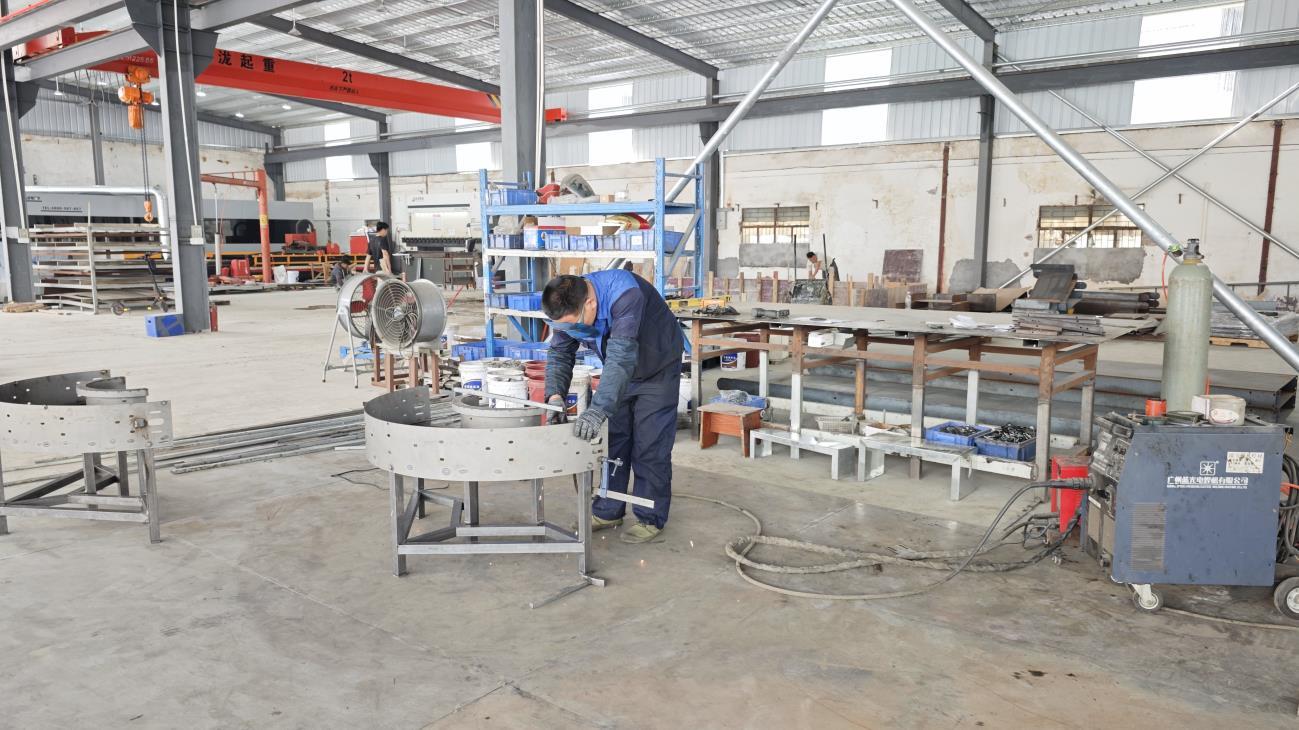
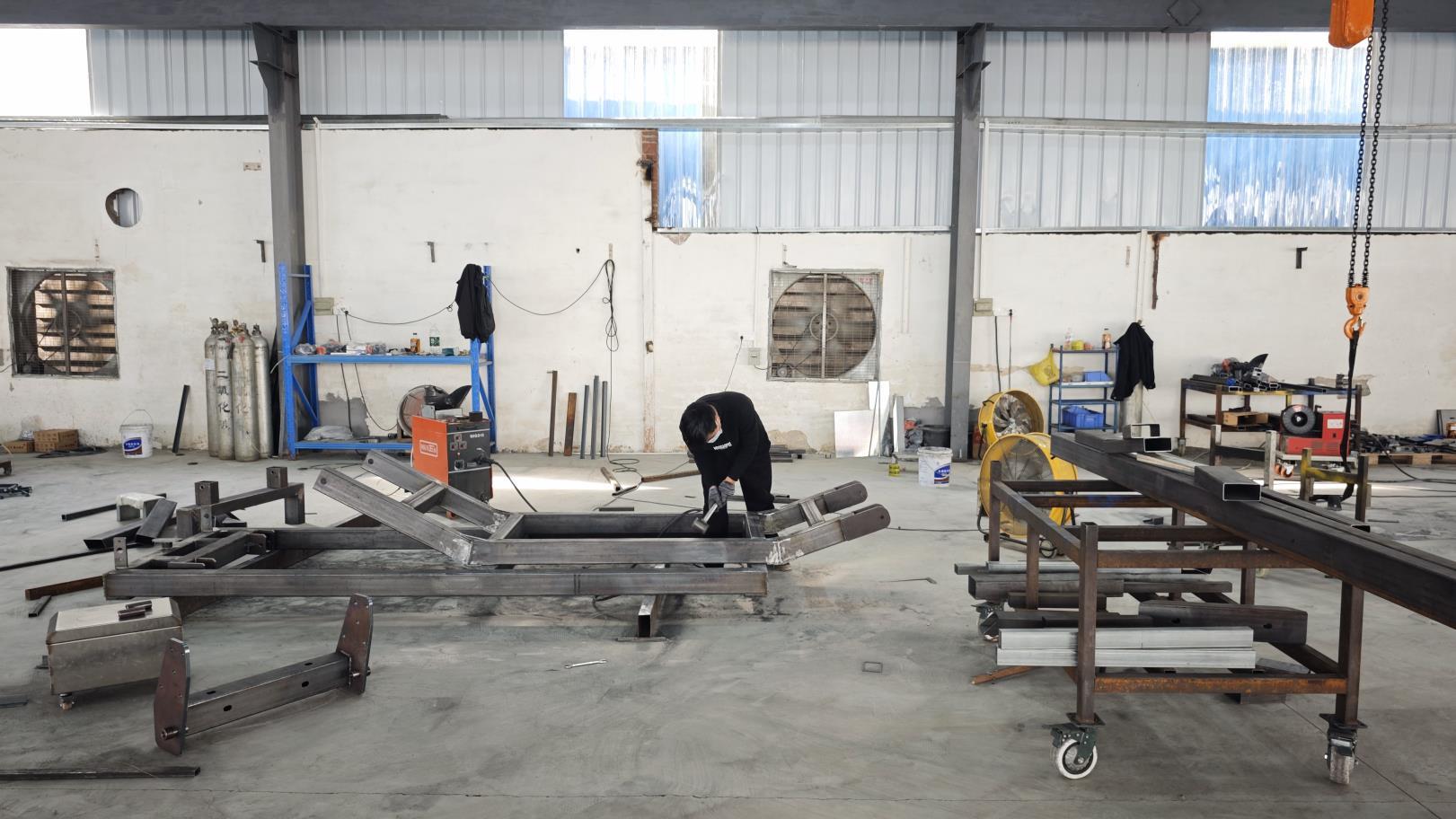


Partnering with a Chinese OEM software developer and equipment manufacturer provides unmatched structural advantages. Hangzhou's industrial IoT and robotics cluster allows us to offer direct hardware-software integration that is cost-prohibitive in Western markets. The capability to manufacture custom structural systems, design control enclosures, and develop scheduling logic under one roof reduces design iteration cycles by up to 60%.
By sourcing physical storage components, automation control PLC boxes, and AMR platforms directly from our production site, global procurement offices achieve dramatic capital expenditure reductions without sacrificing reliability.
Our dedicated tooling workshops, automatic CNC sawing machines, and robotic welding lanes can realize customized steel structures and chassis adaptations within days, ensuring rapid pilot testing.
Avoid the typical finger-pointing between software developers and hardware manufacturers. We stand behind both the scheduling algorithm efficiency and structural carrying capacities.
Global procurement teams require secure API integrations, high-availability setups, and long-term hardware support guarantees. Whether deployed on-premise in high-density facilities or hosted via private cloud, our solutions integrate seamlessly with ERP databases (SAP, Oracle, Microsoft Dynamics) to sync floor-level actions with enterprise resource schedules.
The workforce management industry is moving away from static weekly timetables toward dynamic, algorithmic task optimization. Key developments include:
Handle sudden order volume surges. The scheduling algorithm automatically analyzes delivery deadlines and scales worker allocation dynamically alongside AMRs to prevent bottlenecks.
Enforce exposure limits for personnel working in cold storage rooms. The scheduling software coordinates with AS/RS systems to minimize human dwell times in extreme temperatures.
Synchronize line-side parts delivery. Control cabinets and PLC inputs report part depletion alerts, triggering the scheduling app to route nearby forklift drivers instantly.
Technical insights on integration, customization, and factory-level execution.
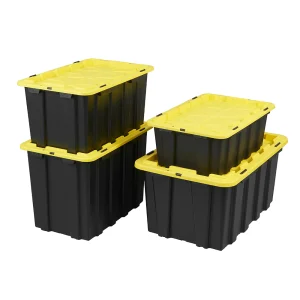
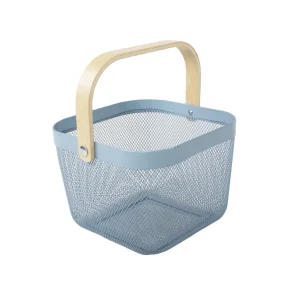
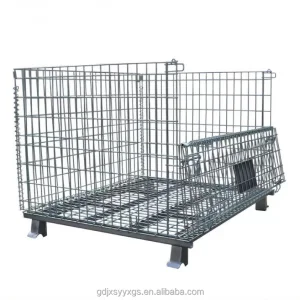
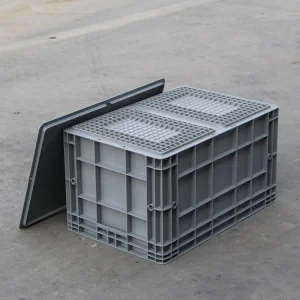
Secondary warehousing components and transport containers designed for optimized manual and robotic handling.
 RAB Logistics