CE Certified Cold Chain Management Solutions

Industrial-Grade Intelligent Storage, High-Density Automation Systems, and Sustainable Returnable Packaging Engineered for Resilient Temperature-Controlled Supply Chains Globally.

Why Industry Leaders Choose Hangzhou RAB Logistics Co., Ltd.

In modern global distribution networks, cold chain integrity is not merely an operational standard; it is a regulatory imperative and safety absolute. Hangzhou RAB Logistics Co., Ltd. has established itself as an authoritative provider of intelligent warehousing and modern logistics solutions. By adhering to rigorous CE Certification standards, we engineer infrastructures capable of maintaining thermal reliability, optimizing storage densities, and facilitating flawless throughput.

Our strategic focus centers on aligning sophisticated hardware systems with real-time digital intelligence. By integrating critical logistics technologies—specifically Warehouse Management Systems (WMS), Warehouse Control Systems (WCS), Automated Storage and Retrieval Systems (AS/RS), AGV/AMR robotics, and real-time data visualization platforms—we transform traditional, error-prone cold chain operations into highly responsive, data-driven systems.

Our multi-disciplinary team brings vast experience in system consulting, specialized solution design, precision hardware integration, custom software configuration, and full-lifecycle project execution. This holistic capabilities profile guarantees that both software controls and physical hardware operate in lockstep, offering scalable, future-ready operations engineered for fast-moving environments.

Core Sectors Served

RAB Logistics' solutions are widely deployed across highly regulated sectors where logistics errors lead to immediate losses:

  • Pharmaceuticals: GDP/GMP compliant handling of vaccines, biologics, and clinical compounds down to -25°C.
  • FMCG & Cold Food: High-density, first-in-first-out (FIFO) storage for perishable food distribution networks.
  • Automotive Parts & Manufacturing: Precision components managed in ambient-controlled, automated retrieval environments.
  • Cross-Border E-commerce: Rapid automated sorting and picking systems with instant custom-clearance tracking readiness.
100%
CE Compliant
Strict European Standards
-25°C
Thermal Rating
Proven Sub-Zero Operation
99.9%
WMS Accuracy
Real-Time Data Integration
40%+
Space Efficiency Gain
AS/RS Footprint Optimization

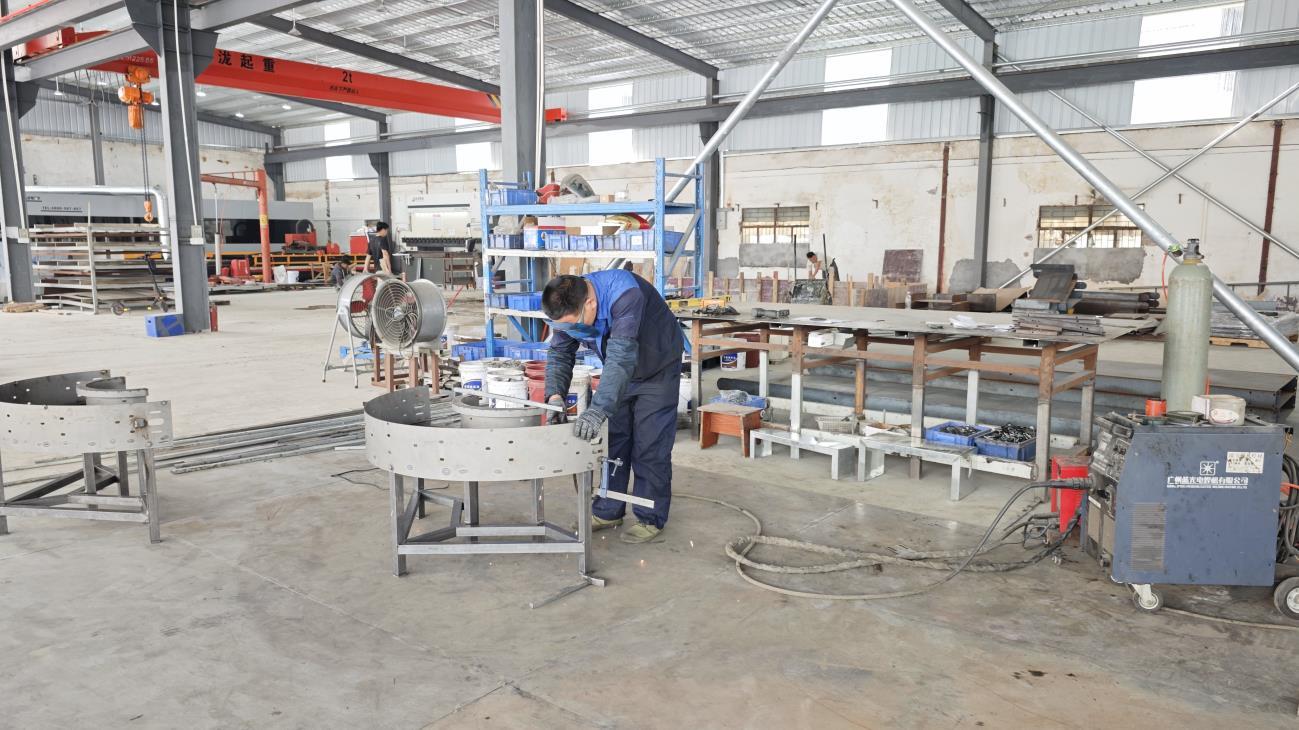
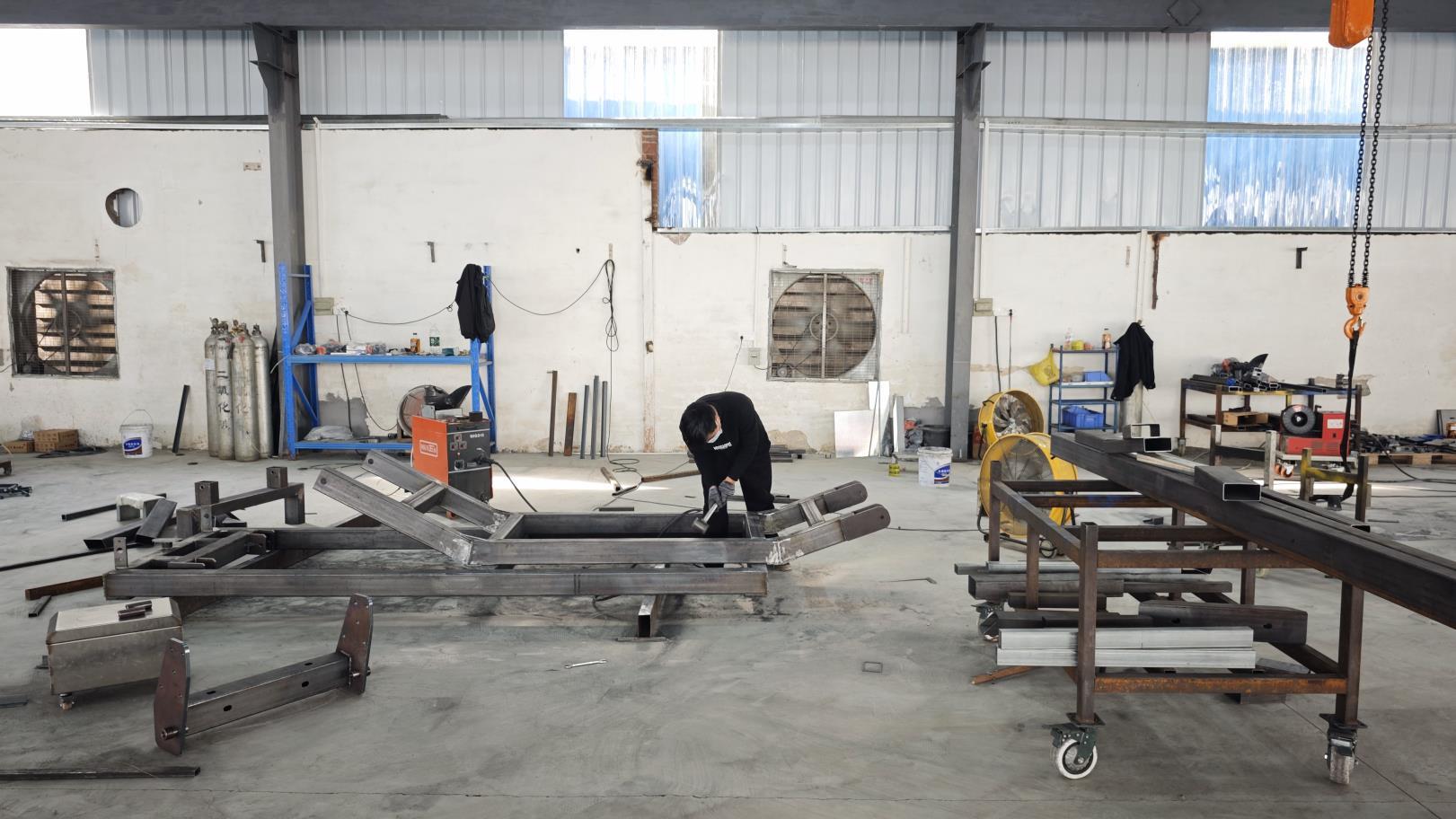
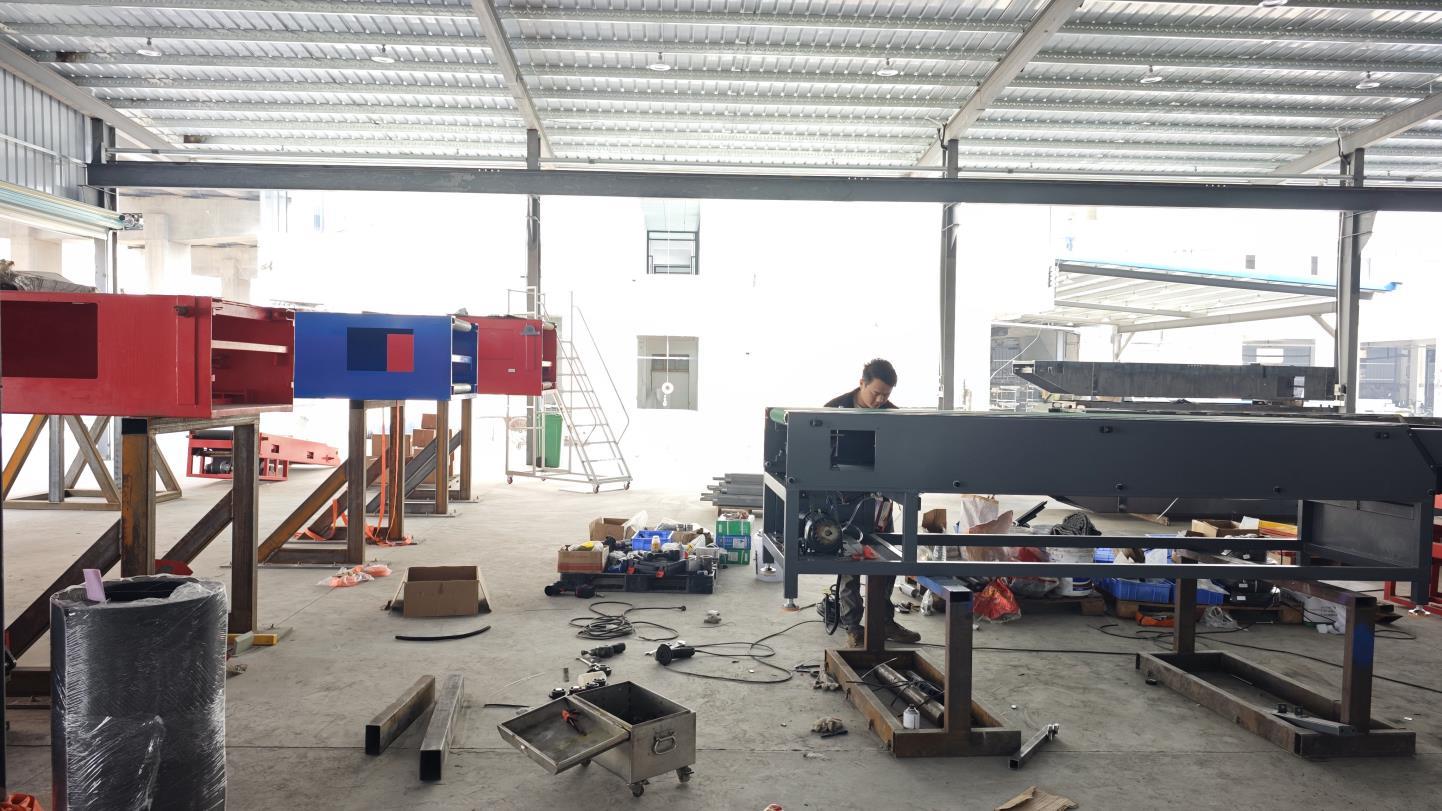
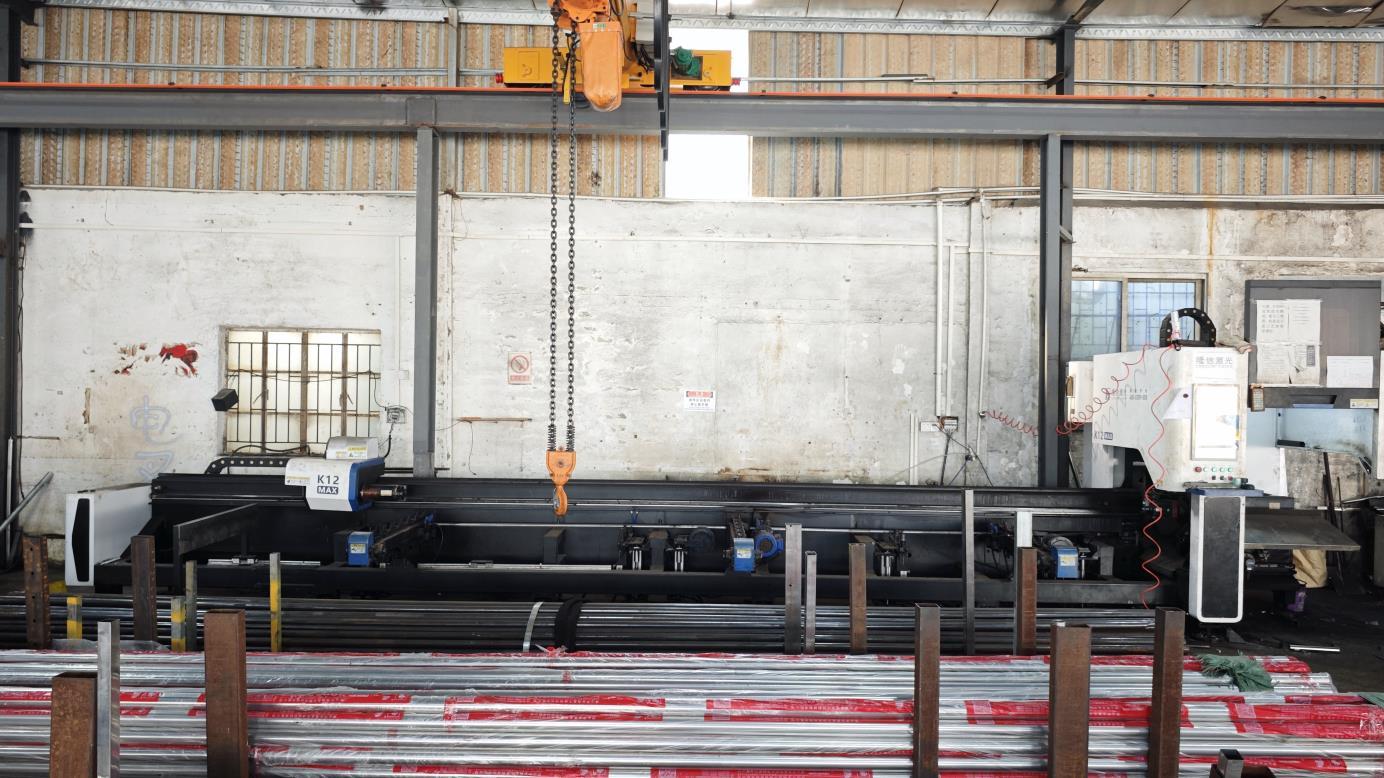
State-of-the-Art Factory & Processing Infrastructure

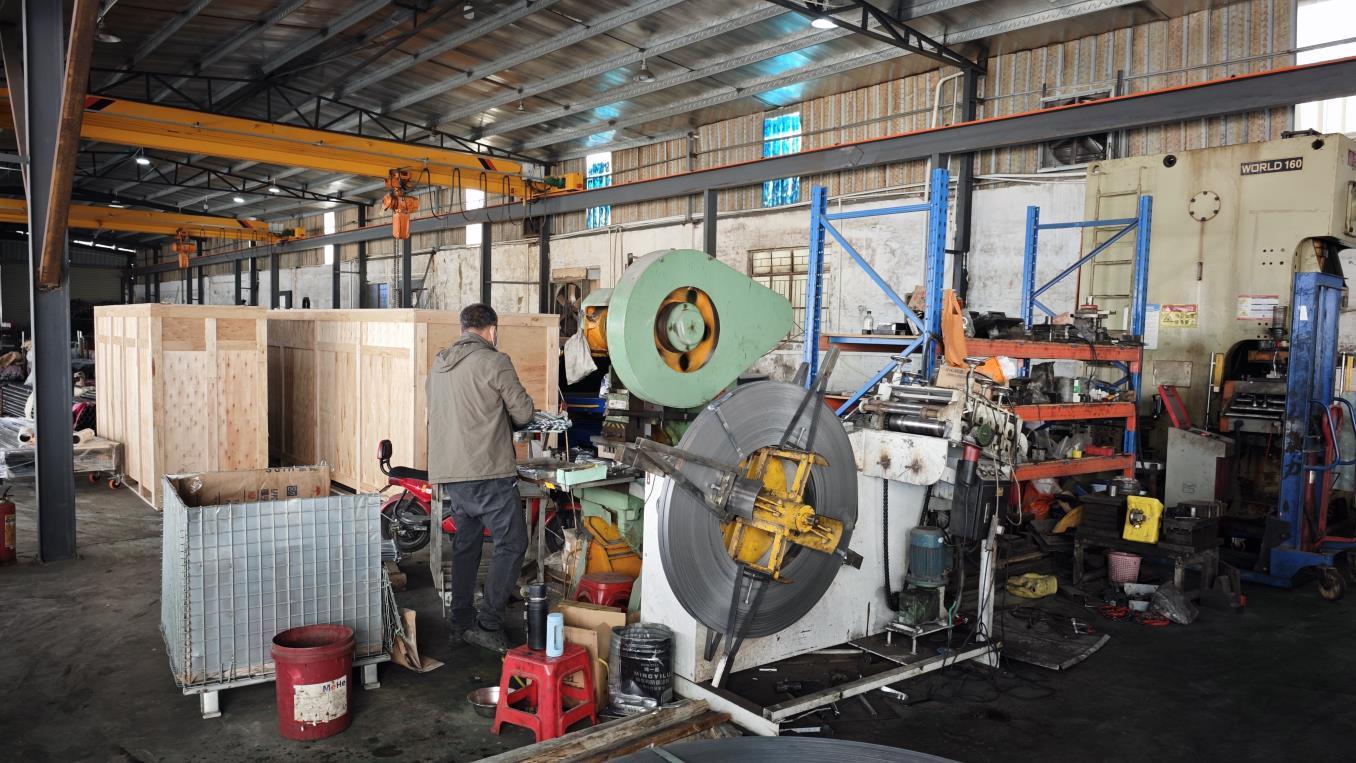
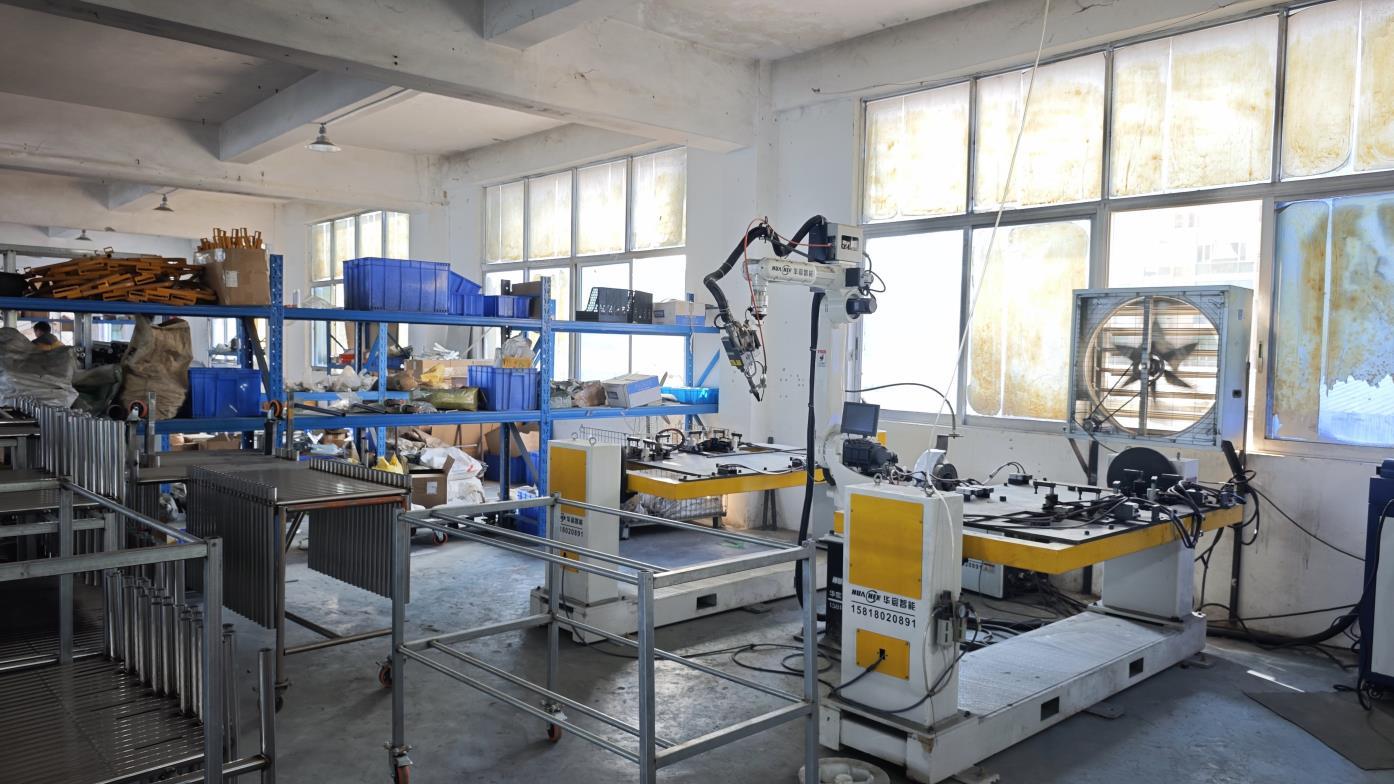
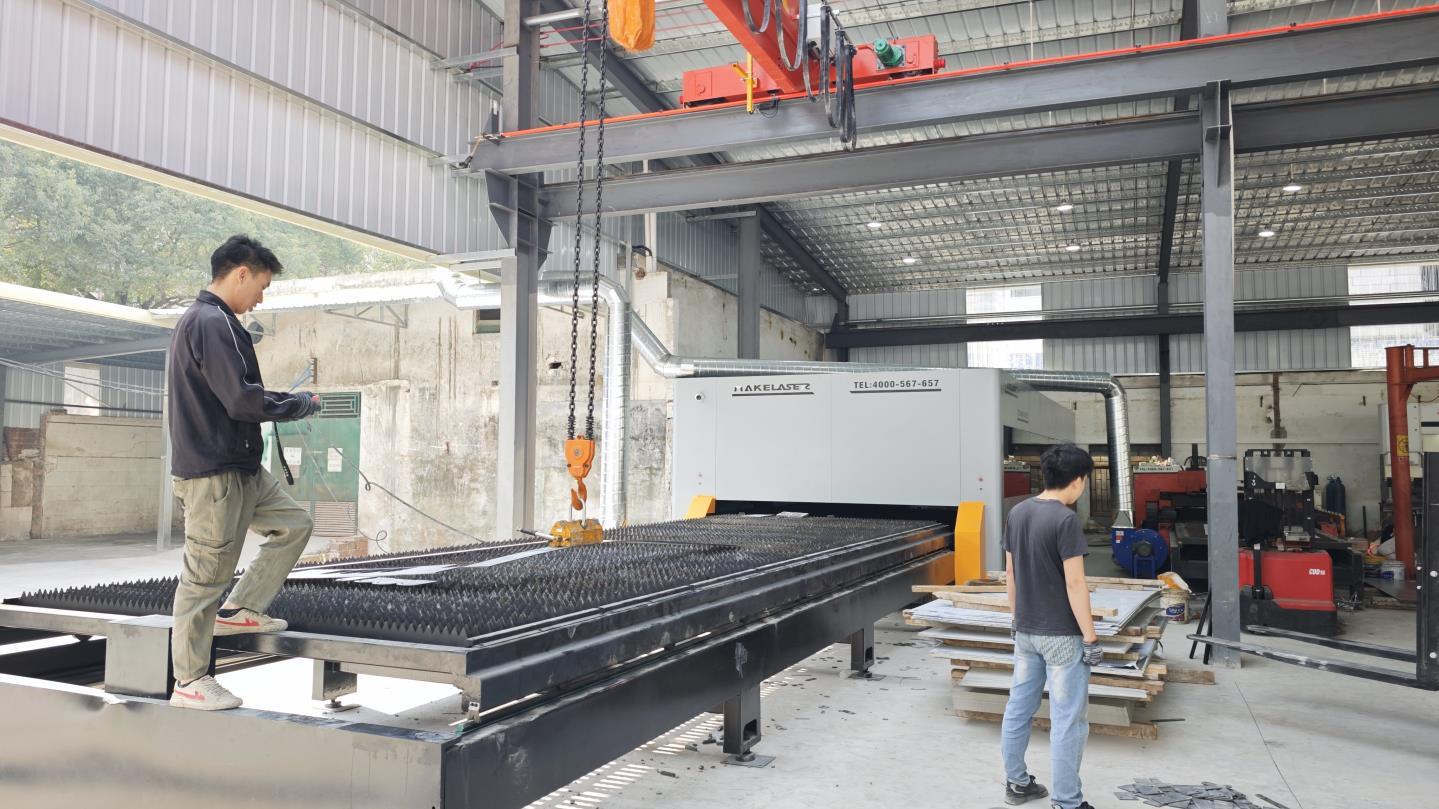
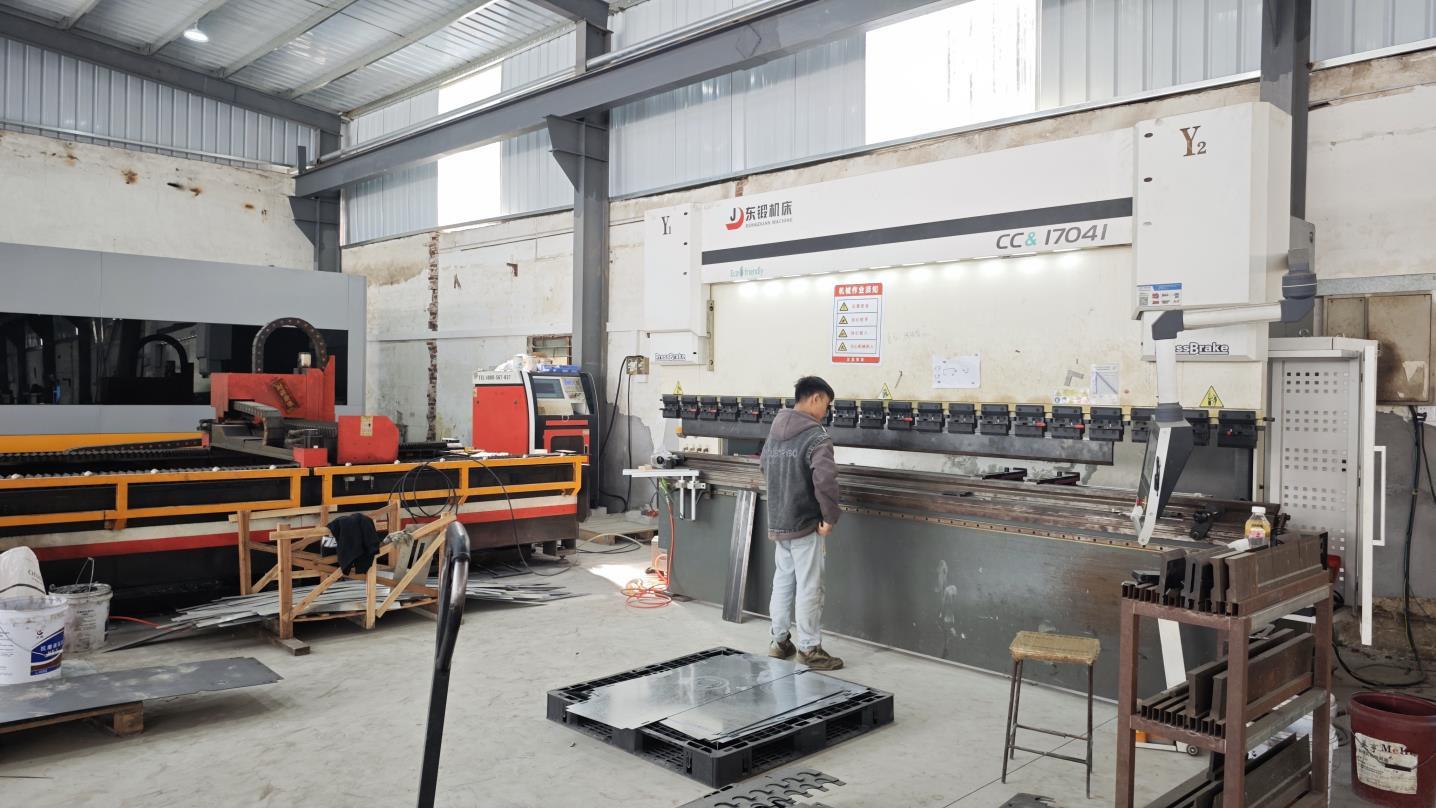
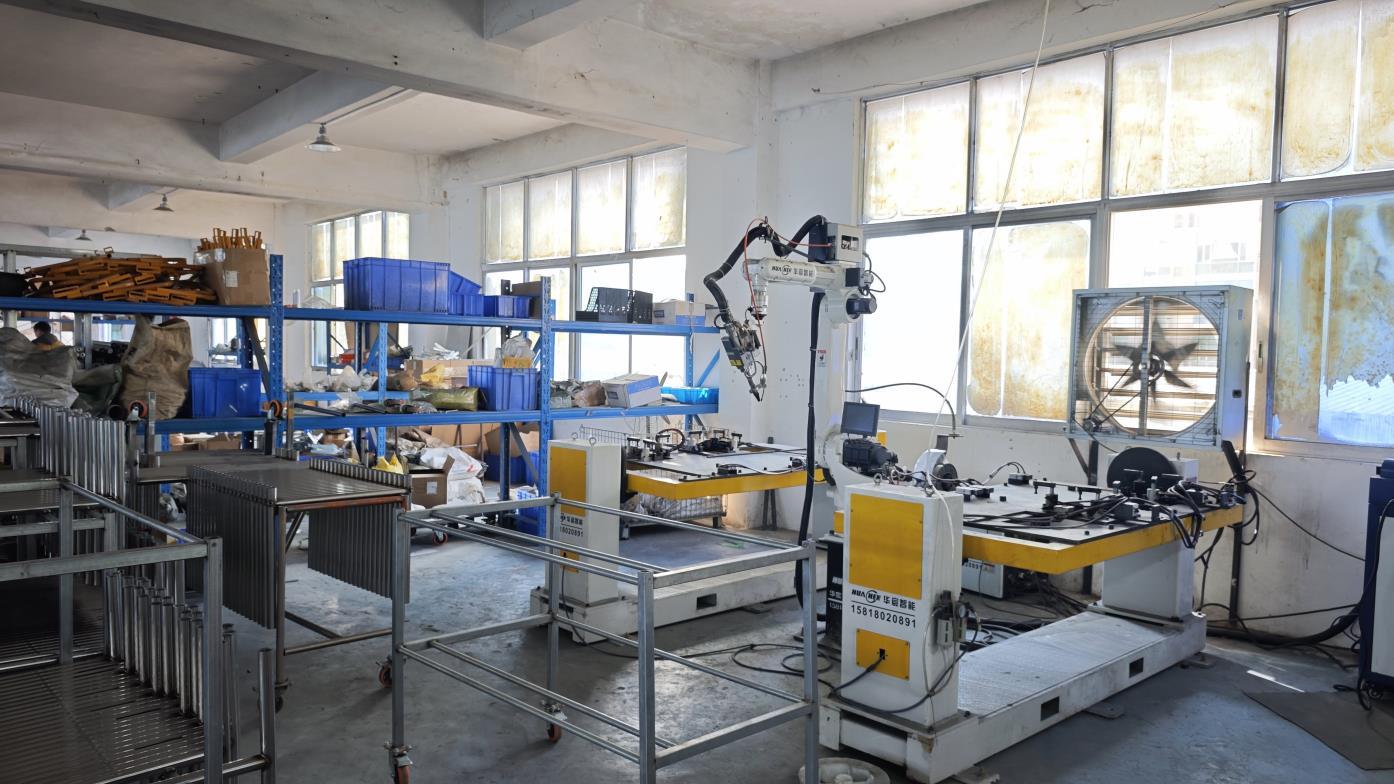
Our modern manufacturing facilities utilize high-precision automation, ensuring that every weld, cut, and assembly meets the uncompromising structural criteria required for cold storage environments.
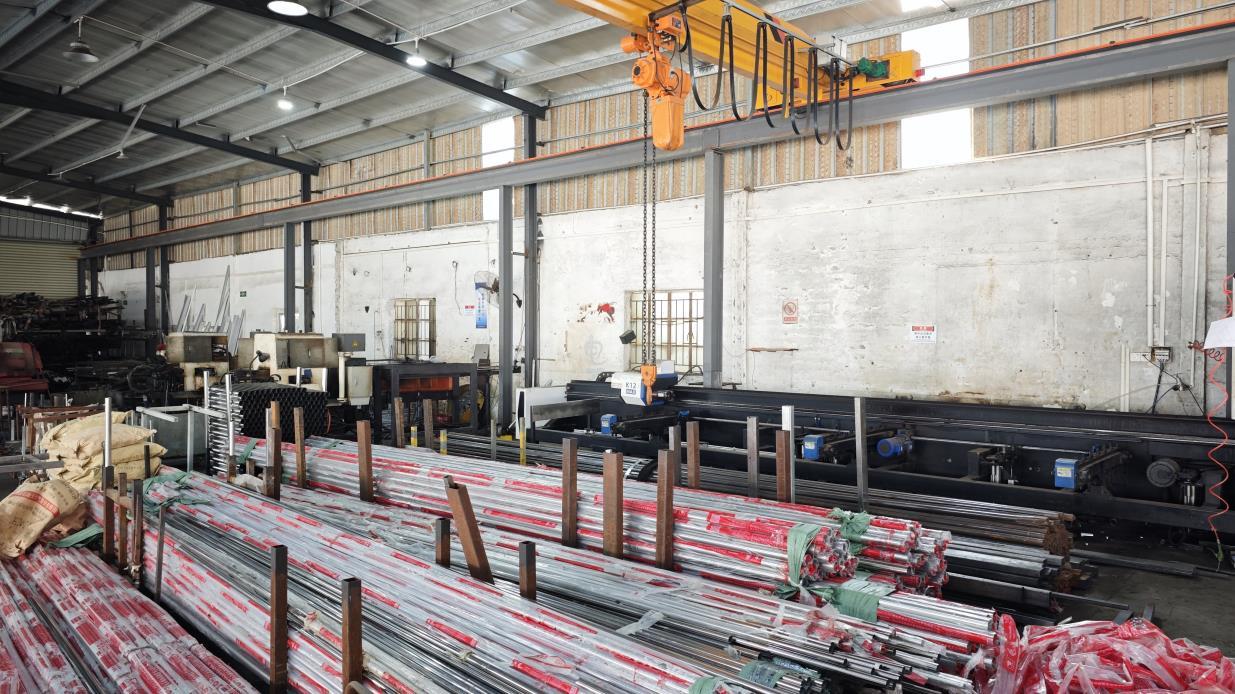
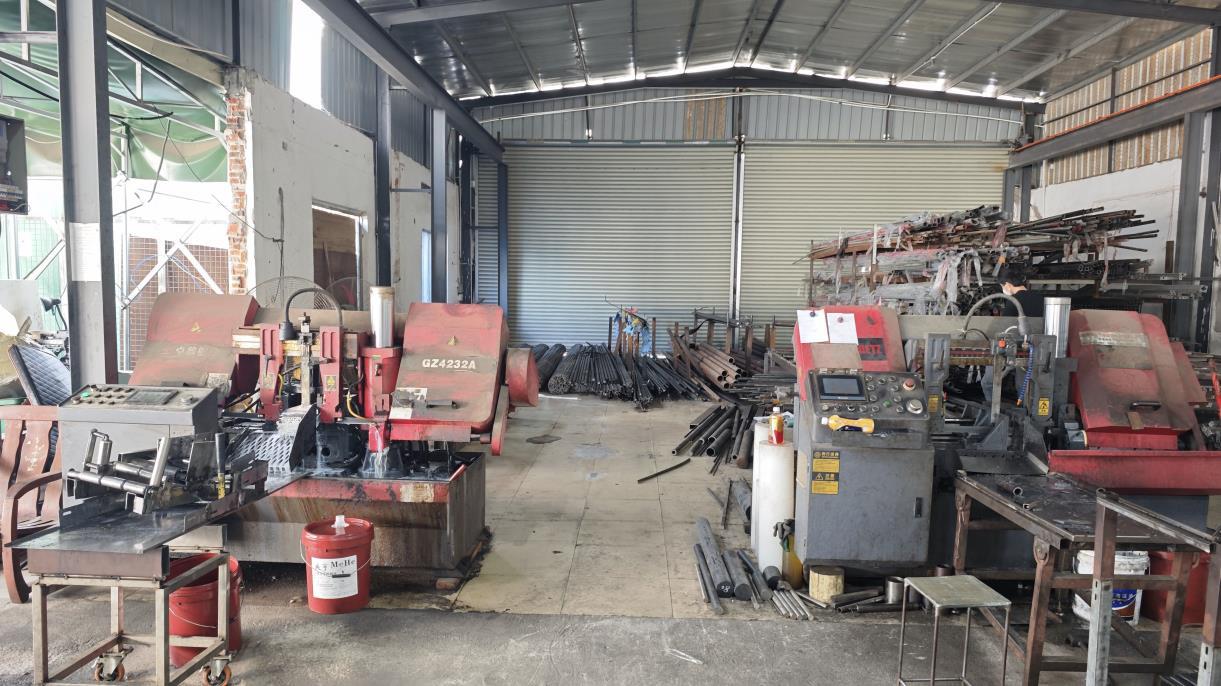
In cold storage, metals are susceptible to low-temperature embrittlement, and plastics risk becoming brittle and fracturing under load. Our manufacturing facility addresses these challenges through strict materials science application, precision CNC tooling, and robotic structural welding. Check our core fabrication stages below.
Cutting Process
Precision Cutting
Fully Automatic CNC Sawing
Stamping Process
High-Speed Stamping
Welding Process
Heavy-Duty Welding
Assembling Process
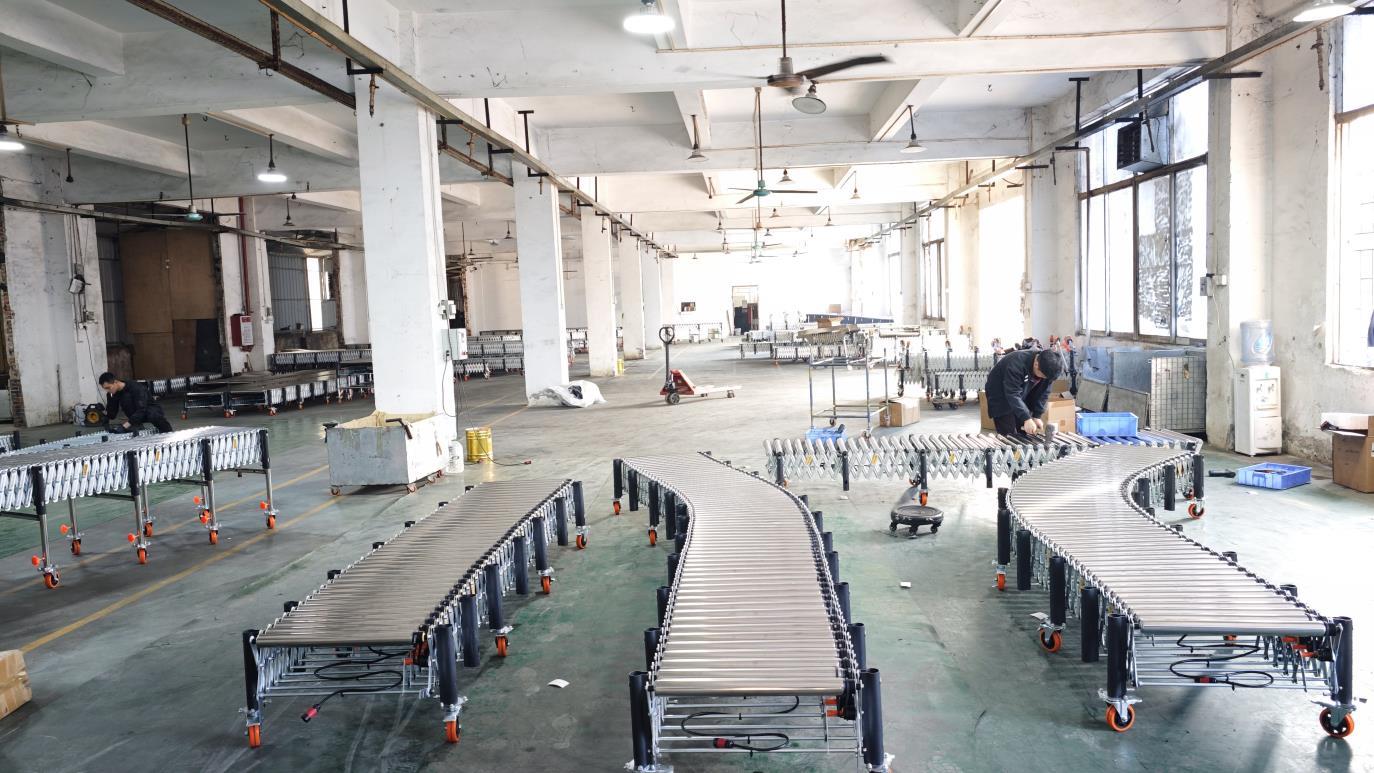
Precision Assembling
CNC Cutting Process
High-Tolerance CNC Cutting
Bending Process
Automated Bending
Welding Station
Structural Joint Welding
Polishing Process
Surface Polishing
Final Assembling
Final Assembly Line
Automatic Cutting Machine
Automatic Machine Hand Spot Welding
Automatic Machine Spot Welding

Chinese Factory Advantages & Global Supply Integration

Uncovering the manufacturing strengths, regulatory competencies, and material innovations that establish China's leadership in cold chain equipment exporting.

1. End-to-End Raw Material Procurement & Metallurgy

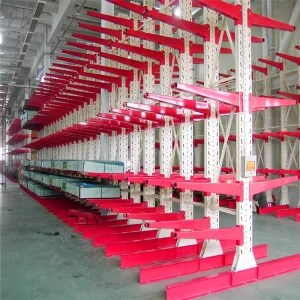
Chinese manufacturing advantages begin with direct, localized integration with major steel mills and high-purity chemical plants. For steel components like radio shuttle racking and cantilever racks, we utilize Q355B low-temperature carbon steel, which retains its structural ductility and prevents micro-fracturing at temperatures reaching down to -25°C. By managing raw materials inline, we significantly reduce structural degradation risks compared to standard steel configurations.

2. Specialized Thermoplastic Formulations (HDPE/PP)

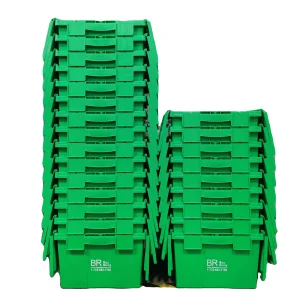
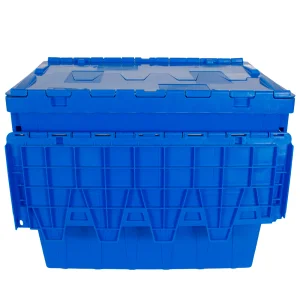
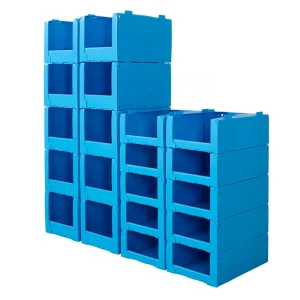
Plastic totes, shelf bins, and pallet collar boxes intended for cold chains require specialized material engineering. Standard polymers experience polymer chains degradation when subjected to freezing cycles. Our injection molding processes incorporate high-density virgin Polyethylene (HDPE) blended with proprietary low-temperature impact modifiers. This formulation preserves the elastic modulus of the plastic containers, enabling stackability without splitting under heavy loads.

3. Advanced Automation & IoT Systems Integration

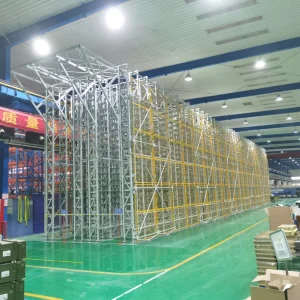
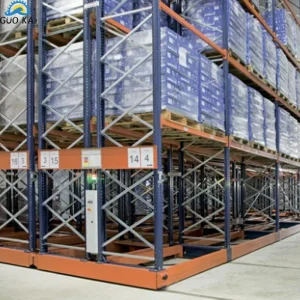
Cold rooms incur high operational electricity costs, making space optimization and automation high priorities. By utilizing our advanced AS/RS systems and heavy-duty 2D radio shuttles, facilities optimize spatial density by up to 60%. These systems interface with WMS and ERP systems via API protocols. By tracking the real-time position of products down to the SKU level, our system minimizes door-open times and lowers overall refrigeration thermal loss.

Key Macro Trends Shaping Cold Chain Logistics

  • Strict GDP and GMP Global Alignments: Regulatory oversight on medical logistics requires continuous audit trails. Standard packaging is being replaced by integrated smart crates with RFID/BLE tags tracking internal temperature, humidity, and location.
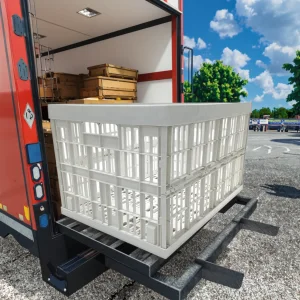
  • Shift towards Returnable Plastic Packaging (RPP): Single-use cartons and wood pallets are being phased out by multinational buyers due to high moisture absorption rates. Hygienic, cleanable, and 100% recyclable stackable plastic crates and collar boxes reduce waste and minimize microbial buildup in fresh food chains.
  • Complete Warehouse Dark Operations: The sub-zero environment is harsh on human workers, driving the quick adoption of autonomous equipment. Factories must configure physical racking, metal containers, and plastic totes to be mechanically optimized for AGVs and high-speed robotic grippers.

End-to-End Cold Chain Solutions & Integration

Understanding application setups across global boundaries and standardizing procurement expectations for total cost of ownership (TCO) optimization.

Global Purchasing Priorities & Compliance

When procurement officers in North America, Europe, and the APAC region negotiate contracts with Chinese manufacturers, structural compliance is paramount. The CE Certification badge demonstrates that products comply with strict mechanical load testing, material safety standards, and operational guidelines.

Additionally, factories must demonstrate compliance with ISO quality management standards. To optimize your Total Cost of Ownership (TCO), we provide clear structural calculation sheets, load-bearing capacities, deflection calculations under sub-zero conditions, and corrosion protection details (such as hot-dip galvanization or premium electrostatic powder coatings).

Customized Deployment Applications

Our systems are optimized for specific industrial applications:

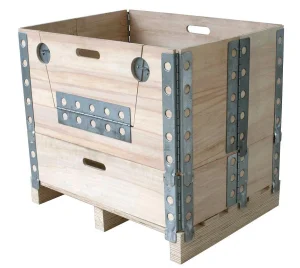
  • Intermodal Transport: Our pallet collar boxes protect heavy high-value cargo during sea and land transport, preventing damage from transit vibrations.
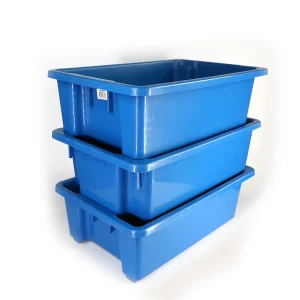
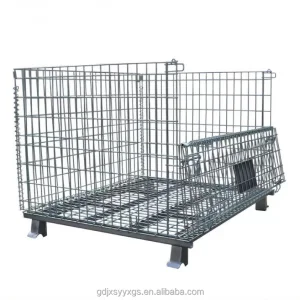
  • Pharmaceutical Storage: Our stackable, nestable plastic bins feature dust-proof designs that prevent contamination in cleanroom environments.
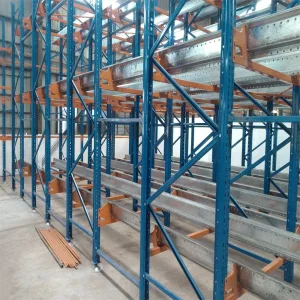
  • Dynamic Automated Racking: Our Radio Shuttle Racking Systems support semi-automated storage, reducing forklift run times in blast freezers.
  • High-Speed Distribution: Our heavy-duty plastic totes are dimensionally standardized to ensure smooth routing on high-speed conveyor belts.

Cold Chain Infrastructure FAQ

Detailed technical answers to common questions about engineering, material durability, and logistics equipment deployment.

What makes CE certification critical for cold chain storage equipment?
CE certification ensures the structural components, automation machinery (such as AS/RS systems and AGVs), and handling containers satisfy strict European directives for structural durability, machinery safety, and material health. For cold chains, this guarantees the equipment can safely support rated load limits under dynamic temperature variations without risk of structural failure.
How do plastic containers from RAB Logistics perform at temperatures down to -25°C?
Standard commercial plastics become brittle and are prone to cracking in sub-zero temperatures. We manufacture our plastic bins and totes using 100% virgin High-Density Polyethylene (HDPE) blended with low-temperature impact modifiers. This design keeps the material elastic and impact-resistant, preventing fractures during automated handling and heavy stacking.
Can your racking systems and automated guides integrate with existing warehouse ERP and WMS?
Yes. Our intelligent storage systems and AS/RS software stack are designed with open API architectures. This allows direct integration with global ERP systems like SAP and Oracle, as well as customized localized Warehouse Management Systems (WMS). Real-time data syncs across your systems, ensuring inventory tracking, location status, and temperature data are updated instantaneously.
How do your systems protect metal racking from low-temperature corrosion and condensation?
We offer hot-dip galvanized finishes and zinc-rich powder coatings. When products enter and leave temperature-controlled environments, moisture condensation occurs. Our corrosion-resistant coatings prevent rust and structural degradation, ensuring long-term structural integrity.
What are the shipping and space-saving advantages of your foldable and nestable containers?
Our folding turnover crates, stack-and-nest totes, and reusable pallet collar boxes are engineered to minimize return logistics costs. When empty, they fold or nest to save up to 75% of their storage volume. This design increases transport efficiency and reduces shipping costs on return trips.