How to Recycle Warehouse Plastic Storage Containers?

Time:2026-10-23 Author:Charlotte
0%

Warehouse plastic storage containers often look too ordinary to matter. Yet damaged totes, cracked bins, and broken pallets can create a steady stream of plastic waste. Learning how to recycle warehouse plastic storage containers helps businesses reduce disposal costs and manage materials more responsibly.

The process starts with a practical inspection. Remove labels, tape, cardboard, and leftover products when possible. Separate containers by plastic type, such as HDPE or polypropylene, using molded resin codes. Wash visible dirt and oil from the surfaces. Do not mix chemical residues with ordinary recyclable plastics. That mistake can make an entire load unacceptable.

Reusable containers should be repaired or reassigned before recycling. A sturdy tote may serve another department for years. However, cracked corners, sharp edges, and weak handles need careful attention. Safety should outweigh convenience. Contact a certified commercial recycler to confirm accepted materials, collection volumes, and preparation rules. Requirements differ by region and facility. Keep delivery records, weight tickets, and photographs of sorted materials. These details support reliable reporting and reveal avoidable waste.

The practical answer is rarely perfect. Some containers contain mixed materials, and some recycling markets change quickly. A warehouse may also overestimate how clean its plastic really is. Review the process after each collection. Ask what was rejected and why. Small adjustments, such as cleaner sorting stations or labeled bins, can improve future results. Recycling works best when it becomes a documented routine, not a one-time cleanup.
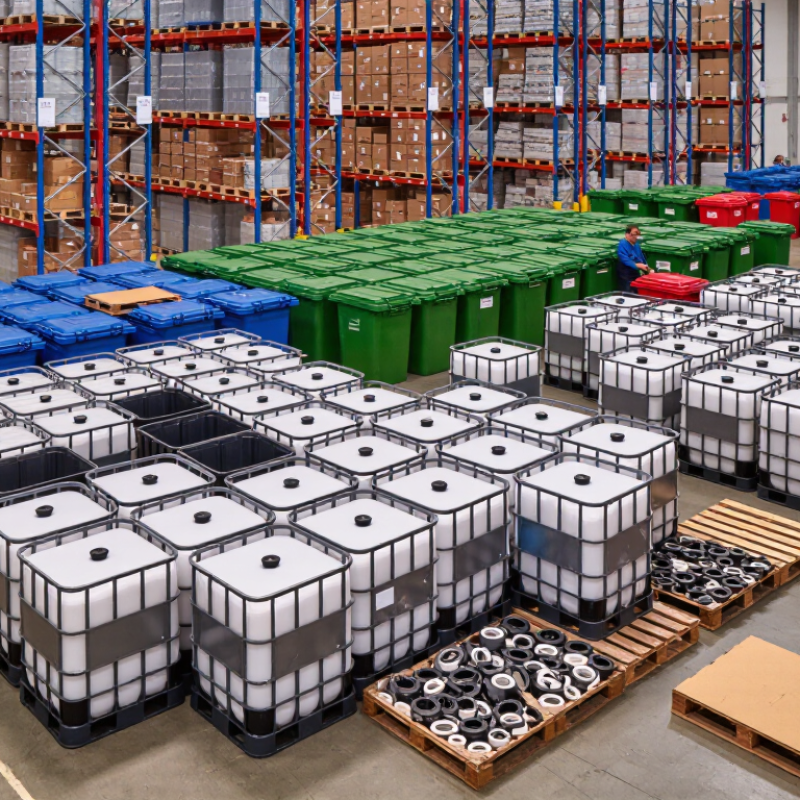
How to Recycle Warehouse Plastic Storage Containers?

Identify Resin Codes: HDPE #2, PP #5, and Other Plastics

Warehouse plastic storage containers often look similar, yet their recycling paths can differ. Check the molded triangle and number before sorting. HDPE #2 usually feels rigid and slightly waxy. It commonly appears in heavy-duty bins, drums, and shelving totes. PP #5 is lighter and more flexible. It often forms stackable containers, lids, and reusable pallets. The code identifies the resin, not guaranteed local acceptance.

The OECD’s Global Plastics Outlook reports that only about 9% of plastic waste was recycled worldwide in 2019. In the United States, the Environmental Protection Agency recorded an 8.7% plastic recycling rate in 2018. These figures show why accurate sorting matters.

Remove labels, tape, metal parts, and visible residue when facility rules require it. Keep HDPE #2 and PP #5 separate if the recycler requests separate loads. Do not place PVC #3, LDPE #4, polystyrene #6, or mixed plastics #7 with them.

A resin code is only a starting point, not a promise. I have seen clean containers rejected because one incompatible lid contaminated an entire bale.

Tips:

Photograph the code before stacking containers. Ask the local recycler for its accepted resin list. Store clean plastics under cover, away from oil and rain. Avoid crushing different polymers together. When a code is missing, pause and identify the material through procurement records or a qualified waste contractor. Mistakes happen, especially with dark containers and worn markings. That uncertainty deserves checking, not guessing.

Inspect Containers Using OSHA’s 1910.176 Storage Safety Standard

How to Recycle Warehouse Plastic Storage Containers?

Before recycling, inspect each plastic container where it was stored. OSHA’s 1910.176 standard requires stored materials to remain stable and secure against sliding or collapse. A leaning stack, crushed bin, or damaged shelf needs attention before removal. Check aisle clearance, too. Forklifts and pedestrians need a clear path around the inspection area. Do not pull a container from an unstable pile. Lower the stack safely, using suitable handling equipment and trained workers.

Look closely at the container itself. Search for cracks, sharp edges, deep scratches, warping, brittle surfaces, and missing handles. Sunlight can weaken plastic in ways that are hard to see. I once trusted a container that looked clean, but its base flexed under light pressure. That was a useful warning. Empty loose contents, remove dirt, and separate containers with chemical residue or unknown contamination. Never mix questionable material with ordinary recyclable plastic.

Mark containers as reusable, recyclable, or unsuitable for either option. Reuse only those that remain structurally sound and fit their intended load. Keep recyclable units in stable, clearly identified stacks that do not block doors, aisles, exits, or equipment routes. OSHA 1910.176 supports safe storage practices, but it does not replace your site’s waste procedures or hazard assessment. Records help, although they can be incomplete. Note inspection dates, visible defects, cleaning actions, and the person who made each decision. A second inspection may catch what the first missed.

Clean and Sort Containers Before Recycling or Reuse

In warehouse audits, the first recycling mistake is often a dirty container. Dust, oil traces, labels, and food residue can contaminate an otherwise useful plastic load. Move each empty container to a clean inspection table. Remove cardboard, metal clips, liners, and loose tape by hand. Use mild detergent and water when the plastic allows it. Let every piece dry fully. Wet containers can spoil cardboard storage and complicate sorting.

Sort containers by resin code, shape, and condition. A clear polypropylene tote should not automatically enter the same stream as a rigid polyethylene bin. Check the molded number, but confirm acceptance with your local recycling facility. Codes identify plastic types; they do not guarantee collection. Keep cracked, brittle, or heavily stained items separate. Some can serve for non-sensitive warehouse tasks, while others need specialized handling. Do not place unknown plastics in the recycling cage.

Reuse is practical when inspection is honest. Test lids, handles, corners, and stacking strength before returning containers to service. A container that fails under light pressure is not ready for heavy parts. Mark damaged units clearly, and record the material type when possible. I once overlooked adhesive residue on a clean-looking tote; the next sorting check caught it. That small error changed our process. We now photograph unusual items and ask the facility before shipping a full load. The extra pause feels inefficient, but it prevents rejected batches and wasted transport.

Select Recyclers with EPA-Compliant Material Recovery Systems

Recycling warehouse plastic storage containers requires more than finding a nearby collection bin. Choose a recycler with an EPA-compliant material recovery system and documented downstream controls. Ask whether the facility identifies HDPE and polypropylene separately, removes metal labels, and records final processing destinations. A credible operator should explain its permits, inspection procedures, contamination limits, and shipment records clearly. Vague answers are a warning sign.

The U.S. Environmental Protection Agency reported 35.7 million tons of plastic waste in 2018, with only 3.1 million tons recycled. That equals an 8.7% recycling rate. The OECD’s Global Plastics Outlook reported a global plastics recycling rate of only 9% in 2019.

These figures show why traceability matters. One damaged container can carry oil, adhesive residue, or loose soil into a clean load. Staff should empty containers, scrape off labels when practical, and keep different plastic types separated. Small details matter.

A reliable recycler should provide weight tickets and recovery data, not only a pickup receipt. Request evidence that collected plastics reach an authorized processor rather than an unknown intermediary. EPA-aligned systems should also control runoff, maintain required records, and manage rejected materials properly. Regulations vary by location, so verification remains necessary. We sometimes assume a clean blue bin means successful recycling. It does not. A short audit can reveal gaps that a polished sales claim hides.

Measure Results Against the EPA’s 14.5% Plastic Packaging Rate

Warehouse plastic storage containers should be measured against a clear national benchmark: the EPA reported a 14.5% recycling rate for plastic packaging in its 2018 Advancing Sustainable Materials Management report. This figure includes packaging waste, not every durable plastic product. That distinction matters. Reusable bins may leave the waste stream many times before disposal.

A practical audit starts at the loading dock. Weigh damaged containers for one month. Record polymer type, contamination, and final destination. A 120-kilogram batch may look successful, but moisture, labels, and mixed plastics can reduce the recyclable portion. Measure recycled weight against total discarded plastic packaging, using the same boundary as the EPA benchmark. Then compare the result with 14.5%.

The OECD’s Global Plastics Outlook reported that only 9% of global plastic waste was ultimately recycled in 2019. Warehouse performance can be better, but only with disciplined sorting and verified downstream processing. Separate polypropylene from high-density polyethylene. Keep food residue, metal clips, and shrink film away from rigid containers. Ask processors for weight tickets and destination records, not verbal assurances. A container counted as “recycled” may only be collected or mechanically processed. That weakness deserves attention. Our own measurements may also be imperfect when damaged bins are reused, donated, or stored for months. Recheck the method quarterly, and report both the recycling rate and the unresolved material.

FAQS

What should workers inspect before removing plastic containers?

Check stack stability, shelf condition, aisle clearance, and container damage. Never pull from a leaning pile. Lower unstable stacks with suitable equipment and trained workers.

Which defects can make a plastic container unsuitable?

Look for cracks, sharp edges, deep scratches, warping, brittle surfaces, and missing handles. A flexible base is a warning. Sunlight may weaken plastic without obvious marks.

How should containers with residue or unknown contents be handled?

Empty loose contents and remove ordinary dirt. Separate containers with chemical residue or unknown contamination. Do not mix questionable materials with clean recyclable plastic.

How can a warehouse classify inspected containers?

Mark each container as reusable, recyclable, or unsuitable. Reuse only structurally sound units for their intended loads. Some decisions need review.

How should recyclable containers be stored before collection?

Keep them in stable, clearly marked stacks. Do not block doors, aisles, exits, or equipment routes. Maintain clear paths for forklifts and pedestrians.

What records should support the recycling decision?

Record inspection dates, visible defects, cleaning actions, and responsible workers. A second inspection can catch missed problems. Records may still be incomplete.

What should a qualified recycling processor be able to explain?

Ask about plastic sorting, contamination limits, inspection methods, and processing destinations. The facility should explain its controls clearly. Vague answers deserve caution.

Which documents can confirm that recycling occurred?

Request weight tickets, recovery data, and shipment records. A pickup receipt alone proves little. Check whether materials reached an authorized processor.

Conclusion

Learning how to recycle warehouse plastic storage containers begins with identifying the plastic resin code molded into each item. Separate HDPE #2, PP #5, and other plastics because they may require different processing methods. Before handling containers, inspect them for cracks, sharp edges, unstable stacking, or chemical residue, using OSHA’s 1910.176 storage safety principles as a guide. Damaged or unsafe containers should be isolated rather than placed directly into a recycling stream.

Next, empty, clean, and dry the containers, then sort them by resin type, color, and condition. Sound containers may be reused when they remain safe and functional, while unsuitable items should be sent to recyclers with EPA-compliant material recovery systems. Keep records of container weights, reuse rates, contamination, and recycling volumes to evaluate performance. Comparing results with the EPA’s 14.5% plastic packaging recycling rate can help a warehouse set measurable improvement goals and strengthen its waste-reduction procedures.

Charlotte

Charlotte

Charlotte is a seasoned marketing professional with a deep understanding of the company's portfolio and a passion for elevating its presence in the market. With a keen eye for detail and a commitment to excellence, she ensures that our professional blog is regularly updated with insightful articles......