How to Design an Efficient Goods to Person Picking System?

Time:2026-08-14 Author:Liam
0%

Designing an efficient goods-to-person picking system is crucial for modern logistics. According to Dr. Jane Thompson, a leading expert in supply chain management, “An optimized picking system can significantly reduce order fulfillment time.” This underscores the importance of careful planning and strategic design in warehouse operations.

To effectively design a goods-to-person picking system, various factors must be considered. Integration of technology plays a significant role in streamlining processes. For instance, using automated storage and retrieval systems can enhance efficiency. However, relying solely on technology might lead to overlooking human factors. Training staff remains essential for maximizing productivity.

Moreover, layout design influences workflow significantly. An optimized layout reduces travel time for pickers. Yet, it needs continuous evaluation to adapt to changing demands. Small adjustments can yield substantial improvements. Ultimately, understanding how to design a goods-to-person picking system requires a blend of technology, human insight, and ongoing reflection on practices and outcomes.
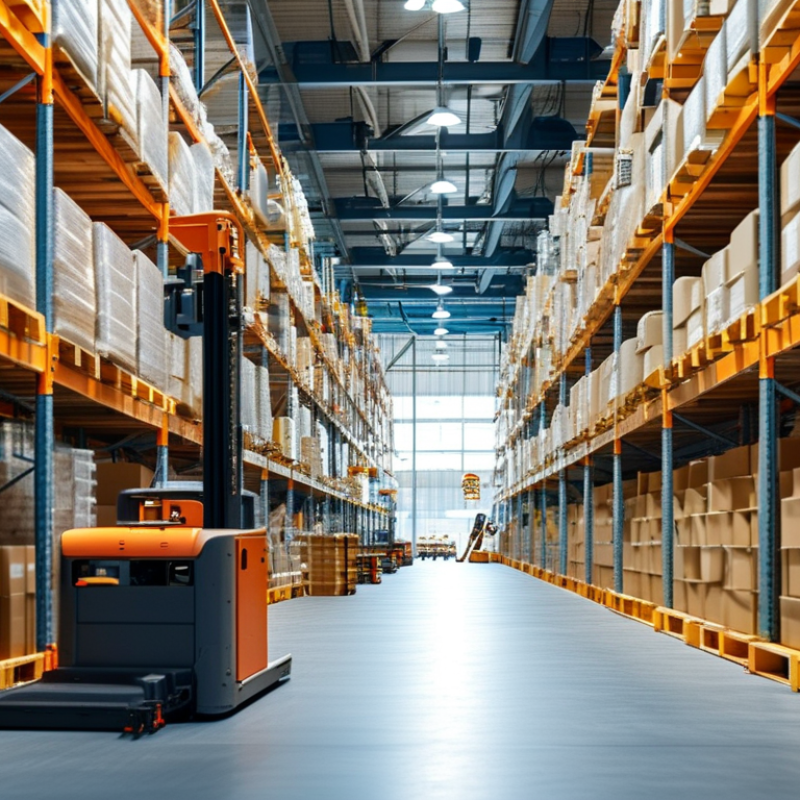
How to Design an Efficient Goods to Person Picking System?

Understanding the Basics of Goods to Person Picking Systems

Goods to person picking systems streamline logistics in warehouses. Understanding their basics is vital for enhancing efficiency. These systems reduce travel time for workers. By bringing goods to the picker, they can focus on accuracy and speed. Efficient workflows boost productivity and reduce operational costs.

A key aspect of these systems is layout design. Organizing items logically keeps pick paths short. It’s crucial to consider how frequently items are picked. High-demand items should be placed closer to the packing area. This adjustment can save significant time and energy.

Tips: Always analyze picking patterns. Regularly update your layouts based on seasonal changes. This reflects the dynamic nature of inventory management. Training staff on the system's functionalities is equally important. Effective training can minimize errors and improve overall workflow. Consider using technology to track performance. Regular evaluations help identify areas needing improvement.

Assessing Workflow Efficiency Metrics in Warehouse Operations

In warehouse operations, assessing workflow efficiency is crucial. Studies show that an efficient goods-to-person picking system can boost productivity by up to 30%. Metrics like order picking accuracy, cycle time, and labor utilization serve as key indicators. These metrics not only reflect performance but also highlight areas needing improvement.

Imagine a warehouse with a picking accuracy rate of 85%. While this seems acceptable, it can lead to costly returns. Reducing errors requires careful analysis of workflows and adjustments in technology usage. Regularly reviewing metrics is essential. A report from the Warehousing Education and Research Council revealed that companies not tracking their workflow metrics fall behind their competitors by approximately 15%.

Consider labor utilization. Many warehouses report an average utilization rate of around 60%. This figure is concerning. It implies that workers spend time on non-value-added activities. Addressing this inefficiency through targeted training and optimized layouts can enhance productivity over time. Continuous reflection on these metrics is vital for long-term success in warehouse operations.

Warehouse Picking Efficiency Metrics

This chart represents key metrics used to assess the efficiency of a goods to person picking system in warehouse operations. The order volume indicates the total items processed, while pick accuracy shows the percentage of correctly picked items. Average pick time reflects the time taken to pick an item, and carton fulfillment percentage assesses how well items are packed into cartons.

Integrating Automation Technologies in Goods to Person Systems

Integrating automation technologies in goods-to-person systems can significantly improve efficiency and accuracy. Automated guided vehicles (AGVs) play a crucial role. These vehicles transport goods to picking stations, minimizing the need for manual handling. By using AGVs, warehouses can reduce the time spent on locating and moving items. This leads to quicker order fulfillment and less wear on staff.

Another important technology is robotic picking systems. Robots equipped with advanced vision systems can identify and grasp items with precision. This automation reduces human error and speeds up the picking process. However, companies must consider the initial investment and ongoing maintenance costs. The integration of such systems should be carefully planned and monitored.

Despite the benefits, challenges in integration remain. Staff training becomes essential to adapt to new workflows. Resistance to change may also hinder implementation. It is crucial to foster a culture that embraces technology. Regular assessments can help identify areas for improvement. By ensuring that staff members are adaptable and informed, the transition can be smoother.

Evaluating Space Utilization and Inventory Management Strategies

Designing an efficient goods-to-person picking system involves optimizing space utilization and inventory management. Research indicates that well-structured warehouse layouts can increase picking efficiency by up to 25%. Effective space utilization is critical. When shelves are organized efficiently, you reduce the travel time for pickers. This means faster order fulfillment and improved customer satisfaction.


One way to enhance space utilization is adopting cross-docking. This method minimizes the storage of goods by transferring them directly from inbound to outbound transport. According to the Warehousing Education and Research Council, companies that employ cross-docking techniques can reduce inventory holding costs by approximately 30%.


Tip: Regularly analyze your inventory turnover rates. This analysis will help identify slow-moving items that may occupy valuable space.


Implementing robust inventory management strategies is equally vital. Using data analytics allows for better forecasting and inventory control. Studies show that businesses that leverage predictive analytics can reduce stockouts by 20%. However, this might take time and requires a cultural shift within the organization.


Tip: Consider engaging with staff to gather practical insights on inventory movement. They often have frontline experience that highlights inefficiencies.

Implementing Real-Time Data Analytics for Enhanced Picking Accuracy

Real-time data analytics can significantly enhance picking accuracy in goods-to-person systems. By harnessing live data, organizations can track inventory levels and order details instantly. This approach minimizes errors and reduces the time spent on picking tasks. Imagine having a dashboard that updates stock information every second. Such a tool empowers workers to make smarter decisions quickly.


Integrating advanced technologies improves operational efficiency. For example, using sensors can help in tracking pick rates and identifying bottlenecks. However, not all systems yield perfect results. In some cases, discrepancies still arise due to data interpretation challenges. It’s essential to have regular reviews of the system's performance to adjust algorithms and improve accuracy.

Training staff on new technologies is crucial yet often overlooked. Employees need to understand not just how to use the tools but also their limitations. A system may provide real-time updates, but if the staff misinterprets this information, mistakes can happen. Striving for accuracy requires a combination of technology and human insight. Regular feedback sessions can help identify areas of improvement and foster a culture of continuous learning.

FAQS

: What are

utomated Guided Vehicles (AGVs)?

How do robotic picking systems enhance efficiency?

They use advanced vision systems to identify and grasp items, speeding up the picking process.

What challenges exist in integrating automation technologies?

Staff training and resistance to change can hinder successful implementation.

Why is space utilization important in picking systems?

Efficiently structured layouts can increase picking efficiency, leading to faster order fulfillment.

What is cross-docking and its benefits?

Cross-docking minimizes storage time by transferring goods directly, reducing inventory holding costs.

How can companies improve inventory management strategies?

Using data analytics for better forecasting can help control stock levels and reduce stockouts.

Why should companies regularly analyze inventory turnover rates?

This analysis helps identify slow-moving items that take up valuable space.

What role does staff feedback play in improving inventory movement?

Engaging with staff can reveal practical insights into inefficiencies and areas for improvement.

What cultural shift may be necessary for adopting data analytics?

Organizations must embrace change to effectively leverage predictive analytics.

What should companies monitor after integrating new automation technologies?

Regular assessments are crucial to identify areas needing improvement.

Conclusion

Designing an efficient goods to person picking system involves several key considerations. First, it's important to understand the foundational elements of these systems and how they streamline the picking process. Assessing workflow efficiency metrics is crucial for identifying bottlenecks and enhancing operational performance in warehouse environments. The integration of automation technologies can significantly improve speed and accuracy, while evaluating space utilization strategies ensures that inventory is managed effectively within the available area.

Additionally, implementing real-time data analytics plays a pivotal role in enhancing picking accuracy. By leveraging data insights, warehouses can optimize picking routes and adjust operations dynamically, leading to improved efficiency overall. Therefore, knowing how to design a goods to person picking system entails a comprehensive approach that combines workflow assessment, automation, space management, and data analytics to create a streamlined and effective picking operation.

Liam

Liam

Liam is a dedicated marketing professional with a profound expertise in the industry, where he excels at highlighting the unique advantages of our core products. With a keen understanding of market trends and consumer needs, Liam frequently updates our company’s professional blog, providing......