Choosing the right warehouse racking system is crucial for optimizing storage efficiency and workflow. With so many options available, it can be overwhelming. This decision influences everything from space utilization to inventory management. Therefore, understanding how to choose the right warehouse racking system requires careful consideration.
It’s not just about picking a rack; it’s about selecting a solution that fits your specific needs. Factors such as weight capacity, accessibility, and layout play a significant role. Each warehouse has unique challenges and opportunities. Assessing these elements thoughtfully can save time and reduce future headaches.
Average mistakes include underestimating space needs or ignoring safety regulations. Reflecting on past experiences can guide better choices. Take time to evaluate your inventory and consult experts when necessary. A system that works for one warehouse may not suit another. Thus, knowing how to choose the right warehouse racking system is essential for sustained efficiency.
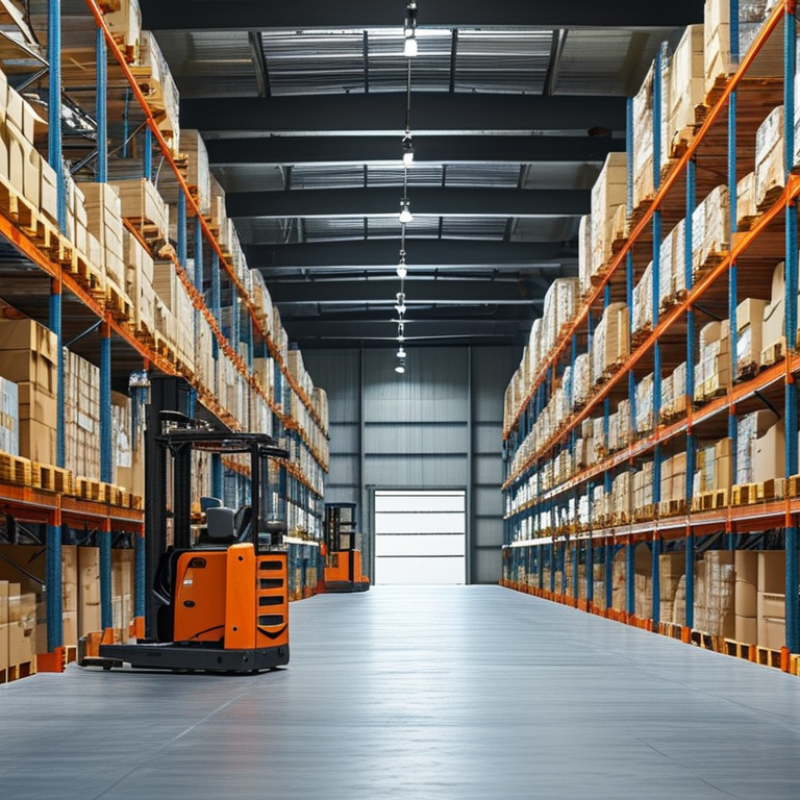
Understanding your storage needs is crucial. Proper analysis ensures that you select the most effective racking system for your warehouse. The first step is to evaluate your inventory. According to industry reports, around 30% of warehouses fail to optimize their space due to a lack of understanding. This can lead to wasted resources and inefficient layouts.
Next, consider the types of goods stored. Different items require specific racking systems. For example, heavy items need robust solutions. Studies indicate that pallet racking can increase space utilization by up to 60%. However, not every warehouse may benefit equally. Each layout differs based on inventory flow and accessibility.
Finally, think about future growth. Will your inventory volume increase? If so, a flexible racking system may suit your needs better. Many businesses overlook this aspect, leading to costly reconfigurations later. Reflecting on these factors can lead to smarter and more sustainable storage solutions.
When evaluating available warehouse space for optimal racking configuration, size and layout are critical. According to the Material Handling Industry (MHI), warehouses can improve storage capacity by up to 30% with proper racking systems. Understanding the dimensions of your warehouse allows for a tailored racking setup. Measure heights, widths, and aisle spacing accurately. Typically, racks should be placed at least three feet apart to enable safe and efficient material handling.
Beyond space dimensions, consider the type of goods stored. Different products require different storage methods. For instance, palletized items benefit from selective racking, while bulk materials may need cantilever racks. A report from the Warehousing Education and Research Council (WERC) suggests that poorly designed racking can lead to a 20% increase in retrieval times and more accidents. Engaging with professionals can help in assessing specific needs and avoiding common configuration pitfalls.
Balancing available space with operational efficiency can be challenging. Many warehouses have underutilized vertical space. High racks can significantly increase storage capacity, yet they can complicate retrieval processes. Utilizing an automated storage and retrieval system (AS/RS) might be worth considering. Ultimately, careful evaluation of your warehouse space, products, and potential efficiencies can lead to optimal racking configurations.
When it comes to selecting a warehouse racking system, understanding the various types available is crucial. There are several standard systems, each designed for specific needs. For instance, selective pallet racking is the most common type. It allows for easy access to each pallet. This system is great for warehouses with a diverse range of products. However, it may not optimize space as efficiently as others.
Another option is drive-in racking. This system maximizes storage space by using a dense configuration. It can be beneficial for businesses with high-volume, low-variability inventory. But accessing individual pallets becomes challenging.
Push-back racking also offers great efficiency for certain inventory types. It uses a series of carts and lanes to handle pallets. Still, this requires a higher initial investment and careful planning.
A more specialized choice is cantilever racking. This is ideal for storing bulky items. It tends to be flexible and adjustable, accommodating various lengths and weights. However, it may not be suitable for all products, particularly smaller items. Each system has its advantages and potential drawbacks. Careful consideration of your warehouse's unique needs is essential in making the right choice.
When selecting a warehouse racking system, safety regulations play a crucial role. Compliance ensures your employees are protected. Understanding local regulations is essential. Familiarize yourself with occupancy limits, load capacities, and materials used in racks. This knowledge helps prevent accidents and promotes a safer work environment.
Another important aspect is conducting risk assessments regularly. Identify potential hazards associated with your racking system. Ensure that racks are anchored properly and not overloaded. Evaluate how employees interact with the system to reduce injury risks. Keep your team informed about safe practices related to racking.
Consider consulting safety experts during your selection process. Their insights can guide you toward compliant and efficient solutions. Look for racking systems that prioritize stability and accessibility. Be aware that even small miscalculations in weight distribution can lead to failures. A proactive approach towards racking safety can greatly enhance workplace conditions.
| Tip | Description | Safety Considerations | Compliance Standards |
|---|---|---|---|
| 1. Assess Your Storage Needs | Evaluate the types of products to store and overall volume. | Ensure product weight and size are taken into account. | Follow local storage regulations. |
| 2. Choose the Right Type of Racking | Select from selective, drive-in, or pallet flow racks based on inventory. | Check load capacities and stability requirements. | Compliance with OSHA guidelines. |
| 3. Ensure Adequate Clearance | Maintain proper height and aisle widths for safety and efficiency. | Preventing accidental hits and falls. | Building and fire code regulations. |
| 4. Regularly Inspect Racking Systems | Implement scheduled maintenance to ensure safety. | Identify wear and tear or damage to structural integrity. | Adhere to safety inspection protocols. |
| 5. Educate Staff on Safety Practices | Provide training on safe handling and operation of racking systems. | Increase awareness of hazards and emergency procedures. | Follow workplace safety training standards. |
When budgeting for the initial costs and maintenance of warehouse racking systems, it's crucial to consider multiple factors. The price tag for racking can vary widely based on the type and configuration chosen. For instance, selective racks may be less costly initially than drive-in racks. However, the latter might offer better space optimization. It's essential to align your choice with your operational needs.
Maintenance is another aspect that often goes overlooked. Regular inspections can prevent costly repairs. Consider setting aside a portion of your budget for these unexpected expenses. Small issues can spiral into significant problems if left unchecked. Training staff on proper usage can also help extend the lifespan of the racking systems.
Overall, being realistic about your budget can guide your decision-making. Look beyond just the purchase price. Factor in operational efficiency and potential future needs. Review your choices periodically. Reflecting on what works and what doesn’t can lead to better-suited solutions down the line.
: Understanding storage needs helps ensure the selection of an effective racking system, maximizing space and efficiency.
Around 30% of warehouses fail due to a lack of understanding their storage needs.
Different items need specific racking solutions; heavy items require robust systems for safe storage.
A flexible system accommodates inventory volume increases, saving on costly reconfigurations in the future.
Selective pallet racking is a common type that allows easy access to each pallet but may not optimize space fully.
Drive-in racking maximizes storage but makes accessing individual pallets difficult.
Regular risk assessments identify potential hazards and improve safety for employees interacting with racking systems.
Familiarize yourself with occupancy limits, load capacities, and materials used in racks for compliance.
Cantilever racking is flexible for bulky items, but smaller items may not be stored effectively.
Safety experts provide insights that help guide you toward compliant, safe, and efficient racking solutions.
When considering how to choose the right warehouse racking system, it is crucial to understand your storage needs first. This involves assessing the types of products you plan to store and how frequently they will be accessed. Evaluating the available warehouse space is equally important, as it helps in determining the optimal configuration for your racking system, ensuring efficient use of space while maintaining accessibility.
In addition to these initial assessments, it is essential to explore the various types of racking systems and their unique capabilities to find the best fit for your operation. Compliance with safety regulations should also guide your selection process, as safety is paramount in any warehouse environment. Finally, budgeting for both the initial setup costs and ongoing maintenance of the racking systems will help ensure a sustainable and efficient storage solution for the long term.

RAB Logistics