2026 Best Tips for Safely Loading Warehouse Pallet Racks

Time:2026-07-15 Author:Oliver
0%

Loading warehouse pallet racks safely is crucial for maintaining both efficiency and safety in operations. According to the Occupational Safety and Health Administration (OSHA), improper loading techniques contribute to over 20,000 warehouse injuries annually. It emphasizes the importance of understanding how to safely load a warehouse pallet rack to minimize risks. Each rack type has specific weight limits and configurations, which must be adhered to carefully.

Industry standards recommend following the manufacturer’s guidelines regarding load distribution. Uneven loading can lead to tipping or potential collapses. Furthermore, a 2022 report by the Material Handling Industry of America (MHIA) stated that 70% of material handling injuries stem from improper lifting and stacking techniques. This highlights the need for training personnel on best practices and proper handling methods.

Evaluating your loading process can reveal areas for improvement. For example, consider if all staff are adequately trained or if racks need reinforcement for heavier loads. Regular inspections and maintenance also play a critical role in ensuring safety. By focusing on how to safely load a warehouse pallet rack, businesses can foster a safer work environment and enhance operational efficiency.
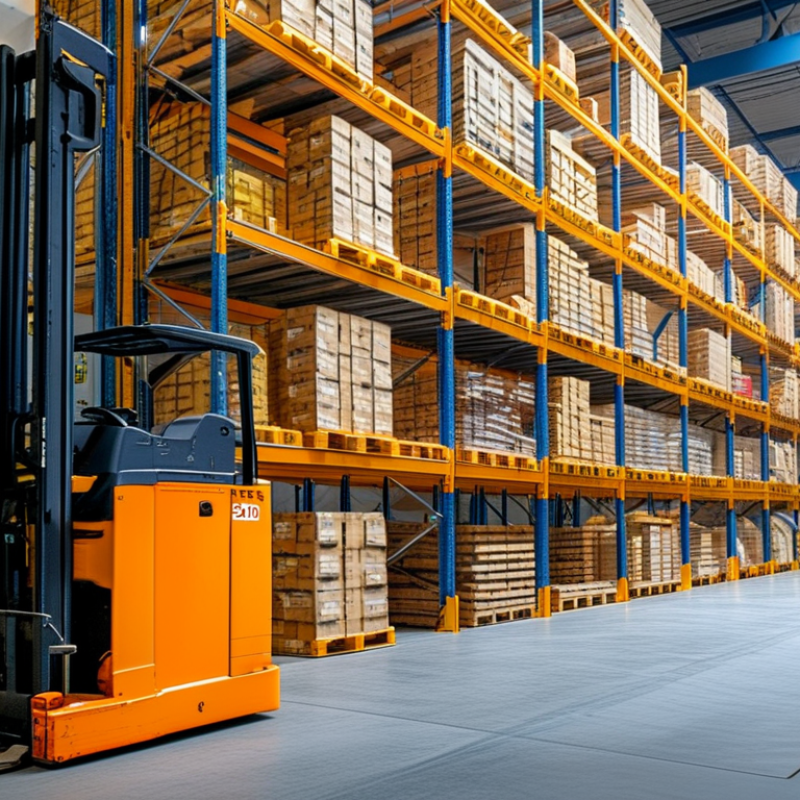
2026 Best Tips for Safely Loading Warehouse Pallet Racks

Understanding Warehouse Pallet Racks: Types and Configurations

Warehouse pallet racks are essential for efficient storage. Understanding their types and configurations can enhance organization. There are mainly selective racks, drive-in racks, and push-back racks. Selective racks are versatile; they allow easy access to every pallet. Drive-in racks maximize space, making them ideal for high-density storage. Push-back racks combine both features, offering accessibility and capacity.

When configuring these racks, consider your inventory. Each product type may require a different approach. For instance, heavy items might need stronger structures. Checking weight limits is crucial. Miscalculations can lead to accidents. Reflecting on the layout can reveal inefficiencies. Are all aisles wide enough for safety?

Safety is paramount. Regular inspections ensure racks remain sturdy. Employees should be trained in loading techniques. However, not all facilities prioritize this. Inadequate training can lead to errors. Observing warehouse operations often highlights areas for improvement. The right configuration goes beyond just fitting products; it fosters a safe working environment.

Essential Safety Guidelines for Loading Pallet Racks Properly

Loading pallet racks safely is crucial in a warehouse setting. Proper techniques prevent accidents and injuries. One essential guideline is to evenly distribute the weight across the racks. Avoid overloading a single side to maintain stability. Use scales to measure the weight accurately.

Another key aspect is to use proper lifting techniques. Bend your knees, not your back, when lifting heavy items. Additionally, always use forklifts or pallet jacks for transporting heavy loads. Check that your equipment is functioning correctly before use.

Regular inspections of pallet racks can prevent issues. Look for signs of wear or damage. It's easy to overlook small cracks, but these can lead to bigger problems. Employees should be trained to recognize potential hazards. A culture of safety promotes awareness. Regular training sessions reinforce best practices and encourage thoughtful reflection on safety measures.

2026 Best Tips for Safely Loading Warehouse Pallet Racks

Techniques for Assessing Weight Limits on Pallet Racks

When loading pallet racks, understanding weight limits is crucial. Each rack has a specified capacity, often outlined in manufacturer guidelines. These limits sometimes vary based on the rack's design and material. Regularly reviewing this information helps ensure safety. Warehouse managers should not rely solely on data from past experiences, as load capacities can change over time.

To accurately assess weight limits, perform visual inspections. Look for any signs of wear or damage. Cracks in beams or bent uprights can indicate that the rack is overstressed. Using a scale to check the weight of loaded pallets is another effective method. Balancing the load evenly across the rack can also prevent accidents. However, even with precautions, there is always room for error. Human judgement can lead to miscalculations, resulting in unsafe conditions.

Creating a log of each loading session can be beneficial. Include details such as weight and placement. This practice can help identify patterns that may need correction. Regular training sessions for staff can enhance awareness, but mistakes can still happen. Recognizing the limitations of human oversight is vital for improving safety measures in the warehouse.

Best Practices for Arranging Items on Pallet Racks

Arranging items on pallet racks is crucial for warehouse efficiency. According to a report from the Industrial Truck Association, improper loading leads to 30% of warehouse injuries. This underscores the importance of best practices when organizing items. Start by placing heavier items at the bottom. This creates a stable base and minimizes the risk of tipping. Lighter items should be stored above. An imbalance can cause accidents, and this often goes unnoticed until it's too late.

It’s vital to maintain proper aisle space. The National Safety Council suggests that a clear space allows for safe forklift navigation. Aisles should be wide enough for equipment. When racks are overstuffed, access becomes difficult and hazardous. Additionally, use labels or color-coded systems for better visibility. This helps workers find items quickly and reduces time spent searching.

Regularly review your inventory levels. An overabundance of items can lead to chaotic arrangements. Aim to rotate stock based on demand. Items that move quickly should be more accessible. This strategy not only improves safety but also enhances productivity. Balancing efficiency and safety requires ongoing attention and adaptation. Each warehouse has unique needs, and policies must evolve accordingly.

Common Mistakes to Avoid When Loading Warehouse Pallet Racks

Loading warehouse pallet racks correctly is crucial for safety and efficiency. However, common mistakes can lead to accidents and inefficiencies. Many warehouses overlook proper weight distribution. Studies show that nearly 30% of pallet rack failures are due to improper loading techniques. When weight is unevenly distributed, it can cause the rack to tip over, endangering workers and products.

Another frequent mistake involves not adhering to load capacity limits. Each pallet rack has specific weight limits that should never be exceeded. Ignoring these limits can result in structural failures. According to a report from the Occupational Safety and Health Administration (OSHA), pallet rack safety violations account for significant workplace injuries. Regular training on load capacities ensures that employees are aware of these critical guidelines.

Additionally, it is essential to properly position pallets. Stacking pallets incorrectly can obstruct aisles and create hazards. It's also common for workers to rush the loading process, leading to careless stacking. Encouraging a culture of safety and diligence when loading can minimize these risks. By fostering awareness and adherence to best practices, warehouses can improve both safety and productivity.

FAQS

: What are the main types of warehouse pallet racks?

: The main types include selective racks, drive-in racks, and push-back racks.

How do selective racks work?

Selective racks allow access to every pallet, making them versatile for storage needs.

Why are drive-in racks recommended?

Drive-in racks maximize space for high-density storage, which is very efficient.

How should items be arranged on pallet racks?

Store heavier items at the bottom for stability, and lighter items above for safety.

What role does safety play in loading racks?

Safety is crucial; proper weight distribution prevents accidents and maintains stability.

How can inspections contribute to safety?

Regular inspections of racks and training on hazards promote awareness and prevent issues.

Why is it essential to maintain aisle space?

Proper aisle space allows for safe navigation of forklifts, reducing the risk of accidents.

What should be done with damaged racks?

Damaged racks should be addressed immediately to prevent accidents, as cracks may worsen.

How can stock rotation impact organization?

Rotating stock based on demand keeps items accessible and maintains an organized space.

What is a common mistake in warehouse setup?

Overloading racks or not training employees properly can lead to inefficient arrangements and safety risks.

Conclusion

In the article "2026 Best Tips for Safely Loading Warehouse Pallet Racks," key guidelines for how to safely load a warehouse pallet rack are presented. It begins with an overview of different types and configurations of warehouse pallet racks, emphasizing the importance of understanding these structures to ensure safety and efficiency. Essential safety guidelines are provided, highlighting correct loading practices to prevent accidents and maintain stability.

Moreover, techniques for assessing weight limits on pallet racks are discussed, alongside best practices for item arrangement to maximize space and accessibility. The article concludes by addressing common mistakes to avoid, reinforcing the necessity of proper training and awareness in handling pallet racks. By following these comprehensive tips, warehouse operators can enhance safety and operational effectiveness when loading pallet racks.

Oliver

Oliver

Oliver is a seasoned marketing professional with a wealth of expertise in driving brand awareness and engagement. With a deep understanding of our company's product offerings, he consistently delivers high-quality content that enriches our professional blog. His insights not only shed light on......