Warehouse picking can look simple: reach, lift, scan, and move. Yet repeated motions can quietly create shoulder strain, wrist discomfort, and lower-back fatigue. A poorly placed carton may add only a few seconds, but it can demand hundreds of awkward reaches each shift. This guide explores the 7 best ways to improve ergonomics in warehouse picking stations, using practical design choices rather than quick fixes.
Good ergonomics begins with observing real work. Watch how pickers turn, bend, carry, and position their feet. Measure shelf heights, walking distances, load weights, and scanner use. Adjustable work surfaces, balanced storage layouts, lift aids, and clearer replenishment routines can reduce unnecessary effort. Training also matters, but training cannot correct a station that forces constant twisting. The equipment must support the worker.
Small details deserve attention. A frequently picked item should sit between knee and shoulder height. Heavy cartons belong closer to the body and near waist level. Anti-fatigue flooring may help, especially where workers stand for long periods. However, no solution works equally well for every facility. Product sizes change. Staffing patterns change. Even a well-designed station may need revision after busy-season testing.
Reliable improvements should combine worker feedback, supervisor observations, injury records, and accepted occupational safety guidance. Invite pickers to identify the most tiring motion. Their comments may challenge the original layout. That is useful. Ergonomics is not a one-time installation; it is an ongoing review of how people actually work. The following strategies provide a realistic starting point for safer, more comfortable, and more consistent warehouse picking.
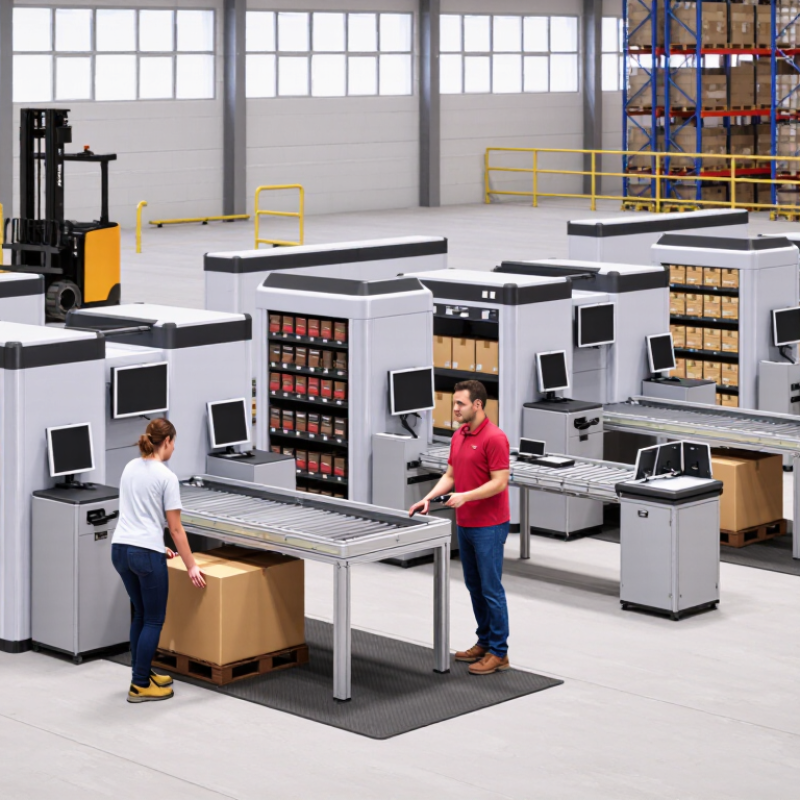
Before changing a picking station, observe one worker through a complete order cycle. Record reach height, trunk twisting, walking distance, load weight, grip quality, and recovery time. Video can expose risks hidden by a tidy workstation. Watch the awkward seconds.
The Revised NIOSH Lifting Equation evaluates reach, height, twisting, frequency, duration, and hand coupling. These factors often matter more than weight alone.
The 2024 Liberty Mutual Workplace Safety Index estimated that overexertion caused about $13.4 billion in direct workers’ compensation costs in the United States. That figure supports practical controls, not alarmism.
Place heavier products between knee and shoulder height. Shorten horizontal reaches. Use adjustable carts, lift assistance, and stable handles where possible.
Reduce unnecessary walking through slotting analysis. Schedule brief recovery pauses and rotate tasks carefully. Rotation should not simply move fatigue from one body area to another.
Assessment should continue after implementation. Compare movement patterns across new employees, experienced pickers, and late-shift work. An efficient route may still produce repeated twisting. One rough observation is better than a confident guess.
Workers may also reveal problems that measurements miss, such as slippery packaging or a cart that pulls unevenly. Review near misses, discomfort reports, and productivity together. If speed improves while awkward reaches increase, the redesign needs honest reconsideration.
7 Best Ways to Improve Ergonomics in Warehouse Picking
A practical pick station should fit the worker, not force the worker to adapt. Set the main work surface near elbow height. Adjustable legs help different employees work safely. Keep frequently picked items between knee and shoulder level. This central reach zone reduces bending, twisting, and shoulder strain. Place lightweight products within a short arm’s reach. Store heavier cartons between mid-thigh and chest height. Keep rarely picked items farther away. Use sloped shelves or gravity lanes when they improve visibility. Clear labels also prevent repeated searching and awkward reaching.
Tips: Measure reach distances during real picking tasks. Watch workers handle full totes, not empty ones. Keep scanners, tape, and labels close to the dominant hand. Leave enough knee and foot clearance beneath the surface. A small anti-fatigue mat may improve comfort, but it cannot fix a poor layout. Train workers to turn their whole body instead of twisting. Short task rotations can reduce repeated loading on the same joints.
A useful test is simple: pick several orders at normal speed and record discomfort, delays, and missed items. Then adjust one feature at a time. We once raised a bench to improve posture, but smaller workers lost stable foot contact. The lesson was inconvenient. One fixed height rarely suits everyone. Recheck stations after product sizes, container types, or staffing patterns change. Ergonomics is not a one-time installation. It requires observation, measurement, and honest feedback from the people doing the work.
In warehouse picking, strain often begins before a lift feels heavy. Workers may reach across pallets, twist with loaded totes, or bend repeatedly. Keep each load close to your body. A practical lifting pattern starts with stable feet and a clear path. Bend through your hips and knees, keep your spine neutral, and lift smoothly. Turn with your feet, not your waist. Keep it close.
Material-handling tools can reduce repeated effort and awkward reaches. Height-adjustable carts, lift tables, pallet positioners, and powered conveyors can support safer workflows. Choose tools according to load weight, picking frequency, aisle space, and worker height. Check handles, wheels, brakes, and rated capacities before use. Tools need fit. A useful device becomes risky when workers overfill it or force it through a crowded aisle.
During floor observations, I watch the full task, not only the lifting motion. I check how workers place totes, where they pause, and whether the tool truly saves movement. Small tests matter. Try the equipment with empty and full containers, then ask workers what feels difficult. A lift table may slow production at first. One cart may also create congestion. I once underestimated that problem. Adjustments should use discomfort reports, near-miss records, and task-time observations. Training works best with real loads and short practice sessions. Do not rely on slogans. Regular review keeps ergonomic changes practical and credible.
Reducing horizontal reach keeps loads closer to the body and increases the Recommended Weight Limit (RWL). The values below are calculated using the NIOSH Revised Lifting Equation, with all other conditions set to ideal values.
Key takeaway: Positioning products within approximately 25–40 cm of the body can substantially improve the recommended lifting capacity. Use height-adjustable workstations, conveyors, lift tables, carts, and correct lifting techniques to reduce strain.
In warehouse picking, inventory placement often matters more than picker speed. Store the most frequently picked items between knee and shoulder height. This “golden zone” reduces deep bending and overhead reaching. Keep heavier cartons near waist level. Place small, light items higher or lower.
Group products by order frequency and picking sequence. High-volume items should sit close to packing stations. This shortens walking routes and reduces rushed turns. Place related products together, but leave enough space for safe hand movement. Clear labels should face the aisle. Workers should not twist their bodies to read them.
A practical review starts with observation, not assumptions. Track where workers bend, turn, pause, and walk repeatedly. We once moved popular items closer to packing, yet congestion increased. The layout needed wider access, not just shorter routes. Adjustable shelving can help as product sizes change. Rotate stock positions after seasonal demand shifts. This method is not perfect. A weekly check can reveal problems that a monthly inspection misses. Encourage pickers to report awkward locations, because they experience the layout differently from supervisors. Small changes, such as turning a carton label outward, can prevent hundreds of unnecessary twists. Ergonomics improves when inventory organization follows real movement patterns.
Warehouse picking becomes safer when training matches the real aisle, not a classroom sketch. Teach workers to adjust shelf height, keep loads close, and alternate hands during repetitive picks. Demonstrate neutral wrists with actual cartons, scanners, and step platforms. Supervisors should explain why each movement matters. Short practice sessions work better than one annual lecture. Still, an initial training plan may miss awkward tasks performed during rush periods.
Monitor ergonomic practices without turning observation into punishment. Use weekly floor walks and a simple checklist covering bending, twisting, overhead reaching, and cart condition. Ask workers where discomfort begins, then record patterns by task and shift. A five-minute conversation can reveal a poorly placed tote faster than a dashboard.
Review near-misses and reported soreness promptly. Data helps, but numbers cannot describe every cramped aisle or slippery grip.
Turn findings into small trials. Move fast-moving items between knee and chest height, adjust pick routes, or add recovery pauses after repetitive work. Test one change for two weeks, compare feedback, and revise it with worker input. Do not assume one successful pilot fits every shift. New hires may need closer coaching, while experienced workers may resist corrected habits. Keep observing after changes, because safe technique can fade under pressure. Record actions, dates, owners, and results. That accountability makes improvement visible.
Watch one worker complete an entire order cycle. Record reach height, twisting, walking distance, load weight, grip quality, and recovery time.
Video reveals awkward seconds hidden by a tidy workstation. It may show repeated twisting, unstable carts, or rushed movements.
Place heavier products between knee and shoulder height. Keep cartons close to the body and shorten horizontal reaches.
Review item locations and picking routes. Place frequently picked products along shorter paths. An efficient route may still create repeated twisting.
Use adjustable carts, stable handles, lift assistance, and suitable step platforms. Check whether carts pull evenly across the floor.
Train workers in the actual aisle, using cartons, scanners, and platforms. Demonstrate neutral wrists, close loads, adjustable shelves, and alternating hands.
Use weekly floor walks and a simple checklist. Ask where discomfort begins. Observation should guide improvement, not punish workers.
Test one change for about two weeks. Compare productivity, discomfort, near misses, and worker feedback. One successful trial may not fit every shift.
Reconsider the redesign honestly. Faster work is not enough when fatigue rises. That assumption can fail. Check new employees, experienced workers, and late-shift patterns.
Improving ergonomics in warehouse picking stations begins with understanding how workers move, where strain occurs, and which tasks involve frequent lifting, reaching, bending, or twisting. The best approach is to adjust station heights, work surfaces, and reach zones so commonly picked items remain within a comfortable range. Clear layouts and well-positioned inventory can also reduce unnecessary walking and awkward body movements. This explains how to improve ergonomics in warehouse picking stations while supporting safer and more efficient daily operations.
Workers should be trained in balanced lifting techniques, proper load handling, and the correct use of material-handling tools. Supervisors can reinforce these practices through regular observation, feedback, and simple ergonomic checks. Because warehouse demands change over time, teams should continually review injury risks, worker movement patterns, and workstation performance. Small improvements, such as relocating heavy items or adjusting shelf positions, can reduce fatigue and create a more comfortable, productive picking environment.

RAB Logistics